 AI Web Maker
Build a coaching website with AI
Tell AI Web Maker who you help, what you help them with and how your sessions run, and it drafts a coaching website around that description. The pages cover what a prospective client reads before getting in touch: your approach, your sessions and packages, your background and a clear way to start. Discovery calls and first sessions are booked as requests, with the client choosing a session, a day and a time while you confirm, move or decline each one. Every page stays editable before launch, which matters for credentials and anything said about clients. Nothing is billed while you draft and preview, so you can test a booking from the client's side first. The sections below cover what to say, how to present packages and credentials honestly, and what launching costs.
What should a coaching website tell a new client first?
A new client wants to know, from the first screen, who you help and what you work on together. A life coach might name career changes and confidence, a personal trainer strength after a long break, and a consultant a specific business problem. The draft home page leads with this, followed by pages for your sessions, your approach, your background and how to get in touch. Specific wording helps the right people recognise themselves and lets a poor fit move on early. Since clients choose a person as much as a service, rewrite any heading until it sounds like you.
An approach page explains how you actually work, which often decides between two coaches with similar experience. It can describe what happens in a first session, how often clients usually meet, what happens between sessions and how goals are agreed. A yoga or pilates studio can use the same space to explain class levels and what a beginner should expect. Plain language beats jargon here, since many clients have never worked with a coach before. When people understand the process, the first booking feels like a small, safe step.
Sample coaching and training websites to explore
Every sample here is a complete website for an invented coach, trainer or consultant, and you can browse each one as a prospective client would. The set opens with a coaching practice, a personal trainer, a tennis coach and a nutritionist, then moves to a yoga studio, a pilates studio and a consulting firm. On most of them you can request a first session or a class and see how the booking looks from the client's side. The people, prices and testimonials are invented, so treat them as examples, not facts. The sample closest to your own work shows the kind of pages your preview could include.
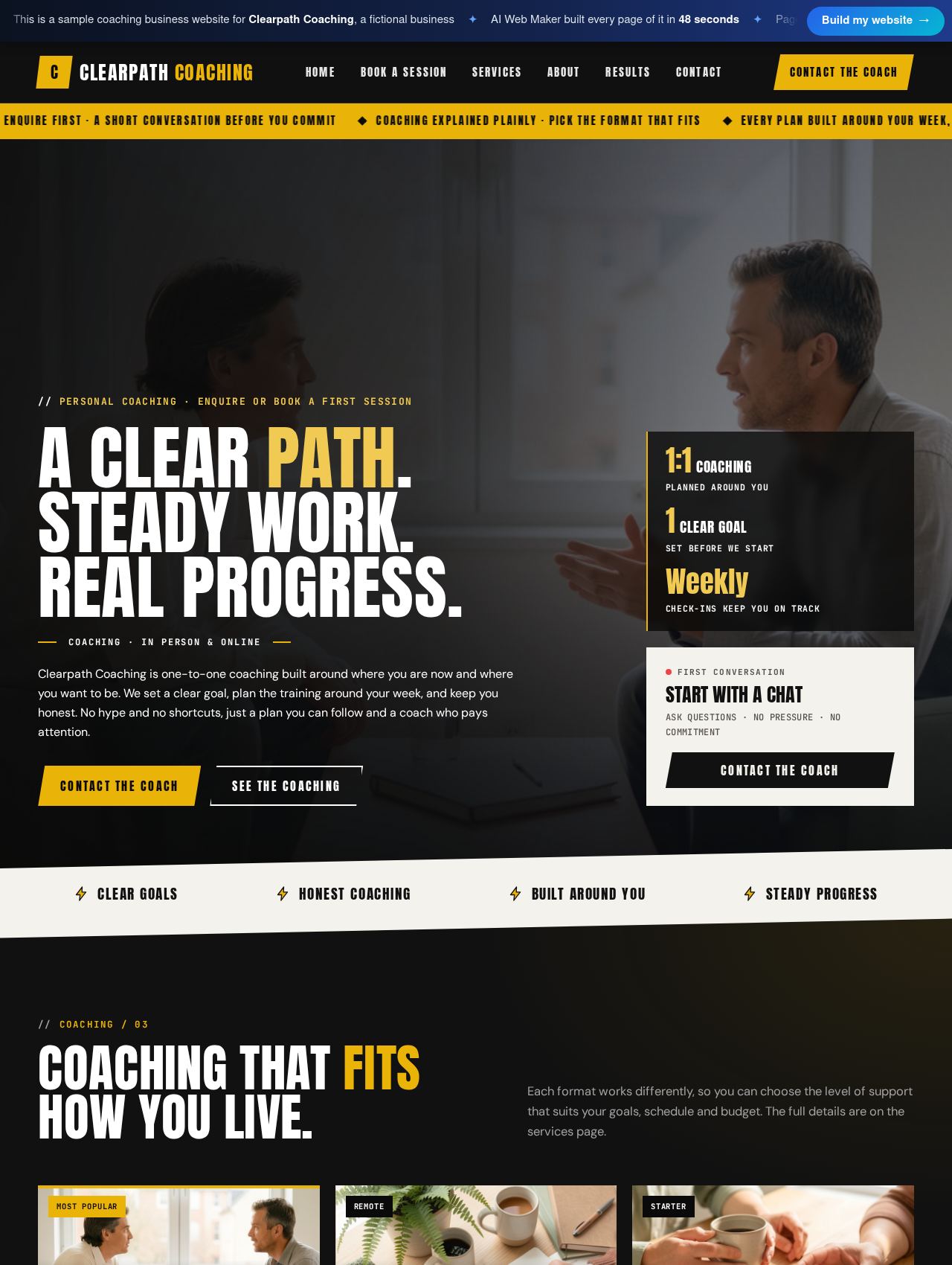 Coaching Business website example
Sample for Clearpath Coaching, a fictional business
Browse as a client →
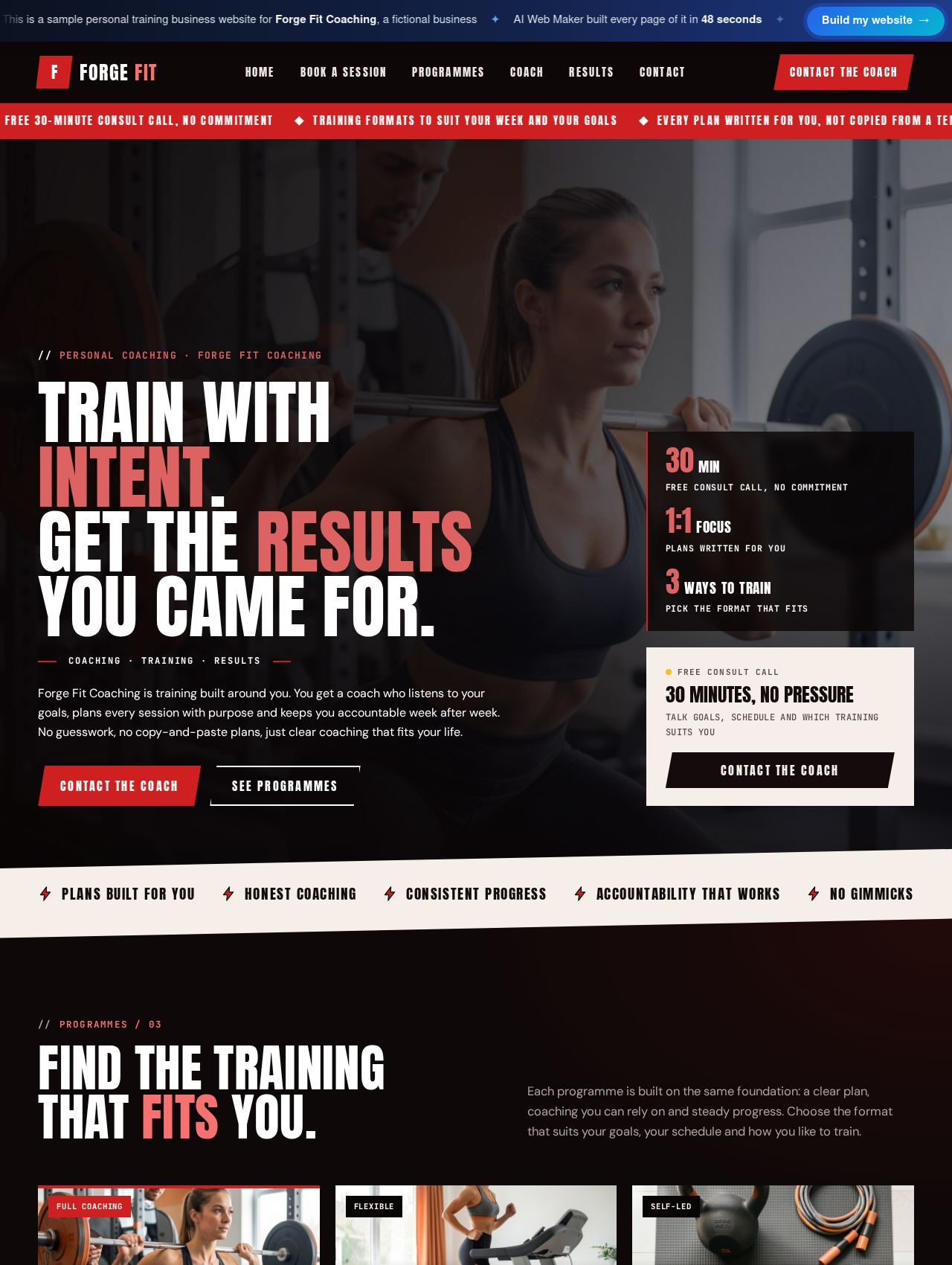 Personal Training Business website example
Sample for Forge Fit Coaching, a fictional business
Browse as a client →
 Tennis Coach website example
Sample for Baseline Tennis Coaching, a fictional business
Browse as a client →
 Nutritionist website example
Sample for Nourish Well Nutrition, a fictional business
Browse as a client →
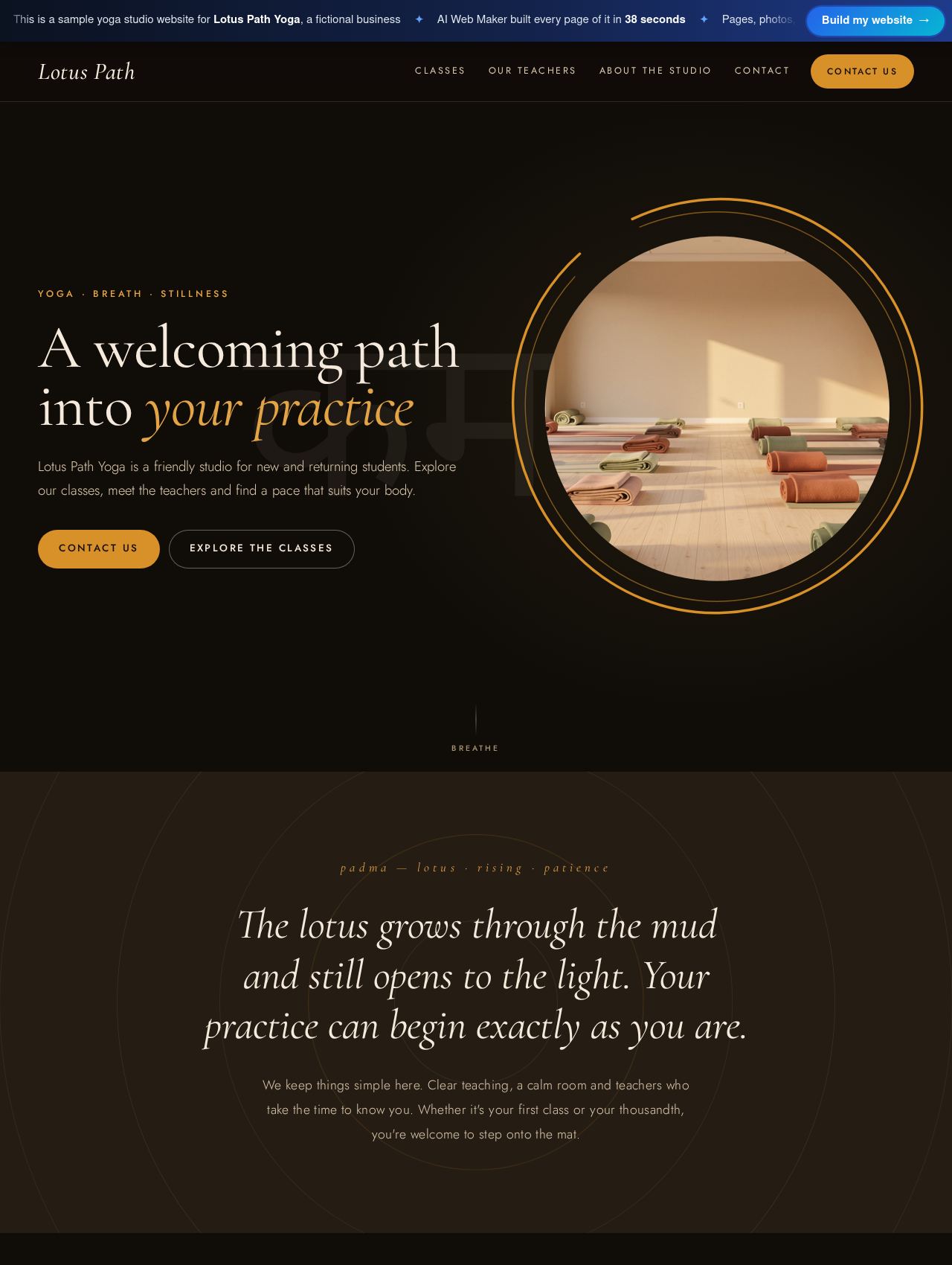 Yoga Studio website example
Sample for Lotus Path Yoga, a fictional business
Browse as a client →
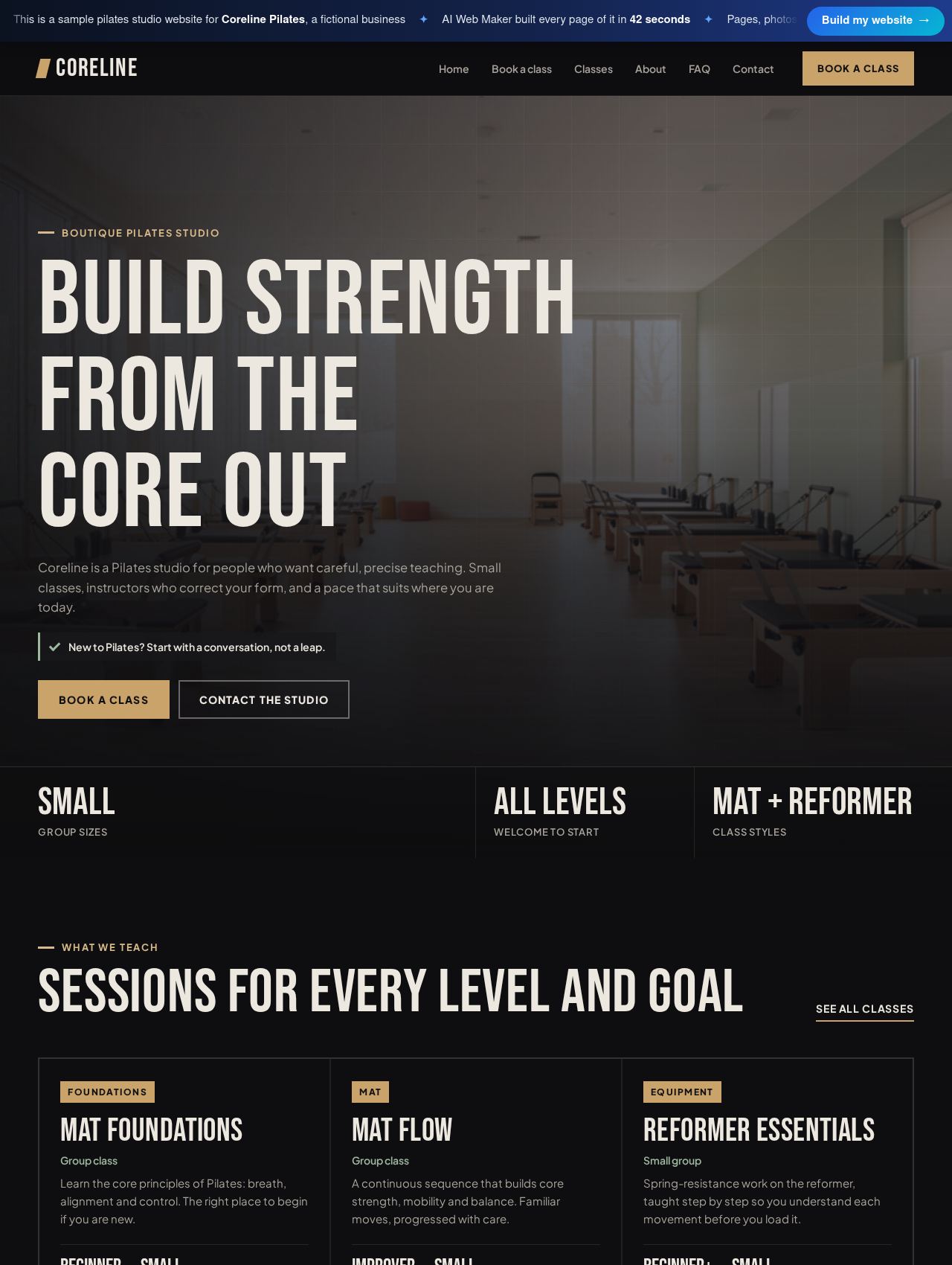 Pilates Studio website example
Sample for Coreline Pilates, a fictional business
Browse as a client →
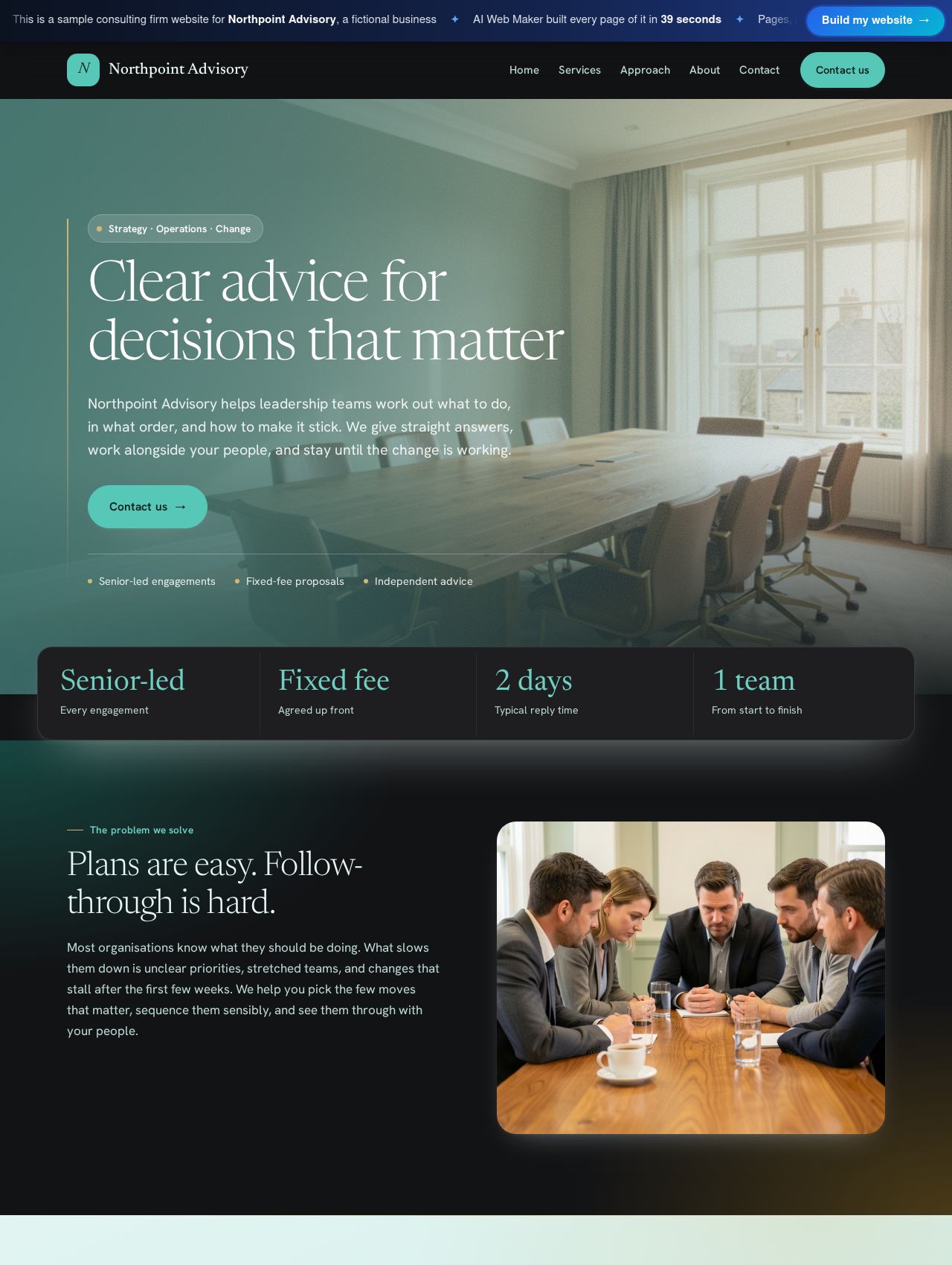 Consulting Firm website example
Sample for Northpoint Advisory, a fictional business
Browse as a client →
How do discovery calls and first sessions get booked?
Discovery calls and first sessions are listed as bookable options, so a prospective client picks one, chooses a day and a time, and sends a request. You then confirm it, move it to another time or decline it if the fit looks wrong. Many coaches list a short introductory call and a full first session separately, letting the client choose how big a first step to take. Yoga and pilates studios list their classes the same way, each as an option a client can request. The first contact therefore arrives organised, rather than as a chain of messages hunting for a time.
Online and in person sessions can sit side by side, and separate options make it clear which one the client wants. An online session suits a client far away, while an in person one might happen in a studio, a gym or on a court. The tennis coach sample, for example, explains that lessons run on public and club courts, and the nutritionist sample offers a consulting room or a video call. You run the online part with whichever video service you already prefer, and the page explains how the call is joined. Being clear about format removes a question that would otherwise delay the first booking.
How should you present packages, prices and session terms?
Packages work best when each one says what is included, how many sessions it holds and over what period, rather than leaning on a catchy name. A trainer might offer a single session, a block of ten and a monthly plan, while a consultant might offer a fixed scope review and ongoing advice. Each package can be its own option with its own price, and one that needs a conversation first can point to the discovery call instead. Clients pay you under whatever arrangement you already use, and none of that money passes through AI Web Maker. Transparent packages make the decision easier and cut down the bargaining that unclear prices invite.
A clear policy on cancellations, missed sessions and how long a package stays valid heads off many disputes before they start. Put it in plain words on the packages page, close to the prices, rather than tucking it into small print. Say how much notice you need to move a session and what happens when a client arrives late or misses one. Explain whether a package can be paused, shared or passed to someone else, since clients ask about all three. When the rules are visible before booking, applying them later feels fair to everyone.
How do you show credentials and testimonials honestly?
State credentials exactly as they are, because titles and registration for coaches, trainers and nutrition advisers vary from one country to another. In some places a title such as dietitian or physiotherapist is protected by law while coach is not, so name each qualification, the body that awarded it and any registration you actually hold. Avoid borrowed titles and vague phrases that suggest a status you do not have. Experience counts too, so describe your years in practice, the kinds of clients you have helped and any specialist training. A credentials page written this way reassures careful clients and stands up if anyone checks.
Testimonials should be real, used with the client's permission and kept to what the client actually said. Choose ones that describe the experience of working with you, such as feeling listened to or finally having a plan, over dramatic outcomes few clients would match. Never edit a quote to make it stronger, and remove it if the client asks. Where a testimonial mentions weight lost or revenue gained, add context or leave it out, and treat before and after photos with the same care, since advertising rules in some countries limit them for health services. Honest testimonials persuade more people over time than impressive ones that feel too good to be true.
What should a coaching website avoid promising, especially about health?
A coaching website should describe what you do and how, without guaranteeing results such as a promotion, a target weight or a jump in profit. Outcomes depend on the client, their circumstances and much that no coach controls, and clients know it. Describe the goals clients often bring, how you work towards them and what a typical programme involves. Advertising rules in many places expect claims about services to be truthful and backed by evidence, so words like support and guide serve you better than guarantee. A site that promises less and explains more attracts clients who know what they are signing up for.
Health related coaching, from personal training and nutrition to yoga and pilates, should send medical questions to a doctor rather than try to answer them. A clear note can say that sessions do not replace medical advice, and that anyone with a health condition, an injury, a pregnancy or a new symptom should see a doctor before starting. The nutritionist sample, for instance, sets out where it can help and where a doctor comes first. You can also explain what you ask about health at a first session and why. Drawing this line clearly protects your clients and shows that you take their wellbeing seriously.
What does a coaching website cost?
Running a coaching website on AI Web Maker means hosting at $119 a year or $19 a month, paid only once you decide to launch. Drafting and previewing are not billed, so every page can be checked in full beforehand. A domain is bought on top, with about 400 endings available, and many coaches simply register their own name. A higher plan at $189 a year is offered too, and a side by side view of both sits on the plans page. If you want more AI writing later, such as articles about your method, credits cost about $0.65 each. Low, predictable running costs suit a practice that grows one client at a time.
Guides for coaches, trainers and consultants
For life, career and executive coaches: twelve months of site costs, who hires a coach, choosing a niche, session formats and packages, first session requests, coaching v...
Personal trainers and online coaches will find the year's hosting cost here, with client types, coaching formats and plans, health screening, qualifications and scope, ho...
A coaching guide to tennis websites: the yearly cost, lesson formats by level and age, junior stages, courts and weather policy, packages, the coach profile, safeguarding...
A guide for nutritionists and dietitians: the yearly website cost, services by concern, credentials and scope, the first consultation, prices and packages, privacy, caref...
For yoga studios: the yearly website cost, how newcomers pick a studio, class styles and levels, passes and memberships, class requests, injuries and pregnancy, teacher p...
Pilates studios sell mat and reformer classes to cautious newcomers, so the guide covers formats, levels, health questions and pregnancy, instructor training, packs and t...
For consulting firms and independent consultants: the running cost of the site, how buyers shortlist advisers, the approach page, engagement stages, fee structures, confi...
Describe your practice and preview the site
Tell us your name or business name, who you work with and what you help them work towards. List your sessions and packages with their prices, and say whether they run online, in person or both. Pages, words and photos come back as a draft, and you edit whatever does not sound like you. Check each credential against your certificates, keep testimonials to what clients really said, and add a note sending medical questions to a doctor if your work touches health. When the preview reads well, choose a domain and a plan to start receiving requests.
Frequently asked questions
Can clients book a discovery call from the website?
A prospective client selects the discovery call, settles on a day and a time that suit them and sends the request with their contact details. The request stays open in your account, and nothing is fixed until you confirm, reschedule or turn it down. A short note on the page can explain what the call covers and roughly how long it lasts. If you would rather read a message before speaking to anyone, the enquiry form can sit beside the booking option or replace it. That gives someone who finds you late in the evening a first step they can take at once.
Does the builder suit trainers and studios as well as coaches?
Personal trainers, sports coaches and studios use the same builder as life and business coaches, and the difference shows in the pages it drafts. A trainer's site might lead with session types, packages and where training takes place, while a yoga or pilates studio sets out its classes and levels. A tennis coach can separate private lessons, small groups and junior sessions, as the tennis coach sample does. Each of these can be requested through the booking page with a day and a time. The structure follows the way you work, whether one to one or in groups.
Can a consultant use the website without online booking?
A consultant can rely on the enquiry form alone when every engagement starts with a conversation about scope. The form lets a prospective client describe the problem, the timeline and their organisation, so your reply can be specific. Service pages explain how a project usually runs, and a portfolio page can show past work with permission and without confidential details. Booking can be added later for a fixed paid session, such as a one off strategy review. This mix mirrors the way consulting work is usually bought.
Will a coaching website bring in new clients?
A coaching website gives people who hear about you a place to check your work and request a first conversation, but no website can guarantee new clients. Referrals, social posts and talks all send people somewhere, and your own site is where those visitors can act. Specific pages about who you help and how, written in the words clients use, also give search engines more to understand over time. Sharing the site's address wherever you already appear helps it do that job. Treated as the home base of your practice, the website makes every other effort easier to follow up.
How should a coaching website handle client privacy?
Client privacy matters on a coaching website, because people often share personal goals and difficulties when they first get in touch. Keep the wording of your booking and enquiry pages focused, and invite people to save the details for a session rather than a first message. Testimonials and case studies should use first names, initials or no names at all, and only with permission. The site should also explain how you handle what clients tell you, in line with the privacy laws where you work, which vary by country. Careful handling of personal details is part of the trust that coaching depends on.
More ways to build with AI Web Maker
Updated 4 November 2026 · by AI Web Maker. The sample businesses are fictional; their people, prices and reviews are invented to show what a real website holds.