 AI Web Maker
Build a portfolio website with AI
AI Web Maker builds a portfolio website from a few sentences about what you make and who you make it for, with the work at the centre of every page. The builder plans a portfolio or projects page, a services page that explains how you work, a page about you, and a way for clients to send an enquiry. It writes the words, picks a design suited to your field and places images, which you then replace with photographs of your own work in the editor. Photographers, designers, architects, film makers and artists each get a layout that fits their kind of work rather than one generic template. Nothing is charged while you build and preview, so you can arrange the portfolio exactly as you want before anyone sees it. The sections below explain what the builder makes, show sample portfolios you can open, and set out the cost of going live.
What goes into a portfolio website built with AI?
A portfolio website built with AI holds the pages a client checks before getting in touch, arranged so the work leads and the words support it. The builder creates a page for your portfolio, projects or selected work, and it names that page in the way your field expects. A services page then explains what you offer and how a project runs, while the about page introduces the person or studio behind the work. The contact page carries an enquiry form, so a client who likes what they see can describe their own project straight away. Every heading and paragraph can be rewritten, and every image can be swapped for your own. The result is a complete portfolio site that is ready for your best pieces from the first preview.
Portfolios the builder made for invented creatives
The portfolios shown here were generated for made up creatives and studios, and each one arrived with its work, services and enquiry pages already arranged. They include a photographer, an interior designer, a graphic design studio, a video production company, a web designer, an architect and a marketing agency. Two of them, the makeup artist and the tattoo studio, pair the portfolio with online booking for sessions. Open any of them to see how the builder names the work page, arranges projects and leads visitors toward an enquiry. The people and projects are invented, while the structure is exactly what the builder makes for a real portfolio.
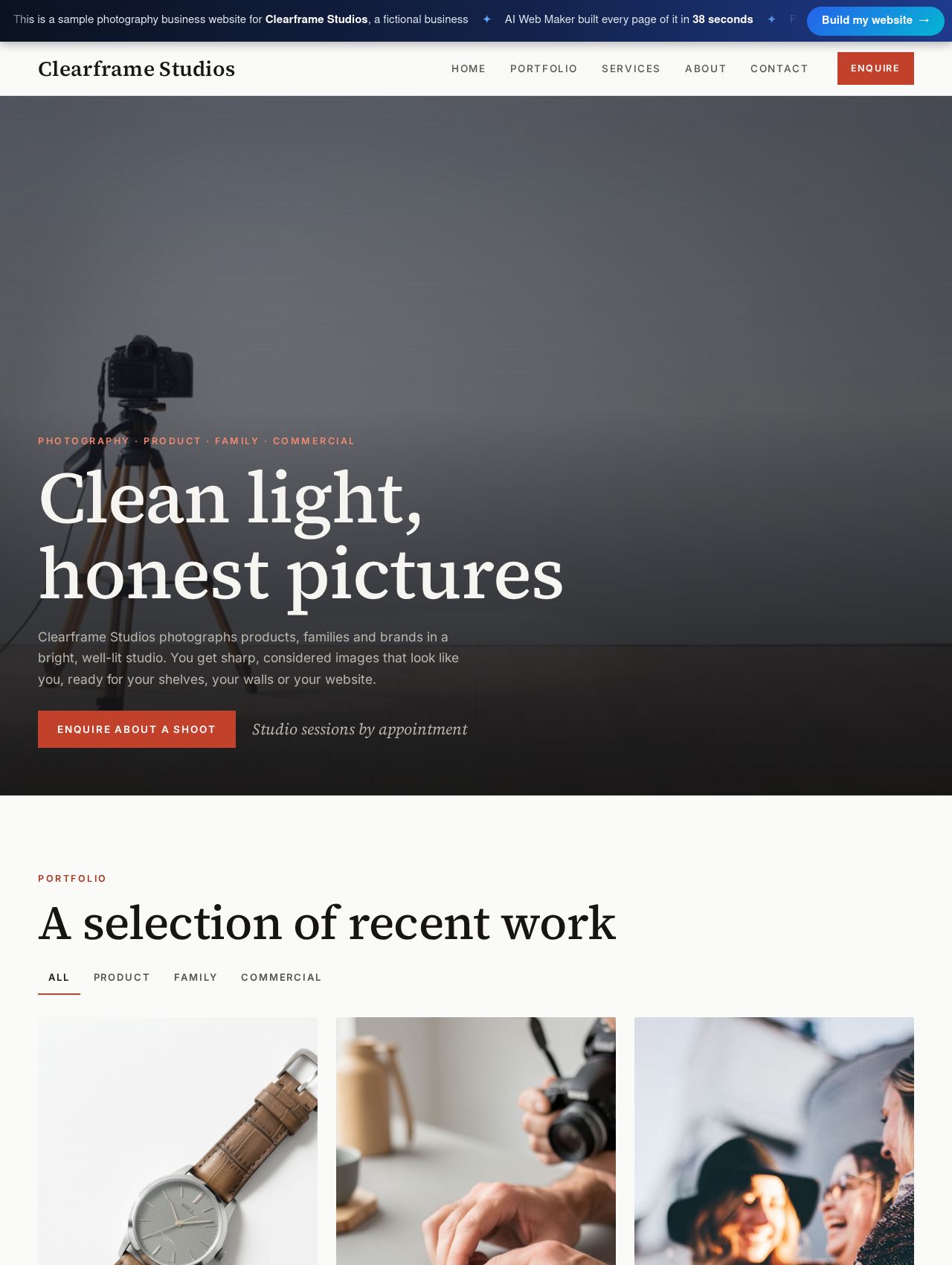 Photography Business website example
Sample for Clearframe Studios, a fictional business
Portfolio and enquiry form →
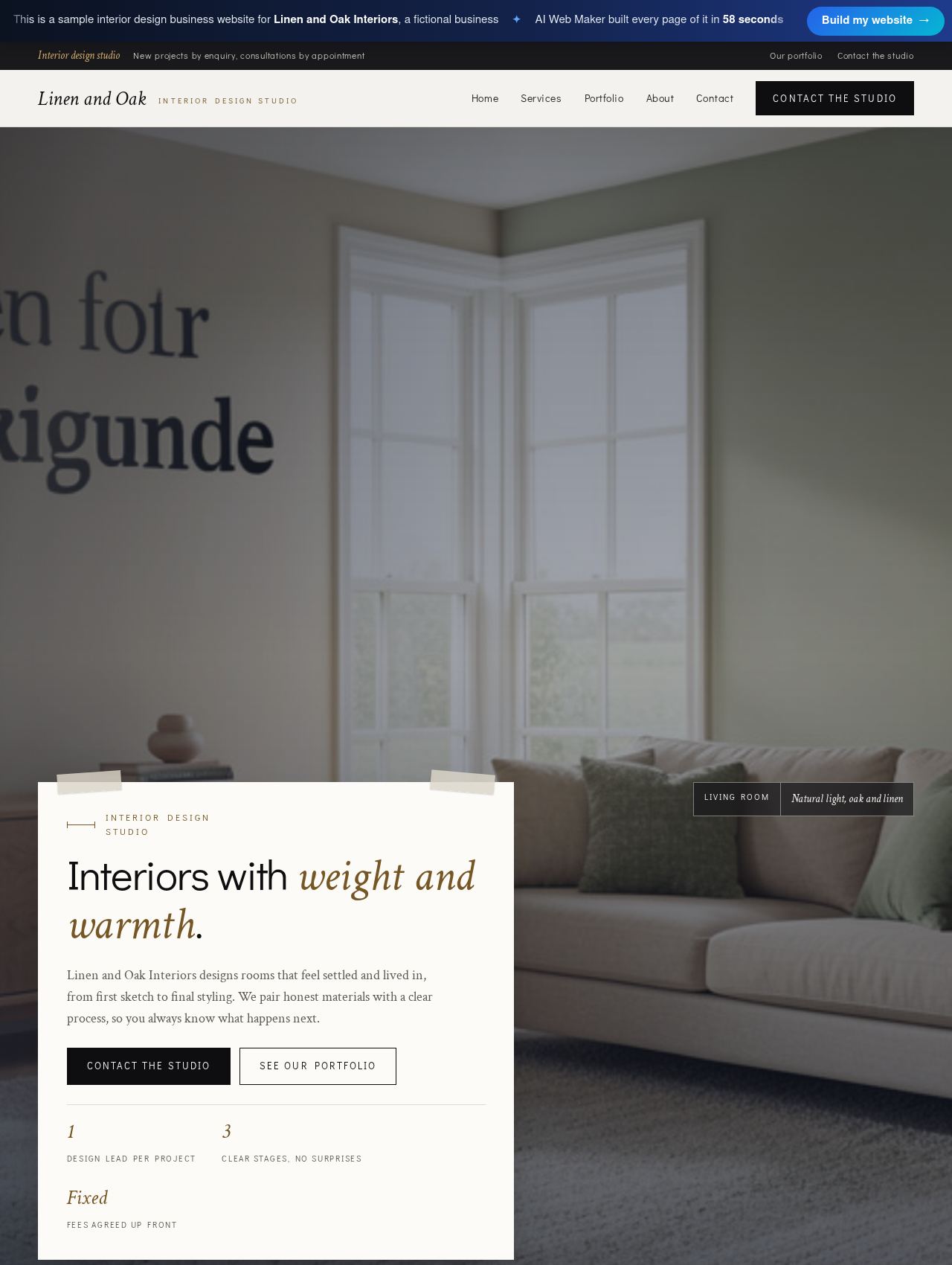 Interior Design Business website example
Sample for Linen and Oak Interiors, a fictional business
Portfolio and enquiry form →
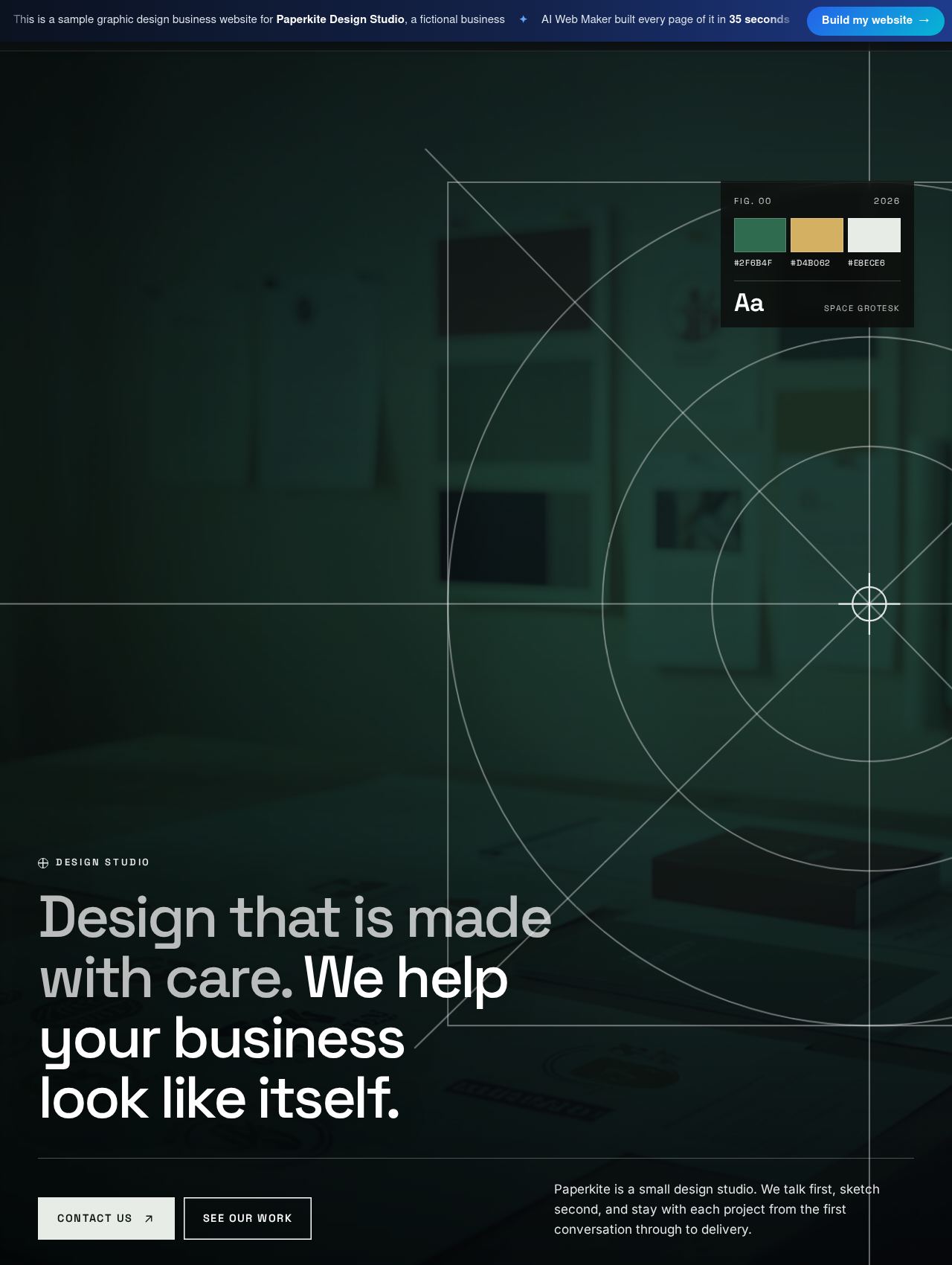 Graphic Design Business website example
Sample for Paperkite Design Studio, a fictional business
Portfolio and enquiry form →
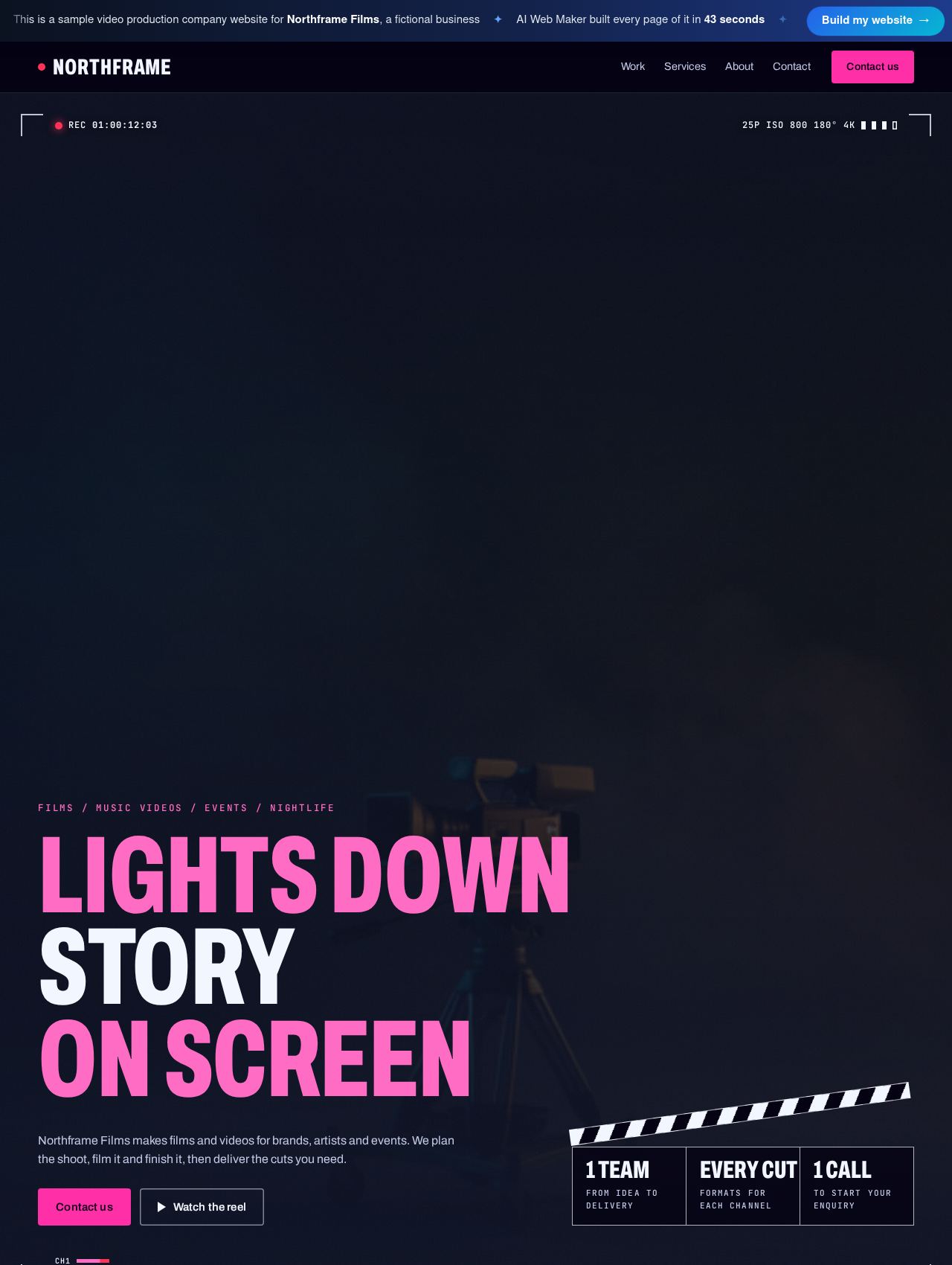 Video Production Company website example
Sample for Northframe Films, a fictional business
Portfolio and enquiry form →
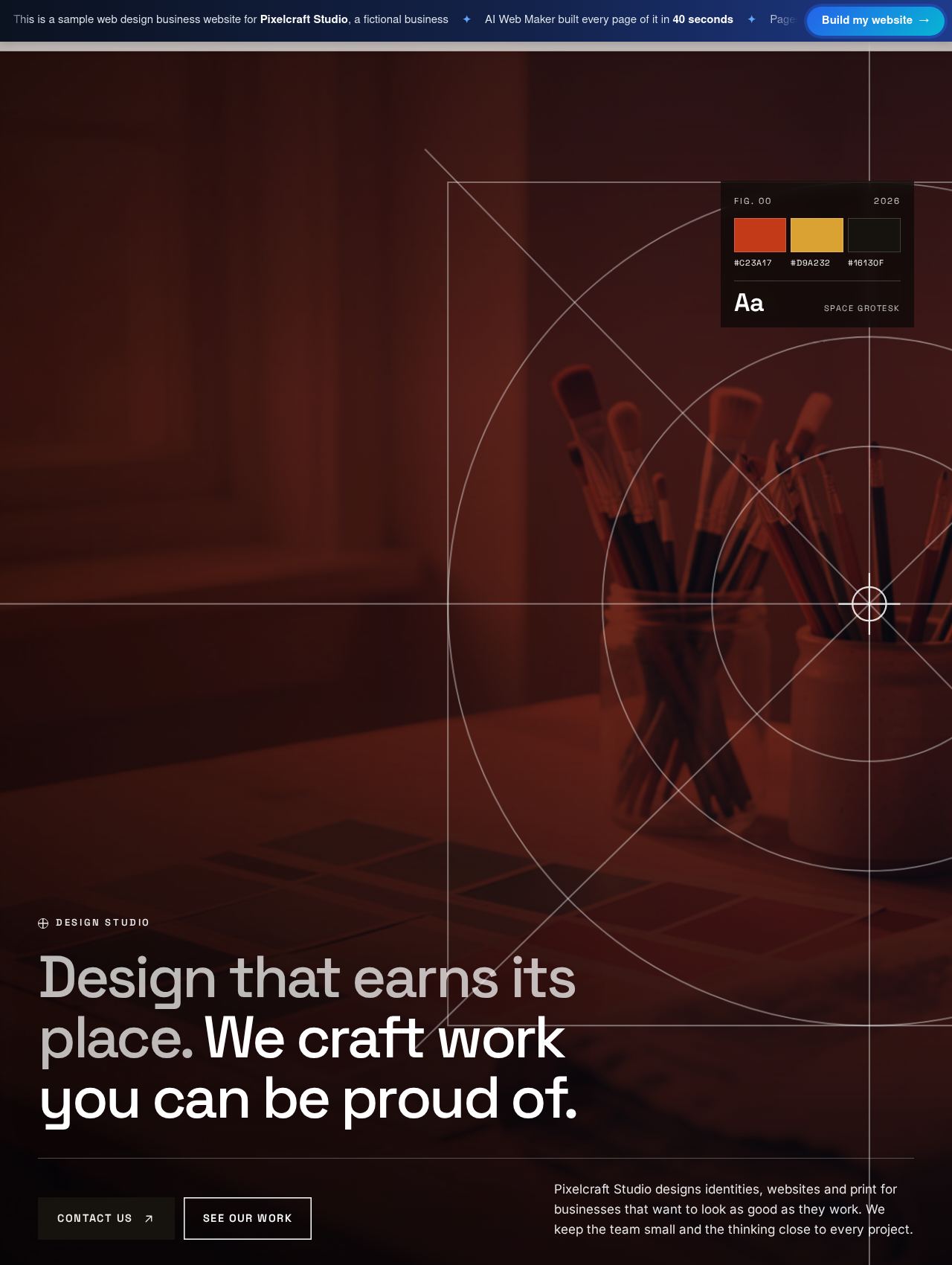 Web Design Business website example
Sample for Pixelcraft Studio, a fictional business
Portfolio and enquiry form →
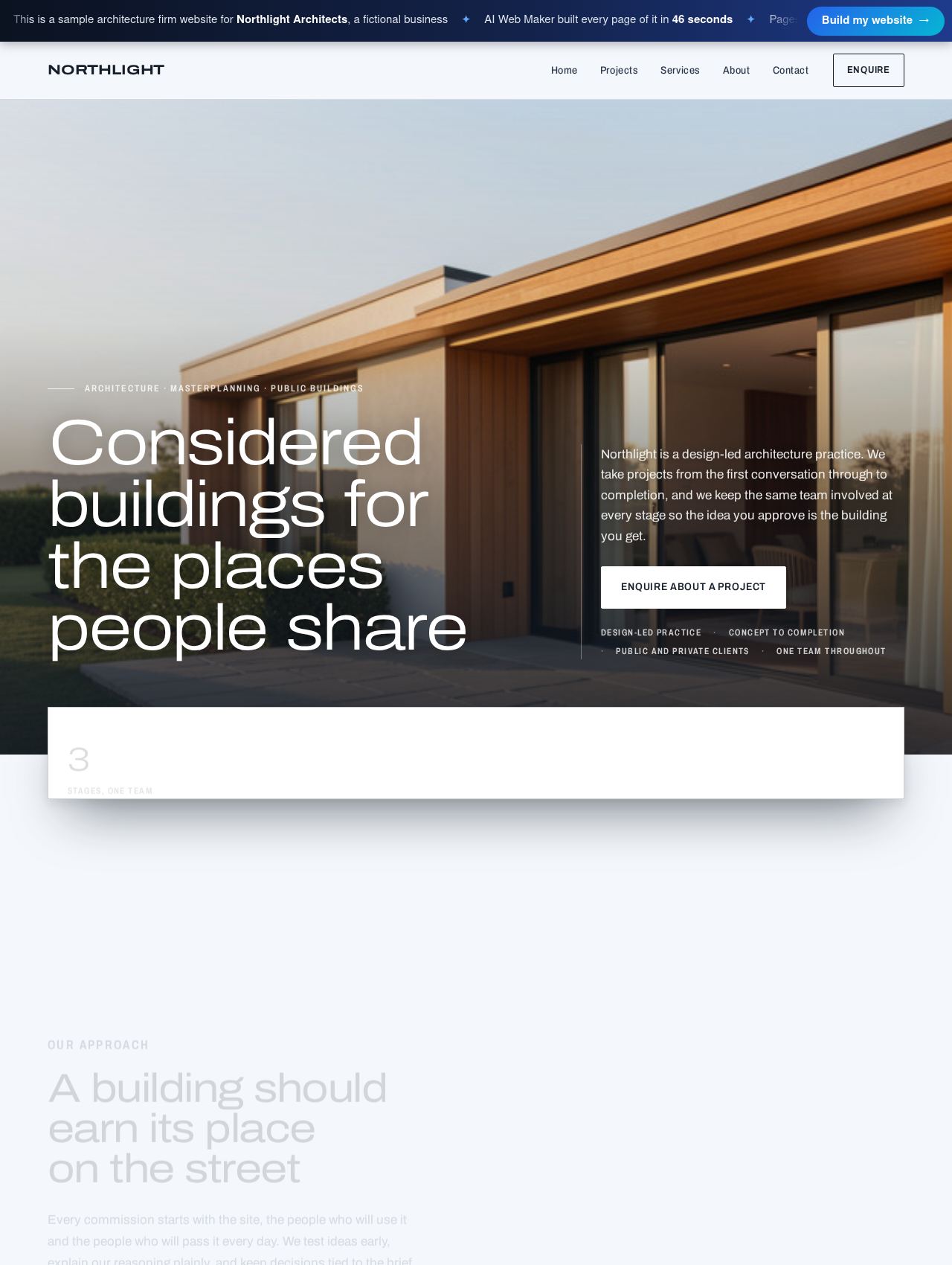 Architecture Firm website example
Sample for Northlight Architects, a fictional business
Portfolio and enquiry form →
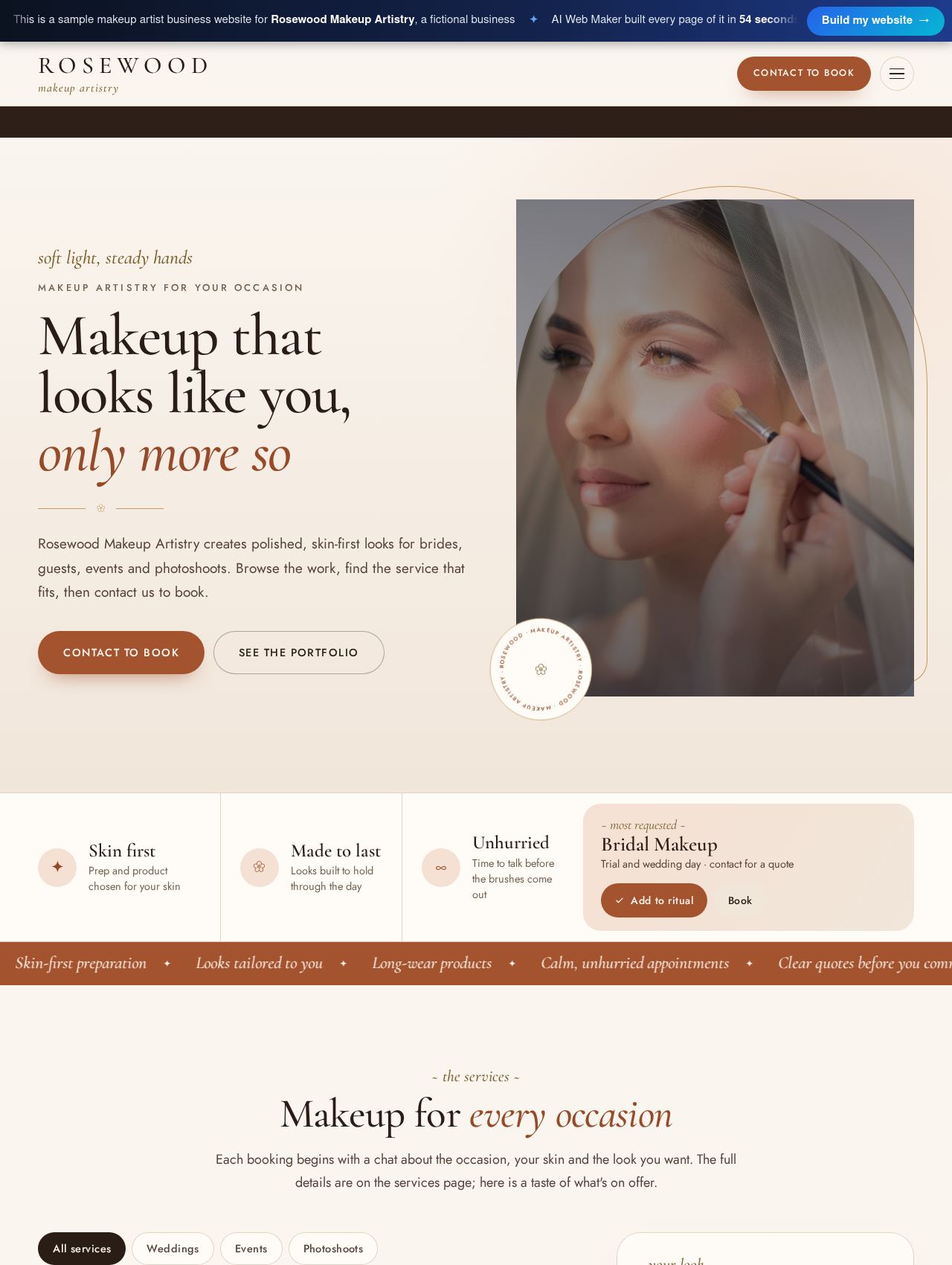 Makeup Artist Business website example
Sample for Rosewood Makeup Artistry, a fictional business
Portfolio and 4 bookable services →
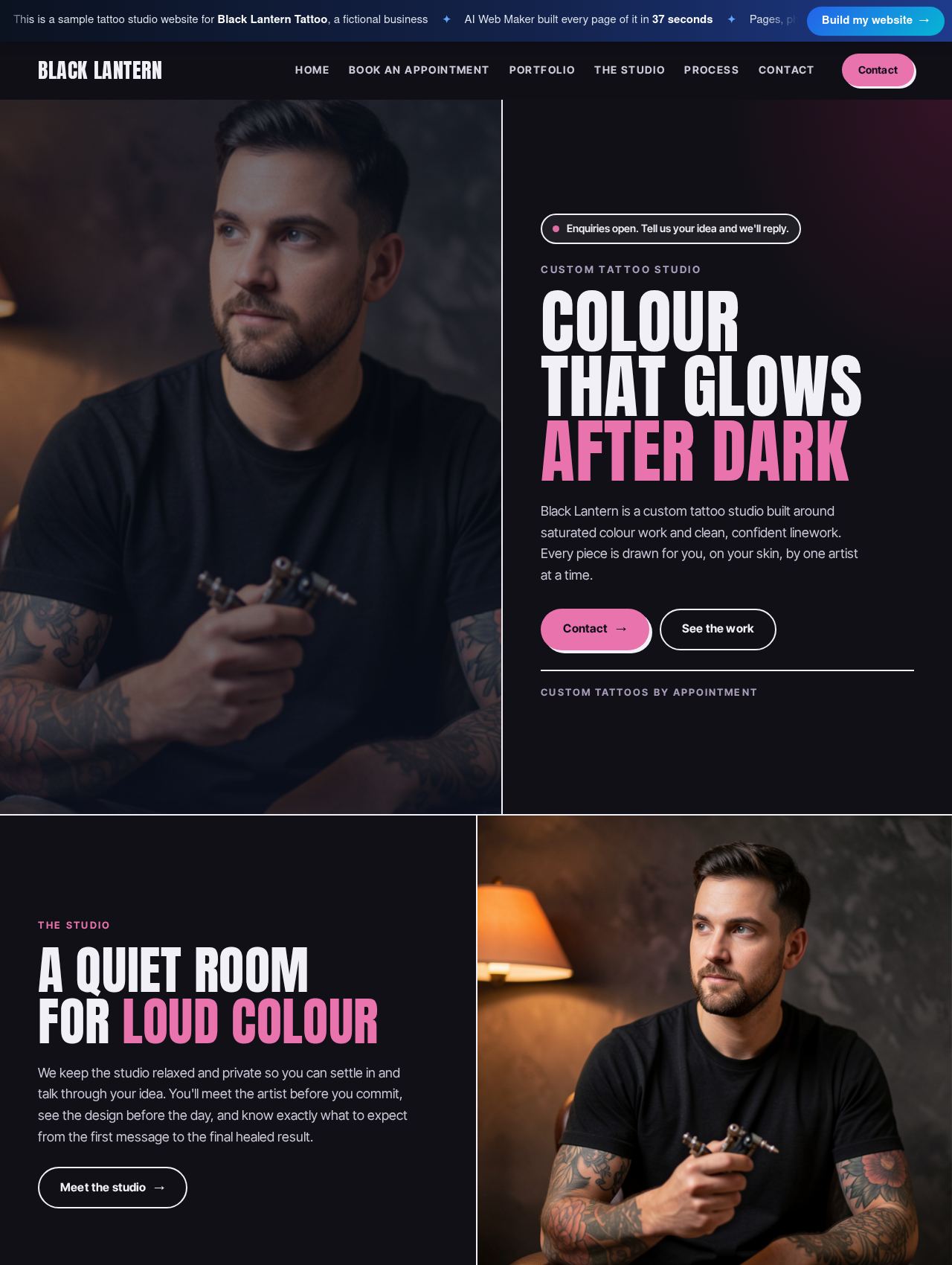 Tattoo Studio website example
Sample for Black Lantern Tattoo, a fictional business
Portfolio and 1 bookable services →
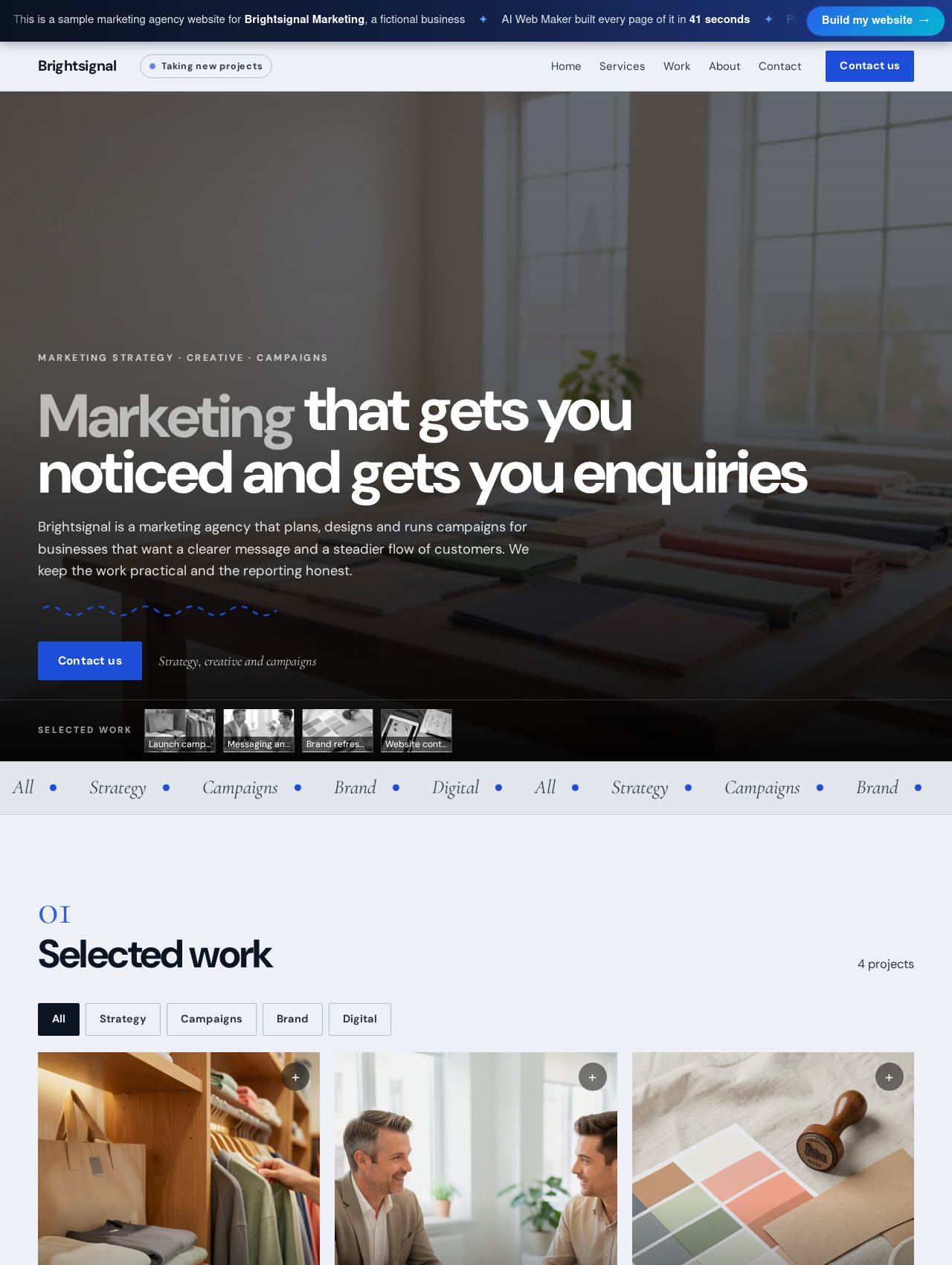 Marketing Agency website example
Sample for Brightsignal Marketing, a fictional business
Portfolio and enquiry form →
How does the builder suit the design to your field?
The builder suits the design to your field by choosing from more than 140 templates, including ones made for photographers, architects, interior designers, film makers and musicians. A photography portfolio needs large images and little text, whereas an architecture practice needs space for project descriptions and drawings. Graphic designers and agencies usually want case studies, while makeup artists and tattoo studios combine a portfolio with online booking. The builder reads these differences from your description and arranges the pages accordingly. If you want a different emphasis, you can adjust the sections, wording and images in the editor without starting again. A portfolio that looks native to its field is more convincing to the clients who hire in that field.
Why does a portfolio need its own website rather than a social profile?
A portfolio needs its own website because a social profile shows your latest posts, while a website shows the work you choose in the order you choose. Clients deciding between several people want finished projects, plainly listed services and a simple way to ask about a job. Social feeds mix those things with everything else you post, and the platform decides who sees what. Your own website can also appear in search results for your name and your field, on terms you set rather than a platform's. It gives you an address you control, so your work stays yours even if a platform changes its rules. A website and a social profile work best together, with the profile pointing people to the site where they can enquire.
How do you turn portfolio visitors into enquiries?
You turn portfolio visitors into enquiries by making the next step obvious on every page, not only on the contact page. A short invitation under the work lets a client who likes a project ask about their own while the impression is fresh. Brief notes on each project, such as the brief and the result, give clients a reason to trust your process as well as your eye. Asking for the kind of project and the timing in your enquiry wording helps you reply with a useful answer rather than a list of questions. If you take bookings for sessions, a booking page can sit beside the portfolio, as it does on the makeup artist sample. With these pieces in place, the portfolio does the selling while you keep working.
What does a portfolio website cost to run?
Arranging a portfolio in the builder costs nothing, and putting it online means a hosting plan of $119 yearly or $19 monthly, plus a domain name. For many creatives that domain is their own name, and there are about 400 endings to choose from. A larger plan at $189 a year exists for those who want it, and the plans page explains the difference. Optional AI articles about your process cost credits, around $0.65 apiece, though most portfolio owners rarely use them. One finished commission usually covers a year online, so the site ranks among the cheapest tools a creative business owns.
Guides for building a portfolio that wins work
What an AI website builder can and cannot do for a designer, illustrator or photographer's portfolio, from galleries and project pages to image care and search.
How to plan, build and publish a freelance portfolio website: which projects to show, how to write case studies, what to say about prices and how clients find you.
How template builders, canvas design tools and AI builders compare on creative control, and where artists and designers should override the defaults.
Learn which pages a graphic design website needs, what each must say, how to show client work lawfully, and how to build it step by step with AI Web Maker.
Interior design SEO matches your services, projects and Google Business Profile to what homeowners and businesses search. Here is what to fix first, step by step.
The money and the time a photography website really takes, from the portfolio and session pages to the enquiry form, and when a photographer needs something more.
Put your work online this week
Tell us your name or studio name and describe the work you do and the clients you do it for. The builder chooses a design that suits your field, writes the pages and lays out the portfolio, and the first preview follows shortly after. Replace the images with your own projects, adjust any wording, and check the site on a phone before paying anything. When the portfolio feels right, a domain and a plan are all that stand between it and the public. Should you prefer not to handle the final steps, our team will publish it for you.
Frequently asked questions
Can the portfolio use my own photos and projects?
You can replace every image the builder places with your own photos, renders or screenshots in the editor. Most owners start by swapping the portfolio images, then the main image on the home page, then the photo on the about page. Project titles and descriptions can be edited at the same time, so each piece carries its own context. The builder's first images simply hold the layout in place until your work replaces them. Large, sharp images show your work best, so it is worth exporting them at a good size before uploading.
Is a portfolio website suitable for a studio with several people?
A studio with several people can use the same kind of website, with an about page that introduces each member of the team. Agencies and practices usually present their work as projects or case studies rather than single images, and the builder writes the pages that way when your description mentions a team. The services page can then explain what the studio offers and how a project is run from brief to delivery. Our architect, marketing agency and video production samples show how a team based portfolio reads. Whether you work alone or with others, the portfolio adapts to the way you present your work.
Can clients book a session through my portfolio?
Clients can book a session through the portfolio when your work is sold by the session, such as makeup, photo shoots or tattoos. The builder adds bookable services with their prices and a booking page beside the portfolio, as the makeup artist and tattoo samples show. Clients then pick a service and a time, and you confirm the request from your account. Work that needs a quote first, such as a design project, stays with the enquiry form instead. You can therefore mix bookings and enquiries on one site, depending on what each service needs.
Will my portfolio show up in Google?
Your portfolio can show up in Google once it is live and indexed, and the builder helps by giving each page a clear title, headings and descriptive text. Search engines read words far more easily than pictures, so short written descriptions of each project matter a great deal. Mentioning your field and the kind of clients you serve in the page text helps people find you when they search for that work. Google Search Console, which costs nothing to use, shows which searches bring visitors once the site is live. Ranking takes time, yet a well described portfolio gives search engines far more to work with than a gallery of untitled images.
More ways to build with AI Web Maker
Updated 3 November 2026 · by AI Web Maker. The sample businesses are fictional; their people, prices and reviews are invented to show what a real website holds.