Stuck With an Unfinished Website? How to Get It Finished and Live
Half a website can cost you more than none: a visitor who finds placeholder text and a missing contact page decides you are not open for business. Take stock of what you have and finish it rather than start again; the AI Website Launcher takes your domain or stalled draft, keeps what is good and builds the rest, ready to go live.
- Keeps what you have
- Ready in minutes
- Your own domain
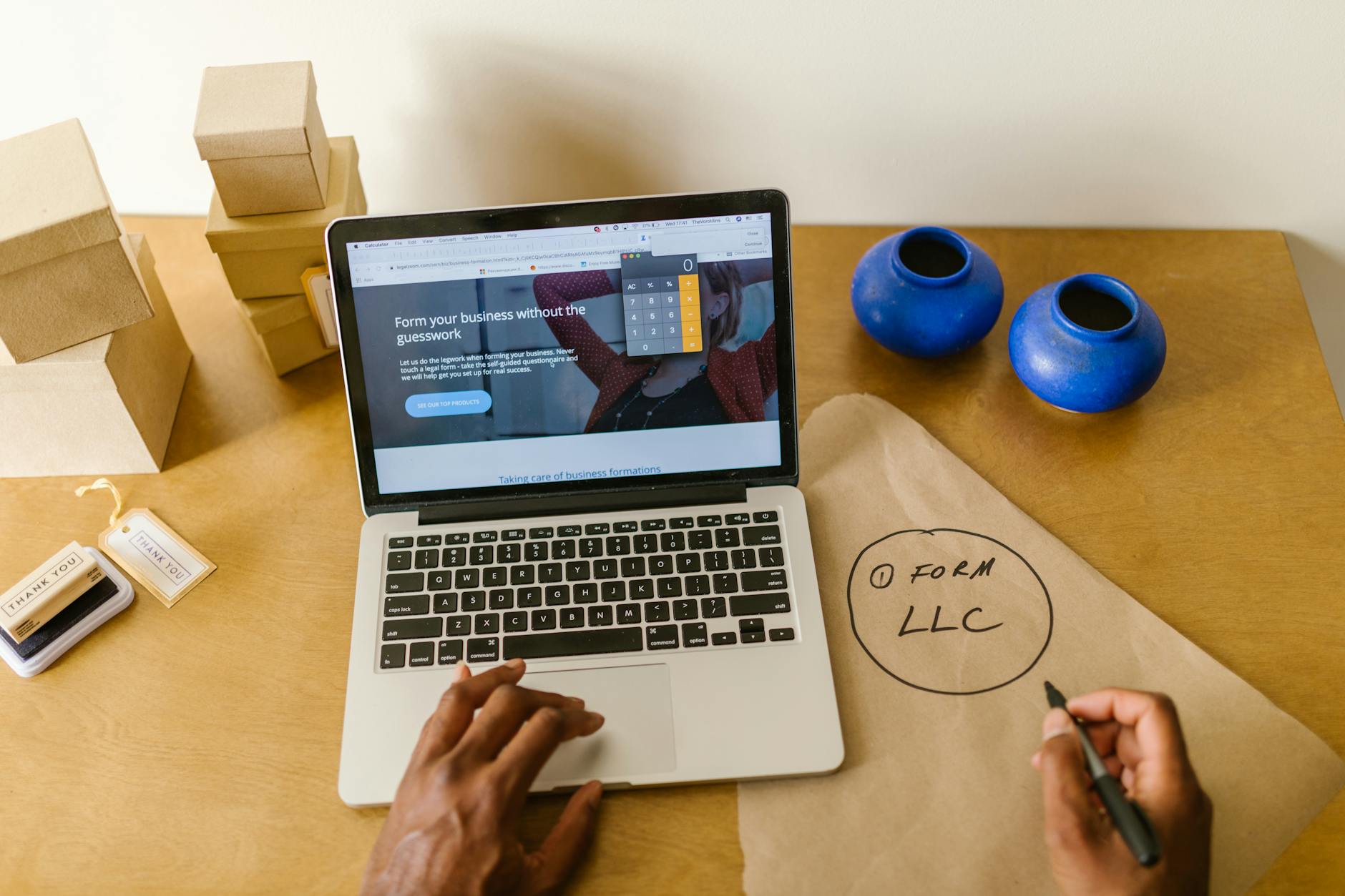
Somewhere between the first homepage and the last contact form, a great many small business websites simply stop. The quote came in higher than expected, the designer went quiet or the services page needed words nobody had time to write, and the unfinished website has sat on its domain ever since, visible to customers but never quite ready for them. A dog groomer in Leicester with three decent pages and no booking details is in exactly that position, and so is a spa in Cebu whose homepage still shows last year's prices. Neither needs to start again, because what already exists is usually worth more than it looks once the useful parts are separated from the out of date. What remains is a short inventory, a few decisions about what to keep and a clear finishing line, followed by the checks that matter before anything goes public. If you would rather not do the assembly yourself, you can launch your website in minutes with the AI Website Launcher, which keeps what is good in your draft, fills in what is missing and builds the whole site ready to go live.
This article is part of our complete guide: AI Website Guide.
Why So Many Small Business Websites Never Get Finished
Starting a website is easy; finishing one is where most small business owners run into trouble. The reasons are remarkably consistent across different industries and countries: the initial quote from a web designer was higher than expected, the project was handed over to someone who then went quiet, or the owner simply reached a point where they did not know what needed to happen next. Time is another factor that is easy to underestimate, because building a website properly means writing clear descriptions of your services, finding or creating decent photographs, and making decisions about layout and structure that nobody warned you were part of the job. Each of those tasks gets added to a to-do list that already has twenty things on it. Weeks turn into months, and the website sits in a half-finished state while the business carries on without it.
An unfinished website does more damage than no website at all in certain situations. A customer who finds a site with broken pages, placeholder text, or an "under construction" banner does not think to themselves that the business is almost ready. They conclude that the business is either not serious or not operational, and they move on to a competitor who has a working site. Trust is built quickly online, and it is lost just as quickly when the signals are wrong. A site that looks abandoned sends the same message as a shop with empty shelves and a door that is half open. Even a simple, complete, one-page website does more for your credibility than five unfinished pages with missing images and no contact details.
Not every unfinished website is in the same state, and it is worth being honest about where yours sits. Some sites are genuinely most of the way there: the structure is sound, a few pages exist in a usable form, and the main thing missing is a service page, some photographs, or a proper contact section. Others have a domain registered and a homepage that was built three years ago and has since fallen so far behind the current business that it is actively misleading. The first type needs a push; the second type might need a proper rebuild, even if that rebuild can be done quickly using what exists as a foundation rather than starting entirely from a blank page. Understanding which category you are in will shape every decision that follows.
What to Do Before You Touch a Single Page
Before you change anything on your site, take a clear inventory of what you actually have. Write down whether you own your domain name and know the login details for the registrar, whether you have a hosting account that is still active, and whether you have any written content already on the pages, even if it is rough. Check whether there are any images on the site, whether those images are good enough to represent your business honestly, and whether the pages that exist accurately describe what you currently do. This sounds basic, but many business owners begin making changes without this information and end up duplicating work or accidentally deleting something that was useful. Fifteen minutes of honest stocktaking saves hours of confusion later.
Once you know what you have, you can start making sensible decisions about what is worth keeping. A well-written paragraph about your main service, a photograph that shows your work clearly, or a page that is mostly complete apart from a missing section: all of these are assets worth preserving and building around. What you are looking to remove or replace are the things that are actively dragging the site down, such as prices that are no longer accurate, descriptions of services you no longer offer, or a design that makes the site difficult to read on a phone. The goal at this stage is not perfection; it is clarity about what you are working with. Bringing that clarity to a tool or a designer means the work that follows is faster and better targeted.
The single biggest trap at this stage is the belief that the site needs to be perfect before it can go live. That belief is responsible for more unfinished websites than any technical difficulty or budget problem. Customers are not expecting a polished corporate website from a small business; they are expecting to find out who you are, what you do, where you are based, and how to get in touch. A site that answers those questions clearly and loads quickly on a phone is doing its job, and you can improve it steadily after it is live. Waiting for perfect means waiting indefinitely, and every week the site is not live is a week you are invisible to people searching for your services.
How to Get Your Unfinished Website Finished Without Starting Again
The most efficient path to a finished website is to use what you already have as the starting point. Scrapping everything and beginning again feels decisive, but it wastes the work already done and often recreates the same bottlenecks that stalled the project in the first place. If your existing site has a clear structure, reasonable copy for at least some pages, and a domain that is already connected, those are genuine advantages. The task is not to start over; it is to complete what is already there and bring it up to a standard where customers can find you, understand what you offer, and take action. That is a smaller job than it often feels when you are staring at a half-finished site wondering where to begin.
The AI Website Launcher is built for exactly this situation. It looks at the content you already have, whether that is a few existing pages, some text you have written, or even just a description of your business, and uses it as the foundation for the rest of the site. It identifies what is missing and fills in the gaps with content that fits what you do, then assembles the whole thing into a complete, live-ready website. You do not need to write every word from scratch, and you do not need to understand web design or hosting configuration to get to the end. The process is designed for business owners who know their trade and want a finished website, not for people who want to spend months learning a new skill.
Stalled websites tend to share a handful of back stories, and a few of them come up again and again for owners in your position. Knowing which one applies to you tells you where to start. If your site is unfinished because a web designer took your files and went quiet, there is a dedicated guide to taking back control of your website and your assets. If the cost of keeping a website updated has made you hesitant to start, there is a guide explaining how AI reduces the cost of website redesigns and updates over time. And if you have a site that technically works but is built on an old platform and needs to be moved somewhere better, there is a guide to moving a website without losing your Google rankings. Each of those situations has its own considerations, but they all start with the same principle: what you already have is worth something, and the goal is to build on it rather than discard it.
What to Check Before You Press Publish
Before you make your site public, there are a handful of things worth checking that have nothing to do with design and everything to do with whether the site will actually help your business. The first is your contact information: make sure your phone number, email address, and physical address if relevant are correct, visible without scrolling, and consistent across every page. If your business has opening hours, they should be accurate and easy to find. Your description of what you offer should match what you currently do, not what you did two years ago when the site was first started. These details sound obvious, but they are the things most likely to have drifted out of date during a long pause in the project.
Check how your site looks on a mobile phone before you go live, because that is where most of your visitors will arrive. A site that looks fine on a desktop but is difficult to read or navigate on a phone will frustrate the majority of people who find you, and that frustration usually ends in them leaving without making contact. Page speed matters too: if your site is slow to load, visitors do not wait. You do not need to be a technical expert to spot these problems; loading the site on your own phone and trying to use it as a customer would is enough to catch the most obvious issues before they affect real visitors. Fix what you find before you press publish rather than planning to get around to it later.
Every key page on your site should tell the visitor clearly what to do next. A page about your main service should end with an invitation to call, email, book, or request a quote. A page about your business should point visitors towards your services or your contact details. This single action, known as a call to action, is what converts a visitor who is simply browsing into a customer who takes the next step. It does not need to be dramatic; a clear button or a line of text that says "get in touch to arrange a free consultation" is enough. What does not work is leaving the visitor on a page with no obvious next step, because most people will not go looking for one.
Keeping Your Website Working After It Goes Live
Going live is genuinely worth celebrating, but it is the beginning of the relationship between your website and your customers rather than the end of the project. A website that never changes gradually becomes less useful, partly because your business evolves and the site stops reflecting it accurately, and partly because search engines favour sites that are updated over those that have been left entirely static. Consider a sole trader who launches a cleaning business website in spring and then adds a page about an end-of-tenancy service in autumn: that single addition can bring in a new category of customer who would never have found the original site. Small, regular improvements, such as adding a new photograph, updating your service descriptions, or adding a page about a new offering, accumulate into a much stronger online presence over time. The reason this matters is that trust is reinforced every time a visitor sees information that is current and relevant to what they need right now. The good news is that these updates do not need to be large or time-consuming; even modest, consistent attention keeps a site working well for the business it represents. Setting aside half an hour each month to review what is on your site and make one small improvement is enough to keep things moving in the right direction.
Once your site is live and visible to customers, the AI SEO Tools available from AI Web Maker can help you check how it is performing in search results and spot areas where small changes might improve your visibility. These tools are available to anyone and do not require you to have built your site with AI Web Maker to use them. They work by analysing your pages against the kinds of terms that real people type into search engines, so you are not guessing about what might help but working from actual data about how your site is being found. They are a practical way to understand what people are searching for when they might find a business like yours, and how well your current pages are set up to appear for those searches. A plumber in Bristol, for instance, might discover that their homepage is well set up for general searches but that they have no page targeting the specific phrase people use when they need an emergency callout, which is exactly the kind of gap these tools surface. Using them after launch gives you a clear picture of what is working and what could be improved without needing to hire an SEO consultant. Checking your site through these tools every few months and making the suggested adjustments is a practical habit that costs nothing but a little time and can meaningfully improve how many customers find you.
The businesses that get the most from their websites are not the ones that launched with the most impressive design; they are the ones that kept showing up, kept updating their information, and kept making it easy for customers to find and contact them. A finished website that goes live this week, even if it is simple and straightforward, will outperform an ambitious website that never quite gets there. The reason is straightforward: a live site is doing something useful every single day, appearing in search results and giving potential customers a way to get in touch, while a site that is still being perfected is doing nothing at all. Small business owners who treat the website as an ongoing part of how they present themselves online consistently find that it rewards the attention over time. Think of it in the same way you would think of answering the phone promptly or keeping your premises tidy: it is not a dramatic gesture but a steady habit that builds trust with customers who notice. Getting your unfinished website across the line is the most important step, and everything that comes after is just a matter of keeping it moving in the right direction. The goal was never a perfect website; it was a working one, and that is entirely within reach.
Type the domain you have: we keep what is good on it, fill in what is missing and build your website, ready to go live in minutes. Free to build and preview.
Finish your website with the AI Website Launcher →