How to Move Your Website Without Losing Google Rankings
Search positions that took your business years to earn can slip away quickly if a move leaves old addresses leading nowhere. List every page, map each old address to its new home, set permanent redirects and watch Search Console while Google catches up. If the destination is still half-built, the AI Website Launcher finishes it, so you move to a complete site.
- Keeps what you have
- Ready in minutes
- Your own domain
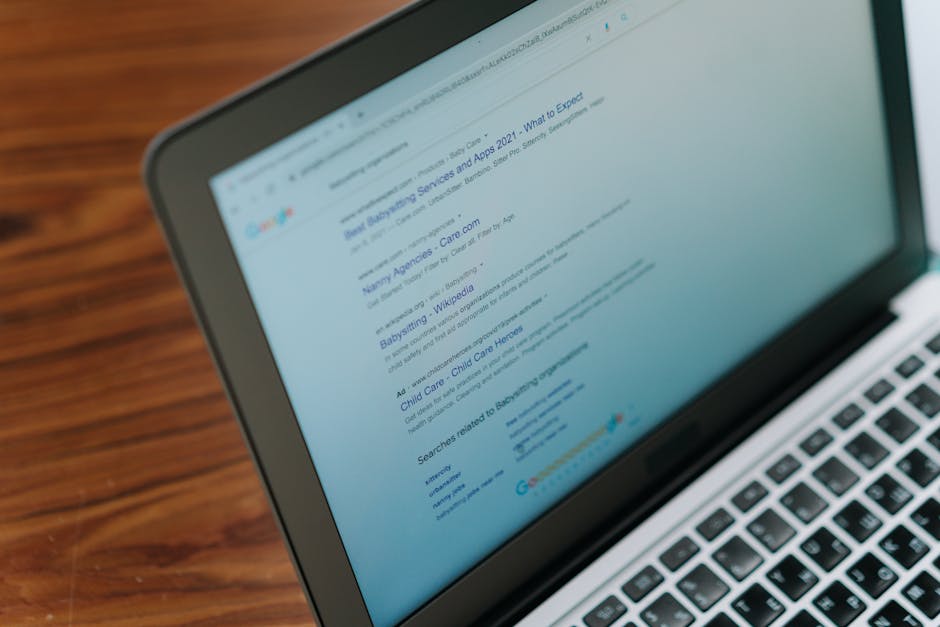
Changing platform or domain is one of the few website jobs that can undo years of progress with Google in a single afternoon. You can move your website without losing Google rankings, but only if every old page is accounted for before the switch and nothing is left to chance on the day. Owners move for ordinary reasons: a platform that is hard to edit, a new business name, two sites being merged or a set of pages that grew messy over the years. A plumbing firm in Birmingham that has ranked for emergency plumber searches in its area for years has a great deal to lose if those pages simply vanish. Most of the losses that follow a move come from a handful of avoidable mistakes, above all pages that disappear with nothing pointing visitors and Google to their new home. Each mistake has a simple safeguard, from recording what you have before the move to mapping old pages onto new ones. With those safeguards in place, the dip that follows a move is usually small and short-lived.
Moves often happen alongside another project, such as a new design or a switch to a platform that is easier to manage. Sometimes that new project stalls halfway, leaving the business with an old site it wants to leave and an unfinished website it cannot yet move to, and a separate guide on this blog deals with getting that kind of project over the line. If the new site is the part that is stuck, you can finish your unfinished website with our launcher, which works from what is already there, keeps the good parts and completes the rest so it can go live. Only then is it time to plan the move itself. Moving to a half-finished site is one of the surest ways to lose rankings, because pages that ranked well may have no equivalent on the other side. Get the destination complete first. Then a careful move will carry your search positions across with it.
It also helps to understand what Google actually needs during a move. Google has learned that a particular address holds a particular page, and it has ranked that page for certain searches based on its content, its links and how visitors respond to it. When the address changes, Google needs to be told where the page has gone, and it needs to find the same content, or better, at the new address. If it is told clearly and finds what it expects, the rankings usually transfer with only a short wobble. If it finds nothing, or finds a page about something else, it starts again from scratch. A safe move comes down to giving Google those two things: clear directions and familiar content. Keep those two needs in mind and most of the decisions become obvious.
Before the move: record what you have
Start by making a complete list of every page on your current site. Your sitemap is a good starting point, and the Pages report in Google Search Console shows which pages Google has indexed. Add any pages you know exist but that may not appear there, such as old landing pages from advertising campaigns or pages mentioned on printed material. A tailoring business in Nairobi might find pages for seasonal offers it forgot about years ago that still draw visitors from old links. Put every address in a spreadsheet, one per row, with a short note of what each page is about. This list is the foundation of the whole move, so take the time to make it complete. A page missing from the list is a page that will probably be lost.
Next, find out which pages matter most. In the Performance report in Search Console, look at the last twelve months and sort pages by clicks to see which ones bring visitors from Google. Note the searches each important page appears for, especially the ones that lead to enquiries. Mark these pages in your spreadsheet as priorities, since their content and addresses need the most care. Also note which pages have links from other websites, if you know, because those links carry value that should pass to the new site. A bed and breakfast in the Lake District might discover that a page about walking routes brings in more visitors than its home page. Pages like that deserve to move with their content intact, even if they look minor to you.
Finally, take a snapshot of where you stand before anything changes. Record your positions for a handful of searches that matter to your business, the clicks and impressions Search Console reports and the number of enquiries you receive in a typical month. Save copies of each important page's title, description and main text. These figures give you a baseline, so after the move you can tell a normal settling period from a real problem. Without them, you are left guessing whether a quiet week is temporary or the start of a decline. Store the snapshot with your spreadsheet. You will refer to both often in the weeks after the move.
How to move your website without losing Google rankings
Map every old address to a new one
The heart of a safe move is a map that pairs every old address with its new one. In your spreadsheet, add a column for the new address beside each old page. Where a page moves unchanged, the match is simple. Where pages are merged, point each old address to the new page that best covers its subject. Where a page is being removed, point it to the closest relevant page rather than the home page, since sending everything to the home page looks to Google as though the pages have simply gone. If you can keep the same addresses on the new site, do so, as that is the safest move of all. Check the map twice before moving on, because every gap in it is a ranking at risk.
Set up permanent redirects
Once the map is complete, each old address needs a permanent redirect, known as a 301, to its new address. A permanent redirect tells browsers and Google that the page has moved for good, and it passes the old page's standing on to the new one. Temporary redirects send a different signal and should not be used for a move. How you set up redirects depends on the new platform: many website builders have a redirects section where you enter the old and new addresses, while other setups need a file or a server setting. Test each redirect by visiting the old address and checking that you land on the right new page. Keep the redirects in place permanently, or for at least a year, since links from other websites and old bookmarks will keep using the old addresses. Removing them early undoes much of the work.
Keep the content that earned the rankings
A redirect only works if the new page is a worthy replacement for the old one. If a page ranked well for a search, keep its main content, its title and its description much the same on the new site, at least at first. Improve it if you like, but avoid cutting the sections that answered what searchers wanted. A dentist in Pune whose page on teeth whitening ranked well because it explained the treatment, the cost and the aftercare should not replace it with a single line and a booking button. Keep headings, links between related pages and image descriptions where they made sense. If you want to make larger content changes, make them after the move has settled. Changing everything at once makes it impossible to tell what caused any drop that follows.
Moving to a new domain
If your move includes a new domain name, there are a few extra steps. Keep the old domain registered and renewed, since the redirects live on it and stop working if it lapses. Verify the new domain in Google Search Console, then use the Change of Address tool in the old domain's property to tell Google about the move. Update your Google Business Profile, social media profiles, directory listings and email signatures to show the new address. Contact the websites that link to you most, such as suppliers or associations, and ask them to update their links. A domain change carries more risk than a platform change on the same domain, so only change the name if there is a strong reason. If you do, give it extra time and extra care.
After the move: watch, fix and be patient
On the day the new site goes live, submit its sitemap in Search Console and use the URL Inspection tool on a handful of your most important pages. Then test your redirect map again, working through the priority pages first. Check that each new page has its title and description in place, that no page is accidentally hidden from search engines and that forms and buttons work. A landscaper in Cape Town who discovers on launch day that his new site is blocking search engines can fix it in minutes. The same mistake noticed a month later can cost weeks of visibility. Make the launch-day checks a fixed part of your plan rather than an afterthought. If you can, switch over on a quieter day of the week, so there is time to put things right before your busy days.
Over the following weeks, keep a close eye on Search Console. The Pages report will show old addresses being replaced by new ones in the index, and it will flag any pages that return errors. Any old address showing a not found error needs a redirect added to your map straight away. Compare your clicks, impressions and positions with the snapshot you took before the move. A modest dip in the first few weeks is normal while Google processes the changes, and it usually recovers if the redirects and content are right. A sharp, lasting fall on particular pages points to a specific problem, usually a missing redirect or a page that lost its content. Investigate those pages first.
Patience matters as much as diligence after a move. Google needs time to revisit the old addresses, follow the redirects and update its index, and for a small site this commonly takes a few weeks. Resist the temptation to make big changes during that period, as each change muddies the picture you are trying to read. Keep checking enquiries alongside the search figures, because they are what really matter to your business. If you want a second opinion on the new site's health, our AI SEO Tools can check pages for missing titles, broken links and other common problems. Once the figures have settled at or above your baseline, the move is complete. Only then is it time to start the improvements you put on hold.
Mistakes that cost rankings
A few mistakes cause most of the damage after a move. The most common is leaving old pages without redirects, so visitors and Google meet error pages where your best content used to be. Another is redirecting everything to the home page, which Google largely treats as if the pages had been removed. A third is changing the domain, platform, design, structure and content all at once, which multiplies the risk and makes problems hard to trace. Others include letting the old domain expire, forgetting to remove a setting that hides the new site from search engines and launching with far less content than the old site had. Each of these is avoidable with a recorded list of pages, a complete redirect map and a little patience. Check your plan against every one of them before you switch anything over.
A website move does not have to cost you your place in Google. Record what you have, decide where every page will go, set permanent redirects, keep the content that earned your rankings and watch closely as Google catches up. Move in stages if you can, with improvements coming after the dust has settled rather than during the switch. Keep the old domain and the redirects for the long term, and update every profile and link you control. A business that follows these steps gives its rankings the best chance of settling quickly, and they sometimes improve when the new site is faster or clearer than the old one. Start the spreadsheet today, even if the move is months away. It is the single most useful thing you can do to protect what you have built.
Type the domain you have: we keep what is good on it, fill in what is missing and build your website, ready to go live in minutes. Free to build and preview.
Finish your website with the AI Website Launcher →