Gi classes
Training in the heavy cotton jacket and trousers, where grips on collars and sleeves change how every hold works.
Length75 min
Brazilian jiu jitsu is grappling on a padded mat: holding, escaping and controlling a partner, with no punches or kicks. Every new starter begins on a six week course whose first lesson is how to tap and how to fall, and nobody is thrown into hard sparring.
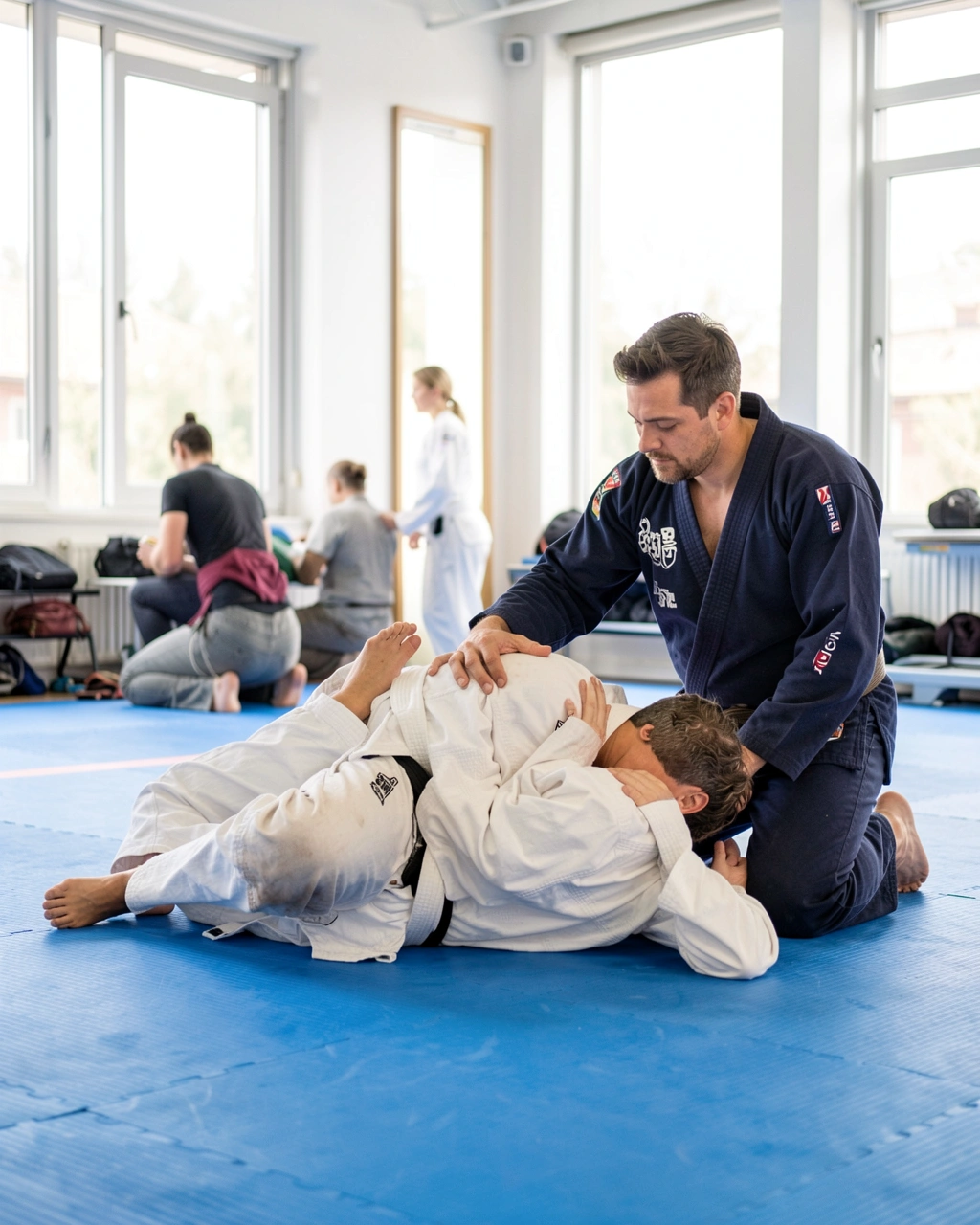
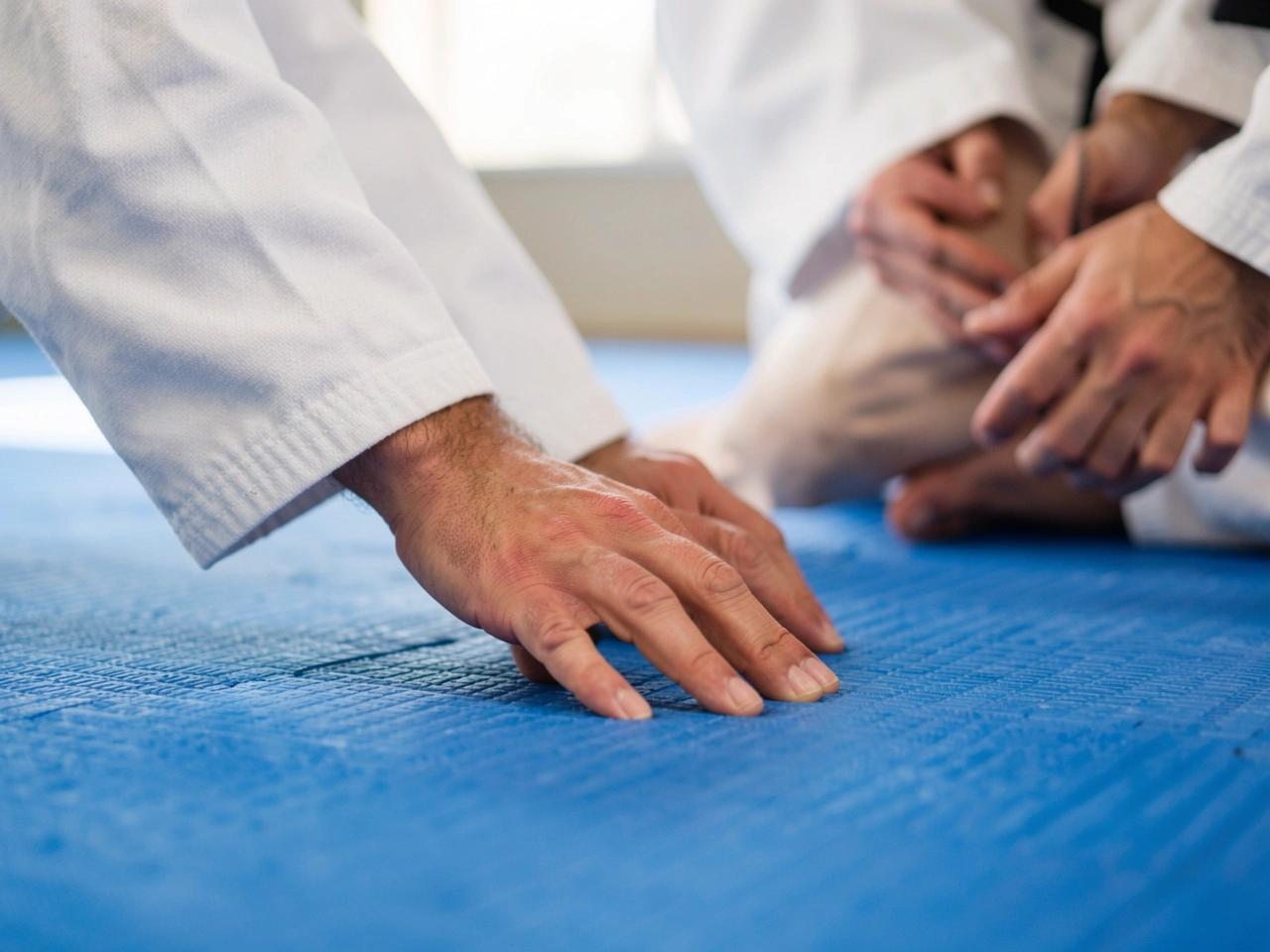
A tap is how a partner says stop: two or three clear pats on your body or the mat, or the word tap said out loud. When someone taps, the other person lets go at once, every time, without finishing the move. Lesson one of the beginner course is nothing but this, plus falling backwards and sideways without hurting the head or wrists.
Sparring, which jiu jitsu calls rolling, is built up slowly. New starters drill with a cooperative partner, then work from set positions against light resistance, then roll at half pace while a coach watches. Full rounds in open classes begin only after the course, and anyone can sit a round out.
Two evenings a week for six weeks, in a group of twelve at most. A loan gi comes with the course, so nobody buys kit before knowing whether they like it.
Tapping, falling, standing up safely, and the hygiene rules: clean kit, short nails, covered cuts.
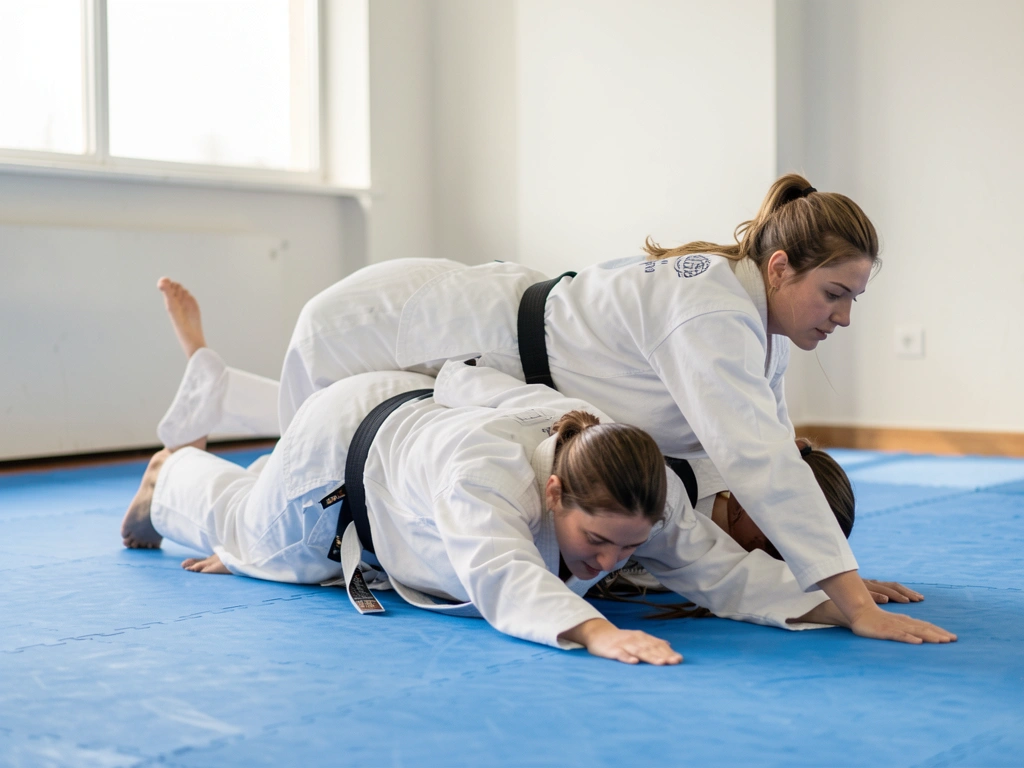
Getting out from under a heavier partner, the skill most people came to learn.
Using the legs to keep a partner at a distance, slowly and against a cooperative partner.
Short rounds from set positions at half pace, with the coach choosing every pairing.
After the course, members can join any adult class. Gi and no gi teach the same principles in different clothing, and most members try both.
Training in the heavy cotton jacket and trousers, where grips on collars and sleeves change how every hold works.
Rash guard and shorts, a quicker game with fewer grips, taught at the same careful pace.
Games, balance and holds for ages 6 to 9 and 10 to 14, with parents able to watch from the bench.
Unstructured time to drill or roll, with a coach always in the room and nobody obliged to roll at all.
A new beginner course starts every six weeks. Kids classes follow school terms; adult classes run all year except two weeks in winter.
| Day | Time | Class | Who it is for |
|---|---|---|---|
| Monday | 18:30 | Beginner course | New starters |
| Monday | 19:45 | Gi, all levels | After the course |
| Tuesday | 07:00 | No gi fundamentals | After the course |
| Wednesday | 17:00 | Kids, 6 to 9 | Children |
| Wednesday | 18:30 | Beginner course | New starters |
| Thursday | 19:45 | No gi, all levels | After the course |
| Saturday | 09:30 | Kids, 10 to 14 | Children |
| Saturday | 11:00 | Open mat | Members |
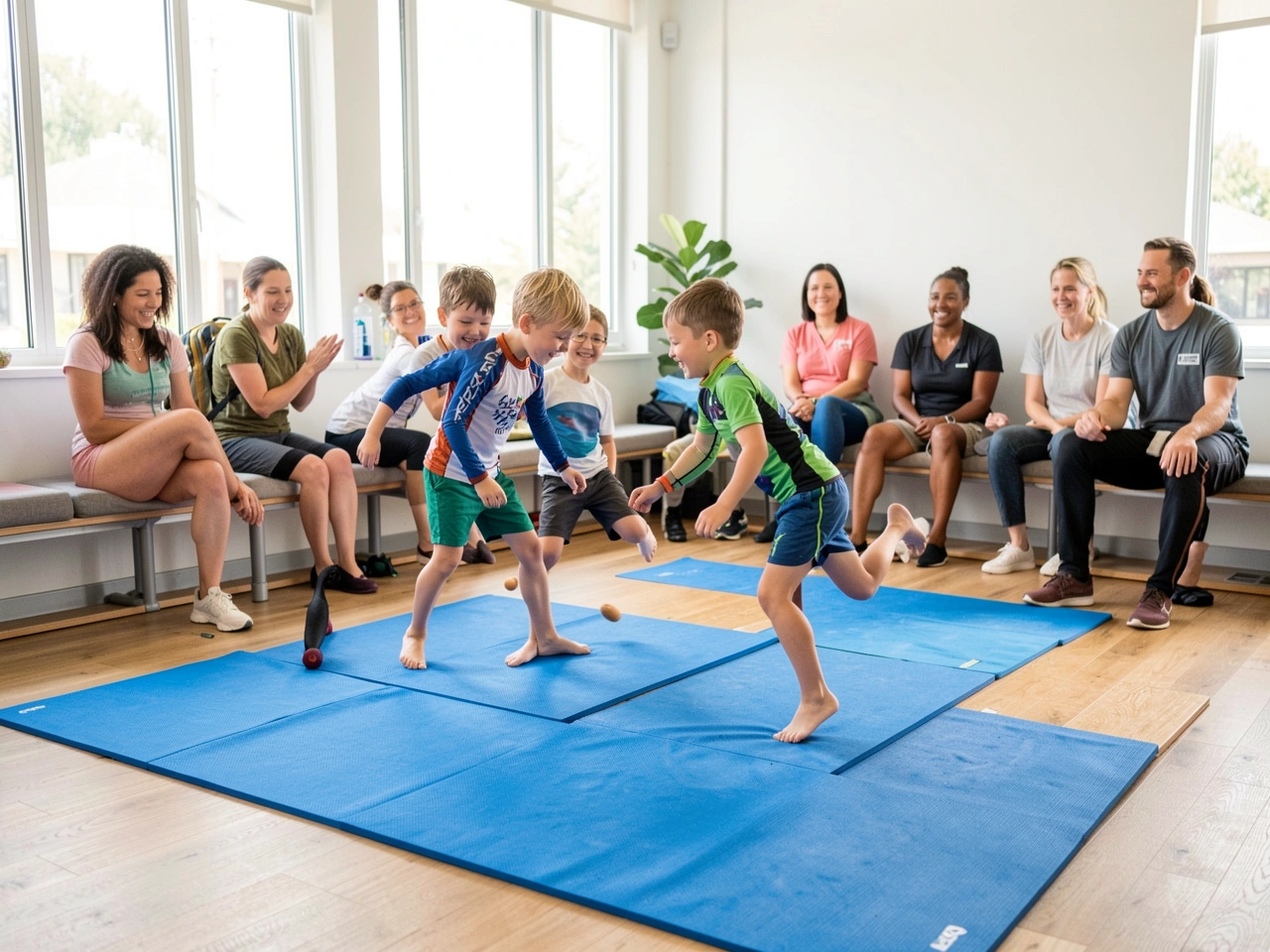
Children learn balance, falling, holds and escapes through games, and every class ends with a calm cool down. Chokes and joint locks are left out of the 6 to 9 class altogether, and older children learn them slowly, under strict control.
Every coach who teaches children holds the background check required where the gym is based, and a second adult is always on the mat. Parents are welcome to watch any class from the bench along the wall, and children leave only with the adult named on their form.
Everyone starts with the beginner course. Memberships run month to month and can be paused for injury or travel.
6 weeks$129
a month$95
a month$139
a month$70
Memberships are paid to the gym monthly. Two weeks' notice stops one, and a doctor's note pauses it straight away.
Joined at forty four after years of avoiding anything with sparring. The whole first night went on tapping and falling, and by week six rolling felt like a puzzle rather than a fight.
Smaller than most people on the mat, so the size matching matters. The coaches pair partners carefully, and anyone going too hard gets a quiet word.
Our nine year old was nervous about grappling strangers. Watching from the bench for the first month helped all of us, and the coaches explain every game.
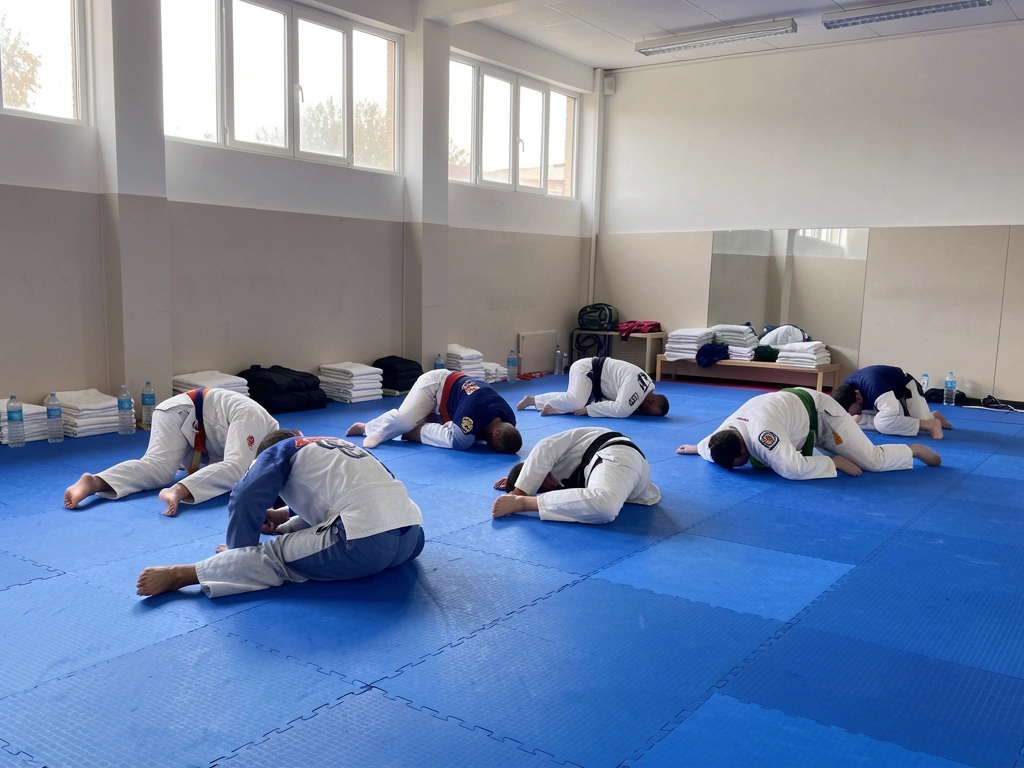
Blue mats washed after every session, high windows and a bench for parents along one wall.
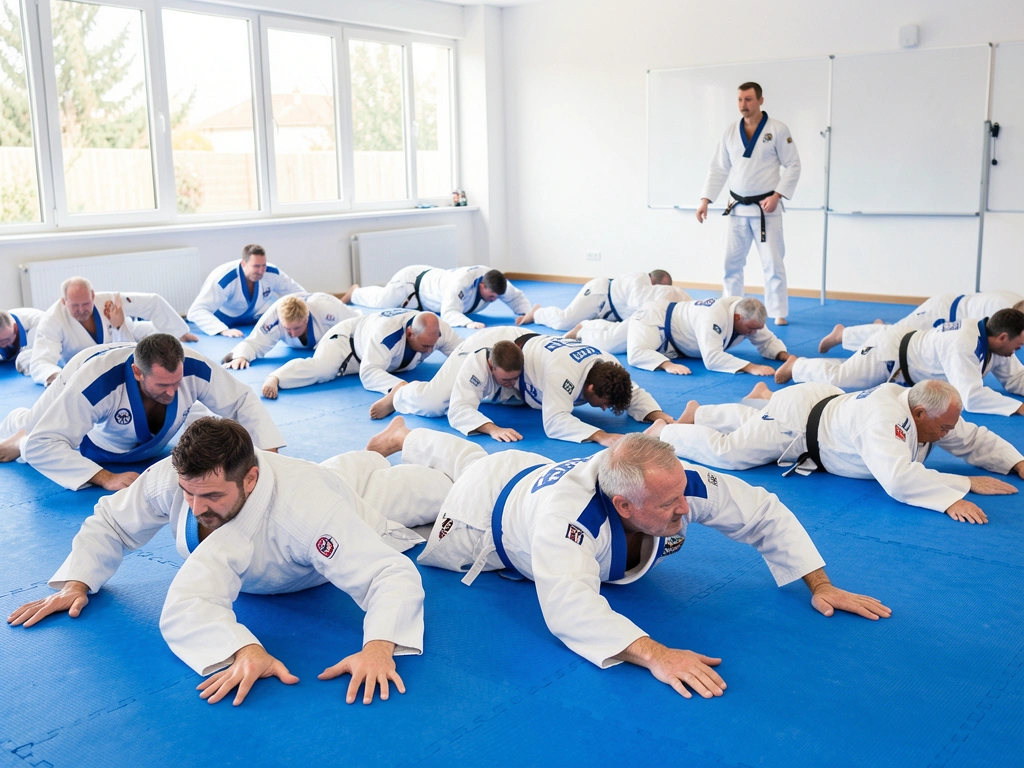
No. The first lessons are tapping, falling and drills with a cooperative partner. Rolling starts in week six, at half pace from set positions, with the coach choosing partners, and open class rounds come only after the course.
Any injury, operation, heart condition or other health problem, and anything that limits how you move. Coaches adapt drills but cannot give medical advice, so check with a doctor first if you have any doubt about grappling.
Plenty of members started in their forties and fifties. The house rules exist for exactly this: tap early, let go at once, partners matched by size, nobody obliged to roll. Joints recover more slowly with age, so rest days matter.
The beginner course is taught in the gi, which slows things down and teaches grips. A loan gi comes with the six weeks, so there is nothing to buy until you decide to stay.
Nobody at the gym promises one. Coaches promote people when they see the skill on the mat, and the time it takes varies hugely with attendance, age and life outside the gym. Many members train happily for years without asking.
Mats are washed after every session and kit after every class. Nails stay short, sandals stay off the mat, and any skin infection means staying away until it has cleared.
Choose the beginner course or a kids trial and the date you would like to start. The gym replies within one working day to confirm, offer the next course if that one is full, or ask a question.
Call the desk while it is staffed, or email whenever suits; coaches answer questions about the course themselves.
A ground floor unit in the old tram depot, behind the climbing wall, with bike racks by the door
| Monday to Thursday | 06:45 to 21:30 |
| Friday | 06:45 to 20:00 |
| Saturday | 09:00 to 13:00 |
Water, sliders for walking to the mat, and clothes without zips or pockets. Nails trimmed, jewellery off and long hair tied back. Changing rooms and showers are by the entrance.
Book a first lessonThis brazilian jiu jitsu gym website was built by AI from two sentences. Tell us about your business and yours is built the same way, with its pages, photos and booking in place, ready to preview in minutes.
About this sample page
Open Guard Jiu Jitsu is an invented gym, and its one page shows how a grappling gym could greet complete beginners on AI Web Maker. The opening view defines the sport, promises no hard sparring for newcomers and spins a small badge reading tap early. Tapping is explained next, then the six week course in four stages, then the four kinds of session and the weekly timetable. A section on kids classes covers checks, two adults on the mat and parents on the bench. Prices, example reviews, photos, six questions and the lesson request bring the reader to the point of booking.
Your own gym's page grows from a short description of how beginners start, which sessions run and who teaches the children. From it the builder sketches a draft carrying a lesson request, and each request comes to the gym to confirm, move or decline, with fees settled between gym and member. Hosting is charged only after the page is published, at $119 a year, with the domain bought on its own. The sample page below goes through the reasons for every section of Open Guard. Swap in your own rules, coaches and timetable, but keep the plain account of tapping that opens it.
The whole sample website of a brazilian jiu jitsu gym, explained ·