Can AI Build a Professional Website? What It Gets Right and Wrong
AI web builders can create functional websites quickly and affordably, automating design, layout, and basic coding. They work best for simple sites like portfolios and businesses. However, AI-generated sites may lack customization, sophisticated features, and human creativity needed for complex projects or competitive differentiation.
- No coding required
- Live in minutes
- Blog, SEO and chatbot tools included
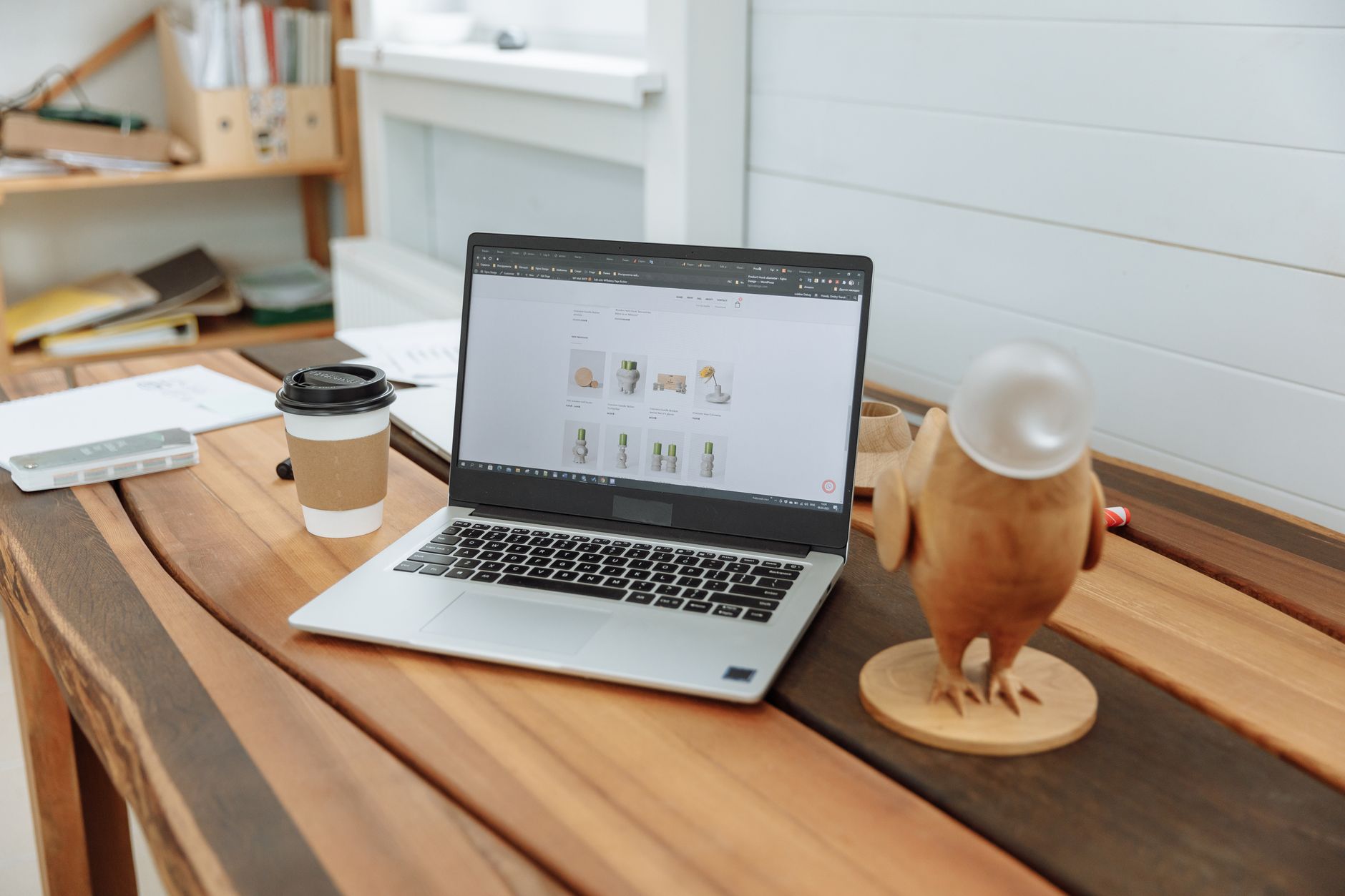
The answer to can AI build a professional website is yes: an AI builder can produce a complete, mobile-ready business site with pages, sections, text and photos that you then edit. What makes the result professional is the material you add, such as real photos, accurate services and proof that customers trust you.
This article is part of our complete guide: Best Tools to Build a Website.
- People judge a website's look in under 50 milliseconds, and sites that look simple and typical of their category score best (Google Research).
- Google's 3 Core Web Vitals targets are loading within 2.5 seconds, responding within 200 milliseconds and layout shift of 0.1 or less (web.dev).
- Google asks 3 questions of any page, who made it, how and why, and accepts automation when the main purpose is helping people (Google Search Central).
- Google Business Profile guidelines say a service area should generally not extend beyond about 2 hours' drive from the business base (Google Business Profile Help).
What does an AI website builder actually do?
An AI website builder turns a description of your business into a complete draft site: the pages, the sections on each page, the text and the photos. You then edit that draft rather than starting from a blank screen.
The process starts with questions rather than a design canvas. You describe what the business does, who it serves, where it works and what you want visitors to do, whether that is calling, sending an enquiry or visiting your premises. From those answers the builder decides which pages a business of that kind usually needs and in what order a visitor should meet the information.
With AI Web Maker, for example, you describe the business and it builds a complete website with pages, sections, text and photos, which you then edit. A plumber gets service pages and a clear way to request a call out, while a photographer gets galleries and a portfolio flow. The output is shaped by what you said, which is why two businesses in different trades end up with different structures.
The technical layers sit behind the scenes. Headings become proper heading tags, page names become title elements and the layout rearranges itself for phones, tablets and desktops. You work with words, photos and buttons, and the platform handles the code that browsers and search engines read.
What does AI get right on a professional website?
AI builders are strongest at structural work: clean layouts, consistent spacing, readable type and a mobile design that holds together. Those are the parts visitors judge first and notice least.
First impressions form fast. Researchers at Google found that people form a view of a site's look within a fraction of a second, and that designs which look simple and familiar for their category are rated best. An AI builder works from proven, familiar layouts, which is exactly what that research rewards, so a generated site starts on the right side of the first glance.
Mobile design is the second strength. Google uses the mobile version of a site's content for indexing and ranking, and says that only the content shown on the mobile site is used (Google Search Central). A builder that produces responsive layouts by default removes a whole class of mistakes that hand-built sites still make, such as text that overflows a phone screen or buttons too small to tap.
The third strength is the search basics. A generated site comes with a heading structure, page titles and readable URLs in place, which are the elements Google's own guidance asks site owners to get right. None of that guarantees a ranking, but it means you begin with a sound foundation instead of repairing one later.
Where does an AI-built website fall short?
An AI builder cannot know your prices, your best work, your service area or why customers choose you until you tell it. Those gaps are where a generated site starts to look generic.
The quality of the draft follows the quality of the brief. A vague answer such as "I do plumbing" produces copy that could describe any plumber anywhere, while a specific description of customers, services and location gives the builder real material. Treat the setup questions as a brief to a copywriter who has never met you.
Proof is the second gap. Testimonials, project photos, licence numbers and years in business exist only in your records, and no tool can supply them honestly. A site without them can look polished and still fail to persuade, because visitors look for signs that real people have used you and were happy.
Distinctive branding is the third. If your brand depends on an unusual colour system, custom illustration or complex interactive features, expect to spend time adjusting the output or to bring in a designer for those parts. Google is also clear that content made with automation is judged on whether it helps people, so read every line before you publish rather than trusting the draft as it stands.
Which businesses get the most from an AI-built site?
Local service businesses, freelancers, consultants and new ventures gain the most, because they need a credible site soon more than they need a bespoke design.
A landscaper, electrician, cleaner or personal trainer needs a site that says what they do, where they work and how to get in touch. Those are exactly the jobs an AI builder handles well, and such businesses rarely need custom features. For these owners the realistic alternative is often an outdated site or none at all, not a bespoke agency project.
Founders and early-stage businesses benefit from easy iteration as much as from the first build. When positioning is still changing, being able to rewrite a page yourself without waiting on a developer keeps the site in step with the business. Owners who have been locked out of a site that an agency or former developer controls also gain from holding the access and the content themselves.
The fit is weaker for businesses whose website is the product. A membership platform, a multi-step application process or a site with custom integrations will reach the edges of what any builder offers, and those projects still justify custom development. Where a business takes bookings or sells online, a builder's booking and store features cover the standard cases, and the site can also link to a tool the business already uses.
How do you get a professional result from an AI builder?
Give the builder a specific brief, then replace everything generic with material only you have. Most of the professional finish comes from that second step.
Before you start, write down in plain language who you serve, the problem you solve, the area you cover and one or two things that make you different. Feed that into the setup questions rather than one-line answers. The resulting draft will need far less rewriting, because it starts from your business instead of from a category.
Once the draft exists, read every section aloud and edit anything that sounds vague. Upload real photos of your work, team or premises, add testimonials from customers who agreed to be quoted, and list your actual services rather than broad categories. Check that your phone number, address and opening hours match everywhere they appear.
Then connect a domain that matches the business name and set up your Google Business Profile with the same details. Google's guidelines ask for the real-world business name, a precise address or a service area, and a phone number under your direct control. Consistent details on the site and the profile help customers and search engines trust that they have found the right business, and the AI SEO tools can help you check your pages once they are live.
What does an AI-built website cost to run?
Cost depends on scope: the number of pages, how much you revise and how much ongoing work you do yourself rather than paying someone else to do.
With AI Web Maker, building and previewing a website costs nothing, so you can see the full draft before deciding anything. Going live is $119 a year of hosting, the domain is paid separately, and AI work such as rewriting a section uses credits at about $0.65 a credit. The main variable is how much you ask the AI to redo, which is why a clear brief at the start saves credits as well as time.
Compare that with what drives cost on other routes. A custom build is priced on design time, rounds of revision and the hours spent on every later change, while a template builder costs you your own time to write copy and arrange layouts. The fair comparison is the total effort needed to reach a site you are proud of, not just the price of signing up.
Questions business owners ask
Will people know my site was made with AI?
Most visitors cannot tell how a site was built, and few care. What they notice is generic copy and stock photos, so replacing those with your own words and pictures matters far more than the tool you used.
Does Google penalise AI-built websites?
No, Google judges content by whether it helps people, not by how it was produced. It does treat pages mass-produced mainly to manipulate rankings as spam, so publish pages you have read and improved.
Can I edit everything after the AI builds the site?
Yes, the draft is a starting point. You can rewrite text, replace photos, reorder sections and add pages, and the more of your own detail you add, the less the site resembles anyone else's.
Do I still need a designer?
Usually not for a standard business site. A designer earns their fee when you need a distinctive brand identity, custom illustration or features beyond what a builder offers.
How soon can I go live?
The first draft appears quickly, and the time that remains depends on you. Gathering photos, confirming services and connecting a domain usually take longer than the build itself.
The bottom line
AI can build a professional website, as long as you treat the draft as the start of the job rather than the end. The structure, layout and mobile design are handled well; the proof and specifics are yours to add.
Three narrower questions sit under this one. One looks at what a "built in minutes" claim really produces when you test it yourself, another sets out the limitations of AI website builders and where speed costs quality, and a third asks whether an AI builder is good enough for a startup that needs credibility with customers and investors. Each takes one part of the answer above and goes deeper.
The owners who end up with the strongest sites share a habit: they come back to them. They add a new project photo, update a service, answer a question customers keep asking and check their pages after each change. A sound AI-built foundation combined with that steady attention is what turns a website into something that brings in work.
Build your website in Minutes and get the AI Tools that work
Start Building Your Website →