SEO for Veterinarians: How Pet Owners Find a Vet
How a veterinary practice gets found for emergencies, routine care and new client registrations, with the pages, profile and schema that make it work.
- Any website
- Visits within reach
- Each problem joined to its fix
A dog that has just eaten a bar of dark chocolate does not wait for Monday morning, and neither does the owner holding a phone in the kitchen. They type "emergency vet near me" or "vet open now", look at the first few names on the map and call the one that seems open and close. SEO for veterinarians is the work of being that name, and of being found just as reliably by the calmer searches that fill a diary: puppy vaccinations, cat dental care, neutering, a vet for a rabbit or a bearded dragon. Pet owners search by urgency, by species, by service and by price, and each kind of search needs its own clear answer on the website and on the Google Business Profile. You will learn how to handle emergency and out-of-hours searches honestly, which species and service pages to build, how to keep hours accurate, how to earn reviews and local links, how to use VeterinaryCare schema and how to measure the calls that matter most. Every step suits an independent practice as well as a branch of a larger group.
This article is part of our complete guide: SEO for Service Businesses.
Try AI website SEO tools to check how pet owners find your veterinary practice website
Why SEO for veterinarians follows the owner's worry
Veterinary care is health care for animals, and pet owners search for it with the same mix of anxiety and research that people bring to their own health. Google treats pages about animal health with care, so accurate information, clear credentials and visible responsibility for the content all count. Many of the principles are shared with human practices, and the guide to medical SEO covers them, from search behaviour to review rules. The difference is that the client and the patient are not the same: the owner reads, decides and pays, while the animal cannot describe its symptoms. That makes urgency, reassurance and practical detail, such as whether you see cats in a separate waiting area, more important than polished marketing words.
Emergency and out-of-hours searches
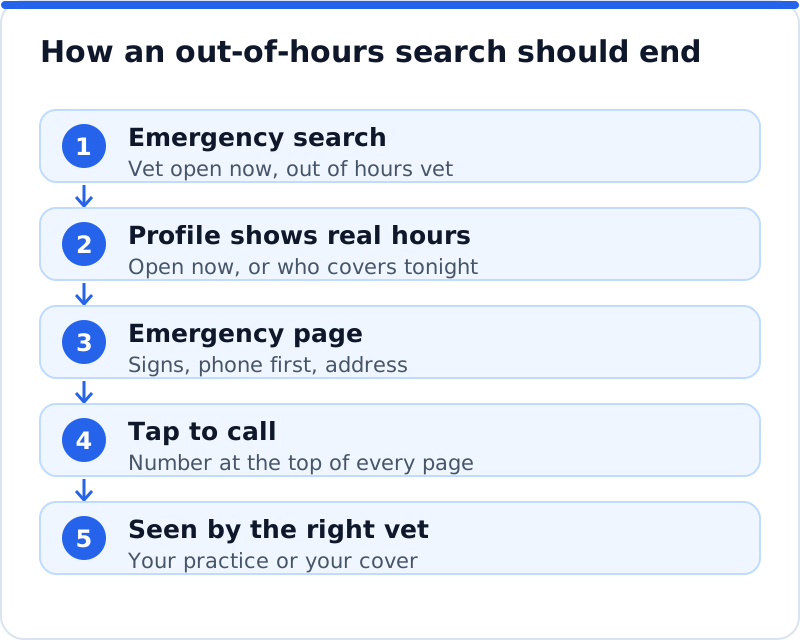
Emergency searches are short, local and urgent, such as "emergency vet", "24 hour vet", "out of hours vet" with a town name or "vet open Sunday". The owner usually calls the first practice that Google shows as open, so the most important fact on your website and profile is an honest answer to the question "who do I call right now?". In the UK, the Royal College of Veterinary Surgeons expects vets to take steps to provide 24-hour emergency first aid and pain relief, and many practices meet that duty through a dedicated out-of-hours provider. In the USA, many general practices send after-hours cases to a separate emergency hospital. Whatever your arrangement, say it plainly on a dedicated emergency page, with the out-of-hours number and address, so a frightened owner does not drive to a locked door.
The emergency page should also help owners decide whether they have an emergency at all. List the signs that mean "call now", such as difficulty breathing, collapse, a swollen abdomen in a dog, straining to pass urine in a male cat or suspected poisoning, and ask owners to phone before they travel. Put the phone number at the top of every page as a link that dials on a phone, since most of these searches happen on a mobile. Never describe the practice as open around the clock unless a vet is really on site, because Google, owners and reviewers will quickly notice the difference. An emergency hospital in Atlanta that publishes its live opening status and a clear map will earn calls that a vague "contact us" page never will.
Species and service pages
Pet owners search by species and by service, so a single "Our services" page cannot rank for most of what they type. A dog owner searches "puppy vaccinations" or "dog dental cleaning", a cat owner searches "cat friendly vet" or "cat neutering", and owners of rabbits, guinea pigs, birds and reptiles search specifically for an exotic vet, because they know many practices cannot help. Each service that matters to the practice needs a page that explains what happens, how to prepare the animal, how long it takes, aftercare and a starting price or price guide where you can give one. Species pages work well when they say who on the team has extra training, which equipment you have and how the waiting room is arranged. The table shows a typical set.
| Page | Searches it answers | What owners want to read |
|---|---|---|
| Dogs | vet for dogs (town), puppy first visit | First visit, vaccinations, health plans |
| Cats | cat friendly vet, cat vaccinations | Separate waiting area, gentle handling |
| Rabbits and exotics | exotic vet near me, rabbit vet | Which species, who has training, equipment |
| Vaccinations | puppy vaccinations cost, kitten jabs | Schedule, boosters, price guide |
| Dental care | dog teeth cleaning, cat dental | Anaesthetic, what happens, aftercare |
| Surgery and neutering | dog neutering (town), spay cost | Preparation, recovery, collection |
Write these pages with the same care as any health content. Have a vet review each page, show their name and the date, and avoid promises about outcomes, such as "guaranteed safe anaesthesia". In the UK, rules restrict advertising prescription-only veterinary medicines to the public, so describe services such as vaccinations and parasite control plans rather than promoting named prescription products. If the practice holds an accreditation, such as cat friendly status from a feline veterinary organisation or a practice standards award, explain what it means for the animal rather than just showing a logo. A cat clinic in Vienna that describes its quiet waiting room and short appointment waits gives nervous cat owners exactly the reassurance they searched for.
Google Business Profile with accurate hours
For many owners, the profile is the first and only thing they see before calling. Choose "Veterinarian" as the primary category, or "Emergency veterinarian service" for a dedicated emergency hospital, and add "Animal hospital" or other categories only when they describe what you really are. Set the regular hours precisely and add special hours for every bank holiday, Thanksgiving, Christmas and New Year, because a profile showing "Open" on a day you are closed sends an owner with a sick animal to a dark car park. If out-of-hours care is provided elsewhere, say so in the description and on the emergency page, rather than listing hours you do not keep. Add photos of the reception, consulting rooms, cat waiting area, parking and the team, and set the appointment link to your booking or registration page.
Practices with several branches need one verified profile per site, each linking to its own location page with its address, hours, team and the services offered there. Keep the practice name exactly as it appears on the sign, without extra words such as "Cheap Vaccinations", which break Google's guidelines. Keep the name, address and phone number identical across your website, the profile and every directory. In the UK, owners also use the RCVS Find a Vet service, and in the USA they use Yelp and accreditation directories such as that of the American Animal Hospital Association, described here generally because listings differ by practice. Old listings for a closed branch or a previous phone number should be corrected or removed, since they confuse both owners and Google.
New client registration and health plan pages
Many owners search for a new vet after moving house, getting a first puppy or losing confidence in their old practice. A registration page that lets them sign up online, explains what to bring, such as vaccination records and insurance details, and describes the first appointment turns that search into a new client. Say whether you are accepting new clients for every species, because some practices pause registrations for exotics or farm animals. If you offer a monthly pet health plan, give it its own page with exactly what is included, since "puppy health plan" and similar searches are common. A practice in Norwich that keeps its registration form short and confirms by email the same day will usually convert more visitors than one that asks owners to call during office hours.
Reviews, grief and client confidentiality
Reviews shape the choice of a vet strongly, because owners are trusting you with an animal they love. Ask every client in the same way, for example by a short message after an appointment, and never offer discounts in exchange, since Google's policies forbid incentives and consumer law in the USA and the UK targets fake reviews. Some of the most emotional reviews follow the death or euthanasia of a pet, and they deserve a human reply that expresses sympathy without discussing the case in public. Animal records are not covered by HIPAA in the USA, but many states have their own rules on veterinary records, the RCVS code expects client confidentiality in the UK, and GDPR protects owners' personal data in Europe. A safe reply thanks the person, acknowledges their feelings and invites them to contact the practice manager directly.
VeterinaryCare schema and technical basics
Structured data tells search engines in a precise format what the practice is, where it is and when it is open. Schema.org has a dedicated VeterinaryCare type, listed as a kind of medical organisation, and it suits both a single practice and each branch of a group. Add the name, address, telephone, opening hours, website address, a photo or logo and links to your profiles elsewhere through sameAs, and mark up a separate emergency hospital with its own opening hours. Test the markup with Google's Rich Results Test and the Schema Markup Validator, and remember that it does not guarantee any special display in results. Check the emergency and registration pages in PageSpeed Insights on its mobile setting too, because a slow page is the last thing an owner with an emergency needs.
Local links from rescues, breeders and pet shops
Vets have more natural local partners than most businesses, and links from them tell Google the practice is part of the community. Rescue centres and shelters often list the vets they work with, and offering neutering or health checks for rescued animals tends to earn a mention. Reputable breeders and breed clubs recommend vets for puppy and kitten checks, while pet shops, groomers, dog trainers, kennels and catteries often keep a page of trusted local services. Writing a seasonal safety article for a local news website, for example about chocolate, grapes and lilies at holiday times, can earn a link and help owners at the same time. A mixed practice in Galway that supports a rescue's adoption days and a local agricultural show will gain links that no directory can match.
Measuring calls and registrations
Phone calls are how most owners reach a vet, so they are the main measure. The Google Business Profile performance view shows calls, website clicks, direction requests and bookings, month by month. On the website, set up key events in Google Analytics for taps on the phone number, completed registration forms and online bookings, and keep emergency calls separate from routine calls where your phone system allows. Search Console shows which species and service pages gain clicks, so you can see whether the new exotics page brings rabbit owners. Ask every new client how they found the practice, because many calls that began with a Google search look like direct calls in the numbers.
How AI Website SEO Tools help
Our AI website SEO tools check a veterinary website the way Google reads it and give a score out of 100, with on-site checks counting for 60% and backlink trust for 40%. The report covers six areas, reads up to 12 pages and lists each page's problems, such as an emergency page with no search title or a vaccinations page that loads slowly on a phone. It shows the keyword each main page should win, the visits a month now and those within reach, and it joins each problem to the tool that fixes it, with steps and code to paste or, on WordPress, applied by our plugin. A monthly re-check emails you what changed, which helps a busy practice manager keep track without extra work. The wider AI SEO tools for business websites also include a backlink checker for confirming the links you earn from rescues and local partners.
Questions business owners ask
Should a vet practice publish prices online?
Publishing starting prices or a guide for routine services usually helps, because cost is one of the main reasons owners search before calling. Vaccinations, neutering and dental care are the services owners compare most often, and a clear starting price with a note on what changes it answers their question honestly. In the UK, the competition regulator has examined how veterinary practices present prices and ownership, so clear information is worth getting right. Make sure the prices on the website match what reception quotes, and update the page whenever fees change. A page with honest prices often earns more trust than one that hides them.
Is an exotic pet page worth the effort?
If a vet on the team is trained and equipped to treat rabbits, birds or reptiles, an exotics page is often one of the most valuable pages on the website. Owners of these animals know that many practices cannot help, so they search specifically and are willing to travel further. An exotic vet in Denver, for example, may draw owners from a much wider area than its dog and cat clients. Say exactly which species you see, who treats them and what equipment you have, because a vague page disappoints owners. If you cannot treat exotics, do not create the page, since a disappointed caller is worse than no caller.
How should we reply to a review after a pet has died?
Reply with genuine sympathy and keep the reply short and human. Do not discuss the animal's illness, treatment or the decisions made, even if the owner described them, because that belongs in a private conversation. Thank them for sharing, acknowledge how hard losing a pet is and invite them to speak with the practice manager or the vet directly. If the review contains factual errors, resist correcting them in public, since other owners judge the kindness of the reply more than the details. A compassionate response often reassures future clients more than a page of five-star reviews.
Starting SEO for veterinarians this month
Begin with the emergency page and the Google Business Profile hours, because they decide what happens to the most urgent searches. Then add special hours for the next holiday period and check that the out-of-hours arrangement is stated the same way everywhere. Next, build or improve pages for your most common services and for each species you treat, with a vet reviewing each one, and make the registration page short and clear. Set up key events for calls and registrations, start asking every client for a review in the same way, and contact one rescue or local partner this month. Once the basics are in place, run a full check of the practice website to see which pages and problems stand between you and the owners searching nearby.
Your website as a network: every part of its SEO checked while you watch, your score, the traffic within reach and the fix for each problem.
Check your website with AI Website SEO Tools →