Vacation Rental Website Pages That Turn Browsers Into Bookers
Platform fees of 15 to 30 percent quietly drain your rental income every single booking. The right pages on your own vacation rental website give travelers everything they need to book direct, without a platform algorithm standing between you and your guest. Knowing which pages to build, and what each one must do, is what turns a casual browser into a confirmed booker.
- No coding required
- Live in minutes
- Blog, SEO and chatbot tools included
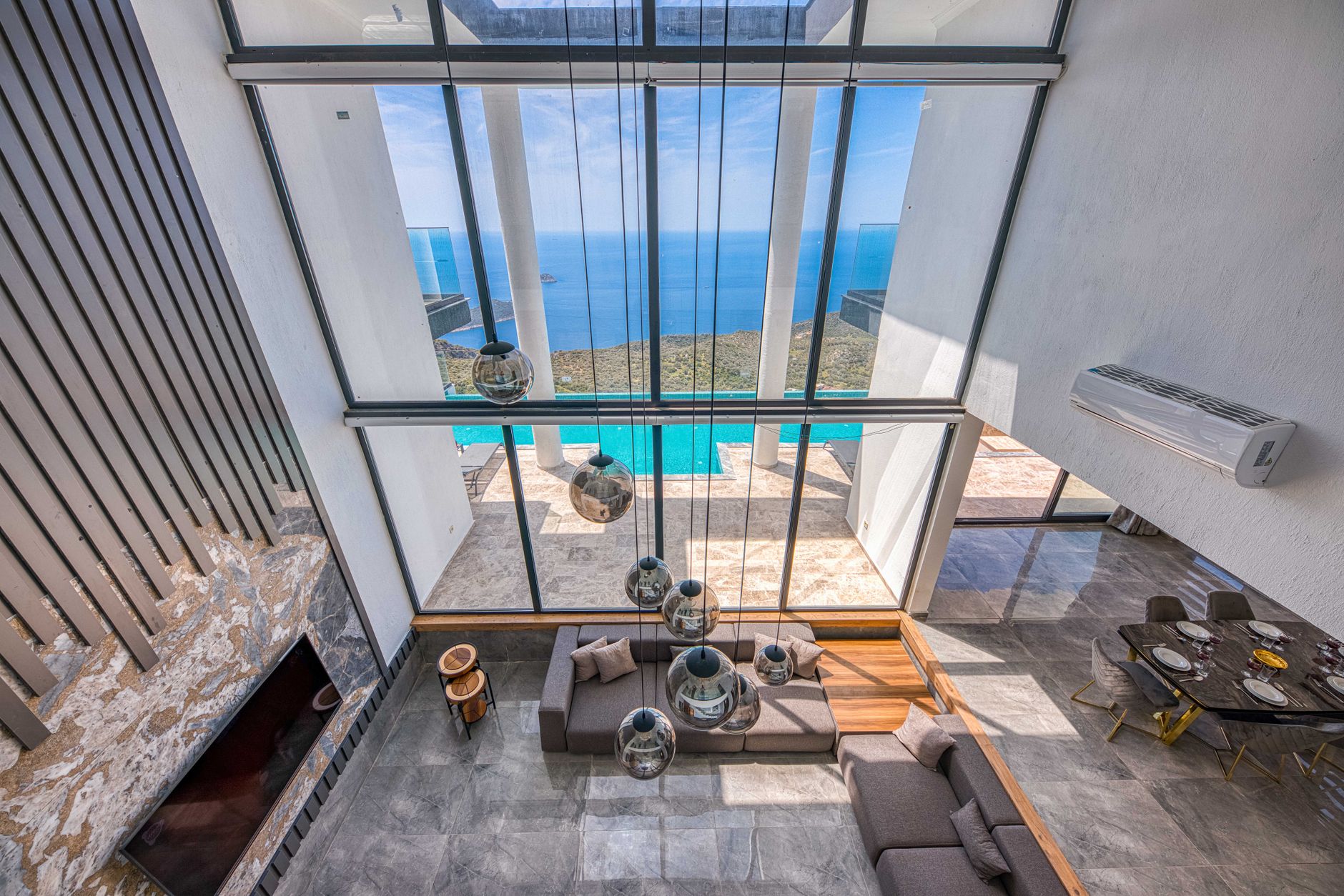
If you host a short-term rental, you already know that platforms like Airbnb and VRBO send traffic your way, but they also take 15 to 30 percent of every booking you earn. The vacation rental website pages that convert browsers into direct bookers are the single most effective tool you have for reducing that dependency and protecting your margin. A well-built property website works around the clock, presenting your space exactly the way you want guests to see it, without a platform's algorithm deciding whether you appear on page one or page five. Guests who land on your own website are often further along in the decision process, which means they are more likely to book without shopping around. If you are exploring how to build this kind of site efficiently, an ai website builder for real estate can get a professional result live in days rather than weeks, without any coding or agency fees involved. The goal of this post is to walk you through the pages your vacation rental website needs, what each one should say, and why every element earns its place.
Vacation Rental Website Pages That Convert: Why Your Vacation Rental Needs Its Own Website
OTA platforms have built enormous audiences, and that reach is genuinely useful for filling gaps in your calendar. But every booking they send you costs a significant slice of your revenue, often between 15 and 30 percent when you add guest fees and host fees together. Over a full season, that commission can easily represent tens of thousands of dollars leaving your hands and going into the platform's pocket instead. Direct bookings let you keep more of that revenue, set your own policies, and build a guest relationship that can turn a one-time visitor into a repeat customer who tells friends. A strong strategy built around vacation rental website pages that convert puts you in control of your pricing, your branding, and your guest experience from the very first click.
Search engines also tend to rank individual property owner websites more favorably than third-party listing aggregators for highly specific searches. A guest looking for "three-bedroom cabin near Lake Tahoe with a hot tub" may find your direct website before they find your Airbnb listing if your site is built with clear, honest content that answers that exact question. Building and owning your website also means you accumulate reviews, photos, and content that belongs to you permanently, regardless of any platform policy change. The technical work of setting this up no longer requires months of development time, because modern tools exist specifically for this purpose. An ai website builder for real estate can produce a complete, professional site with the right structure from the start, which is exactly the foundation you need before you invest in direct booking marketing.
The Home Page: Your First Impression
Your home page has one job: turn a curious visitor into someone who checks availability within the first few seconds of arriving. The most powerful thing you can put above the fold is a professional, full-width photo of your most photogenic space, whether that is a sun-drenched living room, a private pool, or a mountain view from the deck. Directly below or overlaid on that image, your headline should answer the guest's real question, which is not "what is this place" but "why should I stay here instead of the hotel down the road." A specific answer works far better than a generic one, and concrete detail closes the gap between curiosity and commitment. "Sleeps ten, two minutes from the beach, full chef's kitchen" does more work in a headline than "Your perfect vacation awaits."
Alongside that headline, a prominent booking calendar and a clear call-to-action button should be visible without scrolling on most screen sizes. Guests who arrive with intent want to check a specific weekend, and if that tool is buried three scrolls down, a meaningful percentage of them will leave before they ever find it. Guest testimonials or pulled quotes from recent reviews placed in the hero section add immediate social proof before a visitor has even consciously decided to trust you. Keep the overall layout clean and uncluttered, because too many options and too much text in the first view slows down the decision and introduces hesitation. Your home page succeeds when a first-time visitor can find availability, understand the property's selling point, and read a real guest's opinion in under five seconds.
The Property Details Page: Show Everything Guests Need to Know
The property details page is where you earn the booking by removing every remaining doubt a potential guest carries. Start with a complete, honest list of every amenity: the number of bedrooms, the bed types in each room, the number of bathrooms, the total square footage, and every feature from the espresso machine to the kayaks in the garage. Guests who feel surprised by missing information leave negative reviews, so over-communicating here protects your reputation as much as it helps conversion. If your property has a genuinely standout feature, name it clearly and early: ocean views from the primary bedroom, a pet-friendly yard with a fenced perimeter, a private heated pool, or a full kitchen with a six-burner range. Specificity signals honesty, and honesty builds the trust that turns a browser into a booker.
Describing the neighborhood gives guests confidence that they have chosen the right location for their trip. Tell them which restaurants are walkable, how far the nearest grocery store is, what the parking situation looks like on a busy weekend, and whether there are any noise restrictions they should know about in advance. Address the practical questions that fill your inbox every week: what time is check-in, is there a keypad or a lockbox, how fast is the WiFi, and how is the property heated and cooled in off-season months. Answering these questions on the page saves you time and removes the hesitation that causes a guest to close the tab and search again. Use short paragraphs and generous whitespace so the page scans easily on a mobile phone, because the majority of your visitors will read it on a small screen.
The Photo and Video Gallery: Let the Property Speak
Photos are the single most influential factor in a guest's booking decision, and most hosts underestimate how many images a strong gallery needs to build confidence. Plan to upload at least 20 high-quality photos covering every bedroom, every bathroom, the kitchen, the living area, the outdoor space, and any unique features like a game room or a rooftop terrace. A guest who cannot see every space in advance imagines the worst, and their imagination is rarely flattering to you or your property. Include both daytime photos with natural light flooding the rooms and nighttime photos showing the property warm and lit, because guests want to visualize an evening in as much as a sunny afternoon. Each image should be staged thoughtfully, with clean surfaces, intentional lighting, and no distracting clutter in the frame.
A 60 to 90 second walkthrough video is one of the highest-impact additions you can make to a vacation rental website. Video answers the question that photos cannot fully address: what does it feel like to move through this space? Guests who watch even a short tour arrive with more accurate expectations, which reduces complaints and increases satisfaction scores. Show the same spaces from multiple angles so there are no surprises waiting on arrival, and narrate or caption anything that needs context, like a sofa bed that opens to a queen or a deck that wraps around two sides of the house. Refresh your photos annually and after any meaningful renovation so the gallery always reflects the current state of the property and never misleads a guest before arrival.
The Pricing and Booking Terms Page: Remove Friction
Uncertainty about the total cost is one of the most common reasons a guest abandons a booking before completing it. Display your nightly rate clearly, then show what weekly discounts look like, and if you use seasonal pricing, explain the general logic so guests understand why summer rates are higher than January rates. Every fee needs to appear on this page before a guest clicks "book," including cleaning fees, any platform or service fees you pass through, local occupancy taxes, and pet fees if your property allows animals. Guests who discover unexpected charges at checkout feel misled, even if the fees are standard in your market, and that feeling costs you trust and reviews. Transparency at the pricing stage is one of the clearest signals you can send that you are a host who respects the guest relationship.
State your cancellation policy in plain, specific language rather than relying on labels that guests may interpret differently. Rather than calling it "moderate" and expecting guests to know what that means, write out the exact terms: a full refund if cancelled 14 days before check-in, a 50 percent refund if cancelled between 7 and 14 days, and no refund inside 7 days. Describe what happens after a guest confirms: will they receive an email with the door code, a welcome packet, or a pre-arrival checklist? A clear, transparent pricing and terms page reduces chargebacks, disputes, and the kind of confused guest messages that cost you time during peak season. Vacation rental website pages that convert always include a confirmation flow explanation so guests feel taken care of immediately after paying, not left wondering what comes next.
The Contact and Host Bio Page: Build Personal Trust
Guests are handing money to a stranger and trusting that the space will match what they saw online, which means the host bio page does real and measurable work in building the confidence needed to complete a booking. Include a professional, friendly photo of yourself, because a real face attached to a name is far more reassuring than an anonymous listing filled with stock imagery. Write a short biography that explains how long you have been hosting, roughly how many guests you have welcomed, and what you love about the property or the area. If you have earned any hosting recognition or consistently high review scores, mention them plainly rather than letting guests guess at your track record. The tone should be warm and specific, not a corporate "about us" paragraph that could belong to any faceless rental company.
List your typical response time so guests know what to expect when they send a question before booking. Stating "I respond to all inquiries within four hours between 8 a.m. and 8 p.m." is concrete and reassuring in a way that "prompt responses" is not. Include an FAQ section that addresses the ten questions you receive most often, from early check-in requests to whether the kitchen is stocked with cooking basics. Offering multiple contact channels, including an email form, a phone number, and a messaging option, means guests choose whatever feels most comfortable to them rather than abandoning the inquiry because their preferred method is missing. A well-built contact page is often the last thing a guest reads before committing, so make it feel like a conversation starting rather than a form to submit.
Building a vacation rental website that genuinely drives direct bookings is not about having the most elaborate design or the longest page. It is about answering the right questions, in the right order, with enough visual evidence and honest information that a guest feels confident clicking "book now" without returning to an OTA for reassurance. Each page described here serves a specific purpose: the home page creates a strong first impression, the property details page eliminates doubt, the gallery makes the space feel real, the pricing page removes financial friction, and the host bio page makes the transaction feel human and safe. When all five pages are working together, your website becomes a direct booking engine that costs you nothing per reservation and keeps every dollar of margin where it belongs. The technology to build all of this is more accessible than ever, and a site built thoughtfully today can pay for itself many times over in a single busy season.
Build your website in Minutes and get the AI Tools that work
Start Building Your Website →