Rental Property Website for Landlords: Pages That Fill Vacancies
Tenants search online, read every detail, and build a shortlist before they ever contact a landlord. Without your own site, your listing competes with dozens of others on platforms that charge fees and control what renters see. You will learn which pages to build so the right tenants find your property, get their questions answered, and move from inquiry to signed lease faster.
- No coding required
- Live in minutes
- Blog, SEO and chatbot tools included
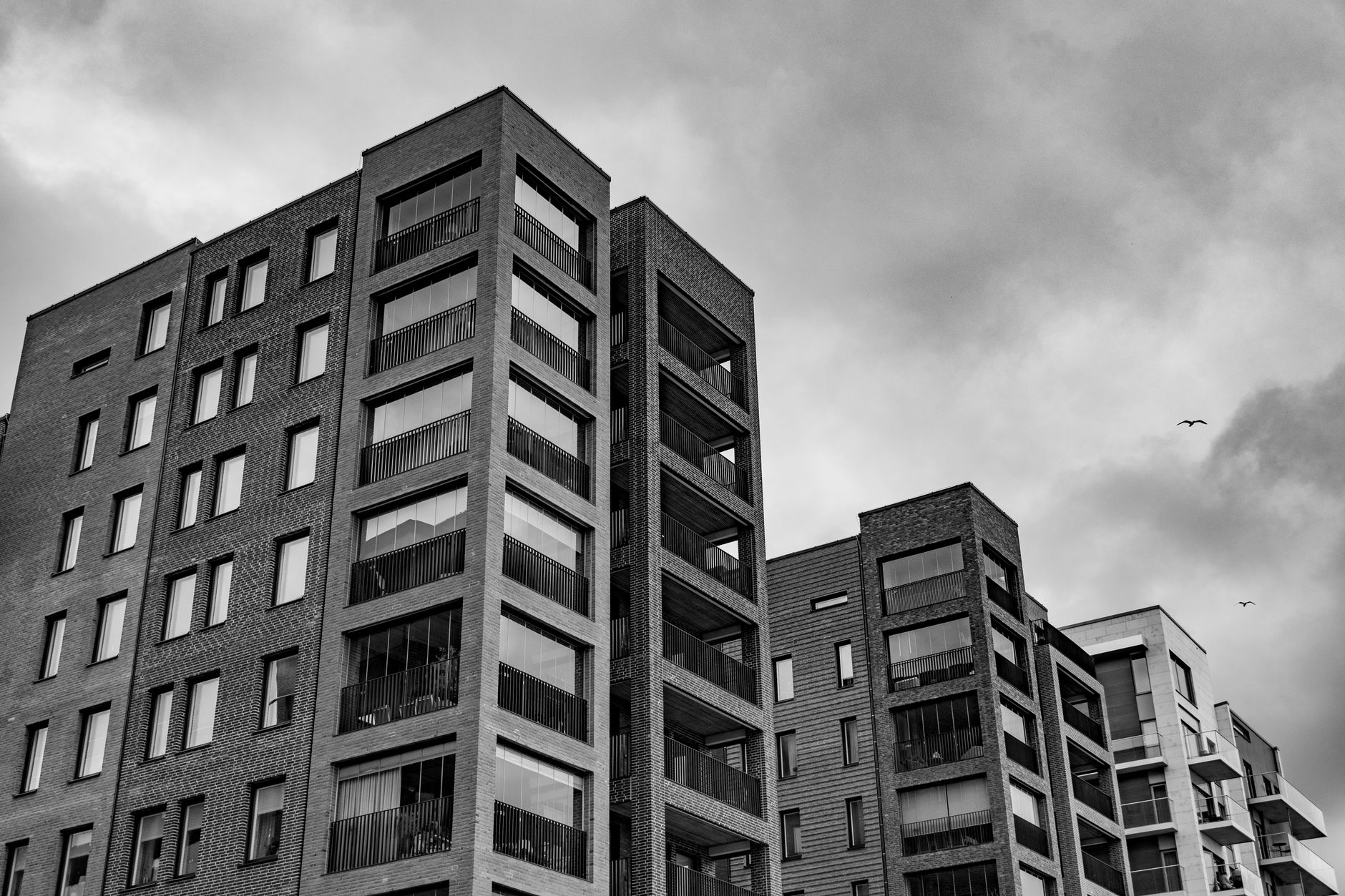
If you own even one or two rental units, a dedicated rental property website for landlords is one of the most practical tools you can build right now. Tenants today do not pick up the phone first. They search online, scroll through photos, read the details, and make a shortlist before they ever contact a landlord. Without a website of your own, you are entirely dependent on third-party listing platforms that charge fees, control the format, and bury your listing among dozens of competitors. A purpose-built site gives you a permanent, searchable home for your rental information that works around the clock. If you are new to this and wondering where to start, an ai website builder for real estate makes it possible to launch a professional site in a single afternoon without writing a line of code or hiring an agency.
Why Independent Landlords Need a Rental Property Website
Prospective tenants expect to research a property thoroughly before committing to a showing, and that research begins on a search engine. When your rental has its own website, those searches can lead directly to your doorstep instead of to a listing platform's page. A professional site also does quiet filtering work for you, presenting your standards and property details so that people who are not a fit move on before they consume your time. Direct traffic from search reduces your reliance on paid listing sites and the recurring fees that come with them. Clear policies and requirements published on your own pages mean you field fewer phone calls from people who cannot meet your criteria, leaving you free to focus on genuinely qualified applicants.
The Must-Have Pages on Your Rental Property Website for Landlords
Every rental property website for landlords needs a focused set of pages, and the most important is the property listing page itself. This page should show high-quality photos, a floor plan if you have one, the monthly rent in plain sight, and a brief description of the unit's best features. Alongside it, you need a tenant requirements page that spells out your screening criteria so applicants understand the standards before they invest time in applying. A lease terms page covering lease length, which utilities are included, pet policies, and move-in costs prevents the most common questions from ever reaching your inbox. You also need an application page where serious prospects can submit their contact information and consent to a background check, and a contact page that makes it simple for qualified leads to reach you directly through your preferred method of communication.
Property Details That Cut Tenant Questions Before They Call
The single biggest driver of unnecessary phone calls is missing information, and the cure is specificity. Square footage, bedroom and bathroom count, and the top three or four amenities should appear above the fold so a visitor knows within seconds whether the unit suits their household. Utilities responsibility is one of the most searched questions in rental inquiries, so state clearly what is included in the rent and what tenants pay themselves, and include average monthly costs if you have them. Parking details matter enormously to families and commuters, so specify how many spaces are available, whether they are assigned or shared, and any restrictions such as no commercial vehicles. List every appliance in the unit and note its condition so tenants are not surprised on move-in day to discover there is no dishwasher. Lease length options, whether you offer six months, twelve months, or a flexible arrangement, should also appear here so applicants can confirm the timeline works before reaching out.
Building Trust With Your Tenant Screening Process
Publishing your screening criteria openly is one of the most effective ways to attract serious applicants and discourage unsuitable ones. State your minimum credit score requirement and your income multiplier, for example requiring gross monthly income of at least three times the rent, so applicants can self-qualify before applying. Be equally transparent about what you verify: employment history, credit reports, prior eviction records, and criminal background checks. Any fees associated with the application, such as a non-refundable application fee or the cost of a credit check, should appear in plain language before anyone clicks to apply. Giving applicants a realistic decision timeline, for instance that you review applications within 48 to 72 hours, reduces the follow-up calls that slow down your process. Displaying your contact information prominently alongside the screening criteria signals professionalism and gives qualified candidates confidence that a real person is managing the rental.
Setting Expectations Before Anyone Applies
A short paragraph near the top of your requirements page that explains your overall approach sets the tone for the entire relationship. Landlords who communicate expectations early tend to attract tenants who respect those expectations throughout the tenancy. You might note, for example, that you prioritise long-term renters, that you conduct move-in and move-out inspections, or that you respond to maintenance requests within a defined window. These details are not just reassuring to good tenants; they also signal to unsuitable applicants that they should look elsewhere. Starting the landlord-tenant relationship with honest, complete information saves everyone time and reduces disputes later.
Photos and Virtual Tours That Show Properties Honestly
Photos are the first thing a tenant judges, and poor ones cost you showings that would otherwise convert. Take photos of every room in natural light, including spaces that prospective tenants worry about like closets, laundry areas, and storage. Outdoor spaces deserve the same attention, so photograph the yard, porch, garage, parking area, or any shared common areas that come with the unit. All photos should be taken when the unit is vacant and clean, because clutter and personal belongings make it hard for someone to picture themselves living there and create inaccurate expectations. The kitchen and bathrooms drive more rental decisions than any other rooms, so photograph each from multiple angles and make sure the lighting shows the actual condition and size. A short video walkthrough or virtual tour is worth adding if you can manage it, because it reduces the number of in-person showings from people who would have ruled out the unit after seeing it live.
Why Honest Photography Protects You as a Landlord
Showing a property accurately in your photos builds trust before the first conversation and protects you from a poor fit. When a tenant arrives at a showing expecting what they saw online and the unit matches those photos, the interaction starts positively. Misrepresentation, even unintentional, tends to create friction early in a tenancy that can affect the entire landlord-tenant relationship. Honest photos also filter out applicants who need something different, saving everyone the time of a showing that was never going to work. A small investment in good lighting and a tidy unit at photo time pays off in a smoother leasing process every time.
Making Your Website Easy to Navigate and Mobile Friendly
A well-structured website keeps prospects on the page long enough to reach the application, and structure begins with the menu. Group your key sections, the property details, lease terms, screening criteria, and contact page, so that everything a serious tenant needs is reachable in one or two clicks. Mobile responsiveness is not optional, because most rental searches happen on a phone, and a site that forces users to pinch and scroll horizontally sends them straight to the next listing. Page loading speed matters for the same reason: a page that takes more than a few seconds to display photos will lose prospects before they see the property. Place a clear call-to-action button, something like Apply Now or Schedule a Showing, above the fold on your main listing page so that motivated applicants never have to hunt for the next step. Basic search engine optimisation, using the suburb name, property type, and rental features in your page headings and text, helps your site appear when local tenants search for homes or apartments in your area.
Keeping Contact Simple for Serious Tenants
A complicated contact experience loses applicants who are otherwise ready to move forward. Your phone number, email address, or inquiry form should appear on every page, not just a dedicated contact page buried in the footer. If you prefer email over calls, say so directly so tenants communicate through the channel you actually monitor. A brief note about your response time, for instance that you reply to inquiries within one business day, removes uncertainty and encourages serious candidates to reach out. Simple, accessible contact options are the final link in a website that turns online visitors into tenants sitting at your table to sign a lease.
What to Do After Your First Vacancy Is Filled
Many landlords build a site for one vacancy and then neglect it once the unit is leased, which is a missed opportunity. Keeping your site active between tenancies means it accumulates search history and ranking so that the next time you need to fill a unit, the site is already visible to local searchers. Use quieter periods to refresh your photos, update your screening criteria if your requirements have changed, and review your lease terms page for anything that needs clarifying. If you manage more than one property, add each one to the site as its own listing page so prospective tenants can browse your full portfolio in one place. A site that grows with your portfolio becomes increasingly valuable over time and reduces the cold-start effort each time a unit becomes available. Treating your website as a long-term business asset rather than a one-off project is what separates landlords who consistently fill vacancies quickly from those who start from scratch every time.
Updating Your Site When Policies Change
Rental regulations and your own policies will change over time, and your website should always reflect current reality. If you add a pet-friendly policy, raise the rent, or change your application process, update the relevant pages before the next listing goes live. Outdated information creates confusion and erodes the trust you have worked to establish with your content. A monthly review of your key pages, checking that rents, fees, and policies are accurate, takes less than thirty minutes and prevents misunderstandings during showings. Consistent, current information across every page of your site is one of the simplest ways to maintain a professional reputation as a landlord.
Keeping Your Rental Visible Between Tenancies
Vacancy periods are expensive, and a website that remains active and updated during those periods shortens the gap between leases. When a unit becomes available, you want search engines to surface your site quickly, and that happens faster when the site has been consistently maintained rather than left dormant for months. Publishing a fresh photo set each time a unit turns over signals to search engines that the content is current and worth ranking. Sharing your listing page through a simple social media post or a local community board costs nothing and can reach renters who are not actively searching yet but are open to a good opportunity. The more channels pointing back to your own site, the less you depend on third-party platforms to carry your availability announcements. A rental property website for landlords that stays visible year-round becomes a genuine competitive advantage in any local rental market.
A rental property website built with these pages and details becomes your best leasing tool, one that never sleeps and costs less over time than any listing platform subscription. It answers the questions tenants ask most, filters out the inquiries you do not want, and presents your property professionally to the people who are genuinely looking. Independent landlords who invest the time to build a thorough site consistently spend less time on phone calls and more time on applications from qualified prospects. The barrier to getting started has dropped significantly now that no-code platforms can put a complete, professional site online in an afternoon. Whether you manage one unit or a small portfolio, having your own space online where tenants can find you, learn about your property, and apply is one of the most straightforward ways to reduce vacancies and run a rental business with less friction.
Build your website in Minutes and get the AI Tools that work
Start Building Your Website →