HOA Management Company Website Pages That Build Resident Trust
Boards and residents research HOA management companies online long before making contact, and a weak website hands that decision to a competitor before you ever get the chance to speak. The pages you build shape how professional and trustworthy your firm appears to the people holding the vote. Getting the right structure in place gives you a credible, working presence that keeps earning confidence on your behalf.
- No coding required
- Live in minutes
- Blog, SEO and chatbot tools included
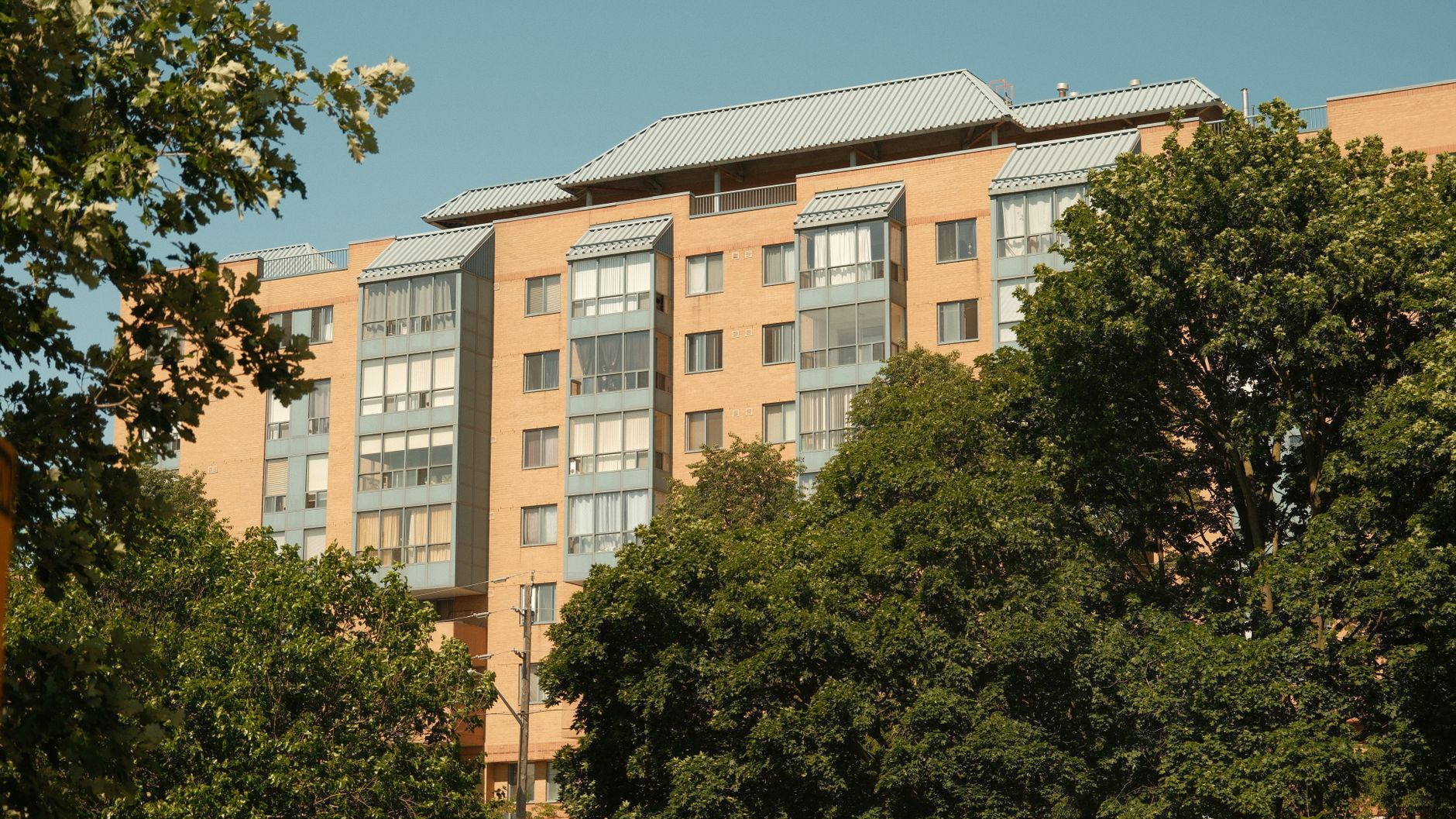
If you run a small HOA management company, the boards and residents you want to win over are doing their research long before they ever pick up the phone. They are typing your company name into Google, clicking through to your website, and forming an opinion within the first few seconds. The hoa management company website pages you build today are doing sales work around the clock, either earning trust or quietly losing it to a competitor with a sharper online presence. Many small firms in this space still rely on outdated sites, referrals alone, or no site at all, which puts them at a serious disadvantage when a board is comparing three candidates side by side. If you have been exploring an ai website builder for real estate as a way to close that gap quickly and affordably, the pages covered in this guide will give you a clear blueprint for what to build and why each section matters to the people you most want to impress.
Why Your HOA Management Company Website Matters More Than You Think
Residents and board members do not hand over responsibility for their community lightly, and the first place they look for reassurance is your website. A polished, well-organized site signals that you run a professional operation, while a bare or broken one raises immediate doubts about how you would handle their dues, their vendors, and their neighbors' complaints. HOA boards are often made up of volunteers who feel the weight of their responsibility to hundreds of homeowners, so they want evidence of competence before they sign anything. Small HOA management firms are competing against regional and national companies with marketing budgets that dwarf their own, but a strong website narrows that gap significantly. When a board president in your county searches for management help at nine o'clock on a Tuesday night, your website is the only representative you have in the room.
Trust is built through detail, not through vague promises, and your website has to demonstrate that from the very first page a visitor lands on. A board member who has dealt with a disorganized previous management company will be scanning your site for specific signals: clear service descriptions, verifiable credentials, and evidence that real communities have benefited from your work. The impression your site creates in the first thirty seconds either earns you the next five minutes of their attention or sends them to the next result on the search page. Investing time in each of the pages described below is not a cosmetic exercise; it is a practical business decision that affects how many qualified inquiries reach your inbox each month. The boards most worth winning are also the most careful researchers, so every page you build is a chance to answer their questions before they even have to ask.
The Homepage: Your First Chance to Earn Trust
Your homepage has one job: convince a board member or resident who has never heard of you that you are worth a second look. State clearly within the first two sentences which types of communities you manage, how many you currently serve, and how long you have been doing it, because vague claims like "full-service management" tell nobody anything useful. A brief overview of your core services, placed above the fold, means a board president does not have to hunt for information before deciding whether to keep reading. Real photos of communities you manage, even exterior shots of well-maintained common areas, do more to build confidence than any stock image of a handshake ever could. Testimonials from board presidents or long-term residents carry enormous weight here, especially when they describe a specific problem your team solved. End the homepage with a prominent button inviting visitors to schedule a consultation or request a proposal, so the path forward is obvious and effortless.
The language on your homepage should reflect how board members actually talk about their problems, not how management companies talk about their services. Phrases like "we take the burden off your volunteers" or "residents get faster answers when a professional team is handling requests" translate your value into terms that mean something to someone who has spent a Saturday afternoon fielding noise complaints from neighbors. Avoid filler headlines like "Your Trusted Partner in Community Management" and replace them with something concrete, such as the number of communities you currently manage or the average tenure of your client relationships. A homepage that speaks directly to the frustrations your audience already has will always outperform one that simply describes what you do. Grounding every sentence in a real board member's lived experience is the single most effective editorial principle you can apply to this page.
HOA Management Company Website Pages That Showcase Services and Expertise
A dedicated services page is where you convert interest into serious inquiry, and it needs to be far more specific than a bulleted list of categories. Walk through financial management, maintenance coordination, vendor oversight, and resident communication tools as separate topics, explaining what each one involves in practice for a real community. Board members are often comparing your offering against managing the community themselves, so your copy should make the trade-off clear: hiring you frees up volunteer hours, reduces liability, and brings professional oversight to processes that are easy to mismanage without experience. Before-and-after examples work well here, such as a reserve study you completed for a condominium association that had been deferring maintenance for years, or a maintenance backlog you cleared within sixty days of taking over a townhome community. Explaining the technology you use, whether that is an online portal for residents to submit requests or software that tracks vendor invoices automatically, reassures boards that you operate a modern, accountable business. Publishing your typical response times for maintenance emergencies and resident complaints is a small detail that signals big accountability, because most management companies avoid putting specific numbers in writing.
Financial Management Services
Financial management is one of the primary reasons boards hire outside help, and your site should explain exactly what your financial oversight includes. Describe how you handle dues collection, delinquency follow-up, monthly financial reporting, and reserve fund planning in plain language that a volunteer treasurer can understand. Many boards have inherited financial records in disarray, so showing that you can reconstruct and stabilize a community's finances builds immediate confidence with the people most responsible for protecting homeowner assets. If you use accounting software that produces auditor-ready reports, name it and explain why that matters for a community's annual review process. Boards that have faced surprise deficits or confusing balance sheets in the past will respond strongly to a management company that treats financial transparency as a core promise rather than an afterthought.
Maintenance and Vendor Coordination
Maintenance coordination is where most boards feel the most day-to-day pressure, and your services page should address that pressure directly. Explain how you vet vendors, whether that means verifying insurance certificates, checking references with other associations, or requiring competitive bids above a certain dollar threshold. Board members who have been burned by unreliable contractors in the past will pay close attention to your process for holding vendors accountable, so be specific about how you follow up on open work orders and document completed repairs. Sharing the average number of vendors in your approved network, or the categories you cover such as landscaping, roofing, plumbing, and electrical, helps boards picture what it actually looks like to hand off this responsibility to your team. A services page that answers the question "what happens when a vendor misses a deadline?" will stand apart from every competitor who simply promises reliable contractors without explaining the system behind that promise.
About Us and Credentials: Building Board Confidence
The About Us page is where boards decide whether they actually trust the people behind the company, not just the services on the list. Start with professional certifications your team holds, such as the Certified Manager of Community Associations designation from CAI or whatever property management license your state requires, because credentials are shorthand for competence. Include short bios for each key team member that mention years of experience, the types of communities they have managed, and any specializations like large-scale HOA budgets or historic district properties. Your company's founding story matters more than you might expect, because boards want to understand why you started this business and what principles guide how you handle difficult situations. If your company has received any recognitions from local business groups or holds membership in professional associations like the Community Associations Institute, those details belong here where they are easy to find. Sharing your philosophy on conflict resolution and budget challenges, written in plain language, gives boards a preview of what it will feel like to work with you before they ever attend a meeting.
The personal element of your About Us page should never feel like a brochure. Boards are hiring people, not products, and a brief honest description of a difficult situation your team navigated successfully, such as a contentious special assessment or a vendor dispute that required legal involvement, shows self-awareness and professional maturity that generic mission statements never could. Photographs of your actual staff, taken in a genuine work context rather than a posed studio shot, reinforce that there are real people behind the phone number on your contact page. If your company is family-owned or locally operated, say so clearly, because many boards actively prefer a management company that has roots in the same region their community sits in. Every sentence on this page is a chance to show character, and character is ultimately what boards are buying when they sign a management agreement.
Client Success Stories and Case Studies That Prove Results
Nothing replaces documented proof, and a dedicated page for client success stories gives you a place to show real outcomes rather than just promise them. For each case study, start with the specific challenge the community faced before hiring you, whether that was a depleted reserve fund, a vendor relationship that had gone sideways, or a spike in unresolved resident complaints. Then show the measurable improvement: a reserve fund that grew from three percent funded to forty percent funded over three years, a maintenance contract renegotiated at fifteen percent lower cost, or complaint resolution time cut from three weeks to four days. A mix of community types strengthens your credibility because it shows range, so include stories from a condominium building, a townhome association, and a single-family neighborhood if you have managed all three. Direct quotes from board members describing the specific difference your work made are more convincing than any summary you could write yourself, so ask satisfied clients for a short statement and use their name and community if they agree. Before-and-after photos of resurfaced pool decks, repainted clubhouses, or repaired walking paths make the improvement tangible in a way that numbers alone cannot.
When boards read case studies that closely resemble their own situation, the decision to reach out becomes much easier to justify. A townhome association board that has been struggling with a deteriorating parking lot for two years does not need to be persuaded that the problem matters; they need to see that you have solved that exact problem for someone else. Writing your case studies in plain, narrative language rather than corporate summary format makes them far more readable and far more persuasive. Aim for at least three fully developed stories, each covering a different community type or challenge, so that visitors from different backgrounds all find something that speaks directly to their circumstances. The detail and honesty you bring to these stories will tell boards more about how you operate than any list of service features ever will.
Contact and Request Information Pages: Make the Next Step Easy
A contact page sounds simple, but getting it right removes the last barrier between a curious board member and an actual conversation with your team. List your phone number, email address, a contact form, and your mailing address for official correspondence, because different people prefer different channels and you want none of them to hit a dead end. Offering a free initial consultation or a complimentary property assessment removes the financial hesitation that often stops an interested board from reaching out, especially if they are comparing you against a larger firm that charges for proposals. Create a separate form specifically for current residents to submit maintenance requests or ask questions, because mixing resident service and new business inquiries on one form creates confusion and delays. Be explicit about your service area, listing the counties or cities where you actively manage communities, so boards in your region know immediately that you are a realistic option for them. A short FAQ section on this page, answering questions about your fee structure, how transitions work when switching from another management company, and how you handle disputes between the board and residents, resolves the doubts that would otherwise stop people from submitting the form.
Setting Response Time Expectations
One detail that many contact pages skip is telling visitors how quickly they can expect to hear back after submitting a form or leaving a voicemail. Stating a specific window, such as a response within one business day for new inquiries, demonstrates respect for the board member's time and sets a professional tone before any conversation has even started. For resident service requests, a clearly posted turnaround standard for urgent versus routine issues helps residents understand what to expect and reduces follow-up calls to your office. Transparency about response times on the contact page is one of the smallest changes you can make to a website and one of the most consistently effective ones. When you commit to a specific standard in writing, you are also holding your own team accountable in a way that builds long-term trust with every community you serve.
A Resident Resources Page That Keeps Current Communities Engaged
A resources page serves your existing residents just as much as it serves prospective clients, and that dual purpose makes it one of the most practical additions to your site. Populate it with downloadable HOA governing documents, maintenance request forms, community rules and guidelines, and meeting schedules so that residents can find what they need without calling your office. When residents can access information independently and at any time of day, it reduces routine inquiries and demonstrates that your company has built organized, accessible systems that respect people's time. Board members evaluating your firm will notice this page too, because it shows that you think about the resident experience, not just the administrative side of management. Keeping this section updated with current meeting minutes or recent community announcements shows ongoing attentiveness that a static brochure site simply cannot convey. A well-maintained resources page is quiet evidence of the same organizational discipline you bring to every community you manage.
A well-built website does not just look professional; it works as a continuous recruiting tool for the board relationships your business depends on. Every page you publish, from the homepage to the contact form, is an opportunity to demonstrate the same qualities you bring to managing a real community: clarity, accountability, and genuine care for the people who live there. Small HOA management companies that invest in getting these pages right tend to find that the quality of their inquiries improves, because boards who have already read your credentials and case studies arrive at the first call already half-convinced. The hoa management company website pages described in this guide are not extras you build after the business grows; they are part of how you grow it. If you are ready to put these pages online quickly and start competing on equal footing with larger firms in your area, the right tools exist to help you do exactly that without writing a single line of code.
Build your website in Minutes and get the AI Tools that work
Start Building Your Website →