Veterinary Clinic Website Essentials for First-Time Pet Owners
Owning a pet for the first time turns most people into careful, slightly anxious researchers, and the clinic whose website settles their nerves usually gets the first appointment. A clear set of pages, visible trust signals and easy booking do that work, and each is simple to get right once you know what new owners look for.
- No coding required
- Live in minutes
- Blog, SEO and chatbot tools included
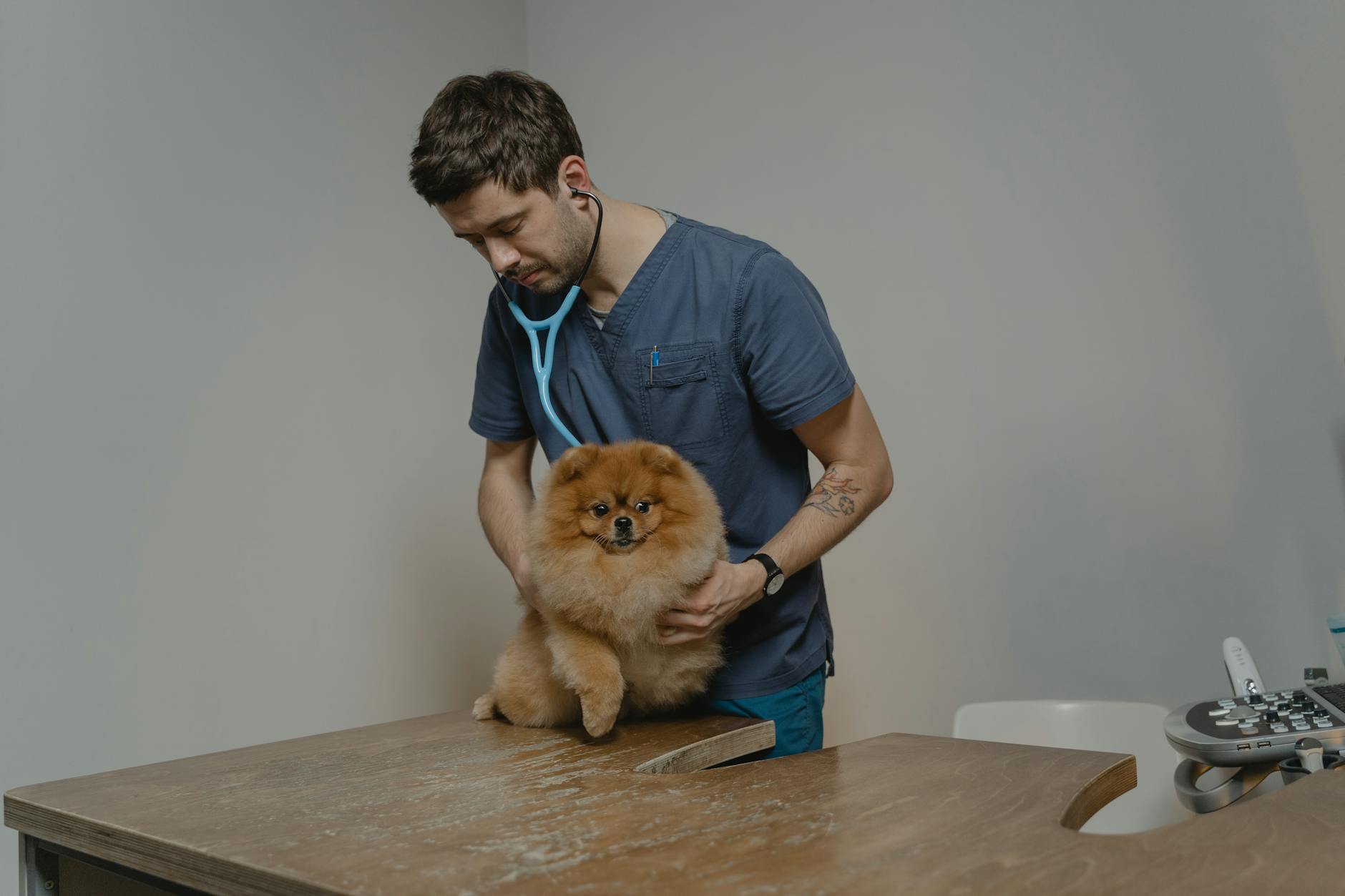
First-time pet owners are among the most motivated searchers on the internet, and they are looking for a veterinarian with the kind of urgency that comes from genuine love and anxiety. Understanding the veterinary clinic website essentials that speak to this audience is the difference between a clinic that fills its appointment book and one that watches potential patients call the competitor down the street. If you run a vet clinic, your website is not a digital brochure sitting quietly in the background. It is an active part of your patient acquisition process, working every hour you are not at the front desk. Using an Ai website builder for business helps you put all of the right pieces in place quickly, without relying on a developer or spending months waiting on a design agency.
This article is part of our complete guide: Pet Care Website Design.
Why First-Time Pet Owners Browse Before They Call
New pet owners feel a particular kind of anxiety when searching for a veterinarian, because they are making a decision about a creature that cannot speak for itself. They want to feel certain before they ever dial a phone number, so they read your website the way they might read a doctor's profile before scheduling their own appointment. Your site is often the very first impression your clinic makes, and the quality of that impression shapes whether a visitor decides to book or keeps scrolling through Google results. A website that is incomplete, outdated, or hard to navigate sends a quiet but powerful signal that your clinic may not be as organized or attentive as a new pet owner needs you to be. Addressing those concerns directly on your site is the most reliable way to turn a hesitant browser into a loyal, long-term patient.
The Must-Have Pages That Build Confidence
Your homepage needs to communicate three things within the first few seconds a visitor lands on it: what services you offer, when you are open, and how to book an appointment. If someone arrives on your site at nine in the evening after their new puppy's first worrying sneeze and cannot find your hours, they will leave and find a clinic whose site answered the question immediately. An About page with staff bios and real credentials gives new owners the reassurance that qualified, experienced professionals will be looking after their animal. A dedicated Services page should not just list procedures but should briefly explain what a first-time owner can expect during each visit, because the unknown is often what makes people hesitant. A Meet the Team page with professional photographs of your vets and staff goes a long way toward humanizing a clinic that might otherwise feel like a faceless business. Rounding this out with a thorough FAQ page that addresses cost questions, how to prepare a nervous pet for a visit, and what to bring on the first appointment covers the worries that new owners often feel too embarrassed to call and ask directly.
Why Your FAQ Page Does More Work Than You Think
A well-built FAQ page on a vet clinic site relieves pressure from your phone lines while directly answering the exact questions that keep first-time owners from booking. New pet owners are often unsure whether their concern is serious enough to warrant a visit, so seeing their question answered in plain language reassures them that calling or booking is the right move. Questions about cost, what vaccines a puppy needs in the first year, and what to expect during a wellness exam are consistently among the most searched terms for local veterinary practices. Writing answers in the same conversational, caring tone your staff uses at the front desk keeps the page from feeling clinical or cold. Updating the FAQ section regularly as new questions come in from real clients keeps the content fresh and relevant for returning visitors as well.
Veterinary Clinic Website Essentials for Building Trust
No marketing copy you write about your own clinic will carry the weight that a genuine client testimonial does, because pet owners trust other pet owners far more than they trust a clinic's self-description. Collecting and prominently displaying reviews from real clients, with names and ideally a photo of the pet involved, gives your website the kind of social proof that converts hesitant browsers into actual bookers. Displaying your veterinary licenses, professional certifications, and affiliations with recognized bodies such as the AVMA or your national veterinary association proves competence in a way that feels official and grounded. A clearly written emergency contact section, including your after-hours policy or the name of the emergency clinic you refer to, signals that your commitment to animal welfare does not stop at closing time. Treatment stories or brief case studies, written with the client's permission, demonstrate the quality of care pets actually receive at your practice. A general pricing guide or a transparent explanation of consultation fees reduces the anxiety around surprise bills, which is one of the most common reasons new owners put off scheduling that first visit.
Showing Credentials Without Overwhelming Visitors
There is a balance to strike when displaying professional credentials on a vet clinic website, because too little information leaves new owners uncertain and too much jargon makes the page hard to read. A simple section on your About page listing each vet's degree, years of experience, and any specializations is usually enough to satisfy the question of competence. Adding logos of professional associations in a clean row near the footer is a recognized pattern that visitors understand and respond to positively. Keeping the language plain and human throughout, even when discussing formal qualifications, signals that your practice is approachable and not intimidating to visit. This tone of reassurance matters especially to first-time owners who may feel uncertain whether they are even asking the right questions about their pet's health.
Booking Features That Remove Friction
An online appointment scheduler is one of the single most impactful features a vet clinic website can have, because pet owners do not always notice their pet needs a checkup during business hours. Someone who realizes at midnight that their cat is due for a booster shot should be able to lock in an appointment right then, without waiting to call in the morning and risking that they forget. Appointment confirmation emails followed by SMS reminders reduce no-shows and demonstrate that your clinic operates with the kind of professional organization new owners are hoping to find. A short digital intake form that collects the pet's name, species, age, and any known health history before the visit saves time at reception and shows owners that you respect the time they invest in coming in. Offering multiple contact options, including a chat window, a phone number, and an email address, lets anxious owners reach you in whatever way feels most comfortable to them. Mobile-friendly design is not optional in this context, because the majority of new pet owners are searching for vets on a smartphone, often while sitting on the floor next to the animal they are worried about.
Why Mobile Performance Matters More Than Desktop
Most website analytics for local service businesses show that more than half of their traffic arrives from mobile devices, and vet clinics are no exception to this pattern. A site that looks polished on a desktop but becomes a jumble of overlapping text on a phone is functionally broken for the largest portion of your audience. Load time matters too, because a page that takes more than three seconds to appear on a phone connection will lose a significant number of visitors before they ever see your content. Building your site on a platform that handles mobile responsiveness automatically removes this risk without requiring any technical adjustment on your end. A fast, clean mobile experience communicates reliability and care long before a first-time owner has ever spoken to a member of your staff.
Content That Answers Questions Before They Call
A blog or resources section on your clinic's website positions you as the most knowledgeable local source on pet health, which is exactly where you want to be in a first-time owner's mind. Writing posts about common questions, such as how often puppies need vaccines, when to spay or neuter, or what signs of illness to watch for in a new kitten, gives your site search visibility and builds genuine trust. A downloadable or easy-to-read vaccination schedule for dogs and cats helps first-time owners understand what their pet needs over the first year, and it keeps them returning to your site as a reference. Educational content about nutrition, exercise guidelines, and preventive care demonstrates that your clinic thinks about pet welfare as a year-round commitment, not just a series of reactive appointments. Short video tours of your waiting room and exam area reduce the anxiety that many new owners feel about bringing a nervous animal somewhere unfamiliar. Regular content updates also signal to both search engines and your visitors that your clinic is active, engaged, and not operating on a website that was built years ago and never touched since.
Choosing Topics That Match What New Owners Actually Search For
The most effective educational content for a vet clinic website is not written to impress other veterinarians but to answer the specific questions a first-time dog or cat owner types into a search engine at ten at night. Topics like "why is my kitten sneezing," "how soon should I take a new puppy to the vet," and "what does a wellness exam include" reflect the real language your audience uses when they are worried and looking for guidance. Writing one post per month on questions like these gradually builds a library of content that draws local pet owners to your site even before they have found a vet. Each post is an opportunity to demonstrate your clinic's expertise, warmth, and accessibility in a format that never feels like advertising. Over time, this consistent presence in search results builds familiarity, and familiar clinics are the ones new pet owners tend to call first.
Building Your Vet Website with the Right Tools
Getting every page, feature and piece of content a first-time pet owner looks for onto one professional website used to mean hiring a web developer and waiting several months for the result. An AI website builder for business changes that completely, producing a professional vet clinic website in a fraction of the time, with the core pages already structured and ready to customise. Built-in appointment scheduling, contact forms and review display mean you are not piecing together several software subscriptions just to cover the basics. Automatic mobile layouts ensure that the first-time pet owner searching on a phone late at night sees the same clean, navigable site that a desktop visitor does. Local SEO tools built into the platform help your clinic appear when someone nearby types something like "veterinarian near me" or "cat vet open Saturday". Service descriptions, answers to common questions and blog posts can then speak directly to the worries of first-time owners, in the reassuring and specific language that turns a nervous browser into a loyal long-term client.
Making the Most of Built-In SEO Features
Local search visibility is especially important for vet clinics because the decision to book is almost always based on proximity, availability, and trust, in roughly that order. A platform with built-in SEO tools helps you target location-specific phrases without needing to hire an external consultant or learn technical optimization from scratch. Filling in your practice's name, address, and service area consistently across your site gives search engines the signals they need to recommend you to nearby pet owners. Adding your clinic to Google Business Profile and keeping that information consistent with your website reinforces your local authority in search rankings. These steps, done once and maintained regularly, do more for a small clinic's visibility than most paid advertising campaigns at a fraction of the cost.
A vet clinic website that covers all of these bases is not a luxury reserved for large multi-location practices with marketing departments. Small clinics, solo practitioners, and new practices can build something genuinely impressive with the right tools and a clear understanding of what their most important visitor, the anxious first-time pet owner, actually needs to see. Every page you add, every trust signal you display, and every piece of friction you remove from the booking process increases the likelihood that someone searching for a vet in your area chooses you over the practice down the road. The goal is not to look like a large corporation but to feel like a trustworthy, caring, and organized clinic that a new pet owner can rely on from the very first click. If you have been putting off improving your clinic's online presence because it felt complicated or expensive, the tools available today make it far more approachable than it has ever been. Start with the essentials, build outward from there, and let your website do the patient-acquisition work that used to require a front-desk team fielding calls all day.
Build your website in Minutes and get the AI Tools that work
Start Building Your Website →