Exotic Pet Veterinary Website: Reaching Owners of Rare Animals
Reptile, bird and small mammal owners scroll straight past any vet website that talks only about cats and dogs. The right pages, honest answers to their questions and visible signs of real expertise let your practice be found, and trusted, long before they ever call.
- No coding required
- Live in minutes
- Blog, SEO and chatbot tools included
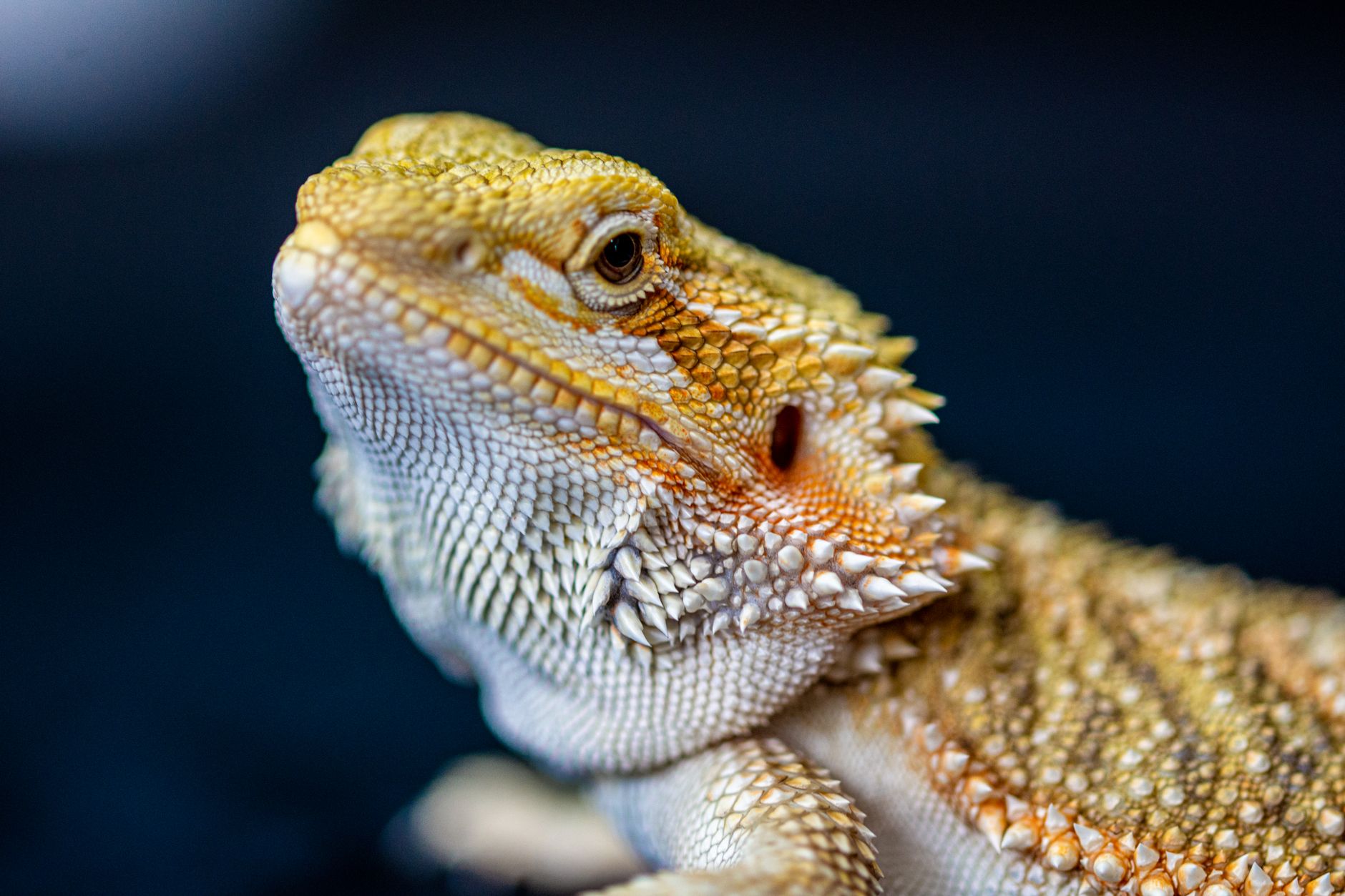
Bearded dragons, ball pythons, African grey parrots and sugar gliders bring a different kind of client through the door, and finding the next one is a different problem from the one a general vet faces. Owners of exotic animals are anxious in a particular way, because most of the veterinary world misunderstands their pets and many have driven past a dozen clinics that simply could not help. A strong exotic pet veterinary website is not about looking polished. Its job is to show, clearly and quickly, that yours is one of the rare practices that genuinely knows these animals. Good pet care website design for a specialist practice speaks directly to the fear and uncertainty that send exotic owners searching online at midnight, often before they feel able to pick up the phone. The stakes feel high to them every single time, and your site is often all that stands between their panic and a qualified answer. Saying the right things, in a structure that is easy to follow, makes a real difference to the animals and owners you most want to serve.
Why Exotic Pet Owners Need to Know You Exist
Exotic pet owners often feel genuinely alone when their animal gets sick, because most veterinary clinics either turn them away or refer them out. Before they call anyone, they search online using very specific language: not "veterinarian near me" but "reptile vet for bearded dragon not eating" or "avian vet for African grey in [city name]." If your website does not contain those specific animal names and health concerns, you simply will not appear in the results that matter to them. A generic clinic website that says "we treat all animals" does not reassure an owner whose blue-tongued skink needs a skilled exotic specialist. The fear these owners carry into every search is real, and your job is to answer it before they even have to ask. Naming the species you treat prominently and specifically is not a small detail; it is the entire point of the exercise.
How an Exotic Pet Veterinary Website Builds Trust Immediately
The first thing a new visitor to your exotic pet veterinary website looks for is proof that you treat animals like theirs. Clear, real photographs of reptiles, birds, or small mammals in your exam rooms do more work than any tagline, because they tell the story without asking the reader to take anything on faith. Testimonials from the owner of a chinchilla or a red-tailed hawk carry far more weight than a five-star review from a dog owner, because the exotic owner reading your site knows that experience is genuinely rare. Displaying your credentials in exotic animal medicine, including any specialty certifications and your continuing education history, signals that you have invested in this work and take it seriously. A dedicated section for each animal type you treat removes the guessing game entirely, so a tortoise owner does not have to wonder if their pet falls under your care. Trust is built in the first thirty seconds, and every element on your homepage should be earning it.
The Pages Your Exotic Vet Website Absolutely Needs
Your homepage needs to name the specific animals you treat in the first paragraph, not buried in a dropdown. If you see reptiles, birds, rabbits, ferrets, and hedgehogs, say so explicitly, and briefly explain what makes your practice different from a general clinic. Individual service pages for each of your main specialties give you the space to set realistic expectations about care: what a wellness exam for a ball python involves, what diagnostic tools you use for avian patients, and what owners should understand about the limits of certain treatments. A detailed "before you visit" page is one of the most undervalued pages on any exotic vet site, because it tells owners how to transport their animal safely, what records to bring, and what the appointment will actually look like. An emergency protocols page is not optional for an exotic practice, because owners of fragile animals need to know in advance exactly how after-hours cases are handled and who to call. A thorough FAQ page that answers the questions you hear repeatedly saves your staff time and gives anxious owners something to read at three in the morning when they are worried about their gecko.
Content That Answers the Questions Exotic Pet Owners Have
Writing about common health problems in the specific animals you treat positions you as a knowledgeable resource rather than just a business. An article explaining the early signs of metabolic bone disease in reptiles, or why a bird sitting on the floor of its cage needs immediate attention, is exactly the kind of content exotic owners are already searching for. Explaining your appointment process matters too, because many exotic animals need longer exam windows and owners should understand that before they arrive. If your practice has specialized diagnostic tools such as digital radiography scaled for small patients, an endoscopy unit, or bloodwork capabilities for non-traditional species, say so clearly, because this equipment is genuinely rare and owners will notice. Address cost expectations honestly, because exotic veterinary care is often significantly more expensive than general practice and owners who are not prepared for that reality may decline necessary care or feel blindsided. Honest, detailed content builds the kind of relationship that brings owners back and earns referrals from their communities.
Explaining Your Specialist Equipment and Approach
Exotic animal medicine requires tools and training that most general practices simply do not have, and you should not be modest about this on your website. If you have a gram scale calibrated for small patients, a warming unit for reptiles recovering from anesthesia, or a specialist microscope for exotic parasitology, mention it by name. Owners who have watched a previous vet struggle with an unfamiliar animal will recognize immediately that you are different when you describe your actual setup in specific terms. This level of detail also helps your site appear in searches from owners who are actively comparing practices before choosing where to take their animal. The specificity signals competence in a way that a generic phrase like "state-of-the-art equipment" simply cannot match. Detail earns trust in a way that broad assurances about quality care never will.
Setting Honest Expectations About the Exotic Vet Experience
Many first-time exotic pet owners arrive at a specialist practice without knowing what to expect, and your website is the right place to walk them through it. Explain that exotic appointments often run longer than a standard dog or cat visit, because observation, history-taking, and hands-on assessment of an unfamiliar species takes more time. Describe how you handle particularly nervous or defensive animals, whether that involves specific handling techniques, low-stress protocols, or quiet waiting areas separate from dogs and cats. Let owners know in plain language what their first visit will cost in rough terms, what the follow-up process looks like, and how they will receive results from any diagnostic work. Owners who arrive informed and prepared are less stressed, which directly benefits the animal on the exam table. A practice that takes time to explain its process online signals that it will take time to explain things in person too.
Making Your Exotic Pet Veterinary Website Easy to Contact
Exotic pet owners often contact a practice before booking because their situation feels unusual or urgent, and they want to know someone will understand before they commit to an appointment. Your phone number and a direct email address or contact form should appear on every single page, not just the contact page, because an owner who is worried about their chameleon does not want to navigate to find a phone number. An intake form where owners can describe their animal species, age, and current concern before their appointment helps your team prepare appropriately and signals to the owner that you take their specific situation seriously. Setting clear expectations about response times and appointment availability for different animal types prevents frustration and demonstrates that you are organized and transparent. If your practice does not see walk-ins for exotic animals and requires scheduled appointments, say that plainly rather than letting owners show up unannounced. Clarity in every contact touchpoint reduces stress for the owner and makes the experience better from the very first interaction.
After-Hours Guidance and Emergency Information
Exotic animals can decline quickly, and owners know it, which means after-hours guidance on your website is genuinely critical rather than optional. State clearly whether your practice has any after-hours phone line, whether you work with an emergency referral partner in your region, and what owners should do if their animal needs immediate attention outside your operating hours. Include basic triage guidance for the species you most commonly treat, such as what temperature to keep a lethargic reptile at while arranging transport, or what signs in a bird indicate an emergency that cannot wait until morning. This kind of practical information demonstrates deep familiarity with the realities of exotic pet ownership and builds enormous goodwill with an anxious audience. Owners who find this information on your site at two in the morning will remember who gave it to them. Being helpful in a moment of fear is one of the most powerful things a specialist practice can do to earn long-term loyalty.
Building Your Exotic Pet Veterinary Website to Rank on Google
Using the actual names of the animals you treat in your page titles and headings is the single most practical step you can take to be found by the owners who need you. A page titled "Reptile Veterinary Services for Bearded Dragons, Chameleons, and Ball Pythons" will attract far more relevant traffic than one called "Exotic Animal Care." Include your city, neighborhood, and the broader region you serve throughout your site, because exotic owners routinely travel significant distances for a qualified specialist, and they need to find you even if they are searching from forty miles away. The content on your site should mention the animals you treat and the services you offer in a way that sounds like a real explanation, not a list assembled for a search engine. A website that is genuinely useful, with clear details about your practice, honest information about costs and processes, and specific descriptions of the animals you see, will rank better over time than a site built around vague marketing phrases. Consistency matters too: keep your practice name, address, and phone number identical across every page and any online directory where you are listed.
Keeping Your Content Current
Search engines favor websites that are updated regularly, and your exotic vet site is a practical place to keep content fresh. Adding a new article about seasonal concerns for reptile owners, or updating your FAQ as new questions come up in practice, signals that your site is active and maintained. Owners who find fresh, dated content also feel more confident that the practice is still operating and engaged with its community. A simple blog or news section, even updated just a few times a year, gives you a low-effort way to stay visible in search results over time. Consider writing about changes in local wildlife regulations that affect exotic ownership, new diagnostic capabilities you have added, or species-specific care reminders tied to the time of year. Each of these pieces gives a potential client a reason to visit your site and a reason to trust that you are current in your knowledge.
Local Visibility and Community Reputation
Exotic pet communities are small and tightly connected, which means word of mouth from a single satisfied owner can drive meaningful new business to your practice. Encourage clients whose animals you have helped to leave reviews that mention the species involved, because a review that says "they saved my crested gecko" is worth ten generic five-star ratings to someone searching for a reptile vet. Partner with local exotic pet stores, reptile breeders, bird clubs, and rabbit rescues to build relationships that generate referrals from trusted sources. List your practice in any specialty directories for exotic veterinary services, and make sure your information is accurate and complete on those platforms. Hosting an occasional educational event, even a short online session about husbandry basics for a common species, positions you as the knowledgeable community resource rather than just another business. Every connection you build in the exotic pet community strengthens the credibility of your practice both online and off.
When an exotic pet owner lands on a website that names their animal, explains your qualifications, sets honest expectations, and makes it easy to get in touch, they feel something they are not used to feeling during this search: relief. Your practice has real expertise that is genuinely rare, and your website is the tool that communicates that expertise to the people who need it most. Every page, every photo, and every paragraph you write is a signal to a worried rabbit owner in the next town or a reptile keeper three counties away that you are the right practice for their animal. Getting the structure and the content right does not require a big agency or a complicated technology stack; it requires clarity, specificity, and a genuine understanding of what your clients are afraid of when they start searching. If your current site does not reflect the depth of your specialty, now is the right time to change that and start attracting the clients whose animals you are uniquely qualified to help.
Build your website in Minutes and get the AI Tools that work
Start Building Your Website →