Dog Daycare Website Design Tips to Reassure Pet Parents
Most pet parents quietly close the tab if your website does not make them feel certain their dog is safe. Your facility photos, staff credentials, and safety policies need to be easy to find and written in plain language so that trust builds before a parent ever contacts you. Get those elements right and booking feels like the obvious next step.
- No coding required
- Live in minutes
- Blog, SEO and chatbot tools included
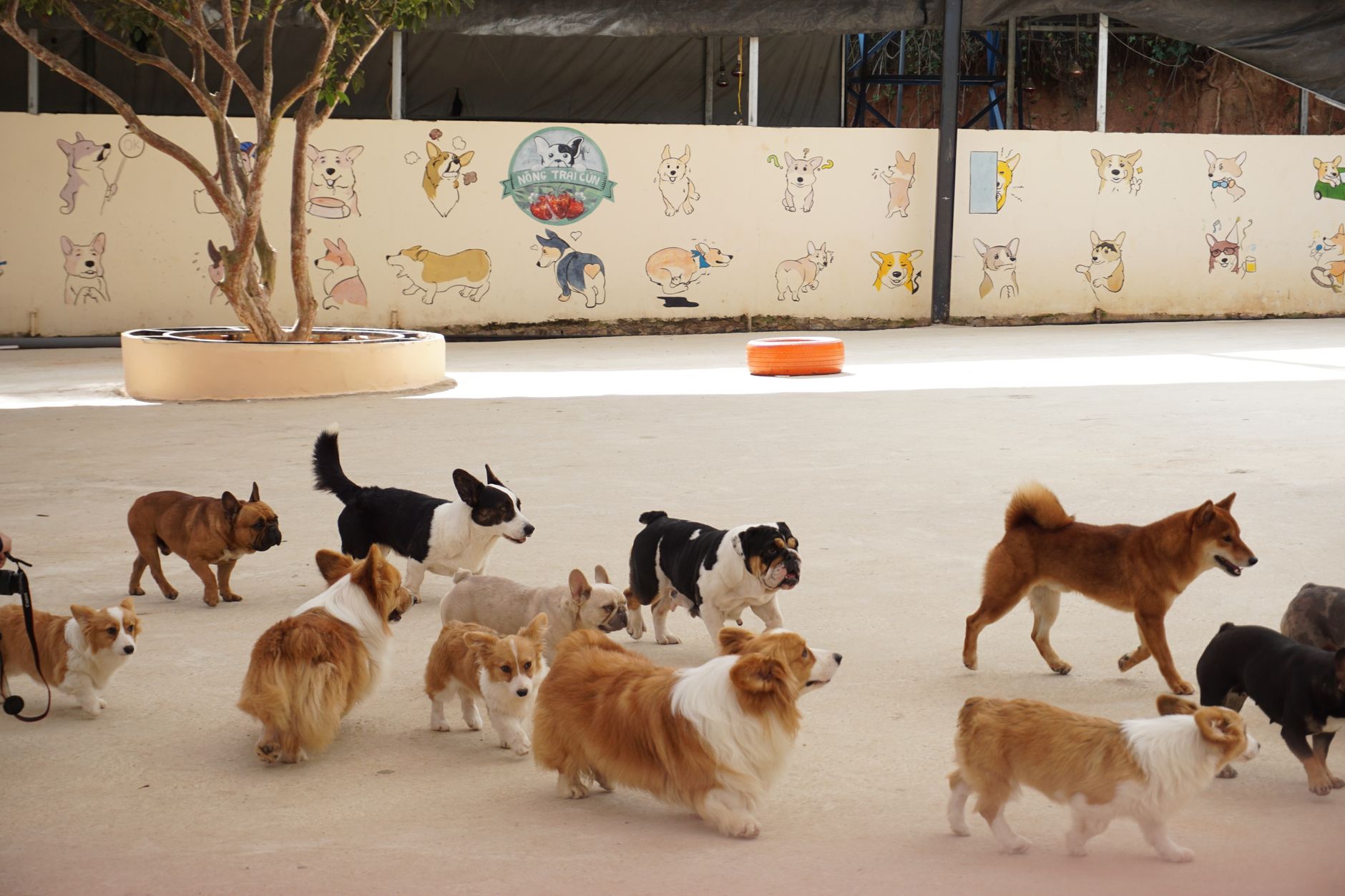
If you run a dog daycare, your website is doing more selling than you probably realize. Most pet parents search online, land on two or three local options, and make a gut decision within a few minutes based entirely on what they read and see. Applying the right dog daycare website design tips can be the difference between a parent booking a trial day and quietly closing your tab. The broader world of pet care website design covers everything from veterinary clinics to grooming salons, but a daycare site has one very specific job: it must convince a worried person that their dog will be safe, happy, and genuinely cared for while they are at work. That is a tall order for a webpage, but it is completely achievable when you organize your content around what parents are actually afraid of. This guide walks you through the structure, content, and features that turn a skeptical visitor into a loyal, repeat client.
Why Pet Parents Need Reassurance Before Booking Dog Daycare
Pet parents treat their dogs as family members, not pets in the old-fashioned sense, and they carry real anxiety about handing that family member over to a business they found on Google. Most daycare prospects visit your website before they ever call, email, or visit in person, and they form trust opinions in the first few minutes of browsing. A website that feels outdated, vague, or hard to navigate signals that the business behind it may be equally disorganized. Good pet care website design communicates competence, transparency, and genuine warmth before a single word is spoken. Your website is essentially your first interview with every potential client, and you need to pass it before they ever step through your door. Think of it as a 24-hour staff member whose only job is answering questions and easing fear.
Use Real Photos of Your Facility and Happy Dogs to Build Instant Trust
Pet parents want to close their eyes and picture their dog playing in your space, and your photos are what make that visualization possible. Professional or high-quality images of your play areas, rest zones, and outdoor grounds show that you have invested in a real, proper facility. Candid shots of staff crouching down to greet dogs, or laughing while a retriever jumps up for attention, land far better than posed or stock photos because owners can sense authenticity almost immediately. Photos showing multiple breeds and sizes playing together prove that your team manages different energy levels and personalities every single day. Update your photo library every few months so the site feels active and current, not like a place that opened three years ago and forgot to come back. A website that feels alive earns more trust than a polished but static one ever will.
Show the Spaces Where Dogs Actually Spend Their Day
Indoor play rooms, nap areas, outdoor yards, and water stations all deserve their own moment on screen because parents want to know their dog is moving through a real, considered environment. Take photos at different times of day so visitors can see how the light falls in the space and how clean and organized it looks during an actual session. If you have a webcam or a live viewing option, mention it clearly in the photo section so parents immediately understand that your facility operates with full transparency. A short video walkthrough narrated by a staff member is one of the most effective trust-builders you can add, because it combines visual evidence with a human voice and personality. Labels and short captions beneath each photo help visitors understand what they are looking at, especially if your layout is unconventional. Parents who can mentally walk through your facility before they arrive feel a level of familiarity that makes the first drop-off far less stressful.
Make Your Safety Policies and Staff Credentials Easy to Find
Nothing calms a nervous pet parent faster than a clear, specific list of what you require and how you respond when things go wrong. Create a dedicated safety section that covers vaccination requirements, health screening at drop-off, and the exact steps your team takes in an emergency. Display staff certifications prominently, whether that is canine first aid, CPR, or a recognized animal behavior qualification, so parents know they are leaving their dog with trained professionals. Explain your dog-to-staff ratio, how you separate dogs by size or temperament, and what your conflict protocol looks like if two dogs have a disagreement during play. Share a sample daily schedule so owners understand what their dog does from the moment they arrive until pickup time. Parents who can read a transparent policy feel far more at ease than parents who have to ask for that information themselves.
Write Your Policies in Plain Language
Legal-sounding policy pages discourage reading, but a page written the way a knowledgeable staff member would explain things out loud invites it. Break your vaccination requirements into a simple list of what is needed and by when, then explain why each requirement protects every dog in the group. Describe your intake process step by step, from the moment a parent parks the car to the moment their dog is settled into the play group, so first-timers know exactly what to expect. If you have a trial day or evaluation period for new dogs, explain that process clearly so parents understand you are selective, which is actually reassuring rather than off-putting. Avoid abbreviations or industry jargon that a first-time daycare client may not recognize. The goal is a policy page that a parent bookmarks and shares with their partner, not one they skim and abandon.
Add Online Booking and Photo Updates to Ease Parent Anxiety
An intuitive online booking system removes the friction that often stops a curious visitor from becoming a paying client. Busy owners do not always have time to call during business hours, and giving them a simple form or scheduling tool means they can commit when the motivation strikes, even at ten at night. Offer a photo or short video update feature so parents can peek in on their dog during the day, whether that is a midday album on your client portal or a quick snapshot texted at lunchtime. These small touches communicate that your team is attentive and proud of what they do, not hiding anything behind closed doors. A clear, well-organized pricing page with package options removes another common hesitation by letting parents understand costs before they have to ask. Adding a short digital onboarding form that collects dietary notes, behavior history, emergency contacts, and vet information before the first day makes the whole process feel professional and thoughtful from the start.
Make Booking Feel Like the Natural Next Step
Your booking button should appear in your site header, at the bottom of your safety page, and at the end of any paragraph that answers a key question. When a parent feels convinced, you want the path forward to be immediately obvious rather than something they have to search for. Keep the booking form short: name, dog name, breed, desired dates, and a notes field is usually enough to get started without overwhelming someone who is still deciding. Confirm the booking instantly with an automated email that includes your address, parking instructions, and a link to your onboarding checklist. Follow up a day before the first visit with a friendly reminder that feels personal rather than automated, because that final touchpoint reduces the anxiety that builds overnight. A seamless booking experience tells parents before they even arrive that your operation is well-run and responsive.
Highlight Testimonials and Client Stories From Satisfied Dog Parents
Real reviews from other pet parents carry far more weight than any headline you write about yourself. Feature testimonials that are specific rather than generic, the ones where a client describes how your staff helped their anxious rescue dog feel comfortable by the third visit, or how their high-energy border collie finally sleeps through the night after a day with your team. Before-and-after stories are especially powerful, because a parent who reads that another dog went from dreading daycare to sprinting toward the door when they hear the word can easily imagine the same transformation for their own dog. Pair written testimonials with photos or short video clips when clients are willing to share them, because seeing a face attached to a quote makes the experience feel real. Place testimonials throughout the site rather than confining them to a single reviews page, so reassurance appears right next to the sections where doubt is most likely to surface. Refresh this content regularly by asking recent clients to share their experience, and your social proof stays as current as everything else on the site.
Ask for Reviews at the Right Moment
The best time to ask a client for a testimonial is right after a moment of delight, when they pick up a visibly happy and tired dog or when they mention how much their anxious pup has improved. A brief follow-up message sent that same evening, while the feeling is fresh, produces far more detailed and genuine responses than a generic monthly reminder. Give clients an easy path to respond, whether that is a short reply field in your client portal or a direct link to your preferred review platform. When you receive a detailed review, ask the client whether you may feature it on your website alongside their dog's name, because specificity builds credibility. Rotate new testimonials to the top of the section so returning visitors always see fresh voices. Over time, a growing collection of honest, specific stories becomes one of the most persuasive elements on your entire site.
Structure Your Dog Daycare Website Design for Search and Questions
Solid dog daycare website design tips always come back to one principle: make it easy for a worried person to find exactly what they need without hunting. Organize your navigation so that safety policies, staff credentials, pricing, and booking are all reachable within two or three clicks from any page. Write a thorough FAQ section that tackles the real questions parents ask, like what to bring on the first visit, how you prevent the spread of kennel cough, and what happens if their dog gets injured during play. Use plain, warm language throughout the site rather than corporate phrasing, because parents trust businesses that sound like real people who genuinely love dogs. Place your contact form and phone number in multiple spots, including the header, the footer, and the pricing page, so uncertain visitors can reach out the moment a question forms. Make sure the mobile experience is fast and easy to use, because the majority of pet parents will look up your site on a phone while standing in the kitchen wondering what to do with their dog tomorrow.
Write Location and Neighborhood Details Into Your Copy
Search engines connect local businesses to local searchers when the copy naturally mentions the neighborhood, nearby landmarks, or the city name in context. A sentence that reads "our daycare is located in the Riverside district, two blocks from the main train station" does more for local search visibility than a generic address buried in the footer. Mention the specific areas your clients tend to come from so that a parent searching for dog daycare in their part of town feels like you are genuinely their neighborhood option. If your facility is near a park, a school, or a well-known street, reference it conversationally so the copy feels written by someone who actually knows the area. Keep this language woven into your about page, your homepage, and your FAQ rather than forcing it into a single keyword-heavy paragraph. A site that reads naturally and mentions location in context will always perform better than one that stuffs a suburb name into every other sentence.
Every piece of advice in this post points toward the same outcome: a dog daycare website that functions as a genuine reassurance engine rather than just a digital brochure. Pet parents are not looking for the flashiest site on the block. They are looking for honest evidence that their dog will be loved, watched carefully, and returned to them happy and tired. When your photos show a real facility, your policies answer real fears, your booking process respects their time, and your testimonials reflect real experiences, you give a worried parent every reason to choose you. The structure of your site matters too, because a fast, mobile-friendly, easy-to-navigate page keeps anxious visitors engaged rather than frustrated. If building or rebuilding your site from scratch feels overwhelming, an AI website builder can put a complete, professional site together quickly and give you the tools to keep it growing alongside your business.
Build your website in Minutes and get the AI Tools that work
Start Building Your Website →