Cat Sitting Website to Attract Clients Who Trust You
A cat owner choosing a sitter is really deciding who to trust with a key to their home. Get the structure, tone and booking flow right, so their worries are answered before they get in touch, and a nervous enquiry becomes a client who calls you for every trip away.
- No coding required
- Live in minutes
- Blog, SEO and chatbot tools included
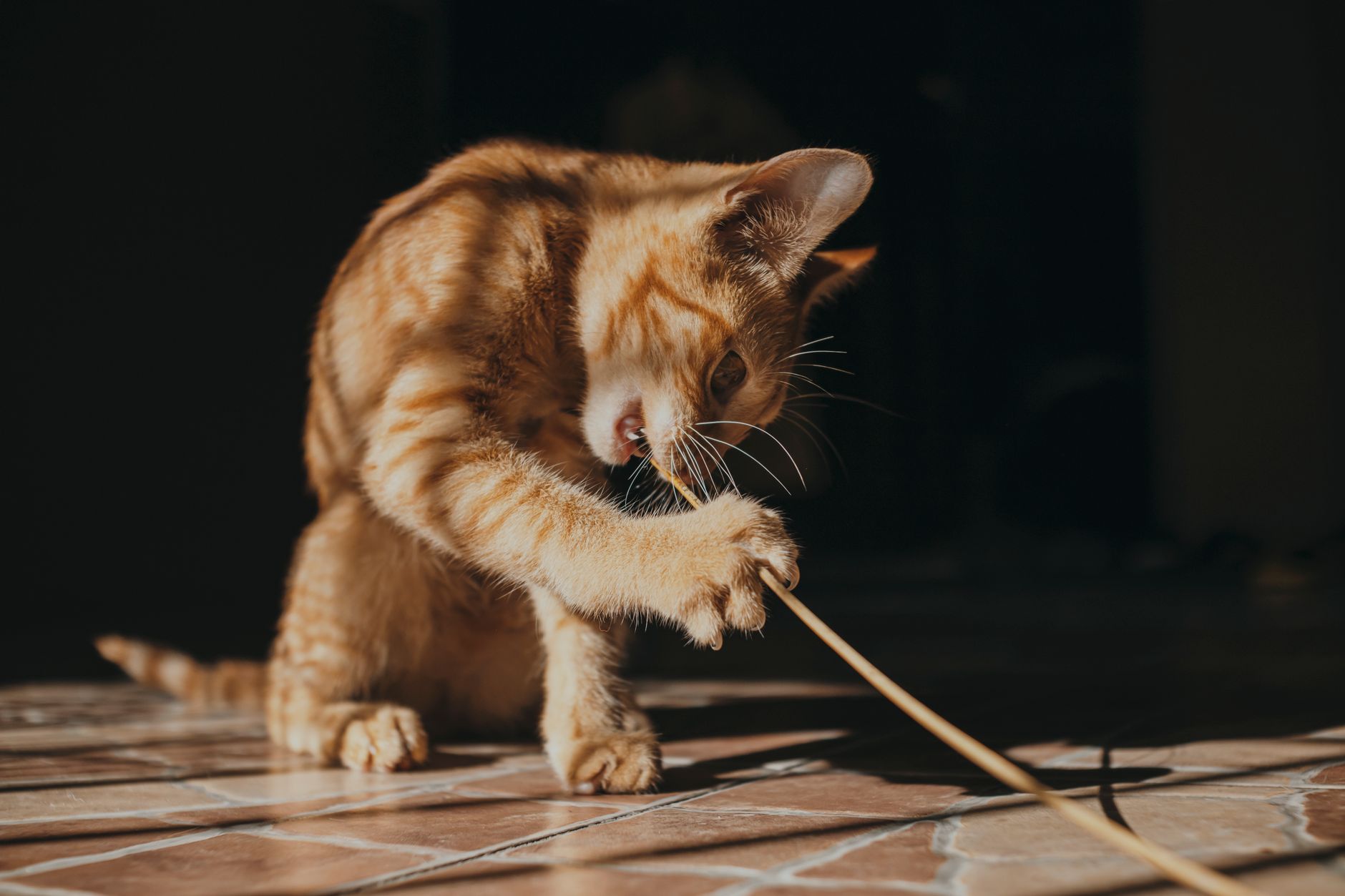
Caring for the cats is rarely the hard part of growing a cat sitting business; persuading a nervous owner to trust you in the first place is. Leaving an animal at home in someone else's care fills many owners with real dread, and your website is usually the first place they go to decide whether you feel safe. A well-structured cat sitting website attracts clients by doing something simple but effective: it answers the questions owners are already asking before they ever get in touch. They want to know how you look after a cat, what each visit includes and how easily they can book you. Getting the structure and tone right is the kind of problem good pet care website design exists to solve, and it deserves to be taken seriously. Built section by section with that aim, every page you publish can earn the trust of people who care deeply about their cats.
Why Cat Owners Hesitate to Book a Sitter and What Your Website Must Address
Cat owners think differently from dog owners when it comes to hiring help. They worry about a stranger entering their home, touching their belongings, and handling an animal that may be extremely sensitive to change. Many cats become stressed, withdraw, stop eating, or develop anxiety symptoms when their routine is disrupted, and the owner knows this better than anyone. The fear is not irrational; it is rooted in a real understanding of how territorial and routine-dependent cats tend to be. Your website must address that fear directly and specifically, not with generic reassurances but with concrete explanations of how you actually work.
The unspoken question every visitor to your homepage is asking is: will my cat be safe and calm with you? If your site does not answer that question within the first few seconds of reading, most owners will leave without contacting you. Trust is the single factor that moves someone from browsing your homepage to filling out your contact form. You build that trust not through polished stock photos or a long list of services but through the specific, honest details that only someone who truly understands cats would think to include. Every section of your site should be written with that trust-building goal in mind.
Build a Cat Sitting Website That Showcases Your Daily Care Routines to Attract Clients
Owners want to know exactly what happens during each visit, not a vague summary. Write a full page that walks through your visit from the moment you unlock the door: how you greet the cat on its own terms, how you check food and water levels, how you clean the litter box and note anything unusual, and how long you spend in active play. This level of detail signals expertise in a way that a short bio never can. It also removes the scary unknown from the owner's mental picture and replaces it with a clear, reassuring sequence of events. When someone can visualize what you are doing while they are away, their anxiety drops significantly.
Support that written description with real photos taken during your actual visits, with client permission. Show your bag of supplies, the kinds of interactive toys you bring, and the notes you take about each cat's mood and habits. Explain in plain language how you adjust your approach for a shy cat versus a social one, for a cat on medication versus a healthy young animal, and for a cat that has never had a sitter before. Including this kind of specificity on your cat sitting website attract clients who are detail-oriented and selective, which usually means the best, most loyal clients you can get. These are the owners who will rebook every trip and refer you to their friends.
Make it equally clear that you never rush a visit. Explain your minimum visit times, what you do during that time, and why you believe quality time matters more than a quick check-in. Owners who care deeply about their cats are immediately put off by sitters who seem to treat visits as a production line. Showing that you share their values around care and attention is one of the most effective things your website can do. The more honestly you describe your approach, the more confidently a compatible client will reach out.
Design Your Cat Sitting Website to Ease Owner Anxiety at Every Step
Create a dedicated section that speaks directly to the fears owners feel, named something straightforward like "Your Concerns, Answered." Address separation anxiety in cats, what you do when a cat refuses to eat, how you handle medication that needs to be given at exact times, and what your process is if a cat seems unwell. Do not hide these topics or mention them only briefly, because the owner who is worried about these exact scenarios will feel seen when they find a sitter who takes them seriously enough to explain the plan. That feeling of being understood is what turns a browser into a client. Naming the fear before the owner has to voice it is one of the most powerful things a service website can do.
Lay out your emergency protocol clearly. Explain who you contact first if a cat shows signs of illness, how quickly you notify the owner, and what veterinary practice you would take a cat to in an urgent situation. Display any certifications you hold, such as pet first aid training, insurance details, or memberships in professional pet care organizations. These credentials do not replace trust, but they give a nervous owner a concrete reason to feel more comfortable. Proof matters more than promises, so put your documentation where it is easy to find.
Testimonials are among the most powerful tools on any service website, but for cat sitters they work best when they are specific. Rather than a general quote about how great the experience was, look for reviews that mention your cat's name, describe a particular behavior challenge you handled well, or explain how relieved the owner felt when they came home to a calm and happy animal. Gather these reviews actively, display them prominently, and update them regularly so that your collection keeps growing. A steady stream of specific, heartfelt testimonials tells a story about your work that no marketing copy can match. Make it easy for happy clients to leave a review by sending them a direct link right after a successful booking.
Make Your Booking Process Feel Simple and Secure
A confusing or demanding booking process sends owners away before they ever contact you. Design your booking page to ask only for what you genuinely need at the initial stage: the dates of care, the preferred visit times, and a brief description of the cat including any health or behavioral considerations. You can gather the detailed access instructions, emergency contacts, and feeding schedules during the consultation or through a secure form you send after the first inquiry. Breaking the process into manageable steps keeps it from feeling overwhelming for someone who is already anxious about leaving their cat. A calm, step-by-step booking experience reinforces the calm, step-by-step care experience you are promising.
Offer a free introductory call or video chat before the first booking. This gives the owner a chance to ask every question they have been holding back, see your face, and hear your voice before handing over their keys. It also gives you a chance to meet the cat virtually, understand the household routine, and set clear expectations from the start. Many owners who are on the fence about booking will commit after a ten-minute conversation that goes well. Make this option visible and easy to schedule directly from your website so that no one has to hunt for it.
Show your pricing clearly, broken down by visit length and any add-on services such as administering medication or providing additional feeding rounds. Hidden fees or vague pricing tables create distrust fast, especially in a category where the owner is already cautious. When someone can see exactly what they are paying for and what is included, they feel in control of the decision, which makes them far more likely to complete the booking. Transparency about cost is a form of respect for the client, and clients notice it.
Use Smart Website Strategy to Build Repeat Bookings and Referrals
Getting a first booking is only part of the goal. A thoughtful approach to your site helps you turn that single visit into a long-term relationship with a client who comes back every time they travel. Consider adding a simple client area where returning owners can log in, view the visit notes and photos you send from each session, and book their next trip without starting the intake process from scratch. This kind of repeat-friendly structure rewards loyalty and makes your service feel professional without requiring a large budget to set up. Clients who feel remembered and valued are clients who never look for another sitter.
Write a blog that gives cat owners a genuine reason to return to your site between bookings. Cover topics like signs of stress in indoor cats, how to transition a cat to a new feeding schedule, and enrichment ideas for cats left alone during work hours. Each post demonstrates your knowledge and keeps your site active, which also helps search engines understand that your business is current and relevant. A blog written for real cat owners reads nothing like a generic article, and your clients will notice the difference. Over time, these posts position you as a trusted authority rather than just a service provider.
Build in a simple referral prompt for happy clients. After a successful booking, thank them and let them know that a personal recommendation to a friend or neighbor is the best way to support your business. Offer a small discount on a future visit for any referral that leads to a confirmed booking. Word of mouth among cat owners is one of the fastest ways to grow, because people with cats tend to know other people with cats. Your website should make it easy to share your page and turn satisfaction into new clients.
Optimize Your Cat Sitting Website So the Right Clients Find You
Your site cannot attract clients who can never find it. Make sure every main page on your site includes the specific neighborhoods, towns, or suburbs you serve, stated clearly and naturally in the text. A cat owner searching for help at ten at night on their phone needs to see immediately that you cover their area and offer the service they need. Vague geographic descriptions frustrate people and push them toward a competitor who was clearer. Naming your service area plainly is one of the simplest improvements you can make to your site today.
Write pages for the specific situations your ideal clients face, such as caring for a senior cat on a special diet, managing a cat with anxiety during thunderstorm season, or handling multi-cat households where the animals have a complicated social dynamic. These pages attract exactly the kind of searches that motivated, ready-to-book owners make. They also show the depth of your experience in a way that a generic services page never could. Each page you write about a specific cat-owner situation is another doorway into your site for someone who needs exactly what you offer. The more specific you are willing to be, the more precisely you attract the clients who are the best fit for your service.
Keep your site fast, clean, and easy to use on a mobile phone. The majority of people searching for local pet care services do so on their phones, often in a moment of urgency when a trip comes up unexpectedly. A slow site, cluttered layout, or booking form that does not work on a small screen will cost you real clients. Technical performance is not glamorous to think about, but it is a direct part of your ability to compete locally. Checking your site on your own phone every few weeks is a simple habit that helps you catch problems before they cost you bookings.
Running a successful cat sitting service on the back of a website that works hard for you is entirely achievable, and it does not require a background in design or marketing. The most important thing is to approach every page with the mindset of a cat owner who is nervous and needs to be convinced, not just informed. When your site speaks to real fears with real answers, showcases your actual routines with honest detail, and makes booking feel calm and simple, it stops being a digital brochure and starts being your best salesperson. A cat sitting website attract clients when it earns their confidence at every step, and that confidence is built sentence by sentence, page by page, through the specific and genuine details only you can provide. Start with one section, make it honest and thorough, and build from there.
Build your website in Minutes and get the AI Tools that work
Start Building Your Website →