Bird Breeder Website Design Tips: Health Guarantees and Availability
People who want to buy a bird from a breeder have usually spent weeks researching before they contact anyone. Buyers at that stage are not looking for a sales pitch; they are looking for proof that you meet the standard they have set for themselves. Presenting your health guarantees, genetic backgrounds, and real-time availability clearly gives cautious buyers exactly what they need to choose you with confidence.
- No coding required
- Live in minutes
- Blog, SEO and chatbot tools included
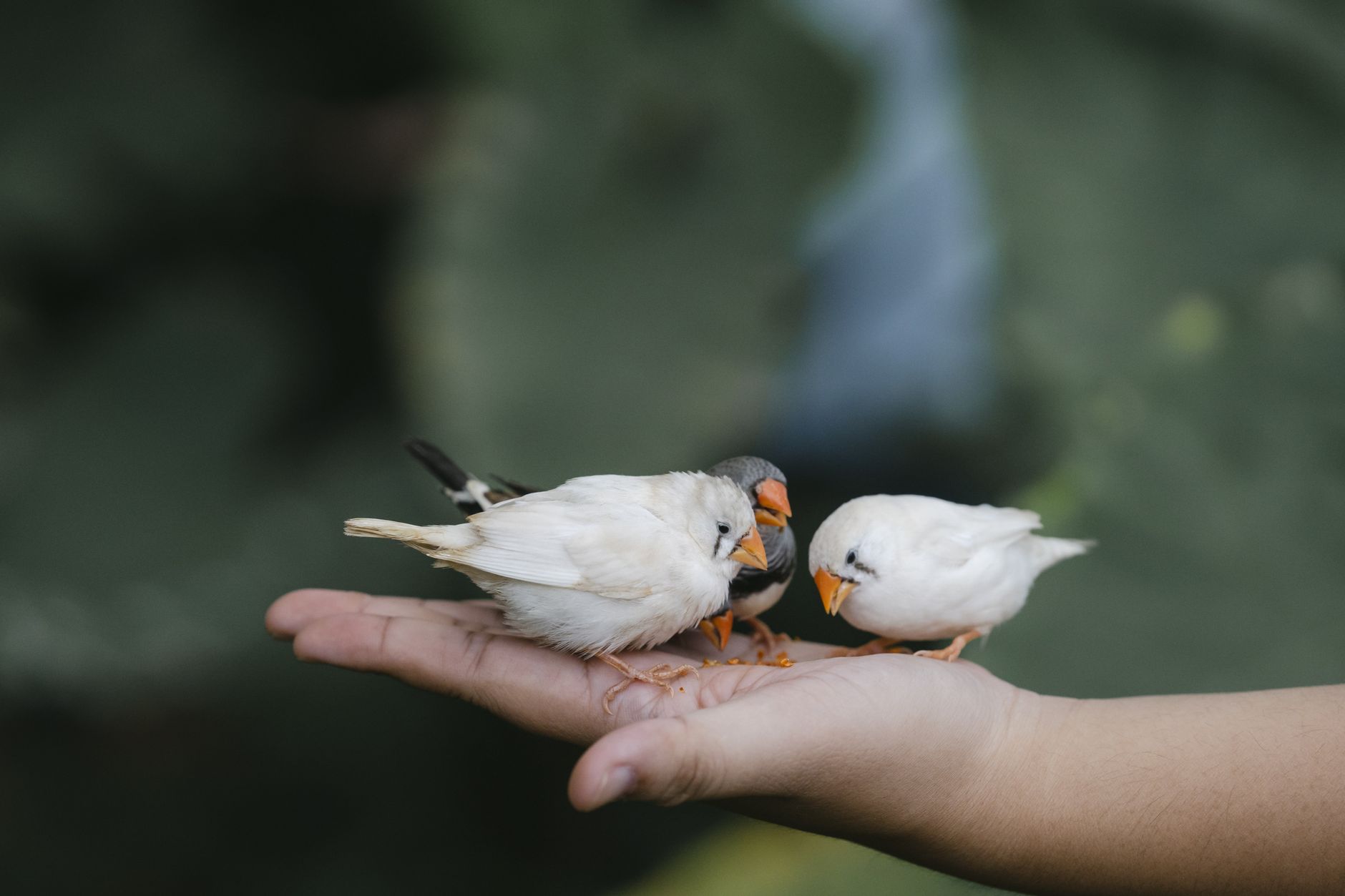
If you raise birds and sell them to the public, you already know that your buyers are not making an impulse purchase. People who come to your website have done hours of research, joined Facebook groups, watched YouTube videos, and read forum threads about the species they want. Applying solid bird breeder website design tips to your site is the single most effective way to reach those careful buyers and earn their trust before they ever send you an email. A thoughtful approach to pet care website design tells a visitor in the first few seconds that you are a serious, experienced breeder and not someone running a few nest boxes in a garage. Your website needs to answer the hard questions before a buyer thinks to ask them, including questions about health, genetics, availability, and your track record. Getting all of that right is what separates breeders who have waiting lists from breeders who sit on weaned birds for months.
Why Bird Buyers Are Cautious and What They Need to See
Bird buyers carry a weight that dog or cat buyers often do not fully reckon with before they start shopping. A healthy macaw can outlive its owner, a cockatoo can spend 60 years bonded to a family, and even a small conure will still be around in 25 years if cared for properly. That long commitment makes buyers slow down and ask questions that feel almost personal, because in a real sense they are personal. Health concerns sit right at the top of that list, since genetic conditions, poor breeding practices, and inadequate veterinary care can shorten a bird's life or create years of expensive problems. Buyers who have researched their species know exactly what to look for, and they will leave your website in under a minute if they cannot find reassurance. A professional website is not decoration for your business; it is the evidence your buyer needs to believe you are the right person to trust with a 40-year commitment.
Strong credibility signals matter from the very first page a visitor lands on. Buyers look for things like avicultural society memberships, named veterinary partners, and photos of your actual facility rather than stock images. They want to see that your birds live in spacious, clean enclosures and that you monitor health records consistently. A page full of vague language and generic claims will send a serious buyer straight back to the search results. Concrete specifics, such as the name of the avian vet you work with or the exact genetic testing you run on your breeders, do far more for your credibility than any amount of friendly copywriting. Treat every page of your site as an opportunity to show your work rather than simply assert your quality.
Bird Breeder Website Design Tips for a Health Guarantee Page That Shows Your Standards
Among all the bird breeder website design tips you will read, none matters more than having a real, specific health guarantee page with its own spot in your navigation. Vague promises buried in fine print do not reassure serious buyers, because experienced buyers have seen enough vague promises to know they mean very little. Instead, state clearly how long your guarantee runs, which conditions it covers, and what you will do if a bird develops a verifiable genetic illness within that window. Walk your reader through your veterinary screening process, including how you test breeding birds before you pair them and what disqualifies a bird from your program. If you work with a certified avian veterinarian, name the practice and explain how often your birds are examined. Add at least a few photos or short video clips showing your birds at the clinic, because visual evidence of real veterinary investment is far more convincing than any written claim.
What to Include in Your Guarantee Language
Your guarantee language should be written the way you would explain it to a friend, not the way a lawyer would write a warranty card. Cover the timeline first, since most reputable breeders offer somewhere between 72 hours and 30 days depending on the species and the condition type. Specify whether the guarantee covers congenital defects only or also includes certain respiratory and viral conditions identified within the window. Explain your process for claims, including whether you require a vet visit, what documentation you need, and whether you offer a replacement bird or a refund. A buyer who sees that you have thought through the uncomfortable scenarios trusts you more, not less, because it shows you stand behind your birds even when things go wrong. Clear, specific guarantee language is one of the fastest ways to move a hesitant visitor toward a confident decision.
Why a Separate Page Works Better Than a Footer Note
Burying guarantee details in a footer or tucking them inside a general FAQ sends the wrong signal to a cautious buyer. A dedicated page gives you room to explain your reasoning, show supporting photos, and walk the buyer through exactly what to expect if something goes wrong. It also signals that you consider your health standards important enough to give them their own space in your navigation. Buyers who are comparing multiple breeders will click through every page on your site looking for reasons to trust you or reasons to walk away. A well-developed health guarantee page gives them a concrete reason to stay. Pair it with a reference to your chosen avian vet's practice name so buyers can verify the relationship independently.
Show Genetic Background and Lineage Transparency
Serious bird buyers who have studied mutations, color genetics, or lineage documentation are often more knowledgeable than casual pet owners, and your website needs to meet them at that level. Build individual profile pages or cards for each of your proven breeding birds, and include their hatch year, color genetics, lineage history, and any notable traits passed to offspring. This kind of transparency tells the technically minded buyer that you know what you are doing, and it gives the first-time buyer an honest look at the care and intention behind your program. Address genetic diversity directly on these pages, explaining how you rotate pairs, avoid inbreeding, and track lineage over multiple generations to keep your flock healthy. If you work with color mutations, sex-linked traits, or split genetics, explain those factors in plain language so buyers understand what the bird they are considering may produce if they ever breed it themselves. Breed club memberships, avicultural society certifications, or awards from recognized shows are worth listing prominently, because external validation from respected organizations carries real weight with cautious buyers.
Presenting Lineage in a Way That Non-Experts Can Follow
Not every buyer who visits your site will understand terms like split to pied or visual dominant. Write short, friendly explanations alongside your technical notation so that a first-time buyer does not feel left out. A simple glossary section at the bottom of your genetics page can do a lot to make your program feel approachable rather than intimidating. You might also include a brief explanation of why lineage diversity matters for the long-term health of your birds, because this turns a technical detail into a story about your commitment to the animals. Buyers who feel educated by your website rather than overwhelmed by it are much more likely to reach out with questions. That first question is often the beginning of the relationship that leads to a sale.
Display Real-Time Availability and Hatch Schedules
One of the most overlooked elements in bird breeder websites is a clear, current picture of what is actually available and when more birds will be ready. Cautious buyers want to plan, and they will not wait through three unanswered emails to find out that your next clutch is four months away. Add a simple availability section to your site that lists current birds by species, hatch date, sex if determined, color genetics, and price, and include at least one clear photo of each bird. Alongside that, publish an approximate hatch schedule so buyers who cannot commit today know when to check back and whether joining a waiting list makes sense for them. Update your availability page every week, or immediately when a bird sells, so your site never shows birds that are already gone. Nothing erodes trust faster than a buyer falling in love with a listing and then learning the bird sold two weeks ago.
Include your typical timeline from hatch to weaning and pickup so a buyer understands the full process from the moment they express interest. Many first-time bird buyers have no idea that weaning can take weeks longer than expected depending on the species and the individual bird. Setting that expectation clearly on your site prevents frustration and builds confidence in your process. A buyer who understands that a baby bird at four weeks post-hatch may not be ready for pickup until week twelve is less likely to pressure you and more likely to trust your judgment. Add a brief note about how you communicate with buyers during the waiting period, whether that is weekly photos, hatch updates by email, or a private social media group. Buyers who feel included in the process before they even receive their bird are already emotionally invested, which makes them the most satisfying customers to work with.
Build a References and Testimonials Section That Proves You Deliver
A dedicated testimonials page is one of the most powerful tools available to any small business, and for bird breeders it carries extra weight because the stakes of the purchase are so high. Ask your past buyers to share a few sentences about their experience and, crucially, a photo of their bird thriving at home six months or two years after pickup. A testimonial with a photo of a healthy, socialized bird perched on someone's shoulder in a living room tells a story that no marketing copy can replicate. Use first names and cities at a minimum, and if a customer is comfortable with their full name, that adds another layer of credibility. Collect stories that span time, because a buyer who purchased from you three years ago and reports that their bird is healthy, bonded, and thriving is far more convincing than a fresh review that only covers the pickup experience. If you have birds you placed as hatchlings that are now mature adults, share side-by-side photos of them young and fully grown to give visitors a concrete sense of what your birds become.
These stories do more than prove your quality; they help a nervous buyer picture the relationship they are about to begin. A testimonial that describes a parrot learning to talk, a conure that greets its owner every morning, or a cockatiel that has become the center of a household gives an emotional dimension to your credibility. Organize your testimonials by species if you breed more than one, so buyers can find stories from people who kept the same kind of bird they are considering. Reach out to past buyers once a year and ask for an update, because long-term follow-up stories are the most persuasive content you can add to this page. A buyer who reads five years of happy updates from previous customers feels far more confident than one who reads five identical five-star reviews from the past month. Real stories across real time are the currency of trust for a high-commitment purchase like a bird.
Add Contact Forms and Consultation Pages to Engage Serious Buyers
The final step in converting a cautious visitor into a confident customer is making it easy and comfortable for them to reach you with questions. Build a contact form that invites specific questions about individual birds, health history, breeding practices, and your facility, and make it clear that no question is too detailed or too personal. Offer a consultation call or a scheduled email exchange so a hesitant buyer can have a real conversation with you before they commit any money. Respond to all inquiries within 24 hours, and be straightforward about your experience, your methods, and any aspects of your program that a buyer might find unusual or unfamiliar. A live chat tool on your site lets you answer quick questions in real time and signals that you are present and engaged, not a faceless listing. Every layer of access you offer chips away at the hesitation a cautious buyer carries and shows that you have nothing to hide.
Let buyers know you are open to video calls or facility tours, whether in person or over video, so they can see your birds and your space before writing a deposit check. State your response time clearly on your contact page so buyers know what to expect rather than wondering whether their message disappeared. If you take deposits to hold birds, explain that process in full on your consultation page, including what the deposit covers, whether it is refundable, and how it applies to the final price. Buyers who feel that your process is transparent and predictable are much more likely to move forward than those who feel they are guessing at what comes next. Consider adding a short FAQ section to your contact page that addresses the questions you receive most often, because answering those questions before a buyer has to ask them saves time for both of you. A well-designed contact experience is not just a convenience feature; it is the last trust signal your website delivers before a buyer decides whether to reach out or walk away.
Turning a bird buyer's caution into confidence is ultimately about giving them enough information and enough access to feel safe making a long-term commitment. Your website does most of that work before you ever exchange a single message, and every page you build with specific details about your health standards, your genetic program, your available birds, your past customers, and your willingness to communicate moves a visitor closer to trusting you. Small businesses that put care into these details do not just close more sales; they attract buyers who are well-informed, responsible, and likely to give their birds a great life, which is exactly the kind of home every serious breeder wants for the animals they raise. If your current website is a single page with a phone number and a few photos, you are leaving a great deal of trust, and a great many sales, on the table. Building a complete, professional website with all of these elements is far more achievable than it used to be, even without a web developer or a large budget. Start with your health guarantee and your availability page, and build outward from there, because those two pages alone will change how seriously buyers take you from the very first visit.
Build your website in Minutes and get the AI Tools that work
Start Building Your Website →