Wine Bar Website Must-Haves: Tastings, Events, Reservations
Empty seats on a Friday night often trace back to a website that leaves guests guessing. A wine bar website needs to do three things well: show what tastings feel like, make upcoming events impossible to ignore, and let someone book a table or private function without friction. Get those right and your reservations diary starts filling before you open the door.
- No coding required
- Live in minutes
- Blog, SEO and chatbot tools included
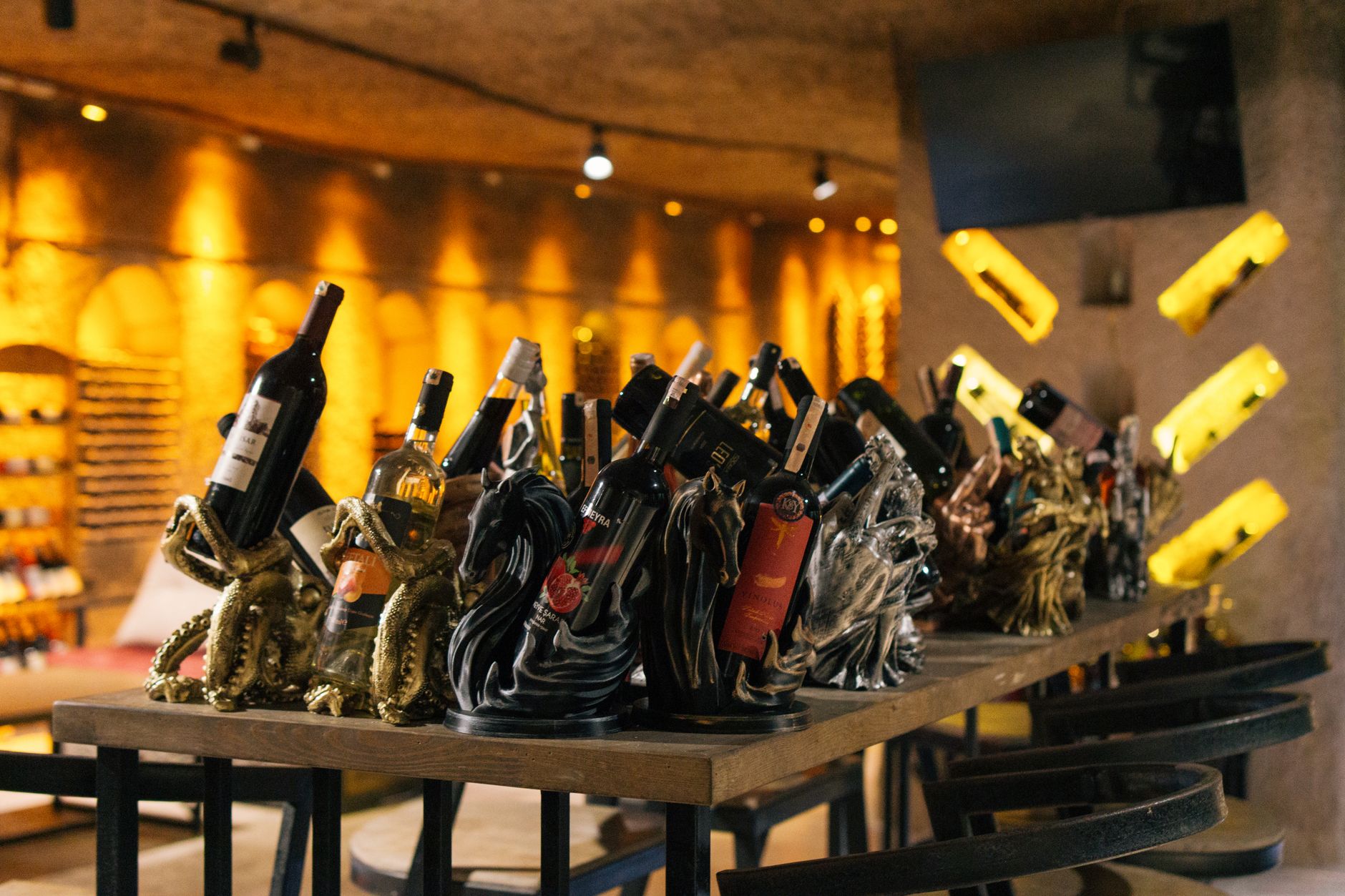
If you own a wine bar, your website is doing more work than you might realise. Guests rarely walk in cold; they read your tasting menu online, compare your upcoming events with three competitors, and decide whether your space feels worth the trip before they ever pour a glass. Getting the wine bar website must haves right is the difference between a diary full of reservations and a room full of empty seats. Think of your site the way you think of a great bottle on the shelf: presentation, clarity, and story all work together to make someone reach for it. Much like a catering and event management website that has to balance menus, logistics, and guest experience in one place, a wine bar site needs to anticipate every question a serious guest is likely to ask. This post walks you through the pages, features, and details that turn a curious browser into a booked tasting guest.
Why Your Wine Bar Website Must Convert Visitors Into Booked Guests
Wine bar customers do their homework before they ever step through your door. They want to see your tasting selections, check your event calendar, and understand your price points before they commit to a date night or a corporate outing. A vague homepage with only a phone number and a pretty photo leaves that decision-making process unresolved, and unresolved decisions lead to bounced visitors landing on a competitor's site instead. Your website is open every hour of every day, quietly answering questions and taking reservations while your team is busy pouring Burgundy at the bar. The businesses that win the booking are almost always the ones whose sites remove the most friction between curiosity and commitment. Wine bar marketing lives and dies on the ability to show what makes your tastings and atmosphere distinctive, and your website is your best and most permanent canvas for doing exactly that.
The Core Pages Every Wine Bar Site Needs
Start with a homepage that answers one question instantly: what makes this wine bar worth visiting? Whether your point of difference is a rotating natural wine selection, weekly sommelier-led tastings, or a beautiful private cellar for celebrations, that answer needs to appear above the fold and in plain language. A dedicated tasting menu or wine list page should display your current selections with grape variety, region, producer, and price, because guests who cannot get that information online often simply move on. Your reservations or booking page is arguably the most commercially important page on the site, and it should let someone choose a date, a time, and a party size without picking up the phone during your busiest Friday service. An events page works as both a marketing tool and a practical calendar, listing public tastings with dates and registration links alongside a clear explanation of how private events are arranged. Rounding things out, an about page and a contact page complete the picture, giving guests a sense of who you are and a direct route to reach you with custom requests.
Wine Bar Website Must Haves: Showcasing Tastings and Creating Event Buzz
The tastings page is where your site earns its keep as a marketing tool. Every upcoming event should list a clear date, start time, price per person, and a way to register or reserve spots right there on the page, not buried in an email chain. Beyond the logistics, describe what each tasting actually covers: the wines, the regions, the story of the producer, and the food pairings involved, because that narrative is what sells the ticket. Photos of past tasting evenings do more persuasive work than any adjective, helping visitors picture themselves in your space with a glass in hand and a knowledgeable guide at the front of the room. Private event options deserve their own prominent section here, with enough detail that a corporate event organiser or a group of wine club friends knows whether your venue fits their needs. A regularly updated calendar signals that your bar is active, bookable, and worth following, rather than a business that let its website go quiet three months ago.
Describing Private Events So Planners Can Say Yes
Private events represent some of the highest-value bookings a wine bar can secure, and your website needs to earn that business before a planner ever picks up the phone. Set out your capacity clearly, naming how many guests each space can hold for a seated tasting, a standing reception, or a hybrid format. Include the practical details that planners always ask about first: audio-visual equipment, catering arrangements, whether a dedicated staff member is assigned to the event, and how far in advance the space needs to be reserved. A rough guide to pricing or package tiers helps serious planners self-qualify quickly, which saves you both the time of fielding enquiries that were never going to convert. Testimonials or short case studies from past private bookings carry considerable weight here, because a corporate client booking a wine tasting for thirty colleagues wants evidence that you have done it before and done it well. A simple inquiry form at the bottom of the page, asking for the date, the approximate guest count, and the type of occasion, gives planners a frictionless first step toward getting in touch.
Reservation and Booking Systems That Work Without Confusion
An online reservation tool is not a luxury for a wine bar; it is a basic expectation for guests who do not want to call during service. The system should allow guests to select a date, a time, and a party size, and it should make clear how far in advance tables open up so no one wastes effort searching for a slot that does not exist yet. Automated confirmation emails give guests a record of their booking and set expectations about what to bring, where to park, and whether a deposit is required. If your bar runs both open seating and reserved tables, explain the difference clearly so a couple looking for a casual drop-in night understands they have options beyond a formal booking. Private event inquiries often need a conversation, and that is fine, but your site should spell out exactly how to start that conversation rather than leaving planners guessing. Display your cancellation and modification policy plainly, because transparency about terms builds confidence rather than eroding it.
Building Trust With Wine Knowledge and Sommelier Credentials
Introducing Your Team
Your guests are handing over a meaningful amount of trust when they book a guided tasting. Introduce the people leading those tastings, whether that is a certified sommelier, a wine educator, or a founder with deep sourcing relationships in specific regions. A short biography and a genuine photo go a long way toward making a first-time guest feel they are in good hands before they arrive. Specifics matter here more than credentials alone, so mention the regions your lead taster knows deeply or the producers they have visited in person. That kind of detail converts a bio from a formality into a genuine reason to book.
Wine Education Content That Shows Your Expertise
Short tasting notes, pairing suggestions, and producer profiles published on your site demonstrate knowledge without being academic about it. Mentioning certifications, regional training, or importing relationships sets your bar apart from a restaurant that simply has a wine list. A blog or news section where you announce new arrivals, share stories about small producers, or explain how a particular vintage is drinking right now keeps the site fresh and gives curious guests a reason to return. Customer testimonials from past tasting events provide social proof in the most specific form possible, with real guests describing a real experience. Connecting your website to your social media accounts extends that proof into behind-the-scenes content and live event coverage, building an audience that keeps coming back.
Photography and Atmosphere: Selling the Experience Visually
A wine bar sells a feeling as much as a product, and photography is your most direct way of conveying that feeling online. Invest in images that show the actual light in your space, whether that is warm candlelight over a long communal table or bright natural daylight through a cellar window, because guests are choosing an atmosphere as much as a wine list. Shots of staff pouring and engaging with guests are more persuasive than empty room photos, because they show the experience in motion rather than the space at rest. Label your images with descriptive file names and captions, since search engines read that context even if your visitors are focused on the visuals. Update your photo library when the space changes significantly or when a seasonal event series gives you new material to work with. Stale photography from a refit five years ago sends a subtle signal that the business is not paying attention, and that signal is worth avoiding.
Making Your Wine Bar Easy to Find in Local Search
Local visibility starts with the basics: your full address, phone number, and opening hours should appear on every page of your site so search engines can confirm you are a real, located business. Claiming and keeping your Google Business Profile current means that local wine drinkers and event planners find you in both search results and map listings without having to dig. Write your page headings and body copy the way your guests talk, using natural phrases about tastings, private events, and reservations, so search engines understand what you offer without you having to force anything. An outdated event calendar or a wine list that has not changed since last year sends a signal to search algorithms that your site is not actively maintained, which gradually pushes you lower in results. Encouraging satisfied guests to leave reviews on Google and other platforms improves your rating and your visibility, because high scores attract clicks from new customers comparing options. Finally, test your site on a phone and check how quickly it loads, because a large share of wine bar searches happen on mobile while people are already out and looking for somewhere to go.
Keeping Your Site Current as Your Offering Evolves
A wine bar's offering changes constantly, with new vintages arriving, seasonal tasting menus launching, and special events filling the calendar throughout the year. Your website needs a simple process for keeping that information current, whether that is a content management system your team can update without developer help or a scheduled monthly review with whoever manages your site. Nothing frustrates a returning guest more than arriving for an event that ended two months ago, or finding a wine list that no longer reflects what is actually on your shelves. Set a recurring reminder to check event dates, wine list accuracy, and booking link functionality at least once a month. If you run a loyalty programme, a newsletter, or a wine club membership, your website is the right place to explain how each one works and how guests can join. Keeping these details accurate is a small operational habit with a significant effect on how much your site is trusted and used.
A wine bar sells an experience, and your website needs to convey that experience clearly enough to motivate someone to book before they have tasted a drop. Every page you build, from the tasting calendar to the reservation form to the sommelier bio, is part of that first impression. The businesses that fill their tasting events consistently are almost always the ones whose websites answer every meaningful question a guest could ask, with no dead ends and no confusion. Practical details like hours, pricing, and booking steps matter as much as beautiful photography, because clarity is what converts interest into action. If your current site is not doing that work for you every hour of every day, it is worth investing the time to rebuild it around what your guests actually need. A well-built site is one of the most cost-effective members of your team, and for a wine bar with a great story to tell, it is the one working hardest while you focus on the floor.
Build your website in Minutes and get the AI Tools that work
Start Building Your Website →