Restaurant Website Must-Haves: Reservations, Menu, and Reviews
A diner who cannot find your menu, book a table, or read a review on your site will simply choose somewhere else. The features that fill seats are not decorative ones but functional: live menus with prices, a booking system that works at any hour, and customer reviews placed where they build trust. Knowing exactly which elements to prioritise means you can get a site working for your restaurant tonight.
- No coding required
- Live in minutes
- Blog, SEO and chatbot tools included
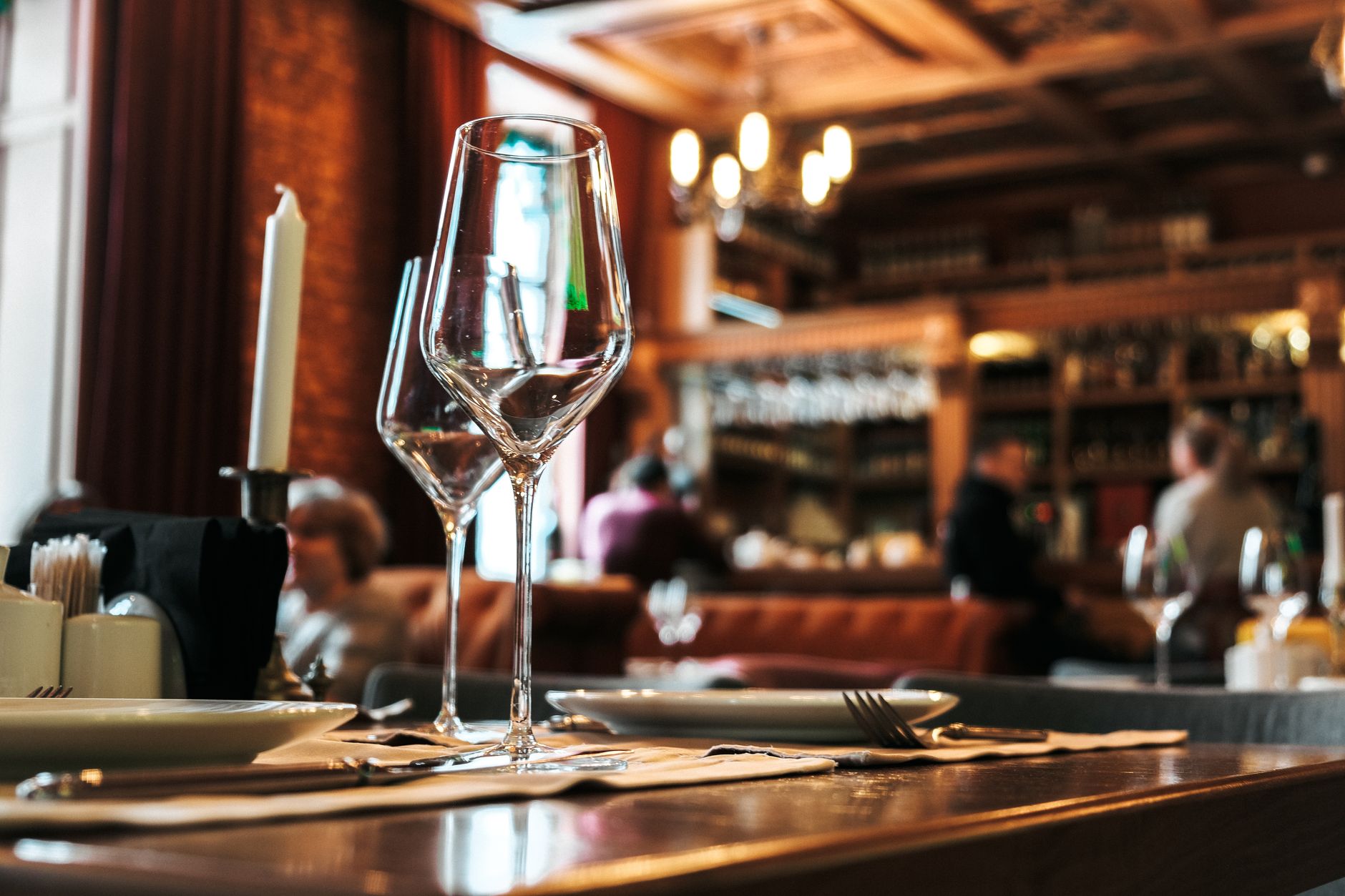
If you run an independent restaurant, your website is often the last thing a diner looks at before deciding whether to walk through your door or scroll past you to a competitor. The restaurant website must haves small business owners overlook most often are not visual flourishes but functional ones: a live menu with prices, a table booking system that works at midnight, and real customer reviews displayed where trust matters most. Unlike a catering and event management website, which guides clients through lengthy planning conversations, a restaurant site needs to convert a browsing diner into a confirmed booking in under a minute. Most people researching where to eat are doing it on their phones, often within an hour of wanting to sit down, so every second of friction you remove is a table you save. This guide walks through the specific pages, features, and trust signals your restaurant website needs to fill seats, reduce no-shows, and give independent owners the kind of confident online presence that used to require an agency.
Why Your Restaurant Website Must Do More Than Show Pretty Pictures
Diners today do a quick research pass before they commit to any restaurant, and what they are looking for is not beautiful design but fast, clear answers. They want to know where you are, what you serve, whether you need a reservation, and what other people think, and they want all of that in about three scrolls. A website that leads with a full-screen mood photo but buries your hours in the footer is working against you, not for you. Your competitors who have made booking easy will capture those diners while your site is still loading a carousel. Small independent restaurants rarely win on advertising budget, so the website has to do the heavy lifting by showcasing both the convenience of booking and the atmosphere that makes dining with you worth the trip.
Trust signals are the part most restaurant owners underestimate when they build their first site. Reviews, photos of real food, and visible confirmation that booking is simple all work together to reduce the hesitation that causes potential customers to close the tab. No-shows and late cancellations are a constant drain on restaurant revenue, and they happen partly because diners who book casually over the phone never feel fully committed. A professional site with a clear reservation flow and an automatic confirmation email makes the booking feel real and worth keeping. Every element that builds confidence before the visit is working to protect the seat you just filled.
Restaurant Website Must-Haves for Small Business Owners: The Core Pages and Features
The home page is the most important real estate on your site, and it should answer three questions within the first three seconds: where are you, what do you serve, and how do I book. That means your location, cuisine type, and a prominent reservation button need to appear above the fold on every device, especially mobile. A tagline like "Contemporary Italian in the heart of Nairobi" does more work than a generic welcome message. First-time visitors should never have to hunt for basic information, because the ones who have to hunt are the ones who leave. Getting these fundamentals right is the foundation all your other pages build on.
Your live menu is not optional, and a PDF is not good enough. A menu that loads fast on mobile, shows current prices, and labels dishes with dietary information lets diners make decisions before they arrive, which means less confusion at the table and fewer phone calls during your prep hours. Descriptions that mention how a dish is cooked or where an ingredient comes from add personality and help diners picture the food. Photos of signature dishes placed alongside their menu entries increase the likelihood that diners order those dishes and feel satisfied when the plate arrives. Keeping the menu updated when you run specials or rotate seasonal items signals to repeat visitors that the restaurant is active and worth coming back to.
The reservation or booking section should be its own dedicated feature, not a phone number in the footer. A form that lets a diner pick a date, time, and party size and receive an instant confirmation removes the awkwardness of calling during a busy dinner service. Hours, address, phone number, and parking or transit information should appear on every page, or at minimum on a clearly labelled contact page, so no one arrives at the wrong location or at the wrong time. A gallery of plated dishes and the dining room itself helps set accurate expectations, which means diners show up excited rather than disappointed. An about section that tells your story, introduces your chef, or explains where your produce comes from gives independent restaurants the personal edge that chain restaurants simply cannot offer.
Reservations and Ordering: Turn Browsing Into Bookings
A built-in reservation tool is one of the clearest places where a restaurant website earns its keep every single day. When a diner is browsing at eleven at night and decides they want to bring their partner for a birthday dinner on Saturday, a phone number is useless but a booking form is not. Removing that friction converts a passive browser into a confirmed guest without any effort from your team. Mobile-friendly booking matters especially here, because a form that is hard to tap through on a small screen will simply be abandoned. The restaurant that makes booking feel effortless at any hour is the one that fills the table.
Automated confirmation emails and reminder messages reduce no-shows by a measurable amount because they turn a vague intention into a written commitment the diner can see again. When someone receives a confirmation with the date, time, and address, they are more likely to arrive or to cancel in advance if plans change, which gives you time to reoffer the slot. For restaurants that also run takeout or delivery, keeping a separate ordering section away from the table reservation flow prevents diners from getting confused about which process they are in. The data that comes through your reservation system, including peak booking times and average party size, gives you real information to work with when staffing or planning a new menu launch. Treating your booking tool as a management resource, not just a customer-facing feature, is how restaurant owners get smarter over time.
Menu Display That Sells: More Than Just a PDF
The menu is the page that most independent restaurants get wrong on mobile, and it matters more than any other single section of the site. Around seventy percent of restaurant searches happen on a phone, which means a PDF that requires pinching and zooming to read is effectively hiding your food from the majority of your potential guests. An HTML menu that loads in under two seconds, scales properly on any screen, and organises dishes by course or category is the standard diners now expect. Writing descriptions that evoke flavour, cooking method, or a key ingredient increases the perceived value of a dish and helps guests make faster, more confident decisions. The goal of the menu page is not just to inform but to create appetite before anyone has stepped inside.
Photos of signature dishes placed near their menu descriptions do work that no adjective can match. A well-lit image of your wood-fired lamb chops with a herb crust tells a diner more in one second than a three-line description does. Price transparency alongside those photos builds trust because diners feel there are no surprises waiting for them when the bill arrives. Dietary filters for vegan, gluten-free, or nut-free options help guests with restrictions self-serve, which cuts down on phone calls and makes your restaurant more welcoming to groups with mixed dietary needs. Updating the menu when seasons change or when you introduce a new signature dish keeps the site feeling current and gives loyal customers a reason to look again.
Reviews and Social Proof: Why Every Restaurant Needs Them
Customer reviews displayed on your own website do something that review platforms alone cannot: they put social proof right next to your booking button, at the exact moment a diner is deciding whether to commit. A short block of five-star testimonials near the top of your home page, or embedded on a dedicated reviews section, tells a first-time visitor that real people have sat at your tables and left happy. Review stars displayed in search results through structured data markup increase the likelihood that someone clicks your listing over a competitor with no visible ratings. Authentic photos that real diners have shared, showing actual plates and the dining room in use, often feel more credible than studio photography. Social proof is not decoration; it is part of the conversion path that turns a browsing stranger into a booked guest.
Responding to reviews, including the critical ones, is a trust signal in its own right. When a potential customer reads a negative comment and sees a thoughtful, respectful reply from the restaurant, it demonstrates professionalism and shows that the team takes feedback seriously. Ignoring criticism on a public platform is far more damaging than the original comment, because silence reads as indifference. Building a habit of asking diners for a review, whether through a follow-up email after their visit or a small card left with the bill, steadily grows your bank of social proof without requiring advertising. Restaurants that commit to this process consistently find that their online reputation becomes one of their most durable competitive advantages.
Beyond Catering and Event Management: Why Independent Restaurants Stand Alone
While a catering and event management website is built around packages, logistics, and planning conversations that happen months in advance, a restaurant website serves a fundamentally different customer moment. A diner who finds your restaurant through a Google search on a Thursday afternoon is thinking about dinner this weekend, not an event in six months, and your site needs to match that urgency. Every friction point, a menu that takes too long to load, a booking button that is hard to find, hours that require three clicks to locate, is a moment where you lose that diner to someone else. Independent restaurants compete on atmosphere, personality, and the feeling that dining there is worth the choice, and your website is the first place you get to make that case. The restaurants that grow fastest share one consistent trait: their websites make it easier to book a table than to search for alternatives.
No-shows and late cancellations cost real money in a business with thin margins and time-sensitive prep, so the website's job is not just to attract diners but to keep the ones who have already committed. A confirmation email, a reminder text, and an easy way to adjust or cancel a booking all reduce the number of empty tables on any given evening. The small details that make a restaurant website genuinely useful, correct hours including holiday variations, a clear parking note, an accessible phone number, a menu that matches what is actually being served today, are the details that build a reputation for reliability. Over time, a website that consistently answers diners' questions and makes booking feel simple becomes one of the most effective members of your front-of-house team. Getting these fundamentals right is not a luxury for independent restaurant owners; it is the difference between a dining room that fills reliably and one that depends on luck.
Your restaurant website is one of the few marketing tools you own outright, and when it is built well it works for you every hour of the day. The restaurant website must haves small business owners need are less about aesthetics and more about function: a live menu, a smooth booking flow, clear location information, and reviews that build confidence in every new visitor who arrives. None of these features require a developer or a large budget, and modern AI website builders can put them all in place in a fraction of the time a traditional agency would take. Independent restaurants win when they combine genuine hospitality with genuine convenience, and your website is where that combination first shows up. Build it to serve the diner who is deciding right now, and you will fill more tables without spending a cent on advertising.
Build your website in Minutes and get the AI Tools that work
Start Building Your Website →