Food Truck Website Must-Haves: Menu, Location, Orders
Most food truck customers decide where to eat within minutes, and a slow or incomplete website sends them straight to a competitor. Your site needs rotating menus, a live location feed, and pre-order capability working together so hungry people can find you and pay before they even leave their desk. Getting those food truck website essentials right means the lunch rush starts before you open the window.
- No coding required
- Live in minutes
- Blog, SEO and chatbot tools included
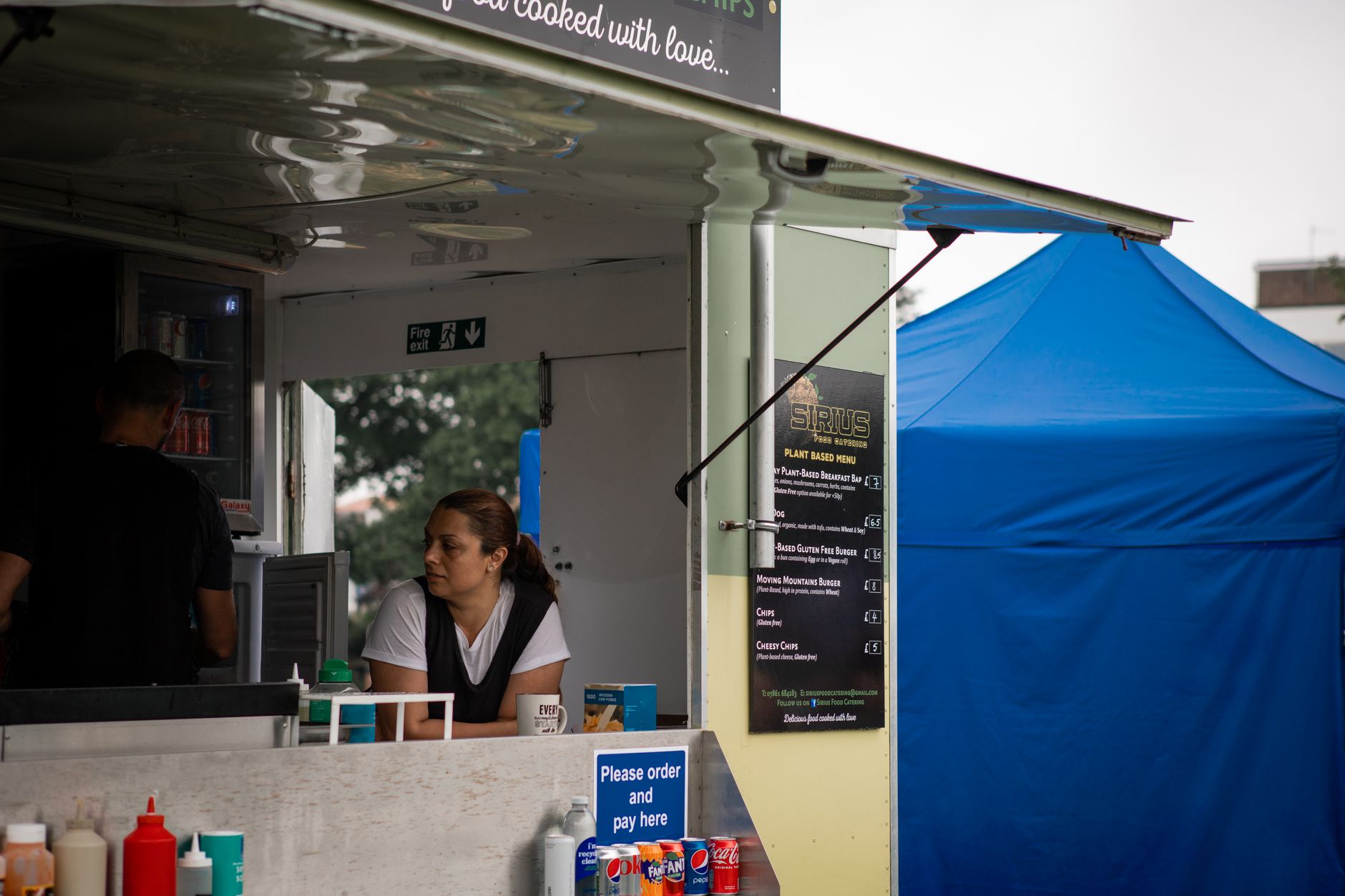
Running a food truck is relentlessly fast-paced, and your website has to match that energy. Most food truck owners pour everything into perfecting their recipes and their service window, then leave their online presence as an afterthought. That is a costly mistake, because the food truck website essentials you choose to build into your site are what turn a passing search into a paying customer standing at your window. Unlike a catering and event management website that someone might browse over several days before making a decision, a food truck site has to deliver the right information in under thirty seconds to someone who is already hungry and already on the move. This post walks through every page and feature your food truck site needs, from live location maps to pre-order payment, so that customers can find you, decide what they want, and pay before the lunch rush even starts.
Why Food Trucks Need a Website at All
Customers searching for lunch options are not planning a week in advance the way someone researching a catering and event management website might be. They are standing at their desk at 11:45 in the morning, phone in hand, trying to decide what to eat before their noon break starts. A social media post from three days ago tells them nothing useful about where you are right now or what you have on offer today. A dedicated website, by contrast, is a single address they can bookmark and check every morning like a daily briefing. That habit alone, when you make your site worth checking, turns one-time visitors into repeat customers who show up every week.
A website also gives you control over your customer relationships in a way that third-party delivery apps never can. Those platforms can raise their commission rates, change their search rankings, or delist you without warning, and you lose access to every customer you built up there. When someone orders through your own site, you collect their contact details, you see what they ordered, and you can reach out to them directly with a special offer or a new menu announcement. Owning that data is a business asset that compounds over time. A simple email list built from your own orders is worth more to your long-term growth than a hundred followers on a platform you do not control.
Trust is another reason a professional website matters for a food truck. Many people eating from a truck for the first time are making a small leap of faith, and a polished site with real photos, clear prices, and visible contact information makes that leap much easier. Customers who find a clean, easy-to-navigate website are more likely to show up than those who only found you through a blurry photo on a local Facebook group. A website signals that you take your business seriously, which signals that you take food safety, consistency, and quality seriously too. That impression is formed before they ever taste a single bite.
The Core Food Truck Website Essentials You Cannot Skip
The food truck website essentials all come down to answering three questions instantly: where are you, what are you serving, and how do I pay. A live location feature that shows your schedule for the day or week is the single most important element, because a menu nobody can find is useless. That location display should be updated at least the night before, and ideally on the morning of service, so it reflects any last-minute changes to your route or parking spot. Pair that with clear hours for each stop so customers know exactly how much time they have to get to you. Without those two pieces of information, every other feature on your site is working against an empty promise.
A pre-order or online payment option turns your website from a brochure into a revenue tool. Customers who pay ahead are committed; they will make the trip even if the line looks long when they arrive, because they have already spent the money. This feature also lets you manage inventory far more confidently, since you can see exactly how many orders are coming before you fire up the grill. A clear call-to-action button, whether it says "Order Now," "Pre-Order Lunch," or "Reserve Your Meal," should appear on every page and be large enough to tap easily on a phone screen. Make the next step so obvious that even a distracted person on their work break cannot miss it.
Building a Menu System That Works for Rotating Offerings
Food truck menus change for all kinds of reasons, from seasonal produce availability to a supplier running out of a key ingredient on a Tuesday morning. Your website needs to make those updates fast and painless, ideally something you or a team member can do from a phone in two minutes between service shifts. If updating the menu requires logging into a complicated system or emailing a developer, it simply will not get done consistently, and customers will show up expecting dishes that are not available. A platform that lets you edit menu items directly and publish changes immediately is not a luxury for a food truck. It is a basic operational requirement.
Great food photography is one of the highest-return investments a food truck can make on its website. People decide whether they want to eat something based on how it looks, and a crisp, well-lit photo of your signature taco or rice bowl can make the difference between someone walking past and someone standing in your line. You do not need a professional photographer for every item, but you do need photos that are sharp, well-framed, and taken in good natural light rather than the harsh fluorescent interior of the truck. Feature your two or three best-selling items prominently at the top of the menu page so they are the first things a customer sees. Let the food do the selling before they have even scrolled.
Organizing your menu by clear categories saves customers from frustration when they are hungry and impatient. Simple groupings like mains, sides, drinks, and desserts allow someone to jump straight to what they want rather than reading every item from top to bottom. Include prices next to every item with no asterisks or footnotes, because unexpected costs at the window create friction and erode trust. Allergen and dietary information, whether something is gluten-free, vegetarian, or contains nuts, should sit close to each item description rather than buried in a separate FAQ. Customers with restrictions will specifically look for this information, and giving it to them clearly converts people who might otherwise feel unsure about ordering.
Location and Hours That Actually Keep People Finding You
Your location schedule should be displayed in a format that someone can absorb in three seconds, not a paragraph of text that requires careful reading. A simple weekly table listing the day, the location name, the address, and the hours for that stop is far more useful than a sentence like "We are usually near the park on weekdays but sometimes downtown." Regulars who already know your general route can confirm where you will be, and new customers can quickly see if you park anywhere near their office or neighborhood. A map widget that plots your regular stops adds a visual layer that is especially helpful for people who are better at recognizing places than reading addresses. Both formats together serve the widest range of customers.
Update your location information before you move, not after you have already set up at a new spot. If a customer bookmarks your site and checks it on their lunch break, finding stale information is the fastest way to lose them permanently. Even a short note like "Moving to the evening market tonight, back at the usual corner tomorrow" keeps regulars informed and prevents wasted trips. Your phone number should be visible on the location page so people can call or text to confirm you are actually parked before they walk fifteen minutes in the wrong direction. That small detail saves customers from frustration and saves you from a stream of unhappy messages.
Pre-Orders and Payment That Boost Revenue Before Lunch Rush
Pre-orders solve one of the hardest problems in food truck operations: predicting how much to prep. When twenty people have already paid for specific dishes by 10 a.m., you know exactly how much protein to cook, which sides to prepare in bulk, and roughly how many walk-up customers your remaining inventory can handle. That certainty reduces food waste, reduces the panic of running out mid-service, and lets you serve both pre-order customers and walk-ups faster. Offering time-slot selection for pickup, such as choosing an 11:30 window or a 12:15 window, spreads the crowd across the service period instead of creating a single enormous rush. The result is a smoother line, happier customers, and fewer orders missed because the queue scared people away.
Accept as many payment methods as your system supports. Credit cards, debit cards, Apple Pay, Google Pay, and ideally a cash option at the window cover nearly every customer you will encounter. Someone who arrives at a food truck and finds they cannot pay the way they expected will leave, and they may not come back. Send automatic order confirmations by email or text the moment someone places a pre-order so they have a record and feel confident their order is real. A pickup reminder sent thirty minutes before their time slot is a small touch that meaningfully reduces no-shows and keeps your prep numbers accurate.
Making Your Food Truck Website Easy for Customers to Use
Your food truck website will be viewed almost entirely on mobile phones, so every design decision should start there and work outward to desktop, not the other way around. Buttons need to be large enough to tap with a thumb, text needs to be readable without zooming, and forms need to have large enough input fields that people do not accidentally tap the wrong one. Page speed matters enormously here, because a customer who has already waited in the lunch line mentally is not going to wait for a slow-loading page. Compress your menu photos so they look great without adding seconds to the load time. Every second you shave off the loading experience is a customer who stays instead of bouncing.
Navigation should be stripped down to the essentials: menu, location, order, and contact. Anything beyond four main sections starts to feel like work for someone who just wants to know what the daily special is. Test your entire pre-order flow yourself on your actual phone, not just in a desktop browser, and walk through every step the way a first-time customer would. Look for any point where the process is confusing, requires too many taps, or asks for information that feels unnecessary. Customer reviews and real photos submitted by diners add a layer of social proof that no amount of professional photography can fully replicate, because people trust other customers more than they trust businesses to describe themselves honestly.
A food truck lives and dies on momentum, and your website is the tool that keeps that momentum going between service windows. When the truck is parked and the grill is cold, your site is still working, telling the next customer where you will be tomorrow and letting last night's dinner crowd leave a review that convinces a new one to show up. The food truck website essentials covered here are not optional extras for businesses with big marketing budgets. They are the basic infrastructure for any food truck that wants to grow beyond its immediate neighborhood and build a customer base that comes back week after week. Get those foundations right, and every other part of your marketing becomes much easier, because you have a reliable, professional home base online that your customers can always find.
Build your website in Minutes and get the AI Tools that work
Start Building Your Website →