Casement windows
Side or top hinged windows, the usual choice for houses, on friction hinges that hold the sash open wherever you leave it.
Per windowfrom $620
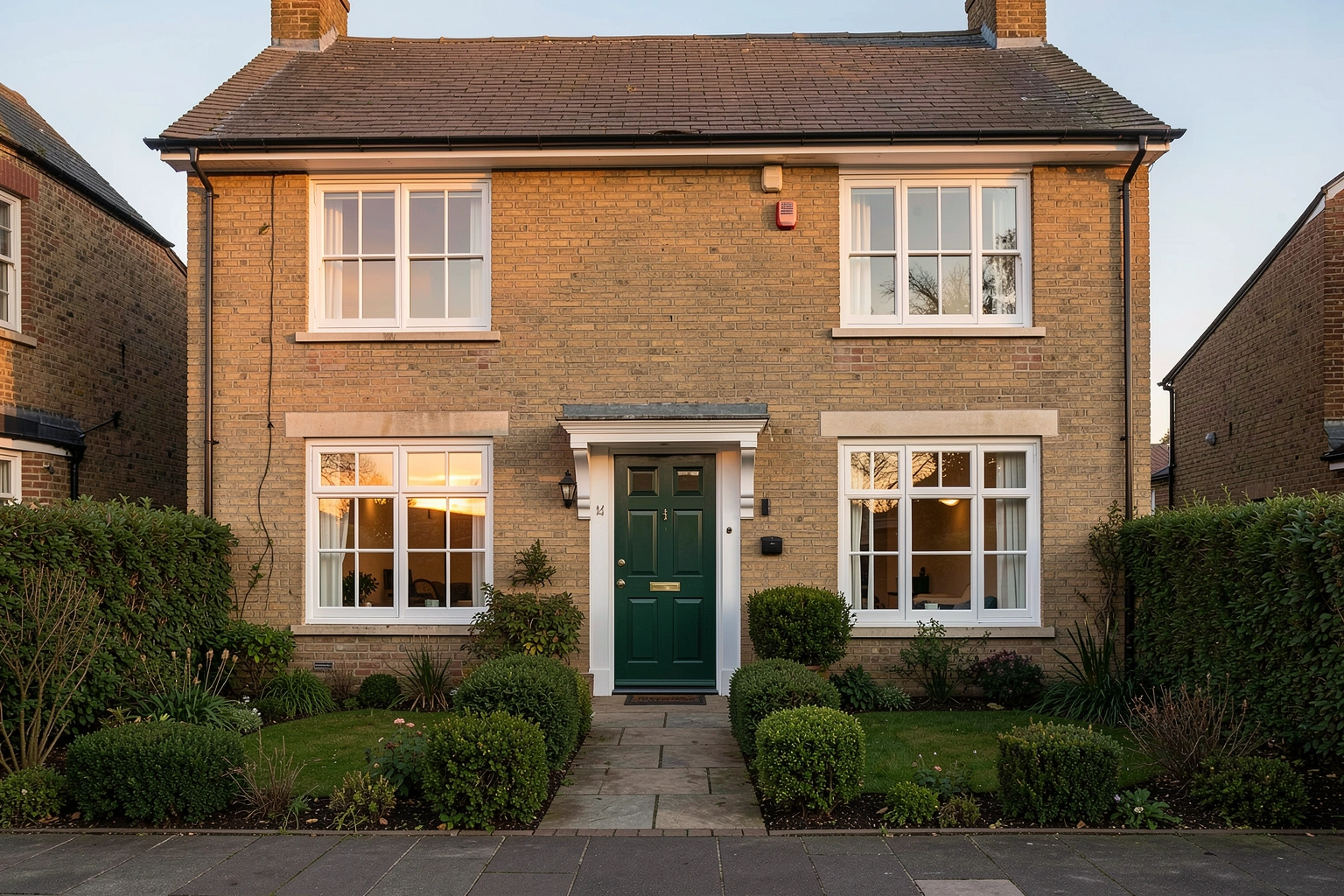
Casement, sash and tilt and turn windows, patio doors and front doors, each made to the exact size of your openings. One surveyor measures, one crew fits, and your old frames leave with us the same day.
Prices are for one opening of a typical size, fitted, in a white frame with double glazing. Your written quote follows the survey.
Side or top hinged windows, the usual choice for houses, on friction hinges that hold the sash open wherever you leave it.
Vertical sliders made for older homes, with slim meeting rails and spring balances so they glide up and down without cords.
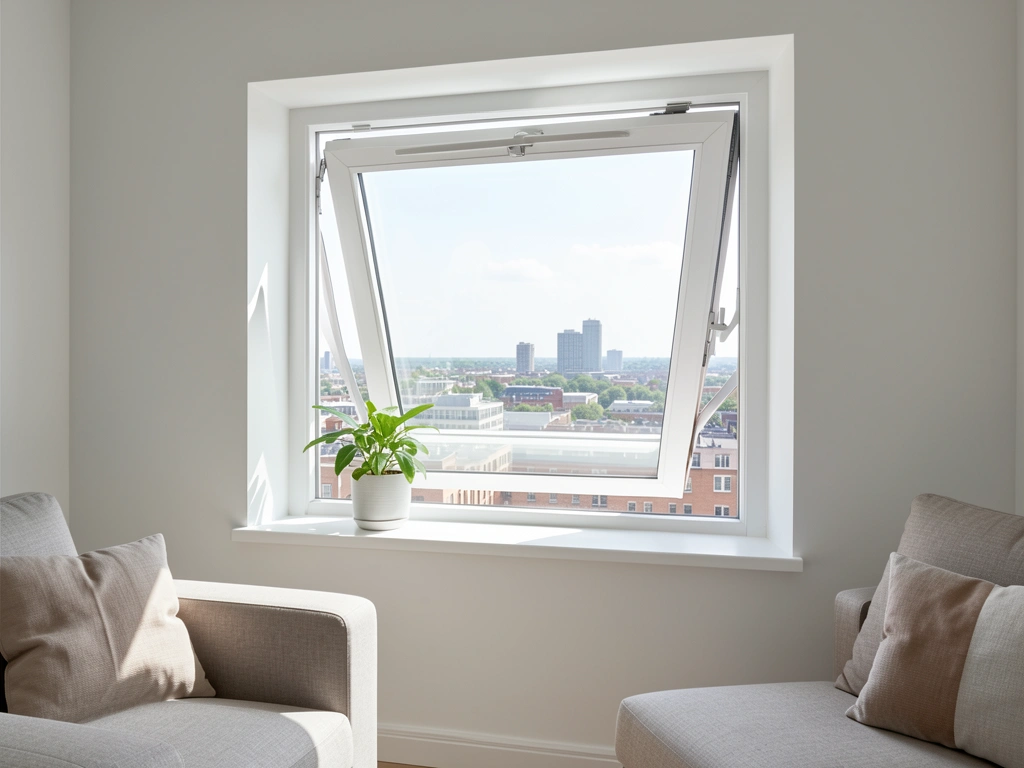
Tilt inward a little for air, or swing fully open to clean the outside from indoors. A favourite for apartments and upper floors.
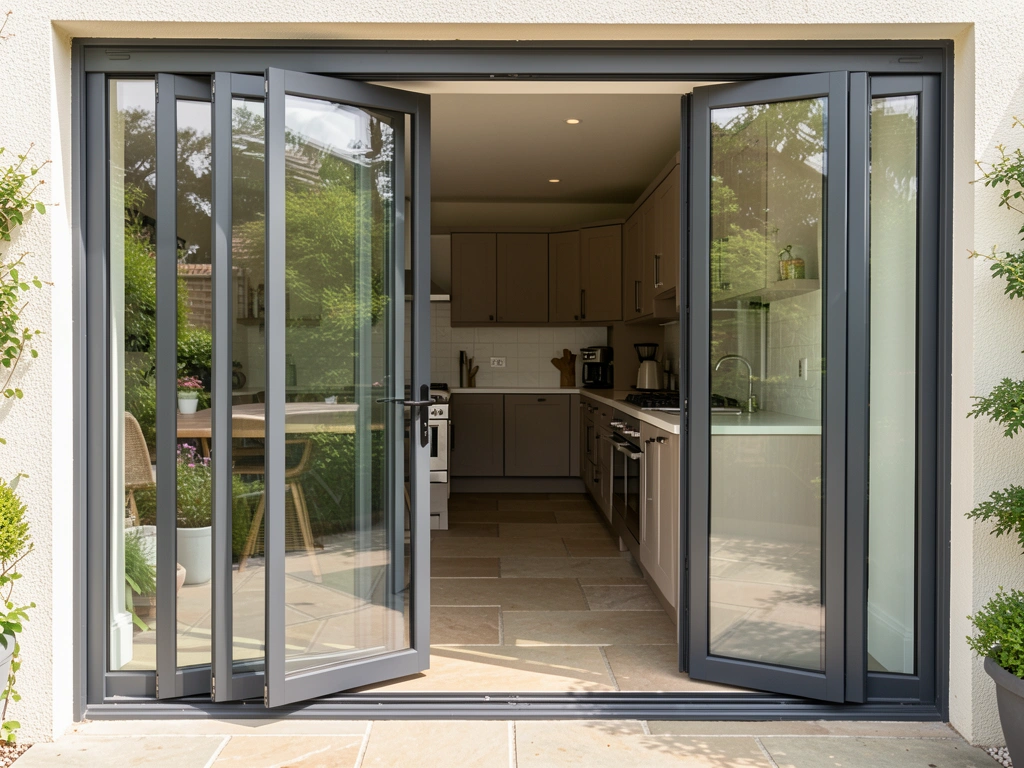
Wide glass doors that slide or fold aside to open a room to the garden, set on a low threshold that is easy to step over.
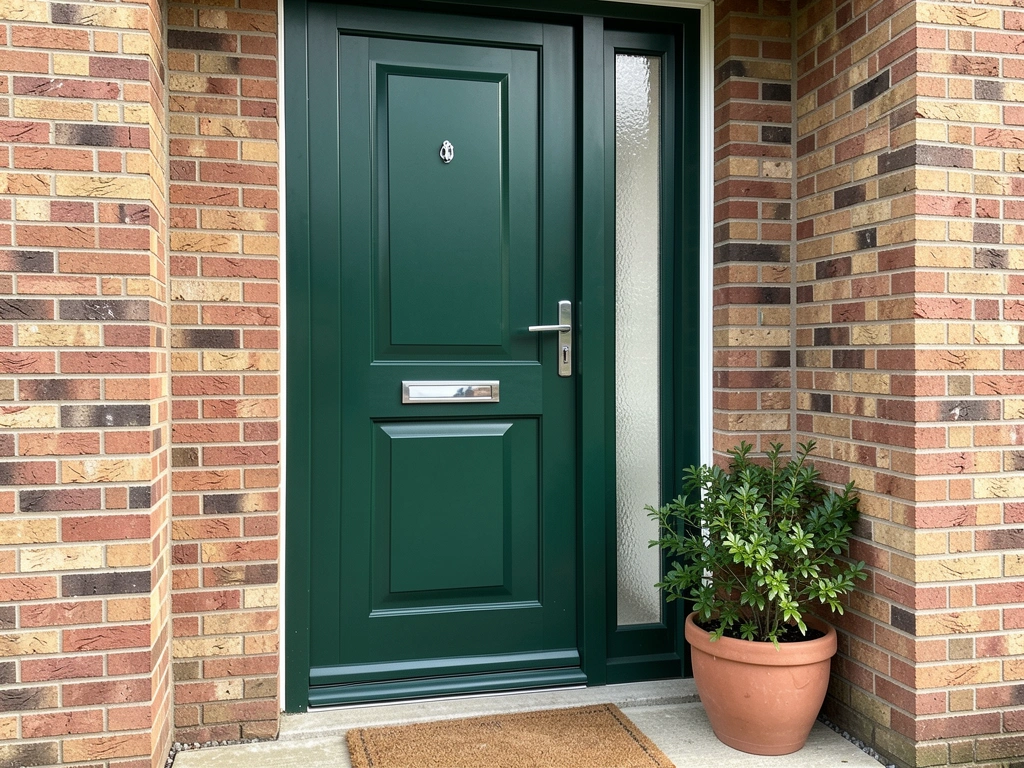
Composite, timber or aluminium entrance doors with multipoint locks, fitted complete with a new frame, sill and handles.
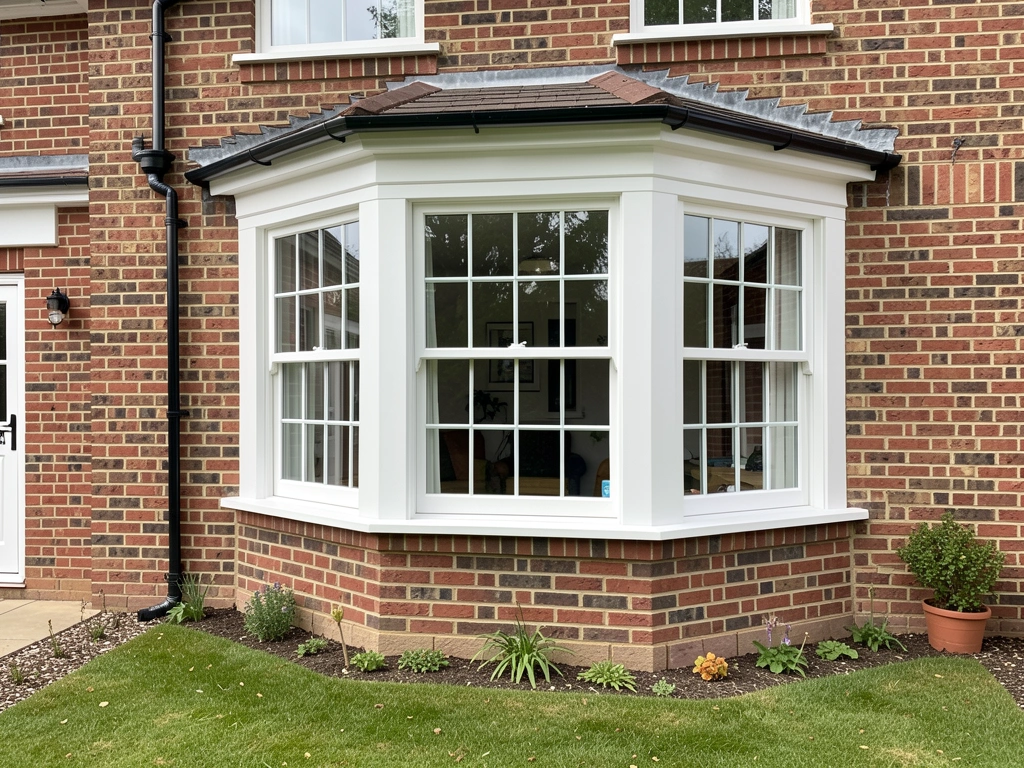
Projecting windows replaced section by section, with every angle measured on site so the new frames sit square to the wall.
Frames also come in cream, anthracite grey, black and wood grain finishes. A coloured frame adds about 15 percent to the price.
Each frame material has its place. Our surveyors suggest one to suit the age of the house, your budget and how much upkeep you are happy with.
| Frame | Looks right on | Upkeep | Price level |
|---|---|---|---|
| uPVC | Most houses built in recent decades | A wipe down twice a year | Lowest |
| Aluminium | Modern homes and wide glass doors | Very little; the finish is baked on | Middle to high |
| Timber | Period homes and protected streets | Repainting or oiling every few years | Highest |
| Composite | Front doors, for a wood look outside | Very little | Middle to high |
| Aluminium clad timber | Homes that want warm timber inside | Light care inside, almost none outside | Highest |
Some areas protect the look of older streets, which can limit the frames allowed. We check this before quoting.
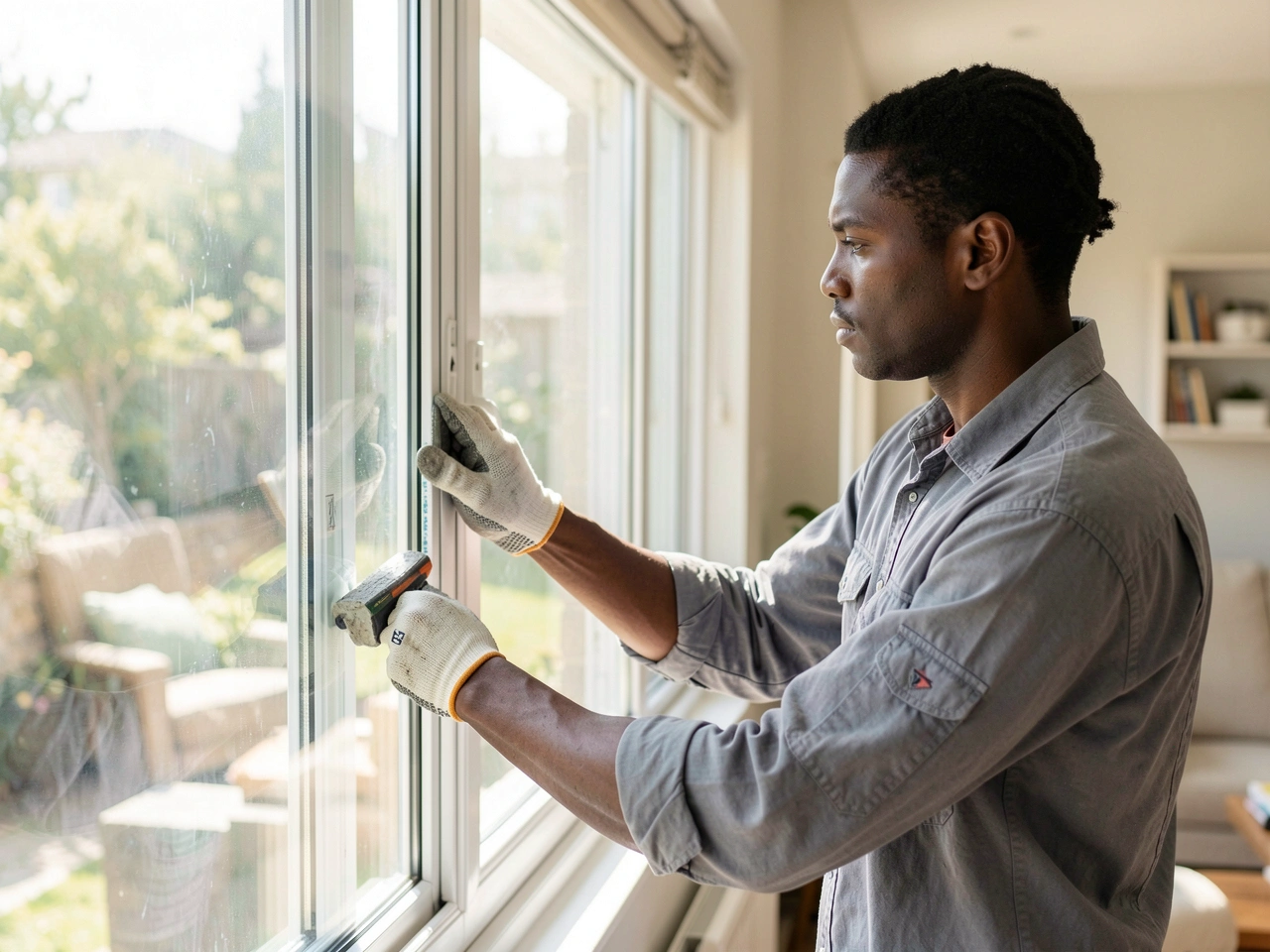
Most of a window's performance comes from the sealed glass unit: two or three panes, a coating that reflects heat back into the room, a gas fill between the panes and a warm edge spacer around them. We specify each part for the room, the direction it faces and the noise outside.
Energy ratings and minimum standards for windows are set differently from one country to the next, and sometimes by region. Your quote names the rating system used where you live and the figure each window reaches, so you can compare it with what local rules ask for.
Extras are built in at the factory, so it is simplest to choose them at the survey.
Something else in mind? Describe it on the survey form and the surveyor brings samples.
A surveyor looks at every opening with you, talks through styles and glass, and leaves you with a written quote within two days.
One price per window and door, with the glass, finish and hardware for each listed line by line.
Once you order, a technical surveyor measures each opening to the millimetre and checks the walls and sills.
Frames are built for your openings, usually in four to six weeks, and we call you to agree a fitting date.
Old frames come out one at a time and new ones go in, sealed, adjusted and cleaned. We register the work where local rules require it.
A few of the homes our crews fitted this season, from cottages to apartments.
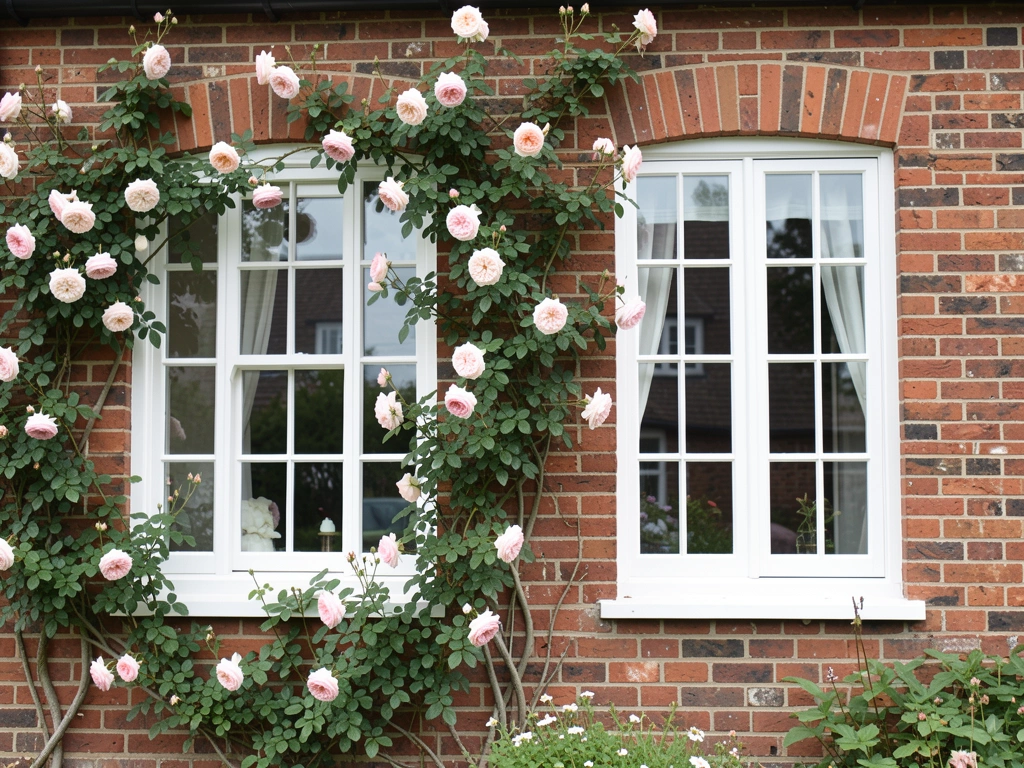
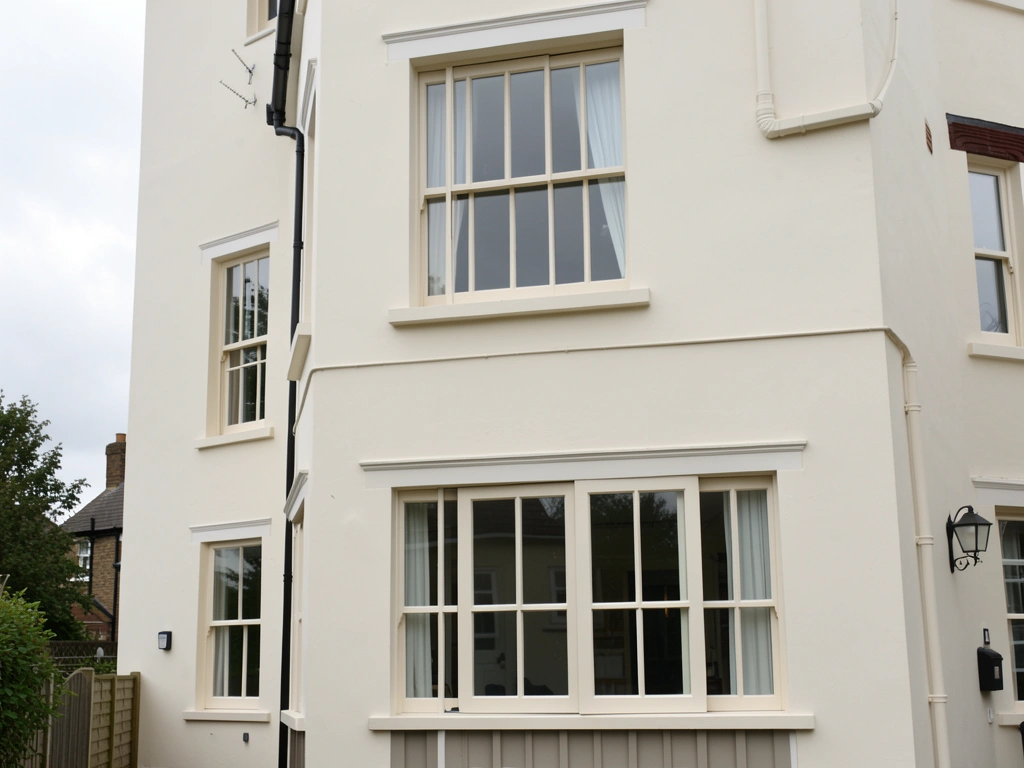
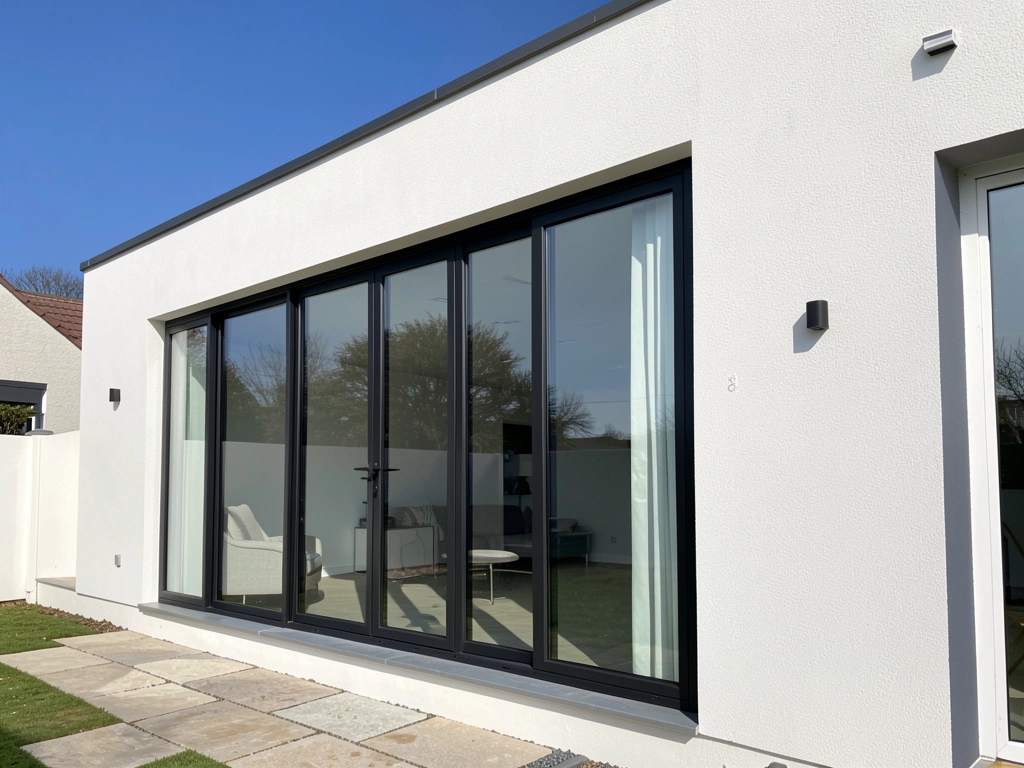
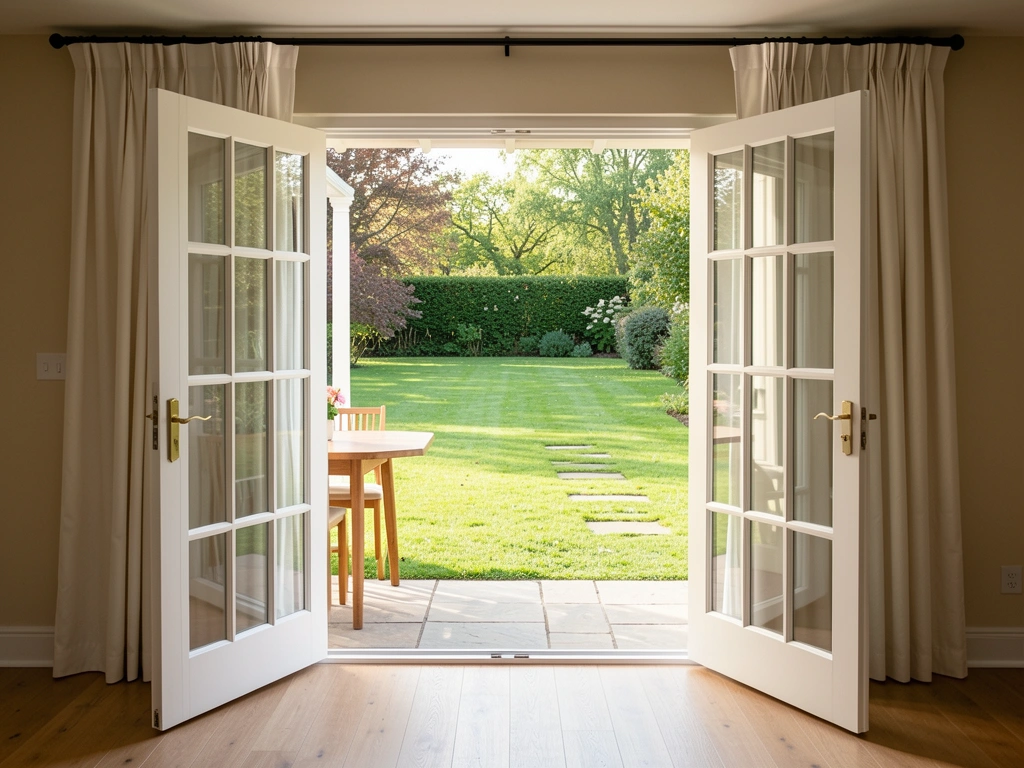
Nine windows in a day and a half, with dust sheets down in every room. The house is quieter and holds its warmth far better this winter.
The old sashes rattled in every gust. The new ones look the same from the street, slide easily, and the surveyor dealt with the approval our street needed.
The quote listed every opening with its glass and finish, so comparing it with others was simple. The doors went in on the agreed day and the threshold is barely noticeable.
Most homes take one or two days, and a single front door about half a day. Each opening stays open only briefly, because we take out and replace one window at a time.
Often not when a window is replaced with a similar one, but rules vary by country and region. Listed or protected buildings, conservation streets and apartment blocks can need approval, and some places ask for the work to be registered. We check what applies before quoting.
Double glazing suits most homes. Triple glazing makes more sense in colder climates, on rooms facing a strong wind or a busy road, and in very well insulated houses. The surveyor explains the difference room by room.
That depends on the glass and frame we specify. Rating schemes and minimum figures differ between countries, so your quote states the scheme used where you live and the value each window achieves.
There can be small marks where the old frame met the plaster. We fill and finish them with filler or trim, and usually a lick of paint is all that is left to do.
A 25 percent deposit places the order with the factory. The balance is due once fitting is complete and you have checked every window, and payment is made directly to us.
Ten years on frames, hardware and our fitting, and ten years against misting between the panes of the sealed units.
Tell us roughly how many windows and doors you are thinking about and where the house is. We phone you back the next working day to agree a survey time.
Open and close the windows and doors we fit, and hold frame colours and glass samples up to the light.
Showroom on the business park, fitting homes across the region
| Monday to Friday | 08:00 to 17:30 |
| Saturday | 09:00 to 15:00 |
| Sunday | Closed |
Homes across the region, usually within about an hour of the showroom. Further out? Ask, and we tell you before the survey whether our crews can cover it.
This window installer website was built by AI from two sentences. Tell us about your business and yours is built the same way, with its pages, photos and booking in place, ready to preview in minutes.
About this sample page
Clearline Windows and Doors is an invented installer whose single page lays out products, prices and know how the way a window company might on AI Web Maker. Over the opening photo, a blueprint of a window frame draws itself beside buttons for a survey and a phone call. Six cards follow with fitted starting prices, then a frame material table and a section on glazing and energy ratings. Options, a five step fitting process, a gallery and example reviews complete the picture before the survey form. The order mirrors the questions a homeowner asks on the way to a decision.
An installer joining AI Web Maker sums up its products and patch in a handful of sentences, and the builder shapes a draft site and enquiry form around them. Survey requests then come in through that form, with every price and payment settled between the installer and the household. Until the site is published there is no charge at all. From then on hosting costs $119 yearly or $19 monthly, and the domain is an added cost. For a trade where a single order can run into thousands, that is a modest price for a site that explains the work properly.