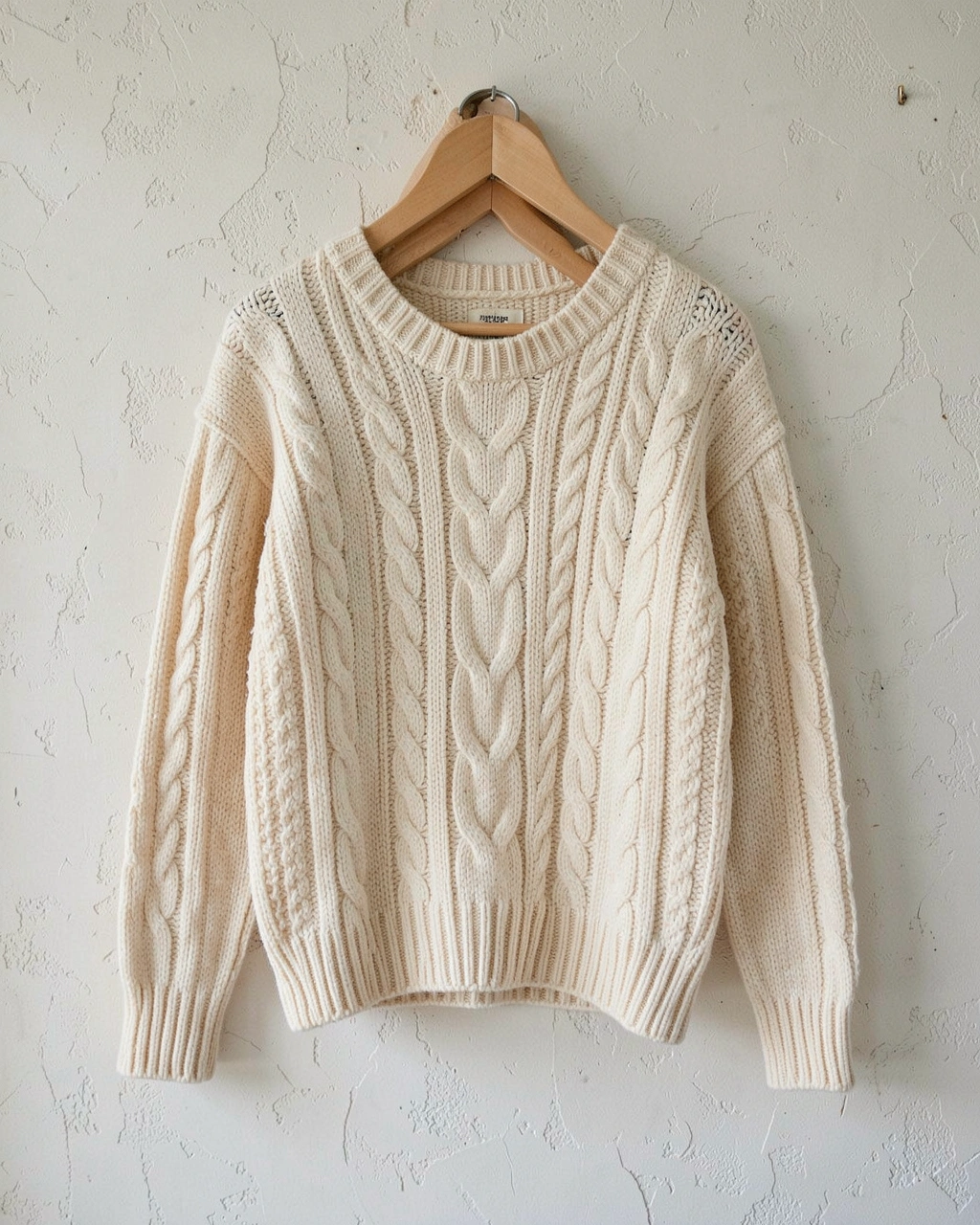
 Washed
Wool knit jumper
Washed and checked for moth holes
$14
Second Chapter Thrift sells donated clothes, books and homeware, and every dollar left after running costs goes to the Open Shelf Literacy Fund. Shop a few picked pieces online, or bring your donations round to the back door.
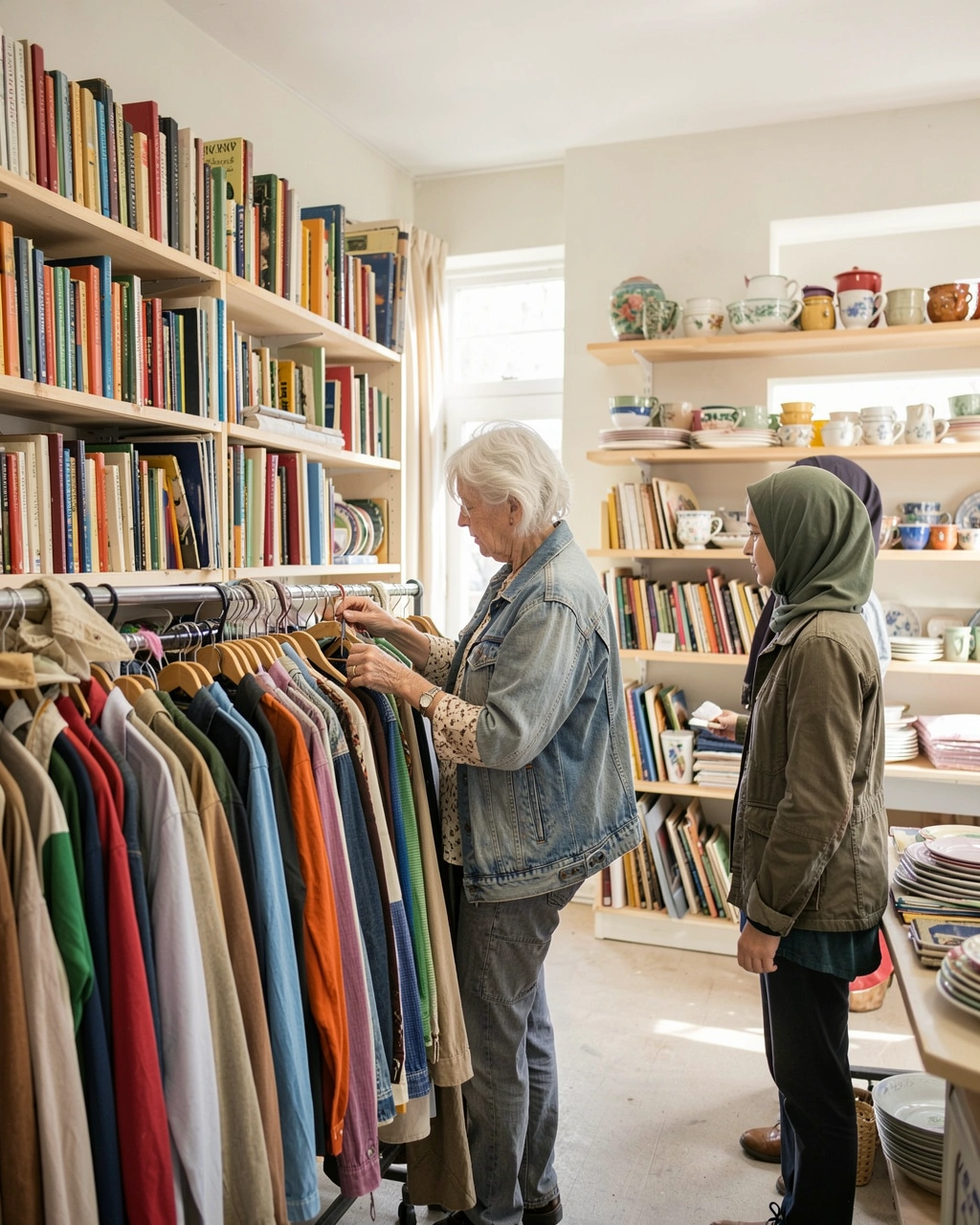
A handful of good finds from the shop floor, checked, cleaned and priced. Most pieces are one of a kind, so once a size or a title has gone, it has gone.
WashedWashed and checked for moth holes
$14
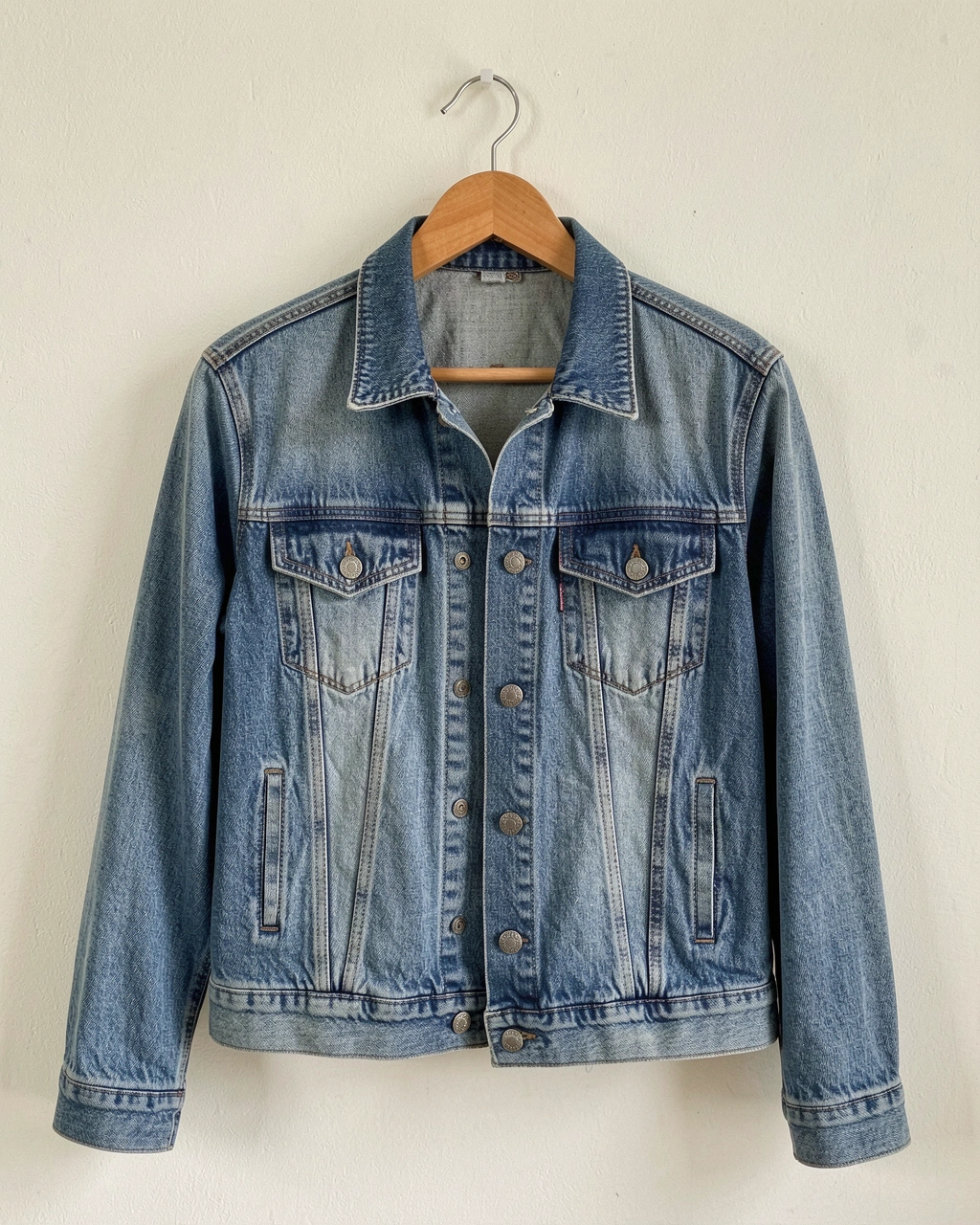
Faded mid blue, every button in place
$22
 Bundle
Clean copies chosen by our book volunteers
$10
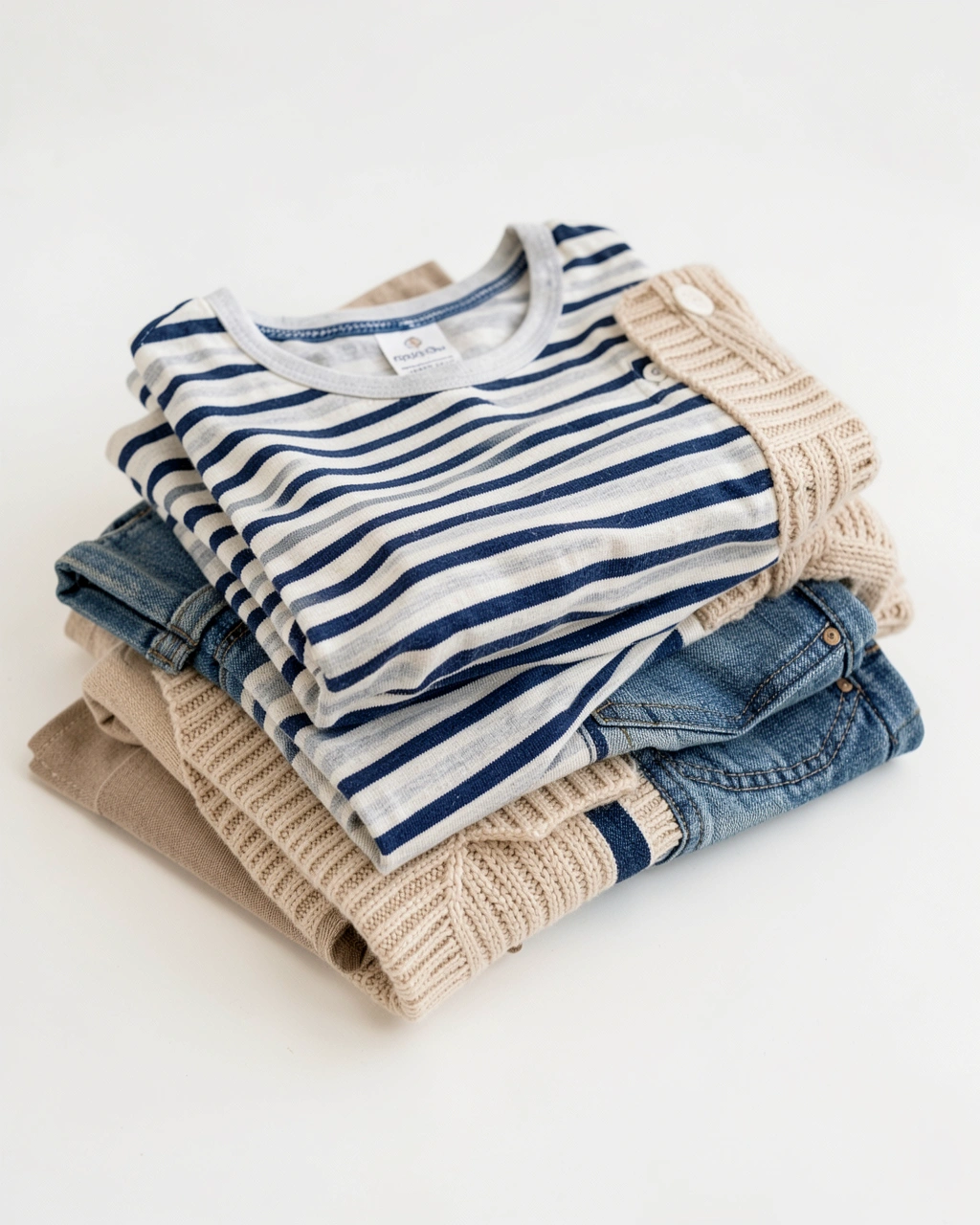
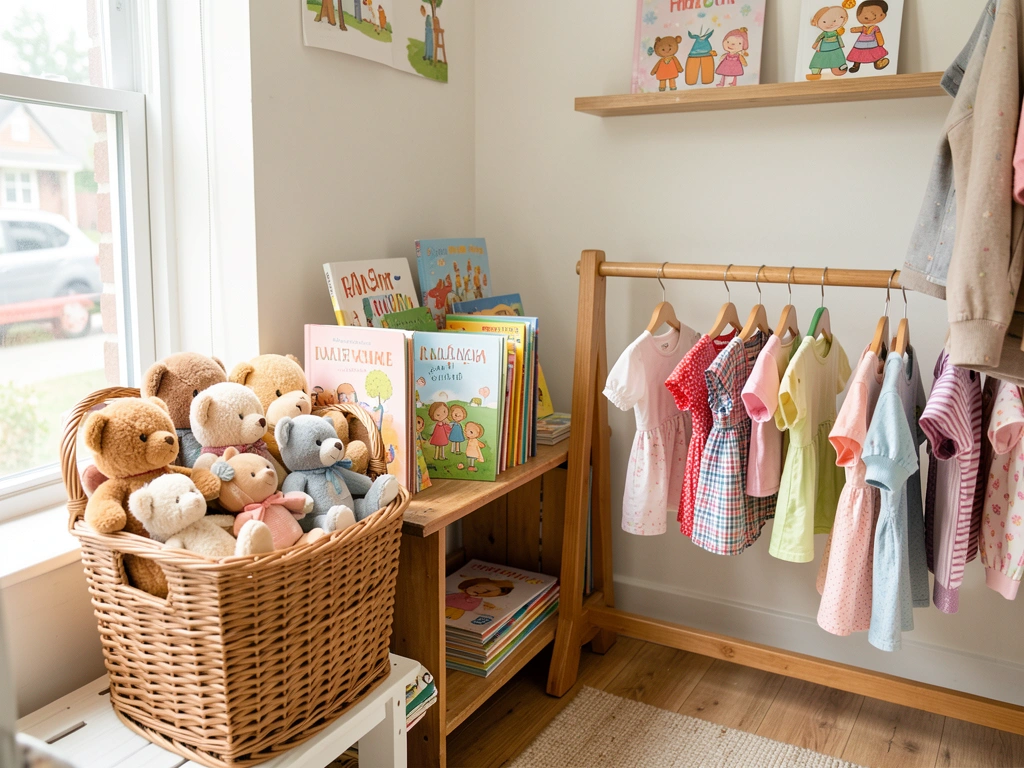
Six washed pieces for one age
$15
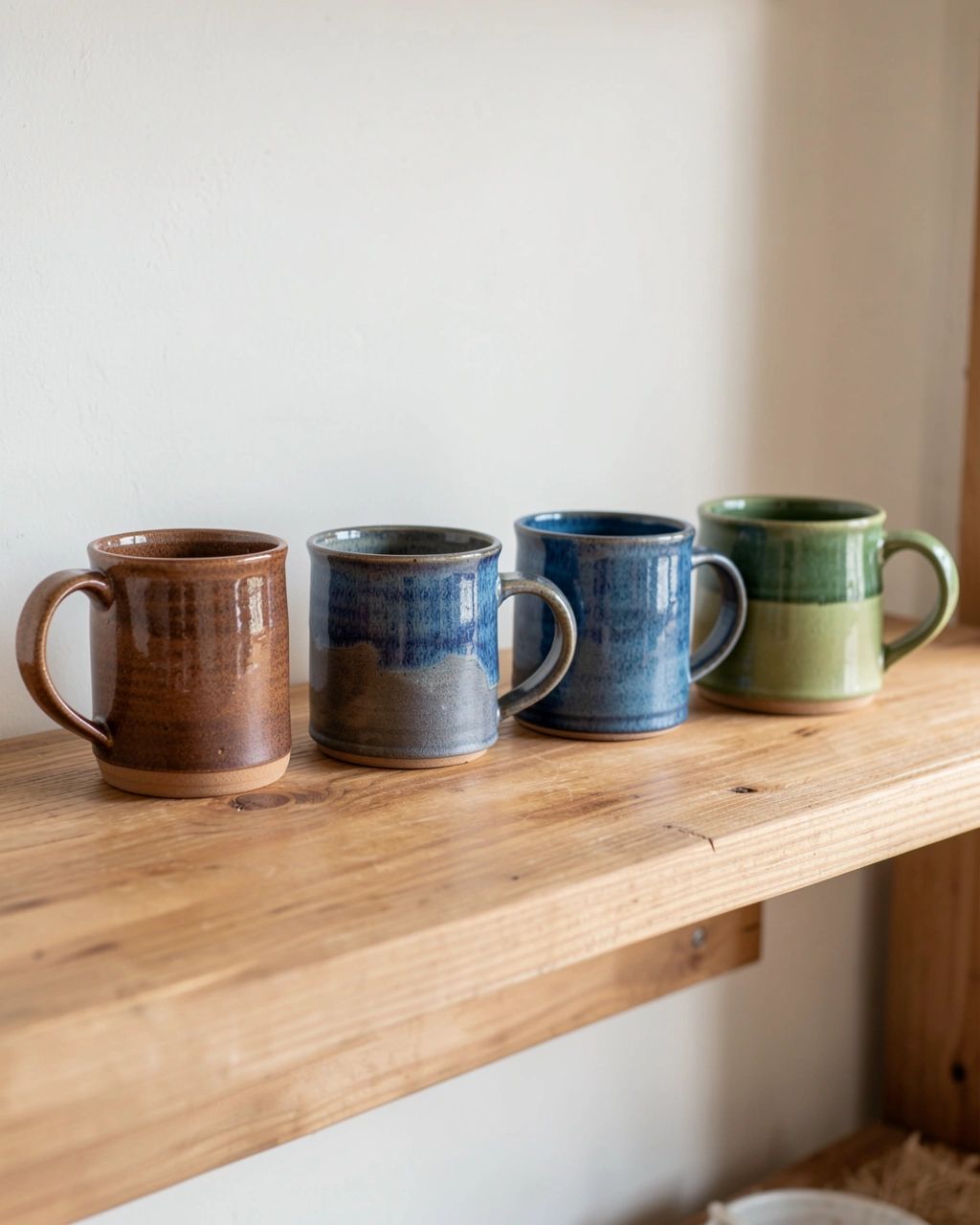
Mismatched but friendly, no chips or cracks
$12
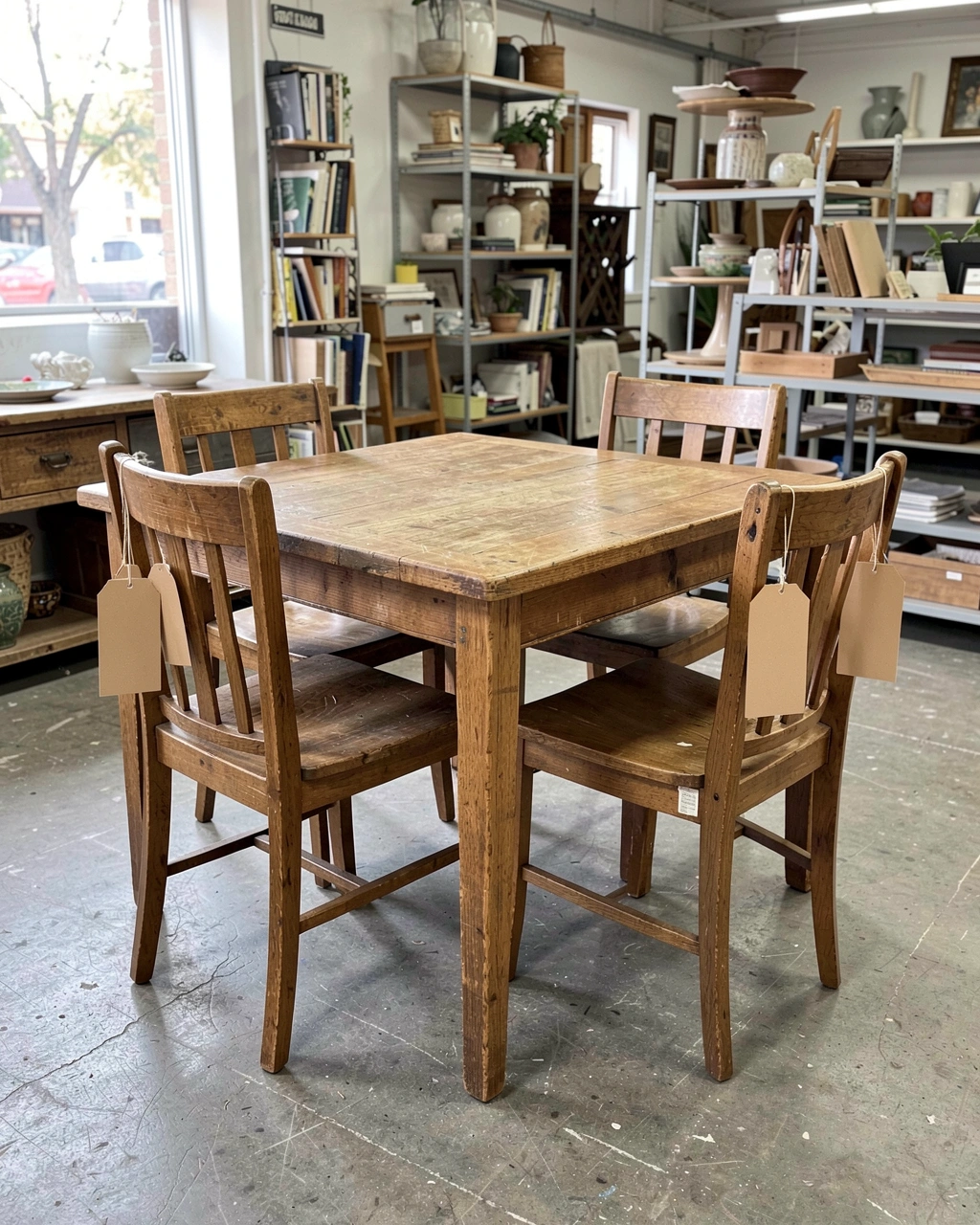
Tables, chests and chairs change daily, collection only
Price on enquiry
EnquireCheckout adds postage for anything we send. Clothes that do not fit can be exchanged in the shop within 7 days, and furniture is collected from the back door.
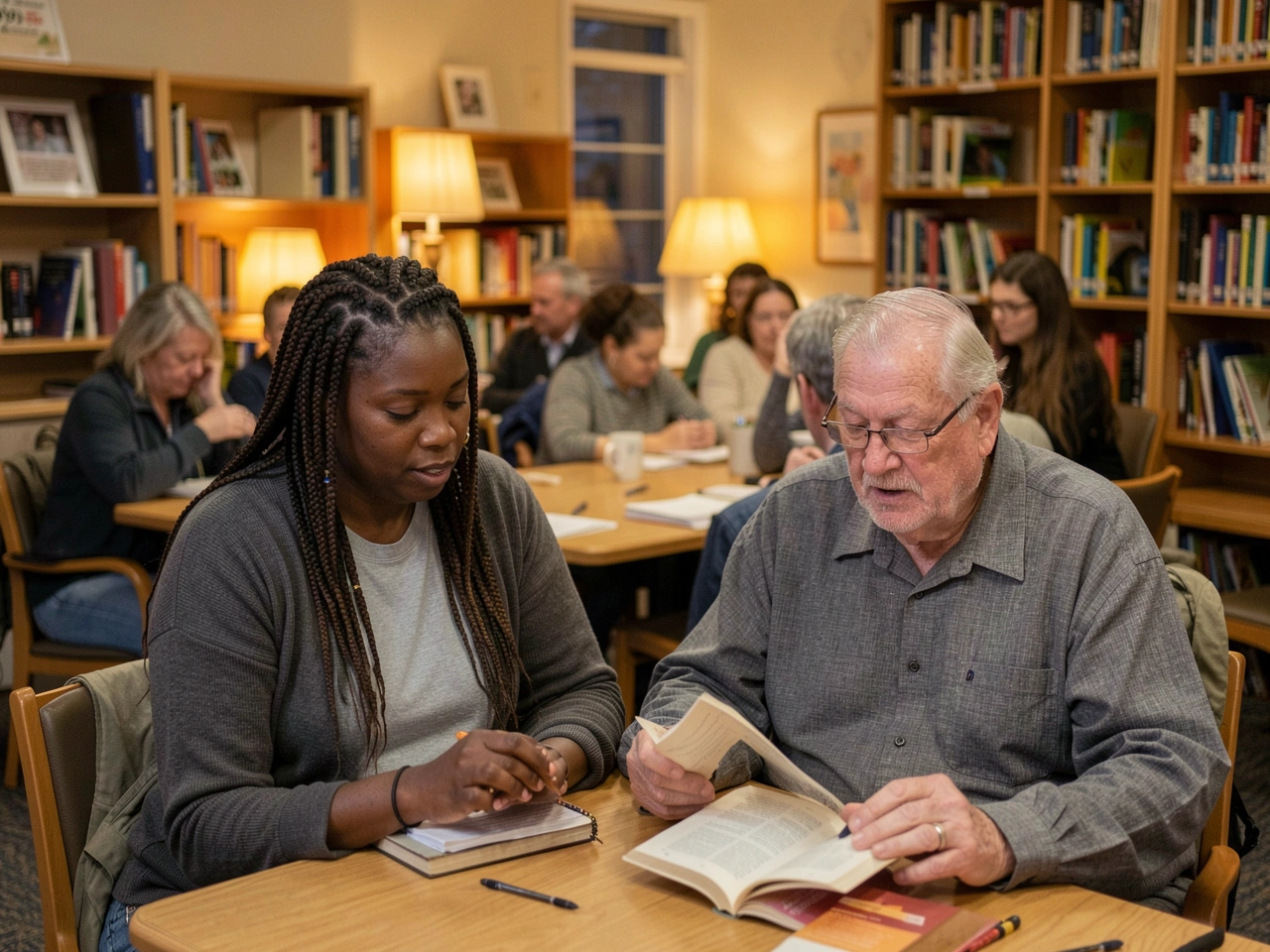
Second Chapter Thrift is run by the Open Shelf Literacy Fund, a charity that holds evening reading classes for adults and buys books for school libraries in the district. Sales pay for the shop first: the rent, the manager's wage, two part time wages, electricity and the van.
Whatever is left at the end of each month is paid into the fund. Its yearly accounts sit in a folder by the till, and anyone who asks can read them.
Everything we sell arrives as a donation, and whatever we cannot sell costs the fund money to dispose of. This list saves you a wasted trip.
| Item | Gladly taken | Please keep at home |
|---|---|---|
| Clothes and shoes | Clean and wearable, bagged, shoes tied in pairs | Wet, stained or torn clothing |
| Books | Paperbacks, hardbacks, cookbooks and children's books | Damp books, old textbooks and directories |
| Homeware | Crockery, glassware, pans, linen, pictures and lamps | Chipped glass, loose knives and opened toiletries |
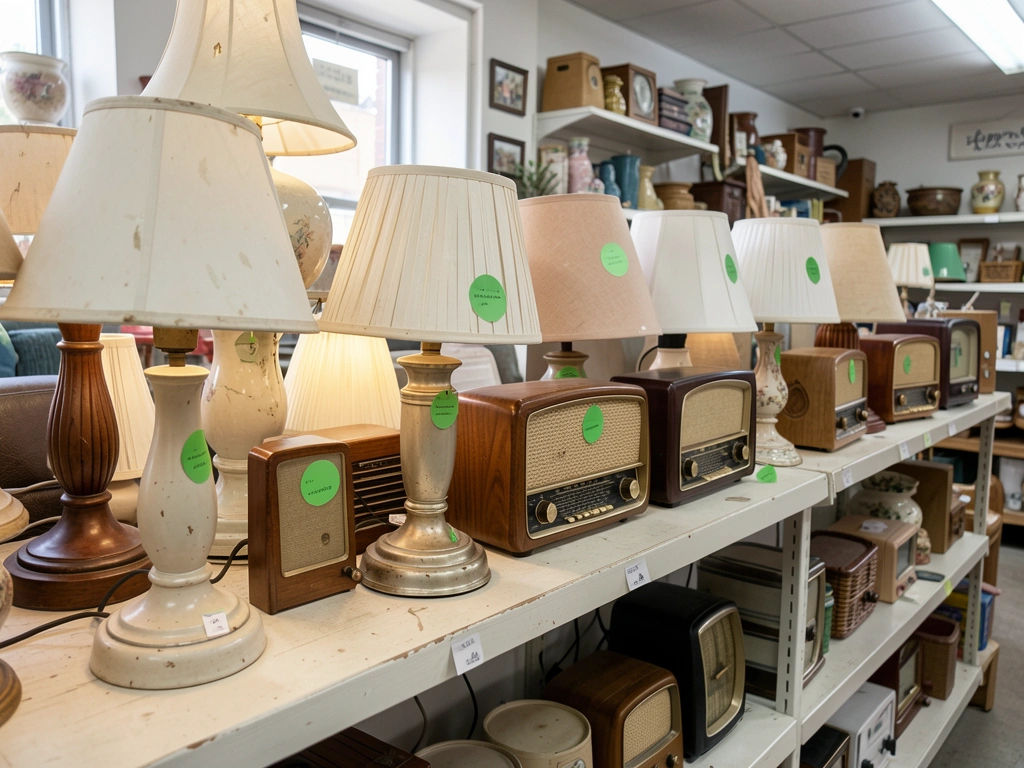
| Electrical goods | Working lamps, kettles, radios and small appliances, all tested before sale | Anything with a cut or bare cable |
| Furniture | Small pieces you can carry; ask before bringing anything larger | Mattresses, and upholstery without the fire labels the law asks for |
| Children's safety items | Toys with all their parts | Car seats, cycle helmets and cot mattresses, which cannot be checked safely |
Rules on reselling secondhand electrical goods and upholstered furniture vary by country, and the shop follows the ones that apply where it trades.
Most donations are on sale within a week of arriving.
Bring bags and boxes to the back door during opening hours, or book the van for a larger load.
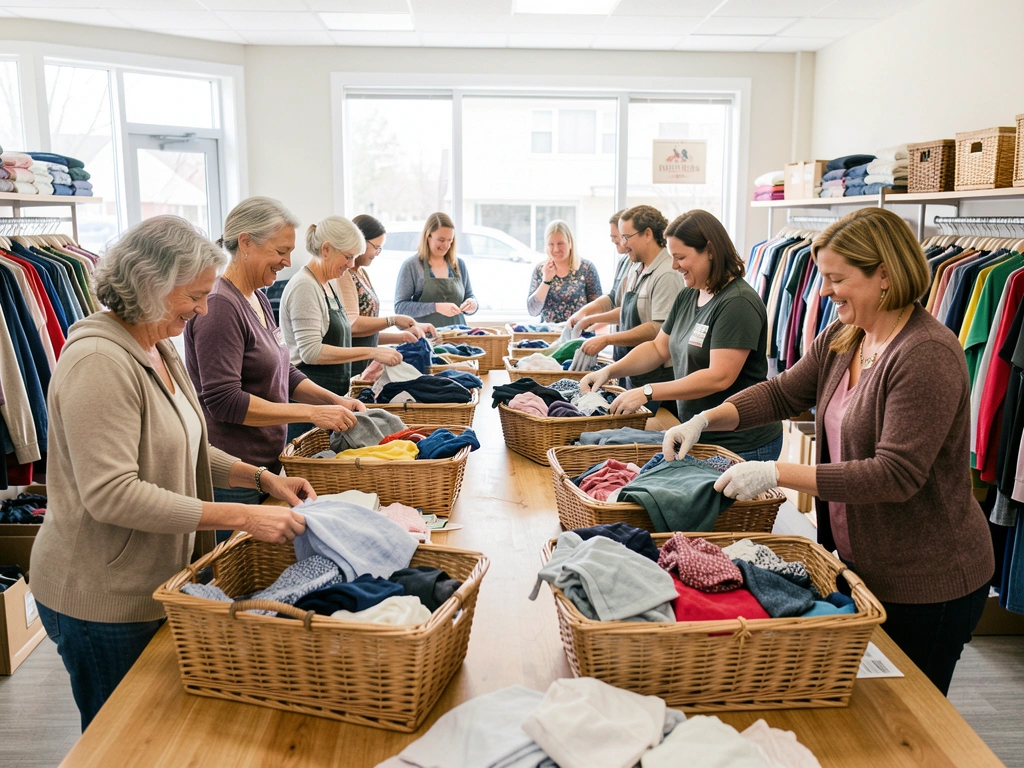
Volunteers sort everything the same week, by type, size and season.
Electrical items are tested by a qualified person, then every piece is priced and tagged.
Good pieces go on sale, and worn textiles go to a recycler instead of the bin.
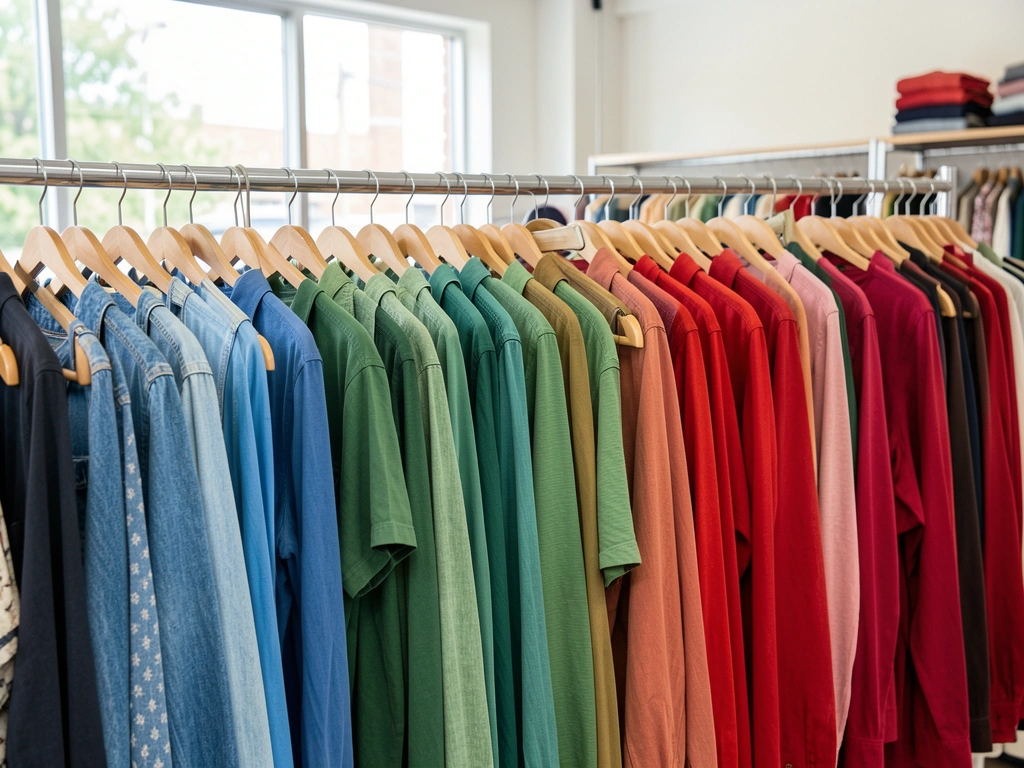
Rails sorted by colour, a wall of books and shelves of homeware that change every morning.

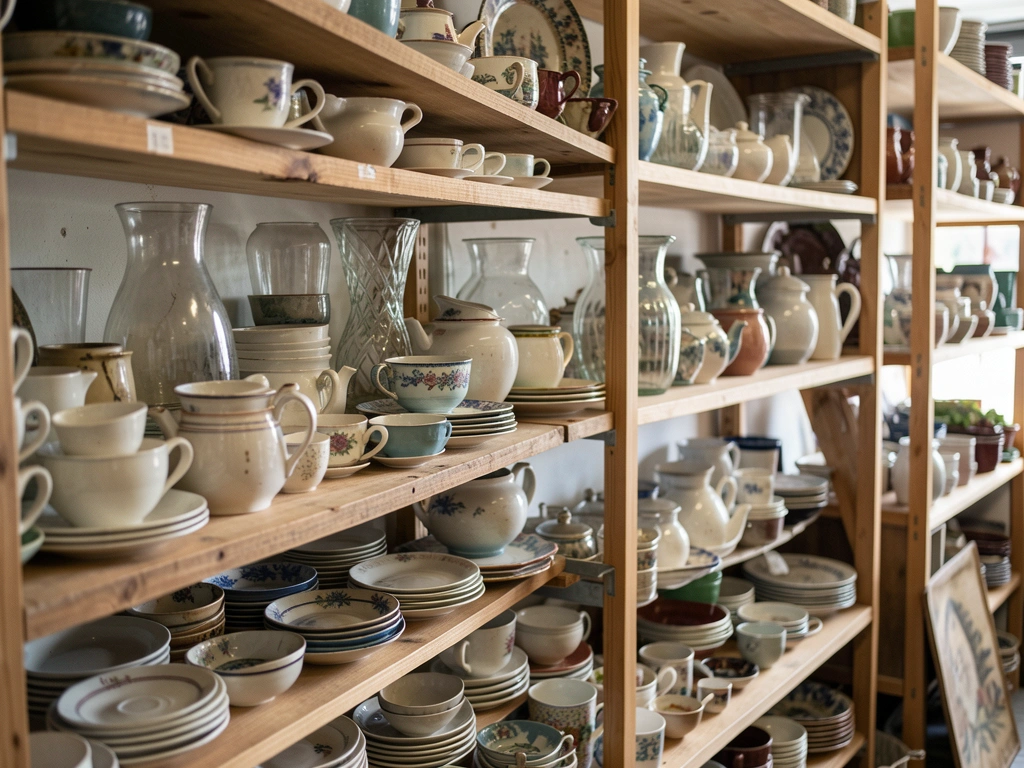
A wool coat in perfect order for less than a lunch out, and the money ends up paying for reading classes. Hard to beat.
Dropped off three boxes on a Saturday morning. The volunteer explained what could not be taken and why, kindly and without any fuss.
Ordered a paperback bundle for a long train trip. Five good crime novels arrived, and not one had a cracked spine.
Yes. Lamps, kettles, radios and other appliances are checked by a qualified person before they reach the shelf, and anything that fails goes for recycling. Rules on selling secondhand electrical goods differ between countries, and the shop follows the local ones.
Sales first cover the rent, wages, electricity and the van. What remains each month is paid to the Open Shelf Literacy Fund, which runs evening reading classes for adults and buys books for school libraries nearby.
The shop belongs to the Open Shelf Literacy Fund. How charities are registered, and what they must publish, depends on the country, and the fund's own details are printed in the accounts folder at the till.
Yes, within the town on Tuesday and Thursday mornings, in the shop van. Describe the items in the form below, and we confirm a day or explain why something cannot be taken.
Clothes and shoes can be exchanged within 7 days with the receipt. An electrical item that develops a fault within 30 days is refunded.
Always, for sorting, steaming, the till and the book wall. Even three hours a week helps the shop open on time, so mention it in the form and we arrange a first shift.
Ask whether a piece of furniture is still on the shop floor, book the van for a large donation, or offer a few hours as a volunteer. Describe things in words, with rough sizes for anything bulky, and we reply within two working days.
The shop faces the high street next to the bus stop, and donations go round the side to the back door.
On the high street beside the bus stop, with donations taken at the back door
| Monday to Saturday | 9:30 to 17:30 |
| Sunday | 11:00 to 15:00 |
| Donations taken | Until 16:00 each day |
Sorting, steaming, pricing and the till are all done by volunteers working alongside the manager. Shifts last three hours, and no experience is needed.
This thrift store website was built by AI from two sentences. Tell us about your business and yours is built the same way, with its pages, photos and booking in place, ready to preview in minutes.
About this sample page
Second Chapter Thrift is a made up charity shop whose page shows how a thrift business can sell secondhand stock and take donations on AI Web Maker. Swing tags sway on a rail in the opening view, and picked clothes, books and homeware follow with a size, a shelf or an age to choose on each card. Furniture changes daily, so instead of a price its card holds an Enquire button for the shop's form. A dark section explains that rent and wages are paid first and the rest goes to a literacy fund. The page then covers which donations are taken, how they reach the rail and what shoppers and donors ask most often.
Thrift shops that start on AI Web Maker describe their stock and their cause, and the builder turns that into a shop, sections for donations and an enquiry form. Visitors choose a size or a genre, put finds in the bag and see postage added at checkout, where a discount code can mark a sale week. From launch the site is hosted for $19 a month or $119 for the year, and its domain is a purchase of its own. The sample page goes through each section of this example in more depth. A shop with several branches could give each one a page and keep the same plain account of where the money goes.