Baby naming
A blessing for a new baby during a Shabbat service, with the family called up and a kiddush afterwards if they wish.
Start byCalling the office
Beth Shalom Community Synagogue holds services on Friday evening, Saturday morning and two weekday mornings, keeps the festivals of the Jewish year together and teaches Hebrew to children and adults. Visitors of any background are welcome; let the office know when you would like to come and the welcome team will look out for you.
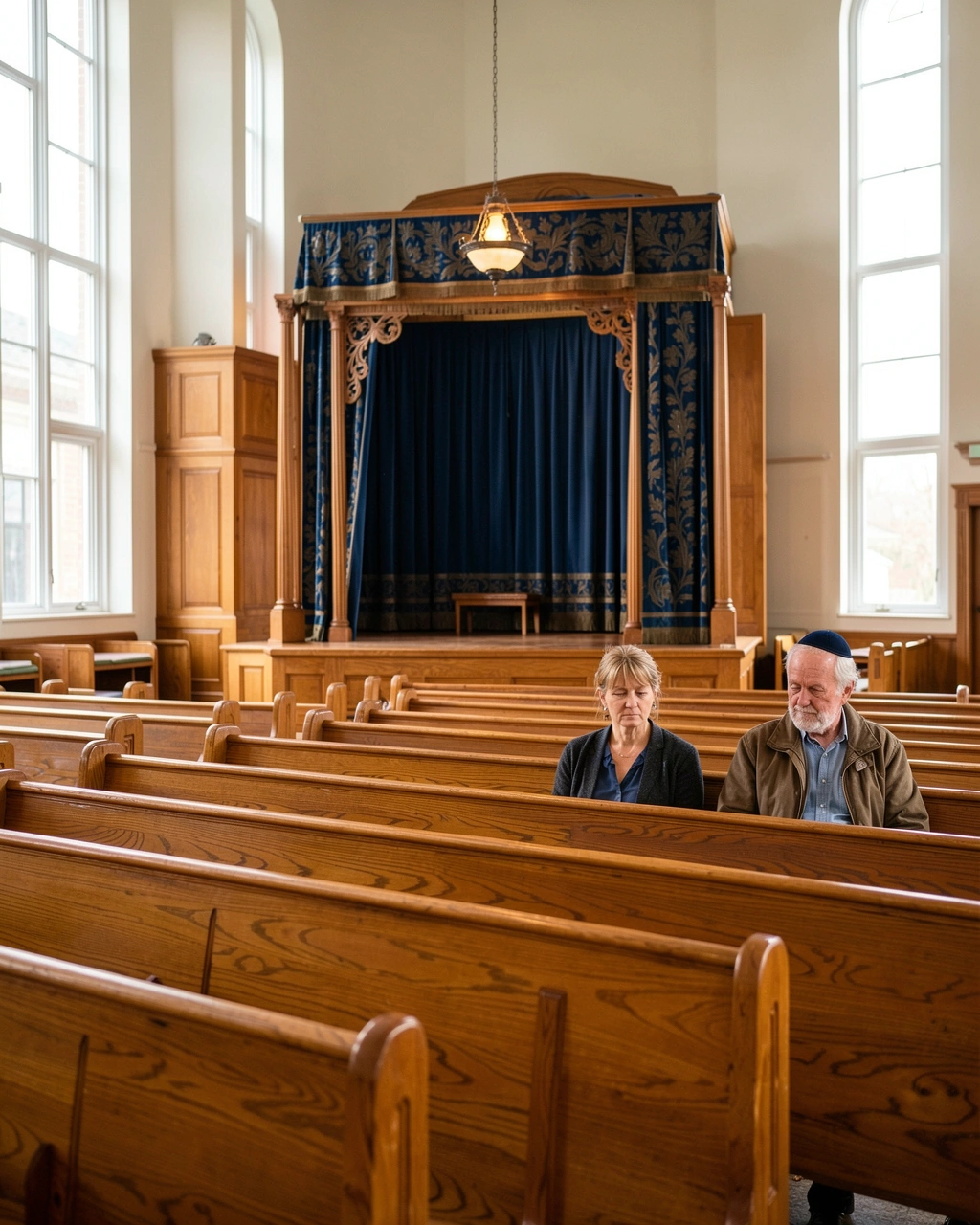
The times below show the shape of the week and are not this week's times. Shabbat begins at sunset on Friday and ends after nightfall on Saturday, so the Friday and Saturday evening times move every week and shift by hours between winter and summer. Please check the sheet for the current week, pinned in the entrance and handed out at the Saturday kiddush, before you set off.
| Service | Day | Example time |
|---|---|---|
| Candle lighting | Friday | 15:58 |
| Friday evening service, Kabbalat Shabbat | Friday | 16:10 |
| Shabbat morning service | Saturday | 09:30 |
| Children's service | Saturday | 10:45 |
| Kiddush in the hall | Saturday, after the service | About 12:15 |
| Havdalah, as Shabbat ends | Saturday | 17:08 |
| Weekday morning service | Monday and Thursday | 07:15 |
| Sunday morning service | Sunday | 08:30 |
Festival services follow their own timetable, which goes on the weekly sheet two weeks ahead. On a summer Friday the evening service is held earlier than sunset, at a time printed on the sheet.
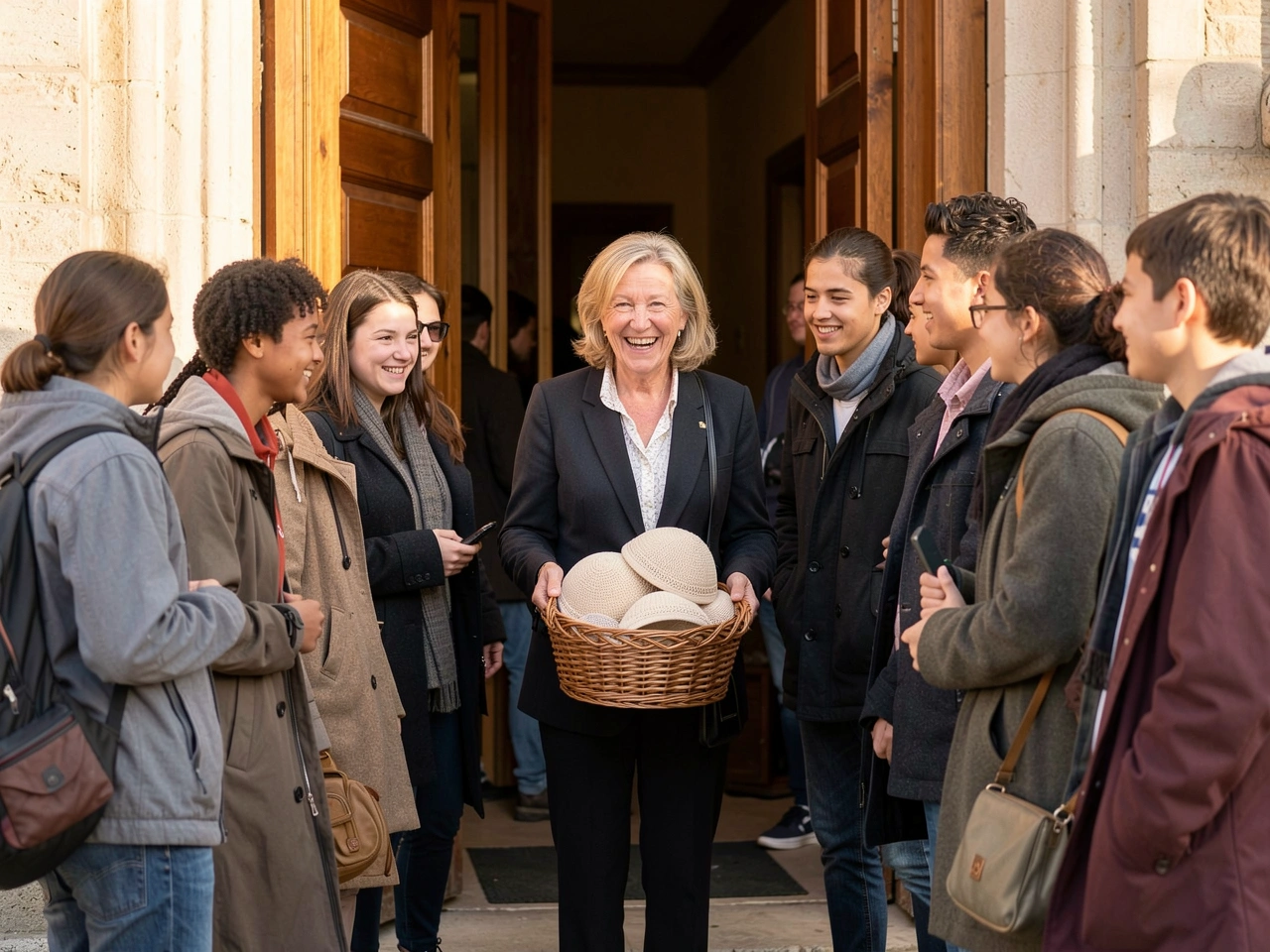
Most people dress as they would for a family occasion, and covering shoulders and knees is appreciated. Men are asked to cover their heads in the sanctuary, and plain kippot wait in a basket by the door for anyone who would like one. Shoes stay on. A prayer book with a translation beside the Hebrew is handed to you at the entrance, and the page numbers are called out as the service goes along, so nobody needs to follow every word.
On Shabbat and festivals phones stay switched off and no photographs are taken, which is a tradition of those days rather than a rule for visitors alone. On weekdays, ask the welcome team before taking any pictures inside. Please send the form below before your first visit so someone can meet you at the door; for questions about security arrangements, please speak to the welcome team.
The rabbi and the office help families plan each occasion in good time. Every family is different, so the first step is always a conversation.
A blessing for a new baby during a Shabbat service, with the family called up and a kiddush afterwards if they wish.
About a year of preparation in a small class and with a tutor, leading up to the young person's part in a Shabbat service.
A ceremony under the chuppah in the sanctuary or the garden, prepared with the rabbi over several meetings.
Names read on the anniversary of a death, and a memorial plaque in the corridor if the family would like one.
Help arranging the funeral quickly, and volunteers who bring meals and lead prayers at home during the week of mourning.
Conversations with the rabbi for anyone exploring Jewish life, joining a Jewish family or returning after years away.
A religious wedding is not always a legal marriage as well; marriage law varies by country, and couples confirm with their registrar what the law where they live requires.
Classes run in term time. Groups stay small, and adult courses are open to members and neighbours alike.
Reading Hebrew, the festivals, stories and songs for ages 5 to 12, in classes by age.
A weekly group for ages 11 to 13 on the meaning of the day, alongside individual tutoring.
An adult class in reading the prayer book, starting with the alphabet and the vowel signs.
An informal look at the week's reading over coffee, after the Saturday kiddush.
Songs, stories and challah for children under five with their grown ups.
Ten evenings on the year, the home and the synagogue, with time for every question.
Hebrew school asks $30 a month for each child and adult courses $6 a session towards costs; nobody is kept away by cost, and a word with the office is enough. Teachers and tutors who work with children are vetted as the law in this country asks.
Members have first choice of dates, and the rooms are also hired to neighbours for gatherings in keeping with the synagogue.
a day, from$480
For a kiddush after a bar or bat mitzvah, an engagement party or a family celebration.
an afternoon, from$220
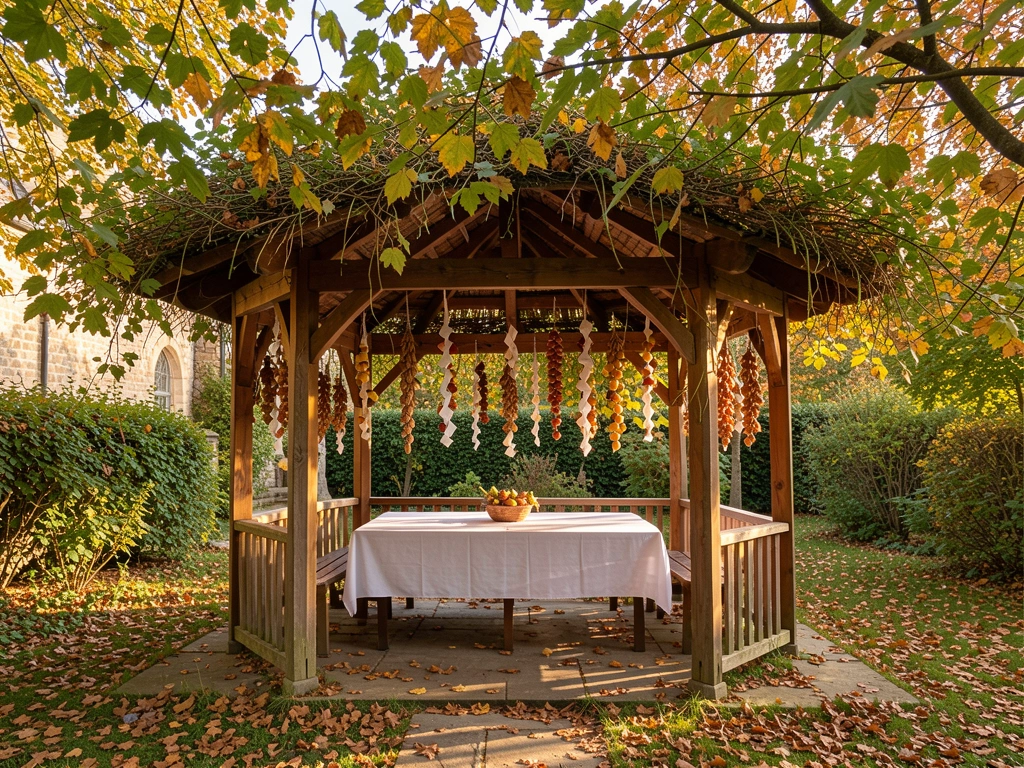
A walled lawn for a summer gathering, with the sukkah standing in it during the autumn festival.
an hour, from$25
A quiet room for a study group, a committee or a family meeting before a wedding.
The kitchen is kept kosher, so food for events is prepared there or brought by a caterer the office can suggest. Rooms are not hired out for parties on Shabbat or on festival days.
The festivals bring the whole community together, and many of the gatherings welcome neighbours too.
Festival dates follow the Hebrew calendar, which keeps time by the moon and adds a leap month some years, so each festival lands on a different civil date every year. Seats for Rosh Hashanah and Yom Kippur are arranged through the office in late summer, and visitors who would like to come are asked to get in touch first.
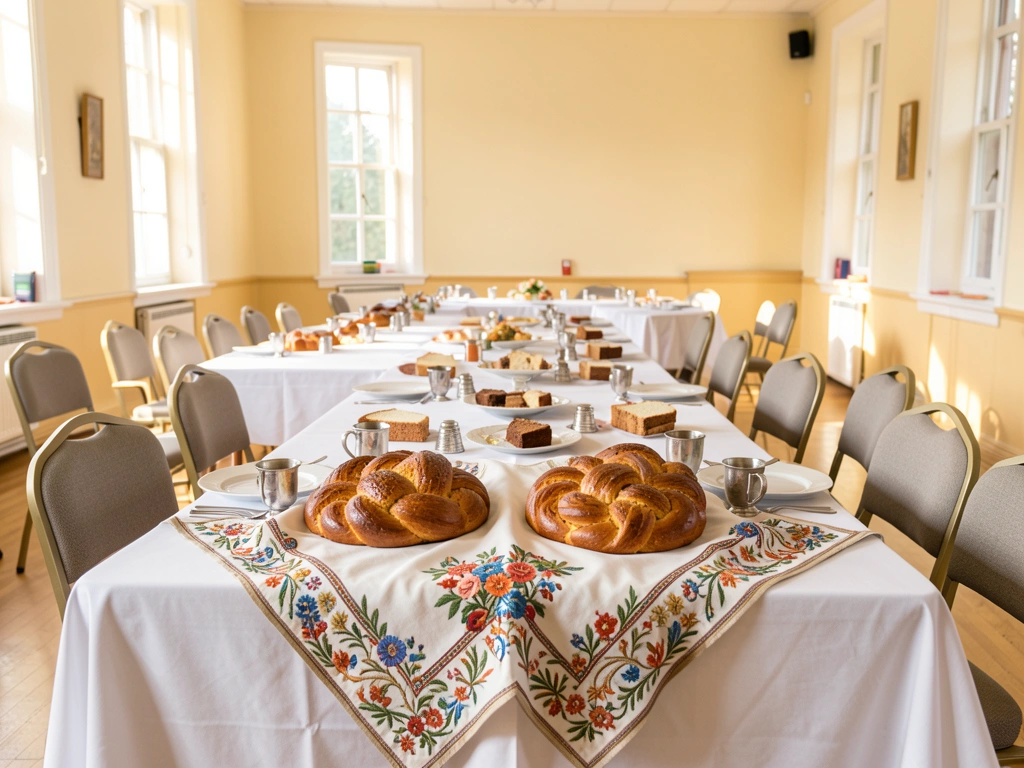
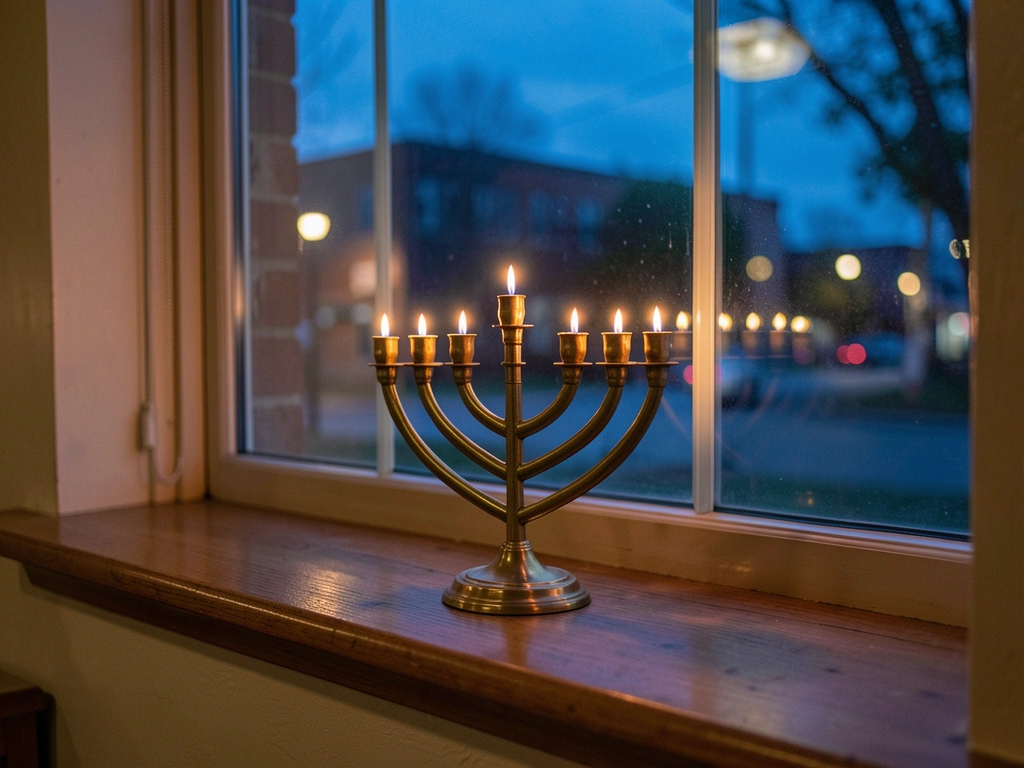
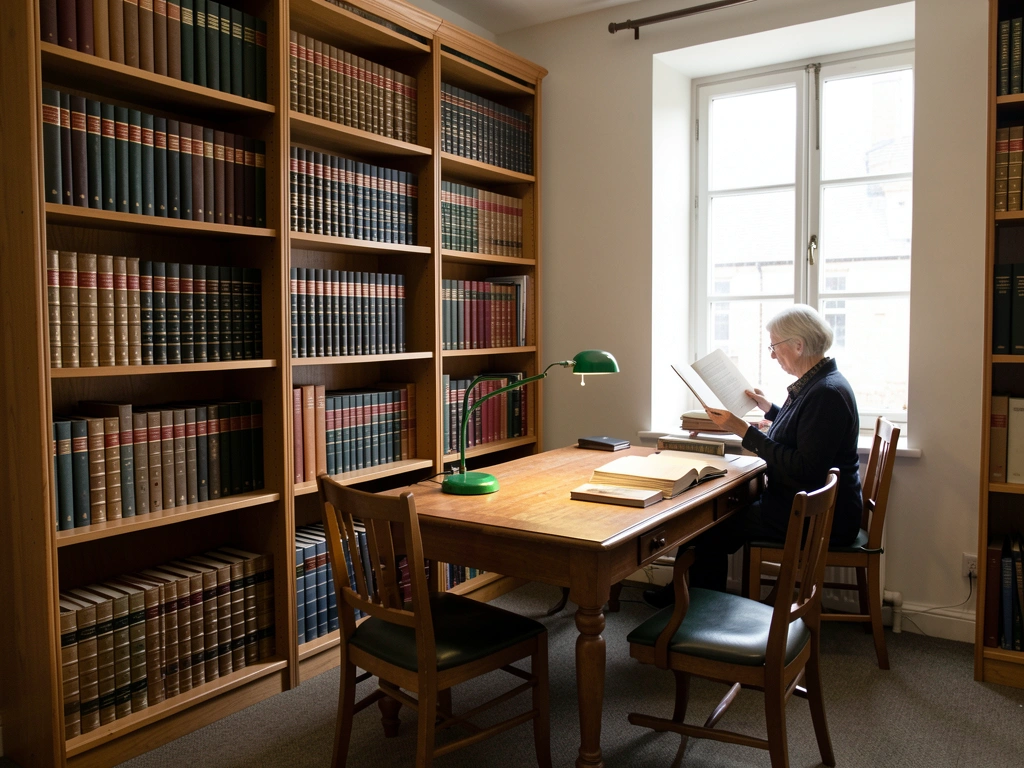
Pictures taken on weekdays, when no service was running.
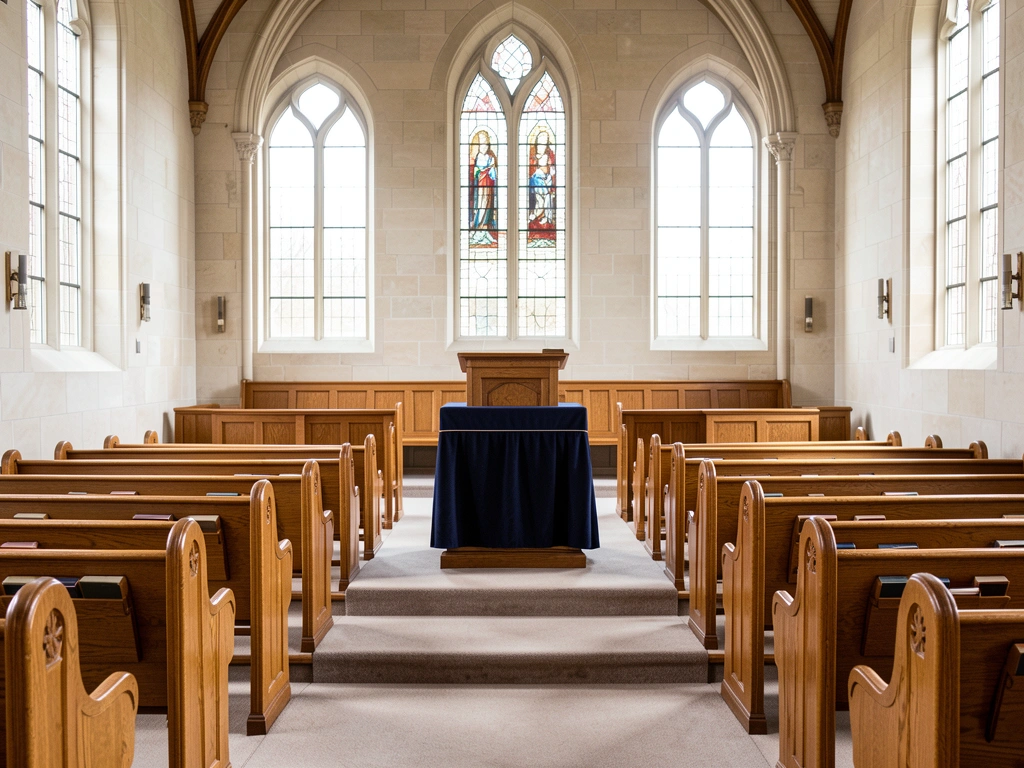

Thirty two pupils came for a religious studies visit. The guide opened the ark, explained the scroll and the reading desk, and took every question, even the awkward ones.
A first Friday evening after moving to the area, with a seat found, the page numbers whispered across and an invitation to the Saturday kiddush before the end of the service.
The bar mitzvah year was calm from start to finish. The tutor knew when to push and when to slow down, and the office answered every question about the hall within a day.
No. People of every faith and none are welcome, whether alone, with friends or as a group. Please send the form or call before your first visit so the welcome team knows to expect you.
Clothes you would wear to a family occasion, with shoulders and knees covered. Men are asked to cover their heads in the sanctuary, and kippot can be borrowed at the door. Shoes stay on.
Not on Shabbat or festivals, when phones and cameras are put away by tradition. On weekdays, ask the welcome team first, and please never photograph children without their parents' agreement.
Shabbat starts at sunset on Friday and ends after nightfall on Saturday, and sunset moves through the year. The weekly sheet in the entrance gives the exact times for the coming Shabbat.
Call the office about two years ahead to choose a Shabbat. Preparation starts about a year before, with the weekly class and a tutor, and the rabbi meets the family along the way.
By members' yearly contributions and by donations. Contributions are set so that nobody is kept away by cost, and the accounts are presented at the yearly members' meeting. Nobody is asked to give in order to attend, visit or learn.
Give a date, a rough head count and the reason for getting in touch. The office replies within three working days to confirm, suggest another date, or explain when a day falls on a festival.
The office answers the phone in its hours and reads emails every weekday.
A short walk from the high street, beside the public gardens, with cycle racks at the side gate
| Office, Monday to Thursday | 09:30 to 15:30 |
| Office, Friday | 09:30 to 12:30 |
| Shabbat and festivals | Services only, office closed |
| Sunday | Hebrew school, 09:30 to 12:30 |
Beth Shalom runs on members' yearly contributions and on donations from people who care for it. Gifts can be made through the office, and the accounts are presented every year at the members' meeting for anyone to question.
This synagogue website was built by AI from two sentences. Tell us about your business and yours is built the same way, with its pages, photos and booking in place, ready to preview in minutes.
About this sample page
Beth Shalom Community Synagogue exists only on this page, imagined so that congregations can see a finished example. Its opening view pairs an arched sanctuary photo with a small clock whose hands settle on a winter Shabbat's start. An example week of services follows, clearly labelled, with readers sent to the sheet in the entrance for the real times. Guidance for first visits, life cycle events, classes, rooms and the festivals of the year come next, each kept short and clear. At the foot sit a request form and a single quiet note about how the synagogue is supported.
Any synagogue can do the same by writing a short account of its week, its classes and its rooms and handing it to the builder. What comes back is a first draft with the services table, the notes for guests and a form that passes every enquiry to the office. The office then confirms a request, offers a different date or turns it down, and hall fees are settled with the synagogue itself. Once the site is public, hosting costs $119 a year and the domain is paid for on its own. Committees planning their own pages will find each section explained further down.