Pre event
from$45
- Light, brisk work, nothing deep
- Legs, back or shoulders, as needed
- Nothing new close to the day
Recovery Room is a sports massage practice for runners, players and anyone in the middle of a training block. Sessions are planned around events and hard weeks, pressure is agreed as we go, and we are plain about the fact that massage is not medical treatment.
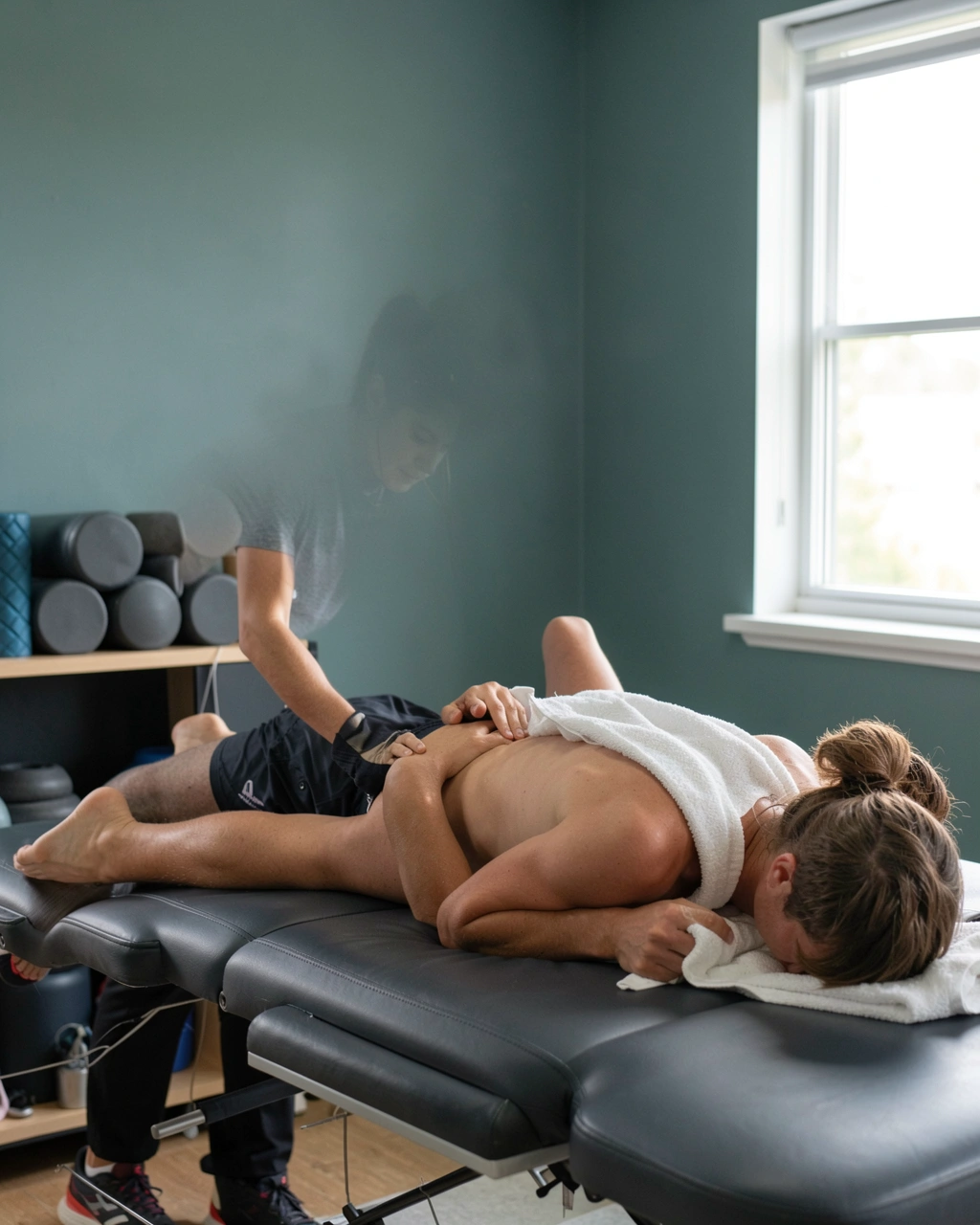
Every session starts with a few minutes on your training and how your body feels today. Choose by when your event falls as much as by length.
from$45
from$60
from$75
from$95
Prices are per session and paid at the appointment. Moving or cancelling needs a day's warning; later than that, the full fee is charged.
Timing matters more than pressure. This is how the practice usually fits massage around a training week or an event; your own plan may differ.
| When | Session | Why then |
|---|---|---|
| A lighter training week | 60 minutes, moderate | Time for the legs to settle before the next hard block |
| Two to three days before an event | 30 minutes, light | Loosening up without leaving anything tender on the day |
| Event day | None here | New sensations on the day are best avoided |
| Two or more days after | 45 minutes, gentle | Pressure stays light while the body is still recovering |
| After an injury or illness | Ask first | See a doctor or a physiotherapist before booking |
These are the practice's own habits, not medical advice. If your coach, doctor or physiotherapist suggests something different, their advice comes first.
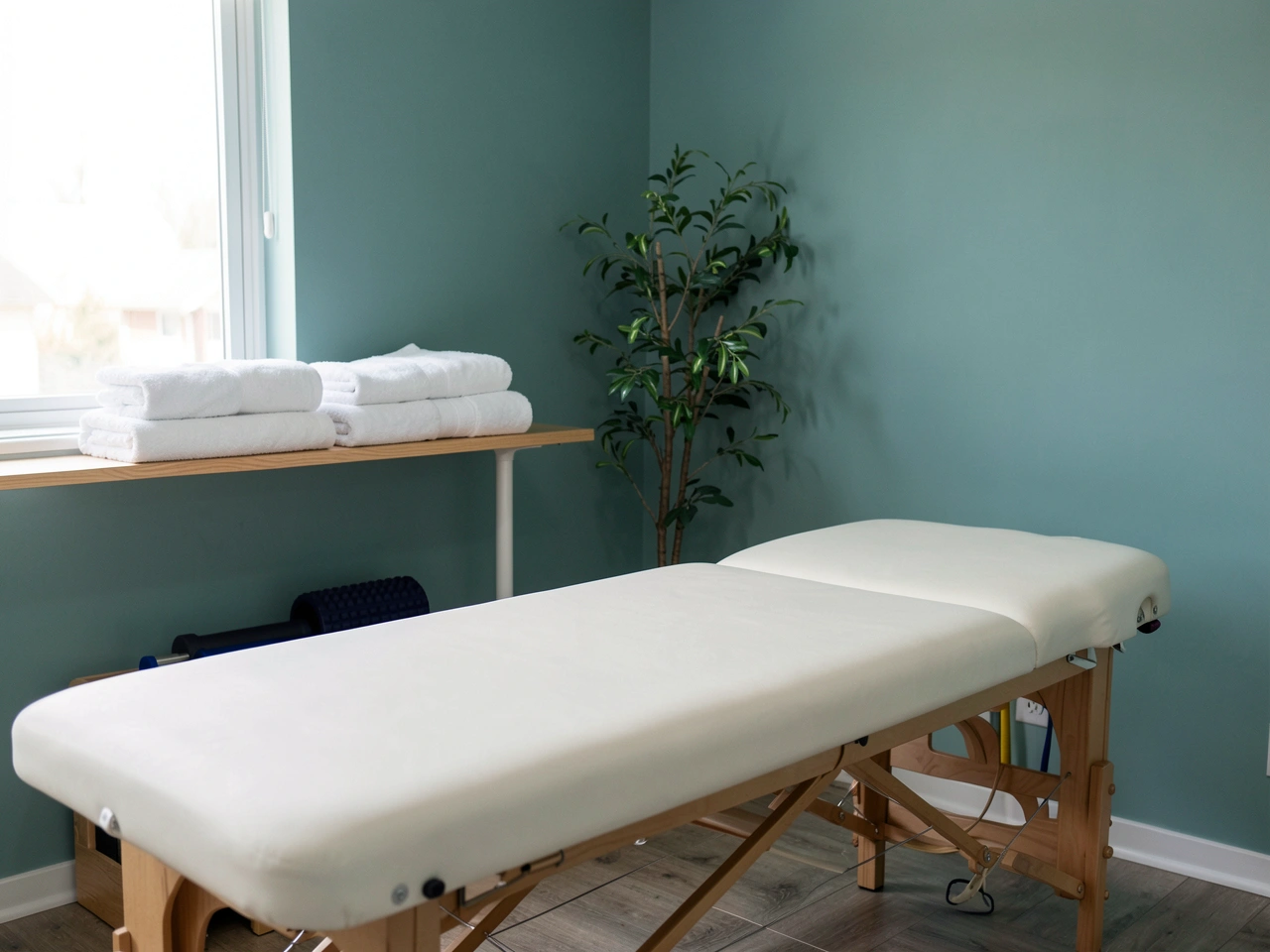
We work on muscles and soft tissue to help you feel looser and more comfortable in training. We do not diagnose injuries, treat medical conditions or stand in for a doctor or a physiotherapist, and we will tell you if what you describe needs one.
Please see a doctor instead of booking, or before your session, if any of the signs below apply. For chest pain, a collapse or sudden breathlessness, skip the doctor's queue and phone your local emergency number at once.
Most clients are training for something. Some are simply very active, and a few sit at a desk all week between weekend games.
From a first 10k to a long marathon build, usually calves, hamstrings, hips and the lower back.
Football, rugby, netball and hockey players between matches and through a long season.
Long hours in one position, so time on the hips, the back and the fronts of the thighs.
Heavy training weeks, most often the shoulders, the upper back and the hips.
Forearms, shoulders, calves and feet, worked around rehearsals and climbing days.
Stiff backs and necks from the working week, eased before a weekend of sport.
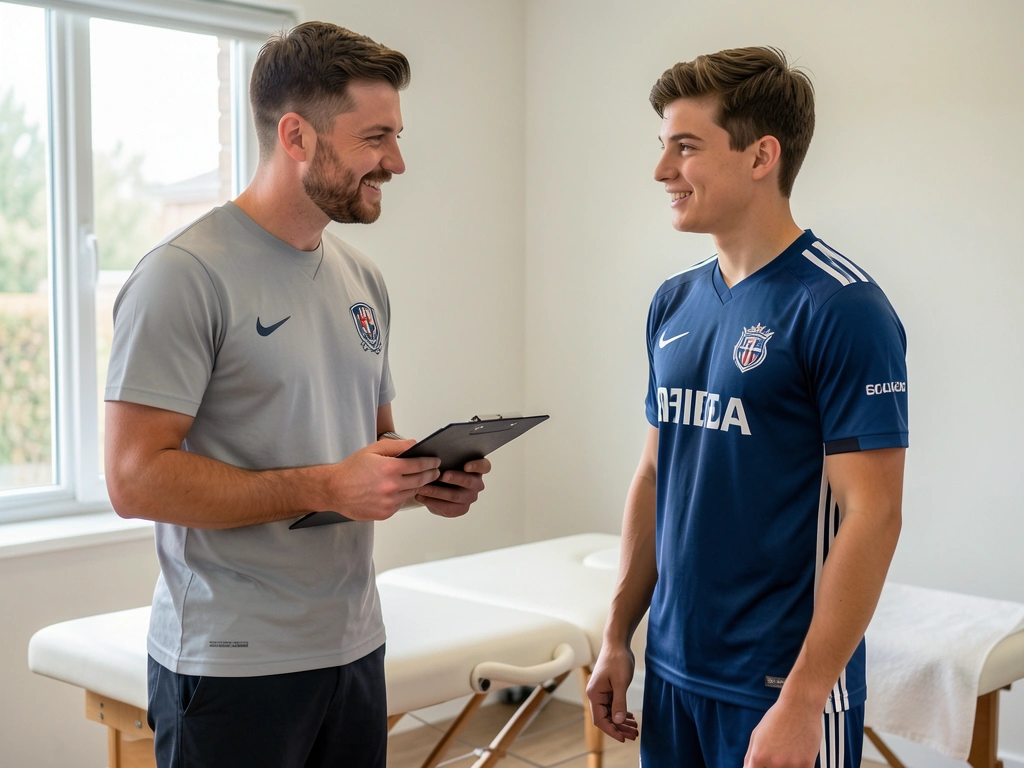
A first appointment takes the same time as any other; the questions simply come first.
A short form in words about your training, recent injuries, conditions, medication and anything your doctor has said.
Where you feel tight, what is coming up in your training and how much pressure you like.
Pressure agreed and checked as we go. Say stop at any moment and the therapist stops.
Water, an easy day if you can manage one, and a note on when to book next around your plan.
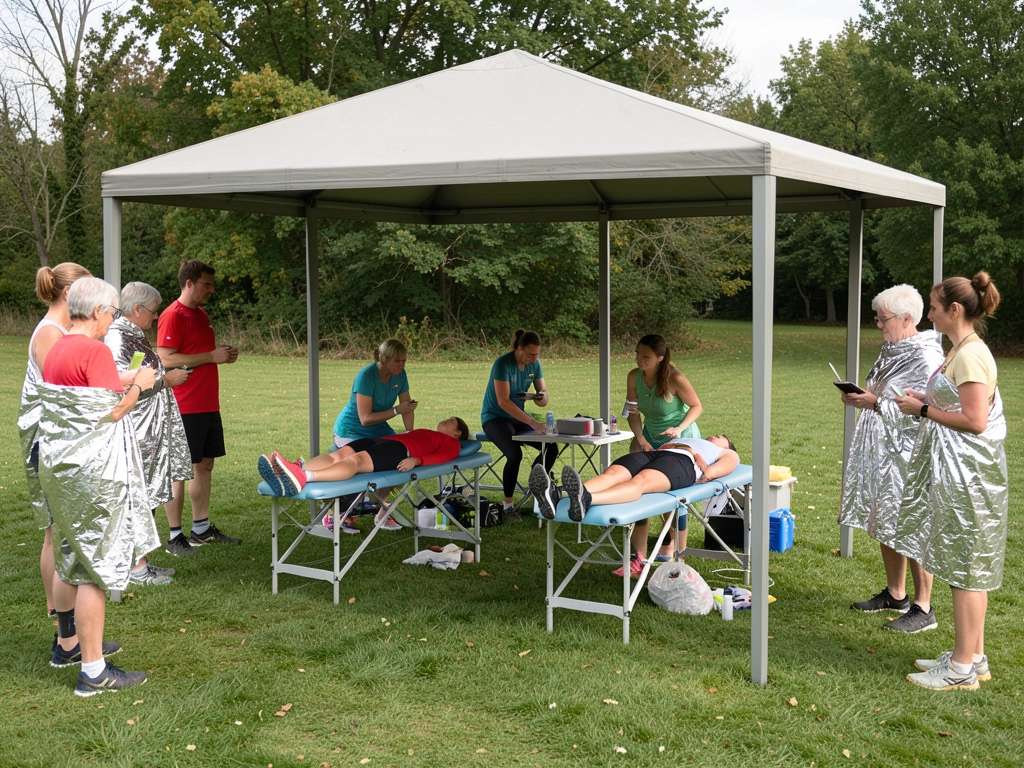
Most work happens in one quiet room near the station. Now and then the tables travel to a club night or a local run.
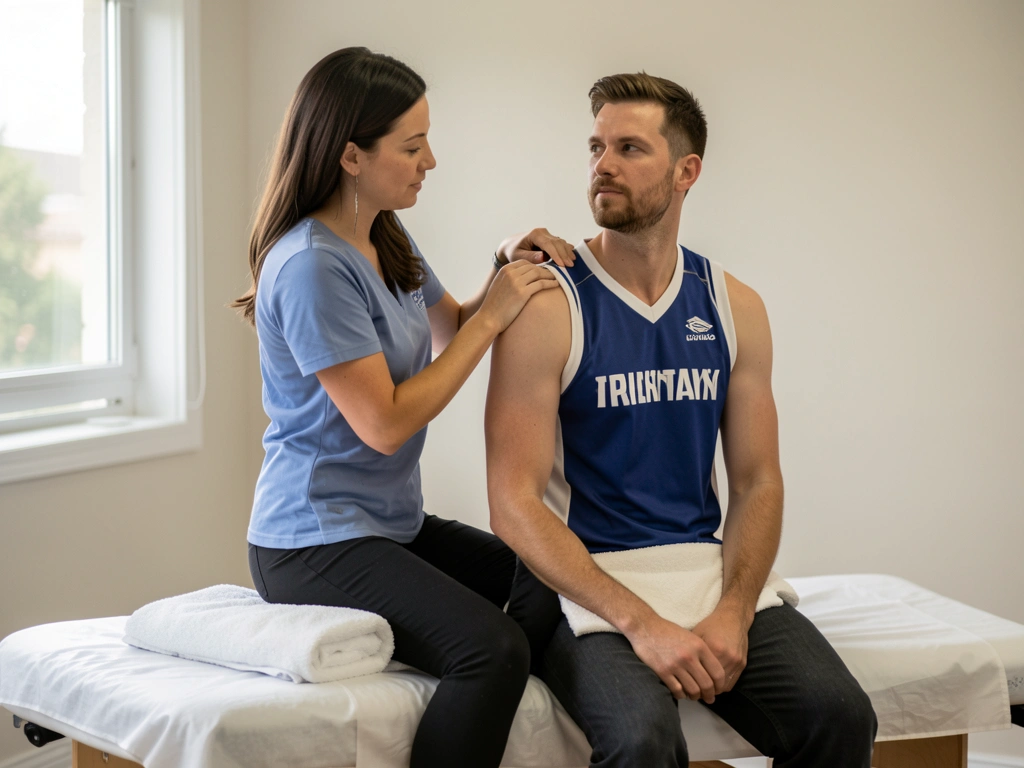
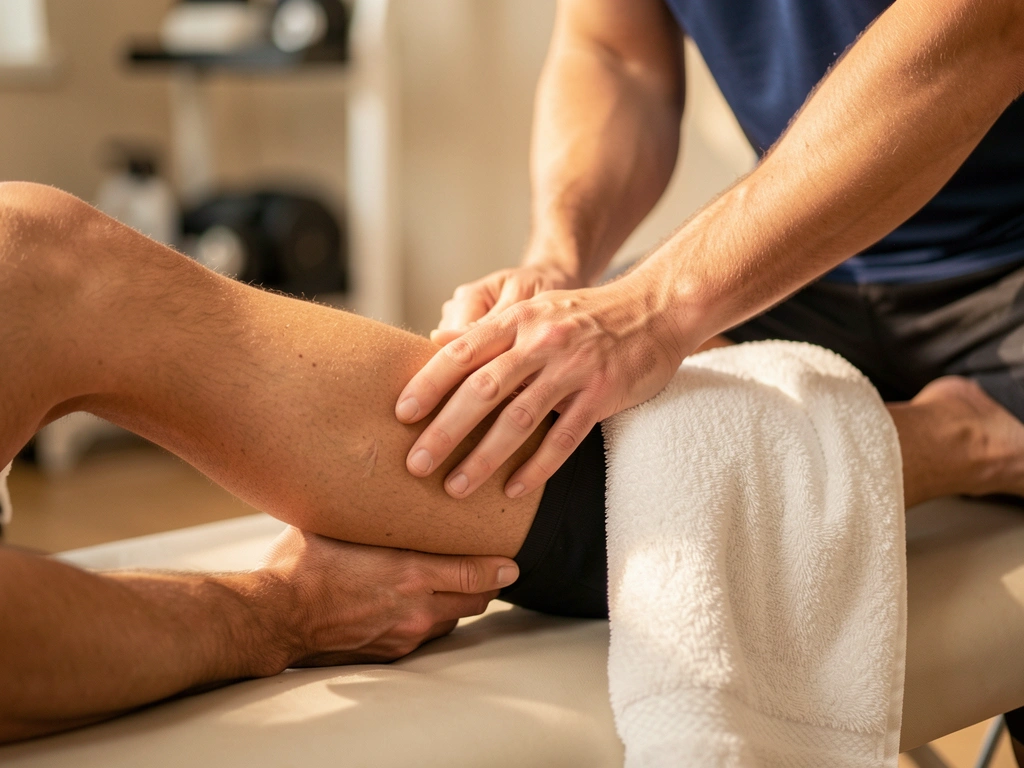
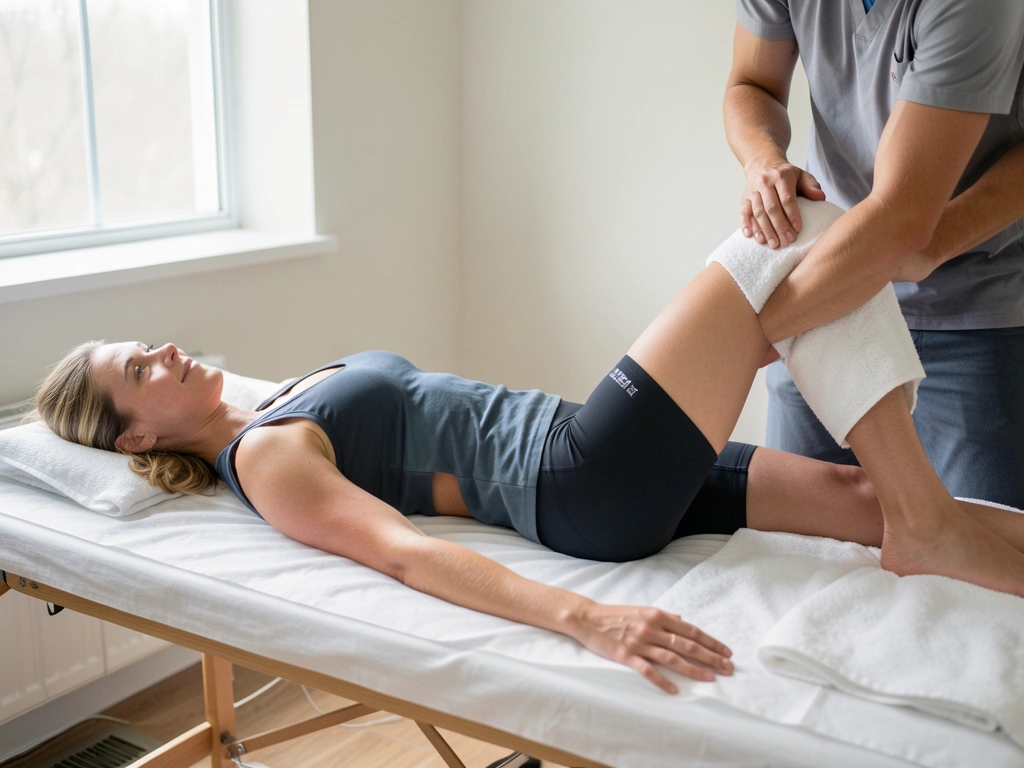
Booked into the easy week of a marathon block, every three weeks. Pressure was checked constantly, and no session ever left the legs sore for the long run.
Mentioned a calf that felt hot and swollen and was sent straight to a doctor instead of onto the table. That honesty is why the whole squad books here now.
Thirty minutes two days before a half marathon, light and quick. Nothing new and nothing sore, exactly as the page described it.
No. It is not medical treatment, and we do not diagnose. If you think you are injured, see a doctor or a physiotherapist first; we are glad to work alongside their advice once they agree massage is suitable.
It can feel firm, but never firmer than you agree to. The therapist checks pressure throughout, and you can ask to ease off or stop at any moment.
Usually two or more days later, with gentle pressure. Straight after a long event, rest, food and fluids come first.
Shorts and a sports top or vest are ideal. Towels cover everything that is not being worked on, and layers can stay on at any time.
Anyone with the warning signs listed on this page, a fever, a recent operation or fracture, or a condition their doctor has not cleared. If in doubt, ask your doctor first.
Send a request with the session, the day and a time. The practice confirms it or offers another slot, and the fee is paid at the appointment. A day's warning is needed to move or cancel.
Pick the session and the day, then say in a line or two what your training holds for the next few weeks. Every request gets an answer the same working day or the next, with a confirmed slot or another suggestion.
Recovery Room is up one flight of stairs near the station, with a shower for clients who come straight from training.
A first floor treatment room near the station, with a shower for clients
| Monday to Friday | 07:00 to 21:00 |
| Saturday | 08:00 to 14:00 |
| Sunday | Closed |
Clubs can book a therapist for a training evening, and organisers of local events can ask about a recovery area at the finish. Send a date and the numbers you expect.
Ask about club bookingsThis sports massage therapist website was built by AI from two sentences. Tell us about your business and yours is built the same way, with its pages, photos and booking in place, ready to preview in minutes.
About this sample page
Nobody has lain on a table at Recovery Room Sports Massage, yet its one page shows how a therapist on AI Web Maker can sell sessions around training. A small bar chart of training weeks sits beside the opening photo, with the massage marked in the lighter week. Four sessions named by timing come next, then a table of when to book around an event. A dark section says massage is not medical treatment and lists the signs that mean a doctor first. Client types, first visit steps, photos and questions complete a page that sells timing and states its limits.
A therapist on AI Web Maker describes sessions and habits, and the builder turns that description into a draft page with a form for booking requests. Requests arrive for the therapist to confirm, move or decline, and clients pay at the appointment, with no share going to the platform. Nothing is billed for drafting or previewing; once the page is public, hosting is billed at $119 yearly or $19 monthly. The notes on the sample page explain why the warning signs sit so high and why sessions are named by timing. A real practice can keep this order and swap the names, prices and photos for its own.
The whole sample website of a sports massage therapist, explained ·