Biology
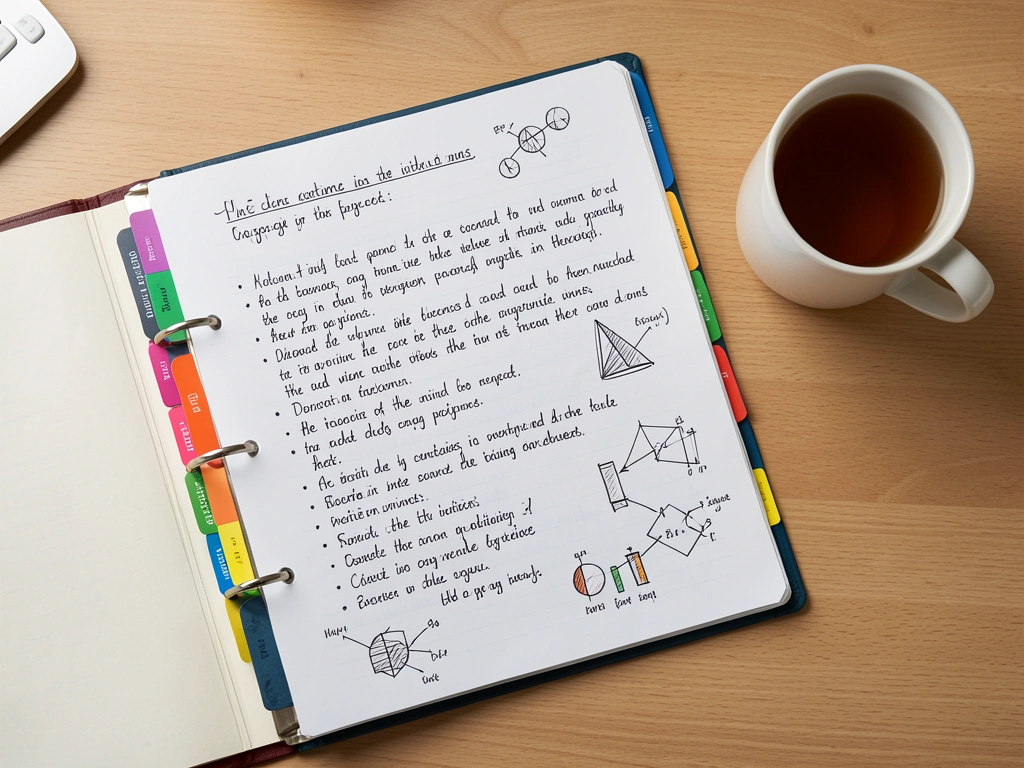
Cells, enzymes, genetic crosses, ecosystems and the human body, with diagrams drawn and labelled by the student rather than copied from a screen.
Per hourfrom $44
One to one biology, chemistry and physics tutoring for students aged 11 to 18, online or in a quiet study room. Esme Adair matches every session to the student's school year and course, and begins by finding the idea that went missing.
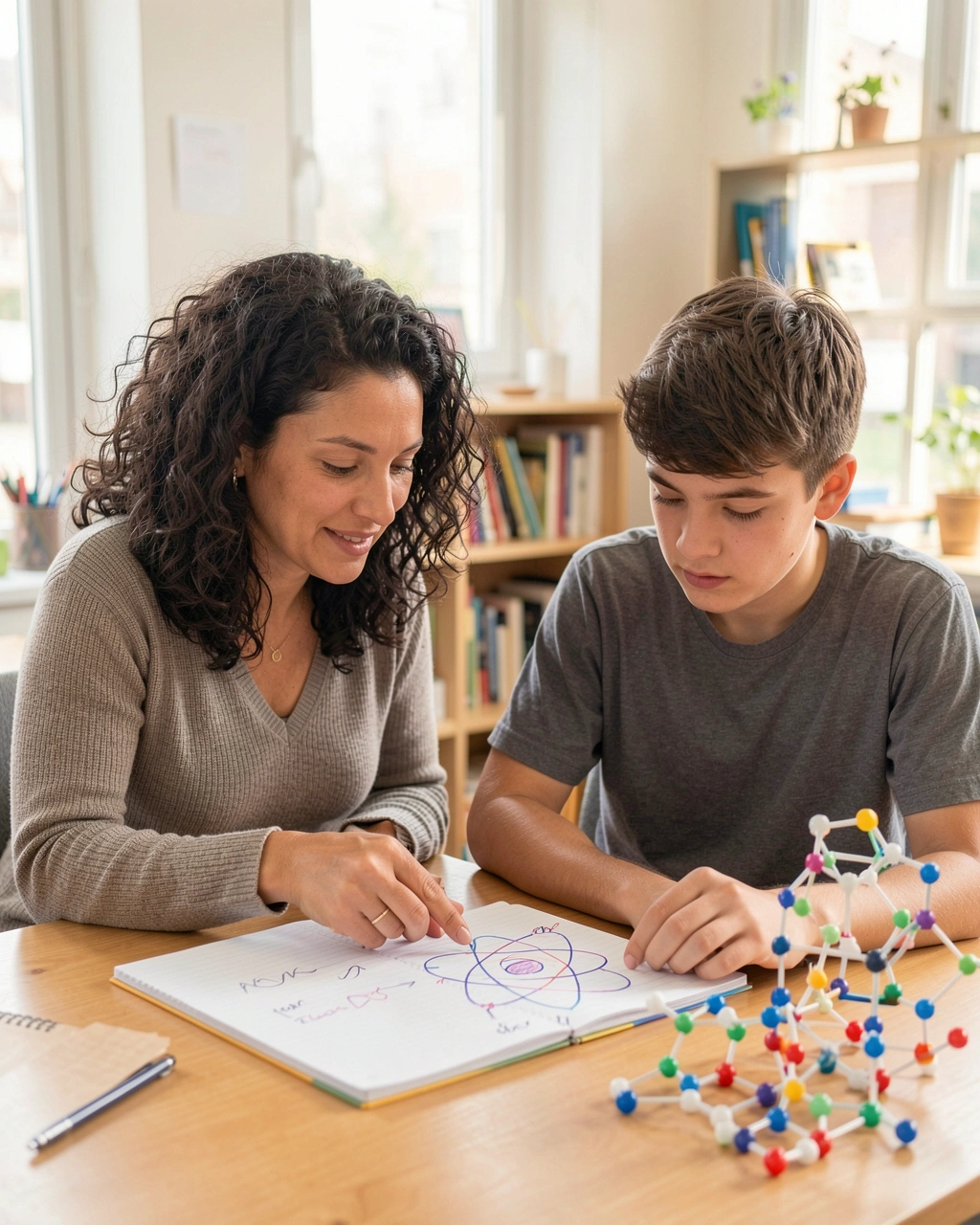
Most students are stronger in one science than the others, and the weak one drags the rest down. Esme teaches all three, so a session can follow the gap wherever it leads.
Cells, enzymes, genetic crosses, ecosystems and the human body, with diagrams drawn and labelled by the student rather than copied from a screen.
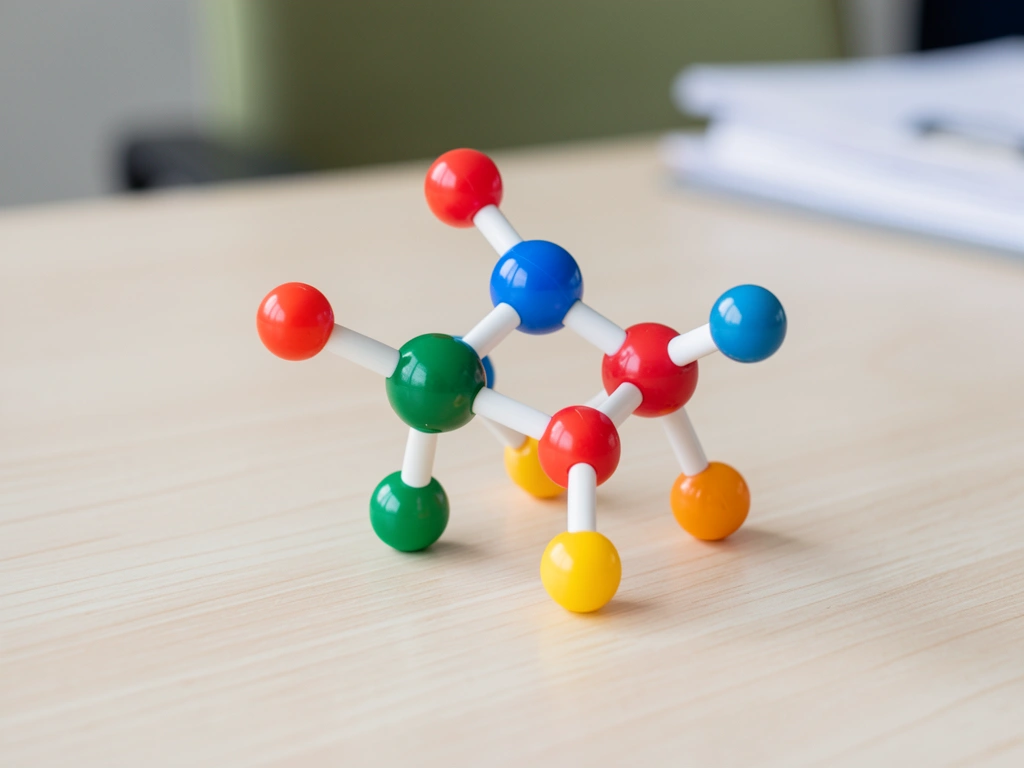
Atoms and bonding, moles and equations, rates and energy changes, explained with models on the desk and plenty of calculations worked through together.
Forces, energy, waves and circuits, with equations rearranged step by step and units checked every single time, so the maths stops getting in the way.
Courses and their names differ between countries and schools, so the first session starts from the student's own syllabus and exercise books. This is the usual shape of things by age.
| Age | Biology | Chemistry | Physics |
|---|---|---|---|
| 11 to 12 | Cells, microscopes, food chains | States of matter, mixtures | Forces, simple circuits |
| 12 to 14 | Organ systems, photosynthesis | Atoms, elements, simple reactions | Energy, light and sound |
| 14 to 16 | Genetics, enzymes, homeostasis | Bonding, moles, rates | Electricity, waves, radioactivity |
| 16 to 18 | Biochemistry, cell biology in depth | Organic chemistry, kinetics, equilibria | Mechanics, fields, quantum basics |
Sessions follow the school's order of topics where possible, so tutoring backs up classroom lessons instead of racing ahead of them.
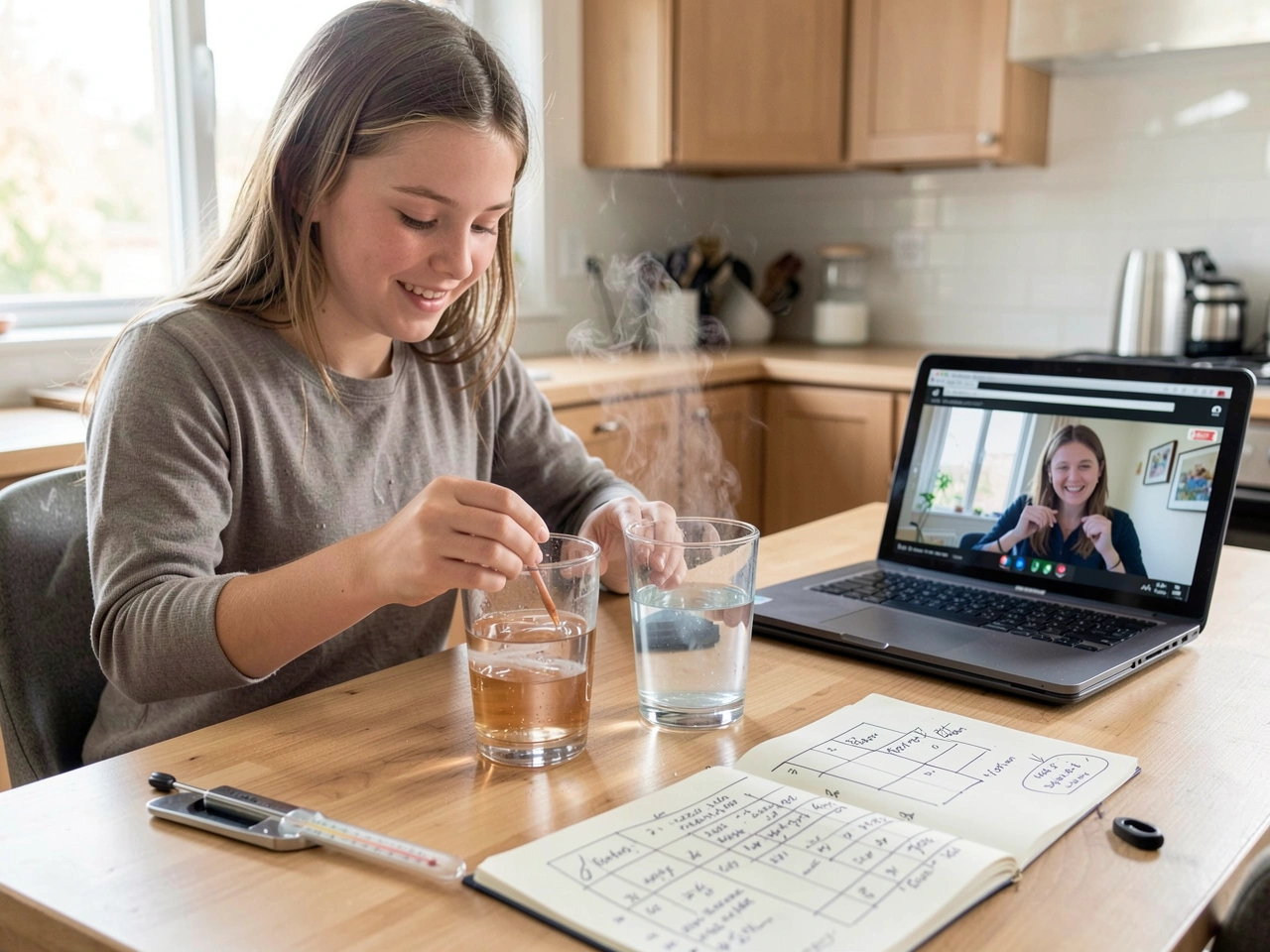
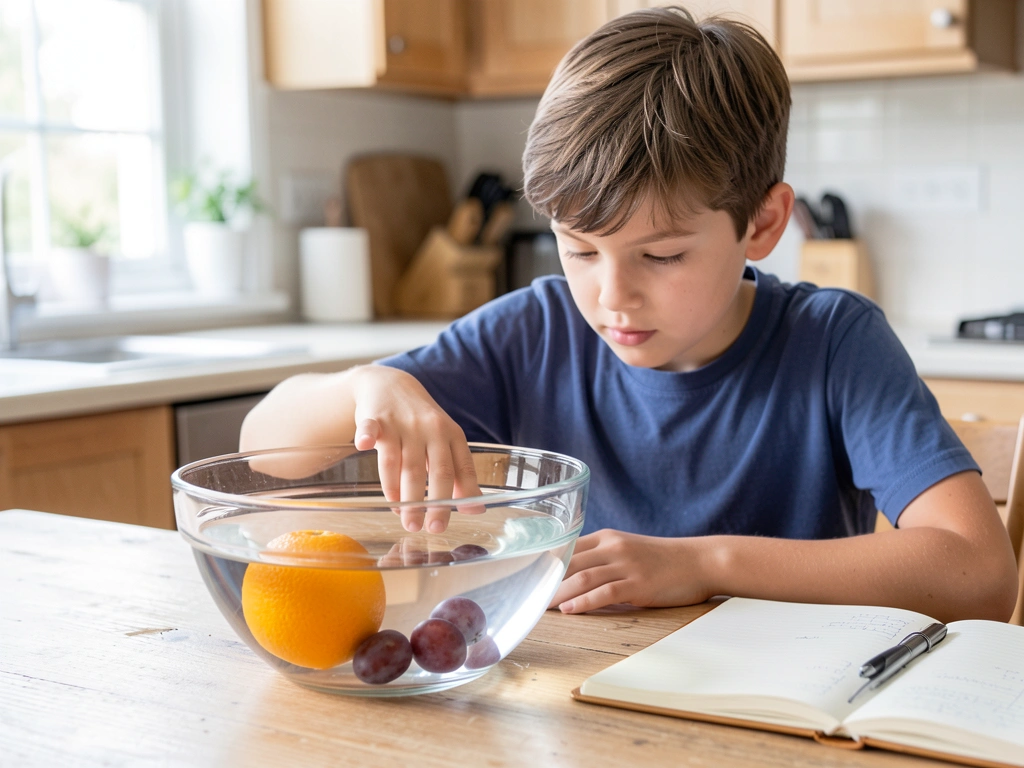
Many test questions ask about experiments a student did once and half remembers. Sessions rebuild them on paper: the aim, the variables, a fair test, what was measured and why the results might be off. Where it is safe, a simple version is tried with kitchen items, such as sugar dissolving at two temperatures.
Nothing hazardous is ever done at home or online. Experiments involving flames, acids or mains electricity are talked through with diagrams and photos instead, and never attempted on a kitchen counter.
Usually a homework that would not come out, or a test topic that never quite clicked.
Students in their last two school years often bring past questions from their own course, and those become the plan for the session.
Study room sessions cost a little more because of the room. The first session is shorter and cheaper, so nobody commits before seeing how it works.
once$30
an hour$44
an hour$52
five hours$200
Fees go to Esme directly, after each session or at the start of a block. A session moved with a day's notice is rebooked; a late cancellation is charged in full.
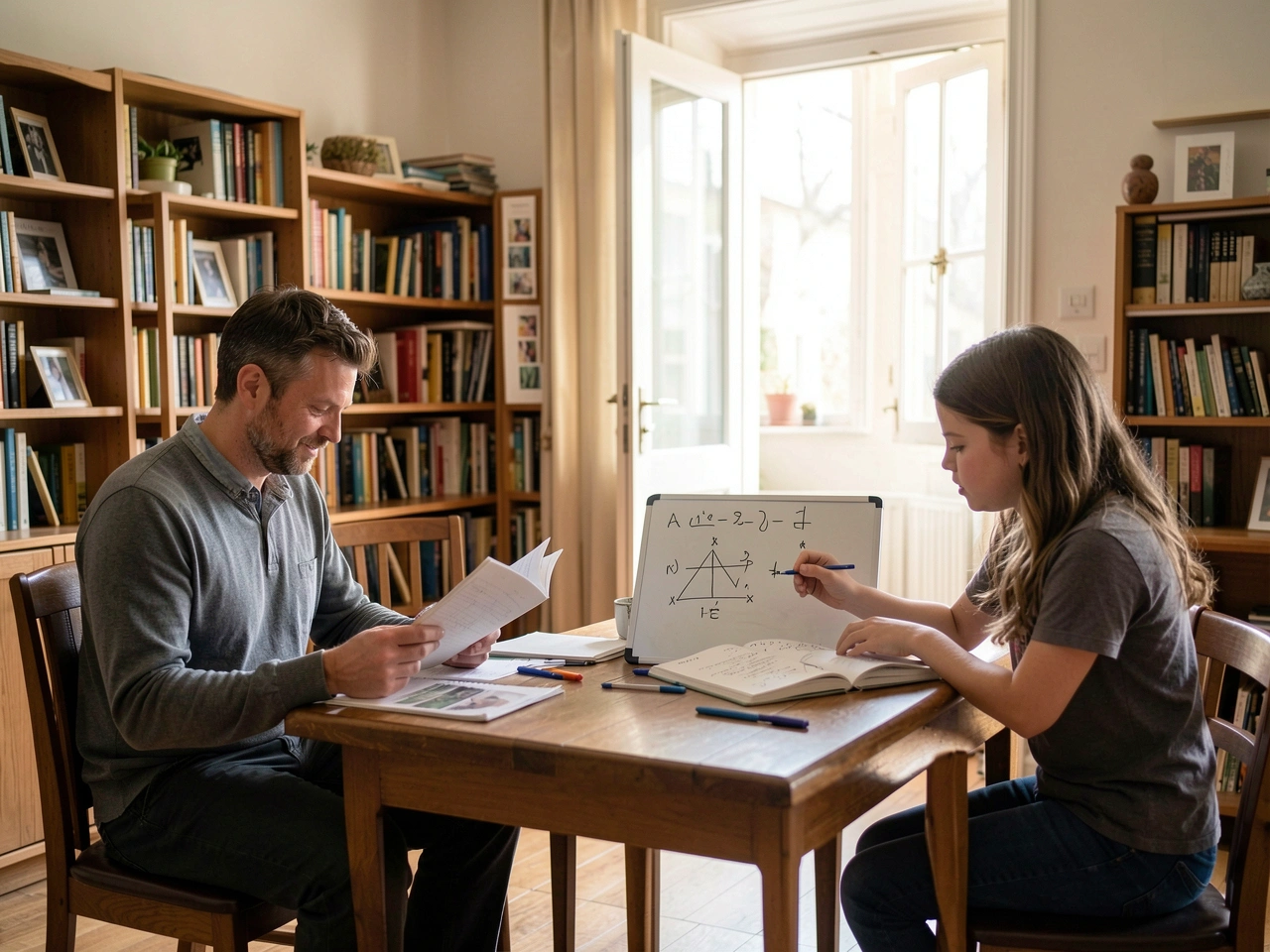
Esme holds the background checks required for tutoring children where she works, and keeps them current; what is required varies from country to country. In the study room the door stays open and a parent is welcome at the side table. Online sessions run on a link sent to a parent, never to the student alone.
Sessions are matched to the student's age and level, and no grade is ever promised. Marks depend on many things outside a tutor's hands, so progress is reported honestly each half term, listing the topics that are secure and the ones still shaky.


Up to the age of sixteen, comfortably. For the last two school years Esme takes students in any of the three, and says honestly if a particular course goes beyond what she teaches well.
Many students feel more confident within a few weeks, but no tutor can promise a grade. Marks depend on the student, the school and the day of the test, so Esme reports on topics mastered instead of predicting results.
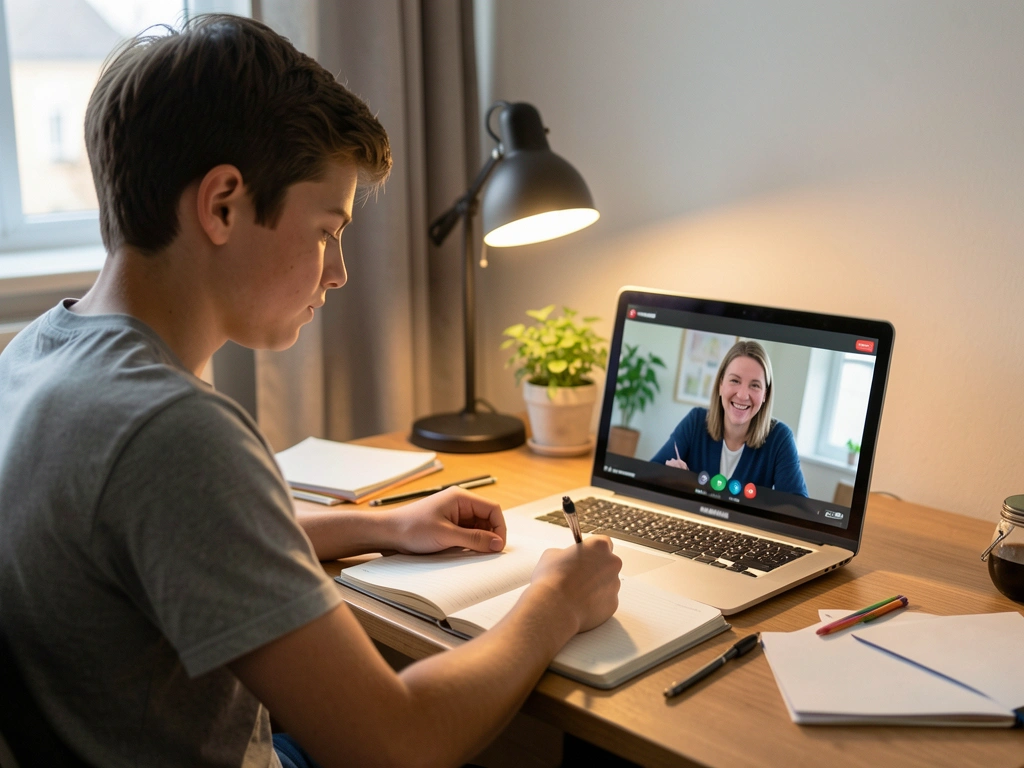
A video call with a shared whiteboard, the student's exercise book held up to the camera when needed, and notes sent afterwards. A laptop or tablet works better than a phone, and a quiet corner matters more than any equipment.
Yes. The first session looks at the course outline and the exercise books, and later sessions follow the school's order of topics. Exam boards and course names differ by country, so nothing is assumed.
Only safe ones, such as dissolving, floating and sinking, or timing a pendulum. Anything involving flames, acids or mains electricity is discussed with diagrams instead.
Yes, in the study room or on the call. Many parents sit in for the first session and step back once their child is comfortable.
Our son had decided he was hopeless at chemistry. Two months of moles worked through slowly in the study room, and now he explains them to his sister.
Physics equations finally make sense now that units get checked every time. The notes sent after each online session are what gets read the night before a test.
Esme never promised a grade, which was refreshing. She told us which biology topics were secure and which needed more time, and that honesty is why we stayed.
Say which science, the student's age and school year, and whether online or the study room suits. Esme replies by the next working day with a time, an alternative close to it, or an honest note if her week is full.
In person sessions use a quiet room upstairs at the library; online sessions run on a link that reaches a parent the day before.
A quiet study room above a community library in the town centre, or online from anywhere with a steady connection
| Monday to Thursday | 16:00 to 20:30 |
| Friday | 16:00 to 18:30 |
| Saturday | 09:00 to 13:00 |
| Sunday | Closed |
Take the library lift or stairs to the first floor and knock on the room set aside for study groups. Parents can wait in the library below or sit in on the session.
This science tutor website was built by AI from two sentences. Tell us about your business and yours is built the same way, with its pages, photos and booking in place, ready to preview in minutes.
About this sample page
Lab Bench Tutoring is fictional, and its single page is a study in presenting three sciences without muddling them. A lab notebook types out an experiment beside the opening photo, a hint of the careful method the tutor teaches. Cards for biology, chemistry and physics come first, then a table of topics by age and a section on practical write ups. Fees, a short safeguarding section and a gallery of the study room follow. The request form at the end asks only for the science, the format and the school year.
A science tutor can draft something similar on AI Web Maker from a few lines about the subjects, the ages and where sessions take place. The builder produces subject cards, fees and a request form, and the tutor rewrites them in preview until they sound right. Families send requests, which the tutor confirms, moves or declines, and fees are settled between them. Publishing is the moment billing begins, with a choice of $119 yearly or $19 monthly and the domain added. The walkthrough below covers each section and the question it answers for a parent.