First 5k
For new runners and people coming back. Run and walk sessions three times a week that build towards running the whole distance.
8 weeksfrom $59
Stride Theory writes running plans from a first 5k to the marathon, coaches two group sessions a week and films gait checks on the track. Every plan starts from what you run now, and it changes when work, family or a tight calf get in the way.

Each plan is written for one runner and one target distance, then adjusted from the notes they send back. The lengths below are typical starting points, never fixed.
For new runners and people coming back. Run and walk sessions three times a week that build towards running the whole distance.
For runners who already cover 10 km and want sharper weeks: one interval day, one tempo run and an easy long run.
Four or five runs a week, a long run that grows gradually and two short strength sessions to keep the legs sturdy.
A long build with a taper, fuelling practice on the long runs and a race pace plan written two weeks out.
This is one week for a runner who trains five days out of seven. Effort is described by how talking feels rather than by pace, because pace shifts with heat, hills and sleep.
| Day | Session | How it should feel |
|---|---|---|
| Monday | Rest, or a gentle walk | Legs recovering from the weekend |
| Tuesday | Track group: 6 reps of 800 m, 2 minutes of jogging between | Talking in short phrases only |
| Wednesday | Easy 40 minutes, then 15 minutes of strength work | Full sentences all the way round |
| Thursday | Hills loop with 8 climbs of about 60 seconds | Hard going up, easy jogging down |
| Friday | Rest | Nothing to prove today |
| Saturday | Group long run, 16 km | Chatty from start to finish |
| Sunday | Optional easy 25 minutes | Only if the legs feel fresh |
No two runners get the same week. Plans are reshaped each Sunday from your notes on sleep, soreness and whatever the week threw at you.
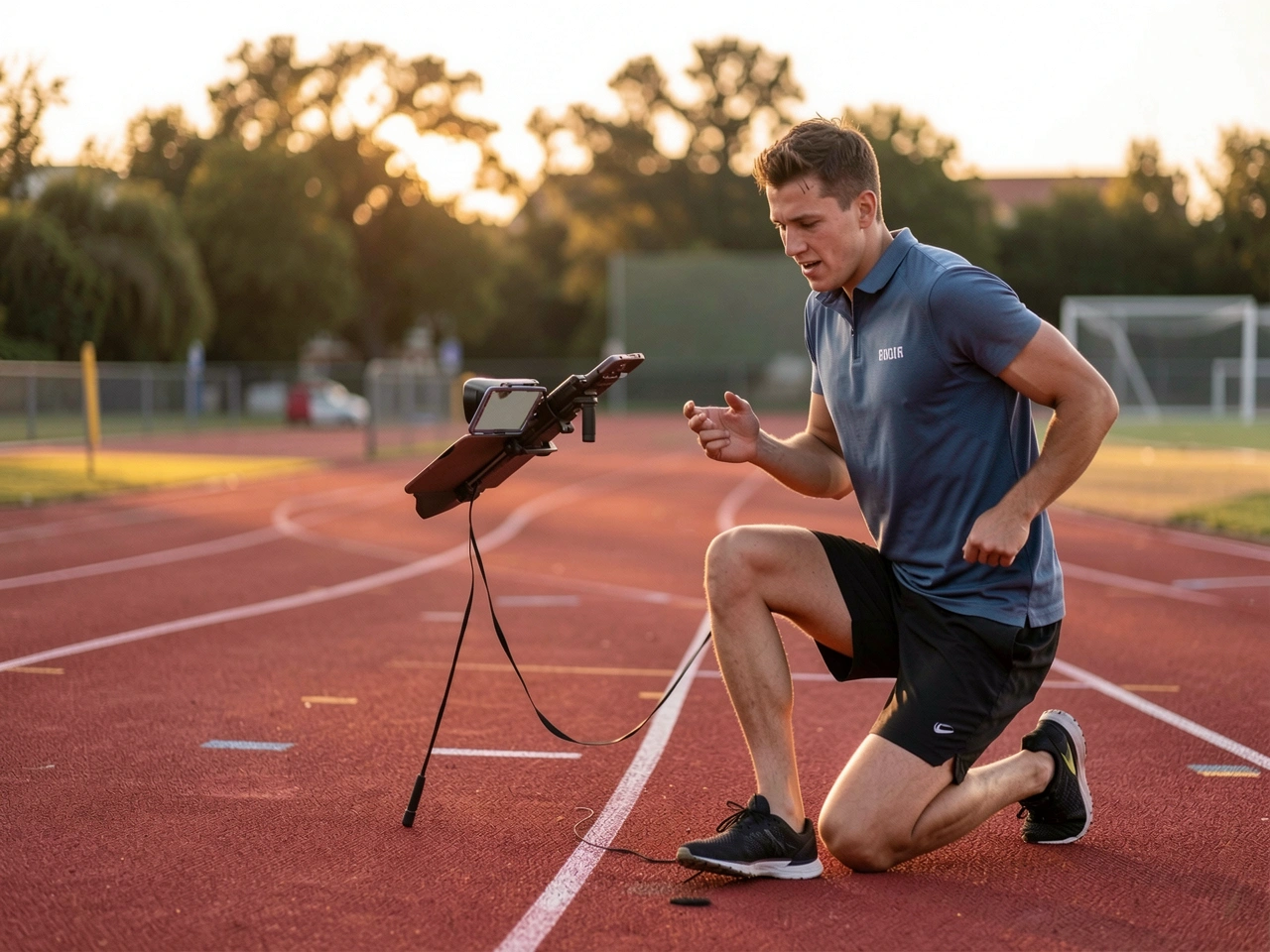
A gait check is forty five minutes on the track with a camera at the side and one behind. We film you at an easy pace and at effort, slow the footage down together and look at posture, arm swing, cadence and how each foot meets the ground.
It is a coaching tool, not a medical assessment. If what you describe sounds like an injury, such as pain that changes how you run or swelling that does not settle, we suggest a physiotherapist or a doctor before any drills.
Every runner starts with a short call about their running now, the distance they are aiming for and the weeks they can spare. Then pick the support that suits the build.
from$59
a month$95
from$65
from$12
Every booking is confirmed by a coach before it counts. Fees are agreed and paid directly with Stride Theory, and monthly coaching can stop at the end of any month.
Race preparation follows the same order for every distance, scaled to the race. Most of it is about doing less, calmly.
Weekly running drops by about a third while a little speed stays in. The pace plan for the race is written and agreed.
Short easy runs, kit and shoes already tested on long runs, and breakfast rehearsed at the time of the start.
A short shakeout with a few strides, the bag packed, and the start area found on the course map.
Start slower than feels right for the first kilometres, follow the pace plan and drink as rehearsed.

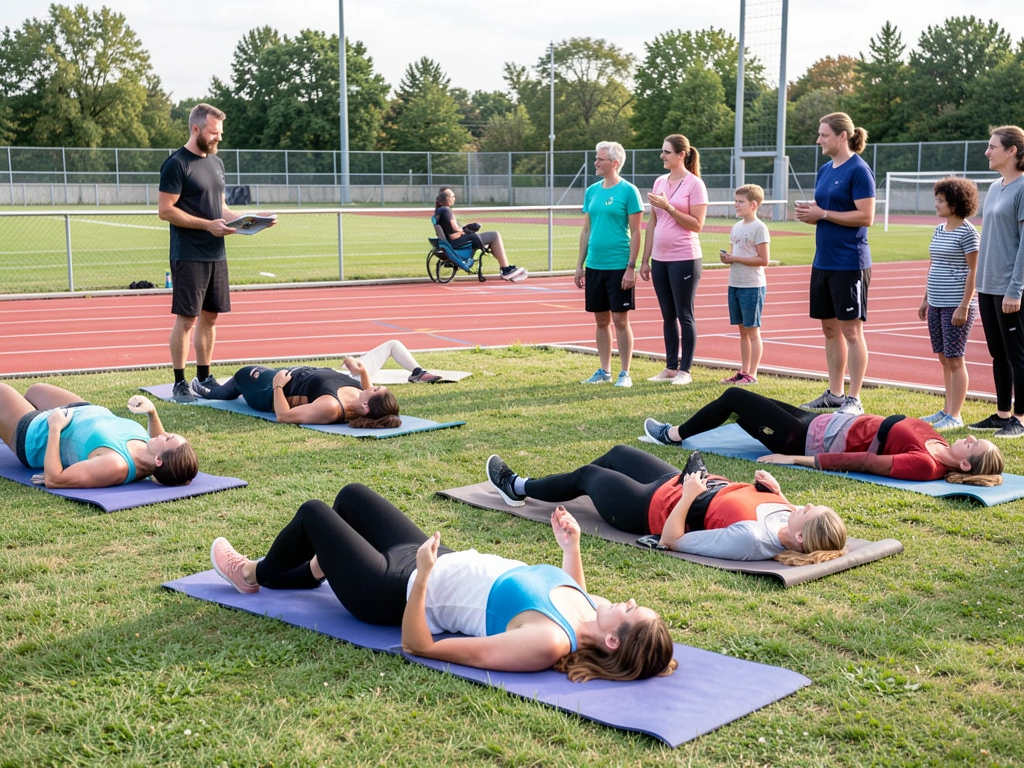
Group sessions run on a local athletics track on Tuesday evenings and from the park gates on Saturday mornings. Runners are split into pace groups so nobody is left at the back, and a coach runs or cycles beside the long run.
The groups suit runners on a written plan, on monthly coaching or on neither. A first session needs only a request, so the coach can hold a place in the right pace group.
A normal fortnight of coaching: two track evenings, a filmed gait check, hills, strength work and the Saturday run.





Started with run and walk sessions and a lot of doubt. The plan moved twice when work got busy, and the first unbroken 5k came a week later than written, which nobody minded.
The slowed footage was eye opening. Two drills and one cue about arm swing, and the coach was clear that the sore shin needed a physio before anything else.
Sixteen weeks of monthly coaching for a marathon build. The Sunday updates took the guessing out, and the race week list made the morning calm.
It helps most when starting feels hard. A plan sets out run and walk sessions so the distance builds gradually, and it bends when life gets busy. Plenty of people finish a first 5k without one; a plan simply takes the guessing out.
No. Stride Theory sells no shoes and recommends no brands. The footage shows how you land and move, and you leave with a short list of things to try and to ask about in a running shop.
Stop the hard sessions and tell us. We pause or reshape the plan, but we do not diagnose injuries: pain that changes how you run, swelling or pain at rest needs a physiotherapist or a doctor. Chest pain or sudden breathlessness needs your local emergency number.
No. Pace groups run from about seven minutes per kilometre down to four, and on Saturdays a coach stays with the slowest group for the whole run.
Yes. Send the date, the distance and the kind of course, whether flat, hilly or on trails, and the plan is built backwards from that day. Race entries and places are up to you.
Send a request for a call, a gait check or a group session with a day and a time. A coach confirms it within one working day or offers another slot, and fees are paid directly to Stride Theory.
Tell us what you would like to book, the distance you are working towards and when suits you. Within one working day a coach comes back with a confirmed slot or a better suggestion.
Messages are read every weekday morning and evening. During sessions the phone stays in the kit bag.
Track nights at a local athletics track; long runs leave from the park gates
| Tuesday track | 18:30 to 19:30 |
| Saturday long run | From 08:00 |
| Gait checks | Tue, Thu, Sat |
| Messages | Weekdays 8 to 8 |
Running clubs and workplace groups can book a coached track evening or a talk on preparing for race week. Ask with a rough date and numbers.
Ask about group coachingThis running coach website was built by AI from two sentences. Tell us about your business and yours is built the same way, with its pages, photos and booking in place, ready to preview in minutes.
About this sample page
Stride Theory Running is invented, and its single page shows how a running coach on AI Web Maker can sell plans, gait checks and group runs. A board beside the opening photo chalks up tonight's track session, which tells a runner at once that this coach runs real sessions every week. Four plans priced by distance come next, then a full week from a half marathon plan with effort described by feel. The gait check, the four steps before race day and the group sessions follow, each with its limits stated. The page moves from what a runner wants to buy to how the coach thinks, which is what wins the booking.
A coach on AI Web Maker describes plans, sessions and services and receives a drafted page with a request form for runners. Each request can be confirmed, moved to another slot or declined, and the runner pays the coach directly, with no share going to the platform. Building and previewing are not billed; once the site is public, $119 pays for a year of hosting, or $19 covers one month at a time, with the domain bought separately. The notes on this sample page give the reason for each section, from the session board down to the request form. A real coach can rename the plans, change the prices and replace the photos without touching the order of sections.