Leak finding visit
from$145
We follow the water from the stain inside back to where it enters, working from the loft and from the roof.
- Loft and roof both checked
- Moisture readings taken
- Small fixes done on the spot
Patchwork traces roof leaks to where the water gets in and repairs slipped tiles, cracked flashing and worn valleys. Every visit ends with a photo report showing the fault and the fix, and when rain is coming through tonight, we tarp the roof first and repair it once the weather allows.
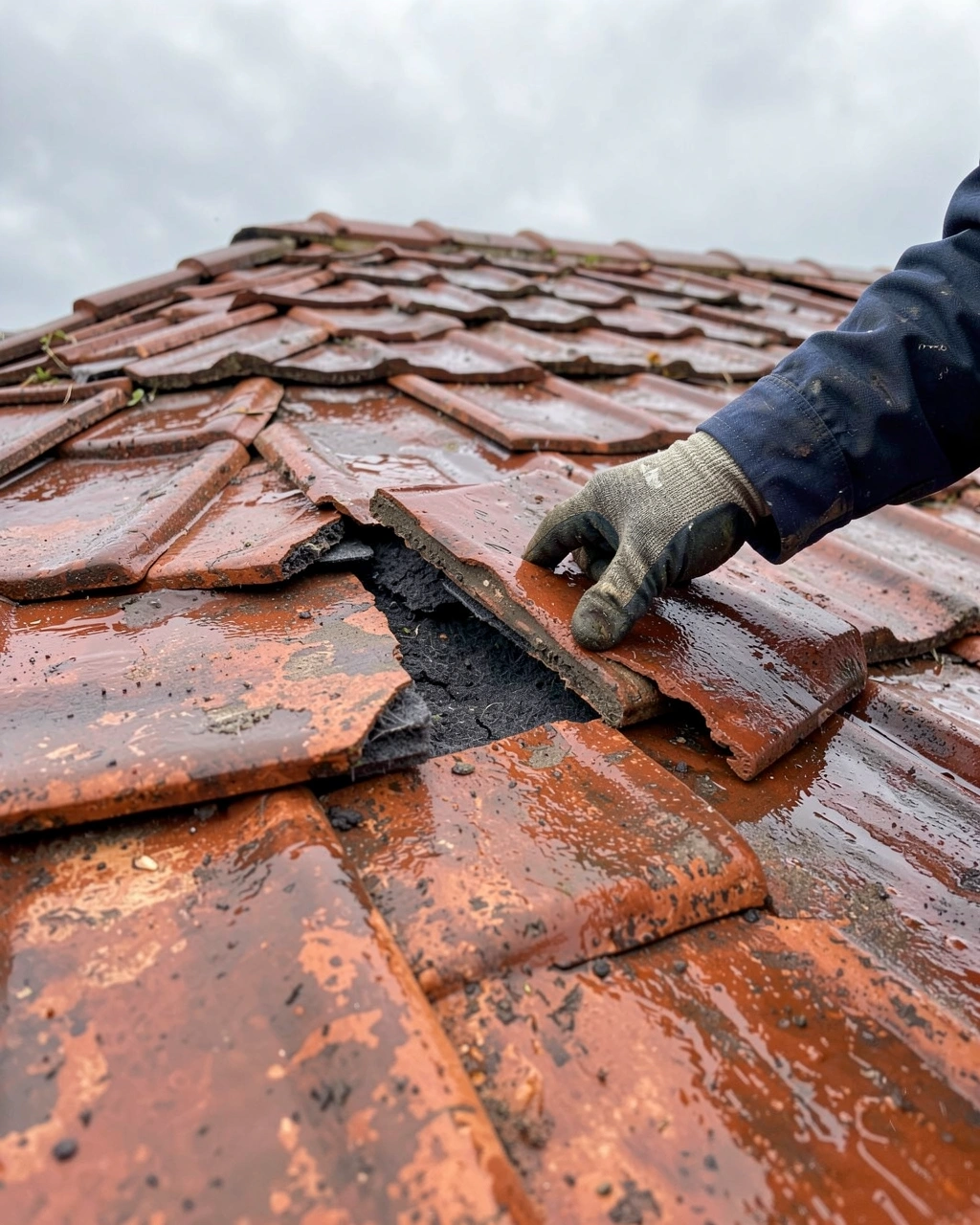
Water through the ceiling? Turn off the power to that room at the fuse board, keep everyone out from under any bulge, and stay off the roof. Then call the tarping line.
Call the tarping lineEvery visit includes a photo report sent the same day. Repairs found on a visit are priced before we start them.
from$145
We follow the water from the stain inside back to where it enters, working from the loft and from the roof.
from$260
A heavy tarp laid over the damaged area and held down with battens, to keep rain out until the repair can be done.
from$210
A slope by slope check before you buy a house, after a storm or ahead of winter, with a written condition report.
Visit prices are for a house up to two storeys that can be reached from a ladder. Taller or steeper roofs may need a tower, which we price first.
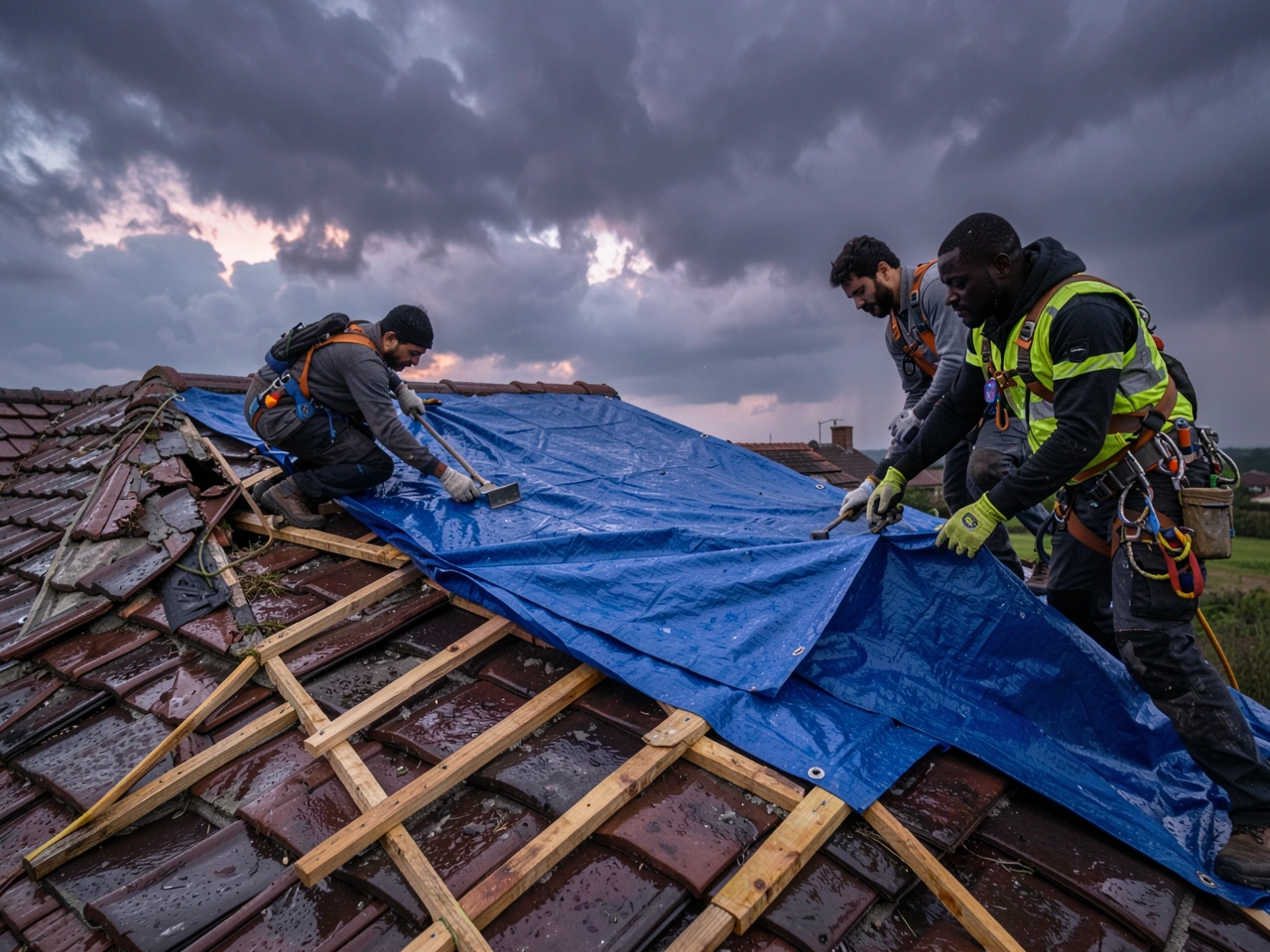
A tarp is a heavy waterproof sheet laid over the damaged part of a roof and held down with timber battens, so rain runs over it and off the eaves. It buys time when it is too wet, too windy or too dark to replace tiles safely.
It is a temporary measure, not a repair. We check it after strong wind and aim to make the permanent repair within days, as soon as the roof is dry enough to work on.
A full inspection takes about ninety minutes on a typical house. You are welcome to watch the photos come in.
We start in the loft with a torch, looking for daylight, damp timber, stained felt and wet insulation.
A walk round the house shows sagging lines, missing ridge tiles and stained walls below the gutters.
Where it is safe, we check each slope, the valleys, the flashing at chimneys and walls, and every vent.
Each defect gets a photo, a mark on a sketch of the roof and a note on how urgent it is.
It arrives the same day with repairs ranked as now, this year or keep an eye on, each one priced.
Water travels along rafters before it drips, so the stain is rarely under the hole. These are the patterns we meet most often.
| What you see inside | Where the water often gets in | What we usually do |
|---|---|---|
| A damp patch near the chimney breast | Cracked or lifted flashing where the stack meets the roof | Reseal or replace the flashing, repoint the stack if needed |
| Drips only in heavy, wind driven rain | Slipped or cracked tiles, or a gap at the verge | Replace the tiles and refix the verge |
| A stain along the line where two slopes meet | A worn or blocked valley | Clear and reline the valley |
| Damp around a roof window | A failed seal or missing flashing around the frame | Refit the flashing and reseal |
| Dark patches on the top floor after frost | Condensation from a poorly vented loft, not a leak | Add vents and check the insulation; no roof work needed |
Prices are for a typical repair on a two storey house. The photo report shows each one before and after.
Tiles and slates matched as closely as we can and refixed with clips or nails so they stay put in wind.
Lead or aluminium flashing at chimneys, walls and dormers resealed, dressed back down or replaced.
Loose ridge tiles lifted and bedded again in mortar, or fitted with a dry fixing kit and capped.
Worn valleys cleared and relined so water from two slopes runs off instead of under the tiles.
Flashing and seals around roof windows refitted where water creeps in at the frame.
Splits and blisters in felt or rubber flat roofs cut out and patched, with a frank word on how long the rest will last.
When a roof needs more than repairs, the report says so and tells you how long patching would buy.
This is what reaches your inbox after a visit: what we found, where it was and what it looks like now.
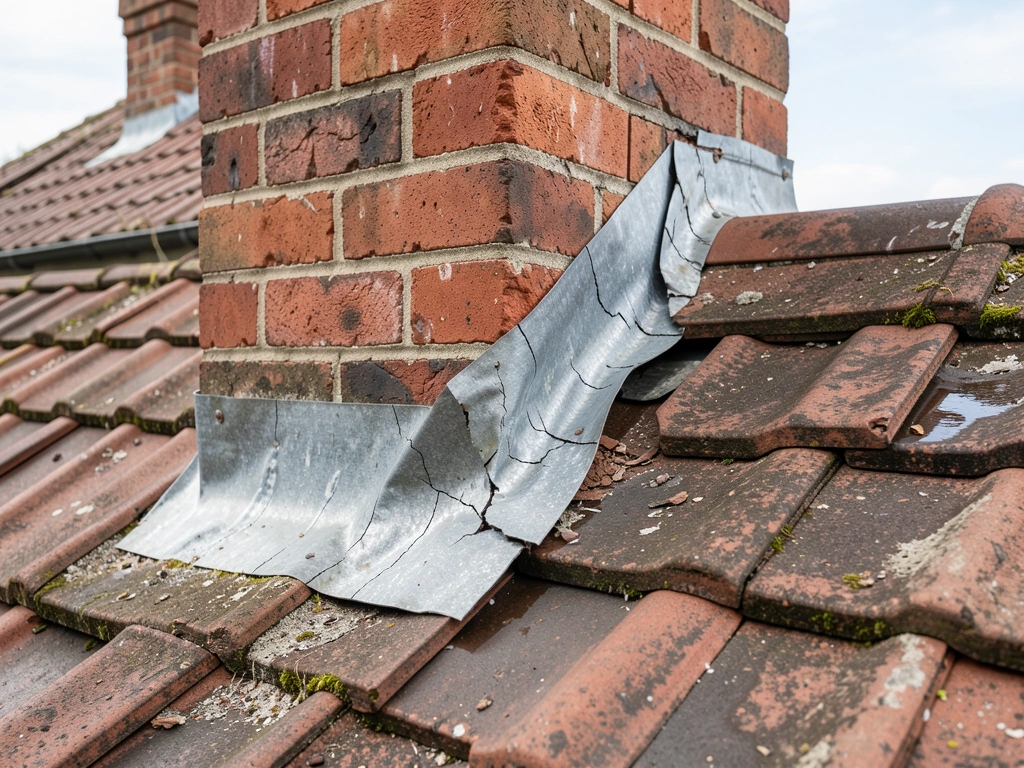
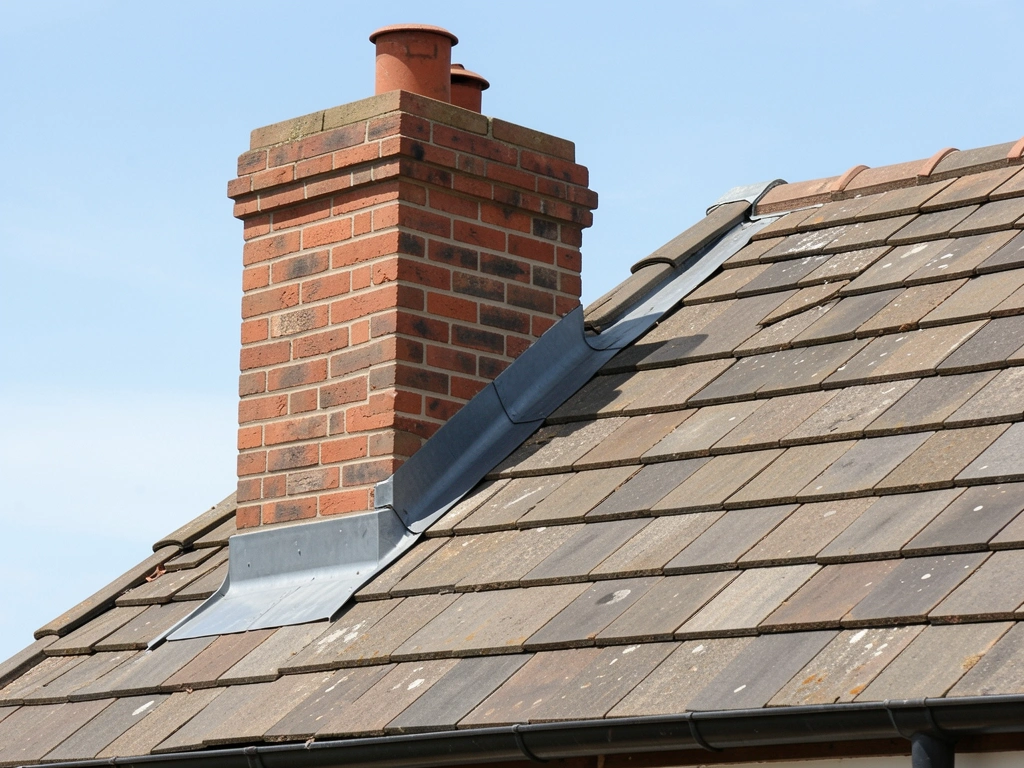
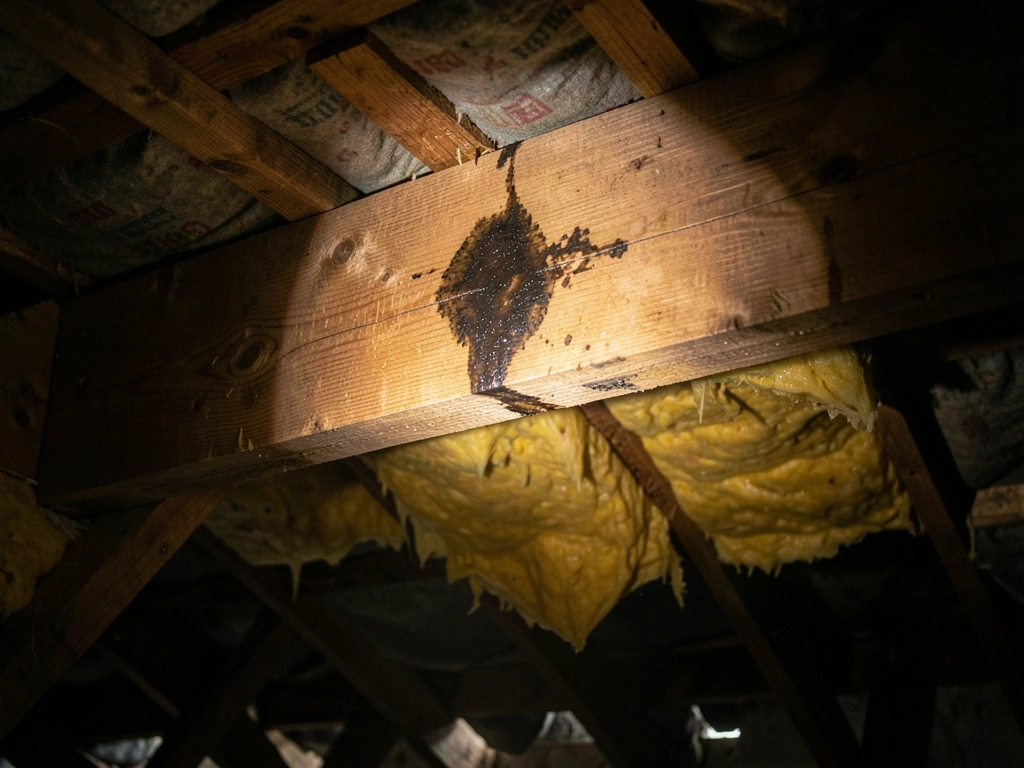
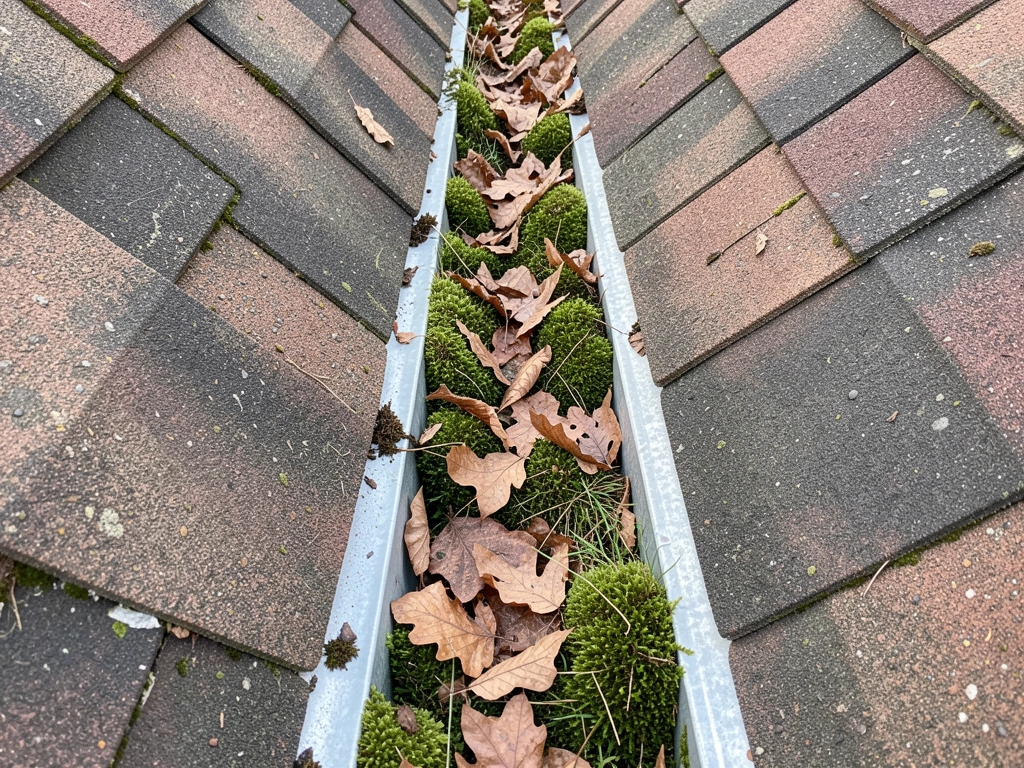
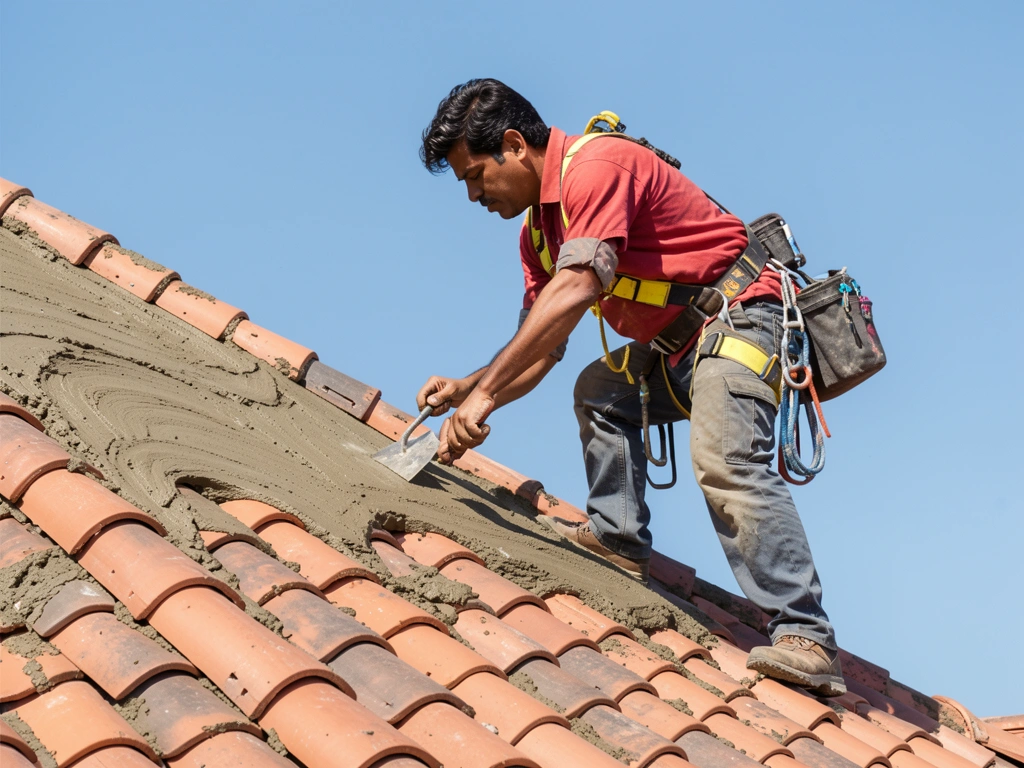
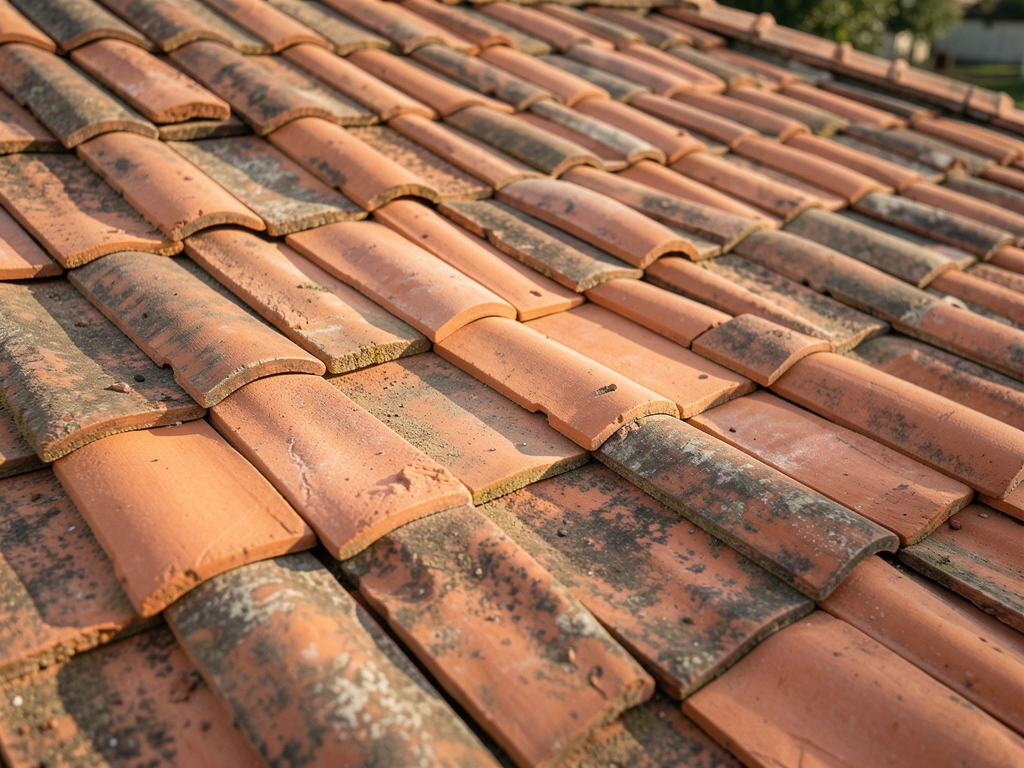
Water was coming through the landing light at eleven at night. There was a tarp over the chimney before midnight, photos of it on the phone, and the flashing was fixed properly on Thursday.
Two other roofers wanted to replace the whole roof. The report showed a blocked valley and three slipped tiles, with photos, and the repair cost a fraction of a new roof.
The roof was inspected before we bought the house. Every defect was ranked in the report, and the seller agreed to cover the two urgent ones.
Water runs along the felt, battens and rafters before it drips, sometimes a metre or more. That is why we start in the loft and follow the track back rather than lifting tiles above the stain.
Fitted properly, no. We hold it down with battens rather than nailing through sound tiles, and we check it after strong wind. Any tarp left for months can trap moisture, so we plan the repair within days.
Not in high wind, lightning or ice. When it is unsafe, we protect the loft from inside with sheeting and buckets, and we tarp the roof as soon as conditions allow.
Usually closely. We keep reclaimed tiles and slates of common types, and the report shows the match. A new tile can look brighter for a season until it weathers.
Many insurers ask for photos and a description of the cause, which the report gives. What your policy covers is between you and your insurer, so check with them before the repair if you plan to claim.
Visits and repairs are invoiced once the work is done, and you pay the office directly. Repairs over $1,500 take a deposit when you accept the quote.
Tell us where the water shows and when it happens. Weekday reports get a call back inside two hours. If rain is coming in right now, ring the tarping line instead of using the form.
The office answers in opening hours. On storm nights the tarping line stays open.
Homes within about 35 km of the city centre
| Monday to Friday | 07:30 to 18:00 |
| Saturday | 08:00 to 14:00 |
| Storm nights | Tarping line answered |
Houses within about 35 km of the city centre. Beyond that radius we can still inspect, and the travel is priced before we book.
This roof repair website was built by AI from two sentences. Tell us about your business and yours is built the same way, with its pages, photos and booking in place, ready to preview in minutes.
About this sample page
Patchwork Roof Repairs is a made up crew, and its page shows how a roof repair firm can serve a reader in the middle of a leak. The opening view shows a slipped tile being photographed, beside a call button and the time it takes to answer. A safety strip and three visit types follow, with emergency tarping explained as a temporary measure. An inspection appears as five ordered steps, and a table reads common ceiling stains. Repairs with starting prices, pages from a photo report, example reviews, questions and a leak form complete the page.
A roof crew on AI Web Maker sums up its visits, repairs and patch in a short description, and the first draft comes back with an enquiry form attached. Leak reports then arrive through it or by phone, and every repair price and payment stays between the crew and the householder. Live hosting is $119 per twelve months or $19 per month, the domain comes on top, and drafting is unbilled. A real crew should replace the report pages with its own, shared with permission. The safety strip, the tarp explanation and the inspection steps should stay near the top.