Acorn room, ages 2 to 3
Low tables, a sleep room next door and long stretches of messy play with water, sand and dough. Nappy changes and naps follow the routine each child already has at home.
Adults to children1 to 4
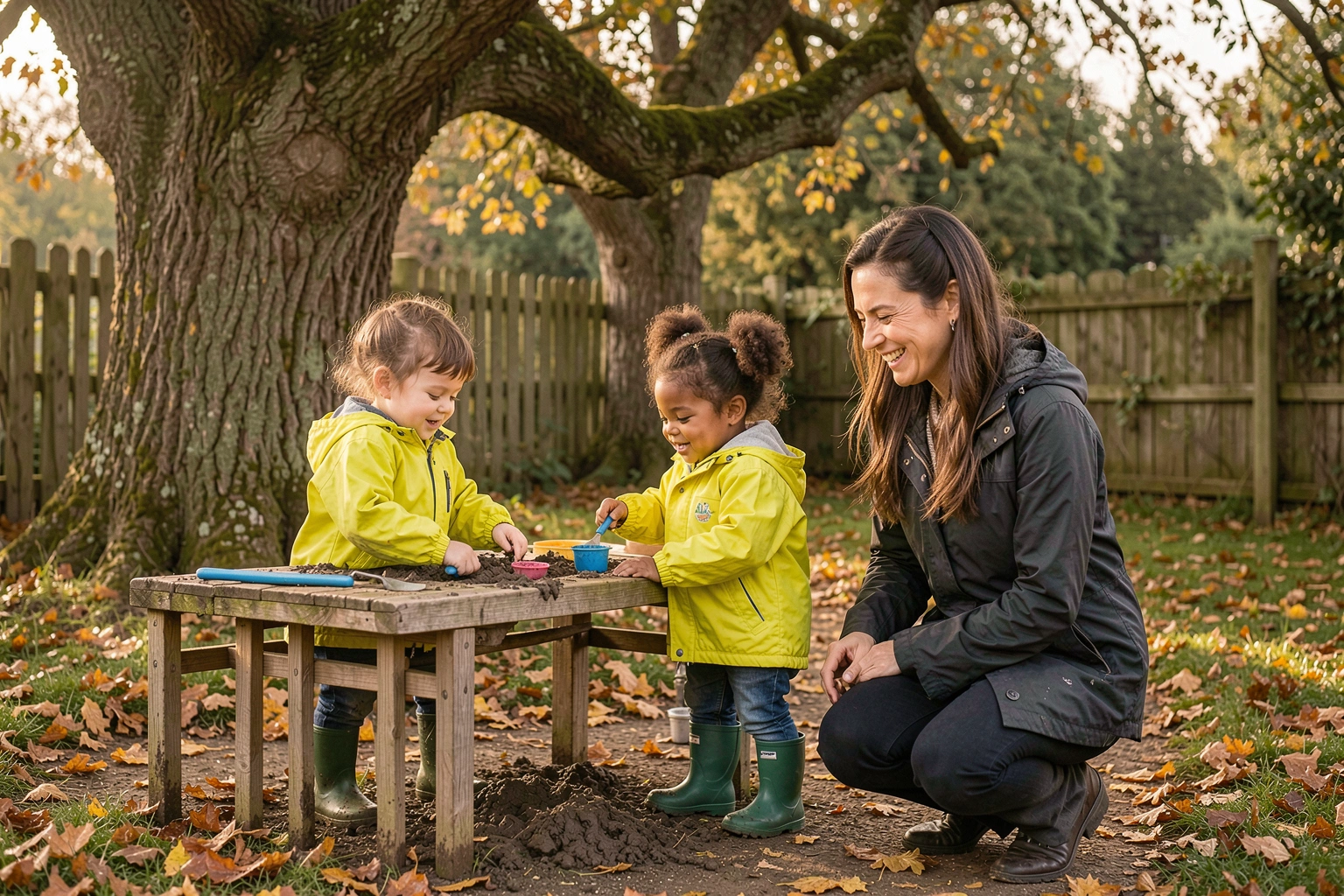
Little Acorns is a play based preschool for children aged two to five, with three rooms grouped by age, a walled garden we use in every weather and a key person who gets to know your child well. Visit mornings run each Tuesday and Thursday.
Children move up when they are ready rather than on a birthday, and every move begins with short visits to the new room alongside their key person.
Low tables, a sleep room next door and long stretches of messy play with water, sand and dough. Nappy changes and naps follow the routine each child already has at home.
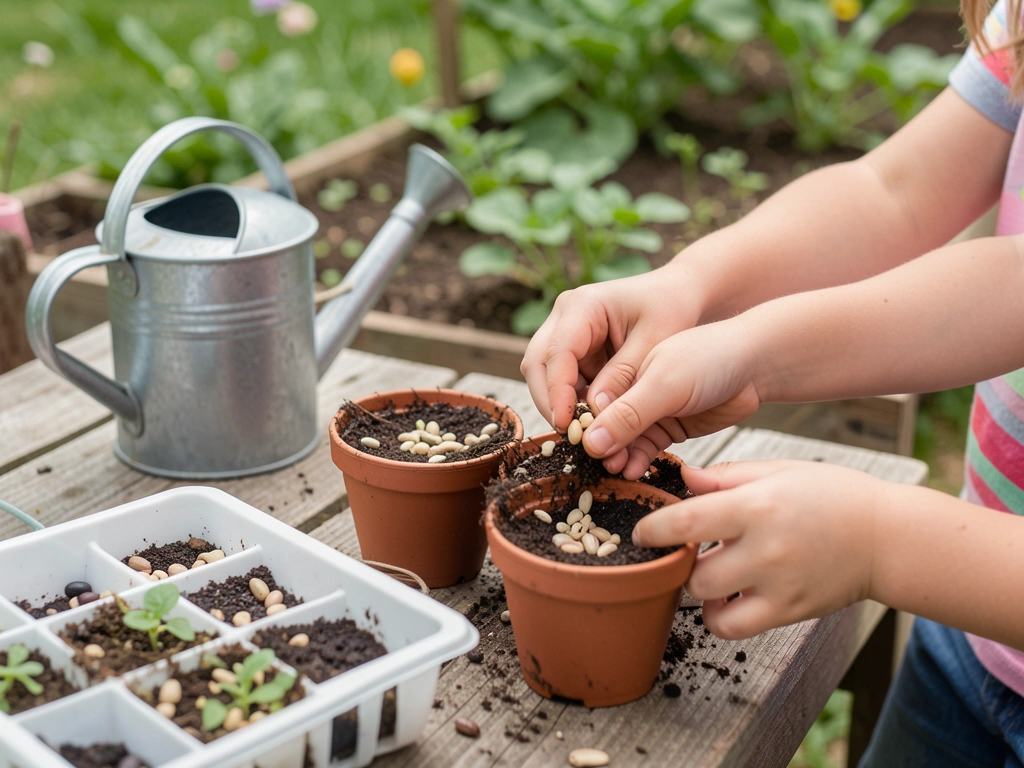
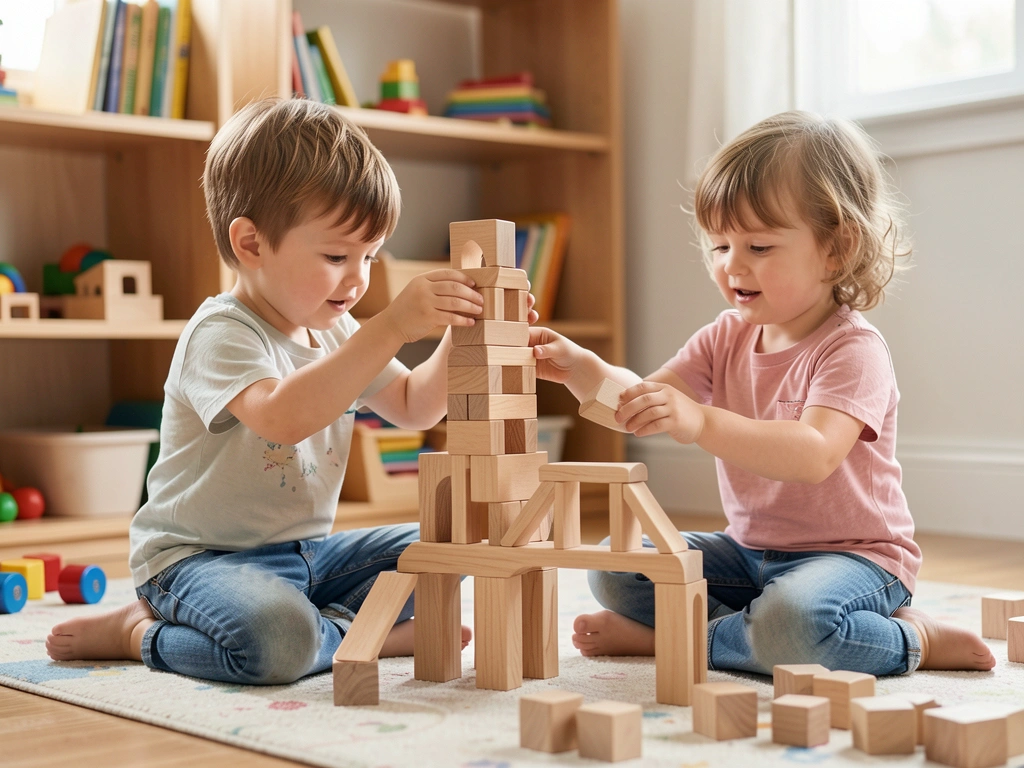
Longer projects start here: building dens, growing beans and acting out favourite stories. Children begin to serve their own lunch and help to lay the table.
The year before school brings early mark making, counting games, hearing the sounds in words and lots of practice with coats and zips. With your permission, we send a short note to your child's new school.
These are our own staffing ratios. Registration and ratio rules for preschools vary by country and region, and ours meet or go beyond what our local regulator asks of us.
The rhythm stays the same each day, which helps younger children feel settled, while what happens inside each part follows the children's interests.
| Time | What happens | Why we do it |
|---|---|---|
| 7:45 to 9:00 | Arrivals, breakfast for early starters, quiet play | A calm start, with time to say goodbye properly |
| 9:00 | Welcome circle in each room | Names, the weather, a song and the plan for the morning |
| 9:20 | Choosing time indoors and in the garden | Children lead their own play while staff join in and stretch it |
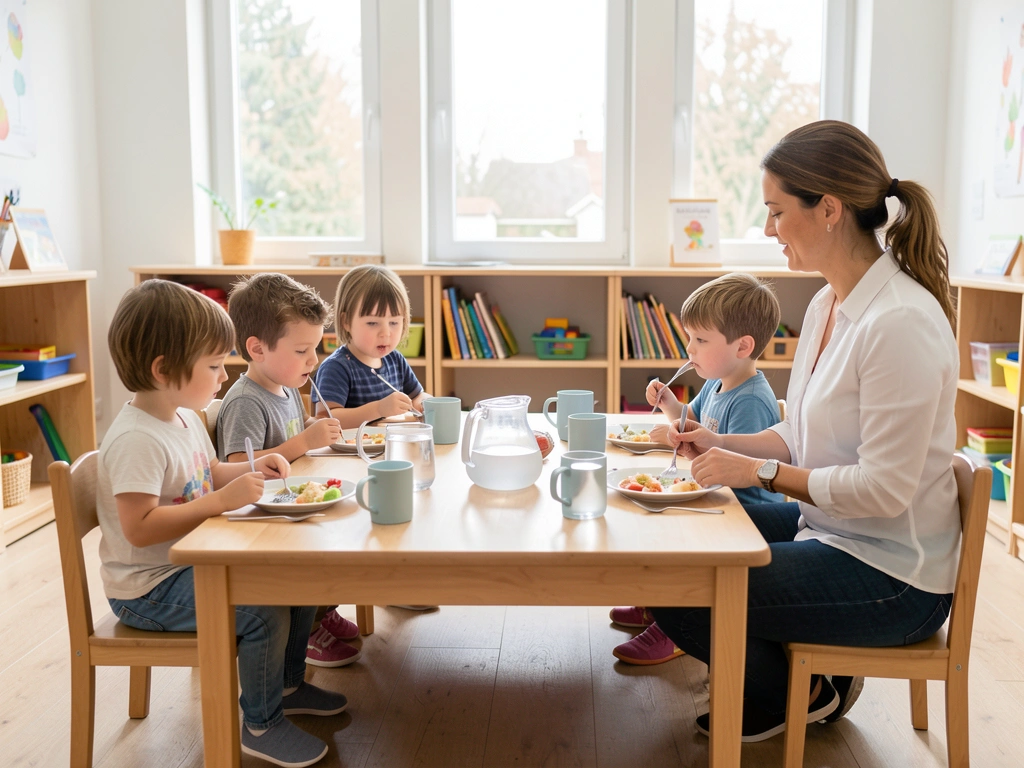
| 10:30 | Snack together | Fruit with milk or water, and practice at pouring from a jug |
| 11:00 | Small group time with the key person | Stories, counting games and conversation in groups of four to eight |
| 11:45 | Lunch cooked on site | Shared at small tables, with staff eating alongside the children |
| 12:30 | Rest, sleep or quiet play | Younger children sleep to their home routine; older ones rest with books |
| 14:00 | Garden, walks and outings | The park, the library or the allotment, depending on the day |
| 15:30 | Tea, then play until home time | A light tea, then play until each child is collected |
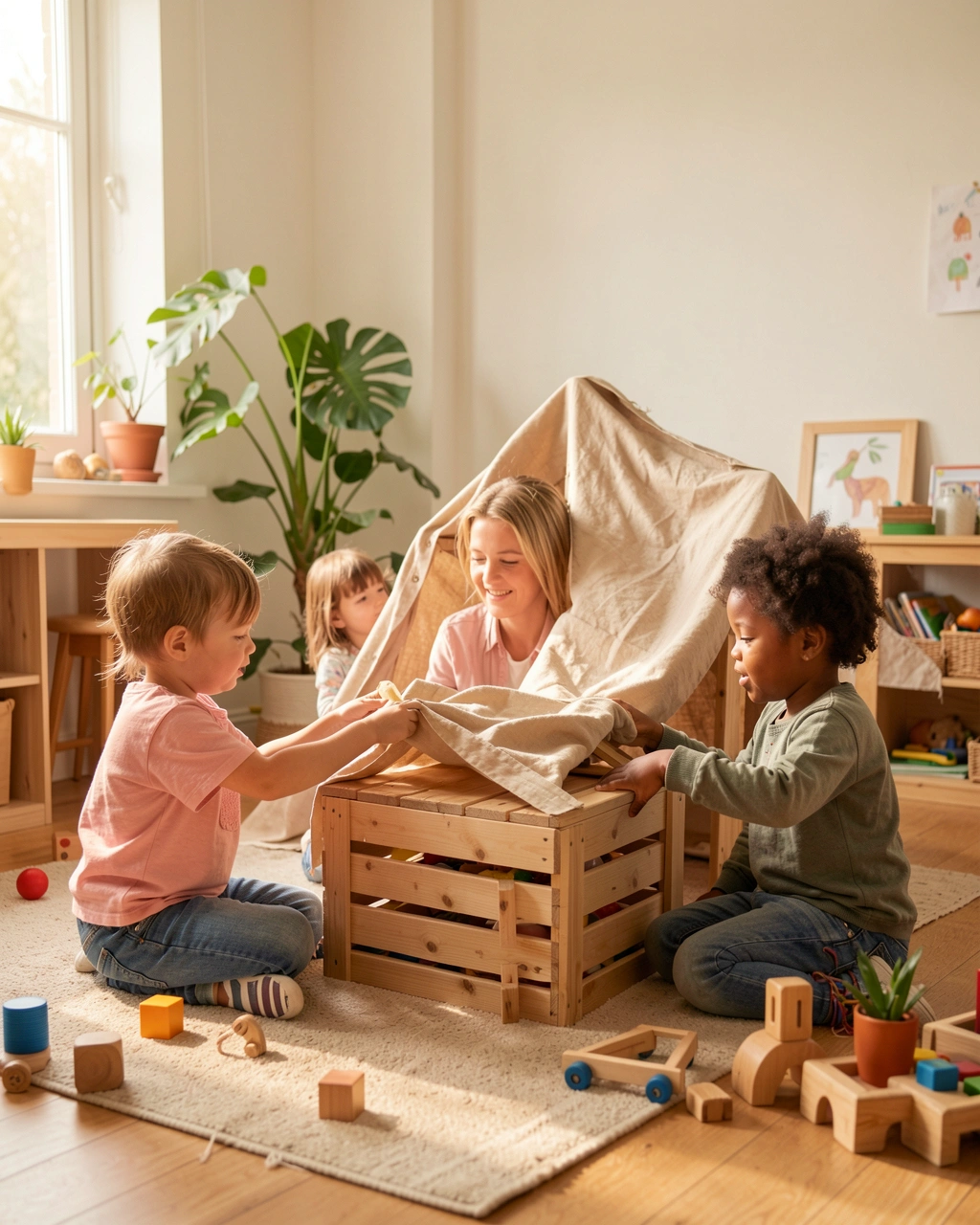
Children learn most when they are absorbed in something they chose themselves. A den built from crates turns into a lesson in balance, counting and taking turns, and our staff are trained to notice that moment and add a word, a question or a new material.
Each key person keeps short written observations and a few photos in a learning journal for every child. Parents go through it at a short meeting each half term, and anything that needs extra support, such as speech or settling, is raised early and kindly.
Parents ask about these first, and they deserve straight answers. Our full written policies hang on the noticeboard in the entrance, and we send copies to any family who asks.
Every adult who works here is background checked before the first day and trained in safeguarding every year. Our designated safeguarding lead, or the deputy, is on site whenever we are open. If we are worried about a child, we follow our written procedure and report to the local child protection service as the law requires.
One adult for every four children aged two, and one adult for every eight children aged three to five, with a manager on site who is not counted in those numbers. Ratio rules differ between countries, so a preschool somewhere else may work to other figures.
A child goes home only with an adult named on the collection list you give us. If someone new is collecting, phone the office first with the family password, and we ask that person for photo identification at the door. Collection after 18:00 is charged at $10 for each 15 minutes.
At least two staff with paediatric first aid training are on site at all times. Medicines are given only with your written consent, allergies are recorded in a care plan, and in an emergency we call the local emergency number first and you straight after.
Every session covers meals and snacks for the hours your child is here, nappies and wipes, and every outing. The prices below are illustrative.
| Session | Hours | Includes | Price |
|---|---|---|---|
| Morning | 8:30 to 12:30 | Snack and lunch | $38 |
| Afternoon | 12:30 to 16:30 | Snack and tea | $34 |
| Full day | 7:45 to 18:00 | Breakfast, lunch and tea | $68 |
| Full week | Five full days | Every meal and all outings | $310 |
A $60 registration fee holds a place and comes off your first month. Fees are billed monthly, and a place can be reduced or ended with one month of notice. Many countries and regions fund some preschool hours; where a scheme applies to your child, we take it off the bill and show the sums in writing.
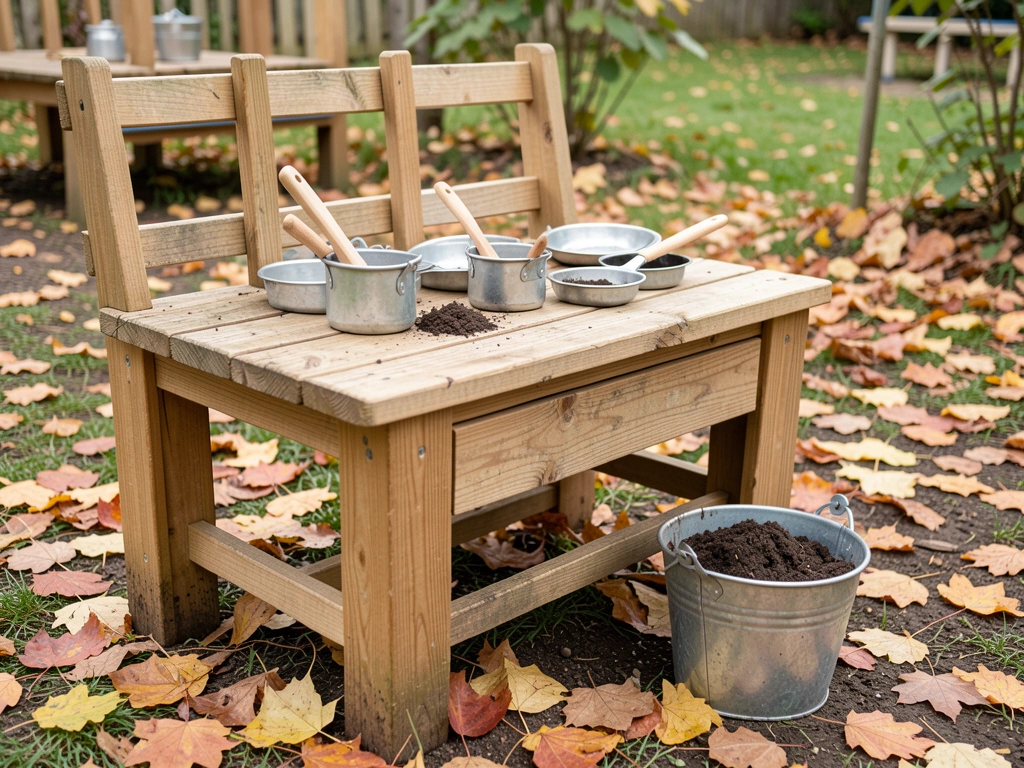
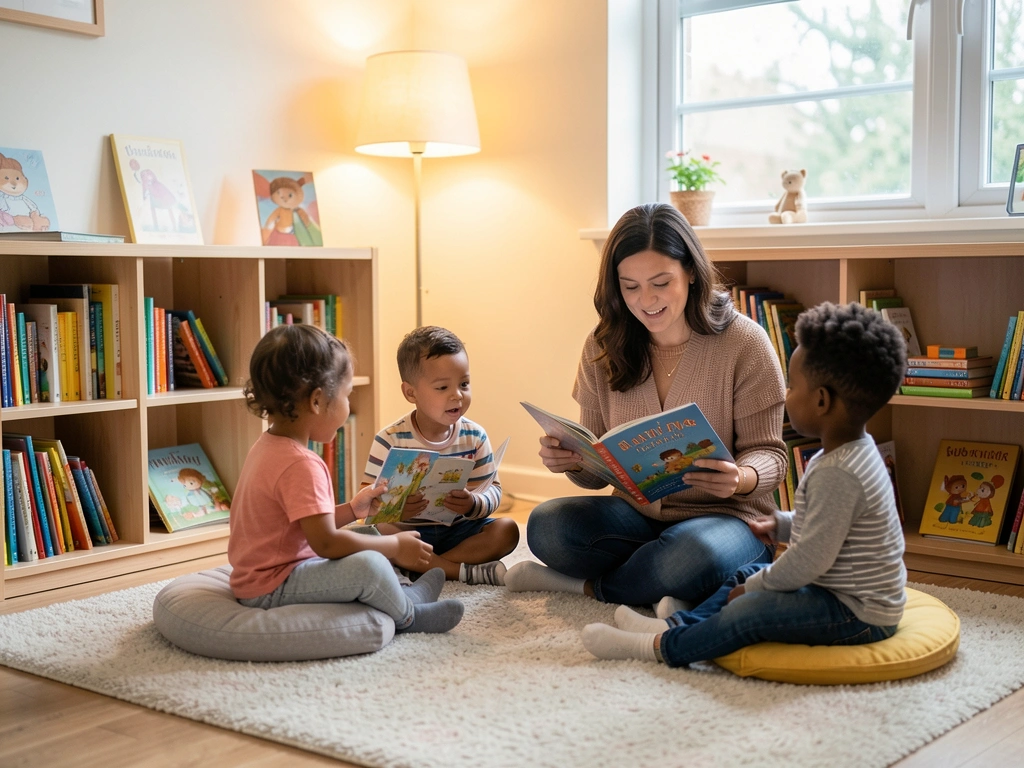
A few of the corners children run to first in the morning.

Our son cried at the door for a week, and his key person rang twenty minutes later every single morning to say he had settled. By the third week he ran in without looking back.
The learning journal is a joy to read. Each half term brings a handful of photos and notes showing exactly what she has been building, counting and chatting about.
When grandad started collecting on Fridays, the office talked us through the password and he was asked for his ID on the first day. That care is why we trust them with everything else.
We plan two or three short visits with you in the room, then a first session of about two hours without you. Your key person agrees the pace with you, and a longer settling in period is fine if your child needs it.
No. Nappies, wipes and changing are part of every session in all three rooms, and we work with you on toilet training when you and your child are ready for it.
Our cook prepares breakfast, lunch and tea on site from a four week menu posted in the entrance. Allergies and dietary needs, including religious and vegetarian diets, are recorded on the first day and checked at every meal.
Children with a high temperature, or who have been sick or had diarrhoea, stay at home until 48 hours after the last episode. If your child becomes unwell here, we phone you to collect, and for anything urgent we call the local emergency number first.
A change of clothes, a named water bottle, wellies and a waterproof coat, plus a sun hat in summer. We provide nappies, wipes, sun cream with your consent and every meal.
Send an enquiry or come to a visit morning, then fill in a registration form. Places are offered in the order forms arrive, with brothers and sisters of current children offered first, and if a room is full we tell you honestly how long the waiting list looks.
Visit mornings run every Tuesday and Thursday from 9:30, while the rooms are busy, so you see an ordinary day rather than a show. Tell us your child's age and the days you need, and the office replies within two working days with a visit time or an honest answer about places.
The office is staffed from 9:00 to 16:30 on weekdays. Outside those hours, send an email and the manager answers it the next working day.
A converted chapel hall with a walled garden, a short walk from the town park
| Monday to Friday | 7:45 to 18:00 |
| Office phone | 9:00 to 16:30 |
| Weekends and public holidays | Closed |
Every Tuesday and Thursday from 9:30. Bring your child if you like, and leave the buggy in the covered porch by the garden gate.
Arrange a visitThis preschool website was built by AI from two sentences. Tell us about your business and yours is built the same way, with its pages, photos and booking in place, ready to preview in minutes.
About this sample page
Little Acorns Preschool is an invented setting, written to show how an early years site can answer a parent's first questions on a single page. It opens with a visit request and three facts about ages, hours and time outdoors, then sets out three rooms by age with the staffing ratio for each. A table walks through an ordinary day, from breakfast for early starters to tea and home time. Safeguarding, ratios, pick up and first aid each get a short plain paragraph, with a reminder that the rules differ between countries. That order follows the worries parents bring, starting with safety and ending with the details of the day.
Fees come next, with the hours, meals and price of every session in one table and the registration fee and notice period beside it. A gallery, example reviews and a set of parents' questions then cover settling in, lunch and the learning journal. The visit request asks only for the child's age, the days needed and a preferred date. An owner building a real preschool site can keep this order and swap in their own rooms, rules and fees. The sample page linked below explains each part and why it earns its place.