Press campaigns
A story angle, a press release, a list of reporters who cover your field and a steady programme of pitching over six to twelve weeks.
Campaigns from$5,400
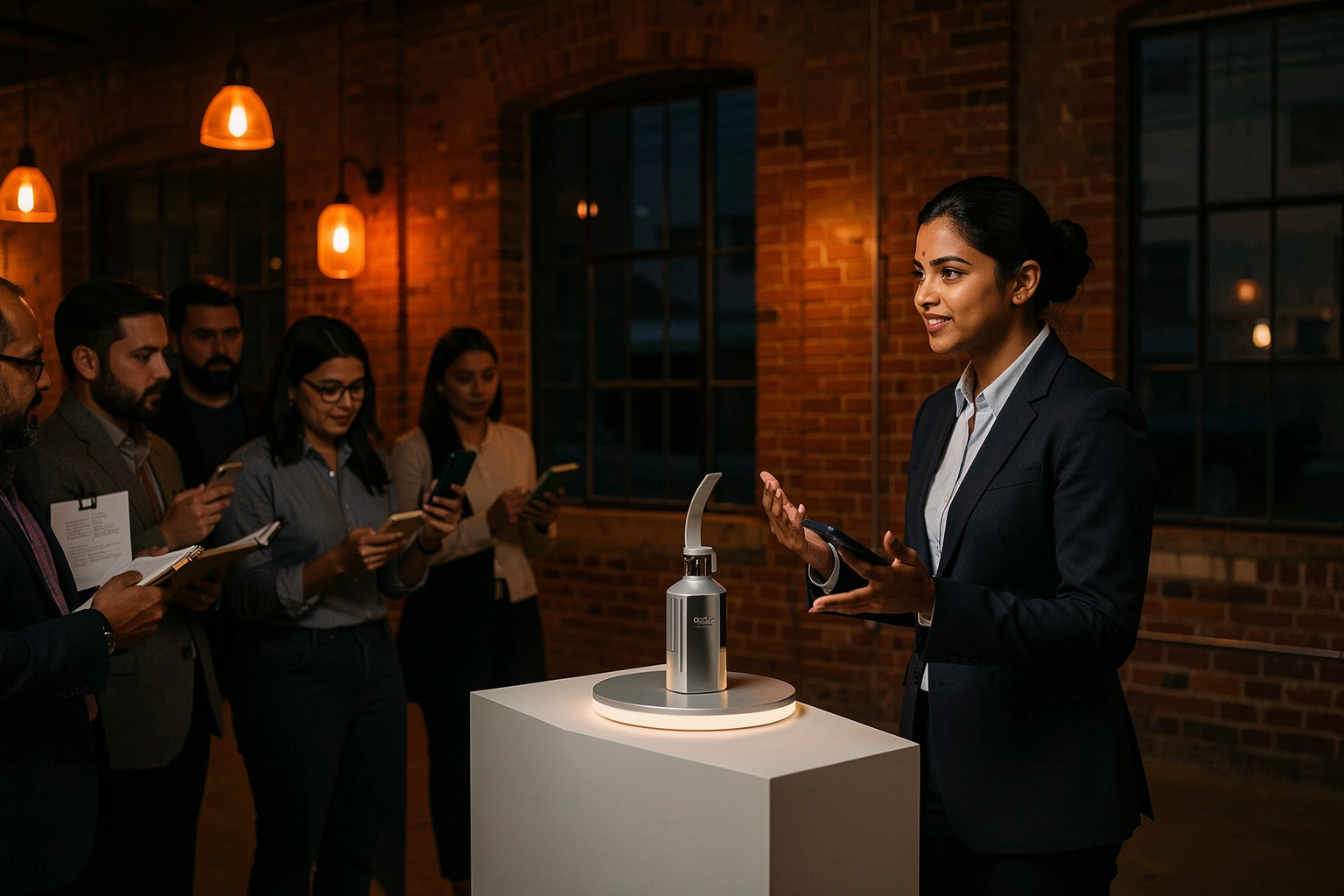
Press campaigns, product launches and media training for companies, founders and causes with something to announce. We shape the story, pitch it to reporters who cover your field and prepare whoever speaks for you. Coverage is never guaranteed, and we say so before you sign.
Most clients start with one of these and add another later. Every piece of work has a named lead, a written plan and an agreed fee before it begins.
A story angle, a press release, a list of reporters who cover your field and a steady programme of pitching over six to twelve weeks.
Product, company or funding news planned to the day, with embargoed briefings, a press kit and someone answering reporters from early on launch morning.
Half day or full day sessions that rehearse interviews on camera, on the phone and in print, with candid feedback on every answer.
A holding statement within hours, a plan for the questions to come and a calm adviser beside you while the story runs.
Help for leaders who want to publish their thinking: opinion pieces and expert comment written in their voice and offered to suitable editors.
Tastings, site visits and product previews for reporters, with invitations, guest lists and the follow up handled by our team.
Prices are illustrative and exclude travel, venue hire and paid distribution services, which we quote separately.
A retainer suits organisations with news most months. A project suits a single launch or one campaign. Both begin with the same briefing.
a project, from$6,500
a month, from$3,800
a day, from$1,900
Retainers are invoiced at the start of each month and projects in two halves, at the start and on launch day. Either side can end a retainer with 30 days' notice once the minimum term is over.
Every campaign moves through the same four stages, though the length of each depends on the news and the deadline.
A call or a visit to hear the news, meet the people behind it and learn what you hope will change once it is out.
Within two working days you receive the angle, the timing, the reporters we would approach and a frank view of the risks.
We write the materials, brief reporters who cover your field and handle every reply, request and interview booking.
A plain record of what ran, what did not and what we learned, with the next step agreed together.
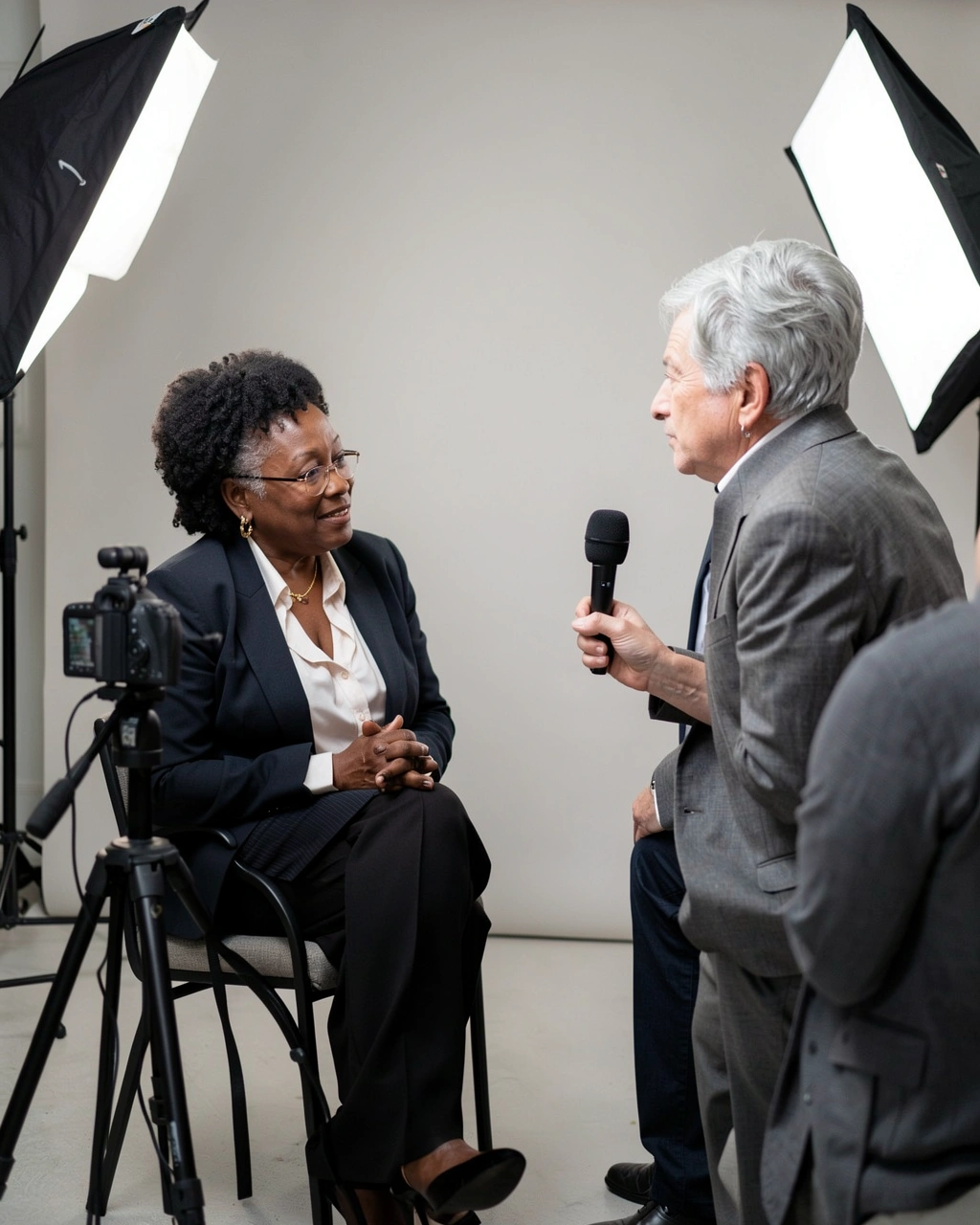
Most interviews go wrong on the one question a speaker hoped nobody would ask. Our trainers have worked on both sides of the microphone, so they find that question early and rehearse it until the answer is short, true and calm.
Sessions are recorded so speakers can watch themselves back. Recordings are used for nothing else and are deleted when the course ends, unless you ask us to keep them.
A typical product launch, counted back from the morning the news goes out. Timings shift with your news and the reporters involved.
| Day | What happens | Who is involved |
|---|---|---|
| Monday | Final check of the press release, the fact sheet and the photos | Your lead and our writer |
| Tuesday | Embargoed briefings for reporters who asked for early access | Your spokesperson and your lead |
| Wednesday | Interview rehearsal and a last look at likely questions | Your spokesperson and a trainer |
| Thursday | The news goes out at the agreed hour and enquiries are answered as they arrive | The whole account team |
| Friday | Follow up with reporters and a first summary of what ran | Your lead |
Embargo customs differ between countries and between publications, so we agree the terms with each reporter in writing before sharing anything early.
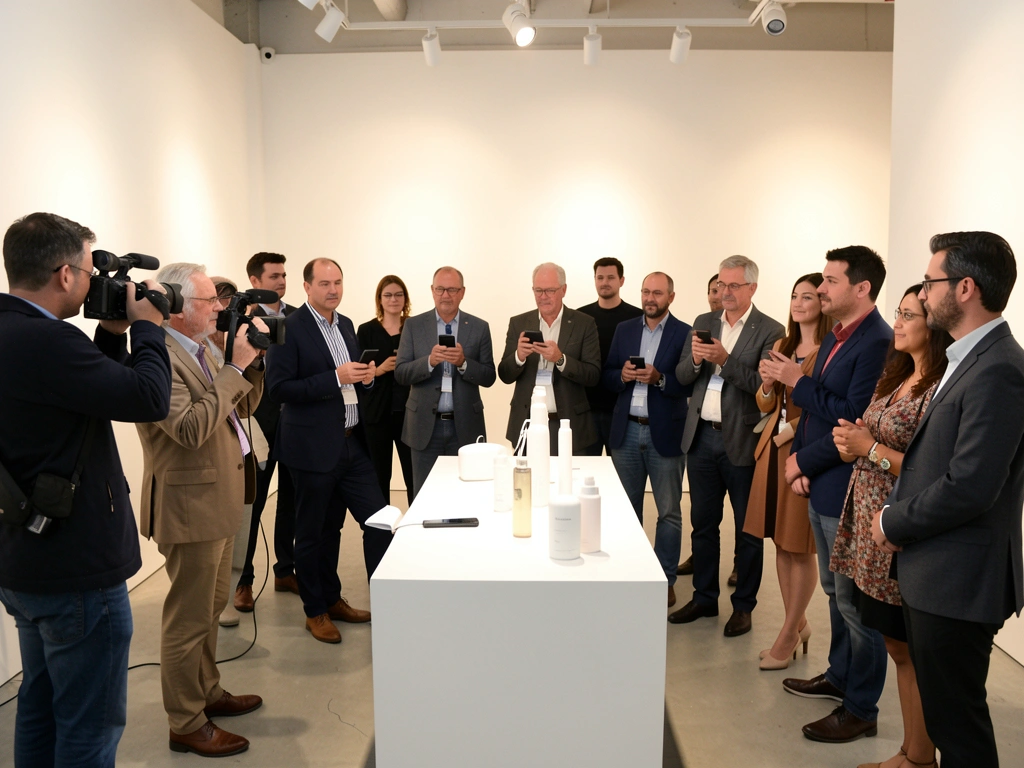
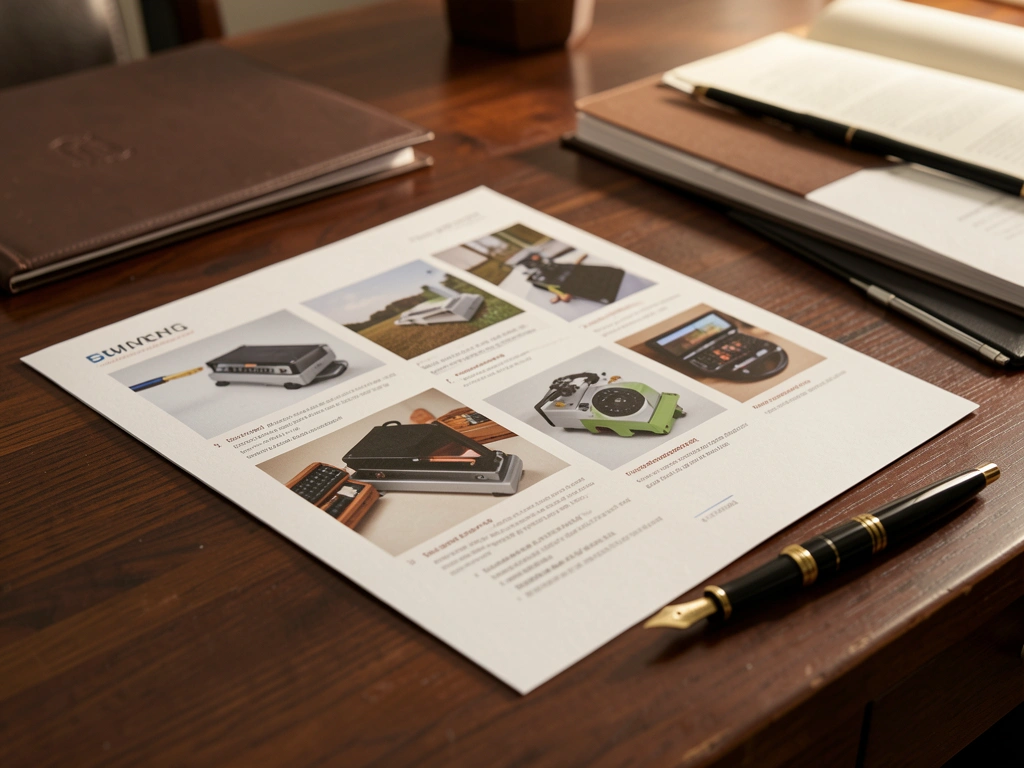
Moments from the kind of work that fills an ordinary week at the agency.




They told us which parts of our announcement no reporter would care about, and they were right. The release that went out was half the length and far clearer.
The training day was uncomfortable in the best way. Our director went into her first radio interview with three clear points and kept to them.
Coverage was steady rather than spectacular, which is exactly what they predicted, and the monthly report never dressed it up as anything else.
No agency can, and we will not pretend otherwise. Editors decide what runs, and their choices depend on the rest of the day's news, the strength of the story and timing nobody controls. What we promise is the work: a strong angle, the right reporters and a straight report of the results.
Projects usually begin within two weeks of the briefing. For urgent news we can start sooner, and we tell you on the first call whether the deadline is realistic.
Yes. Many clients come to us before their first announcement. We help them judge whether the news is ready and, if it is not, what would make it ready.
Retainer clients can call the crisis line at any hour. We draft a holding statement, agree who speaks and stay with you until the questions slow down. Legal questions go to your lawyer, and we work alongside them.
Yes, often with partner consultants who know the local press. Rules on advertising, disclosure and reporting vary by country, so we check them for each market before a campaign begins.
Everything we write for you is yours once the invoice is paid. Reporters' contact details stay with us, because they were shared with us personally and data protection rules apply.
Describe what you want to announce and roughly when, in a few sentences. Expect an answer within a working day offering times for a briefing, and if another kind of agency would serve you better, we say so and explain what to look for.
Phone the office on weekdays, or send an email whenever news breaks. Retainer clients have a separate number for a crisis.
An office in the city centre, with briefings in person or by video
| Monday to Friday | 08:30 to 18:00 |
| Weekends | Launch days only |
| Crisis line | Retainer clients, any hour |
Briefings can happen at our office, at yours or by video. Mention which suits you when you send your news, and bring anyone who will speak for the organisation.
Arrange a briefingThis pr agency website was built by AI from two sentences. Tell us about your business and yours is built the same way, with its pages, photos and booking in place, ready to preview in minutes.
About this sample page
Signal Fire PR is an invented agency, built here as a single page to show a public relations firm presenting itself on AI Web Maker. Its opening view promises preparation rather than headlines, while a wire ticker shows a launch week moving through its stages. Six services and three ways of working follow, each with a starting price so clients can judge the scale of the job. A launch week table and a media training section turn the agency's method into scenes a client can picture. The page closes with an enquiry form that asks for the news itself, which is where every good brief begins.
A real agency can begin its own site by describing its services and the clients it suits, and the builder then drafts the pages and an enquiry form to edit. Enquiries arrive through that form, while fees and contracts stay between the agency and its clients. Publishing is the moment billing begins, with a year of hosting at $119 and the domain charged separately. A walkthrough of this example, linked below, sets out the reasoning behind every section. Any agency can borrow the structure and replace every word with its own judgement.