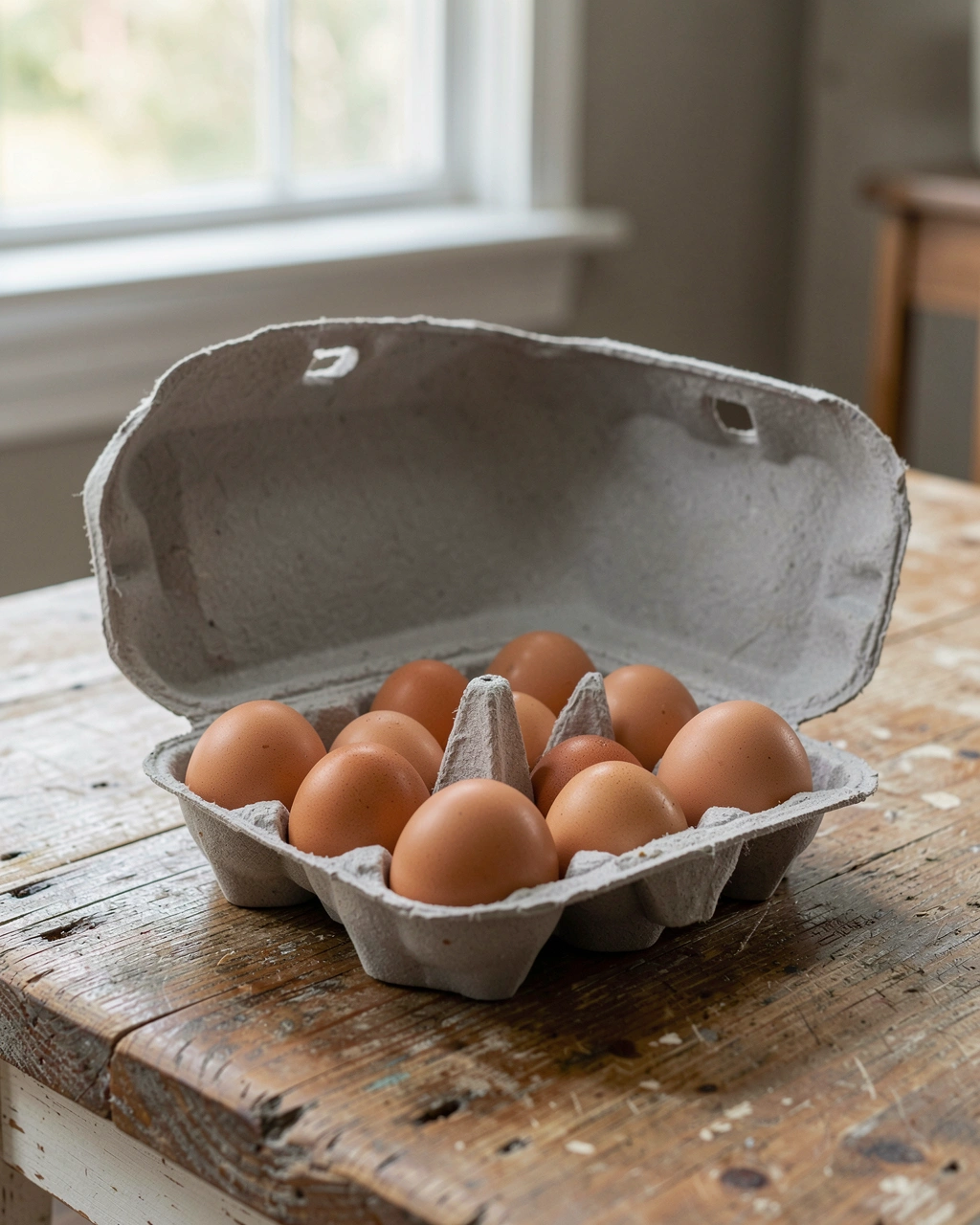
 Laid today
Large eggs, one dozen
Laid this morning, graded by weight
$6.50
Sunrise Hill keeps laying hens and slow grown table birds on open pasture above the village. Order eggs and dressed chickens online to collect at the farm gate or for chilled delivery, and send an enquiry for day old chicks to start a flock of your own.
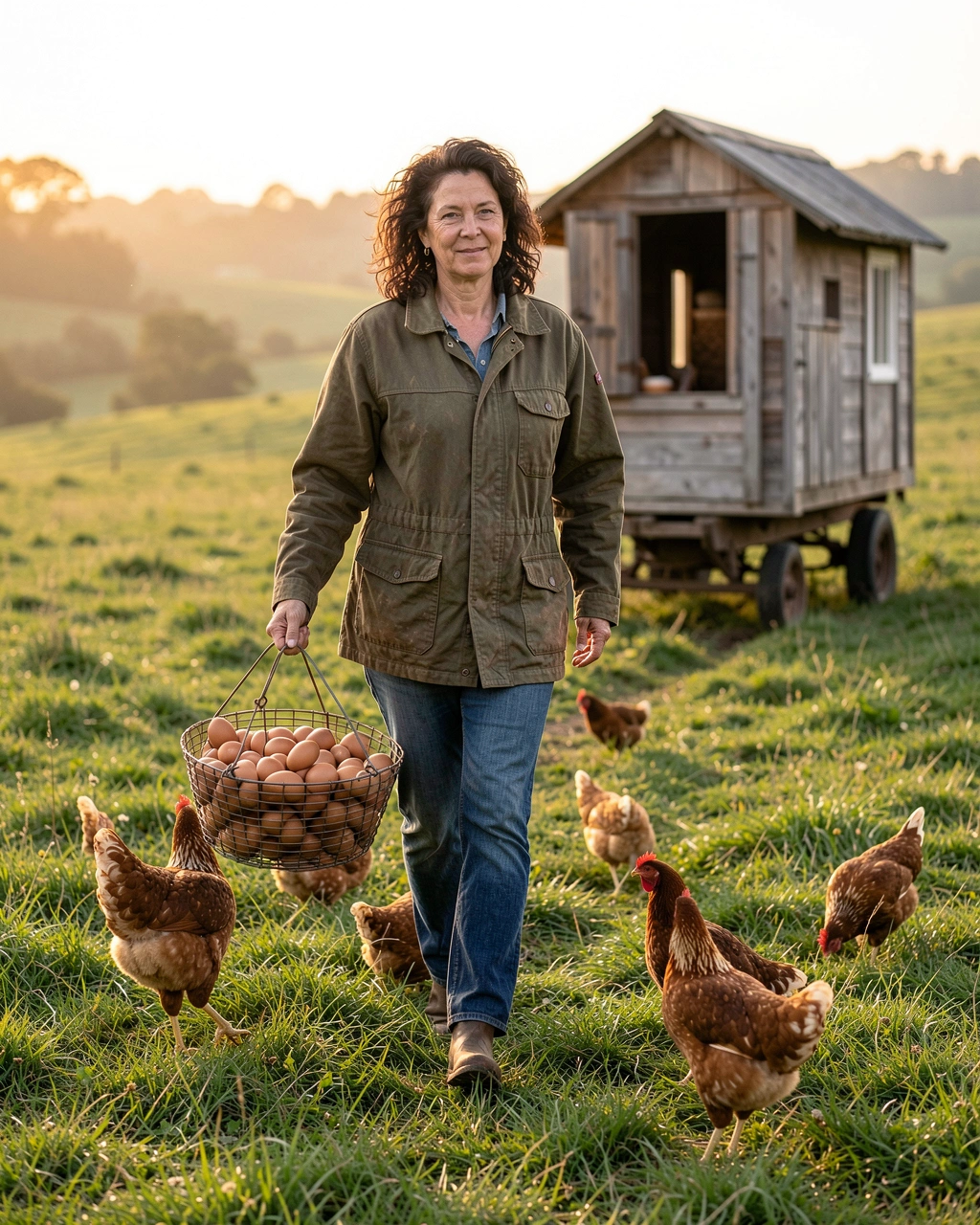
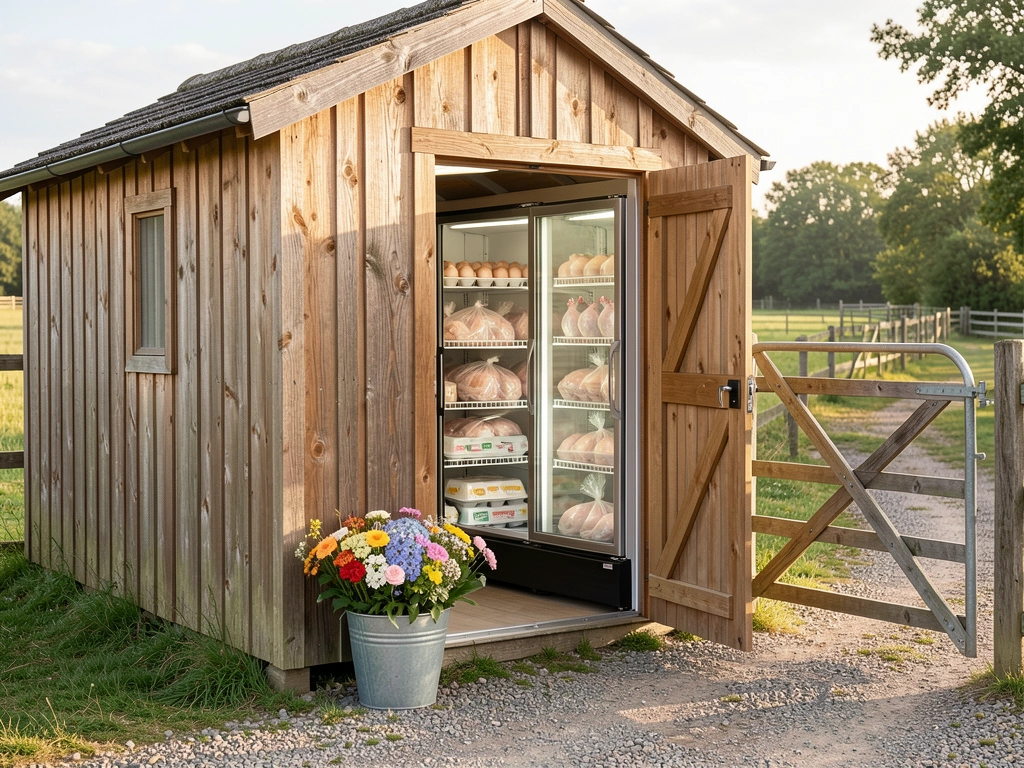
Eggs and chickens below are ready this week. Order by 20:00 for the next delivery round, or pick collection and take your labelled bag from the fridge by the gate.
Laid todayLaid this morning, graded by weight
$6.50
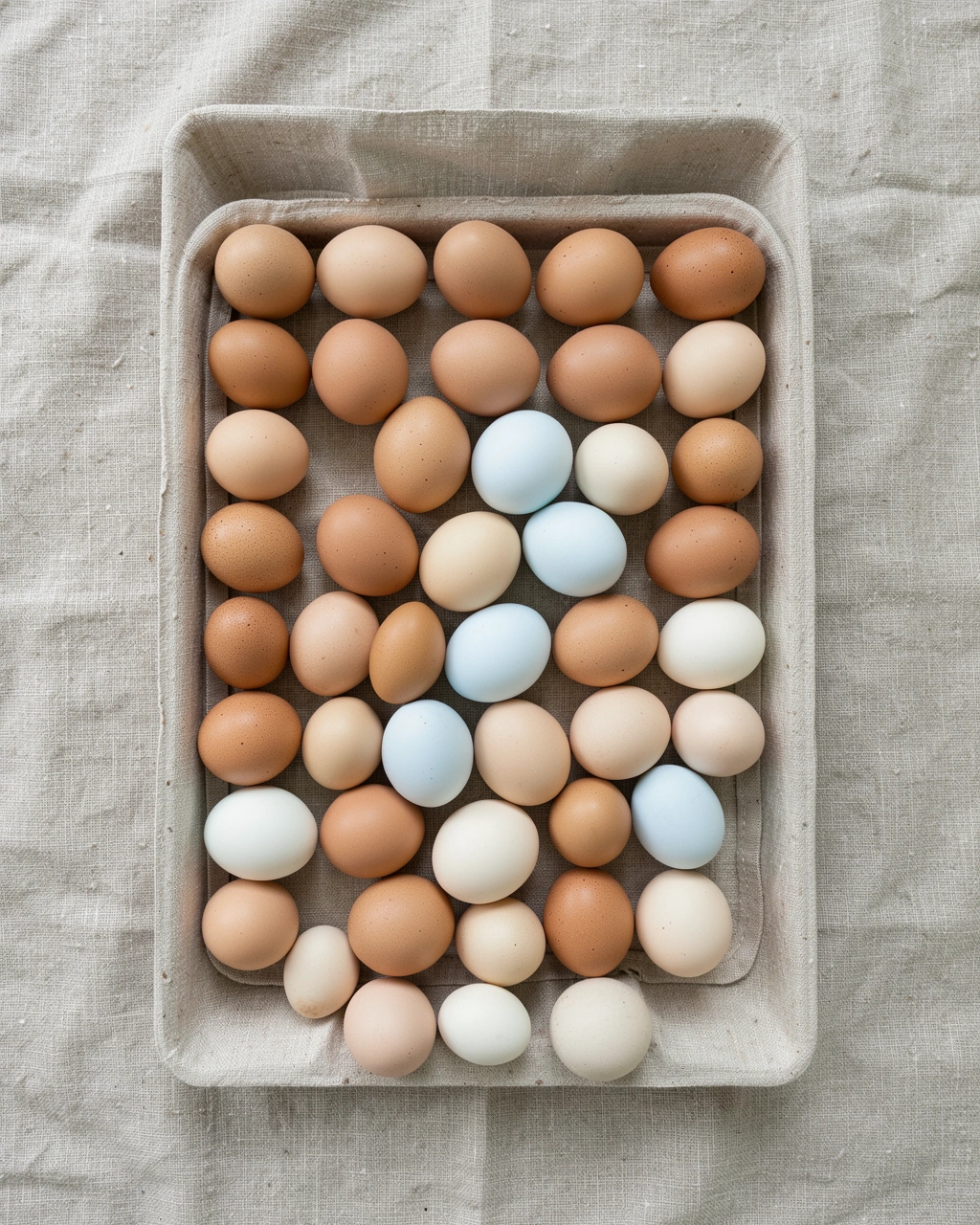
The whole day’s spread of sizes, for bakers and big households
$13
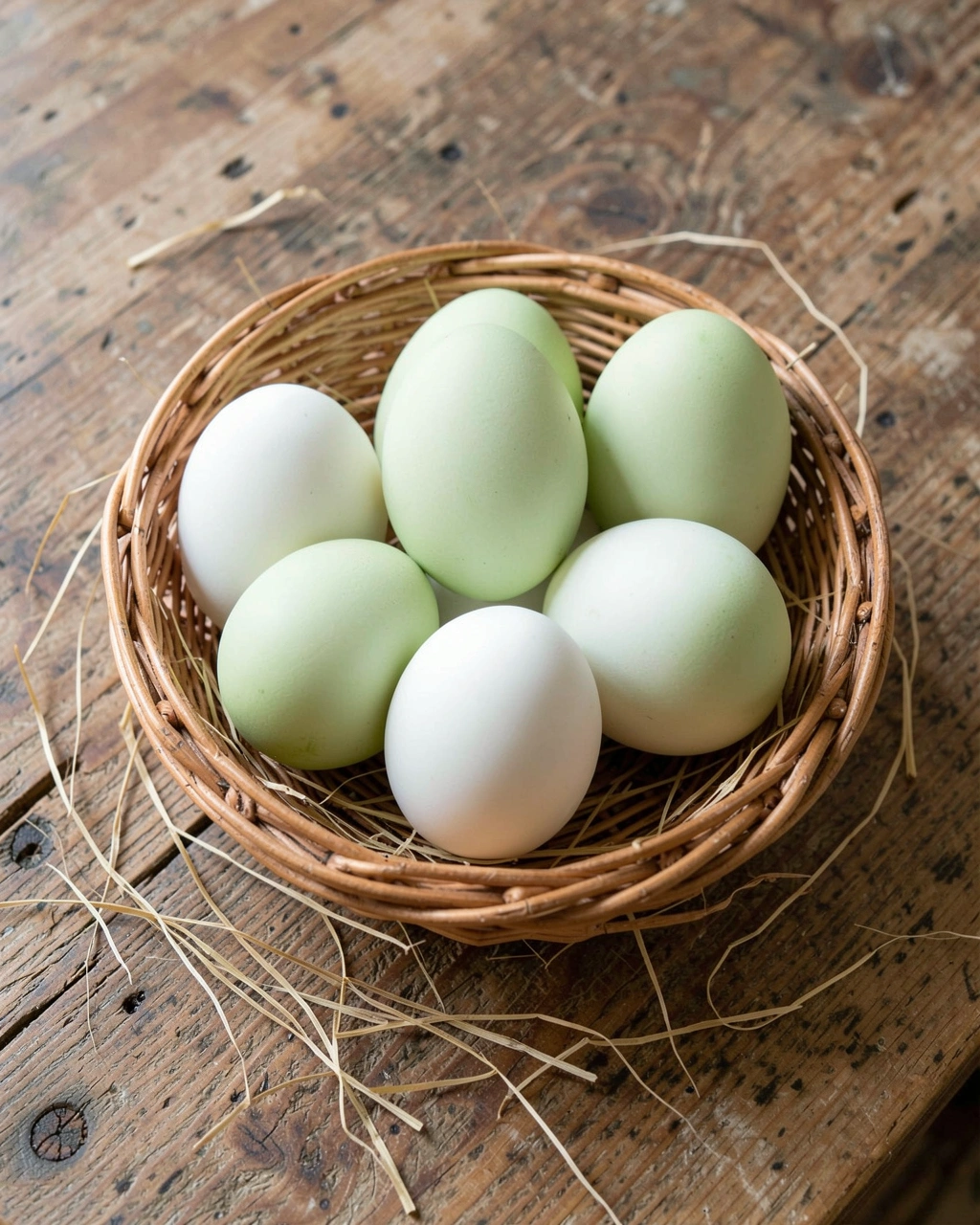
Large rich yolks that bakers ask for by name
$5.50
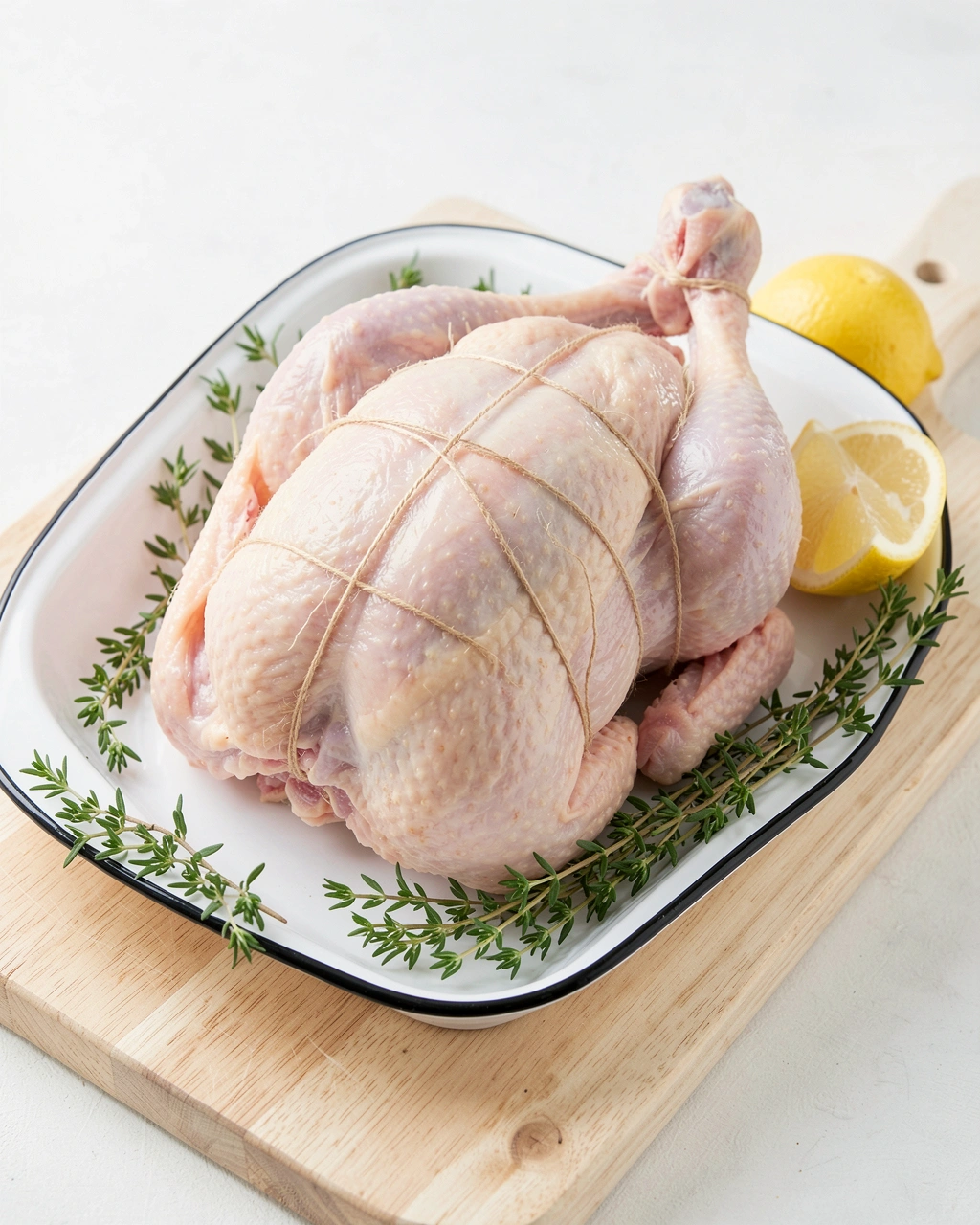 10 weeks on grass
Slow grown on grass, dressed and chilled on the farm
$26
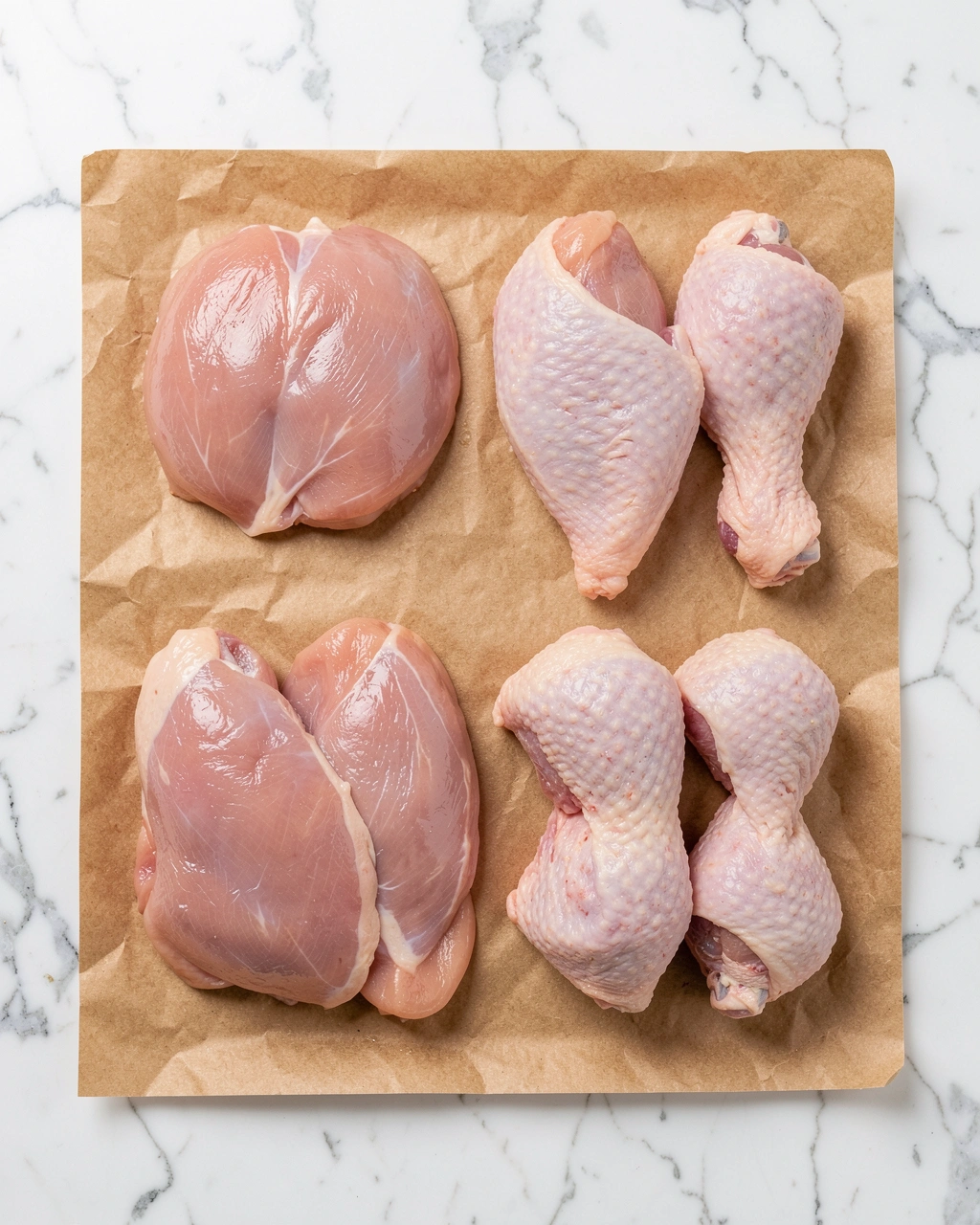
Breasts, thighs, drumsticks and wings
$34
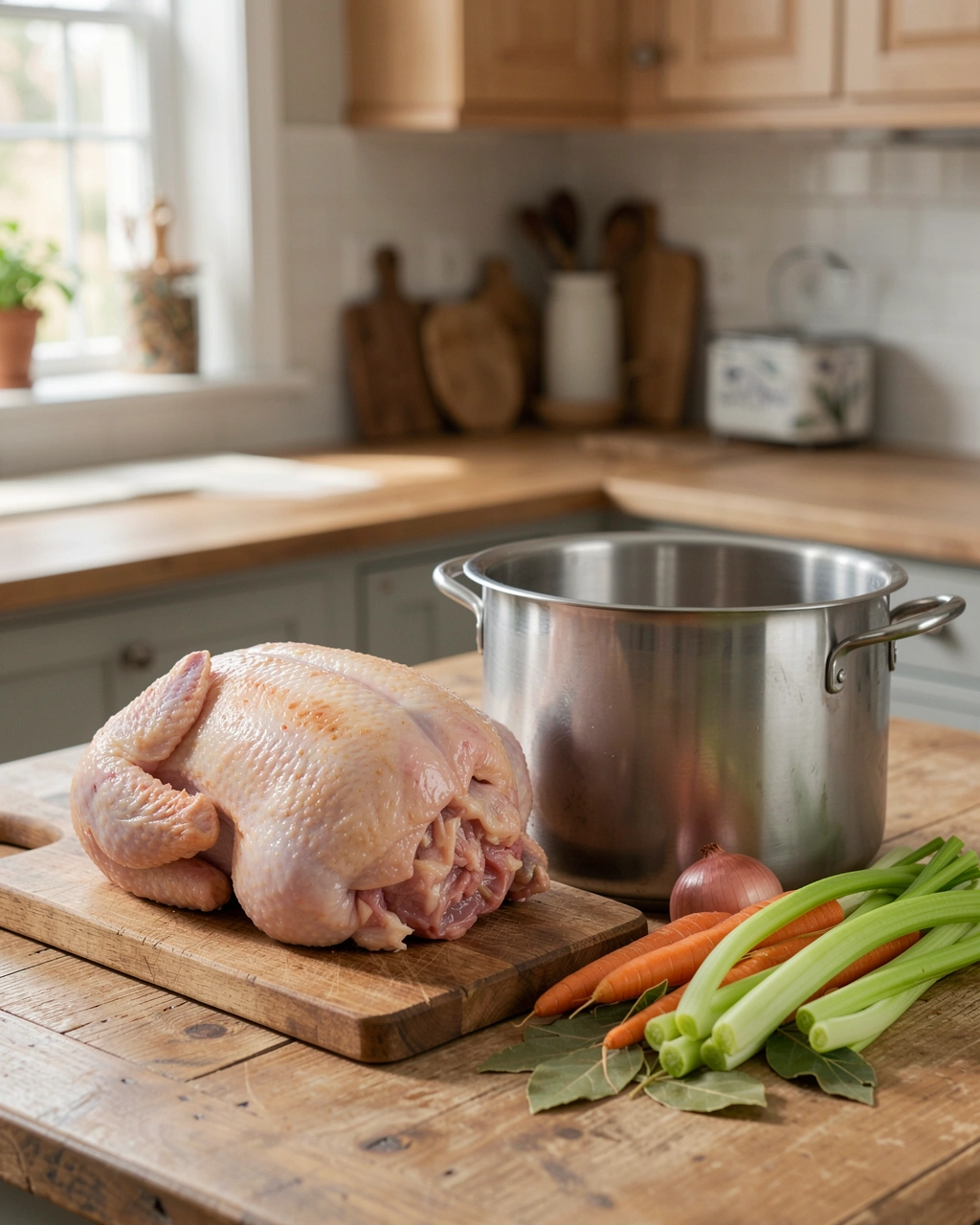 For the stockpot
A hen at the end of lay, for slow stock and soup
$9
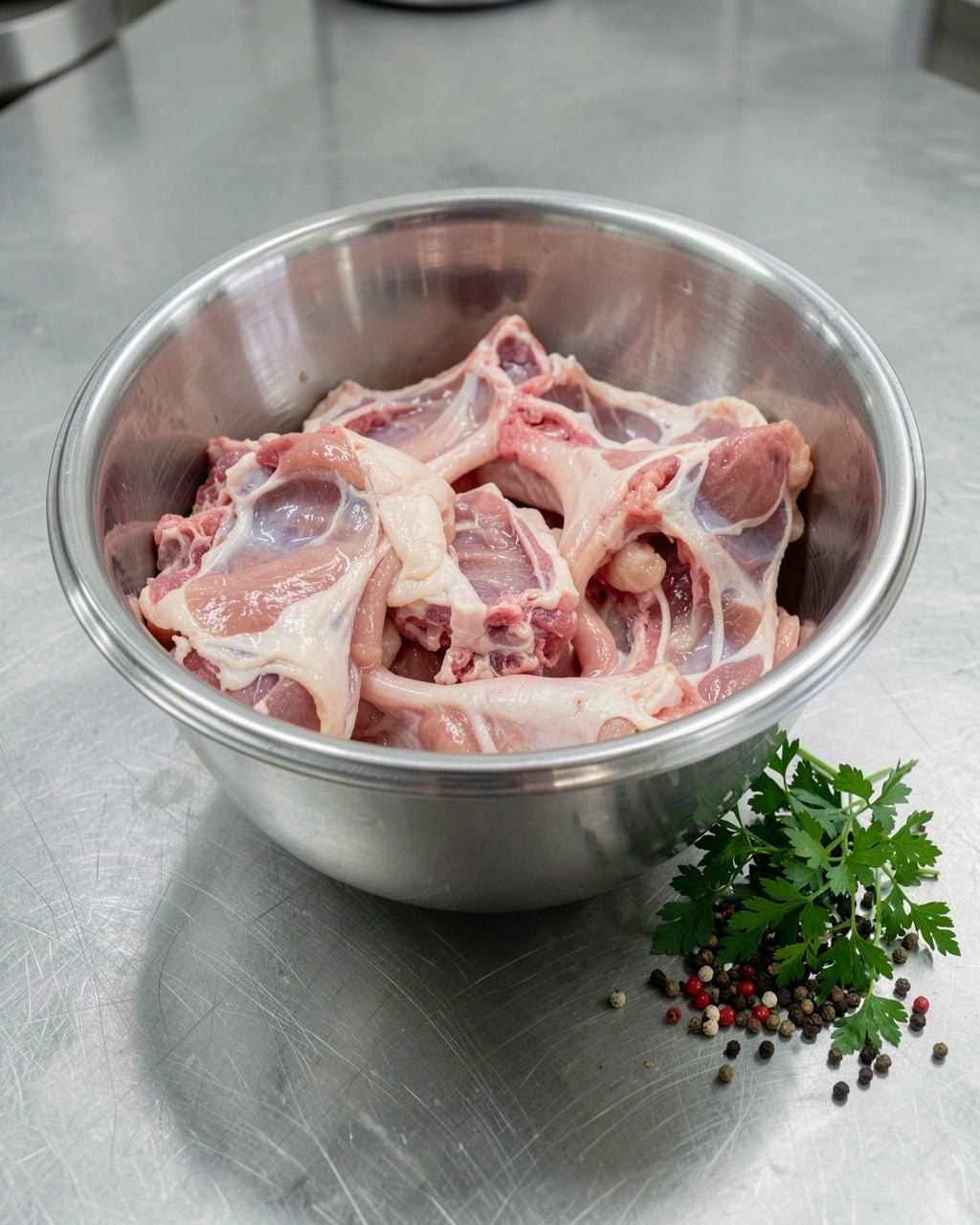
Frames and necks for a deep, golden bone broth
$7
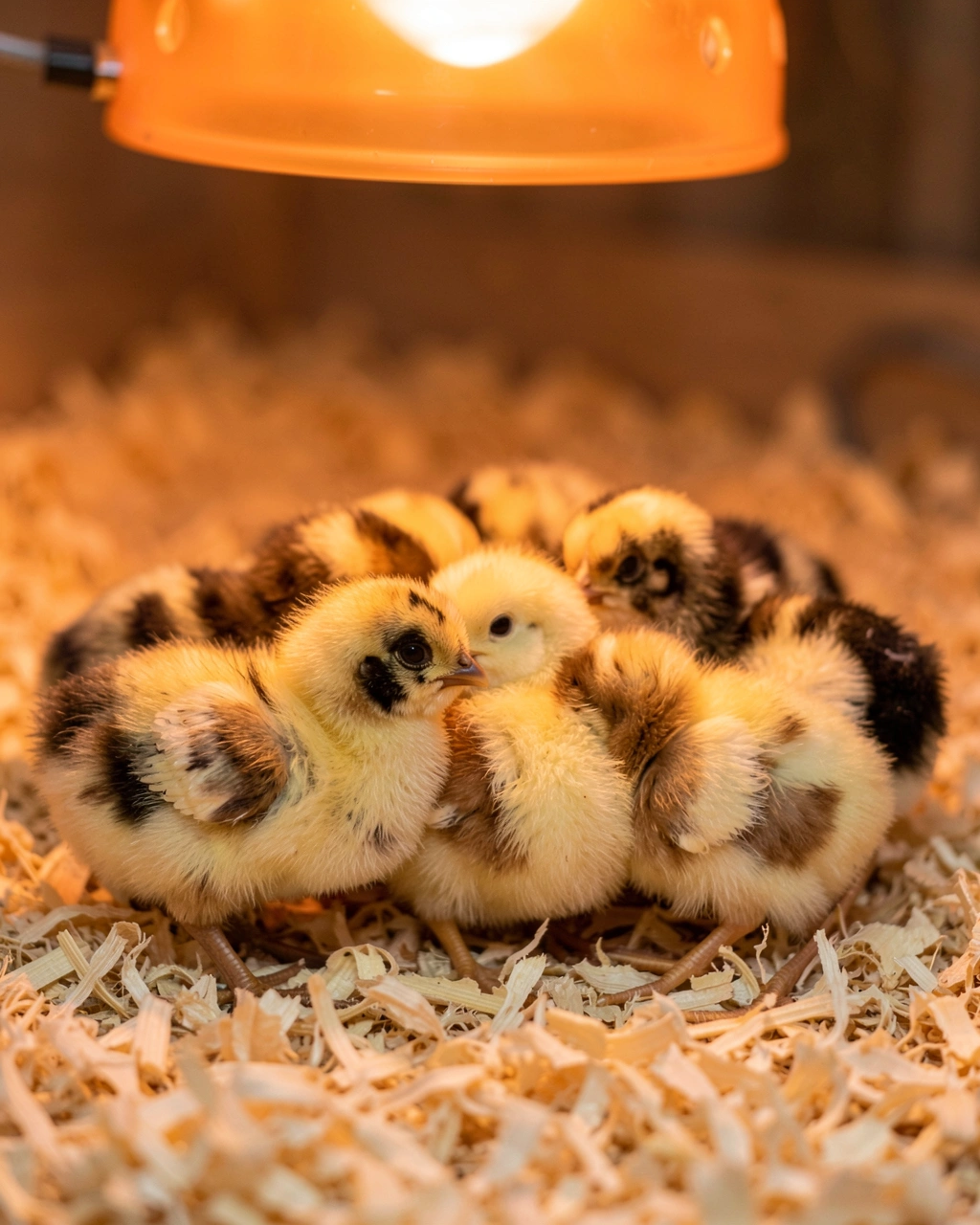 By enquiry
Laying breeds, as pullets or straight run, collected on Saturdays
Price on enquiry
EnquireThe delivery fee is added at checkout. Each chicken is sold at the price shown for its weight band, so a bird a little over or under costs the same. Chicks are priced per breed and per brood, which is why they are ordered by enquiry.
Choose one at checkout. Eggs and chickens travel chilled in insulated boxes with ice packs, and every bag carries the date it was packed.
| Option | How it reaches you | Fee |
|---|---|---|
| Farm gate collection | Your bag waits in the shop fridge with your name on it, any day from 08:00 to 18:00 | No charge |
| Village round | Our chilled van on Tuesday and Friday afternoons, to addresses within 20 km | $4 |
| Wider round | Fridays only, for homes 20 to 40 km from the farm | $8 |
| Weekly egg box | The same eggs on every village round, arranged once by message | Round fee |
Order by 20:00 the evening before a round. Live chicks never travel by van or post; they go home with their new keeper from the farm.
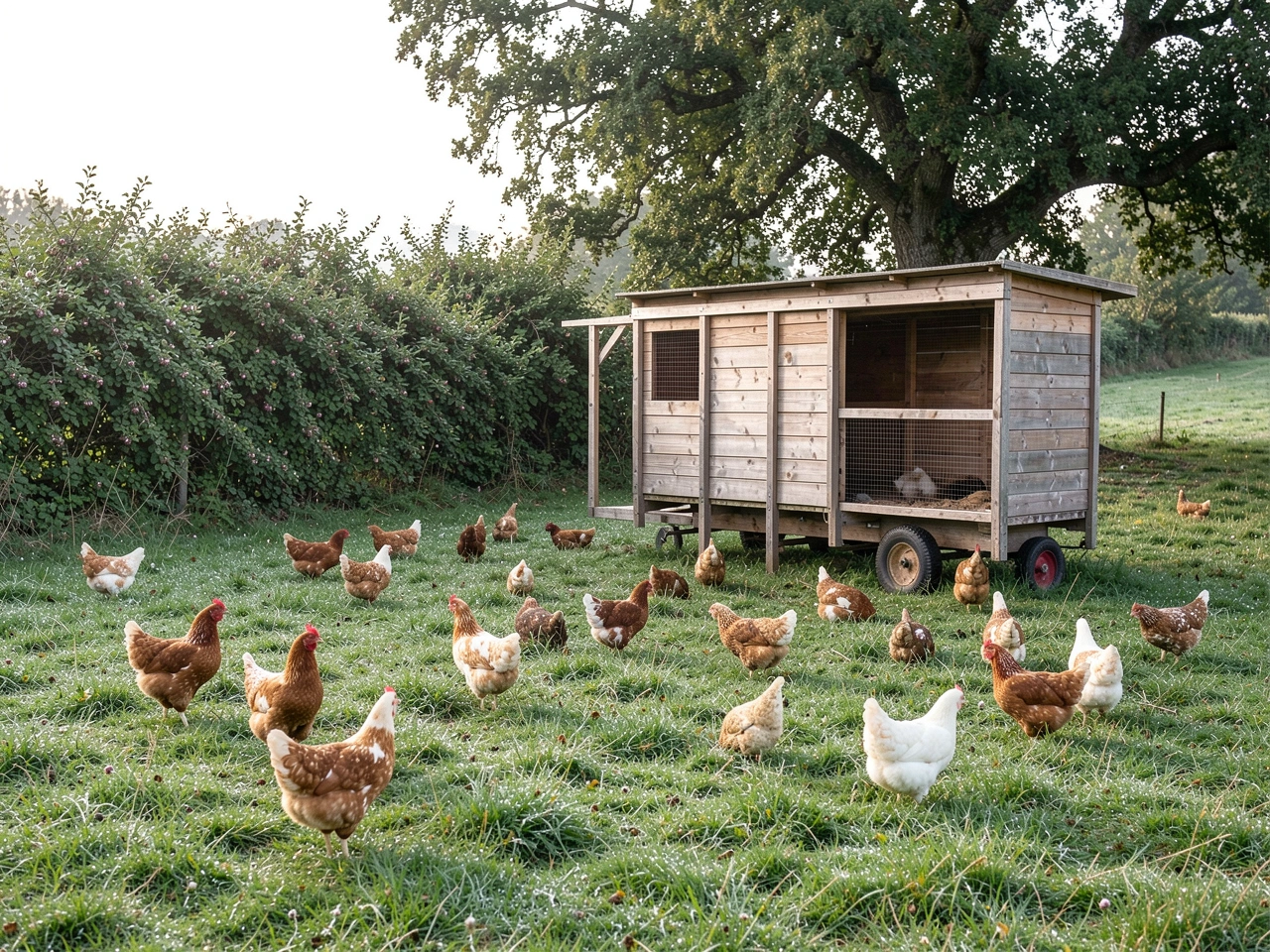
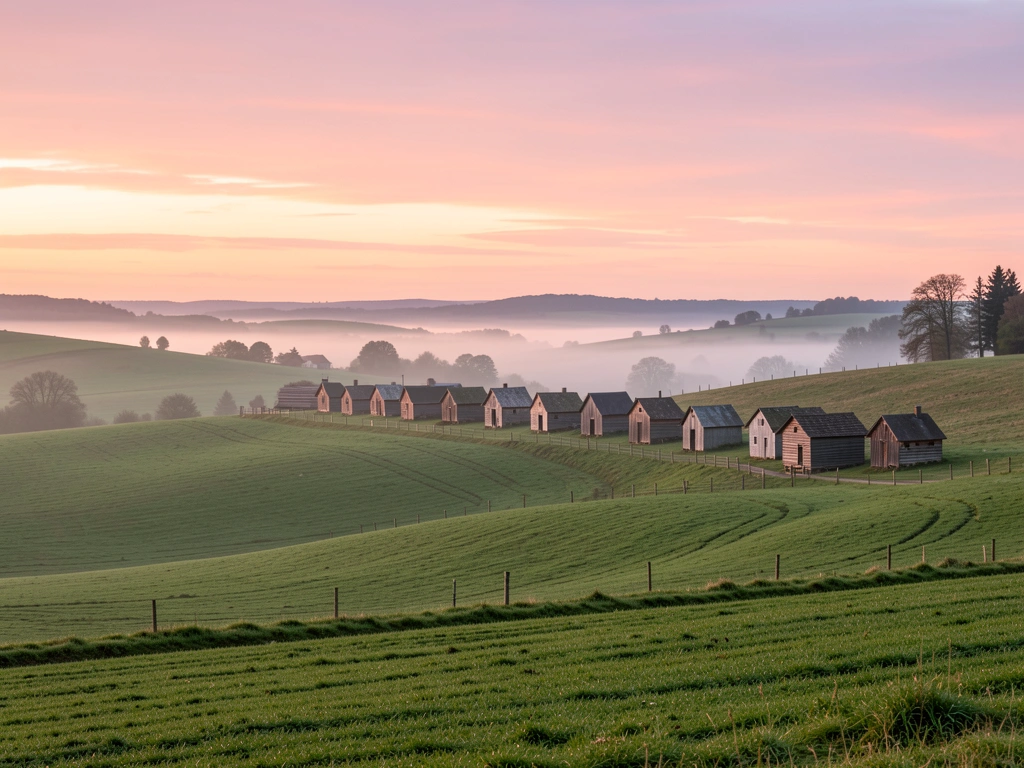
The laying hens live in wooden houses on wheels that we tow onto new pasture each week, so the ground behind them rests and grows back. They are let out at first light, scratch along the hedges through the day and are shut in at dusk, safe from foxes.
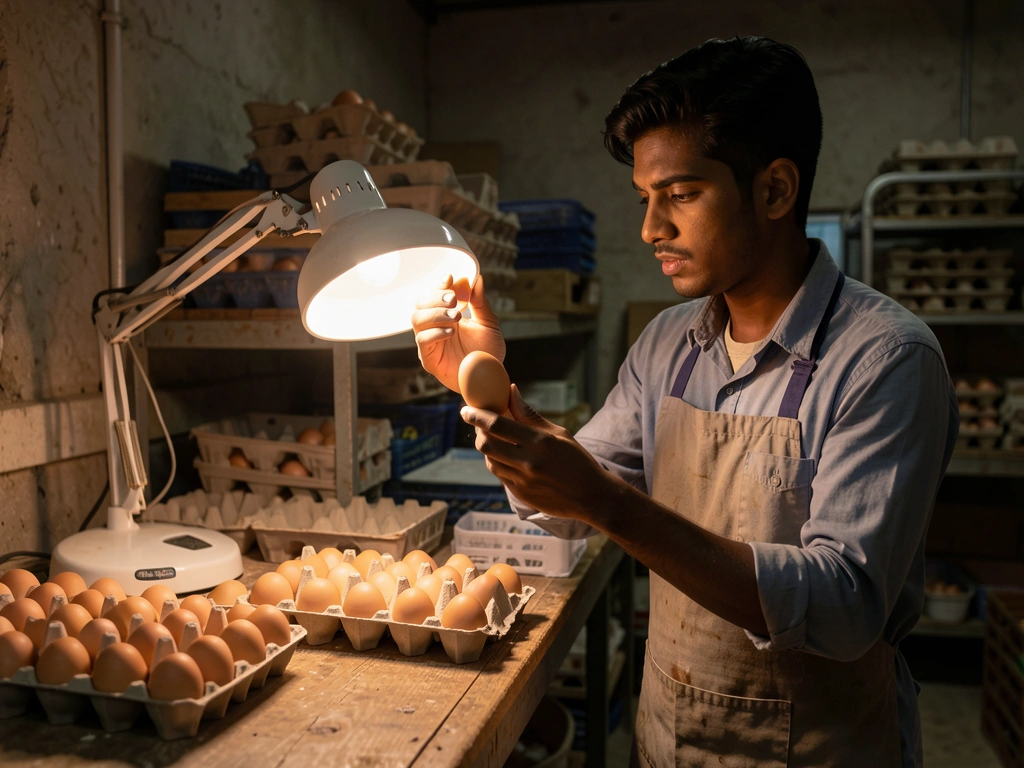
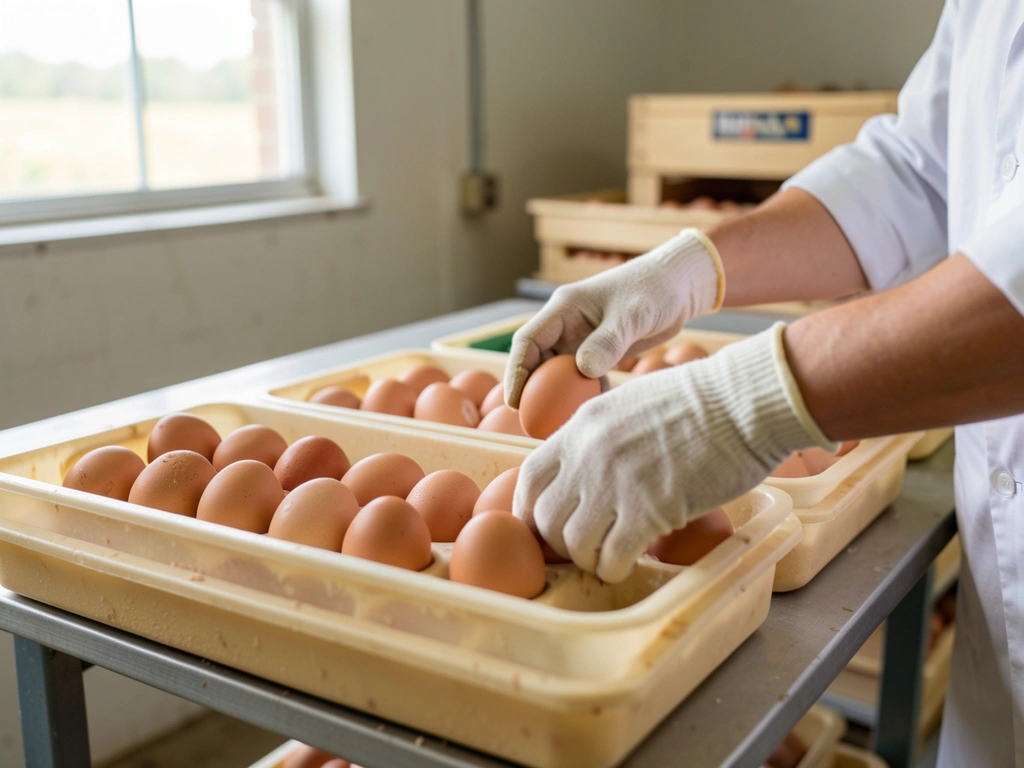
Eggs are gathered twice a day, held to a lamp to catch hairline cracks, graded by weight and boxed in the farm packing room. Our table birds are a slower growing breed raised on the same hill for about ten weeks, then dressed in the licensed room beside the packing shed.
Chicks need warmth, water and food from the hour they arrive, so run the brooder a day early and let it settle.
Keeping poultry can require registration, and selling or moving live birds is regulated in many places. Rules vary by country, so check with your local authority before you order.
Set up a draught proof brooder with a heat source, clean wood shavings and a ring guard, and run it overnight so it holds a steady temperature.
Drive the ventilated chick box we give you straight home, and dip each beak into the water as the chicks go in so they find it.
Keep the warm end at about 32 to 35 °C (90 to 95 °F) with a cooler end. Chicks huddled under the heat are cold; chicks pressed to the edges are too warm.
Lower the heat by about 3 °C (5 °F) each week, keep chick crumb and clean water in reach, and move them outside once they are fully feathered.
Each brood comes from our own parent flock. Hatches rotate through the year, so ask which breeds are due when you enquire.
Sexing a chick at a day old is never certain, so an order of pullets can still hold the odd cockerel. Any cockerel you cannot keep can come back to the farm once it reaches eight weeks.
From the first egg in the basket to the chick box on the back seat.
Yolks the colour of apricots, and the date on every box is the day the hens laid them. The Friday van has not missed a week since spring.
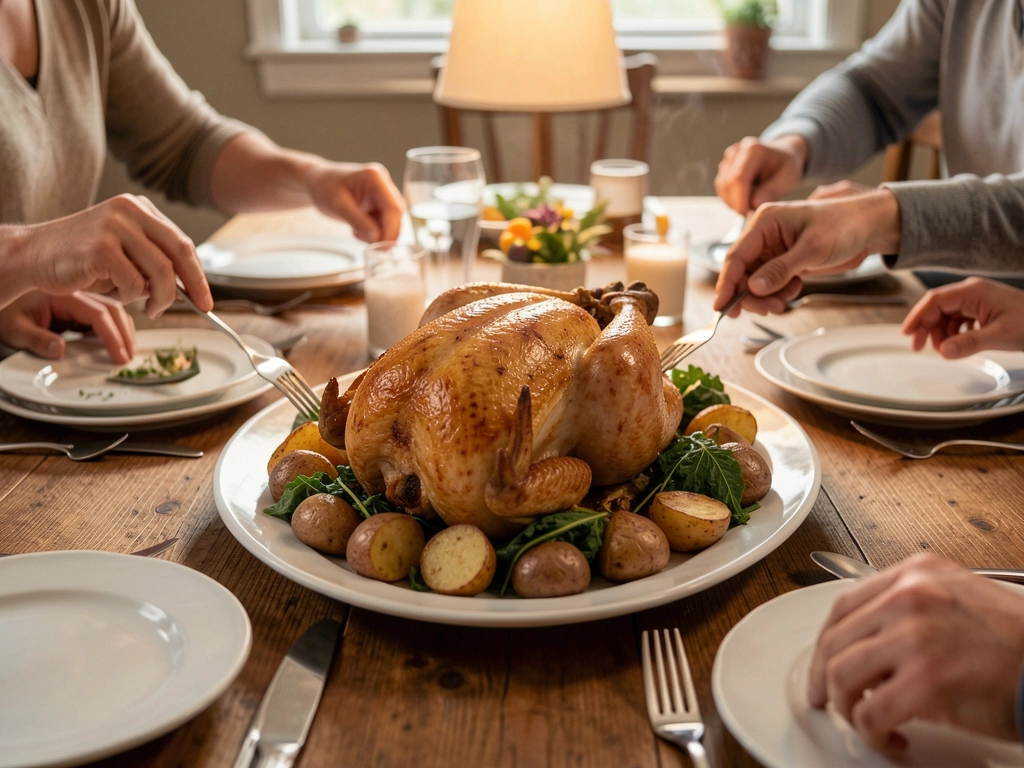
The spatchcocked bird roasted in under an hour and fed six of us, then the bones went into a broth that lasted until Wednesday.
Six Light Sussex pullets, a sheet of brooder notes and a call two days later to ask how they were settling. All six lay every day now.
Yes. They go out at first light and come in at dusk, every day of the year. When the authorities order poultry housed during a bird flu outbreak, the law keeps them in their houses until the order lifts, and we say so on the egg boxes.
Keep eggs boxed in the fridge and use them by the date on the box. Store chicken at the bottom of the fridge, away from food that will be eaten raw, and cook it until the thickest part reaches 74 °C (165 °F) and the juices run clear. Food safety guidance differs between countries, so follow the advice where you live.
No. Shells are brushed clean by hand, and any egg too dirty to brush goes to the farm kitchen instead. Some countries require eggs to be washed before sale and others do not allow it, so the rules depend on where you live.
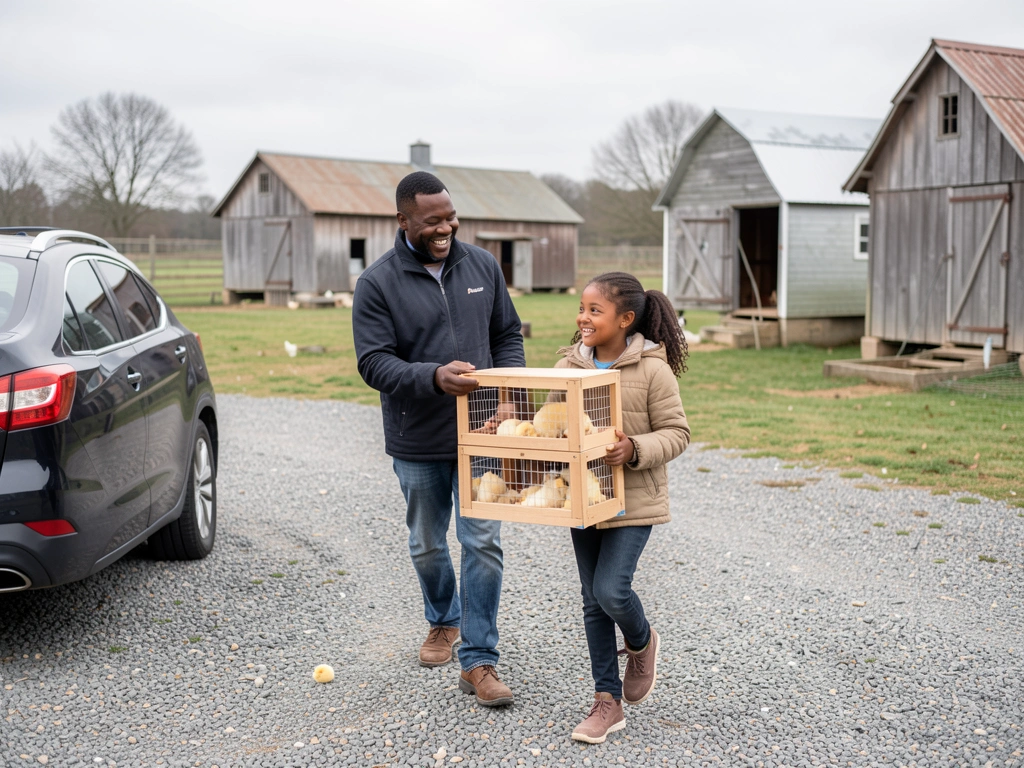
No. Chicks leave the farm only with the person who will keep them, collected on a Saturday morning in a ventilated box. Moving and selling live birds is controlled in many places, and some ask keepers to register, so check the rules where you live first.
The price depends on the breed, whether you want pullets or straight run, and how many chicks are due in that hatch. Send an enquiry and we reply with the price per chick and a collection date before anything is reserved.
The farm shop is open every day, but the flock fields stay closed to visitors because footwear can carry disease between farms. Families collecting chicks see the brooder room on Saturday mornings, wearing the boot covers we hand out.
Tell us which breeds you would like, how many chicks and the week that suits you. We reply within two working days with what is due to hatch, the price per chick and a Saturday to collect. Cafes and bakeries can ask about a standing egg order here too.
Follow the lane past the church and look for the hen houses on the hill. The shop is the wooden shed beside the gate.
Hillside farm two kilometres past the village church, shop beside the gate
| Farm shop | Daily, 08:00 to 18:00 |
| Chick collection | Saturday, 09:00 to 12:00 |
| Delivery rounds | Tuesday and Friday |
Park by the gate, take the bag with your name on it from the fridge, and drop any clean egg boxes you would like us to reuse in the crate beside the door.
This poultry farm website was built by AI from two sentences. Tell us about your business and yours is built the same way, with its pages, photos and booking in place, ready to preview in minutes.
About this sample page
Sunrise Hill Poultry Farm is a made up farm, written to show how a poultry business can sell eggs, chickens and chicks on AI Web Maker. A chalk board of today’s prices greets visitors beside a photo of the morning egg round, and the farm shop fridge follows with eight products. Eggs, chickens, portions and broth packs each carry a price and an Add to bag button, while day old chicks lead to an enquiry instead. A delivery table lists the gate, two chilled rounds and a weekly egg box with their fees. Shoppers know what they will pay and how the food travels before they open the bag.
The second half of the page turns to the birds and the rules around them. A section on the flock describes houses moved across the pasture and eggs candled by hand, and a brooder guide walks new keepers through their first six weeks. Questions cover washed eggs, safe cooking and storage, and why chicks are never posted, with reminders that the rules vary by country. A farmer starting out on AI Web Maker describes the flock and the van round in a short note, then reshapes whatever the builder produces until it sounds like the farm. Any farm that sells at its gate could follow this order and fill it with its own birds.