Taster evening
a person, from$55
- Time on the wheel with a tutor beside you
- Make two or three pots and choose one to keep
- We trim, glaze and fire it for you
- Ready to collect three weeks later
Wheel throwing and hand building classes for beginners and returning potters, two hour taster evenings, and a studio membership with shelf space and firings. No class is larger than eight, so a tutor is never more than a few steps from your wheel.
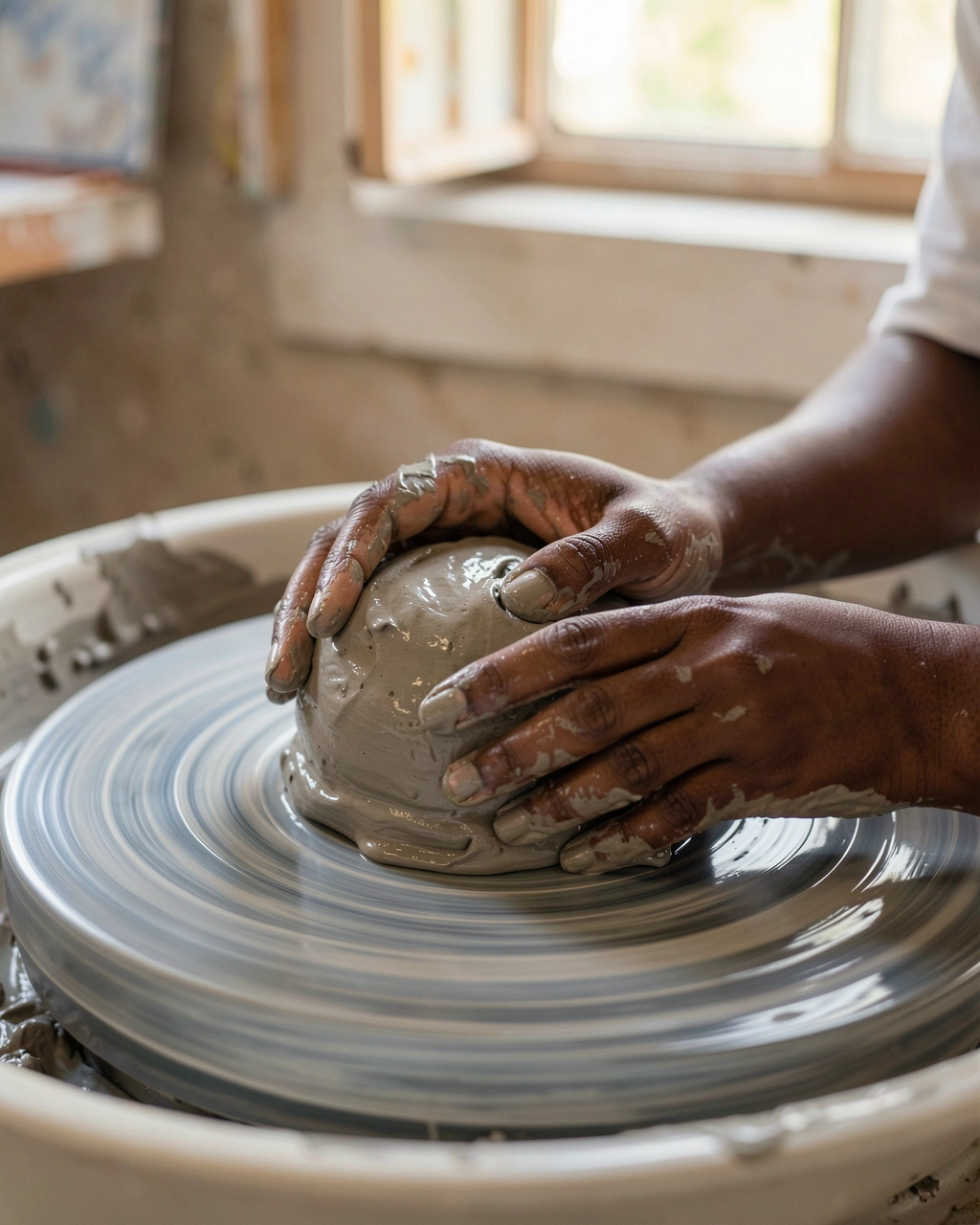
Every class includes the clay, tools, aprons and the firing of the pieces you keep. Start with a taster if you have never touched a wheel, or go straight into a course.
a person, from$55
a person, from$320
a person, from$260
A place is held for 48 hours once we accept your request, while you pay the studio directly. Miss a session and you can make it up on another night of the same course when a wheel is spare.
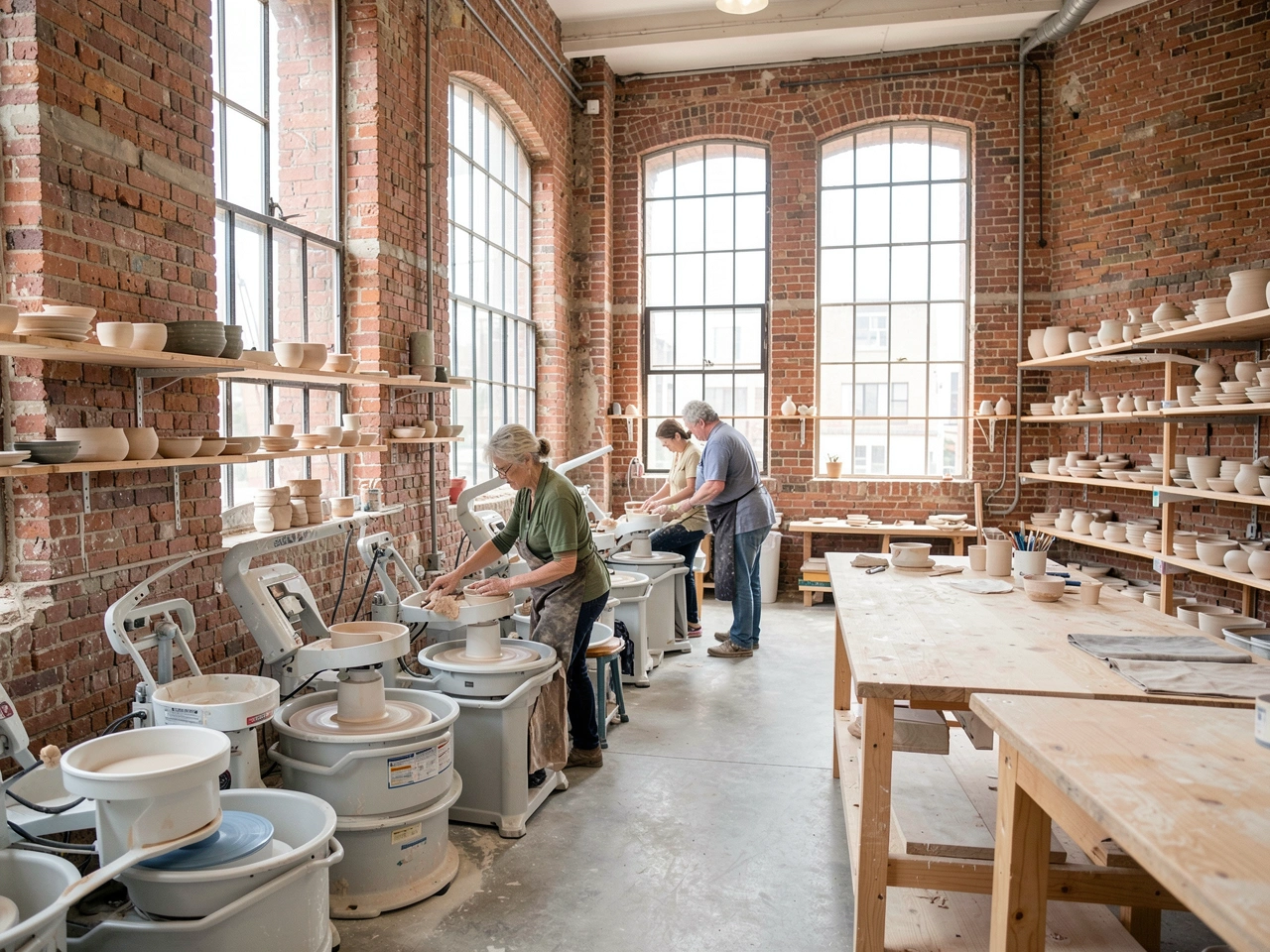
The studio fills the ground floor of an old print works, with ten electric wheels along one wall and a hand building table under the windows. Tutors are working potters who sell their own pieces, and there is one tutor for every eight people in a class.
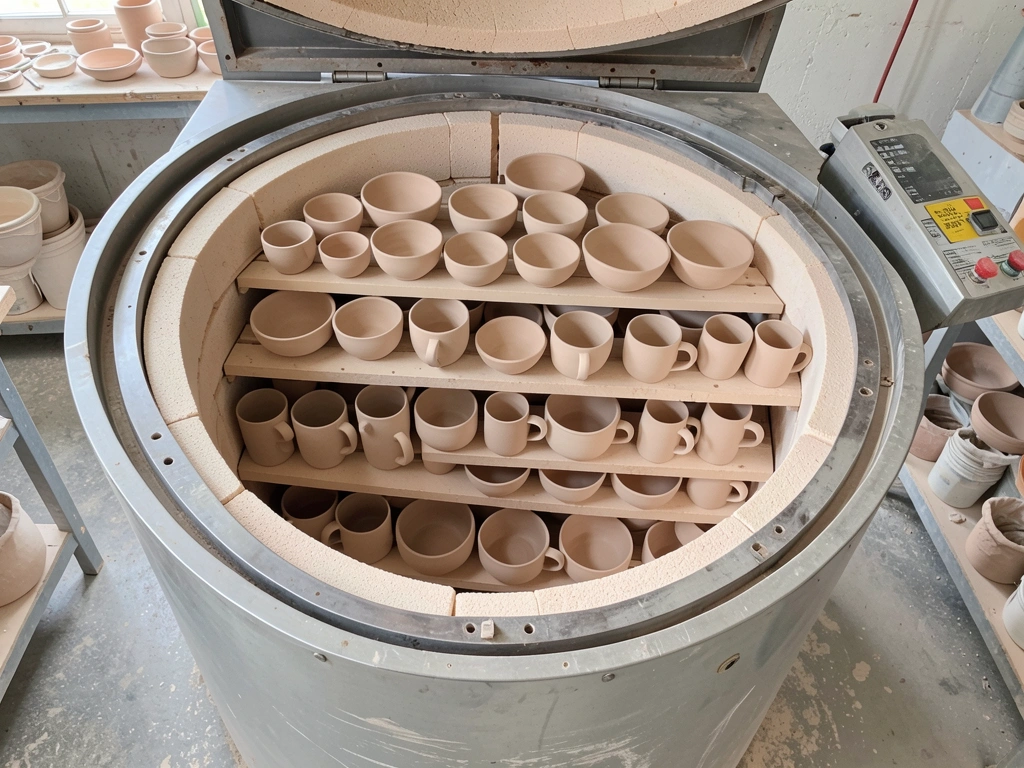
Both kilns are loaded and fired by the studio team, so nobody has to learn firing schedules before they are ready. Glazes are mixed here in small batches and tested on tiles that hang above the glazing bench, which lets you see a colour on real clay before you dip a pot.
For potters who can centre and trim on their own and need a wheel, a shelf and a kiln. Members join after a course with us or after a short session with a tutor at the wheel.
| Membership | When you can come | Shelf space | Price |
|---|---|---|---|
| Weekday | Tuesday to Friday, 10:00 to 17:00 | One shelf | $95 a month |
| Full | Every open studio hour, evenings and weekends included | Two shelves | $150 a month |
| Ten visits | Any open studio hours within three months | One shelf | $120 for ten |
Members buy clay from the studio by the bag, and firings are charged by the shelf: $12 for a bisque firing and $16 for a glaze firing. Wheel time is booked on the studio board each week.
Every piece passes through the same five stages, and most take about three weeks from the wheel to the collection shelf.
You shape the piece on the wheel or by hand, and it rests under plastic so it dries slowly and evenly.
Two to four days later the clay is leather hard. You trim a foot ring, pull a handle or carve a pattern.
Once bone dry, the piece is fired to about 1,000 °C, which turns soft clay into a hard, porous pot.
You choose a studio glaze and dip, pour or brush it on. A tutor checks the base is clean so nothing sticks to the shelf.
A second firing to about 1,240 °C melts the glaze into glass, and the pot waits on your shelf to be collected.
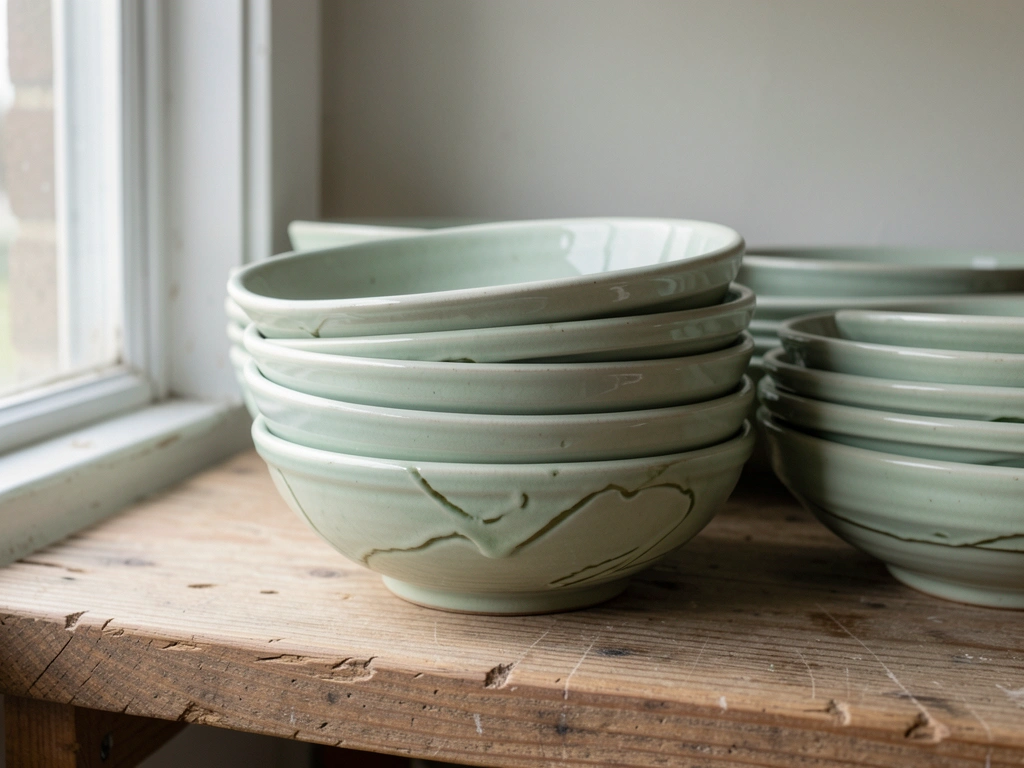
Twelve glazes are mixed in the studio, and these four are the ones people reach for first. Each one shifts with the thickness of the coat and the clay beneath, so the test tiles show both.
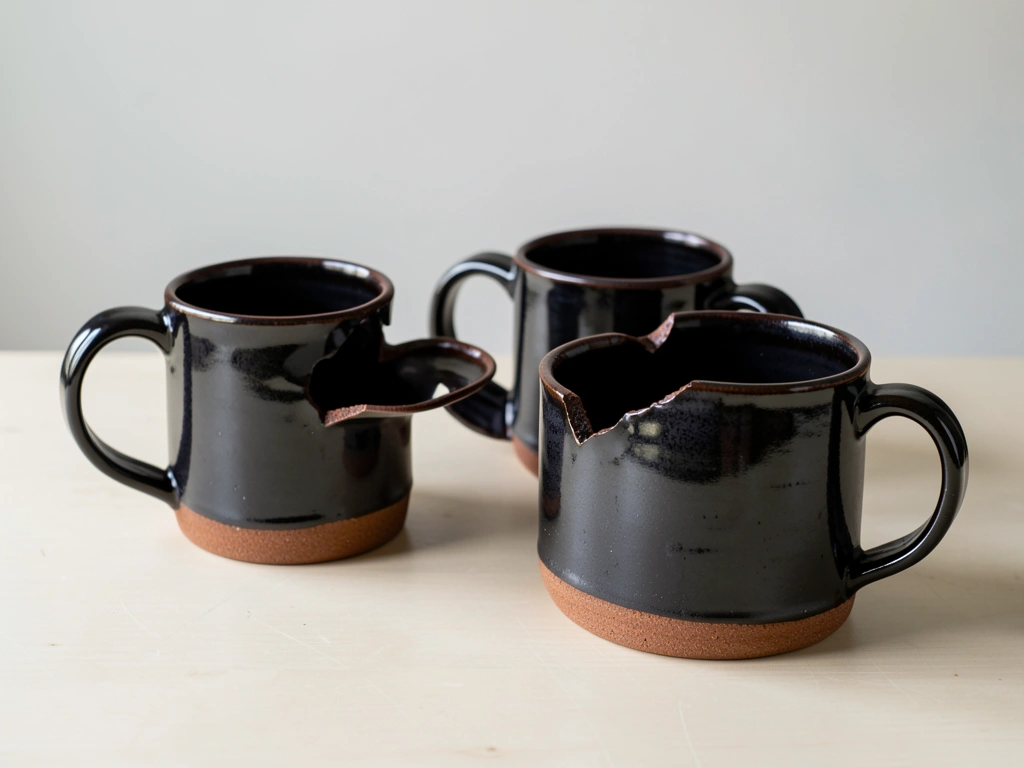
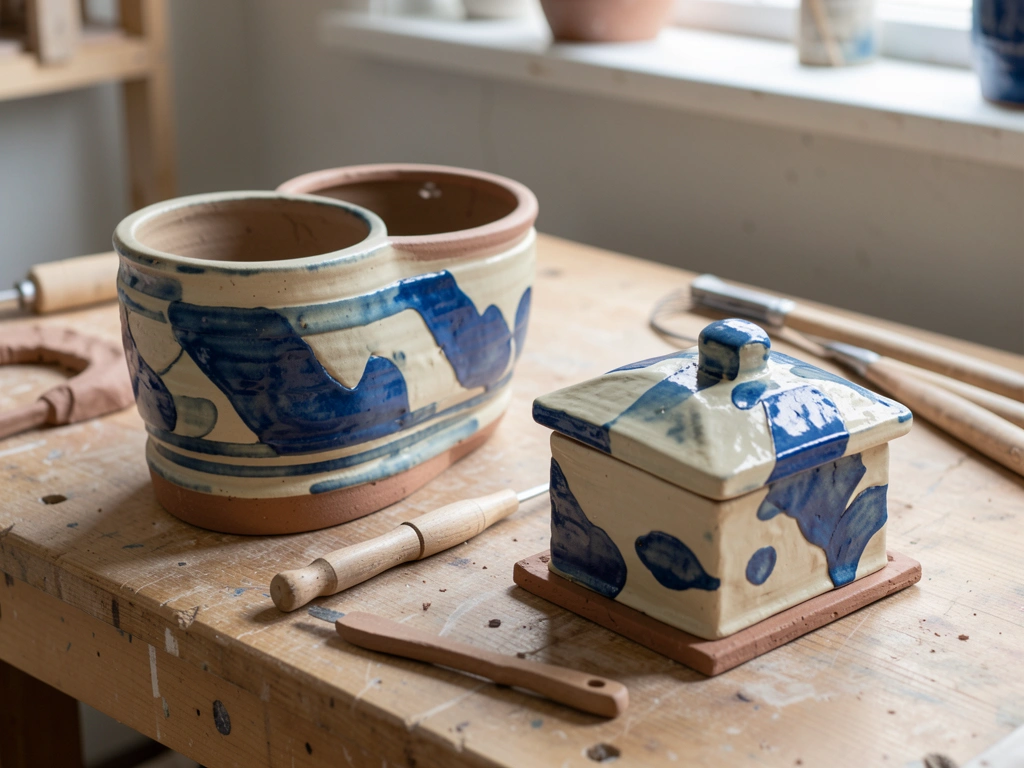
Work by students and members, photographed before it went home.


The tutor had the clay centred with us in the first ten minutes, and by the end of the evening there were two wobbly but proper bowls on the board. The one we kept is now the fruit bowl.
Six weeks took this student from collapsing cylinders to a set of four mugs with handles that stay on. The Sunday practice time made all the difference.
Shelf space, a kiln that is fired properly and glazes that behave the same every time. Membership costs less than running a kiln at home, and the company is better.
None at all. The taster evening and both courses start from the first touch of clay, and a tutor shows each step at the wheel before you try it.
Clothes that can get muddy and short nails. Aprons are provided, and clay washes out of most fabrics in an ordinary wash.
About three weeks after the class, once both firings are done. We email when your shelf is ready, and pieces are kept for eight weeks after that.
Move or cancel up to seven days before the first session and the fee is returned or carried to another date. After that, your place can be passed to a friend at no cost.
Pieces glazed inside with the studio's food glazes are fired to stoneware temperature and can be used for food and drink. A few decorative glazes are marked on the test board as outside only.
Yes, for four to eight people on a Friday evening or a weekend afternoon. Choose the private session on the form and tell us the occasion.
Choose a class and a start date. A tutor writes back before the studio shuts on the following working day, with your place confirmed or the closest date that still has a wheel open. Payment is arranged directly with the studio once the place is confirmed.
Drop in during open hours to see the wheels and the test tiles before you book.
Ground floor of a converted print works by the canal, with a level entrance from the yard
| Tuesday to Thursday | 10:00 to 21:30 |
| Friday | 10:00 to 17:00 |
| Saturday and Sunday | 09:30 to 17:30 |
| Monday | Closed for kiln firing |
A voucher covers a taster evening or a full course and stays valid for twelve months. Ask for one in a message and we post or email it the same week.
This pottery studio website was built by AI from two sentences. Tell us about your business and yours is built the same way, with its pages, photos and booking in place, ready to preview in minutes.
About this sample page
Kiln and Clay Pottery Studio was dreamed up to show how a studio can fill its classes and keep its members with one page built on AI Web Maker. Its first screen promises a first bowl within the week and caps every class at eight, which speaks straight to nervous beginners. Three course cards follow with prices, hours and the skills taught, and a membership table sets out access, shelves and firing charges. Five firing stages and four glaze tiles explain why a pot takes three weeks and what colour it can be. The result is a page that answers a student's questions in the order they come up.
Studios that build on AI Web Maker describe their classes and prices, and the builder drafts the pages with a booking request on each one. Visitors ask for a class, a date and a time, and the studio accepts, moves or declines each request. Payment is arranged directly between the studio and the student, and no share of the fee is taken. The yearly hosting fee of $119 is only charged from the day the studio's site opens to visitors, and its domain is paid for apart from that. Every section of this example is explained in more depth on its sample page, which makes a sensible starting point before you write your own.