118. The night baker
A baker who starts at two in the morning on sourdough, lost sleep and the regulars who wait at the door at six.
Out now42 min
A weekly podcast about the bakers, growers, cooks and fishing families who feed us. Hear the newest episodes, pitch a guest, or ask about sponsoring a season of the show.
The six newest episodes. Each one has its own notes with the guest's story, the places mentioned and a recipe written down at the table.
A baker who starts at two in the morning on sourdough, lost sleep and the regulars who wait at the door at six.
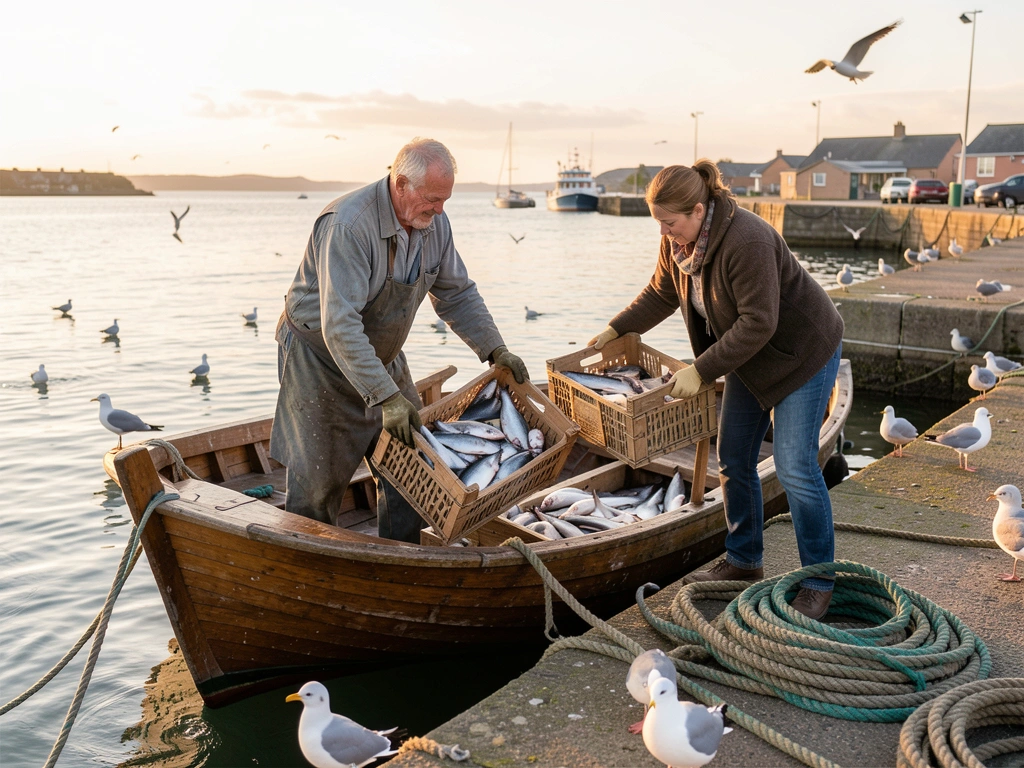
Three generations of a fishing family on smoking the catch over hardwood, and why the youngest almost left.
A school cook feeding hundreds of children on a tight budget, and the recipe swaps that finally won them over.
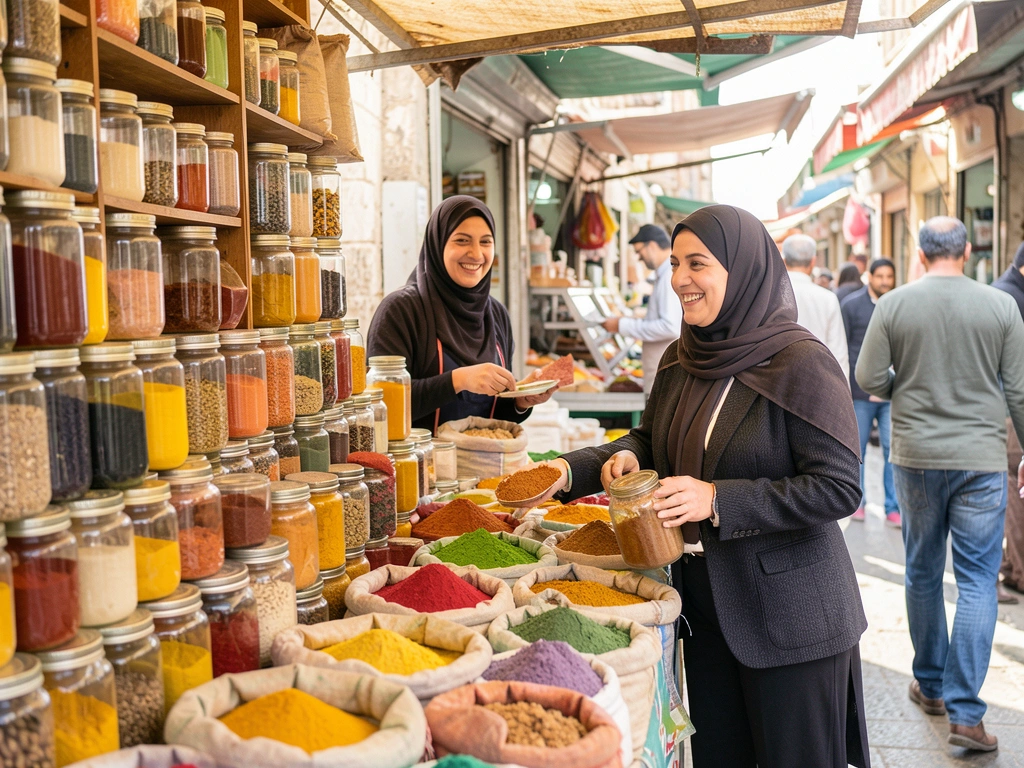
Two sisters who turned the family blends into a market stall, and the one ingredient they refuse to change.
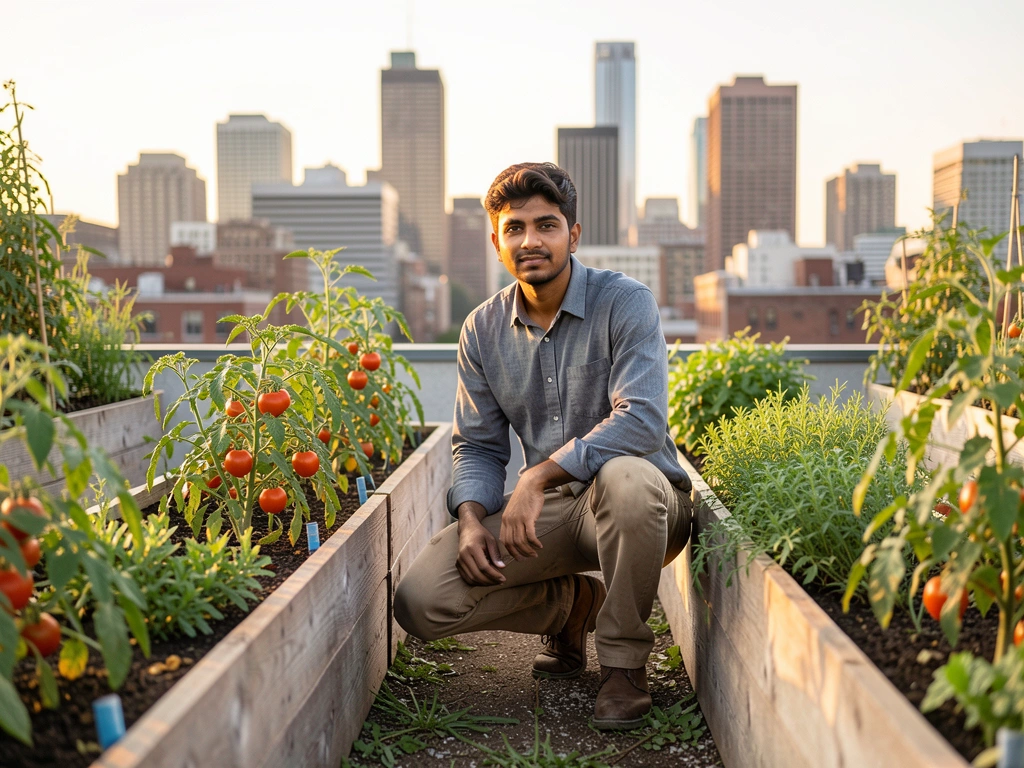
A grower farming on city rooftops talks soil by the bag, summer storms and the chefs who buy every crate.
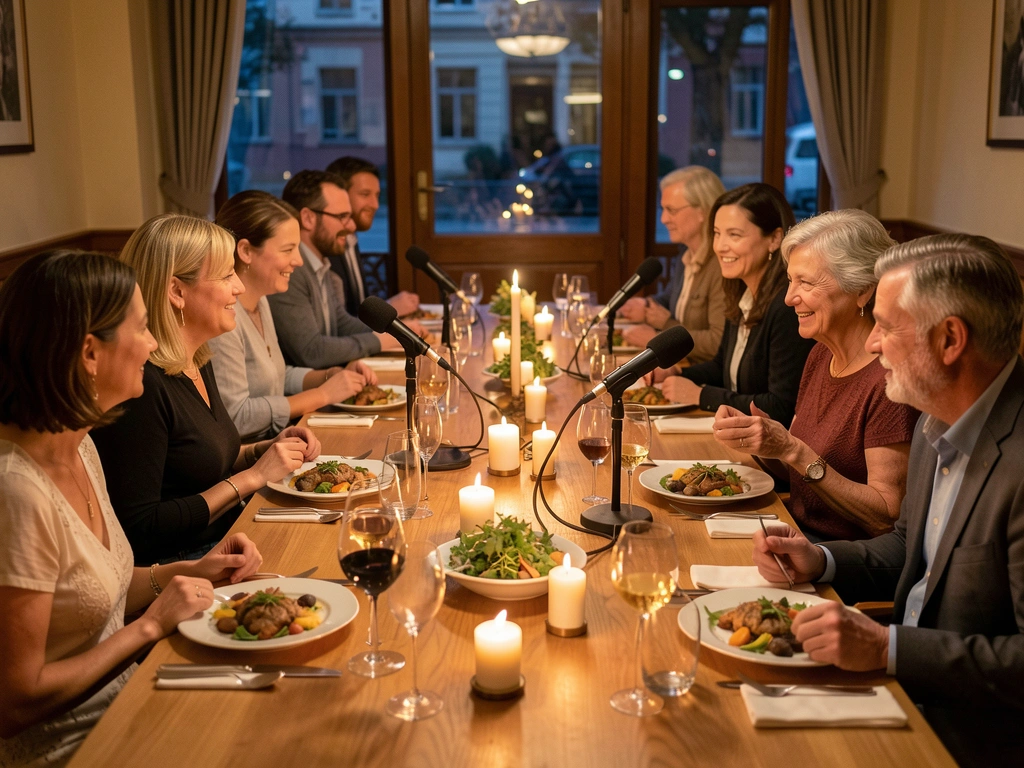
A restaurant owner on the last service after twenty years, and the dish the regulars asked for one final time.
Older episodes stay up in every podcast app and here on the site, from the very first season onward.
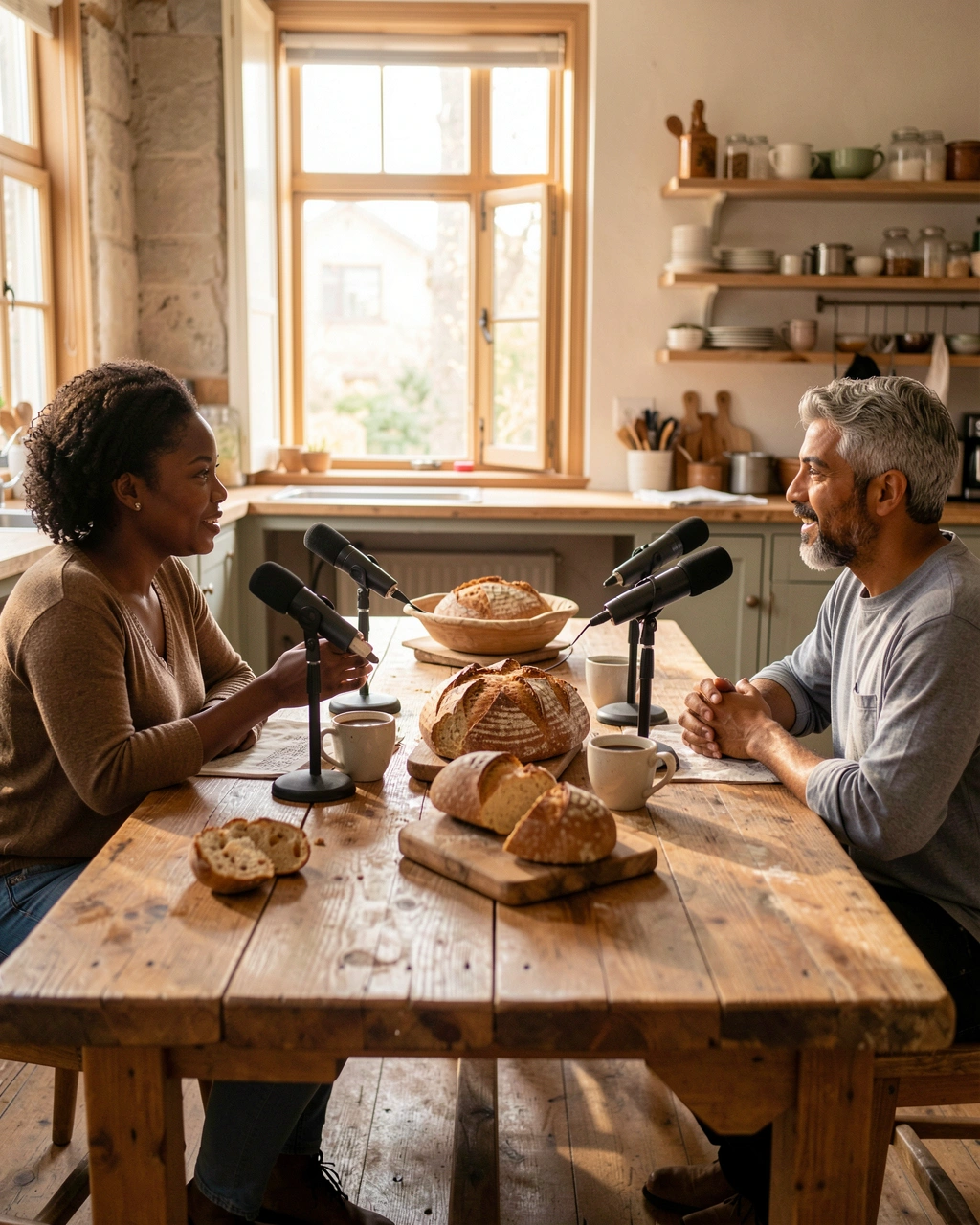
Most food shows are made in a studio. This one is recorded in bakeries before dawn, on boats tied up at the quay and around kitchen tables where the family recipe was first written down, so the clatter of the place stays in the episode.
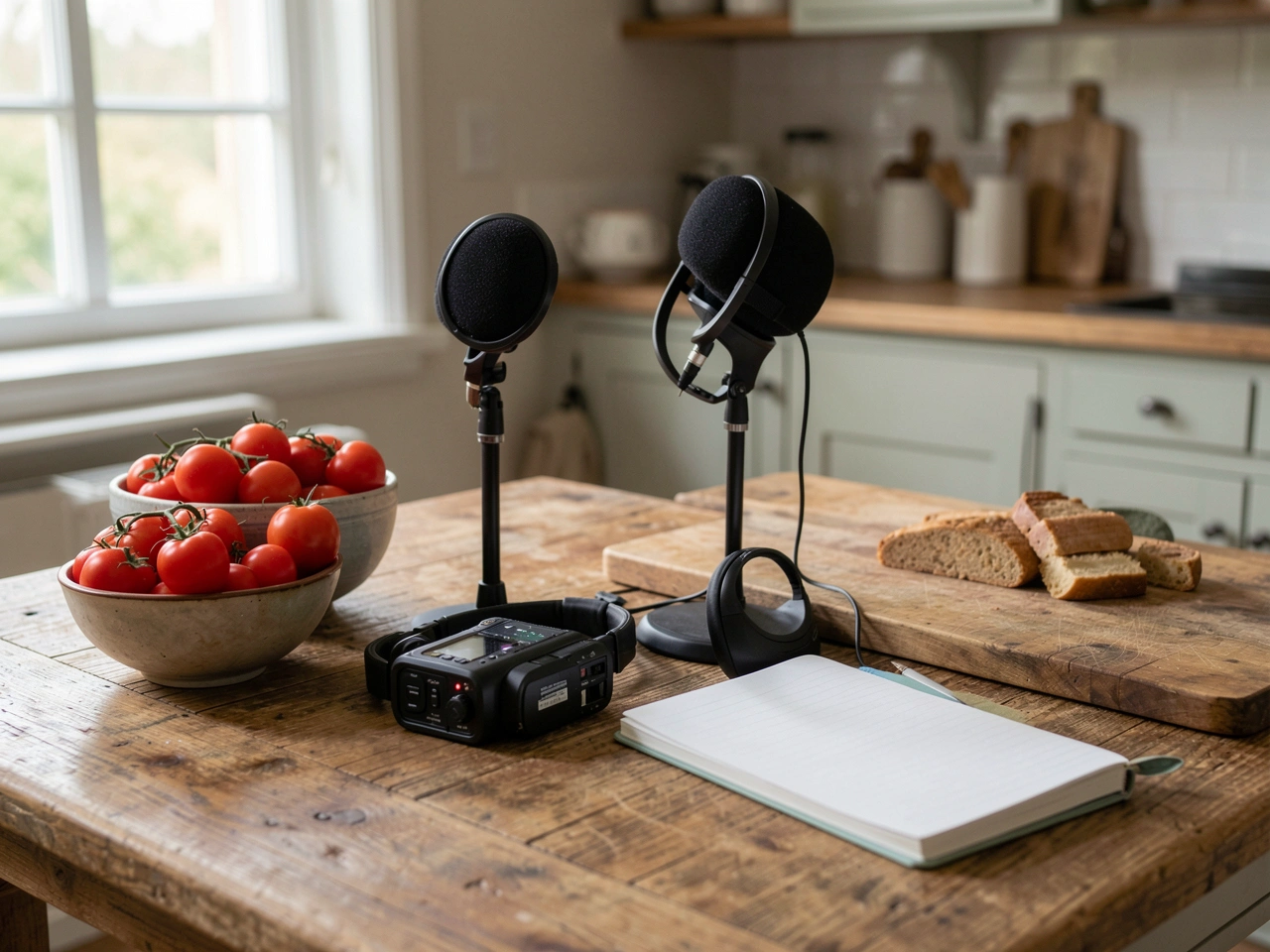
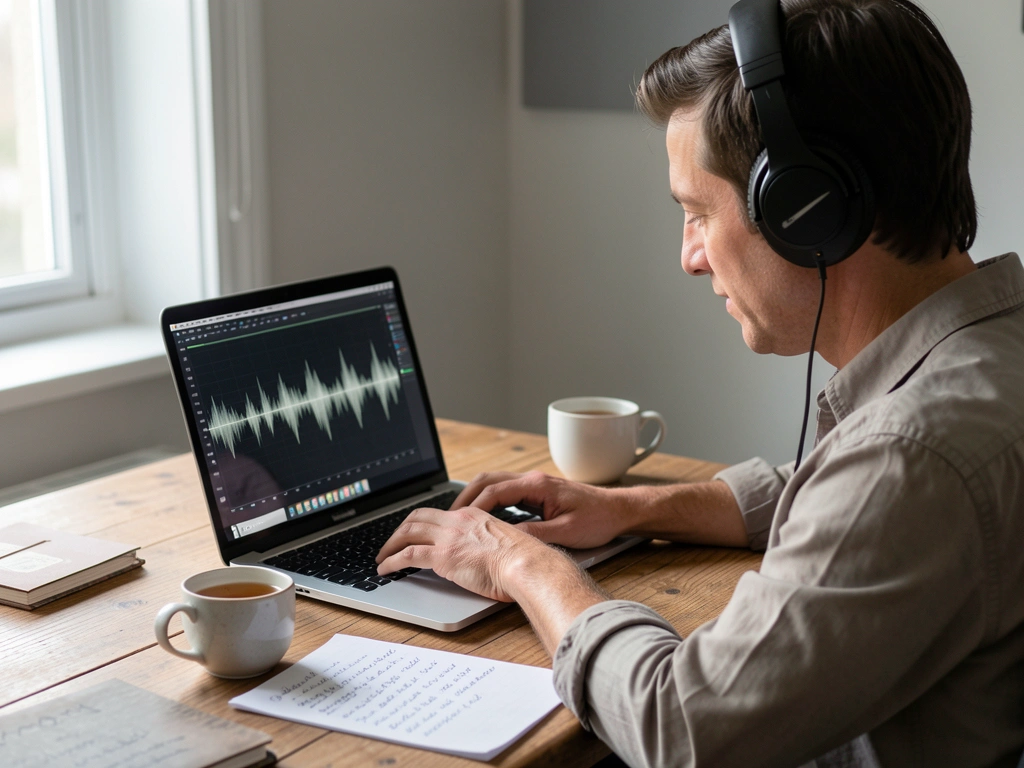
The hosts travel with a kit that fits in one bag. Each voice gets its own microphone, which keeps the conversation clear even when the mixer is running or the oven door bangs shut.
The show follows food from the soil to the plate and the people at each stage. These are the subjects the table keeps coming back to.
Many guests first reached the show through a listener. If someone near you cooks, grows or sells food with a story behind it, tell us about them in the form below.
Five stages, about six weeks from the first message to release day, with the same two hosts all the way through.
A few lines on who you are, what you make and the story only you can tell. Suggesting someone else is welcome too.
Both hosts read every pitch, and within three weeks we answer with a yes, a not yet or a polite no.
Twenty minutes on the phone to find the thread of the episode. Nothing is scripted and nothing is rehearsed.
We bring the kit to your kitchen, bakery or stall, record for about ninety minutes and edit it down to forty.
The edit reaches you a week before release, and anything said off the record comes out.
Sponsors are food and drink businesses the hosts would buy from themselves. Every read is spoken by a host who has tried the product, and every one is marked as sponsored.
an episode, from$350
a season, from$3,400
an evening, from$1,900
No sponsor hears or changes an episode before release, and a sponsor is never a guest in the season it supports. Terms and payment are agreed directly with the show, and a media kit with listener figures comes with every reply.
Bakeries, boats, rooftops and market stalls from the last two seasons.
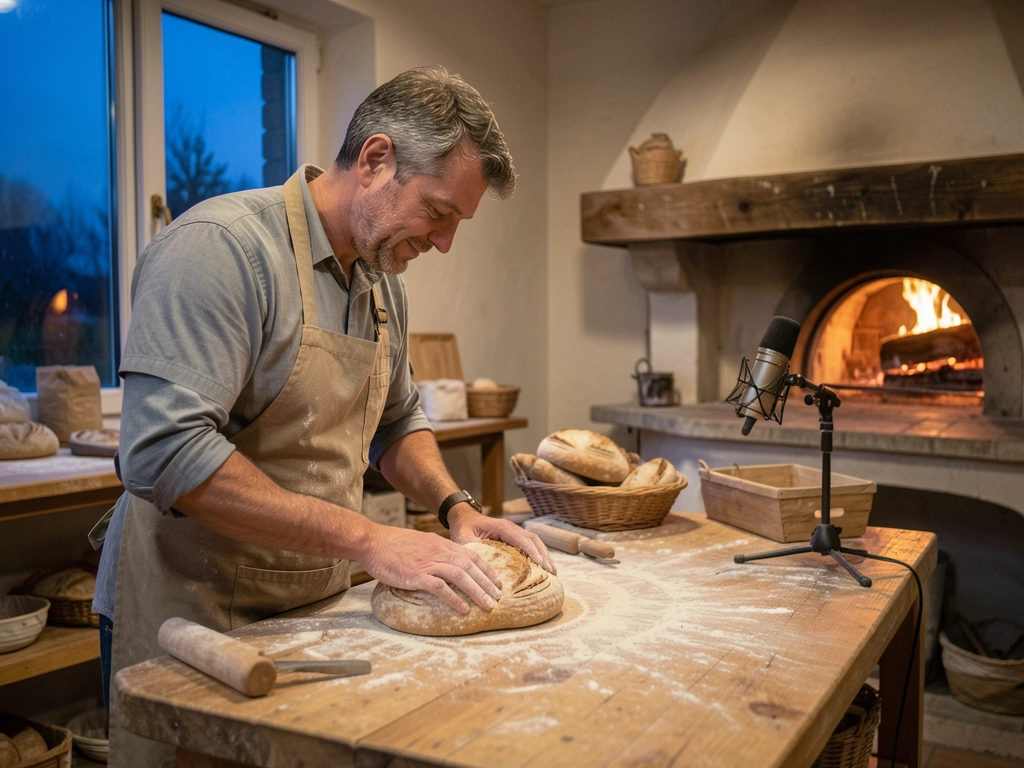
The hosts sat in our bakery from four until the first customers arrived and never got in the way. The episode sounds exactly like a morning here, ovens and all.
Being a season partner felt like an introduction from a friend. The hosts cooked with our olive oil for a month before agreeing to read a word about it.
Tuesday mornings on the walk to work. The school cook episode had the whole family rethinking packed lunches by the weekend.
New episodes come out every Tuesday morning in the main podcast apps, and each one also plays here with its notes and recipe. Search for The Long Table Podcast in the app you already use.
Neither. Guests never pay to appear and no appearance fee is offered. The show covers its own travel to the table, and every guest gets a link to their business in the notes.
No. Guest episodes and sponsorship are kept apart, and a sponsor is never interviewed in the season it supports.
Most episodes are recorded within a day's drive of the studio. For guests further away, a microphone is posted ahead and the conversation is recorded over a good connection.
Yes. Clips of up to two minutes can go on your own channels with a credit to the show. For longer uses, send a short message first.
A quiet hour, a table and permission to record the sounds of the place. If the episode should leave out your address or your family, say so on the call before.
Tell us who you are and what you have in mind. Guest pitches get an answer within three weeks; sponsorship and live evening enquiries within three working days, with the media kit attached.
Email reaches both hosts. Calls are answered on studio days, and recording days are for guests.
Studio in the market district, recording at guests' tables across the region
| Tuesday to Thursday | 10:00 to 17:00 |
| Friday | 10:00 to 13:00 |
| Monday | Recording day |
| Weekends | Email only |
Journalists and event organisers can ask for host photos, the story of the show and recent listener figures in one email. They arrive within two working days.
Ask for the kitThis podcast website was built by AI from two sentences. Tell us about your business and yours is built the same way, with its pages, photos and booking in place, ready to preview in minutes.
About this sample page
The Long Table Podcast is an invented food show, and this single page shows how a podcast can present episodes, guest pitches and sponsorship on AI Web Maker. It starts with an episode playing and six episode cards, because listeners are the audience every other visitor depends on. A section on recording at the guest's own table shows the style of the show in a few lines. Five steps then walk a possible guest from pitch to release, and three sponsor packages set out prices and rules. Every part of the page leads to one enquiry form that sorts each message by topic.
Starting a site for your own show takes a short description of what it covers and who it wants to hear from. From that, the builder drafts the episode cards, the steps for guests and an enquiry form that you edit in place. You pay nothing until the site is published, then $119 a year for hosting and the cost of your chosen domain. The link below opens a fuller tour of this example, with the thinking behind the order of its parts. Borrow the parts that suit your show and leave the rest, since no two podcasts sound alike.