30 minutes
a lesson$32
- Short pieces, songs and rhythm games
- Plenty of time for a young attention span
- A sticker chart in the practice book
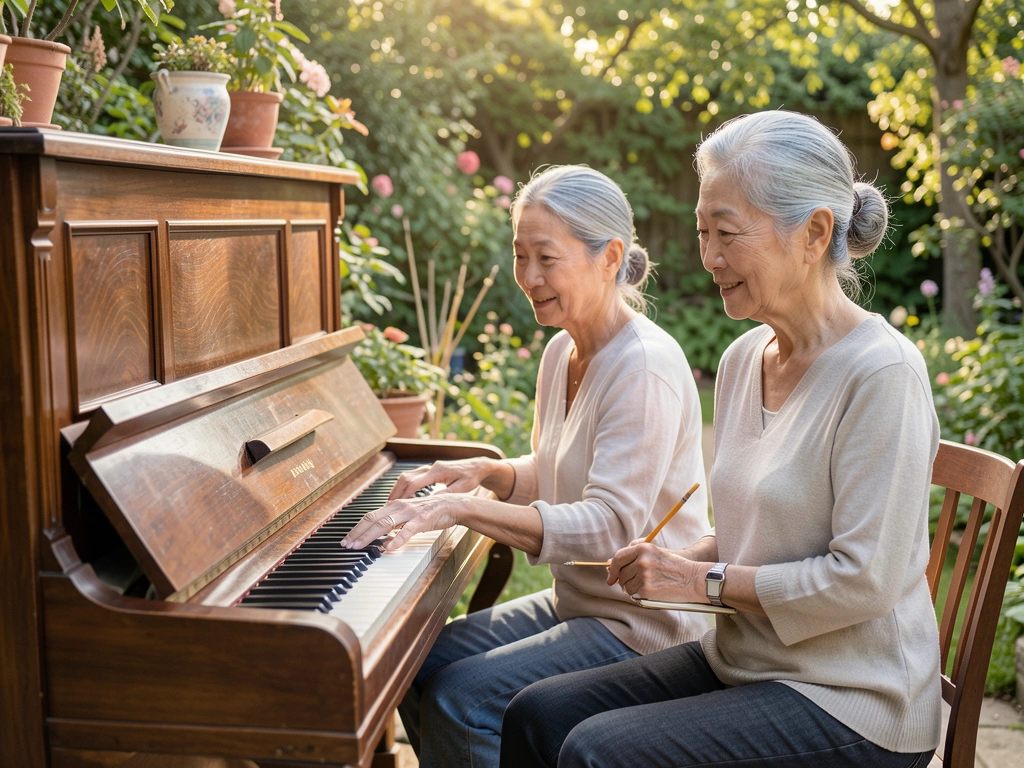
One to one lessons with Mira Castell for children from five and adults at any age, each one matched to the pupil's age, level and the music they love. Come to the garden studio, have Mira visit your home, or learn online.
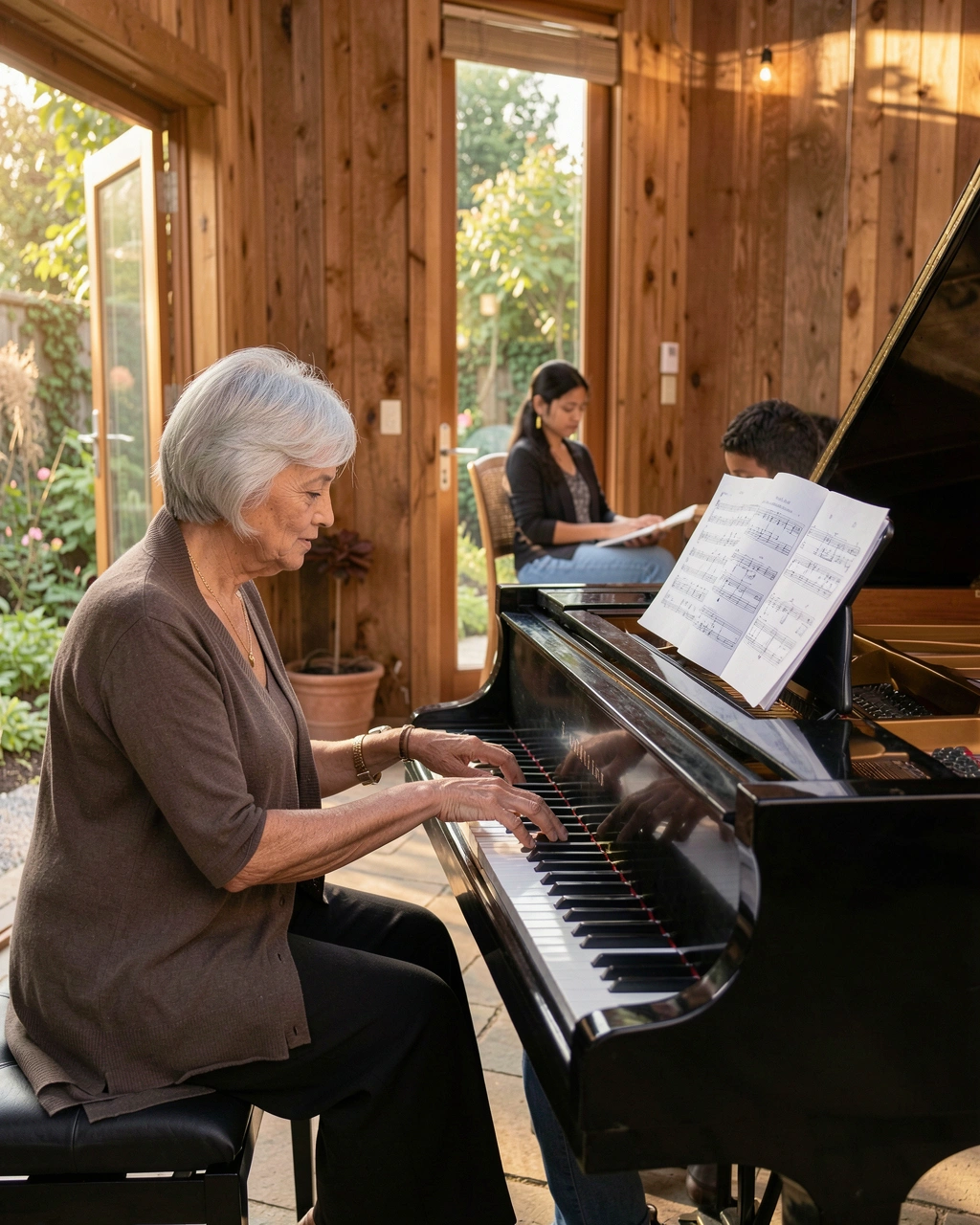
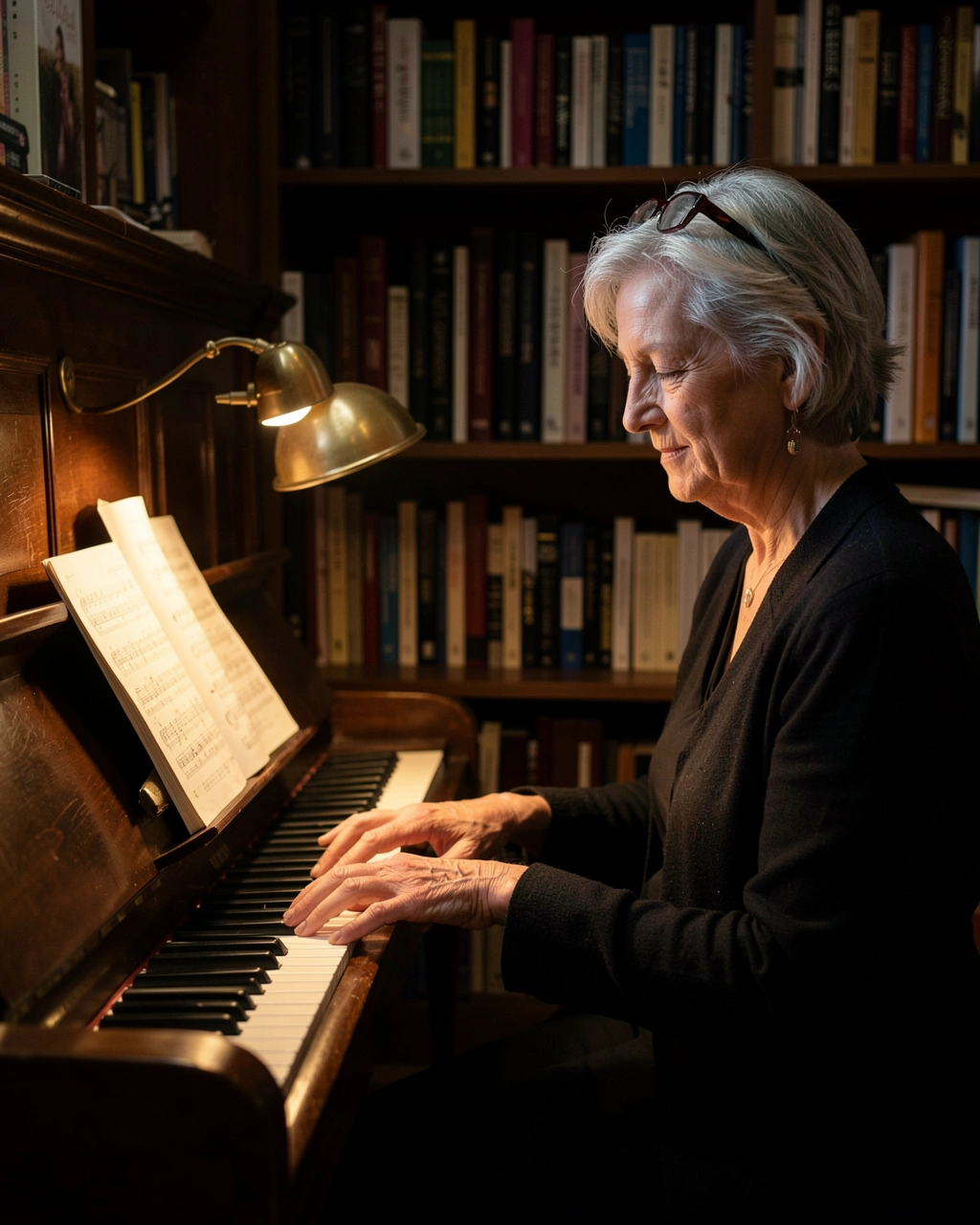
Mira trained as a pianist, played for ballet classes and choirs, and has taught piano full time since her own children were small. She teaches every lesson herself, so a pupil never meets a stranger at the keys.
A five year old starts with finger games, songs by ear and the first notes around middle C. A returning adult might go straight to a piece they abandoned at fourteen. Each lesson is planned for that pupil's age and level, and the plan changes when the pupil does.
Most pupils pick one place and keep it, but a lesson can move online for a week of snow or a sprained ankle.
| Where | Suits | Piano used | What to have ready |
|---|---|---|---|
| Garden studio | Every age, and pupils working towards exams | Baby grand and upright | Music books and the practice notebook |
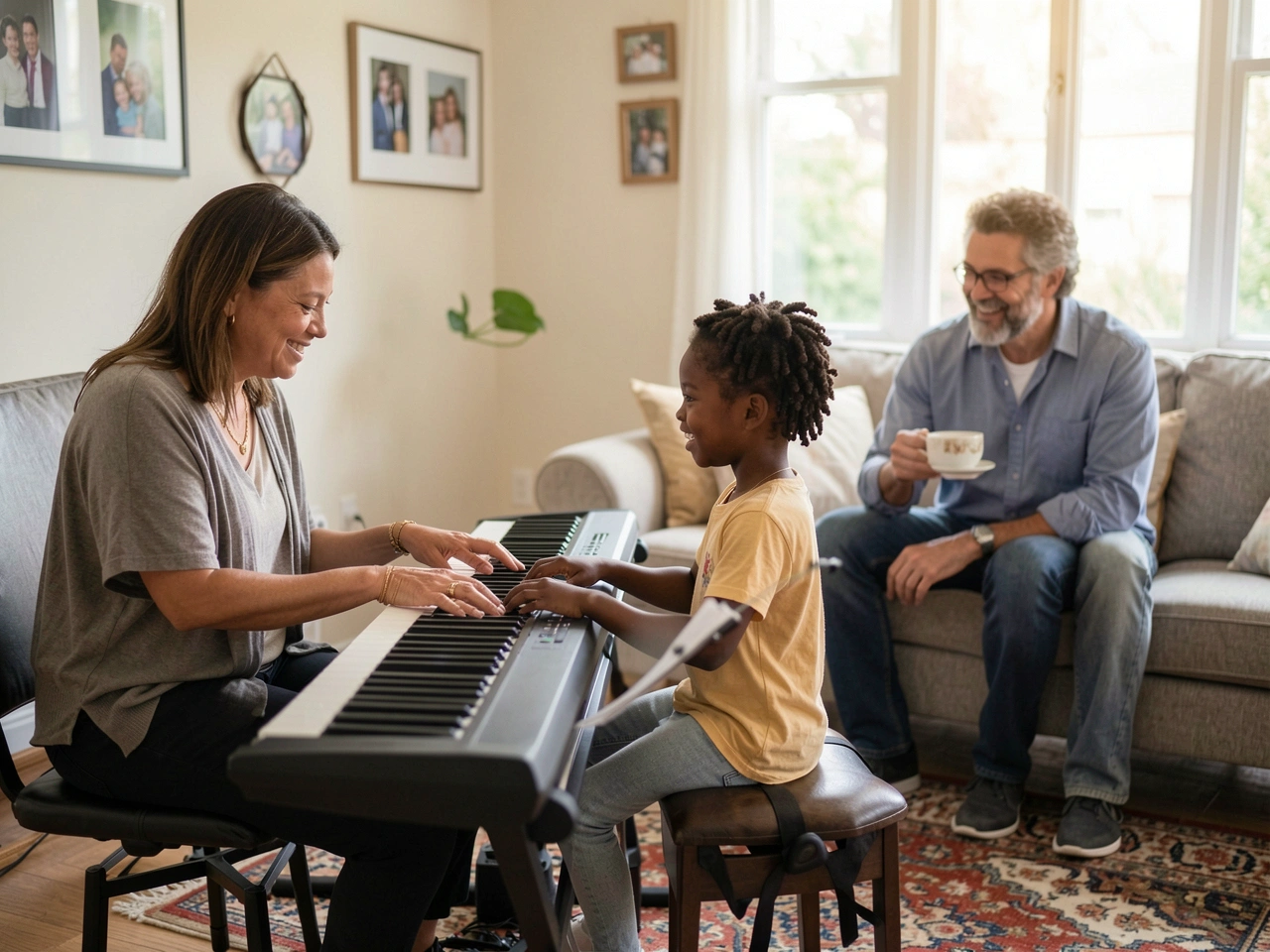
| Your home | Young children and families with siblings | Your own piano or keyboard | An adult at home for pupils under 12 |
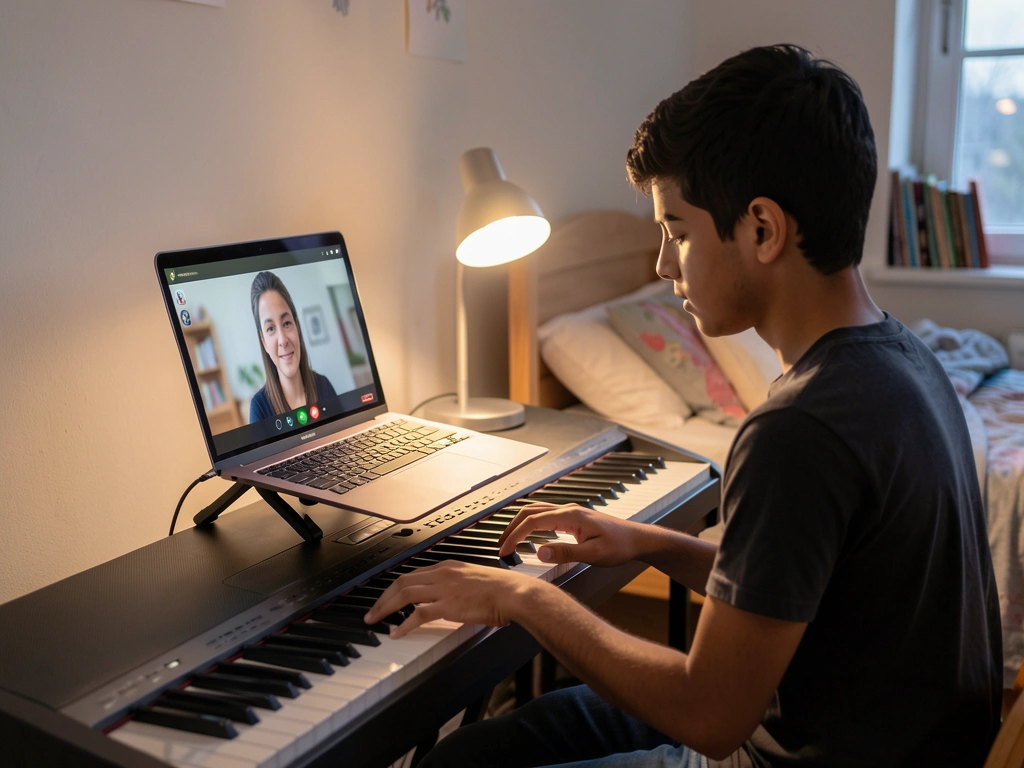
| Online | Teenagers, adults and pupils who move away | Your own piano or keyboard | A camera angled over the keys and a quiet room |
Home visits are within about five miles of the studio and add $8 to each lesson for travel.
Lessons are billed each month for the lessons that fall in that month, so holiday weeks are never charged. The first lesson is priced like any other, with no commitment to continue.
a lesson$32
a lesson$46
a lesson$60
Fees are paid directly to Mira at the start of each month. With 48 hours notice a lesson moves to another slot that week or the next; a lesson missed without notice is still charged.
Pupils choose much of what they play, and Mira fills in the technique around it.
Adults often arrive with one piece in mind. That piece becomes the plan, with the scales and reading it needs added along the way.
Mira holds the background check that the law requires for teaching children where she works, and renews it on the schedule those rules set. The rules differ from country to country, and she will show parents what she holds before the first lesson.
Parents are welcome to sit in on any lesson, in the studio, at home or online. For pupils under 12 an adult stays in the house during home visits and nearby during online lessons, and messages about lessons always go to a parent, never privately to a child.
Neither is compulsory. Both give a pupil something to aim for, and Mira only suggests them when the playing is ready, never to fill a calendar.
Preparation for graded piano exams for pupils who want them. Exam boards, syllabuses and fees differ by country, and the board sets and marks the exam, so no teacher can promise a result.
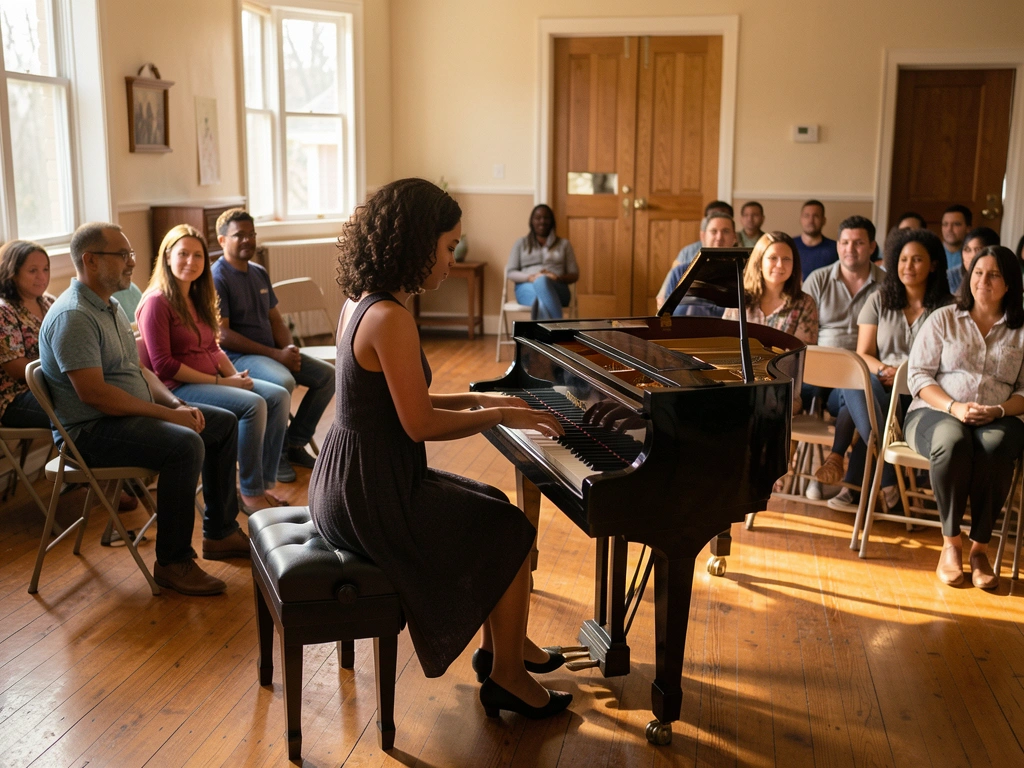
A Sunday afternoon in a community hall each spring and winter, where pupils of every age play one piece for family and friends, then share cake.
Reading, rhythm and listening skills taught at the piano inside each lesson, with short written theory sessions for exam pupils.
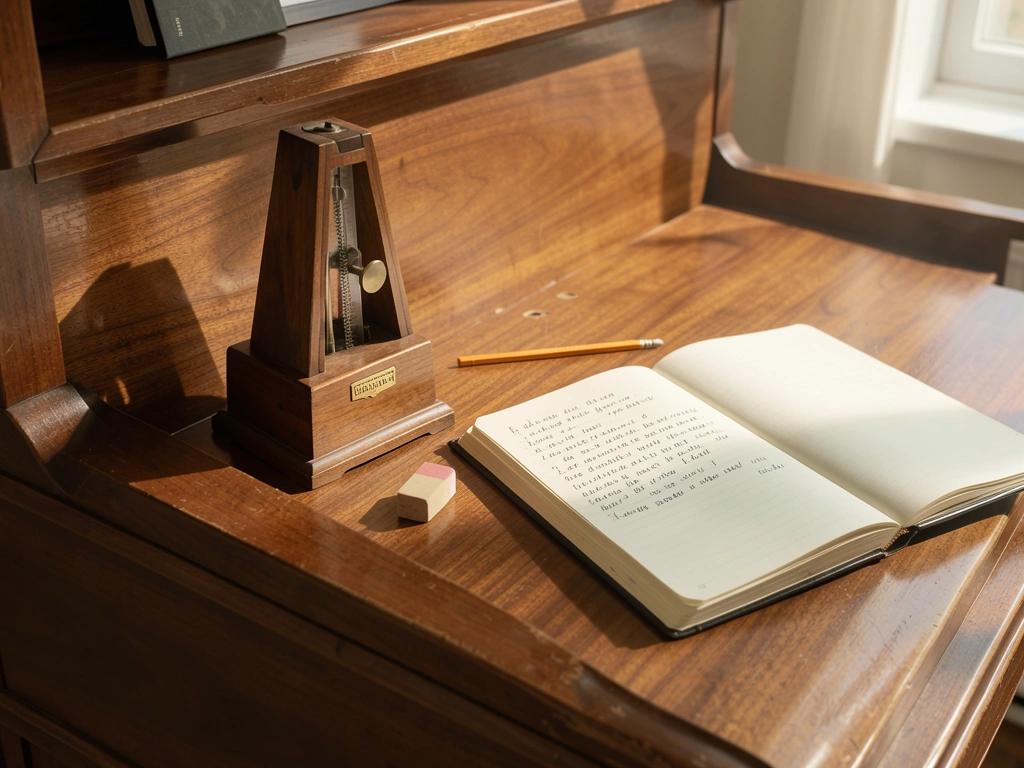
Small hands, returning adults, a recital and the notebook that travels home.
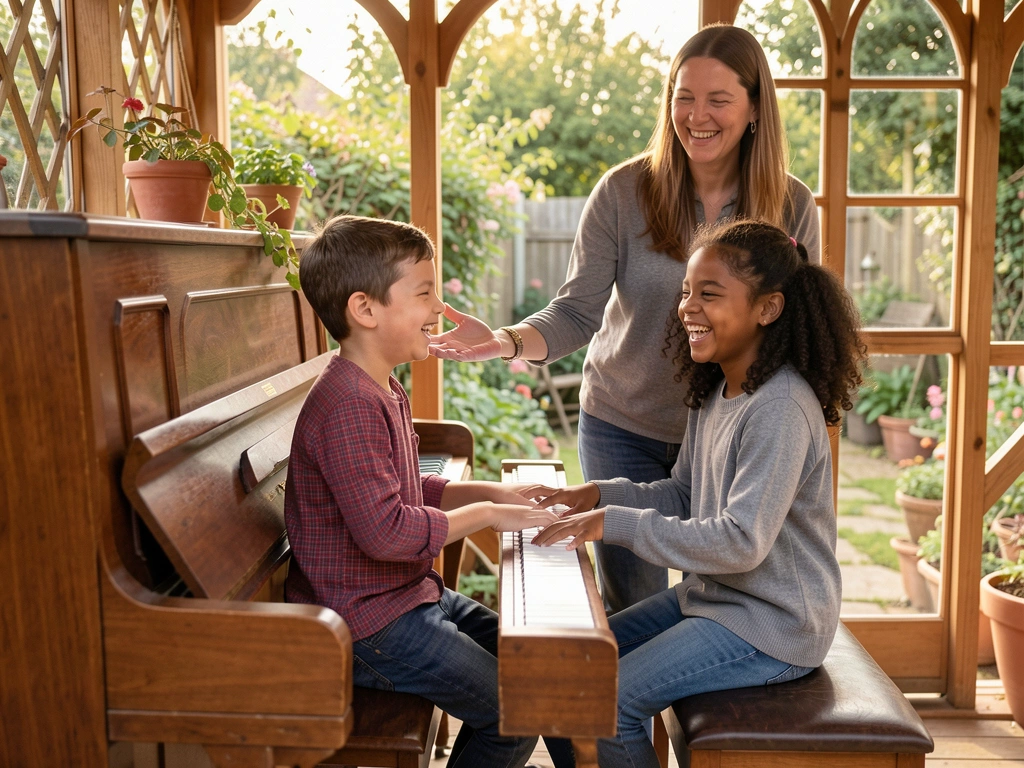
Mira comes to the house on Tuesdays, so our two girls have back to back lessons while dinner cooks. The practice notes mean even a parent who cannot read music knows what to listen for.
Gave up the piano at thirteen and came back at fifty eight. Lessons began with the nocturne that had beaten that teenager, and by spring it was played at the recital.
Moved two hundred miles away and kept the same teacher. The online lessons work better than expected, because Mira spots a dropped wrist through the camera every time.
For the first year or two, yes, as long as it has 88 full size keys that are weighted and a sustain pedal. Mira is happy to look at a listing with you before you buy, and she will say honestly when a pupil has outgrown it.
Little and often works best. Ten minutes a day suits most five and six year olds, rising to twenty or thirty minutes as pieces grow. The practice notebook says exactly what to do, so the time is never wasted.
A piano or keyboard, a phone, tablet or laptop on a stand angled over the keys, and a steady connection. A second view of the pupil's hands from the side helps but is not essential.
Siblings can have lessons back to back on the same day, which suits home visits best. Each child still gets their own full lesson and their own notebook.
Each pupil who wants to play chooses one piece and plays it once, to an audience of families. Nobody is marked, nobody is compared, and pupils who prefer to listen are just as welcome.
After school slots fill first. If none is open, Mira offers the nearest time or adds you to a short list, and she writes as soon as a slot opens up.
Tell Mira who is learning, where the lessons should happen and when suits you. She replies within two working days to accept the time, offer the nearest one she has or explain if the week is full.
Mira teaches back to back on weekdays, so calls go to voicemail during lessons. A message or an email gets an answer the same evening.
A garden studio on a quiet residential street on the north side of town, with home visits within about five miles
| Monday to Friday | 15:00 to 20:30 |
| Saturday | 09:00 to 13:00 |
| Sunday | Recital Sundays only |
The spring recital is on a Sunday afternoon in May and the winter one in early December, both in a community hall near the studio. Families receive the date and the running order three weeks ahead.
This piano teacher website was built by AI from two sentences. Tell us about your business and yours is built the same way, with its pages, photos and booking in place, ready to preview in minutes.
About this sample page
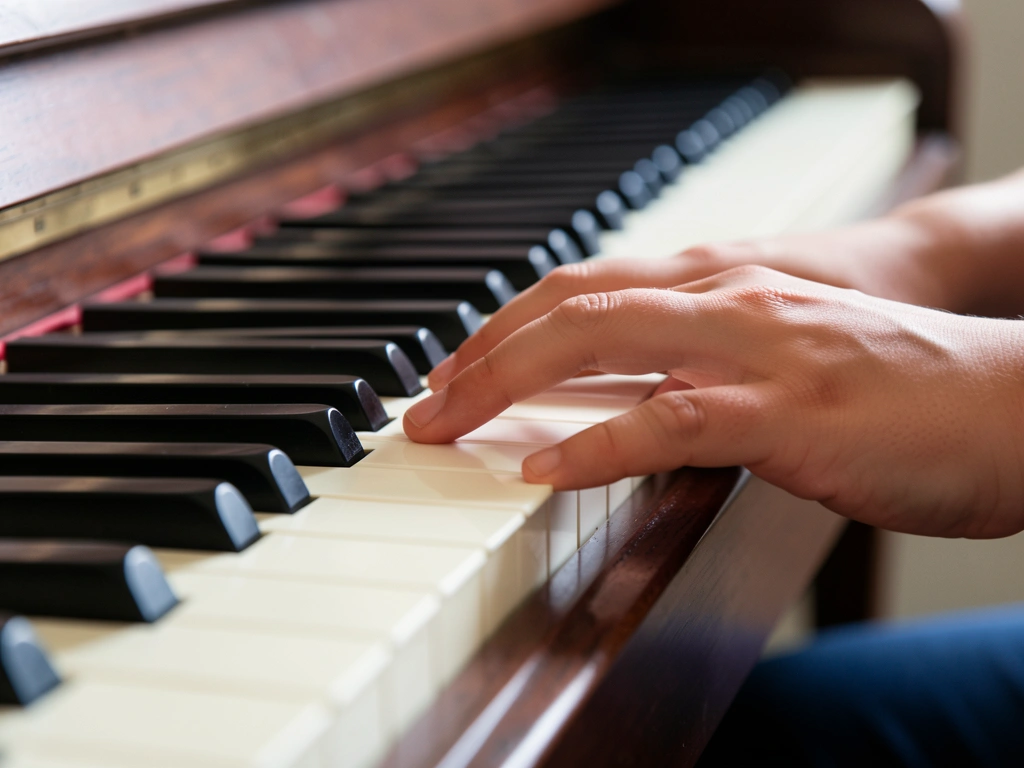
Middle C Piano Lessons does not exist, but its one page site shows how a piano teacher working in three places can explain them all without a phone call. The opening view pairs a photo of a lesson at a baby grand with a row of keys pressing in turn, then names the three places to learn. A table compares the studio, the family home and online lessons, and fee cards price each lesson length with monthly billing. A section for parents sets out background checks, sitting in and the rule for home visits to young children. Each part answers one worry, so a parent reaches the request form with nothing left to ask.
A teacher can build something similar on AI Web Maker by describing where they teach, which ages they take and what they charge. The builder drafts the page and a lesson request, and the teacher rewrites both in preview before publishing. Requests then arrive for the teacher to accept, move or decline, and fees stay between teacher and family. Publishing it brings a hosting bill of $119 per year, or $19 monthly, plus whatever the chosen domain ending costs. The walk through further down gives the reason for each part, so a real teacher can keep what fits and change the rest.