Handwriting and pencil control
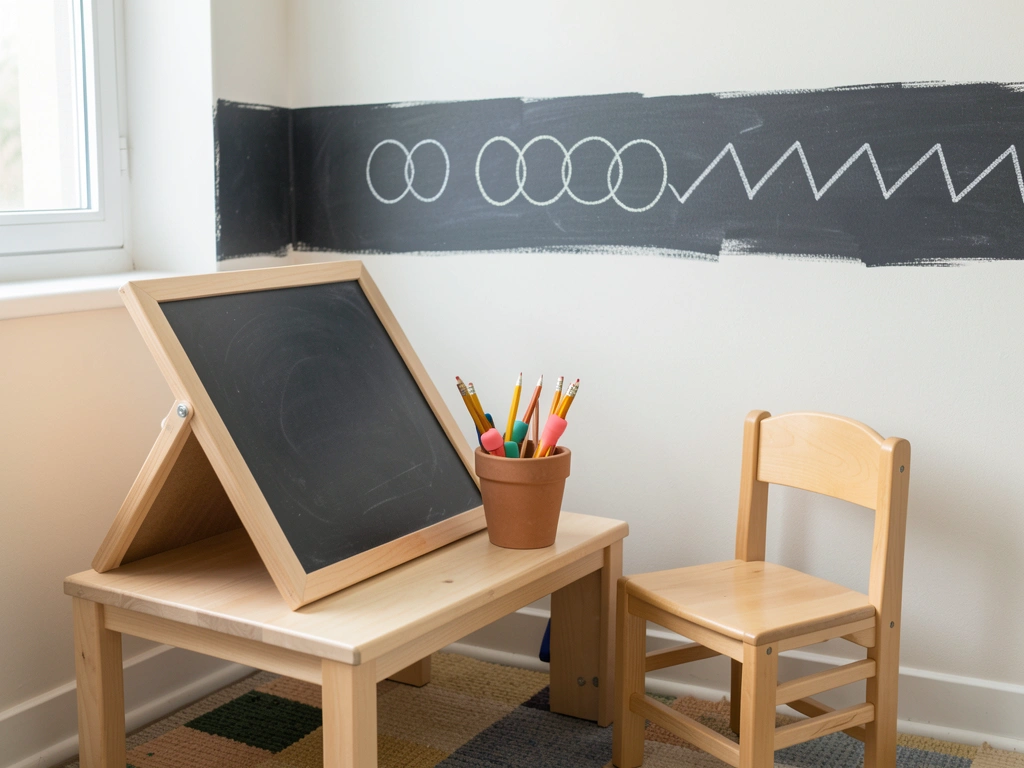
Grip, posture, letter formation and strength in the small muscles of the hand, practised on sloped boards, chalk walls and tracing games.

Small Hands is a paediatric occupational therapy practice for children aged 3 to 12. We watch how your child writes, dresses, eats and copes with noise and touch, explain what we see in words that make sense at the kitchen table, then agree a few small goals with you.
Most families get in touch about one stubborn everyday struggle rather than a label. Any of these is a fair reason to ask us.
Spotting one of these does not mean something is wrong, because children develop at different speeds. If your child's general health, growth or development worries you, talk to your family doctor as well, since an occupational therapist does not diagnose medical conditions.
A session might involve dough, tweezers, a swing or a treasure hunt. Each activity is there for a reason, and the therapist tells you what it is as you watch.
Grip, posture, letter formation and strength in the small muscles of the hand, practised on sloped boards, chalk walls and tracing games.
Snipping, cutting along a line, spreading butter and using a knife and fork, built up from steps your child can already manage.
Buttons, zips, socks and coats broken into small steps, practised with the clothes your child really wears to school.
Children who seek out or avoid noise, touch, movement or certain textures, with calm routines planned for home and the classroom.
Balance, ball skills, climbing and planning a sequence of movements, for playground games, PE lessons and riding a bike.
Packing a school bag, following morning steps and moving between activities, using picture lists that suit your child.
We work alongside your child's doctor, teacher and other therapists, never instead of them. Our therapists do not diagnose conditions such as autism or ADHD; if an assessment raises a question like that, we explain who can look into it.

The first appointment lasts about 90 minutes in our therapy room, and you stay in the room throughout. For your child it feels like a morning of games: drawing, threading, building, balancing and a little writing. For the therapist it is a chance to see how they hold a pencil, plan a movement and react to sound and touch.
Some of the games are standardised tests. That simply means every child does the same tasks in the same way, so a score can be compared with children of the same age. Beforehand you fill in a short questionnaire about everyday life, often called a sensory profile, because you see things at home that nobody can see in one morning.
Reports use a few professional terms because schools and doctors expect them. This is what the most common ones mean at home.
| Word you may read | What it means | Where you might see it |
|---|---|---|
| Fine motor skills | Small, precise movements of the hands and fingers | Doing up buttons, holding a pencil, picking up peas |
| Gross motor skills | Big movements that use the whole body | Climbing stairs, catching a ball, riding a scooter |
| Motor planning | Working out and ordering the steps of a new movement | Learning a new playground game, dressing in the right order |
| Visual perception | Making sense of what the eyes take in | Copying from the board, finding one shoe in a busy cupboard |
| Sensory processing | How the brain notices and answers sound, touch, movement and taste | Bothered by labels, or always climbing and crashing |
| Bilateral coordination | Both hands, or both sides of the body, working together | Holding the paper still while cutting, or skipping |
If a word in your report is still unclear, ask us. We would rather explain twice than leave you guessing.
Every child starts with the first assessment. After it we suggest a block of sessions with a review at the end, and you pay for each one on the day.
fixed fee$260
per session$95
per visit$180
Fees are paid to the practice on the day. Whether an insurer, a school or a public scheme pays towards children's therapy depends on where you live and on that funder's terms, so check before the first visit if you hope to claim. A late cancellation, under 48 hours before the start, costs the full fee unless your child is unwell.
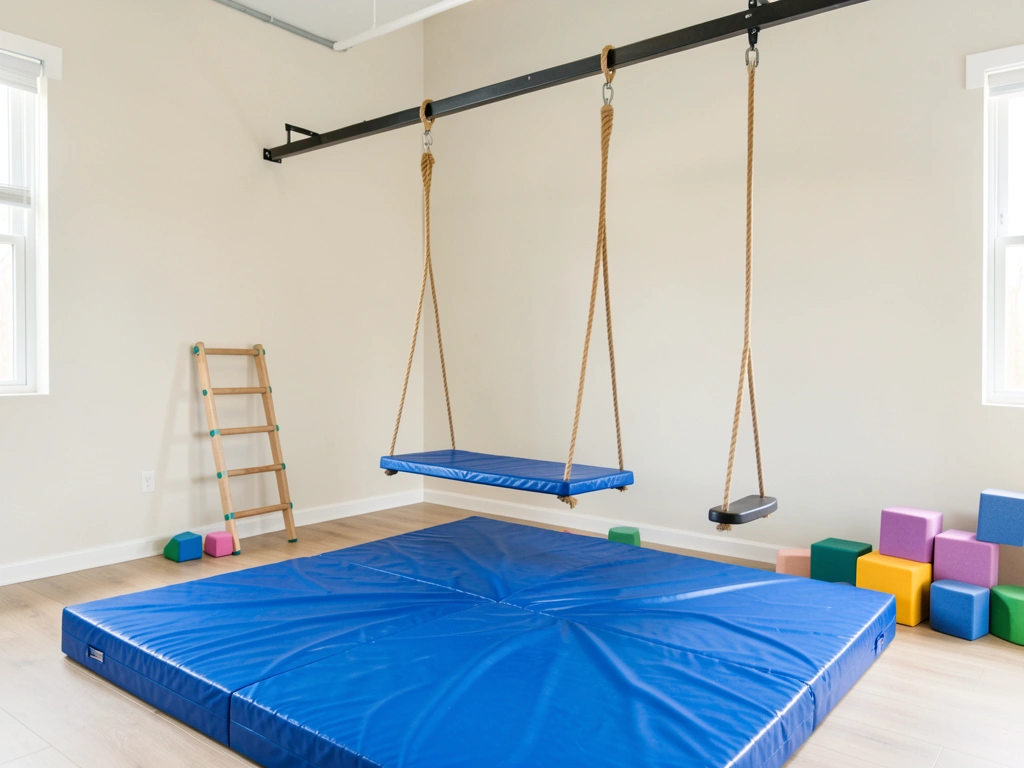
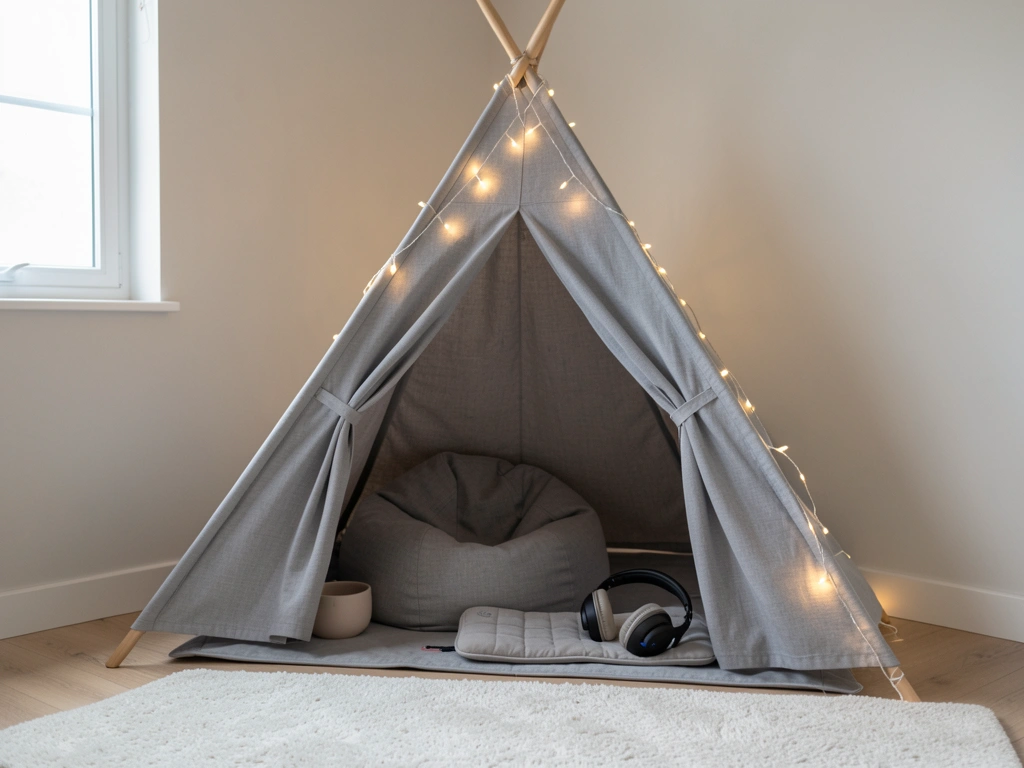
A swing, a writing corner and a quiet tent, so every session can move between busy and calm.
The report explained every score in words that made sense, and the school picked up the same ideas the following week. Mornings with buttons and coats are calmer now.
Our son thought he was coming to play, and he was. The therapist showed us a five minute game for the evenings, and he now asks for it before bed.
Hand dryers used to end every trip out. Together we planned ahead with ear defenders and a countdown, and outings feel manageable again.
Tell us your child's age, what you have noticed and the days that fit around school. Within two working days a therapist rings to hear more and to agree a time with you.
Nobody reads this form outside opening hours. A child who is unwell or hurt needs their own doctor, and for anything that cannot wait, ring your local emergency number.
No. Many children we see have no diagnosis at all, just an everyday task that has become a struggle. Some insurers and schemes want a doctor's referral before they pay, and that differs between countries, so check first if you plan to claim.
Younger children usually think they are simply playing. Older children like to know why, so we explain the goals in their own words and let them choose some of the games.
A questionnaire for parents about how your child responds to sounds, touch, movement, tastes and sights in daily life. It takes about twenty minutes and shows us what one appointment cannot.
Nobody can promise that. What we can do is find out what makes writing hard, practise the parts that can be practised, suggest changes at school and review progress with you honestly after six sessions.
Usually one short game a day using things you already own, such as dough, pegs or a ball. If a week gets busy, skipping it is fine, and we never send worksheets.
Comfortable clothes, any glasses your child wears, a few pieces of recent schoolwork and any reports from other professionals.
Phone during opening hours, or email and a therapist replies within two working days.
A ground floor therapy room beside the primary school playing fields, with space for buggies and a quiet waiting corner
| Monday and Tuesday | 08:30 to 18:00 |
| Wednesday | 08:30 to 13:00 |
| Thursday | 08:30 to 18:30 |
| Friday | 08:30 to 16:00 |
| Every other Saturday | 09:00 to 12:30 |
| Sunday | Closed |
With a parent's written consent, we share ideas with your child's teacher and can visit the classroom. Teachers are welcome to email us with the parent copied in.
This paediatric occupational therapist website was built by AI from two sentences. Tell us about your business and yours is built the same way, with its pages, photos and booking in place, ready to preview in minutes.
About this sample page
Nobody runs Small Hands Occupational Therapy; the practice was invented to show how a children's occupational therapist on AI Web Maker can explain an assessment before a parent ever phones. The opening view pairs a headline about pencils and buttons with a pegboard that fills peg by peg into a letter S. Eight chips list what parents notice at home, and six cards show what sessions work on. The assessment is then explained in plain words, followed by a glossary of report terms and three priced appointments. A form, six questions and the practice's hours close the page. Read in that order, the page moves a parent from worry to understanding to a request.
Building something similar starts with a few sentences about the children a practice sees, its first assessment and the way parents take part. The builder turns that into a draft, and the owner replaces every name, price and photo with the practice's own before going live. Requests from parents land with the practice, which takes them, offers a different time or turns them down, and payment never passes through the platform. Once it is published, the practice pays $119 for each year the page stays up, or $19 in each month for those who would rather not pay upfront, and the domain is bought on its own. Keep the glossary, the limits on diagnosis and the emergency line, because those are the parts parents trust most.
The whole sample website of a paediatric occupational therapist, explained ·