Check up and polish
A look at every tooth, the gums and the bite, a polish if your child wants one and a talk about brushing and snacks.
Visitfrom $65
Check ups, sealants and fillings for children from the first tooth to sixteen. First visits are slow, a parent stays in the room, and nothing touches a tooth until your child has seen it, held it and said yes.

Thirty minutes, with time left over for questions. Nothing happens that your child has not been told about first.
The dentist comes out to the waiting room to meet your child, so the first hello happens on their ground.
Up, down and back again, with a parent sitting close or holding a hand the whole time.
A mirror and a light for the assessment: a gentle look at every tooth and the gums, counted out loud.
Your child picks a sticker while parents hear what the dentist saw and what, if anything, comes next.
Prices are examples for a single visit. Anything beyond a check up is explained and priced before it starts.
A look at every tooth, the gums and the bite, a polish if your child wants one and a talk about brushing and snacks.
A thin coating painted into the grooves of back teeth. No drilling and no numbing, and about ten minutes for four teeth.
A quick paint on the teeth during a check up, offered when the dentist thinks it would suit your child.
Tooth coloured fillings, with numbing gel before any injection and a pause whenever your child raises a hand.
Slots are held open each weekday for falls, chips and knocked teeth, so call as early as you can.
Fifteen minutes at the low sink for a parent and child, with the brush and the angle that suit their age.
Toothfairy Lane does not offer sedation or general anaesthetic. When a child needs either, we refer the family to a hospital team and stay in touch.

Every step is told, then shown, then done. The dentist names the tool, lets your child touch it on a finger, and only then uses it. A raised hand means stop, and the dentist stops, every single time.
Some children need three or four short visits before anything happens in the chair, and that is planned for rather than rushed. Children with sensory needs can ask for the light dimmed, the music off or the first slot of the morning, when the waiting room is quiet.
Every child is different, so treat this as a rough guide. The dentist explains what applies to yours at each visit.
| Age | What the dentist looks at | How the visit feels |
|---|---|---|
| First tooth to 2 | The first teeth and gums, often with your child on your lap | A few minutes of counting and play |
| 3 to 5 | All the baby teeth, the bite and brushing habits | Rides in the chair and a mirror to hold |
| 6 to 9 | The first adult back teeth, and whether sealants would suit them | A polish in a flavour your child chooses |
| 10 to 16 | Crowding, gums, the bite and mouthguards for sport | Time to talk with the dentist, a parent close by |
X rays are taken only when the dentist needs them to see between teeth or below the gum, and always after a word with parents.
Most families start with a meet the chair visit or a first check up. Fees are paid at the desk on the day.
a visit$30
A look around, a ride in the chair and a hello with the dentist. Nothing goes in your child's mouth unless they want it to.
Request this visitfrom$65
Includes an assessment of every tooth, the gums and the bite, a polish if wanted and a plain talk with parents about what was seen.
Request a check upper tooth, from$38
For back teeth with deep grooves, usually after a check up has shown they would suit your child.
Ask about sealantsFillings and other care are priced after the check up and agreed with you before any work starts. What public schemes or insurance cover depends on your country and your plan.
Low seats, a ceiling full of stars and a sink at the right height. Parents of nervous children are welcome to visit with them before booking anything.
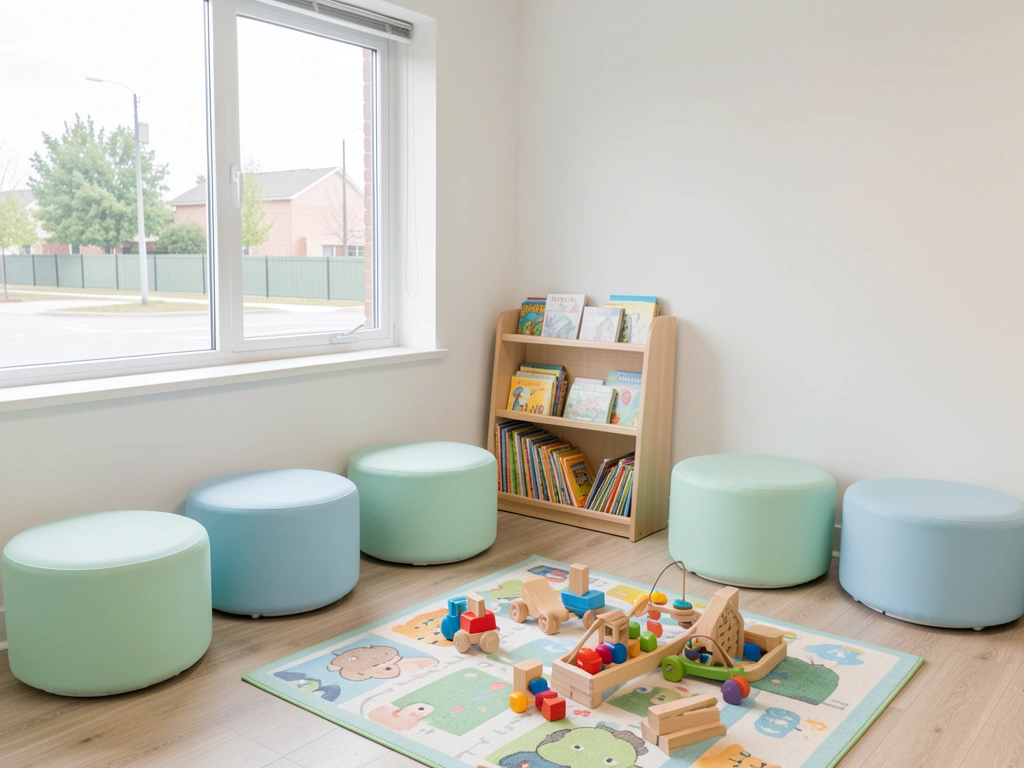
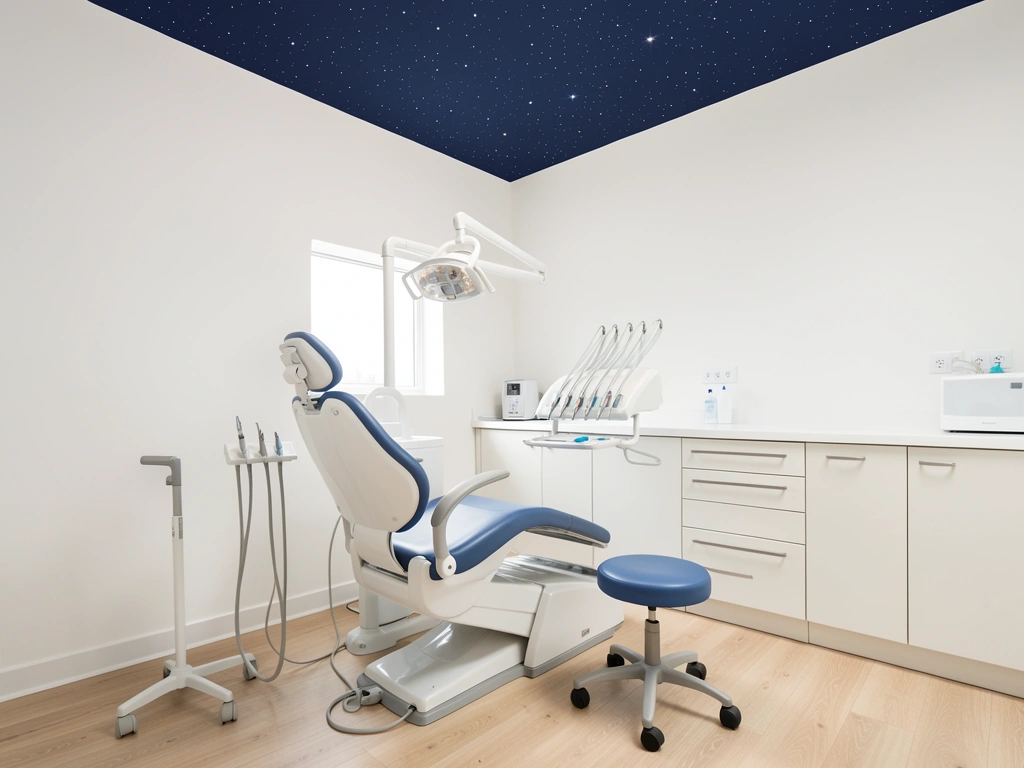
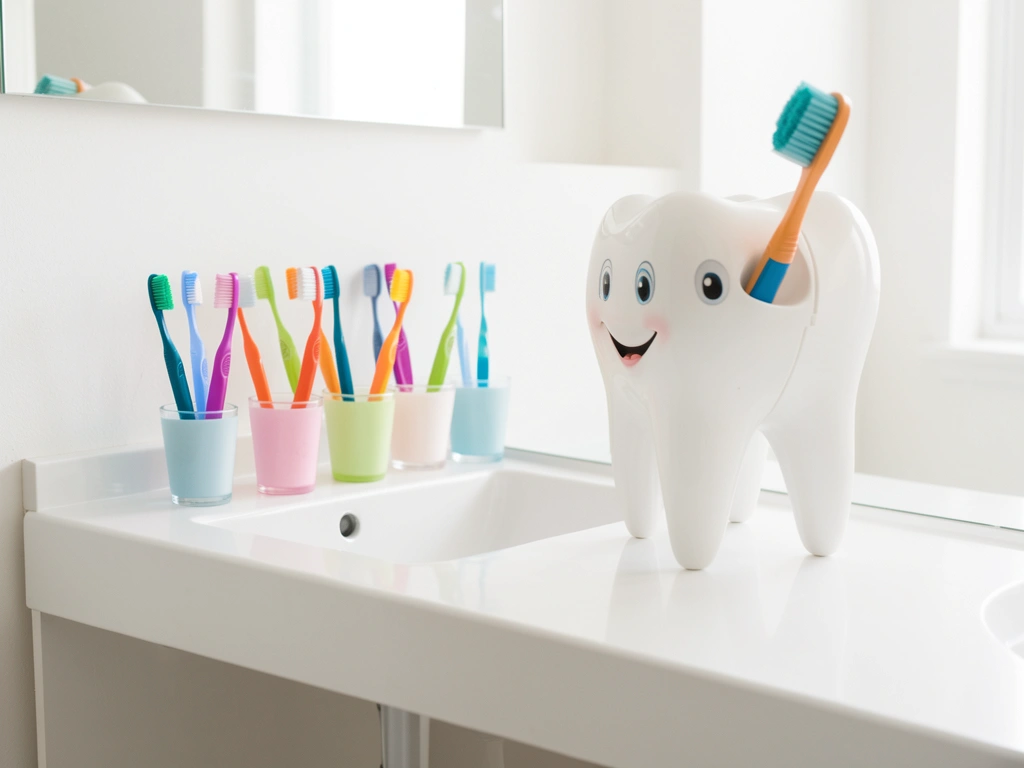
Written to show the kind of thing families tell the front desk after a first visit.
Three short visits before our son would open his mouth, and nobody once hurried him. By the fourth he was counting his own teeth out loud.
The dentist told our daughter what every tool was called and let her hold the mirror. The sealants took a quarter of an hour, with no tears at all.
Our son finds noise and bright light very hard. The team gave us the first slot of the day, turned the music off and dimmed the lamp without being asked twice.
Many dentists suggest a first visit when the first tooth appears or around the first birthday. Early visits are short and mostly about getting used to the room. Advice differs between countries, so ask your own dentist or child health nurse what applies where you live.
Always. One parent or carer stays for every visit, beside the chair or with a younger child on their lap. Teenagers can choose a few minutes alone with the dentist, with the parent close by in the waiting room.
Then the visit ends there, on a good note, and we book another short one. Pushing a frightened child makes the next visit harder, so three gentle visits are better than one difficult one.
Often they are, because baby teeth hold space for the adult teeth and a decayed one can hurt for years before it falls out. The dentist explains the choices for each tooth, including waiting and watching, and nothing is done without a parent's agreement.
No. Toothfairy Lane does not sedate children or offer general anaesthetic. If a child needs treatment that way, we refer the family to a hospital team and share our notes with them.
Call the practice straight away, because same day slots are kept on weekdays for knocks and chips. If your child has hit their head, is bleeding heavily or it is out of hours, phone your local emergency number, or head for the nearest emergency department.
Tell us a little about your child and the times that suit you. The front desk replies within one working day to offer a time, or suggests another if the one you chose is taken.
Anything you share about worries or past visits helps the dentist plan a gentler first visit.
Toothfairy Lane sits on the ground floor, with step level access and room by the desk to park a buggy.
Ground floor of a family health centre, two streets from the primary school and the bus interchange
| Monday to Friday | 08:00 to 17:30 |
| Saturday | 09:00 to 12:30 |
| Sunday | Closed |
A drop off bay sits in front of the health centre, and the waiting room has a quiet corner for feeding or changing a baby brother or sister.
This paediatric dentist website was built by AI from two sentences. Tell us about your business and yours is built the same way, with its pages, photos and booking in place, ready to preview in minutes.
About this sample page
Toothfairy Lane Children's Dentistry never existed, yet its page shows how a dentist for children can answer a parent's worries in the order they come. A card ticking off teeth, a chair ride and a sticker sits beside the opening photo, so the first visit is pictured before it is explained. Four steps, six priced services and a dark section for frightened children follow. An age guide, three ways to begin and photos of the rooms then deal with the practical doubts. The order follows a parent's thinking, from whether the child will cope to what the visit will cost.
A children's practice that signs up to AI Web Maker writes a short description of its ages, visits and fees, and gets back a drafted page with a visit request form. The desk decides on each request, saying yes, proposing a new time or saying no, and the fee goes from parent to practice with no slice kept by the platform. Drafts and previews carry no charge; when the page goes public, keeping it up runs to $119 across a year, or $19 for any lone month, and the domain is a purchase of its own. The notes beside the sample give the reason for every section, from the sticker card at the top to the buggy bay at the foot. Another practice could change the names, the prices and the photos and keep the running order exactly as it is.
The whole sample website of a paediatric dentist, explained ·