Patents
For a new product, part or process that works in a way nobody has published before. We draft the description and the claims that set the limits of your rights.
Drafting and filing from$3,400
Patent and trade mark attorneys for inventors, start ups and established manufacturers. We search what already exists, draft and file your application, and answer the examiner, with a fixed fee agreed in writing before each stage.
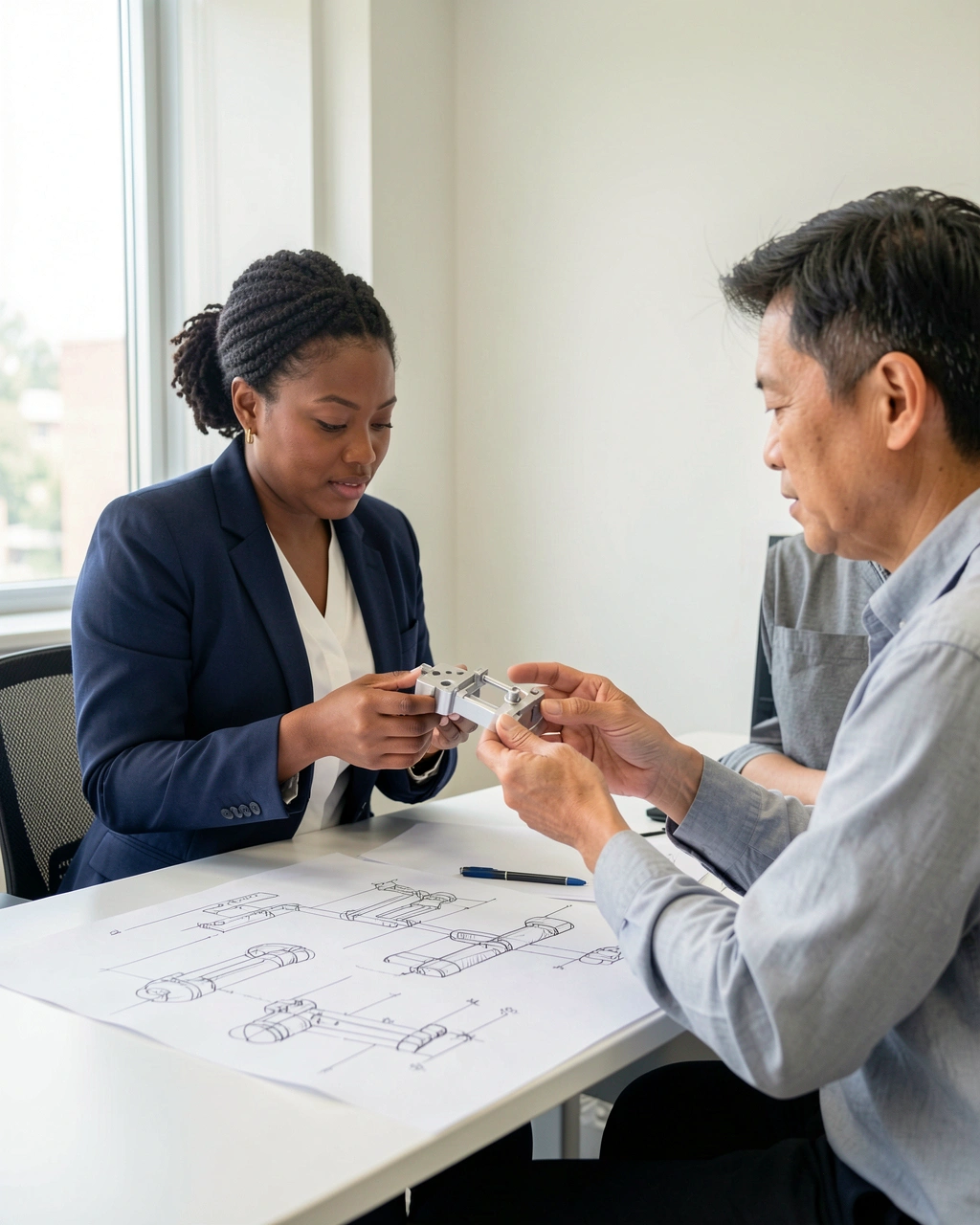
Most clients arrive with a product, a name or both. We tell you which kind of protection fits, and which would cost a great deal for very little.
For a new product, part or process that works in a way nobody has published before. We draft the description and the claims that set the limits of your rights.
For the name, logo or slogan customers know you by. We check it is available, then file it for the goods and services you actually trade in.
For the shape and look of a product, such as a bottle, a chair or a phone case, separate from how it works inside.
A look through earlier patents and publications before you spend on drafting, and a check that a planned product steers clear of rights others hold.
Agreements that let another company make your invention, or move the rights from a founder into the company before investors arrive.
Replies to examiners, oppositions against rival filings, and firm letters when someone copies your product or borrows your name.
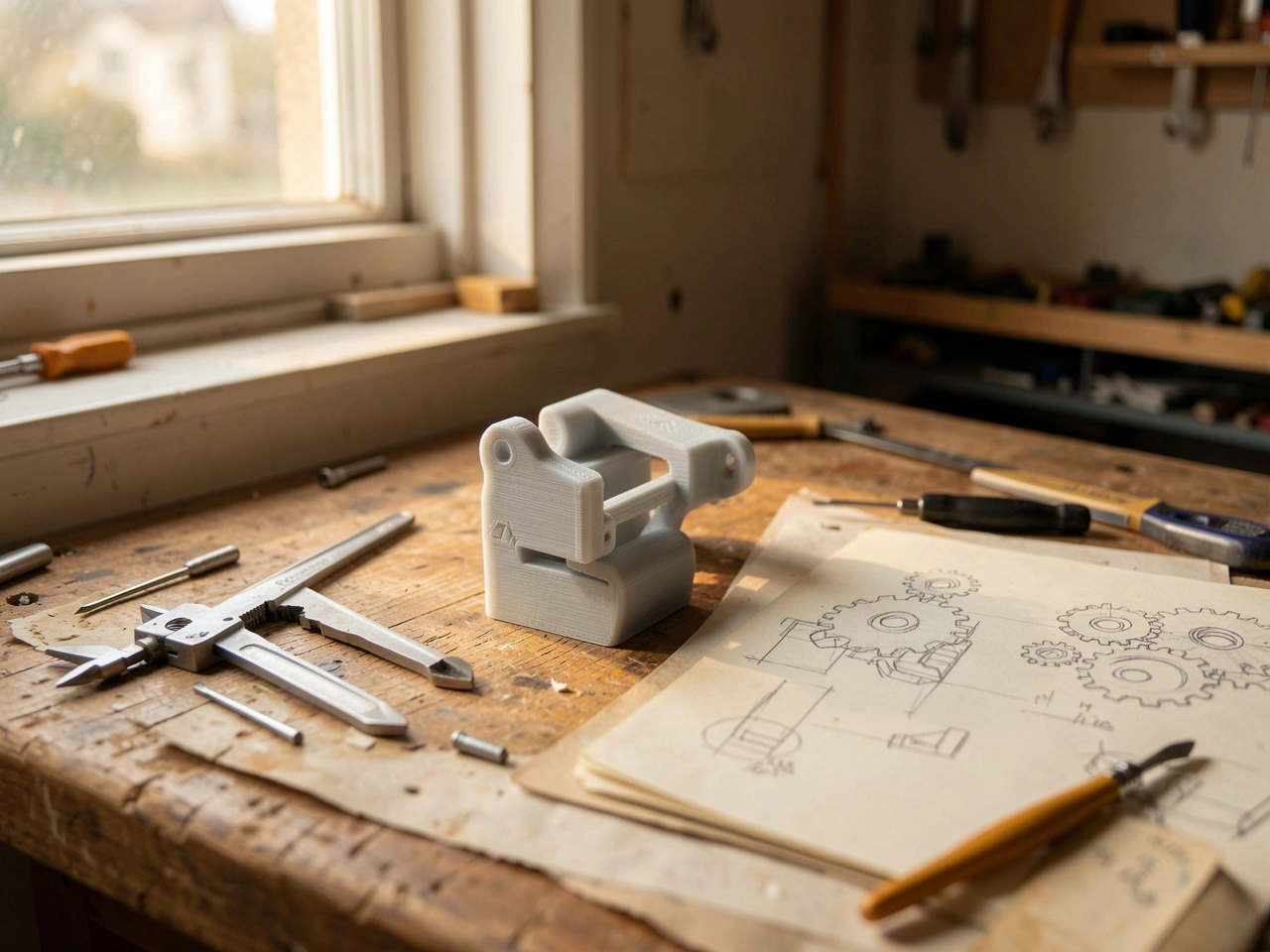
In most countries an invention shown in public before the filing date can no longer be patented, because it is no longer new. A demo at a trade fair, a video online or a crowdfunding page can all count. A few countries allow a short grace period, but those rules are narrow and differ from place to place, so we never plan around them.
The safer order is simple: speak to us, file the application, then show the product to anyone you like. Filing fixes your date, and for patents most countries then allow twelve months to file abroad while keeping that earlier date.
From the first call to a decision usually takes several years. The time differs widely by country and by field of technology, and we give you an honest estimate at the start.
Thirty minutes to hear what you have made, where you plan to sell it and what needs protecting first.
A search of earlier patents and publications, with a written view on whether the core of the idea still looks new.
We write the description, brief the drawings and set out the claims, and you check every line before anything is filed.
The application goes in and your filing date is fixed. Where local rules allow it, the product can now be marked patent pending.
An examiner compares your claims with earlier work. We explain each objection in plain words and reply only with your approval.
A granted patent stays in force while renewal fees are paid. We keep each due date on our list and contact you well ahead of it.
Every fee below is fixed for a typical case and confirmed in writing before we start. Complex technology or an unusually long set of claims is quoted on its own.
| Stage | Usual time | Our fee from |
|---|---|---|
| Confidential first call, 30 minutes | Within 3 working days | $120 |
| Patent search with a written opinion | 5 working days | $650 |
| Drafting and filing a first patent application | 3 to 5 weeks | $3,400 |
| Reply to an examination report | 2 to 4 weeks | $900 |
| Trade mark search and filing, one class | 1 to 2 weeks | $520 |
| Registered design filing, up to 3 views | 1 to 2 weeks | $420 |
| Filing in further countries | Before the twelve month date | Quote |
Official fees charged by each patent or trade mark office are extra, differ by country and are passed on at cost. Translations for filings abroad are quoted separately.
Each attorney holds a science or engineering degree as well as a professional qualification, so the first call can go straight to the technical detail.
Whether software can be patented, and in what form, differs a great deal from one country to the next. We say so plainly at the first call rather than after the invoice.
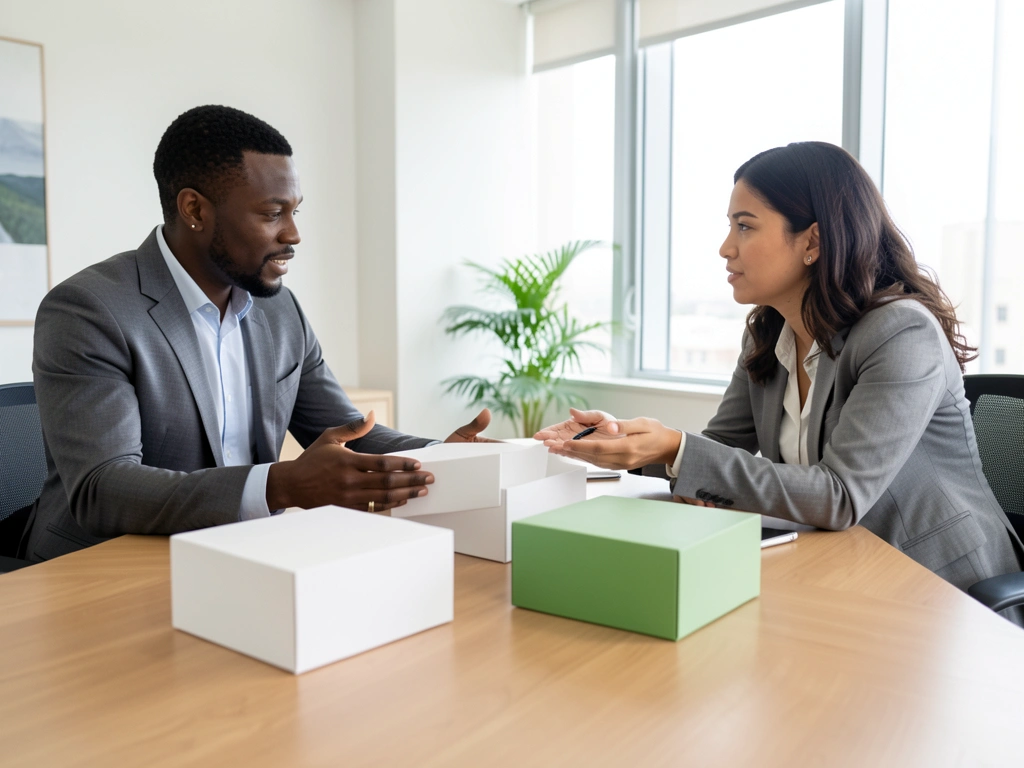
Prototypes arrive in boxes, on laptops and now and then on a trailer. Each one is looked at closely before a word of the application is written.
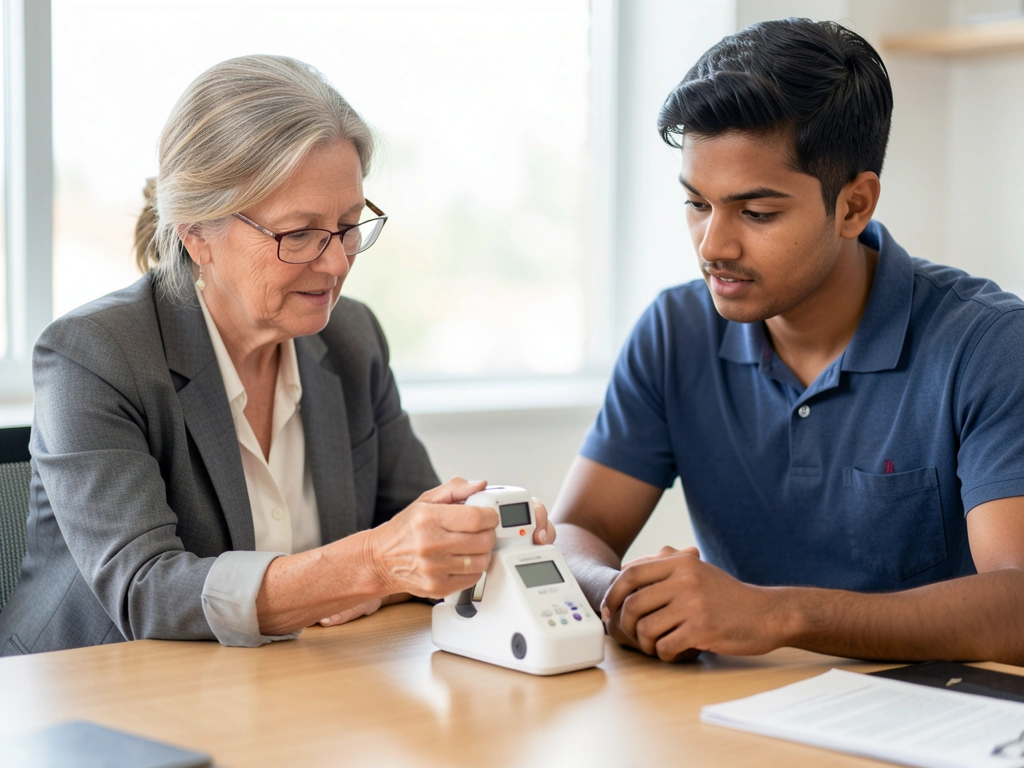
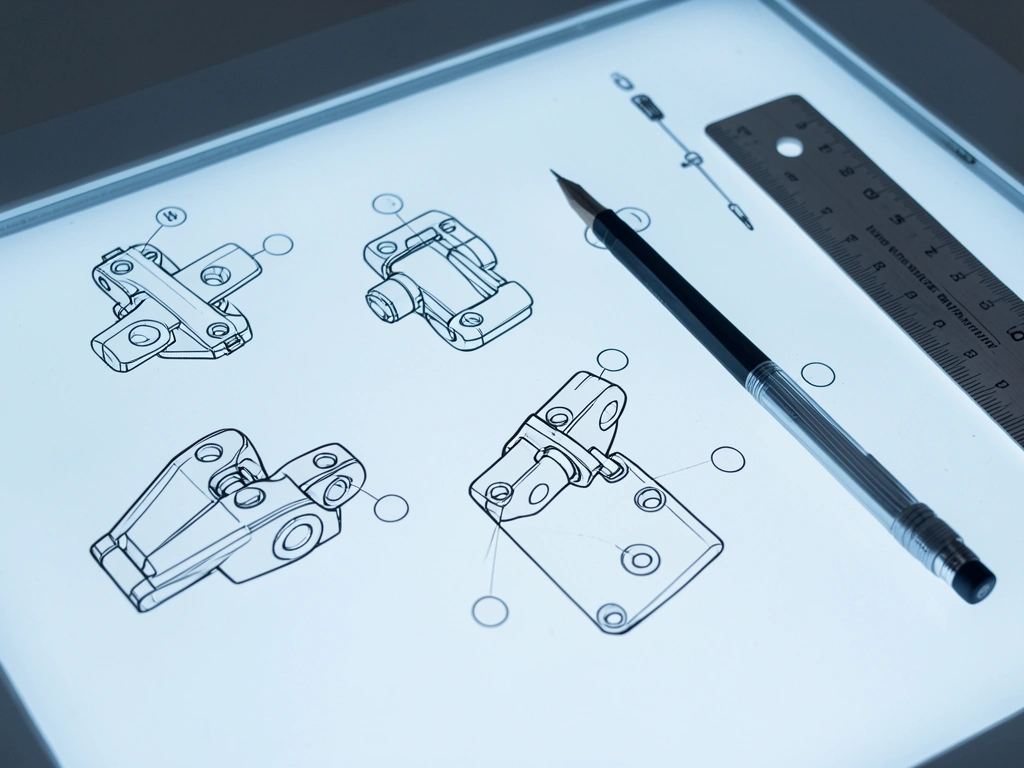
The search turned up an older patent close to the first design, before a cent went on drafting. The claims were then built around the hinge that was genuinely new.
Our brand name was checked in three markets before the packaging went to print. One clash surfaced early, and the second choice cleared.
Every examiner letter arrived with a plain summary, the options and a fixed fee for the reply. The finance team never once faced a surprise invoice.
A bare idea generally cannot. A patent protects an invention: a product or process that is new, not obvious to a skilled person in the field and capable of being made or used. What qualifies differs by country, especially for software and business methods, and we tell you honestly at the first call.
As far as possible, yes. Showing it in public before the filing date can destroy its novelty in most countries. Share details only with people bound to confidentiality, and talk to us before any launch, pitch or paper.
Our fees for each stage are listed above, and the official fees of each office come on top. Protection in several countries and renewals over the years add more, so we give a written estimate for the countries you choose before you commit.
Often several years, and the wait differs widely by country and technology. Your application is pending throughout, and we explain each step as it comes. Nobody can promise that a patent will be granted, and we never do.
Yes. Everything you tell us is treated as confidential from the first call. Professional confidentiality rules for attorneys differ by country, and we sign a non disclosure agreement before the first meeting if you prefer.
Each country sets its own rules on who may represent clients before its patent and trade mark office. We act where we are qualified and work with trusted local attorneys elsewhere, under one written estimate.
Tell us what you have made and where you plan to sell it. A few plain lines are enough for a conflict check and a fixed fee for the first step, so keep the inner workings for the meeting.
Meetings take place at the office or by video, and prototypes are welcome on the table.
Third floor of a converted printworks beside the science park, with meetings by video for clients anywhere
| Monday to Thursday | 08:30 to 18:00 |
| Friday | 08:30 to 16:30 |
| Saturday and Sunday | Closed |
Nothing on this website is legal advice. Patent and trade mark law, official fees, deadlines and who may act for you differ from country to country, so advice starts once we know your invention and your markets.
This patent attorney website was built by AI from two sentences. Tell us about your business and yours is built the same way, with its pages, photos and booking in place, ready to preview in minutes.
About this sample page
Brightmark Patents does not exist; its single page was drafted to show how a patent and trade mark firm might present itself on AI Web Maker. The page opens by telling inventors to file before they show anything in public, then lists patents, trade marks, registered designs, searches, licences and disputes. A process section walks through search, drafting, filing, examination and renewals, and admits that decisions take years. Fees appear stage by stage, with official fees kept apart because each office sets its own. The confidential enquiry form closes the page and asks for a few plain lines rather than the inner workings.
Any patent firm using AI Web Maker describes its rights, its fields and its fees, and the builder returns a first draft with an enquiry form already in place. Every claim in that draft can be checked and rewritten before anything goes live, which suits a profession that weighs each word. Enquiries arrive through the form, and the practice answers them on its own terms. Hosting is billed only once the site is published, at $119 a year, with the domain added at the price of the chosen ending. The sample page for this example explains each part in more depth for any firm weighing up its own.