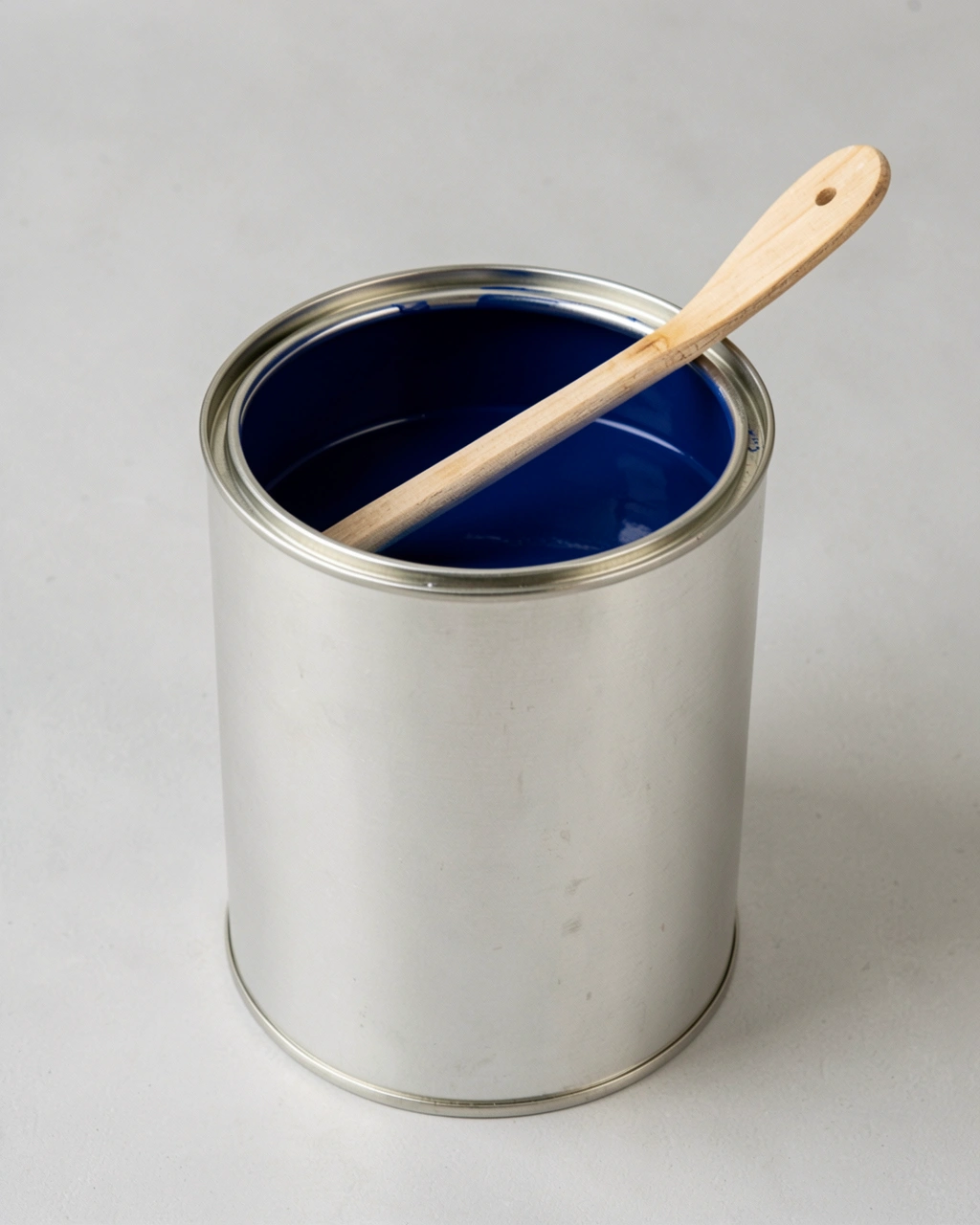
 Tinted to order
Wall and ceiling matt, 2.5 L
Washable water based matt with a low odour
$46
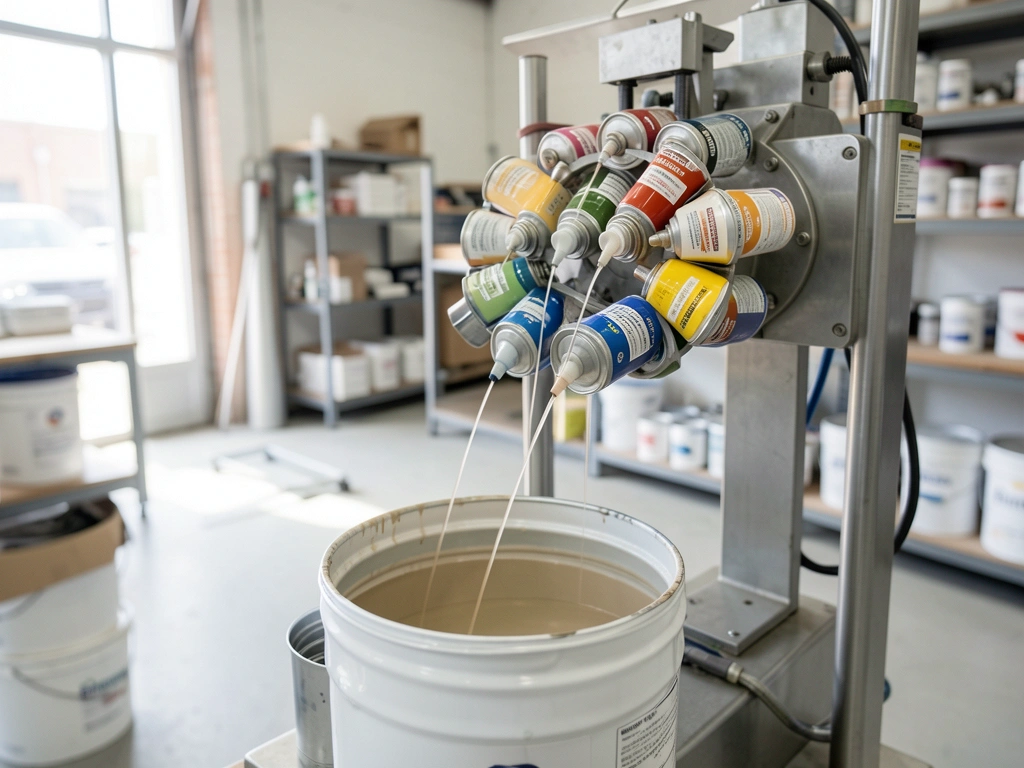
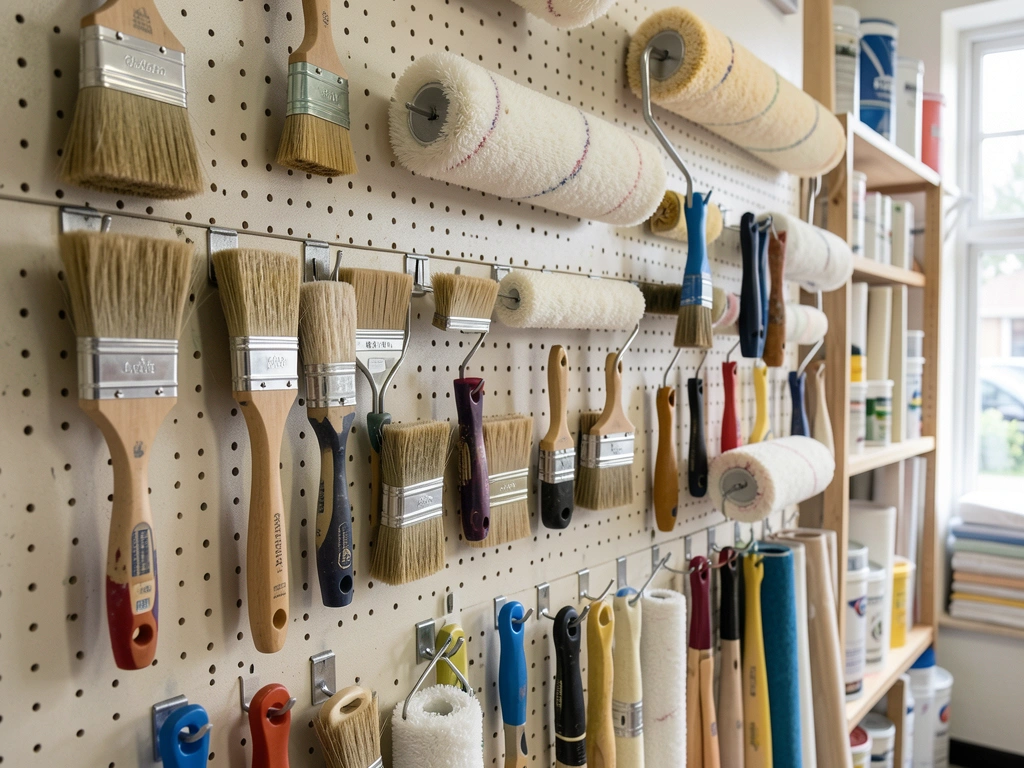
Colourmill Paints sells interior and exterior paint, brushes, rollers and fillers, and mixes any colour on the tinting machine at the counter. Try a sample pot first, order tins online, or bring in a chip of the colour you want matched.

Wall and wood paints are tinted in the house colour you pick, or in a matched colour if you ask for one. A tinted tin is mixed for you alone, so try a sample pot first whenever you are unsure.
Tinted to orderWashable water based matt with a low odour
$46
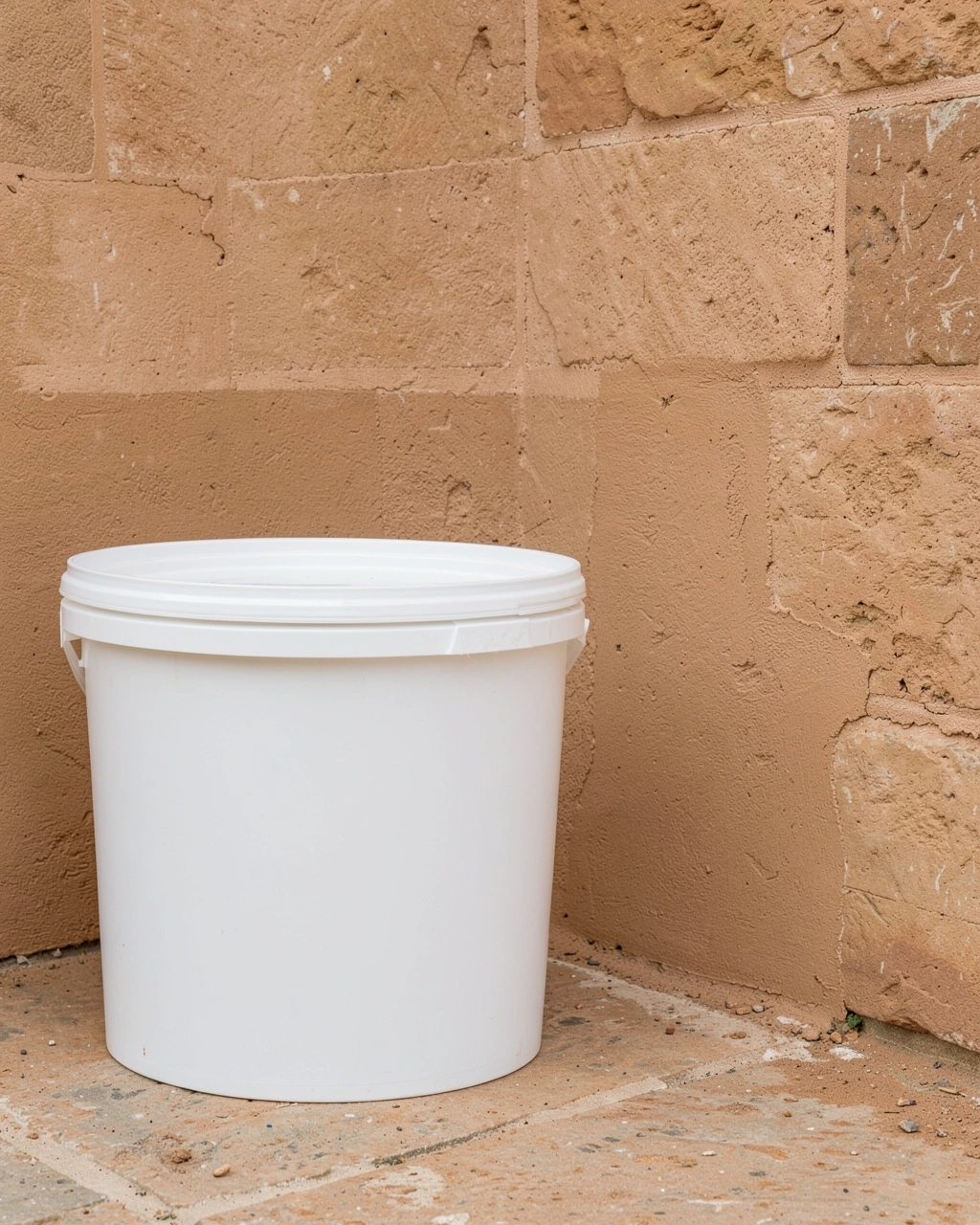
Breathable finish for render, brick and stone
$72
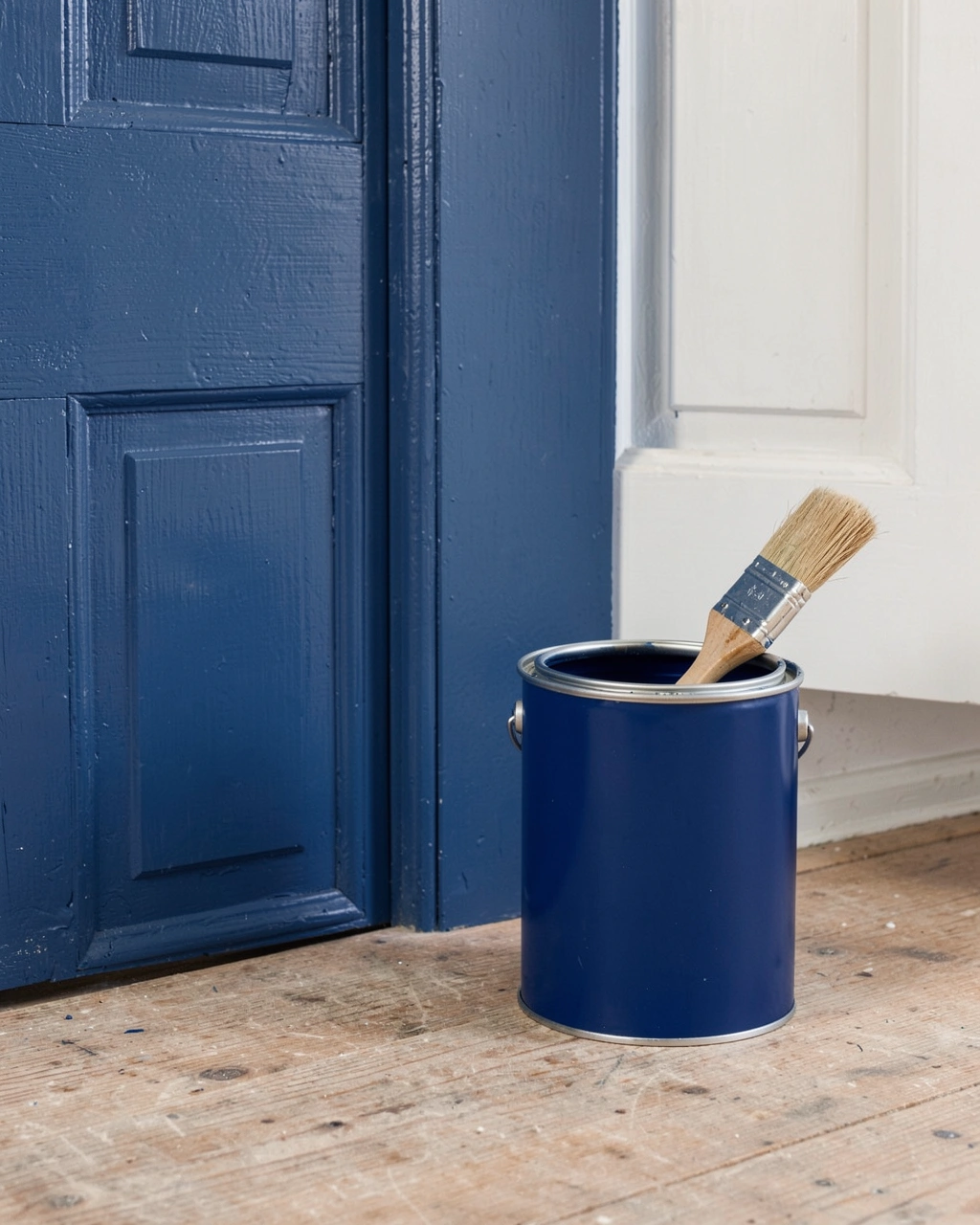
Water based, for doors, skirting and radiators
$28
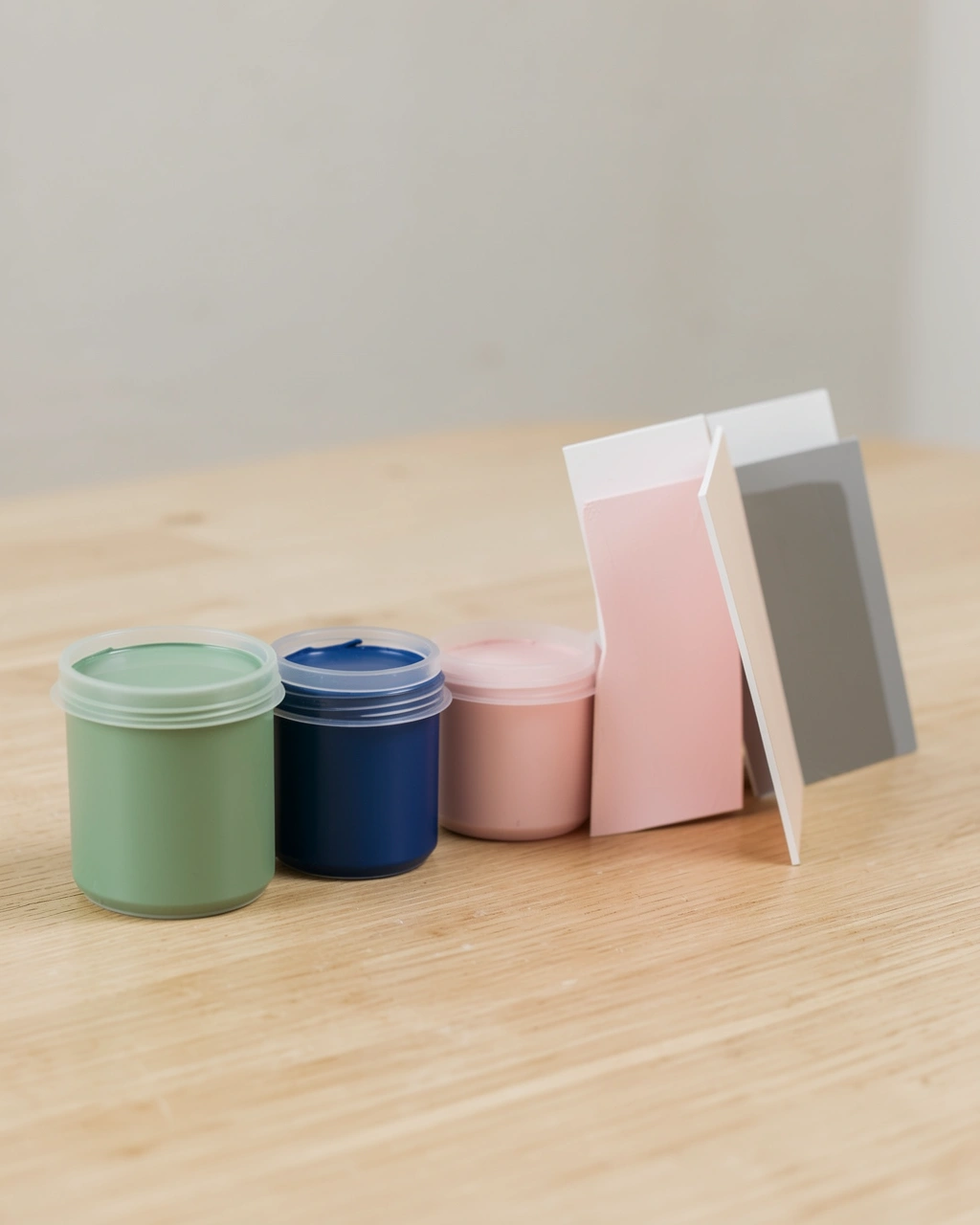
Enough for two coats on a large test card
$5
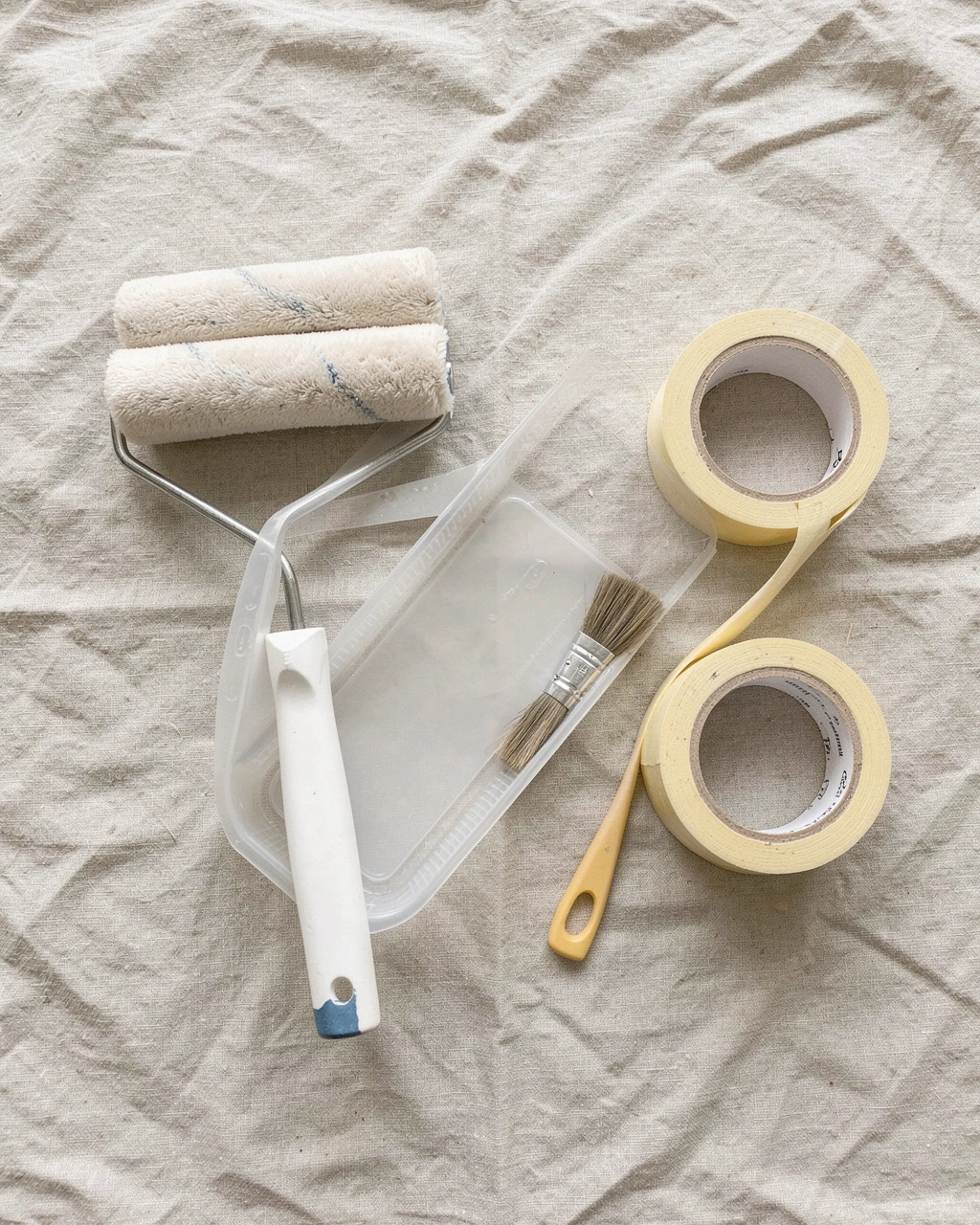
Roller, tray, two brushes, masking tape and a dust sheet
$34
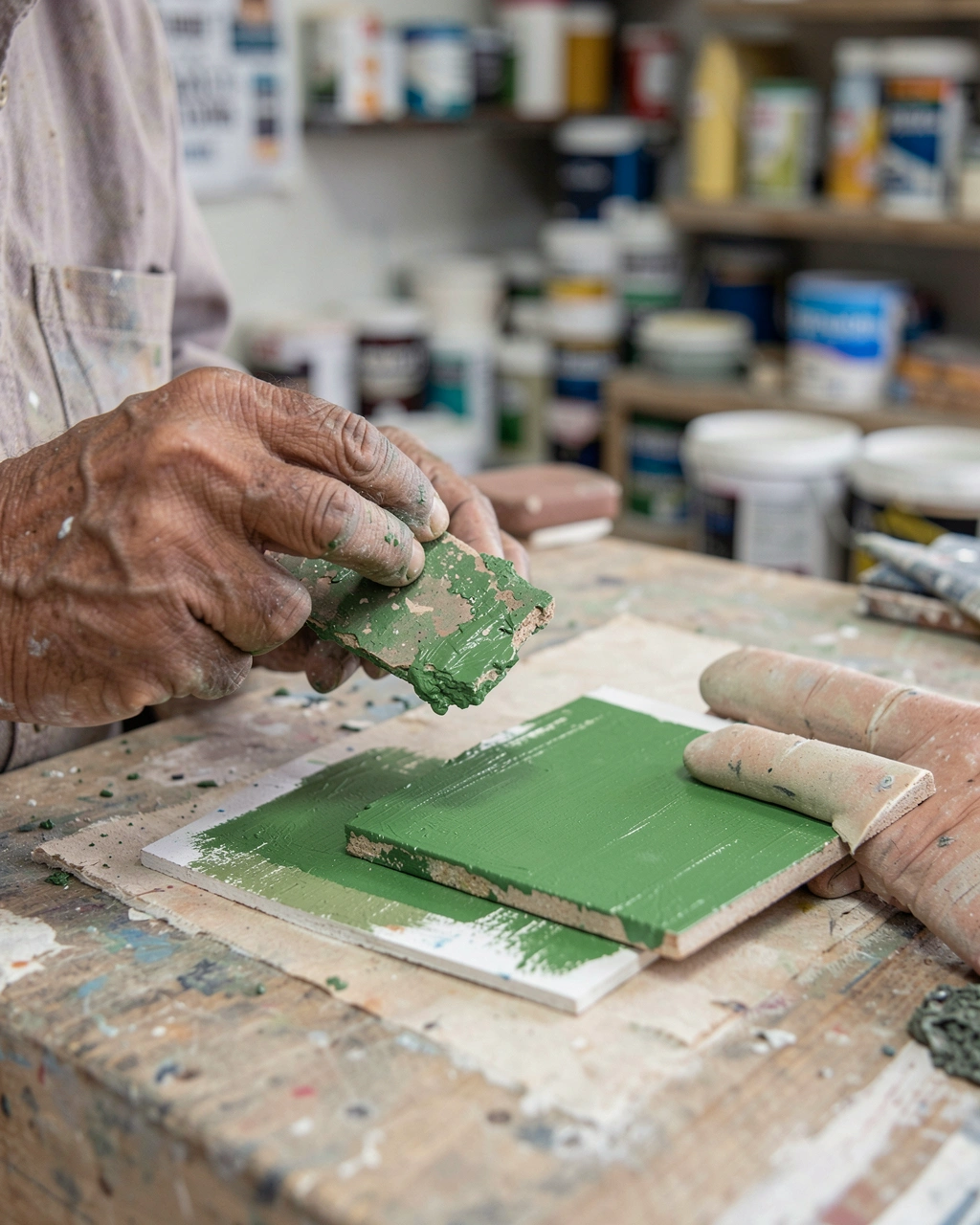
A chip, a tile or a scrap of fabric, read at the counter
Price on enquiry
EnquireDelivery is charged at checkout, and heavy orders travel by van. Unopened tins of white and ready mixed stock are accepted back within 30 days; any tin tinted at the counter is final unless it is faulty.
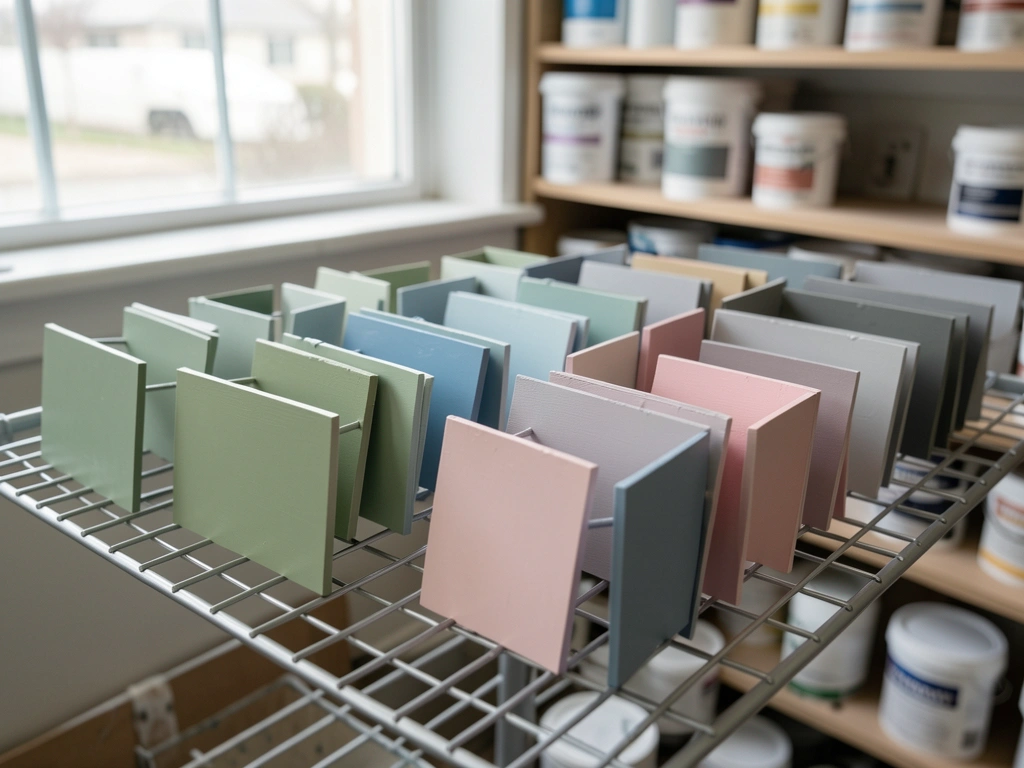
Eight colours we tint every day, in matt, eggshell and masonry bases. Screens shift colour, so paint a sample onto a card and look at it in morning and evening light before you order a full tin.
Figures from the tins we sell, for a smooth sound surface in a room at about 20 °C. The tin and its data sheet set the terms, so follow them wherever they differ from this table.
| Paint | Covers per litre, one coat | Touch dry | Second coat after |
|---|---|---|---|
| Wall and ceiling matt | about 12 m² | 2 hours | 4 hours |
| Exterior masonry paint | about 5 to 7 m², less on rough render | 1 to 2 hours | 4 hours in dry weather |
| Water based eggshell | about 14 m² | 1 hour | 6 hours |
| Stain block primer | about 10 m² | 1 hour | 4 hours |
| Oil based gloss | about 15 m² | 6 hours | 16 hours |
Porous plaster, rough render and a big change of colour all use more paint and can need a third coat, while cold and damp air slow drying. Keep windows open and air moving while you paint and while the paint dries, and step outside for breaks when you use solvent based gloss.

Bring a piece of the colour you want, about the size of a coin: a flake of old paint, a tile, a cushion cover. The counter reads it with a colour reader, paints a test card and holds it beside your sample before anything goes into a tin.
A match is mixed in the base and finish you choose, and shine changes how a colour reads, so a gloss and a matt from one formula never look quite alike. Old paint faded by the sun is matched to how it looks today rather than the colour it was on the day it went up.
Most paint that fails was let down by the surface underneath, not by the tin.
Fill cracks, sand the filler flat, wash greasy patches with sugar soap and mask the edges. Dust everything off before the first coat.
New plaster takes a thinned mist coat, bare wood a primer and water marks a stain block, each as its tin directs.
Cut in the edges with a brush, roll the walls in sections, and wait out the recoat time on the tin before the second coat.
Keep the room ventilated while it dries. Most finishes harden fully over days or weeks, so clean and hang pictures gently at first.
Where the tins are tinted and the colours are tried.
The match from a flake of the old hallway paint was spot on, and a card was painted to check before the tin was mixed. Two tins later the wall looks untouched.
Advice on a mist coat for new plaster saved a weekend of peeling paint. Patient answers, and no push to buy more than the room needed.
Trade account opened within a day and tins ready by seven most mornings. Every client colour is kept on file for touch ups.
Measure the wall area, take off doors and windows, and multiply by the number of coats. Divide that by the coverage on the tin, which is a guide for smooth walls. Rough or porous surfaces drink more, so the counter usually suggests a little extra rather than a second trip.
Tins tinted at the counter are mixed for you and cannot be returned unless they are faulty. Unopened tins of white and ready mixed stock are taken back within 30 days if you keep the receipt.
Our wall paints are water based and low in solvents, but every paint gives off some vapour while it dries. Ventilate the room, keep children and pets out until it is dry, and read the safety notes on the tin, which follow the rules where it is sold.
Homes painted many decades ago can have lead in the lower layers. Do not sand or burn old paint until it has been tested; the rules on testing and removal vary by country, and the counter can point you to the local guidance.
Seal the lid, store the tin out of frost and label it with the room and the colour. Liquid paint should never go down a drain or into a household bin, so ask your local authority how it collects old paint.
Exterior paints need dry weather and a surface warmer than the minimum on the tin, often around 5 °C, with no rain until the coat is dry. Morning dew and late frost are the usual culprits.
Tell us the room, the surface and what you have in mind. A colour consultation at the counter takes 45 minutes and costs $40, taken off paint bought the same day, and a colour visit at home is $85 within the local area. We reply within one working day.
The trade counter opens at seven on weekdays, so decorators can load up before the first job of the day.
Shop and trade counter by the canal basin, with a loading bay at the door
| Monday to Friday | 07:00 to 18:00 |
| Saturday | 08:00 to 17:00 |
| Sunday | 10:00 to 15:00 |
A chip of the colour to match, a photo of the room on your phone and the wall measurements in metres. With those three, the counter can mix, advise and estimate in a single visit.
This paint store website was built by AI from two sentences. Tell us about your business and yours is built the same way, with its pages, photos and booking in place, ready to preview in minutes.
About this sample page
Colourmill Paints is a fictional shop whose one page store shows how a paint business can sell tins online without overpromising on the wall. Paints and tools sit near the top with colour or finish options and an Add to bag button, and sample pots cost a few dollars in every house colour. Eight swatches, a coverage and drying table and a section on colour matching follow. Every figure in the table is a guide that defers to the tin, and the notes ask painters to keep rooms ventilated. Four preparation stages and six questions on lead, leftovers and weather complete the page.
A paint counter on AI Web Maker describes the shop in a few sentences and gets back a draft store with tins, sample pots and an advice form. Colour and finish choices sit on each product, the bag gathers them, and checkout prices the delivery. Codes for discounts can thank buyers who come back for full tins. Hosting for a live store is $119 a year, with the domain paid for apart. Every section of the example is explained, with its reasons, on the sample page.