Families
Powers of attorney for a parent, consent letters for a child travelling with one parent, and sworn statements for a pension or an estate.
Signatures witnessed, oaths given, copies certified and papers readied for use abroad, at the office or at your door. Bring photo ID and the unsigned document, and most visits take fifteen minutes.
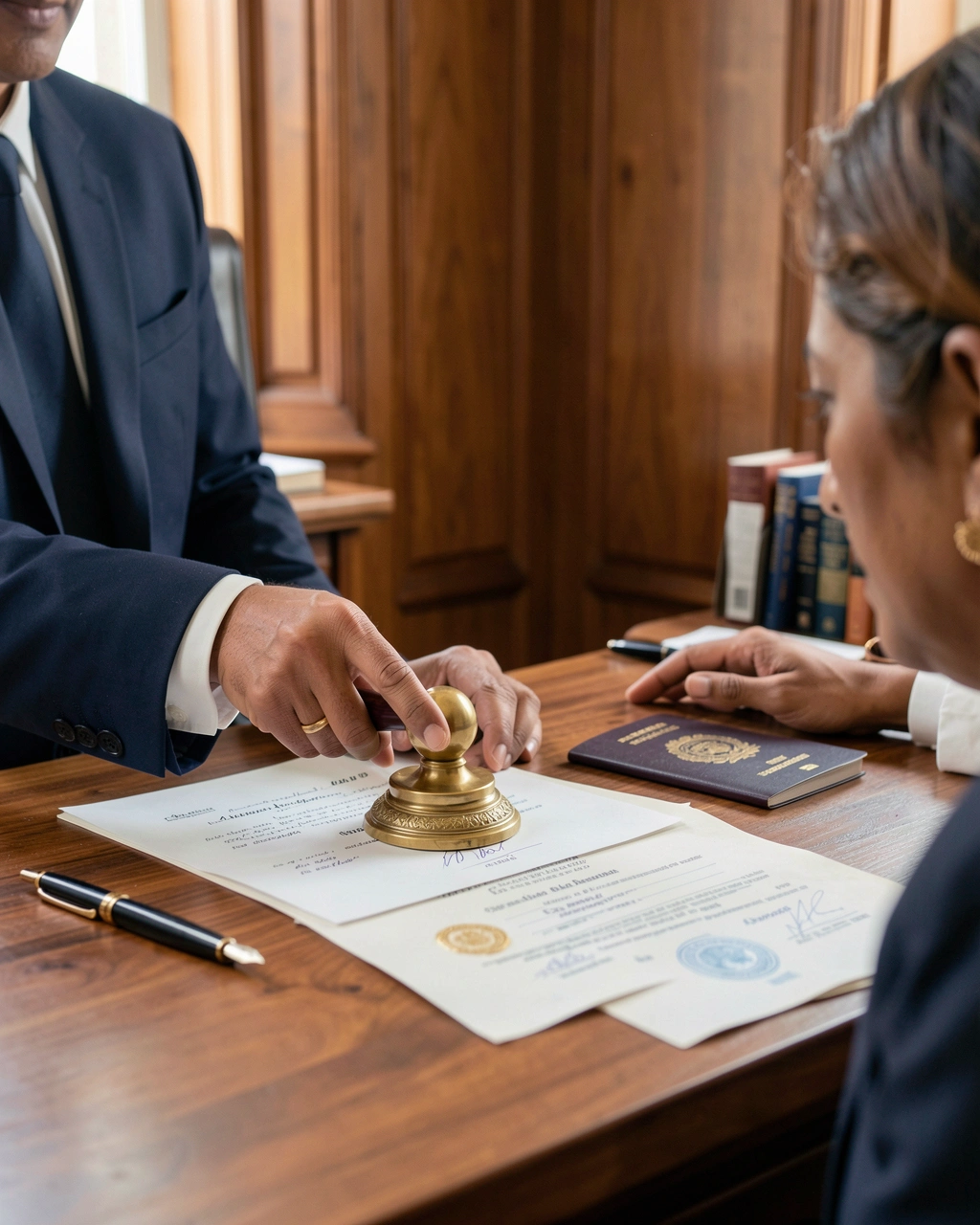
Most people need a notary once or twice in their lives, usually because a bank, a court office or another country has asked for it. These are the people we see most weeks.
Powers of attorney for a parent, consent letters for a child travelling with one parent, and sworn statements for a pension or an estate.
Certified copies of diplomas, transcripts and passports for universities and visa offices in another country.
Deeds, transfer forms and loan papers signed in front of a notary when a lender or a land office asks for it.
Board resolutions, signatures of directors and copies of company papers for a bank or a partner overseas.
Title transfers and declarations of sale where the local rules ask for a witnessed signature.
Visits to homes, hospital wards and care homes, with time taken to read every page aloud if that helps.
Prices are for one document at the office. The fee is confirmed when you book, before anyone signs.
| Notarial act | What happens | From |
|---|---|---|
| Signature witnessed | ID checked, the document signed in front of the notary, then sealed and recorded | $15 a signature |
| Oath or affirmation | You swear or affirm that a written statement is true, then sign it | $25 |
| Certified copy | The original compared with the copy page by page, then certified | $20 |
| Power of attorney | Each signer identified and witnessed, with a second witness where the form asks | $35 |
| Papers for use abroad | Notarised, with a written note on the apostille or legalisation step that follows | $60 |
| Visit to a home, ward or office | Travel within 15 km; further visits by quote | $45 a visit |
Where a state or country fixes the fee for a notarial act by law, we charge that amount and no more. The government charge for an apostille or a legalisation is passed on at cost.
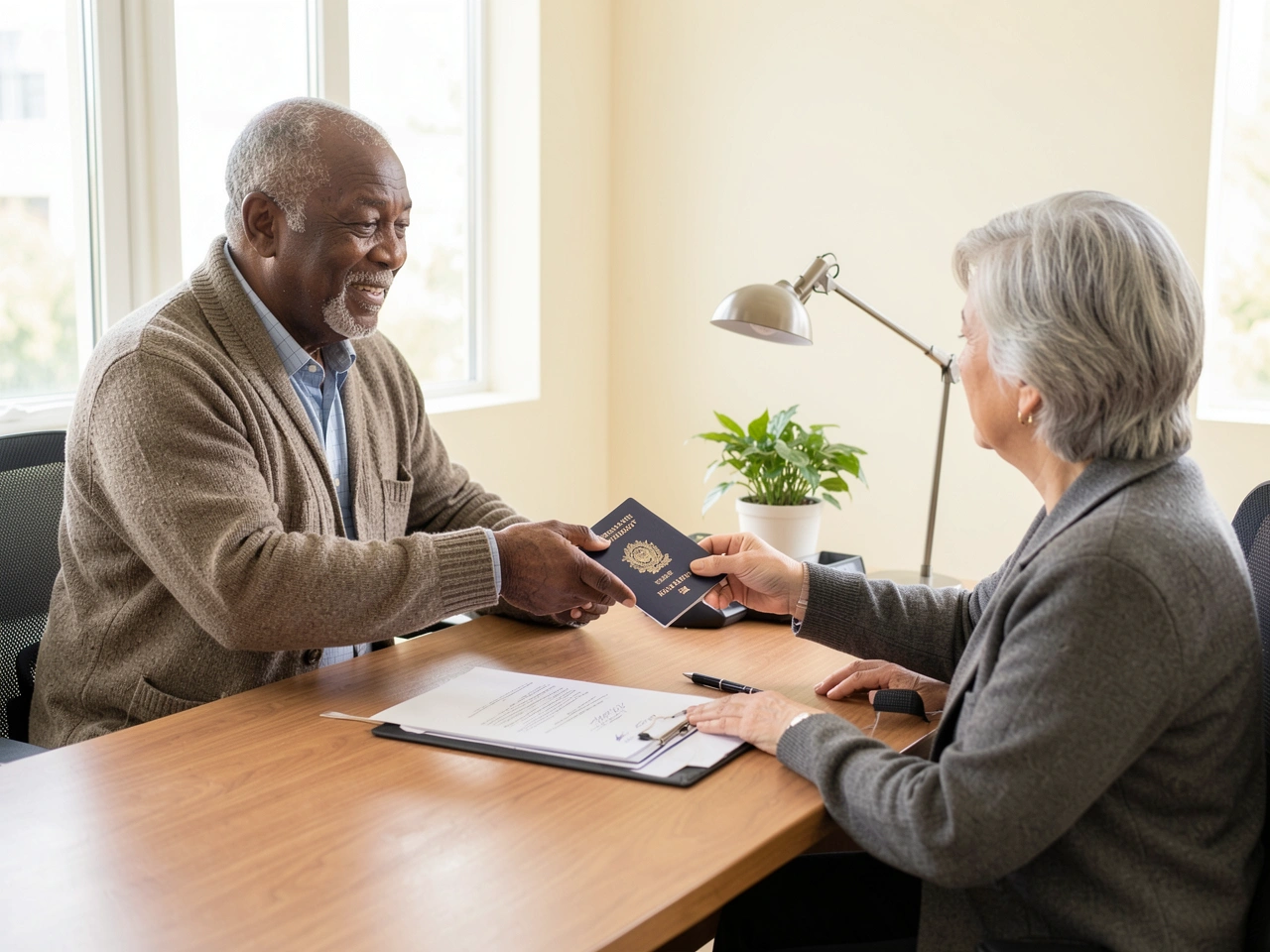
Bring the whole document unsigned, because the notary has to watch each signature being made. Every person signing needs a current government photo ID, for example a passport or a driving licence, carrying the same name that appears on the paper.
Our notaries witness and certify; they do not write documents or advise on what a document means. The role of a notary differs by country and by state, and in some countries notaries are lawyers who draft deeds. If a page is blank or a section is missing, we point it out and the person who asked for the document can fill the gap.
Four steps, in the same order every time, so a document signed here holds up when someone checks it later.
Choose the service, the day and a time, and say how many people will sign. We confirm within an hour in office hours.
Each signer brings photo ID and the full document, unsigned, with any blank spaces filled in or struck through.
We check every ID, make sure each signer understands the document and is signing willingly, then watch the signatures.
The notary completes the certificate, applies the seal and enters the act in the register before you leave.
If yours is not on the list, describe it in the booking request and we tell you whether a notary can help with it.
Which papers need a notary, and what a notary may do with them, depends on the law where the document is signed and where it will be used. When the rules are unclear, the office that asked for the document has the final word.
Most signings happen in the quiet room at the office. The rest happen at kitchen tables, bedsides and boardrooms.


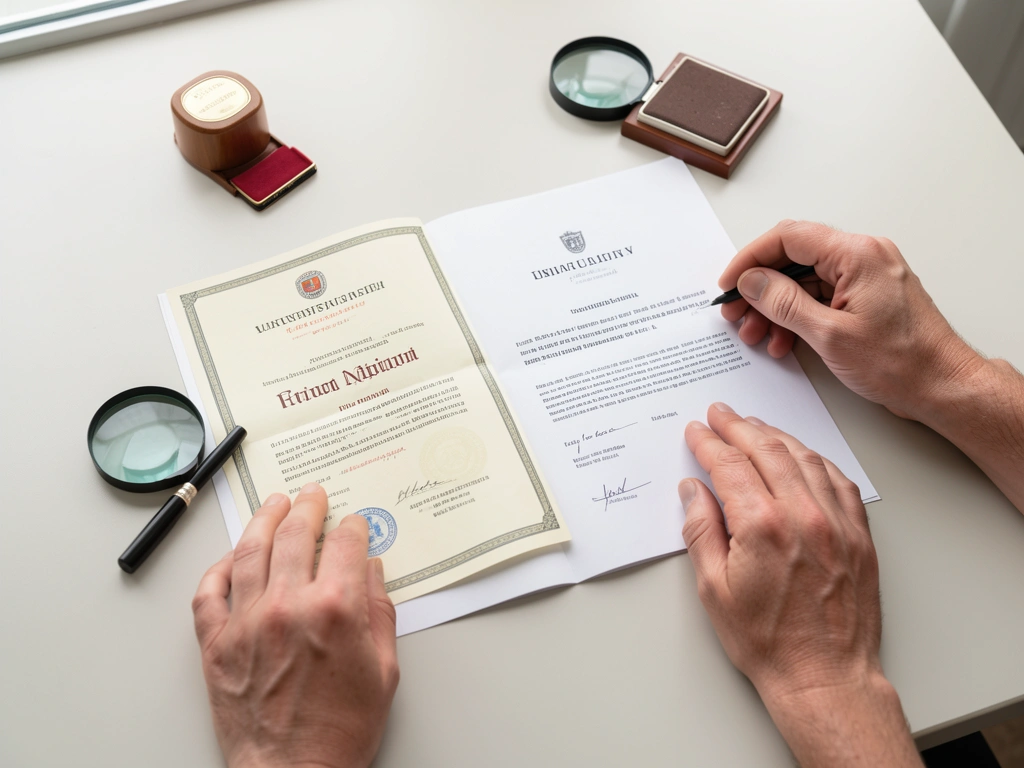
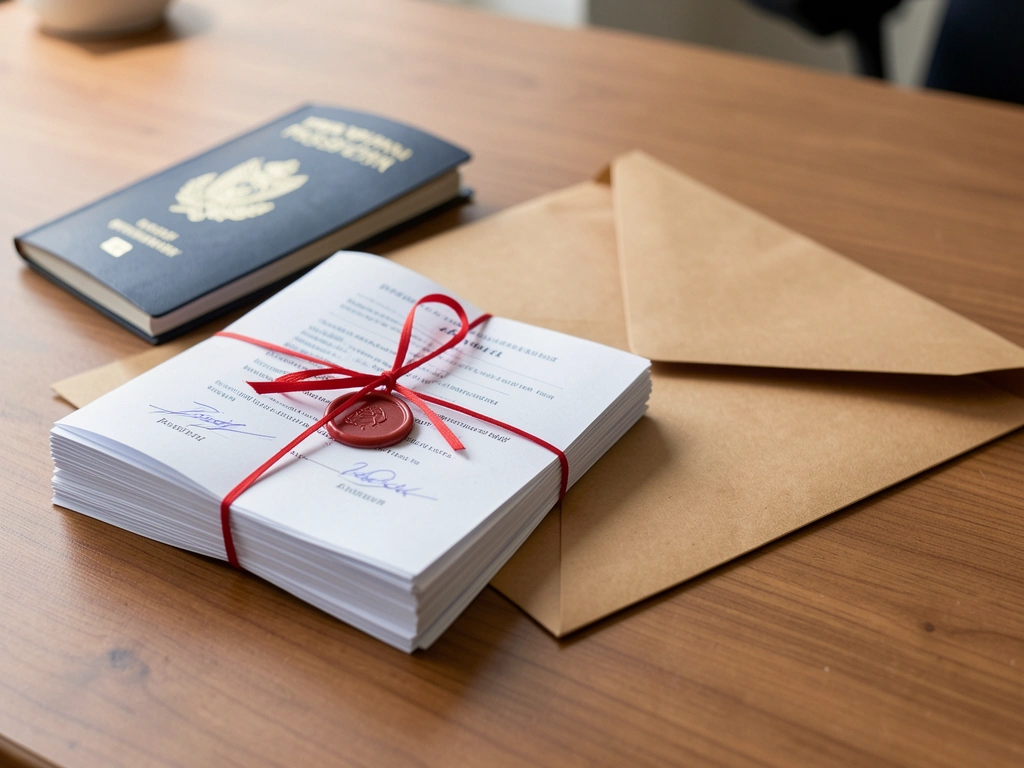

Our grandmother could not travel, so the notary came to the care home, read each page with her slowly and waited while she thought it over. The power of attorney was done within the hour.
Diploma copies for a university overseas were certified the same afternoon, along with a clear note about the apostille step that came next.
Two signers, booked at lunchtime. The notary spotted an empty date box on page three before we signed, which saved a second trip.
No. Our notaries witness signatures, give oaths and certify copies; they do not choose or write documents, or explain their legal effect. Ask the office that requested the document, or a lawyer. In some countries notaries are lawyers who do give that advice, so the role depends on where the papers are signed.
Any current photo ID issued by a government will do, whether that is a passport, a driving licence or a national identity card, as long as the name matches the document. If a signer has no ID, say so when you book, because the alternatives differ by country and by state.
The office that receives them decides. Many countries ask for an apostille or a consular legalisation on top of the notarisation, issued by a government authority rather than by us. We tell you which step usually follows for the country you name.
Please wait. The notary has to see each signature being made, so a page signed at home has to be signed again on a fresh copy.
Yes, within 15 km for a set travel fee and further by quote. The signer has to be awake, able to understand the document and willing to sign it. If the notary has doubts about any of these on the day, the signing waits, and only the travel fee is charged.
Remote notarisation is allowed in some states and countries and not in others, and the receiving office may still want ink on paper. Mention it in your request and we say whether it is possible for your document.
Tell us the service, the day and a time that suits, and how many people will sign. In office hours we reply within an hour to confirm the slot, offer another one, or explain if the document is one we cannot notarise.
Call in office hours, or send an email at any time and we answer the next morning at the latest.
Ground floor office in a riverside business centre, with visits up to 15 km away
| Monday to Wednesday | 9:00 to 17:00 |
| Thursday | 9:00 to 20:00 |
| Friday | 9:00 to 17:00 |
| Saturday | 10:00 to 13:00 |
| Sunday | Closed |
Unsure what the receiving country asks for? Send us its name and the type of document, and we reply with the usual next step before you book anything.
Ask before bookingThis notary website was built by AI from two sentences. Tell us about your business and yours is built the same way, with its pages, photos and booking in place, ready to preview in minutes.
About this sample page
Seal and Sign Notary Services is made up; its one page site shows how a notary might set out fees, ID rules and signing requests on AI Web Maker. Its opening view promises what signers care about most, a short visit with clear rules, and a fee table lists each notarial act with a line on what happens. A section on what to bring explains why documents must arrive unsigned and why every signer needs photo ID. The page also states plainly that the role of a notary differs by country and by state, and that these notaries witness rather than advise. Together these parts answer the questions that otherwise fill a notary's phone line.
To build one, a notary types a few lines about the office, its acts and how far it travels. The builder answers with a draft that already holds a fee table and a booking form. Signers then send requests that the notary confirms, moves or declines, and every fee is settled between the two of them. Nothing is charged until launch, when hosting costs $119 for the year (or $19 each month) and the domain is extra. A walk through every section, and why it earns its place, sits on the sample page linked below. Any office can reorder these parts, leading with home visits or papers for abroad if that is where most of its work comes from.