The Mill and the River
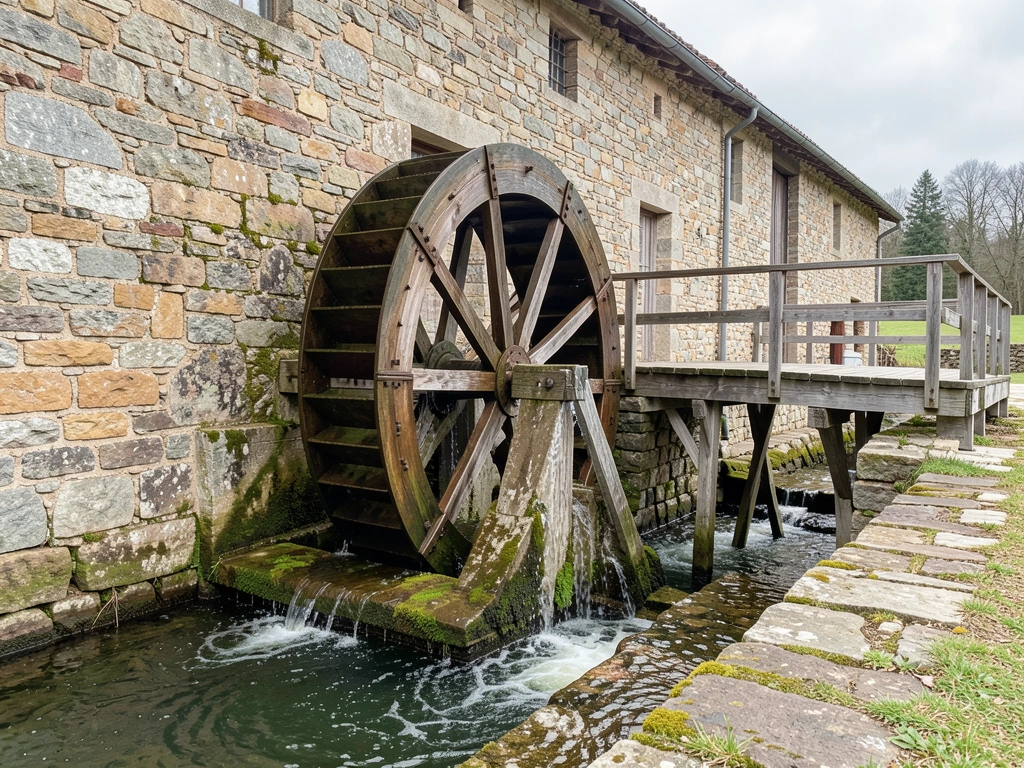
The looms, the bell that called the shifts and the restored water wheel, still turning outside.
FloorGround
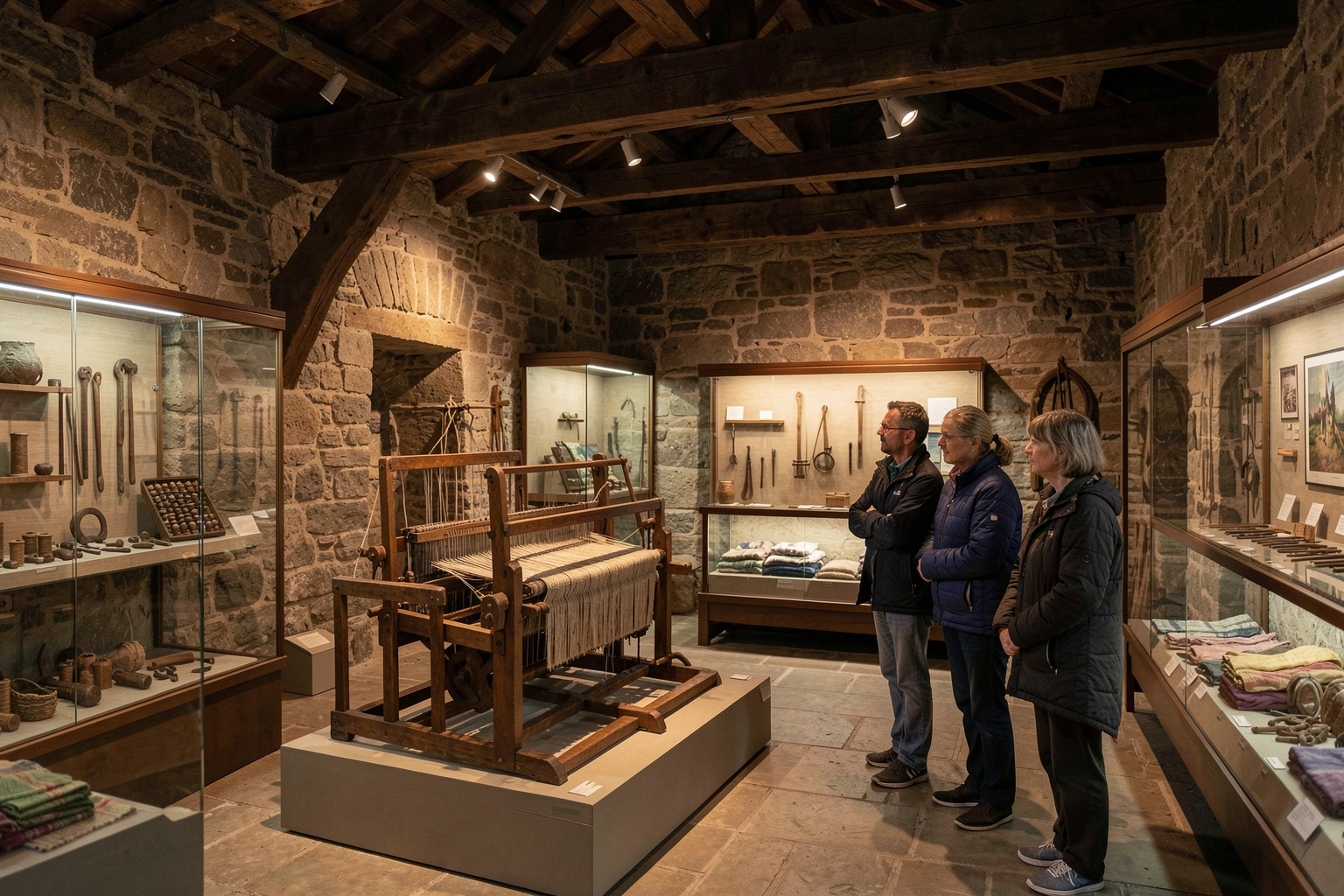
The Millbrook Museum tells the story of the town and its river valley through objects its people made, used and kept, from the looms of the old mill to a front parlour of the 1950s. Walk through four permanent galleries, see this season's exhibition, bring a class, or come to a talk on a Thursday evening.
Open Tuesday to Sunday from 10:00 to 17:00, and on summer Thursdays until 20:00. Last entry is 45 minutes before closing; allow about two hours to see everything.
| Ticket | Price | Good to know |
|---|---|---|
| Adult | $8 | Come back as often as you like for 12 months |
| Concession | $5 | Students, over 65s and people receiving state support |
| Family | $20 | Two adults and up to three children |
| Under 16 | No charge | With an adult |
| Carer | No charge | Accompanying a disabled visitor |
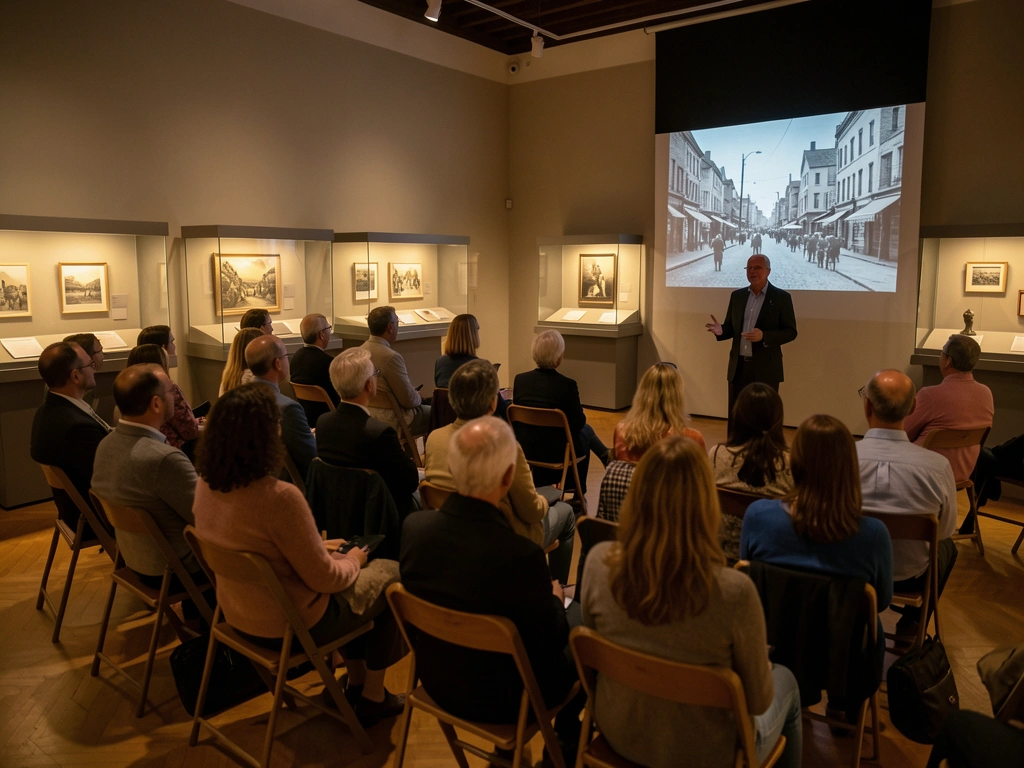
| Evening talk | $6 | Thursdays, booked at the desk or with the form |
A lift serves every floor, every route through the galleries is level, and wheelchairs and folding stools can be borrowed at the desk.
The permanent galleries follow the town from the river that powered it to the shops that fed it.
The looms, the bell that called the shifts and the restored water wheel, still turning outside.
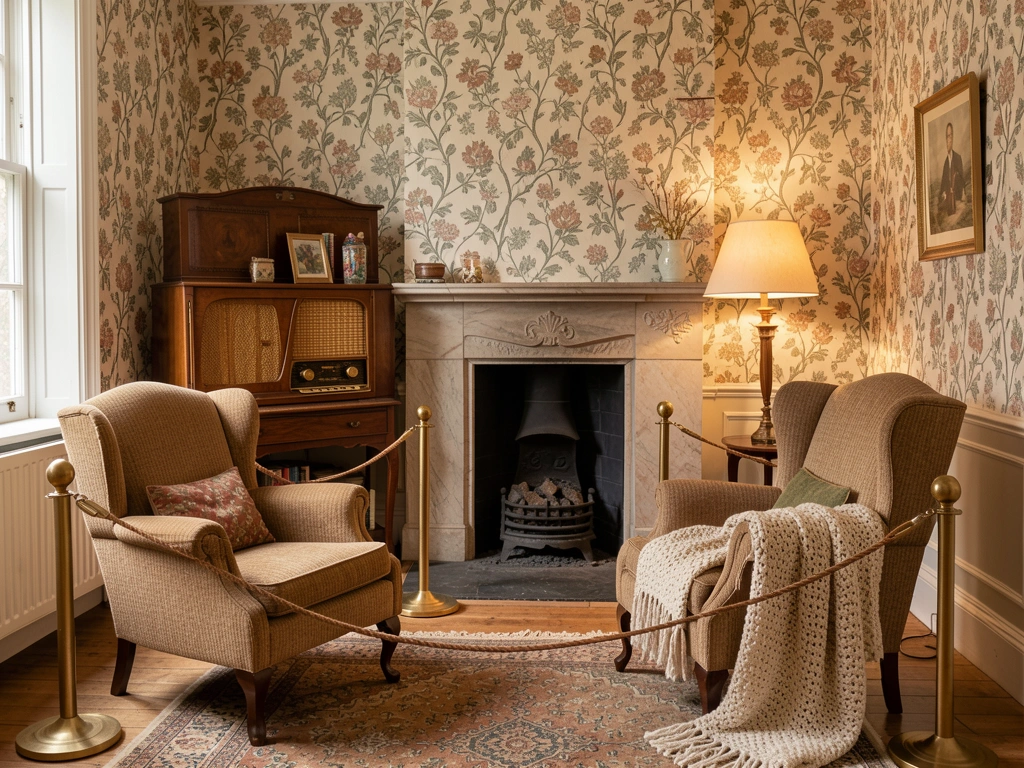
Two rooms set as a family home of 1900 and of the 1950s, with the radio switched on.
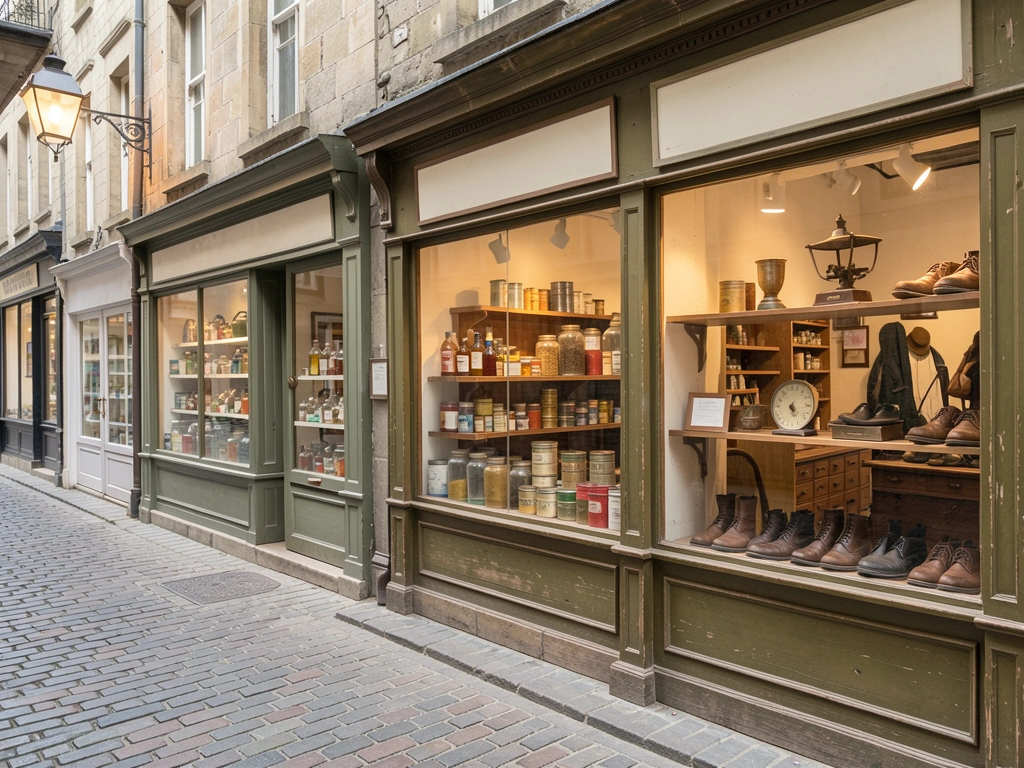
The chemist, the grocer and the cobbler rebuilt from fittings the shops left behind.
Farming in the valley, the flood that changed the town and the walls built after it.
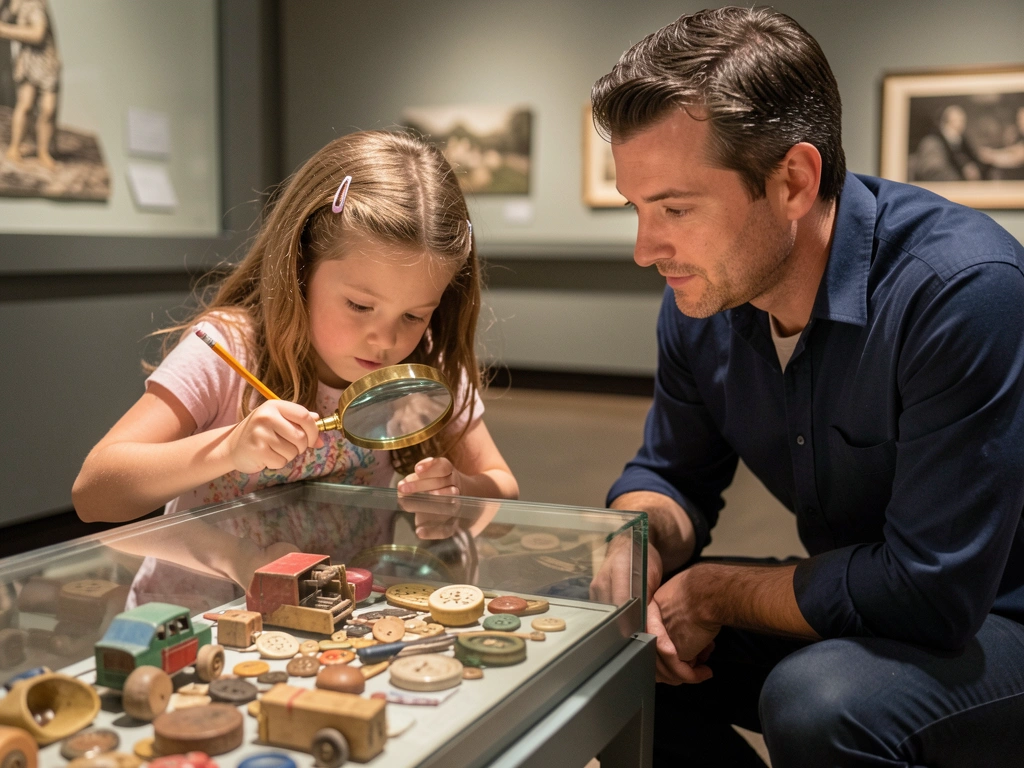
Dressing up, a toy shop counter and objects to touch for visitors under eight.
Maps, ledgers, photographs and parish records, brought out by a curator for researchers.
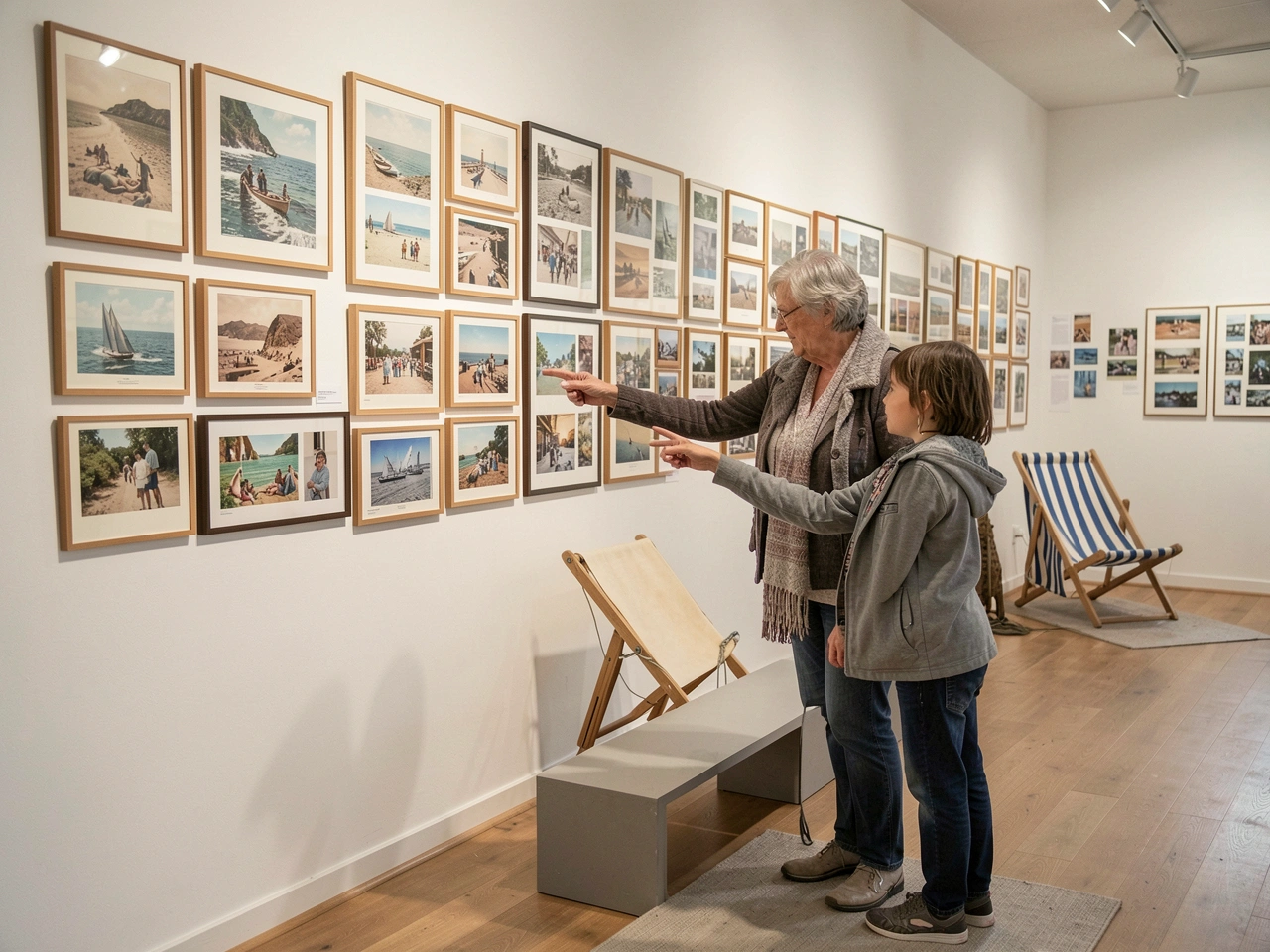
Seventy years of holidays taken by Millbrook families, told through postcards, snapshots, a deckchair and a striped windbreak that spent every August on the same beach. Most of the objects were lent by people who still live in the town, and many come with a note about who sent them and why.
The exhibition runs until the end of the season and is included in every ticket. A curator leads a short tour at 14:00 on Saturdays, and visitors are invited to write down a holiday memory of their own on a card for the memory wall.
Workshops are led by the museum's educators and fit the history taught in most primary and secondary schools.
a pupil, from$3
Your class explores the galleries with our trail sheets and a short welcome talk.
a pupil, from$5
Washday a century ago, the mill shift or the flood: real objects to handle with an educator.
a group, from$90
A curator's tour for societies, clubs and reunions, with tea in the mill house afterwards.
an evening, from$650
Receptions and launches among the looms, with the galleries lit and a member of staff on hand.
School bookings are confirmed in writing with a plan for the day. Evening hire needs a $200 deposit, returned within ten days once the gallery has been checked.
Something on most weeks, and almost all of it included in your ticket.
Talks cost $6 and are booked at the desk or with the form below. Everything else is included in admission and needs no booking.
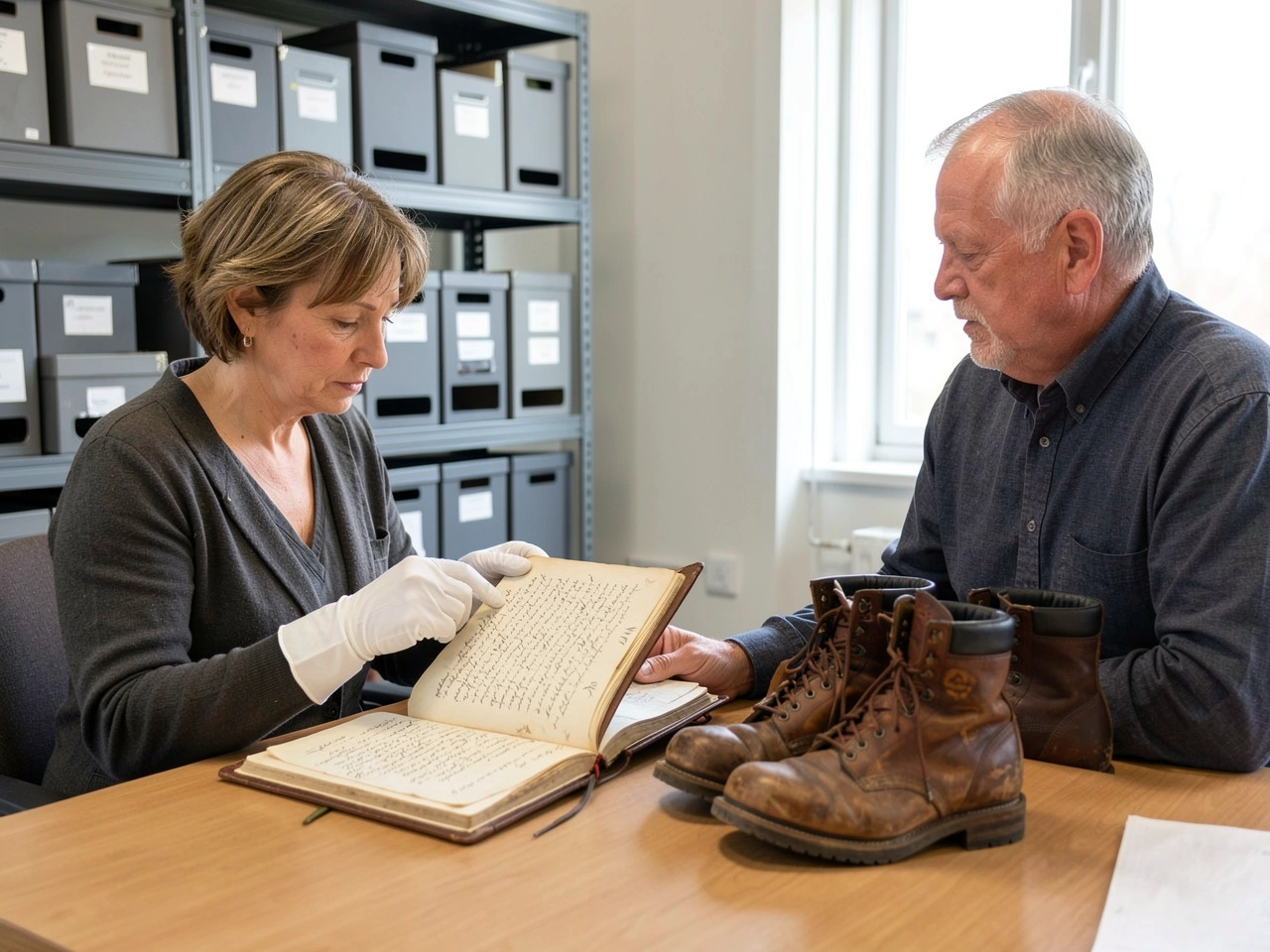
The study room holds maps, mill ledgers, school registers and thousands of photographs of the town. Researchers book a two hour slot on a Wednesday or a Friday, tell the curator what they are looking for, and find the boxes waiting on the table.
The museum still collects, but only things with a story tied to the valley. If you have something you think belongs here, describe it in the form, with what it is, where it came from and who used it, and a curator will reply to say whether it fits the collection.
A walk round the galleries, the learning room and the wheel.

Thirty children, ninety minutes of washday and not one of them wanted to leave the mangle. The plan for the day arrived a week ahead, and the educator followed it to the minute.
Came for an hour with the grandchildren and stayed for three. The parlour has the same radio that stood in the corner at home, and the curator let them turn the dial.
The mill ledgers were out on the table at ten, as promised, with a note marking the pages for the years asked about. Two great grandparents found in one morning.
Most visitors spend about two hours. Families with small children often split it, with a break in the cafe and the Hands on Room in between.
Yes. An adult ticket lets you come back as often as you like for twelve months, so there is no need to see everything in one go.
Yes, for personal use and without flash, everywhere except the study room. Photographs of other visitors need their agreement, and filming for publication needs a word with the office first.
About a term ahead for a led workshop in spring or summer. Self led visits can often be fitted in at a couple of weeks' notice.
Every floor is reached by a lift, the routes are level, and wheelchairs and folding stools can be borrowed. Large print guides and a quiet hour on the first Sunday morning of each month are also available.
Through admissions, school bookings, evening hire, the shop and cafe, public grants and donations. The trust that runs it publishes a short annual report each autumn.
Choose what you would like, the date and how many people, and add a few words about the group. The bookings team replies within three working days to confirm, offer another date or suggest a better fit.
Someone at the front desk picks up the phone during opening hours.
In the old mill house beside the weir, a short walk from the market square, with a drop off bay for coaches
| Tuesday to Sunday | 10:00 to 17:00 |
| Thursday, June to August | 10:00 to 20:00 |
| Monday | Closed, except public holidays |
| Study room | Wednesday and Friday, by appointment |
The Millbrook Museum is looked after by a charitable trust, with a small staff and about forty volunteers who guide, catalogue and keep the water wheel turning. Volunteers are always welcome; ask at the desk.
This museum website was built by AI from two sentences. Tell us about your business and yours is built the same way, with its pages, photos and booking in place, ready to preview in minutes.
About this sample page
The Millbrook Museum is fictional, a town museum dreamed up so that real ones can see a finished page. A spotlight sweeps across its opening view, where a loom and lit cases fill an old stone mill. Tickets and hours come first in one clear table, followed by four permanent galleries, the season's exhibition and priced options for schools, groups and evening hire. A section for researchers explains the study room and how to offer an object in words. Talks, reviews, questions and a booking form complete the page.
Any museum can follow the same route by describing its galleries, tickets and school offer to the builder in a few sentences. The first draft holds a ticket table, gallery cards and a form that carries every booking request to the museum. Staff then confirm a request, suggest a different date or turn it down, and fees go to the museum itself. A published site then costs $119 a year in hosting, plus whatever the chosen domain costs. Trustees and curators can read how each part was built in the sections further down.