Contained mould cleaning
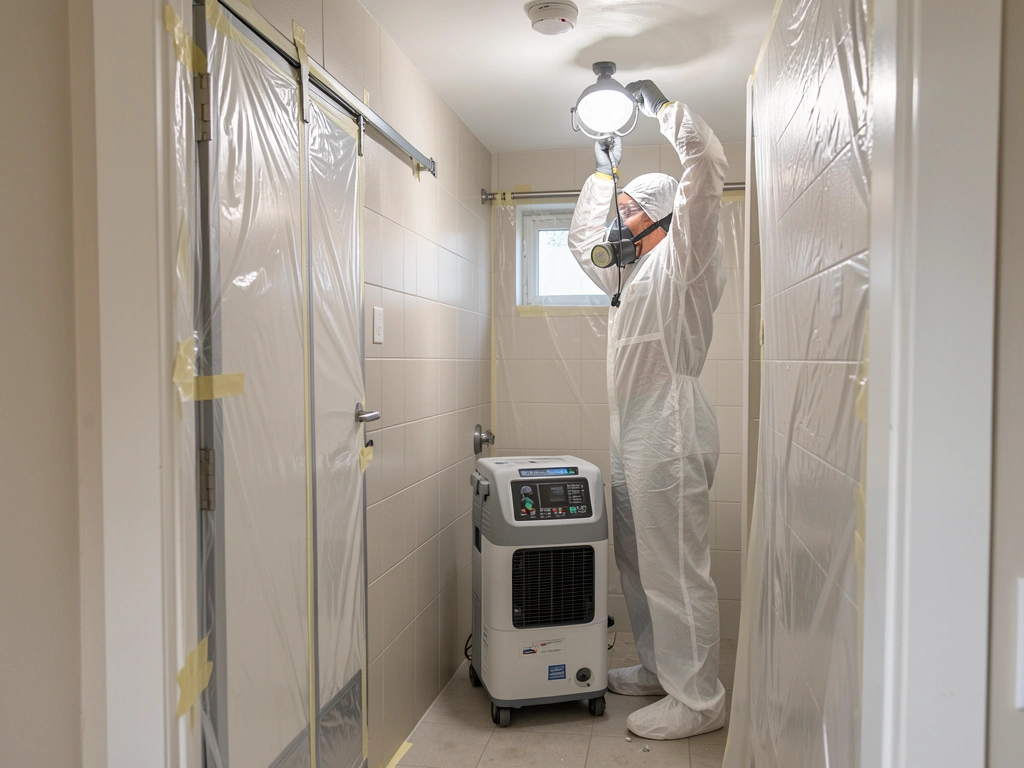
Affected walls, ceilings and sealant cleaned behind sheeting, with HEPA vacuums and a cleaner suited to the surface, never by dry brushing.
Per roomfrom $240
Dryhaven inspects damp and mould in homes, rented flats and offices, finds out why it grew, removes it under containment and fixes the leak or the condensation behind it. Every job comes with a written report of readings, photos and the work done.
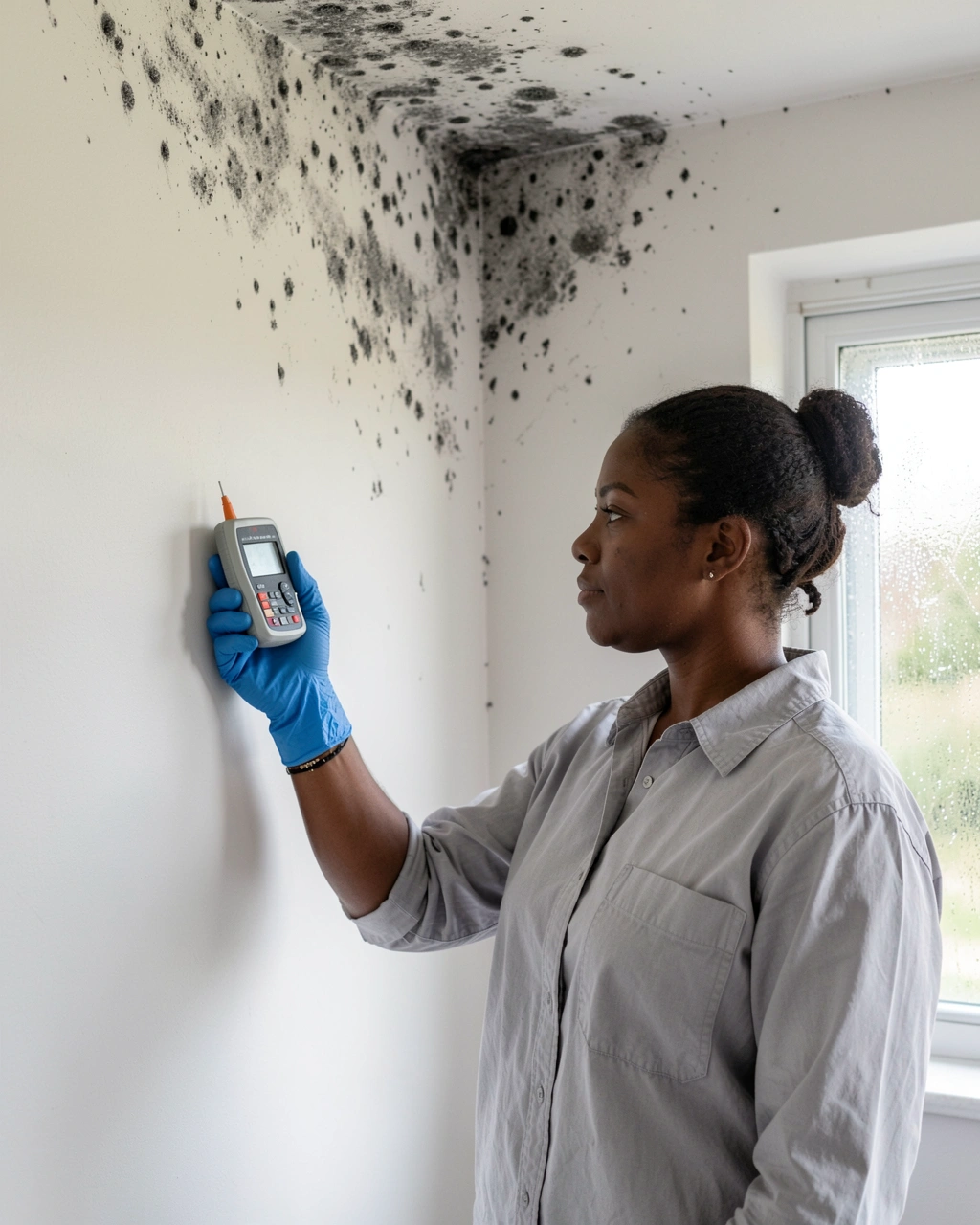
Mould only grows where there is moisture. Cleaning it without finding that moisture buys a few months at most, so every inspection starts by looking for the water.
| What you see | The usual source of moisture | What we put right as well |
|---|---|---|
| Black spots in the top corners of a bedroom, worse each winter | Condensation, as warm air from breathing, cooking and drying laundry settles on a cold wall | Ventilation improved, and advice on heating and airing that fits how you live |
| A dark patch spreading under a window | Water running off the glass, or rain finding a gap around the frame | Frame seals renewed and the trickle vents checked |
| Mould on the wall behind a wardrobe or sofa | A cold outside wall where no air moves | Furniture spaced off the wall, and the cold spot insulated where it can be |
| A musty smell in the bathroom or under the sink | A slow leak from a pipe, a trap or a shower seal | The leak repaired and the wet boards dried and measured |
| Mould on a ceiling just under the roof | A roof leak, a blocked gutter or thin loft insulation | Roof or gutter repair arranged, insulation topped up |
| Mould low on ground floor walls with a tide mark | Damp coming through or up the wall from outside | Readings passed to a damp proofing specialist, as this needs separate work |
These are common patterns rather than a diagnosis. The readings taken in your home decide what is really going on.
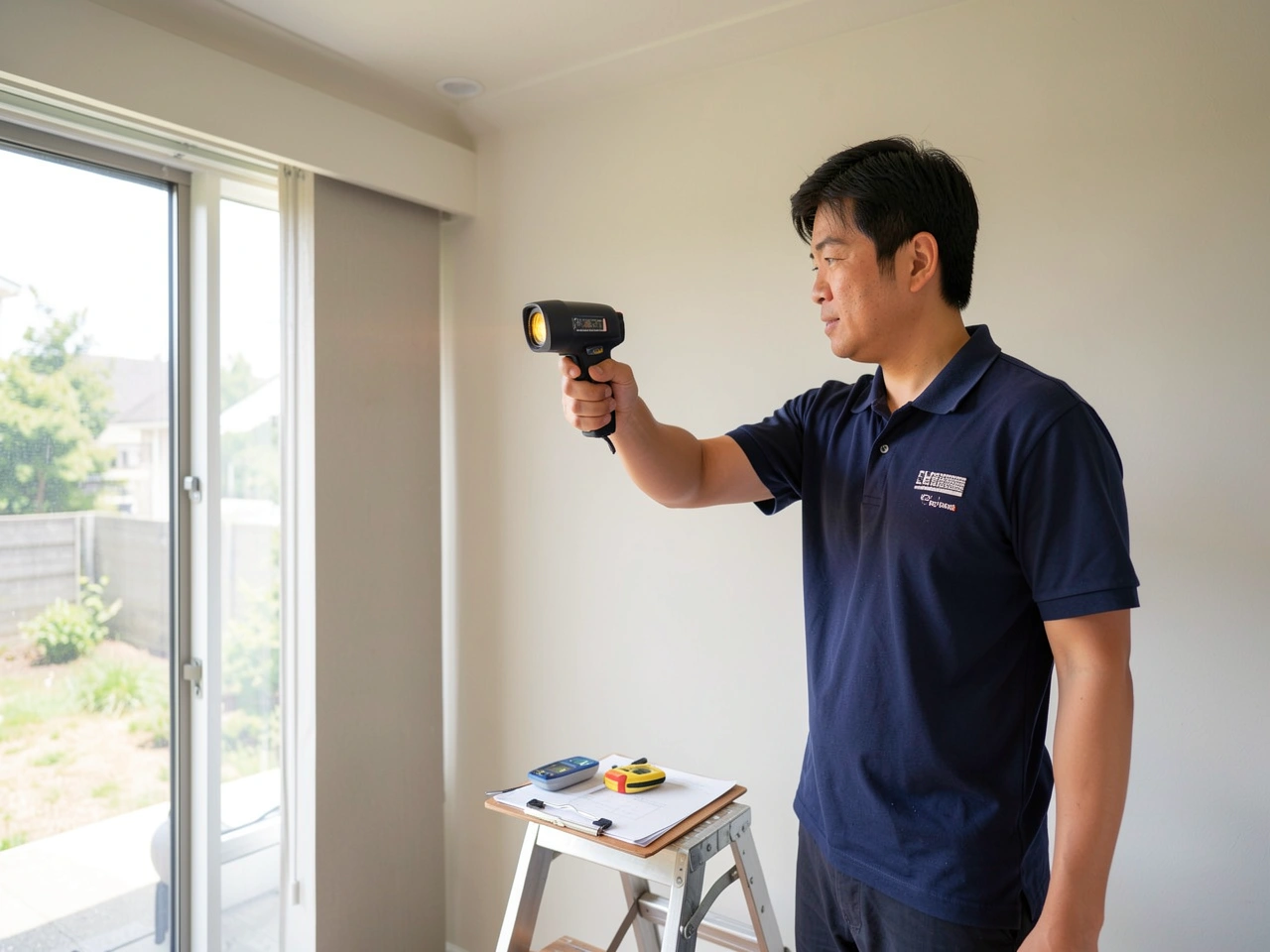
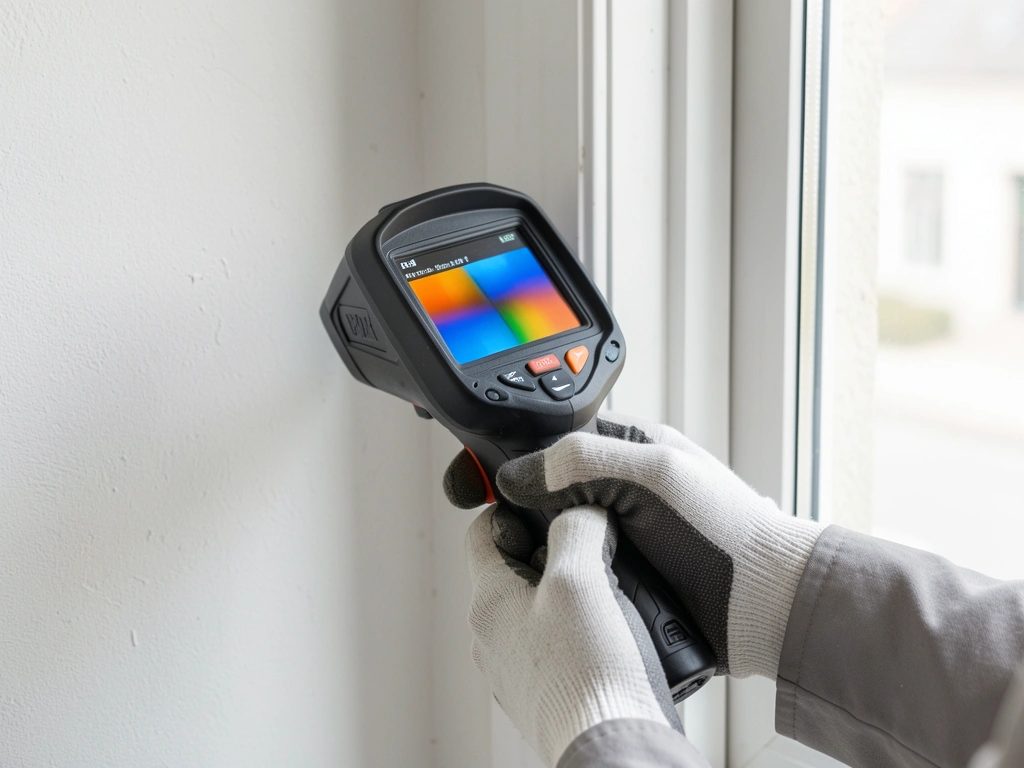
An inspector spends about an hour with you, carrying a pin meter, a thermal imaging camera and a small humidity logger. Walls, ceilings, floors and window frames are read room by room, and the outside of the building is checked for gutters, pipes and roof edges near the damp.
We also ask how the rooms are used, such as where laundry dries and whether the bathroom fan runs, because the answers change the plan. Samples go to a lab only when they would change what we do, for example when hidden mould is suspected inside a wall.
Guide prices for a typical home. Your fixed price is in the report, and work starts only once you have agreed to it.
Affected walls, ceilings and sealant cleaned behind sheeting, with HEPA vacuums and a cleaner suited to the surface, never by dry brushing.
Plasterboard, carpet, underlay or skirting that mould has grown into is cut out, bagged inside the room and carried out sealed.
Kitchen and bathroom extractor fans, humidity controlled fans and trickle vents fitted or upgraded to carry damp air outside.
Dripping pipes, failed shower seals, blocked gutters and gaps around window frames repaired by our own tradespeople.
Dehumidifiers and air movers placed and checked, with readings taken until the structure is dry enough to repair.
Mould resistant paint and new sealant once the cause is fixed, so the room looks right and stays easy to wipe down.
Prices include containment and disposal. Lab samples, when the inspection calls for them, are added at cost and shown as a separate line.
Most homes are finished within a week of saying yes. Larger drying jobs take longer, and the report tells you how long before you decide.
About an hour on site, reading every affected room and looking at the outside of the building.
Readings, photos, the likely causes and a fixed price arrive within three working days.
The room is sealed, the air filtered, and the mould cleaned off or cut out and bagged.
Leaks repaired, ventilation improved or insulation added, depending on what the readings showed.
Six months later we come back with the meter to make sure the room has stayed dry.
Most households stay at home throughout. These are the precautions we take in every room we treat.
Damp and mould can be a worry for anyone with asthma, allergies or a weakened immune system. We are not doctors and cannot give health advice, so if you are concerned about your own health or a family member's, please speak to your doctor. If someone is struggling to breathe, call your local emergency number.
Photos taken for our clients' reports, shared here with their permission.
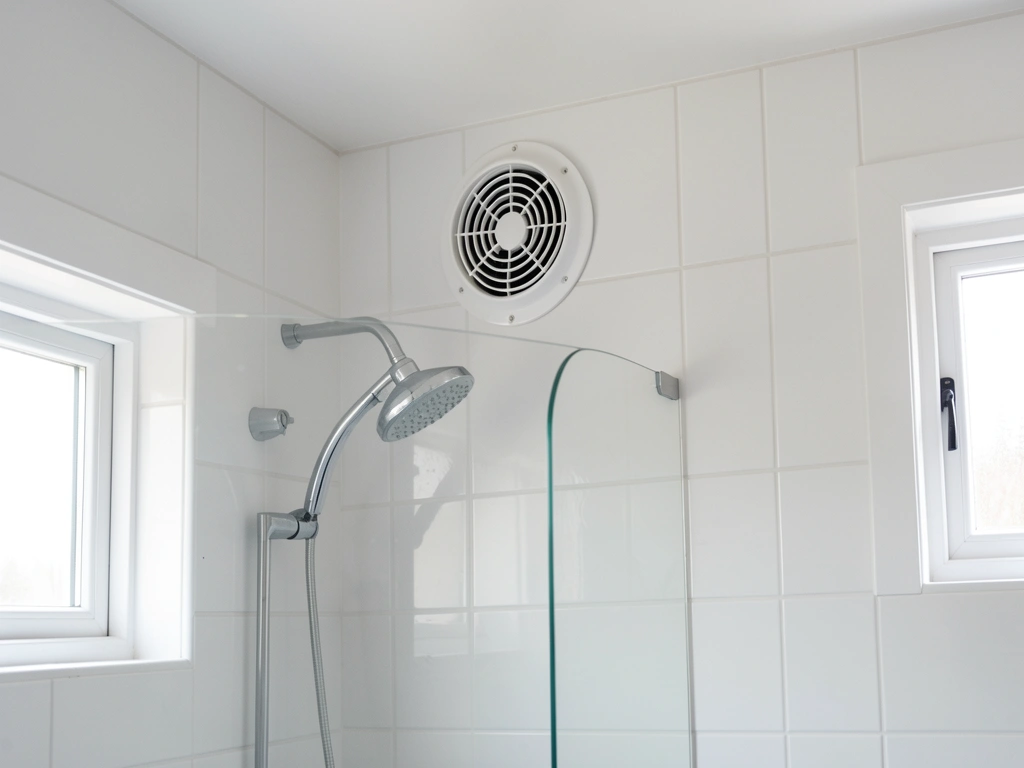
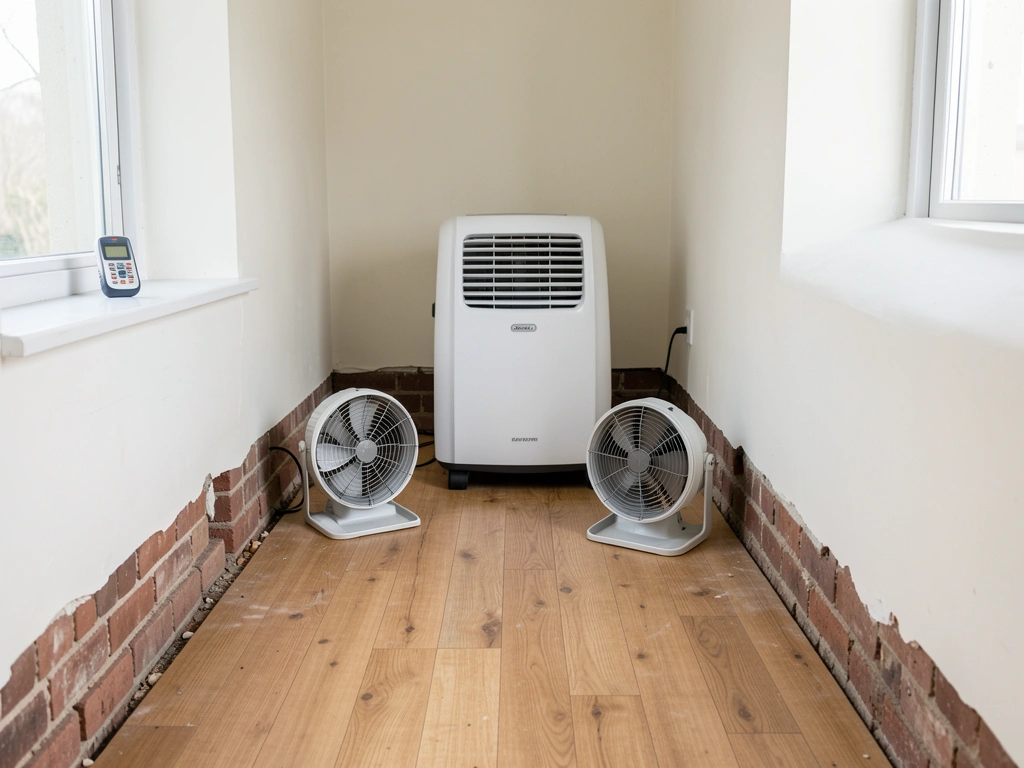
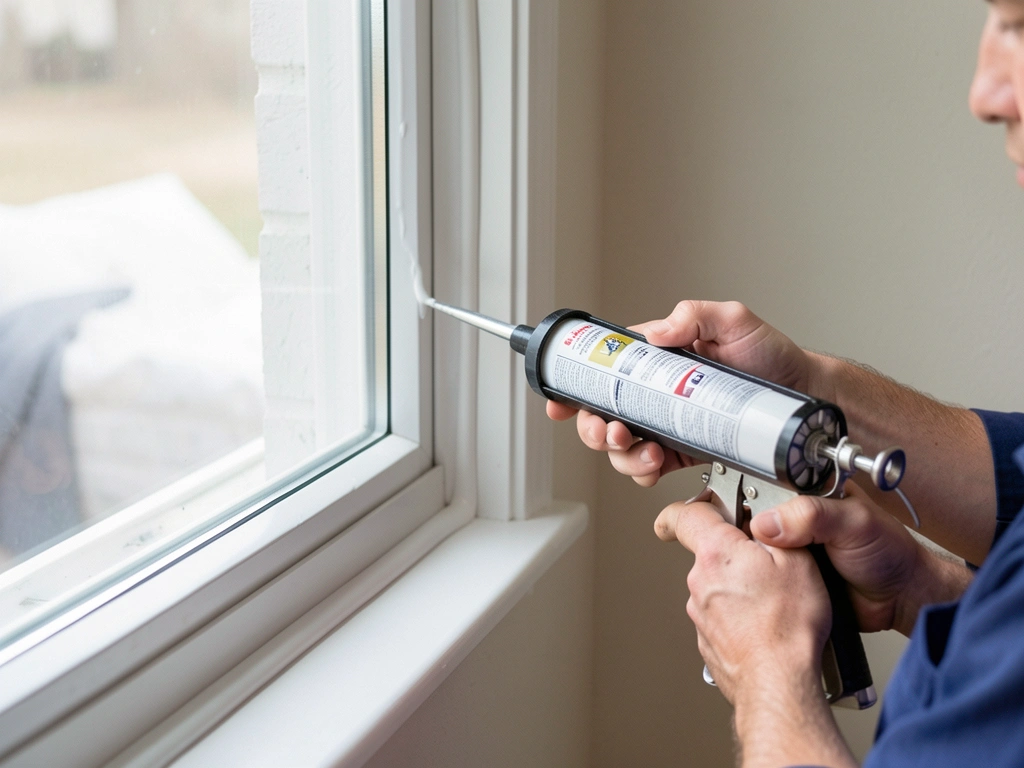
The inspector found that the bedroom mould came from a cold corner and a bathroom fan that had never been wired to run. Cleaning took a morning, the new fan went in the same day, and the wall has stayed clean all winter.
For a landlord, the written report is what counts. It showed our tenant and us exactly where the leak was and what was fixed, with readings from before and after.
They told us plainly that the patch under the window was condensation and did not need the costly work another company had suggested. New trickle vents, a careful clean, and it has not come back.
Bleach can whiten mould on a hard surface, but it rarely reaches mould that has grown into plaster, wood or sealant, and it does nothing about the moisture. For a small patch on tiles, a household mould cleaner and better airing may be enough, and the report will say so.
We cannot answer that, because it is a medical question. Some people do react to mould and damp, so please talk to your doctor about any symptoms. If anyone is fighting for breath, ring your local emergency number at once.
It can, if the moisture that fed it is still there. That is why we fix the cause as well as the mould and return after six months with the meter. If mould has returned on a wall we treated, we look at it again at no charge.
Rarely. Most work takes place in one or two sealed rooms while the rest of the home is used as normal. The report tells you if a room should stay empty for a day or two.
That turns on the tenancy agreement and on local housing rules, which differ between countries and even regions. Tenants and landlords both hire us, and the report helps both sides see what caused the mould and what was done about it.
Inspections are paid on the day of the visit. For treatments we take a deposit when you agree the price and send the final invoice once the room is done; you pay our office directly, by arrangement.
Tell us where the mould is and what kind of home it is in. We ring back within one working day to agree a time, and the inspection costs $165 with the written report included.
Phones are staffed on weekdays and on Saturday mornings, and inspectors go out from Monday to Saturday.
Homes and workplaces in the city and its suburbs
| Monday to Friday | 08:00 to 18:00 |
| Saturday | 09:00 to 13:00 |
| Sunday | Closed |
Any home or workplace inside the city and out to its suburbs. Beyond that, ask us and a set travel charge is added before the booking is made.
This mould removal website was built by AI from two sentences. Tell us about your business and yours is built the same way, with its pages, photos and booking in place, ready to preview in minutes.
About this sample page
Dryhaven Mould Removal never existed, but its page is laid out the way a careful mould specialist would want it on AI Web Maker. A grid and a slow sweep pass over the main photo under the words Moisture mapping, which sets the tone of measuring before cleaning. A table of causes comes next, followed by the inspection, six treatments with starting prices and a five step sequence that ends with a recheck. A short section on living at home during the work carries the health note and the emergency signpost. Example reviews, questions on bleach and rented homes, and an inspection form finish a page that reads as advice rather than a sales pitch.
Mould specialists who sign up write a brief account of their inspections, treatments and area, and the builder turns it into a draft page with an enquiry form. Enquiries reach the office by form or phone, and the firm settles its prices and payment with each household on its own terms. The draft and its previews cost nothing, and a live site costs $119 for twelve months of hosting, or $19 monthly, plus the domain. This page explains the choices behind each section of the Dryhaven example. A firm can replace the photos with its own job records, add a page for commercial work or reorder the treatments without losing the logic.