DIY livery
a week, from$65
- Hay and arena use included
- Turn out by the yard on busy days, $4 a time
- Water and rugs checked at 21:00
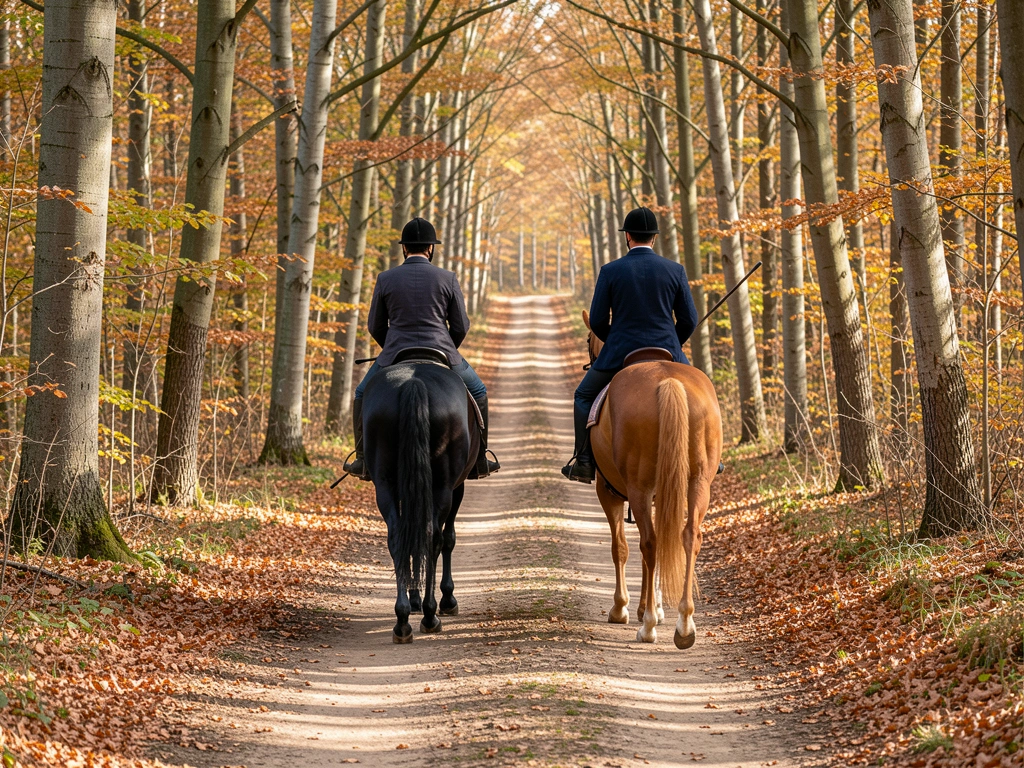
Hollybrook Livery Stables keeps 24 horses on full, part and DIY livery, with turnout across 40 acres, a floodlit sand arena and off road hacking straight from the gate. See what each livery covers, then ask for a stable and a look round.
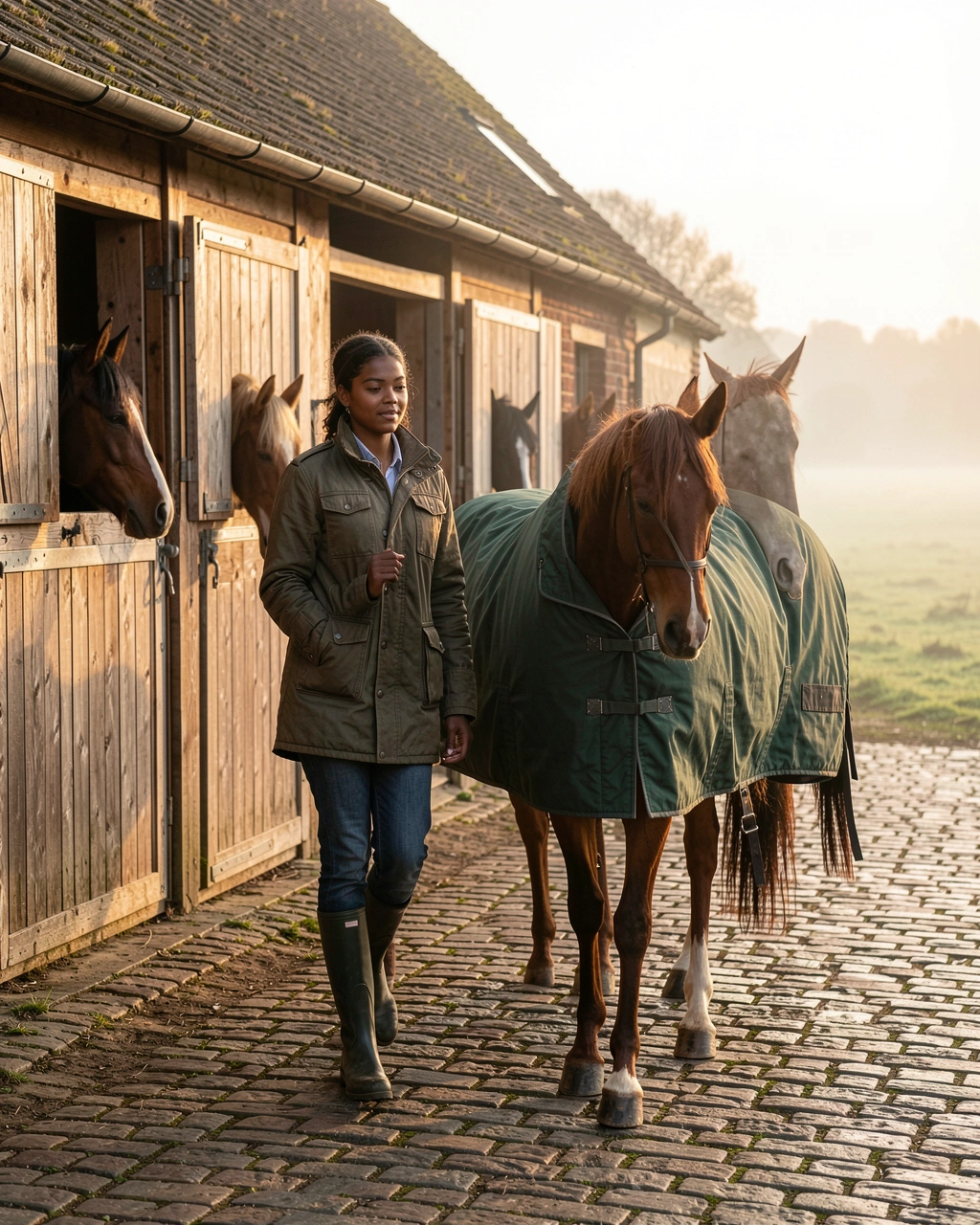
The differences between liveries come down to who carries the wheelbarrow. This is how the daily jobs are shared at Hollybrook.
| Daily job | Full | Part | DIY |
|---|---|---|---|
| Morning feed and hay | Yard | Yard | Owner |
| Turn out and bring in | Yard | Yard | Owner, or the yard for $4 |
| Mucking out and bedding down | Yard | Yard on weekdays | Owner |
| Rugs changed for the weather | Yard | Yard | Owner |
| Evening feed and haynets | Yard | Owner | Owner |
| Holding for farrier and vet | Yard | Yard for $8 | Owner |
| Last check of water and rugs at 21:00 | Yard | Yard | Yard |
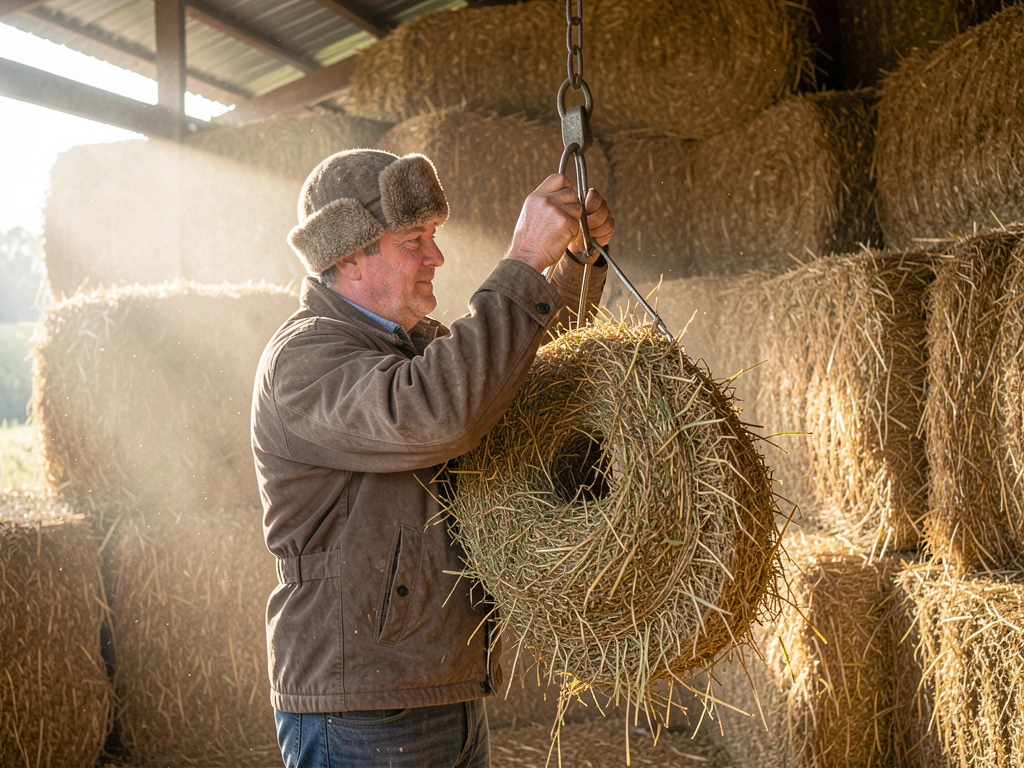
Hay is included on every livery. Hard feed and bedding come from the yard on full livery and from the owner on part and DIY.
Prices are for one horse in a standard stable, with grazing, hay, arena use and the evening check. Horses over 16.2 hands take a large stable for $10 more a week.
a week, from$65
a week, from$150
a week, from$255
a night, from$32
Livery is invoiced monthly in advance. A calendar month's notice ends DIY, part or full livery; holiday and box rest stays end on the departure date agreed.
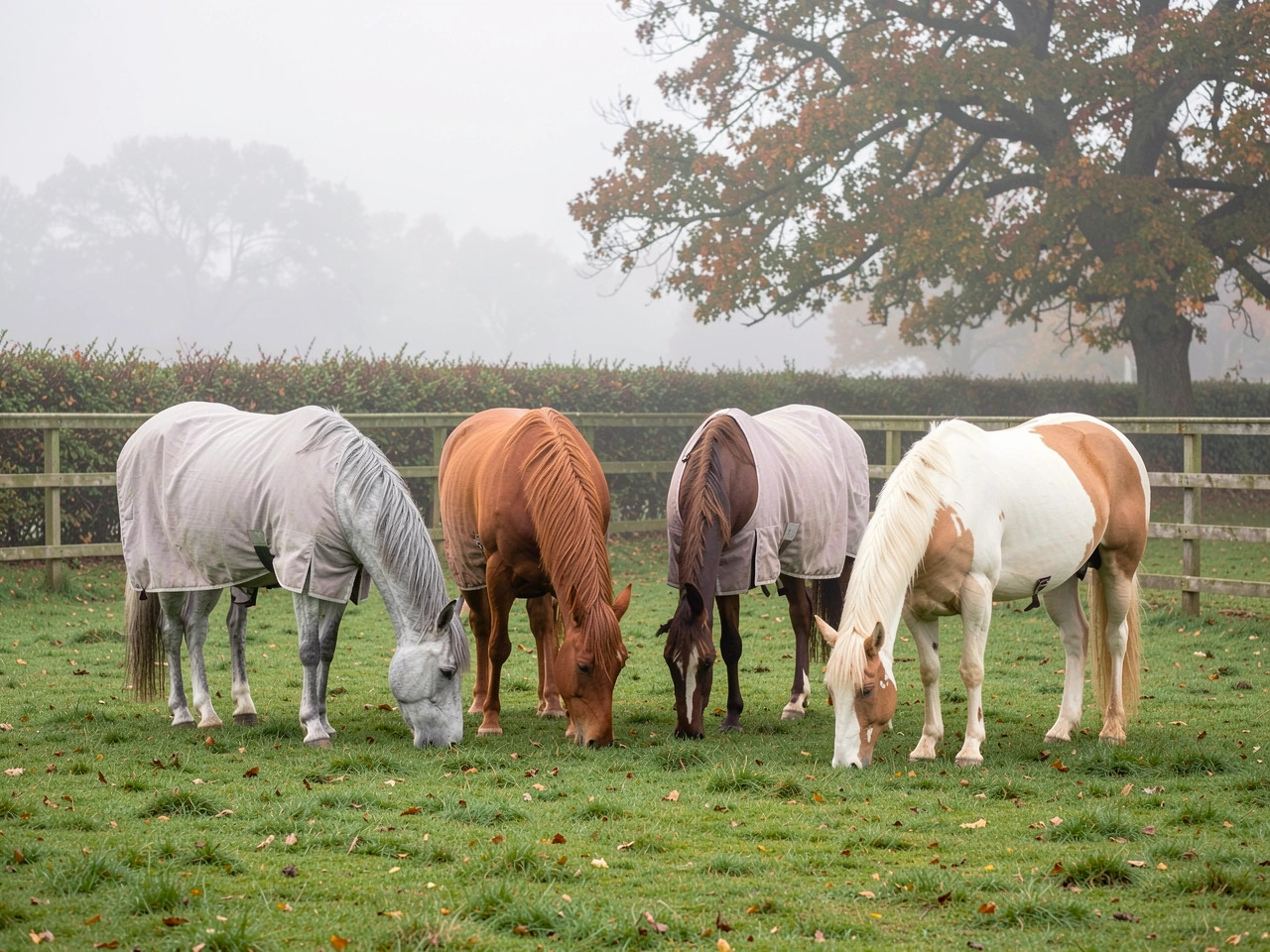
From April to October every horse goes out daily, in small settled groups with mares and geldings kept apart. Fields are rested in rotation, droppings are picked up twice a week, and the fencing is walked every morning before the first horse leaves the yard.
When the clay turns soft in November, turnout moves to half days and to two all weather paddocks, so the winter fields can recover for spring. Horses prone to laminitis, or on restricted grazing for any reason, get a strip of their own or a bare paddock, as the owner and their vet decide.
Every owner keeps their own vet, farrier and dentist. These are the yard's rules, set out so that every horse here stays safe.
Every new horse spends its first two weeks in a separate stable and paddock, so a cough or an infection shows itself before the horse meets the herd.
Vaccination records and identity papers are kept on file. What is required varies by country, so we follow local rules and your vet's advice.
The yard keeps a worming plan built on regular egg counts, arranged with owners and their vets, rather than dosing every horse by the calendar.
Owners book their own farrier and equine dentist. On full livery we hold the horse and pass on anything they mention.
We call you first, then your vet. If you cannot be reached, we call your vet ourselves, as agreed on the form signed on arrival.
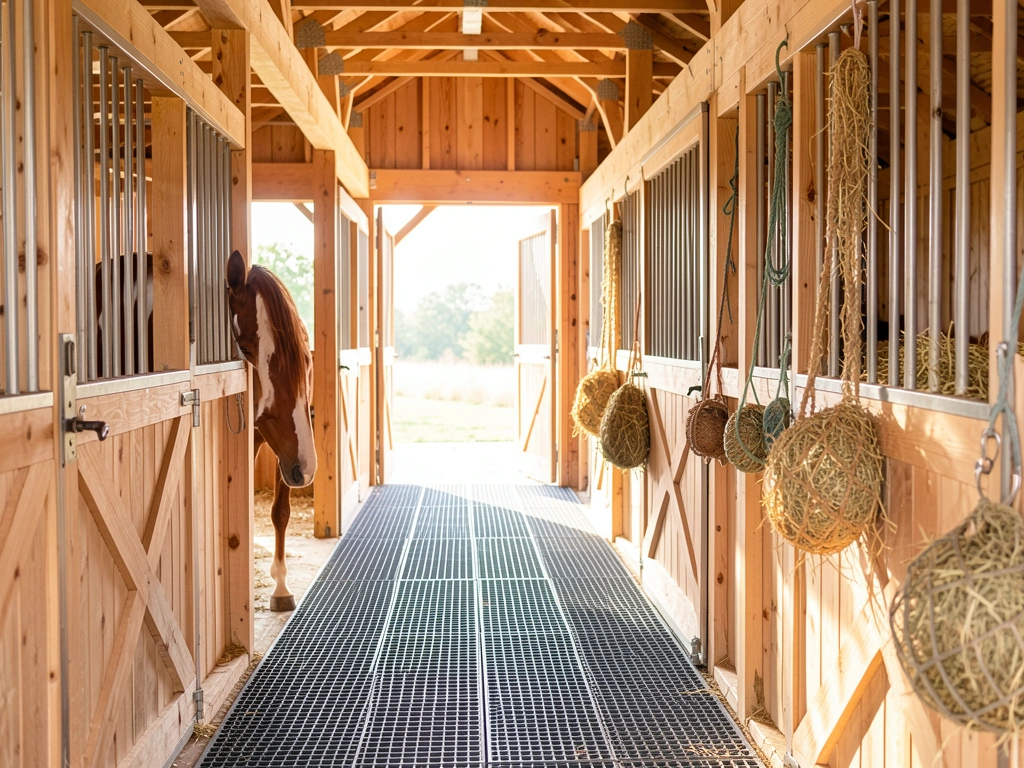
Hay is weighed into nets for each stable. Hard feeds follow the chart on the door, written by the owner and changed only by the owner.
Everything here is shared by 24 horses and their owners, so the yard board keeps arena slots, turnout groups and farrier days in one place.
Owners may bring their own instructor, booked into an arena slot on the yard board and covered by the instructor's own insurance. Yard staff do not teach.
The turnout board is filled in every morning, so one glance tells us which field our cob is in and who brought him in. Two winters here and not a single rug has gone astray.
Our mare needed eight weeks of box rest after a tendon injury. The yard followed the vet's plan to the letter, hand walked her twice a day and sent a photo every evening.
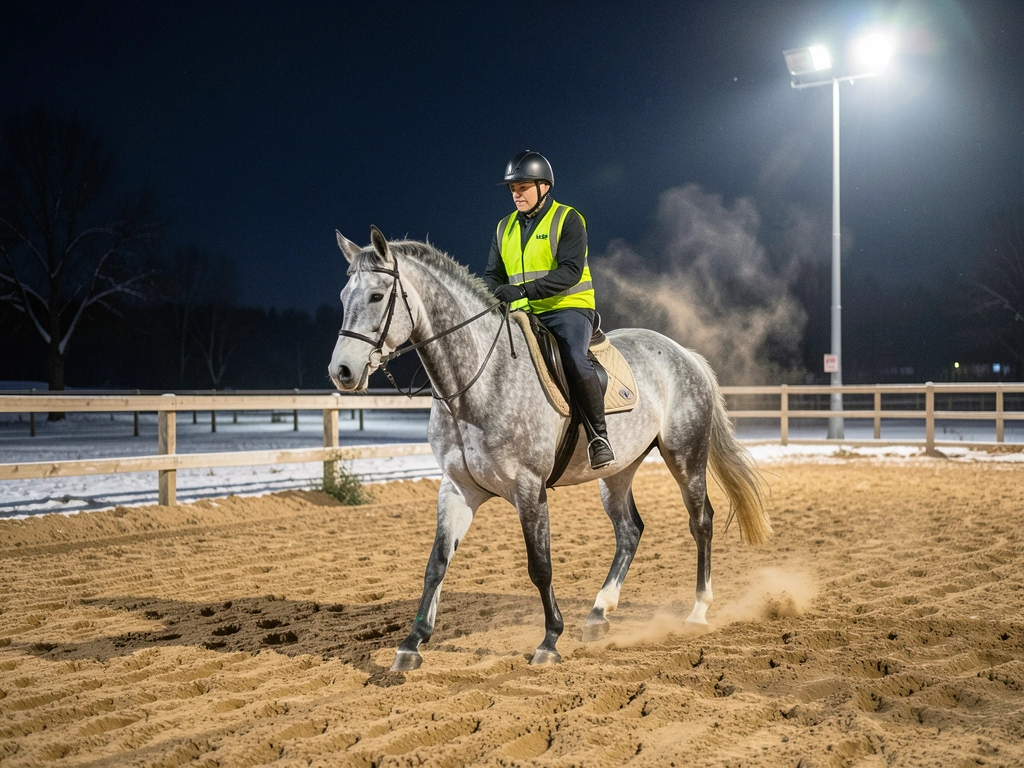
DIY suits the budget, and the water check at nine means nobody lies awake on a late shift. The floodlit arena is the only reason winter weeknight riding happens at all.
Often, especially for full livery in the autumn. Send the form with the livery you want and a rough arrival date; if every stable is taken, we add you to the list and tell you honestly how long it tends to be.
Not here. Winter turnout is by day, because our clay ground poaches badly in the wet. Hardy native types that do better living out may suit a yard with grass livery, and we will say so.
You do, whenever we can reach you. On arrival every owner signs a short form naming their vet and saying what we may agree to if they cannot be reached. Beyond basic first aid, we never treat a horse ourselves.
Yes, with a slot booked on the yard board and proof of the instructor's own insurance. Lessons sit in arena slots so that schooling, lunging and lessons never clash.
One calendar month for DIY, part and full livery, given in writing. Holiday and box rest stays end on the agreed departure date, and any extra night is charged at the nightly price.
No stallions. Youngstock over two years old are welcome by arrangement and turned out in a group of their own.
Tell us about your horse, the livery you have in mind and when you would like to arrive. Within two working days you will have an offer of a stable, a time to look round, or a place on the waiting list.
The lane is narrow, so lorries and trailers should come in from the main road end and park in the bay by the arena.
Farmland about ten minutes' drive west of town, at the end of a quiet lane
| Yard staff on site | 06:30 to 21:00 every day |
| Owners' access | 06:00 to 22:00 |
| Office and phone | 09:00 to 17:00, Monday to Friday |
| Viewings | By appointment, weekdays and Saturday mornings |
If a horse is hurt on the lane or a fence is down after hours, ring the yard phone; it diverts to the manager's mobile overnight. If a rider or handler is injured, phone your local emergency number before anything else.
This livery yard website was built by AI from two sentences. Tell us about your business and yours is built the same way, with its pages, photos and booking in place, ready to preview in minutes.
About this sample page
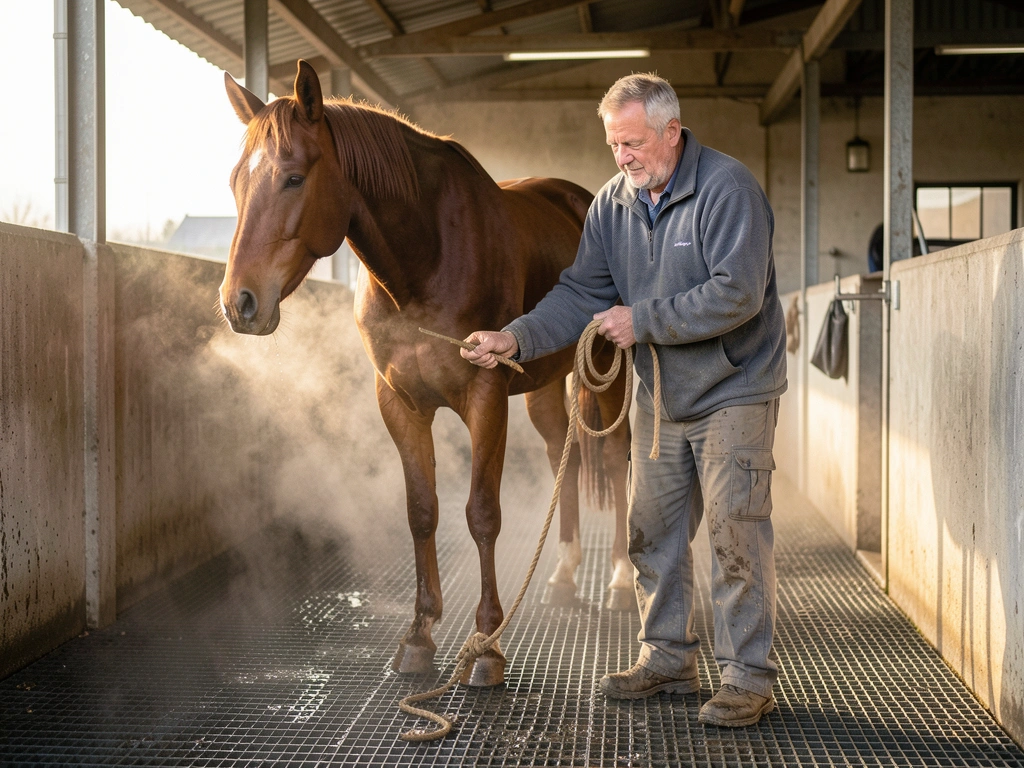
Hollybrook's single page is arranged around the decision an owner has to make, which is how much of the daily work to hand over. It opens with a groom leading a bay across the yard and a chalkboard writing out the morning's turnout. The table of daily jobs comes next, then the weekly and nightly prices, so the work and the cost sit side by side. Turnout through the seasons, the yard's care rules and the facilities follow, with reviews, photos and six questions after them. A stable request form, asking when the horse would arrive and leave, closes the page above the yard's hours. The page leaves an owner ready to book a viewing rather than to ring with questions.
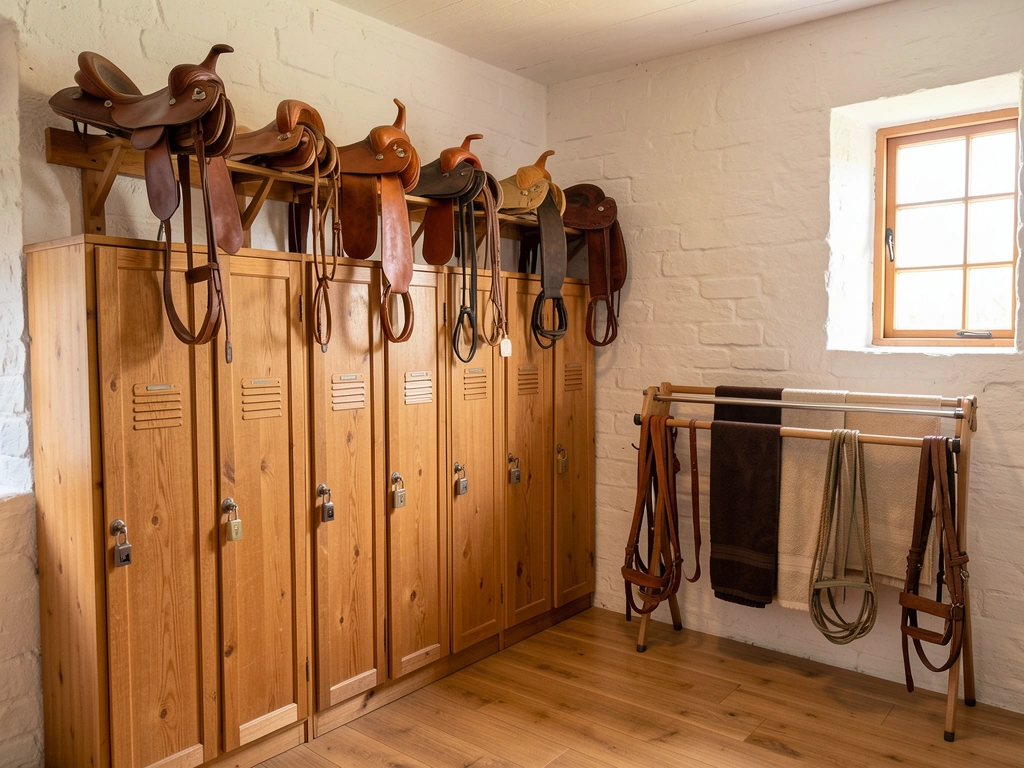
A yard owner using the AI Web Maker builder describes the stables, liveries and fields, and edits the draft until it matches the yard. Real photos of the stables, the arena and the fields matter more here than almost anywhere, because owners judge a yard by its mud and its fencing. Prices, notice periods and the jobs table should match the livery agreement the yard already uses. When a stable request arrives, the yard can accept it, move the date or decline it, and fees are paid to the yard directly. Each part of the page is examined more closely below.