Small areas
course of six, from$270
Upper lip, chin, sides of the face or underarms. Single session or top up from $55.
Ask about a small area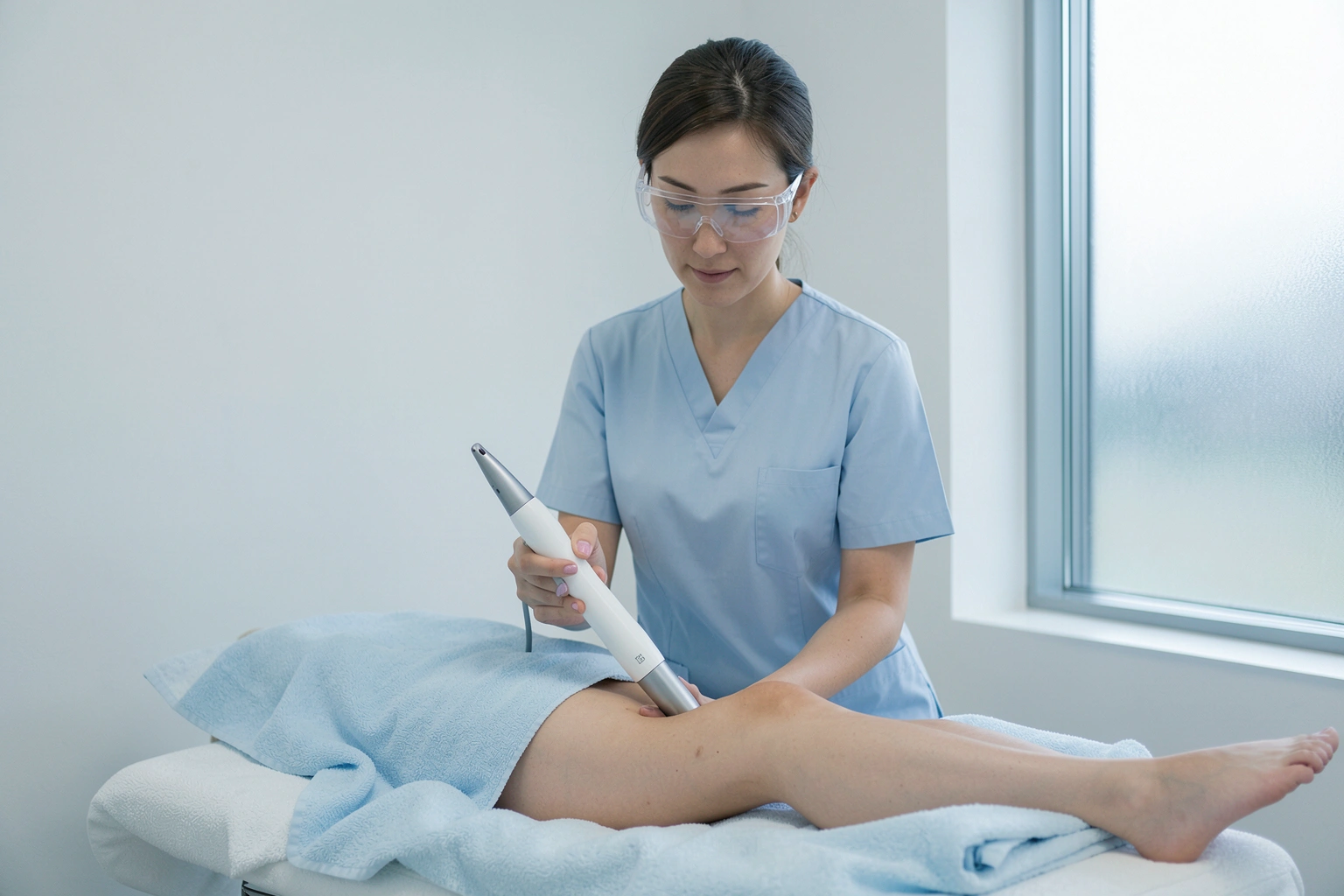
Wavelength Laser Clinic treats face and body with courses of laser sessions, but never on a first visit. You begin with a skin consultation and a patch test, we check how your skin answered, and only then do we plan a course, ideally started in the months your skin sees least sun.
Nobody is treated on the day they first walk in. The order below is the same for a top lip as for a full back.
Twenty minutes on your skin type, hair colour, medicines and health, with an honest answer on whether laser will work for your hair.
A few pulses on a hidden spot of each area, at the settings we would use. It costs $25, taken off the course.
At least 48 hours, and up to a week for deeper skin tones. Any lasting redness or blistering and we change the plan or stop.
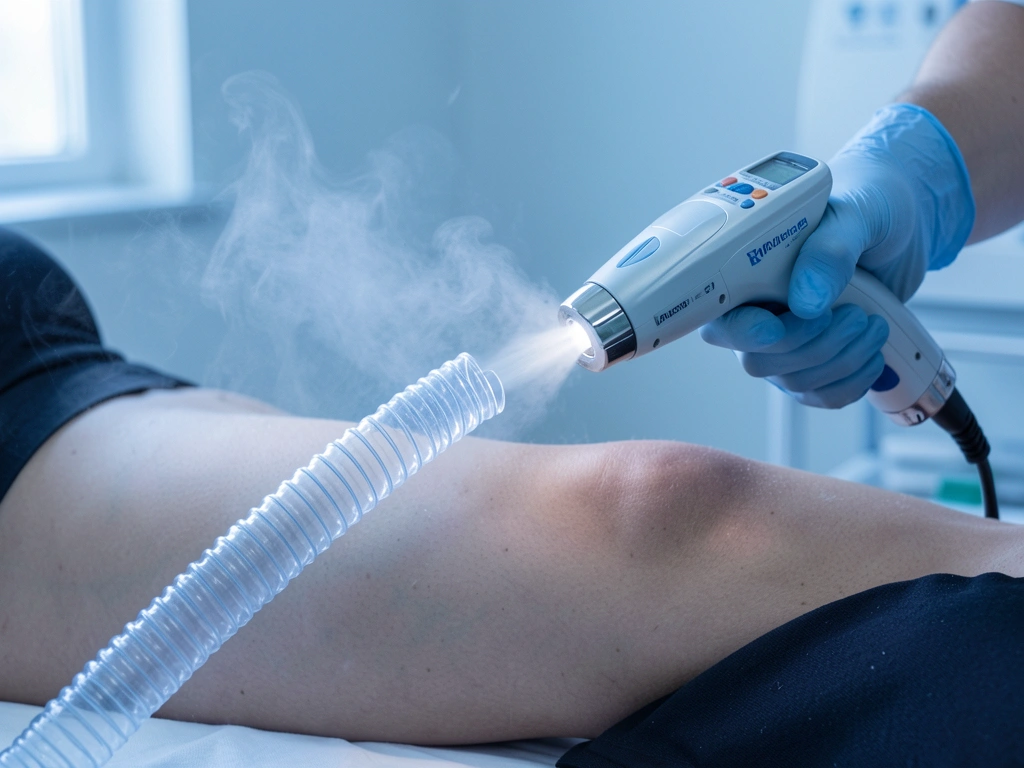
The area shaved the day before, a chilled handpiece and cold air, then the next date booked four to eight weeks ahead.
Laser is not for everyone, and some people simply need to wait. If any of these apply, tell us at the consultation.
| If you | What happens |
|---|---|
| Are pregnant or breastfeeding | We wait until afterwards. A course can pause without losing anything. |
| Have a tan, or used a sunbed or self tan in the last four weeks | We wait for it to fade, because tanned skin soaks up light meant for the hair. |
| Are on tablets or creams that raise sensitivity to light | We may need to wait, or ask you to check with your doctor before the patch test. |
| Have broken skin, a cold sore, an infection or an eczema flare in the area | We treat around it, or wait until the skin has settled. |
| Have epilepsy triggered by light, or a history of raised scars | We talk it through carefully and may advise against treatment. |
| Have a tattoo, permanent makeup or a raised mole in the area | We cover it and work around it. Ink is never treated. |
| Are under 18 | We do not treat anyone under 18. |
| Have white, grey, red or very light blonde hair | The laser cannot find pale hair, so we say so plainly and do not sell a course. |
This list is not medical advice. If you have a condition that is not listed, raise it at the consultation and check with your own doctor if you are unsure.
Prices are for a course of six sessions, paid per visit or up front. Single sessions and later top ups are shown under each card.
course of six, from$270
Upper lip, chin, sides of the face or underarms. Single session or top up from $55.
Ask about a small areacourse of six, from$480
Bikini line, lower legs, forearms, the back of the neck or the beard line. Single session or top up from $95.
Ask about a medium areacourse of six, from$840
Full legs, full back, chest or stomach. Single session or top up from $165.
Ask about a large areaMost people need six to eight sessions, and many come back for a top up once or twice a year. Laser reduces hair; we cannot promise that every hair will go, and we say so before any course is booked.
Laser light is drawn to the pigment in the hair, travels down to the root and slows its regrowth. Fair skin with dark hair responds fastest. For deeper skin tones we switch to a longer wavelength made for them, and settings for every client are set from the patch test rather than a chart.
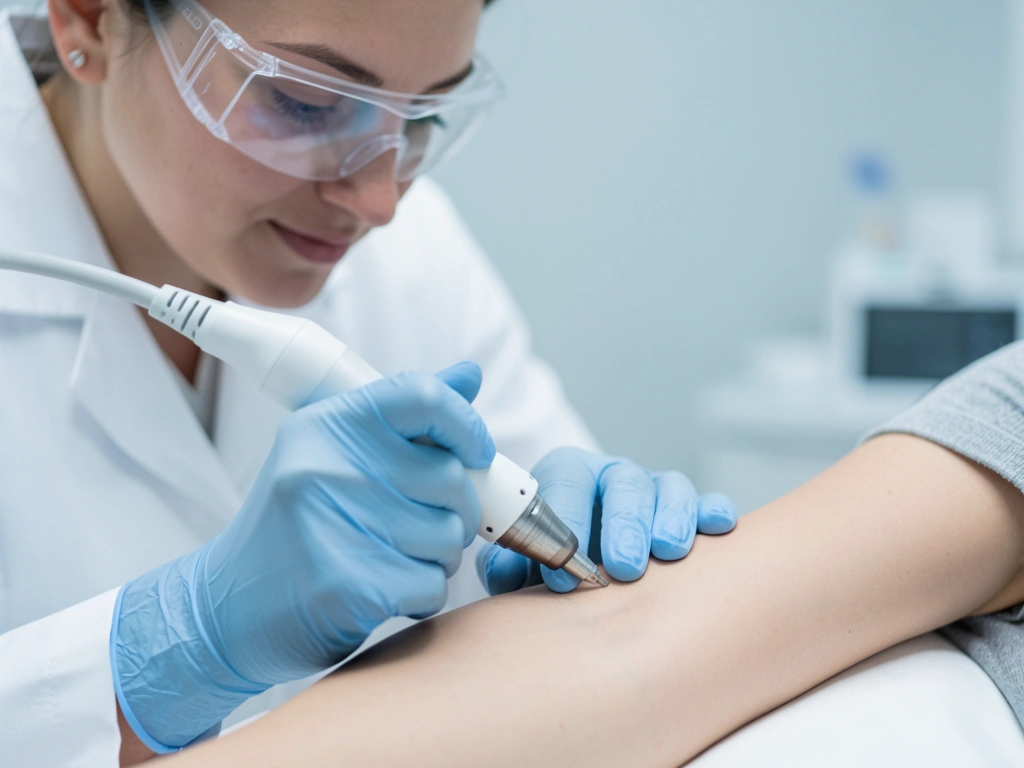
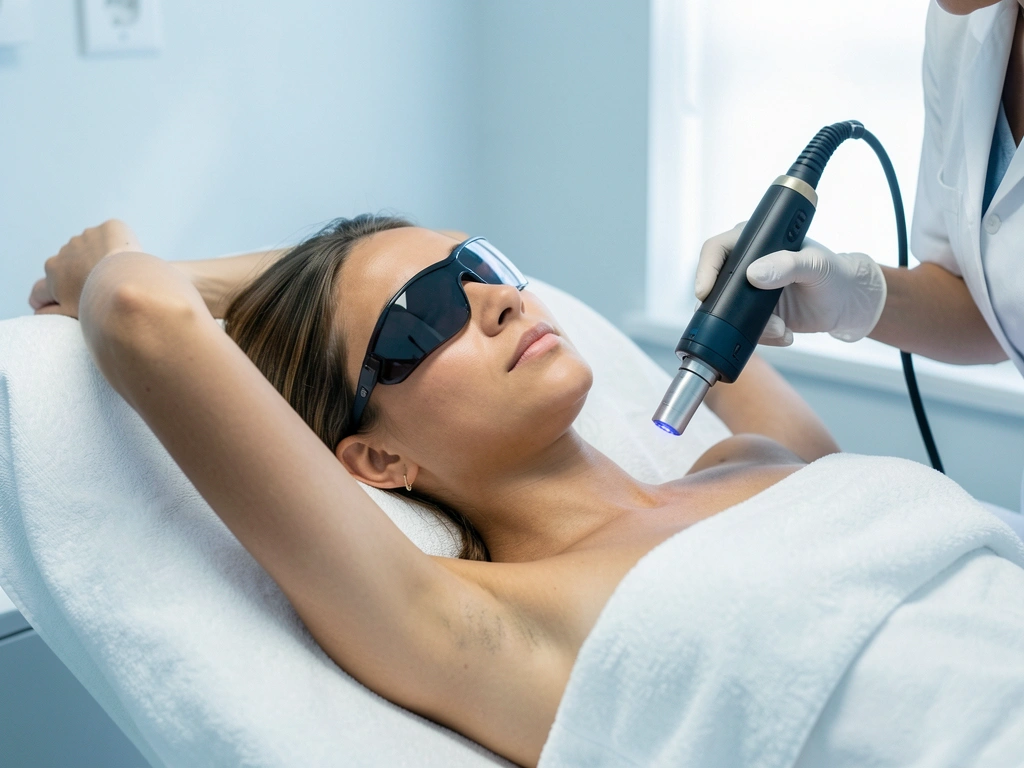
The handpiece is chilled and a stream of cold air runs over the skin as we work, so most people describe each pulse as a warm snap. Hair grows in cycles and only growing hairs respond, which is why sessions are spaced weeks apart and why a course takes most of a year.
Mild redness and warmth for a few hours are usual. These habits help the skin settle.
Blistering, crusting or redness lasting longer than two days needs a call to the clinic. For a severe reaction, call your local emergency number.
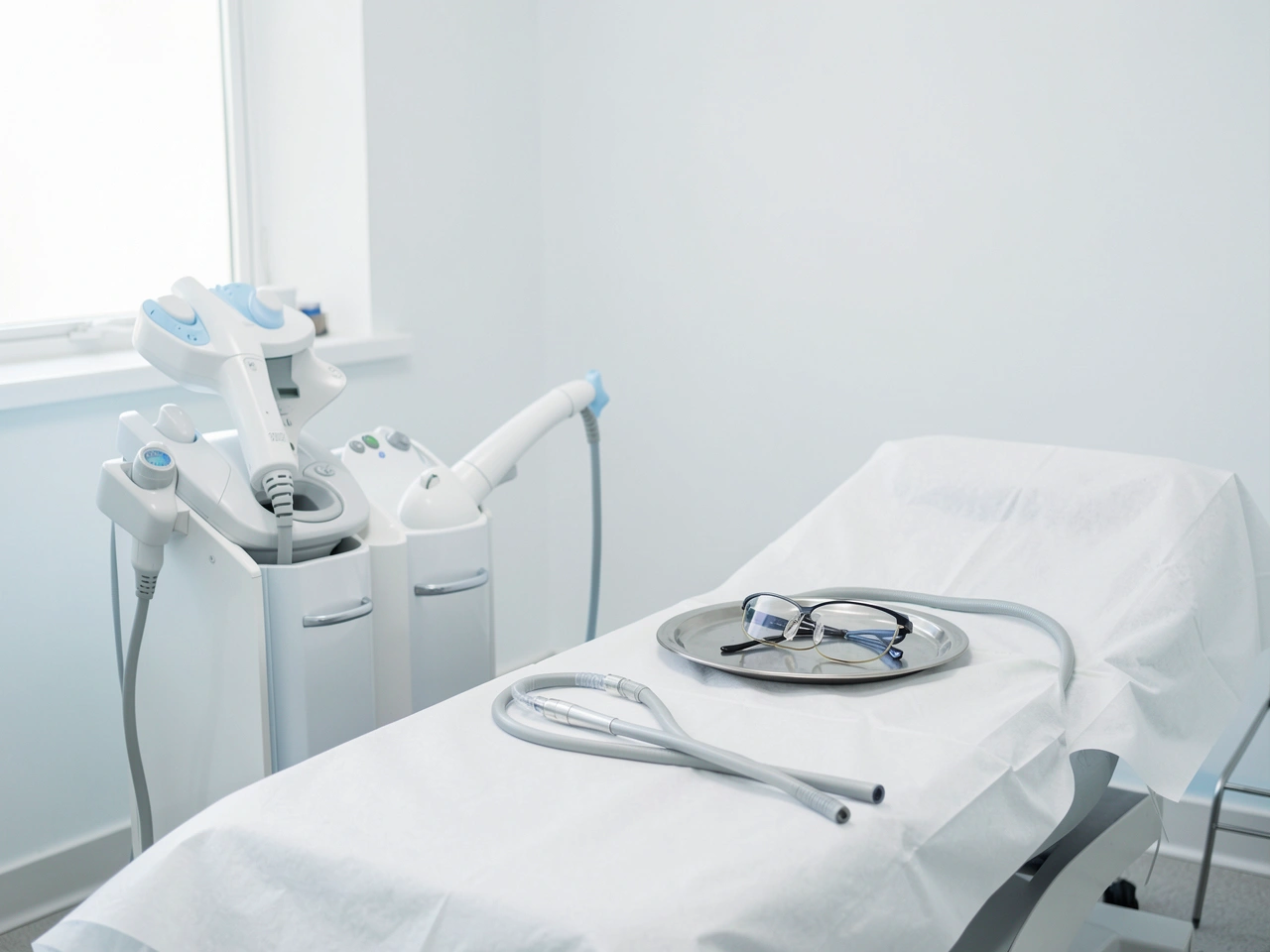
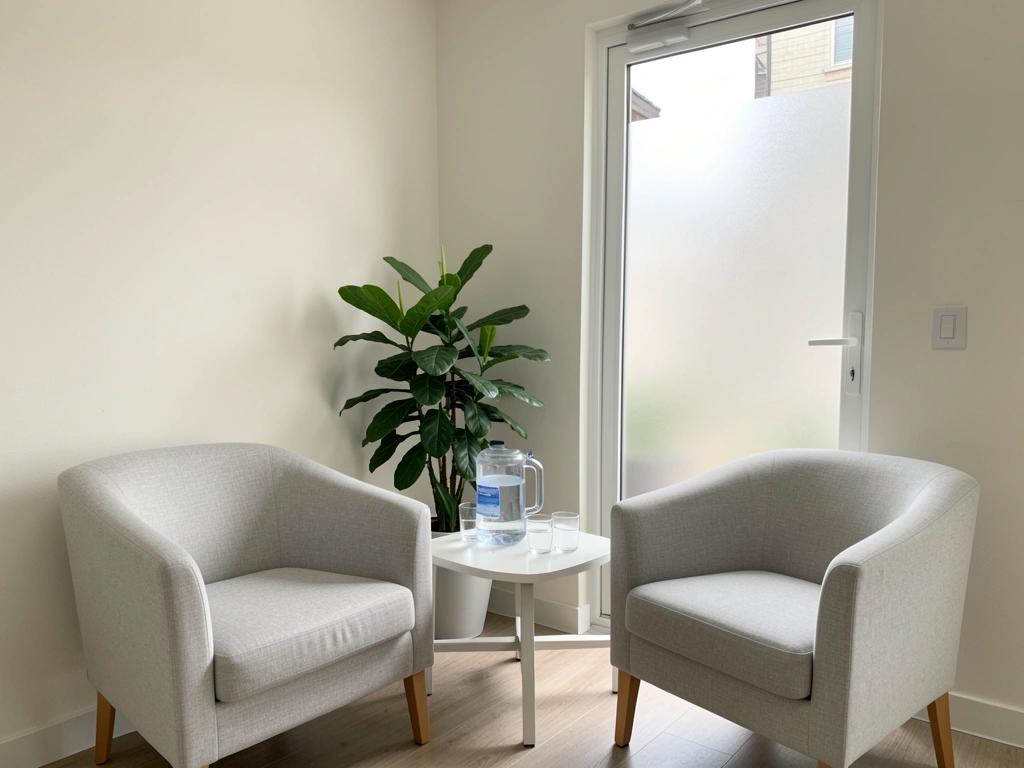
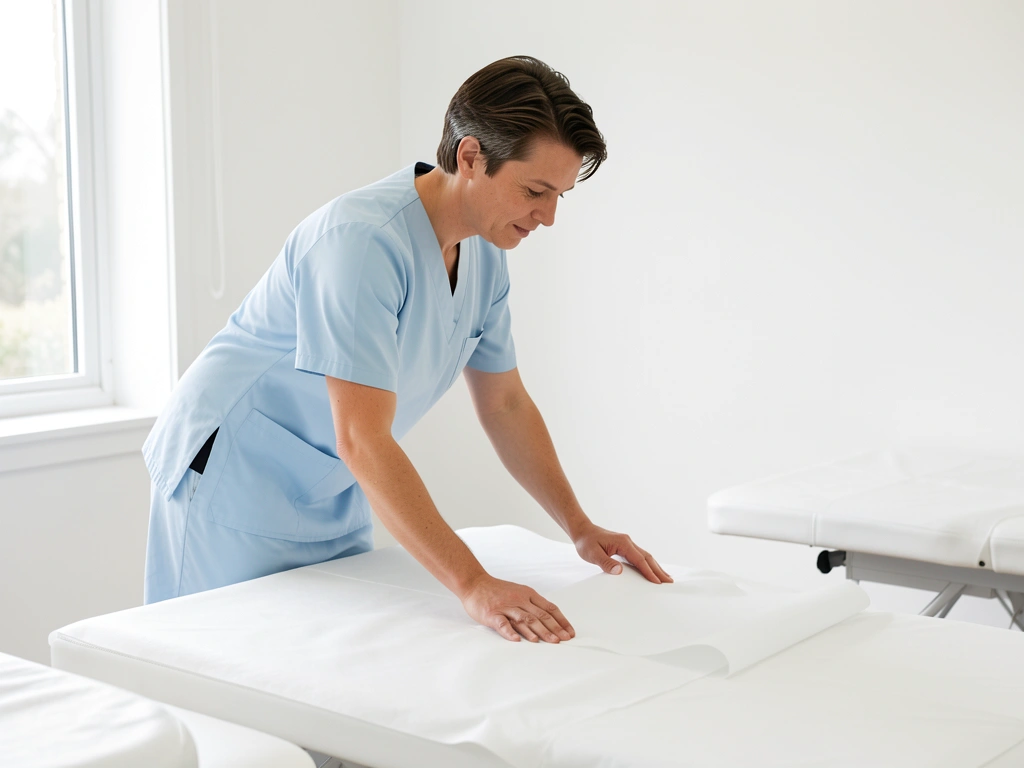
Two treatment rooms, a consultation desk and a quiet waiting area, photographed between appointments with our clients' consent.

The first clinic to ask about medicines before quoting a price. The patch test waited a full week on deeper skin, and three sessions in, the underarms are far easier already.
Upper lip and chin every five weeks across a winter. They were honest that the grey hairs would not respond, and did not try to sell sessions for them.
Full legs in under an hour, with cold air on the skin the whole time. The aftercare list on the website matched what was said in the room.
Most clients describe each pulse as a warm snap, like an elastic band against the skin. The handpiece is chilled, cold air runs over the area, and we can lower the settings at any point. Underarms and the bikini line feel sharper than legs.
Laser reduces hair growth; it does not promise to remove every hair for good. After a full course most people see far fewer and finer hairs, and many return for a top up once or twice a year. Hormones, some medicines and hair colour all change the result.
Hair grows in cycles, and only hairs in their growing stage respond. Four to six weeks on the face and six to eight on the body catches each hair at the right point.
Yes, with a longer wavelength made for them and settings drawn from the patch test. The wait after the patch test is longer, up to a week, so we can see exactly how the skin settles.
Shave it the day before, so the light reaches the root instead of hair on the surface. Avoid waxing, plucking and epilators for four weeks, keep the area out of the sun and away from self tan, and arrive with no cream, deodorant or makeup on it.
Pregnancy, a sunny holiday or a new medicine can all pause a course. Tell us and unused sessions stay on your account for a year. Sessions cancelled with less than 24 hours' notice are counted as used.
Everyone new starts with the consultation and patch test, whatever is chosen below. Pick the date and hour you would prefer; we confirm it, offer the nearest alternative, or explain why we need to wait.
Appointments run to time, so arriving five minutes early leaves room to settle and remove any creams from the area.
Two ground floor treatment rooms in a converted bank on the main shopping street, with a level entrance
| Monday to Wednesday | 09:00 to 18:00 |
| Thursday | 11:00 to 20:00 |
| Friday | 09:00 to 16:00 |
| Saturday | 09:00 to 14:00 |
| Sunday | Closed |
Every session is given by a practitioner trained and certified in laser hair removal. Rules on who may operate a laser differ between countries, and some require a doctor or nurse to oversee treatment, so the rules that apply here are followed in full.
This laser hair removal clinic website was built by AI from two sentences. Tell us about your business and yours is built the same way, with its pages, photos and booking in place, ready to preview in minutes.
About this sample page
Wavelength Laser Clinic is a made up clinic, and its page shows how laser hair removal can be offered through caution rather than promises. Snowflakes drift across the opening photo of a cool treatment room, hinting that courses start best in the months of least sun. Four numbered steps follow, from consultation to first session, and a dark table then names everyone the clinic must turn away or ask to wait. Prices by area, an explanation of the two wavelengths and a band of aftercare habits come after that. Read in order, the page settles safety before cost, just as a good practitioner does at the desk.
A clinic owner who gives AI Web Maker a short description of the lasers, the areas and the first visit receives a drafted page with a request form ready for appointments. Each request is the clinic's to confirm, reschedule or refuse, and fees pass between client and clinic alone. Nothing is charged for drafting or previewing, while the published page costs $119 for a year of hosting, or $19 in a month when that suits better, plus a domain. The notes on this sample page give the reason for every section, from the suitability table to the patch test question in the form. Adding real practitioners, prices and rooms is all that separates the sample from a working clinic's page.
The whole sample website of a laser hair removal clinic, explained ·