Behind the ear
The case sits behind the ear with a tube to the ear canal. Sturdy, easy to handle and suited to a wide range of hearing losses.
Seashell Hearing Centre tests adults' hearing, fits hearing aids to the results and looks after them for as long as you wear them. Each step is explained before it happens, and a partner or friend is welcome at every appointment.

A full test takes about an hour, and none of it hurts. Times are approximate, and you can pause for a break whenever you like.
| Roughly when | What happens | Why it matters |
|---|---|---|
| First 10 minutes | Questions about where hearing is hardest, ringing in the ears, past ear trouble, noise at work and medicines | Your answers decide which tests follow and what matters most to you |
| Next 5 minutes | A look into each ear with a lighted scope, with the picture shown on a screen | Wax or a problem in the ear canal can change the results |
| Next 5 minutes | A gentle pressure check of the eardrum with a small soft probe | Shows whether the middle ear moves as it should |
| Next 20 minutes | Beeps at different pitches through headphones, pressing a button each time one is heard | Finds the quietest sound you can hear at each pitch |
| Next 10 minutes | Words spoken with and without background chatter | Shows how speech comes through in noisy places |
| Last 10 minutes | Your results drawn on a chart called an audiogram, then explained | You leave knowing what was found and what the choices are |
Hearing that drops away suddenly, over a few hours or days, needs a doctor today rather than a test here. Facial weakness, slurred words or sudden severe dizziness alongside it mean ringing your local emergency number.

The audiogram is a simple chart. Pitch runs from low to high across the page, and loudness from soft at the top to loud at the bottom. Each ear gets its own line of marks, and the lower the marks sit, the louder a sound has to be before you notice it.
We point out which everyday sounds fall in the range you are missing, such as birdsong, children's voices or the consonants that make speech crisp. Then we talk through the choices, which might be hearing aids, a recheck in a year or a referral to a doctor.
Getting used to hearing aids takes weeks rather than minutes, so the first six weeks are planned before you start.
At a separate appointment we compare styles, features and prices in writing, and you listen through a demonstration aid.
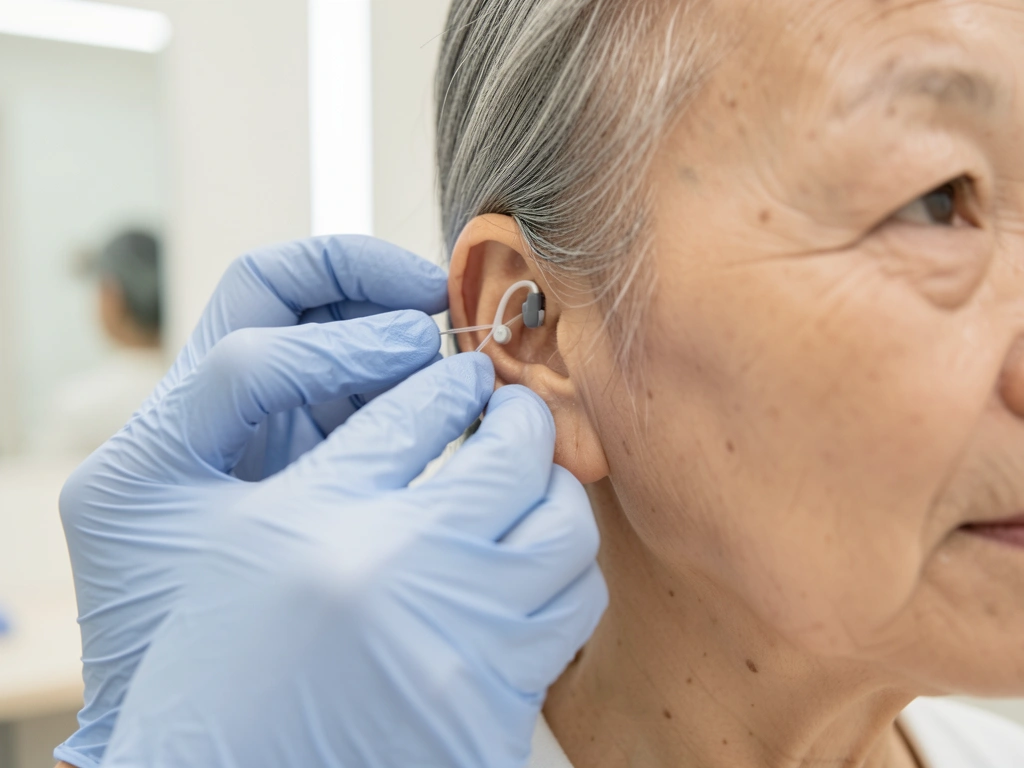
The aids are set to your audiogram, then checked with a thin tube in the ear canal that measures the sound actually reaching your eardrum.
After two weeks of daily wear, the settings are adjusted to what you have noticed at home, at work and in busy places.
A final adjustment, a cleaning lesson and a plan for yearly checks. If the model does not suit you by now, we swap it at no extra fitting charge.
Each style is made by several manufacturers, and we fit most of them. Which one suits you depends on your audiogram, your ears, your hands and your day.
The case sits behind the ear with a tube to the ear canal. Sturdy, easy to handle and suited to a wide range of hearing losses.
A small case behind the ear and a thin wire to a speaker inside the canal. A frequent choice for mild to moderate losses.
Made from an impression of your ear and worn inside it. Easier for some people who wear glasses, though larger than other styles.
Very small and placed well inside the ear canal. Suits only some ears and some losses, and the batteries are tiny to change.
Rechargeable aids sit in a charger overnight; battery aids need a new cell every few days. We help you weigh up both.
Many aids can play phone calls and television sound straight into the ears. We set this up and show you how to use it.
No hearing aid gives back the hearing you had before. What aids can do is make speech easier to follow for many wearers, and how much they help varies from one person to the next.
Prices for hearing aids include choosing, fitting, both reviews and a year of aftercare.
fixed fee$75
a pair, from$1,450
from$20
Whether anyone else pays towards a test or a pair of aids depends on your country, your age and sometimes your work, so ask your insurer or public scheme first. Every quote for aids is written down before anything is ordered.
The audiogram was explained with examples from daily life, which finally made sense of missing the grandchildren's voices. The aids took a few weeks to settle, just as the fitting day had warned.
Came along with a husband who had put this off for years. The tube in the ear showed exactly what the aids were doing, and the two week review softened the clatter of cutlery.
Walked in on a Tuesday with a whistling aid bought somewhere else. New tubing and a proper clean, done while waiting with a cup of tea.
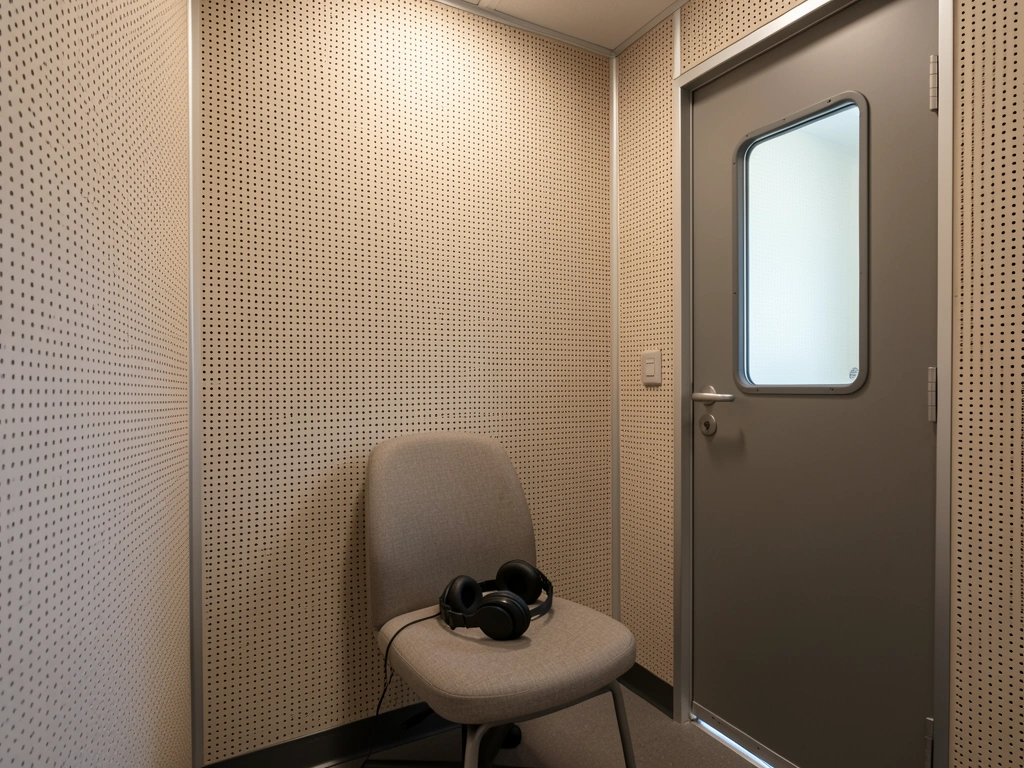
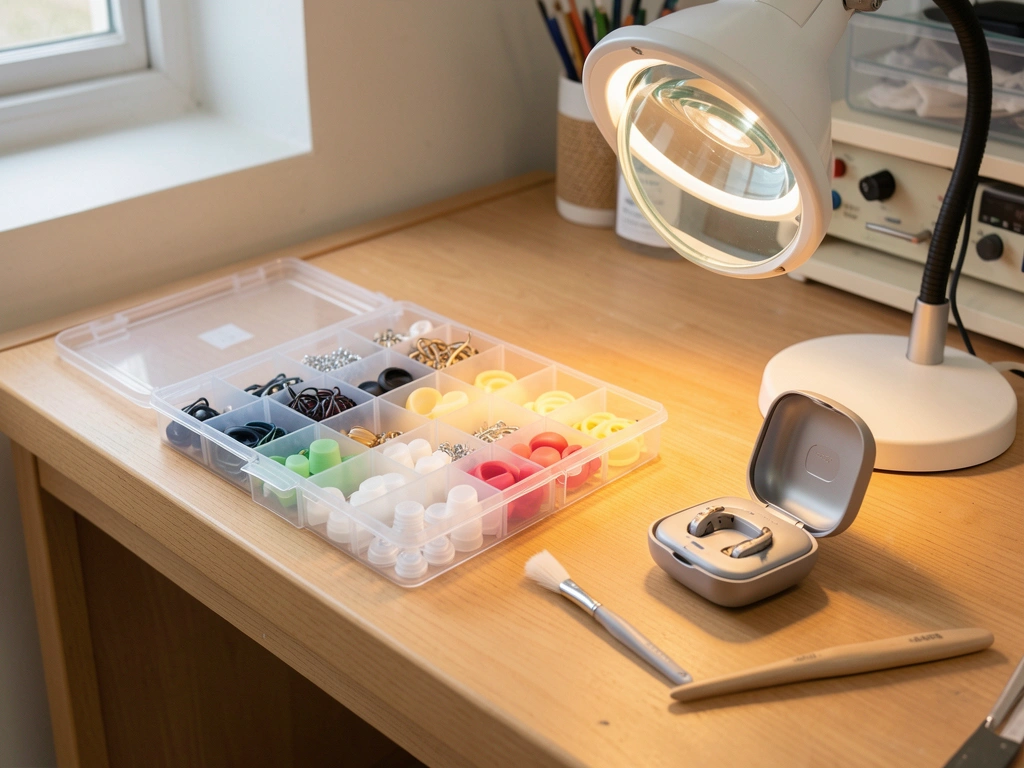
A quiet test room, a fitting room with a screen for your audiogram, and a bench where small repairs happen while you wait.
Pick the appointment and a day, and tell us whether anyone is coming with you. The centre confirms the time within one working day.
Sudden hearing loss is not something to book online. Please see a doctor the same day instead.
Most people need several weeks of daily wear. Your own voice, cutlery and running taps can sound loud at first, which is why the reviews at two and six weeks are included in the price.
When both ears have a hearing loss, two aids usually make it easier to tell where sounds come from and to follow speech in noise. When only one ear is affected, one aid may be right. Your audiogram decides, and we explain the choice.
A thin, soft tube is placed in the ear canal beside the hearing aid to measure the sound reaching the eardrum. It checks that the aid delivers what your audiogram calls for, instead of relying on a general setting.
Yes, and we encourage it. A familiar voice helps during the fitting, and a second person often remembers the cleaning steps that slip the mind.
Yes, for most makes and styles. Tuesday afternoons are a repair drop in with no appointment needed, and a loan aid is offered if yours has to be sent away.
A hearing test measures how well you hear; it does not diagnose the cause. When the results or the look inside your ears suggest something medical, the next step is a letter to your doctor or a clear suggestion to book with one.
Call, email or come in; the counter and both rooms have a hearing loop.
A shopfront on the market square with level entry, a quiet side room and a hearing loop at the counter
| Monday, Wednesday, Friday | 09:00 to 17:00 |
| Tuesday and Thursday | 10:00 to 19:00 |
| Saturday | 09:00 to 13:00 |
| Sunday | Closed |
Bring any aid that is whistling, crackling or silent between 14:00 and 16:00 on a Tuesday. Most small repairs are finished while you wait.
This hearing aid centre website was built by AI from two sentences. Tell us about your business and yours is built the same way, with its pages, photos and booking in place, ready to preview in minutes.
About this sample page
Seashell Hearing Centre is invented, and its single page shows how a hearing aid centre on AI Web Maker can walk a nervous visitor through what lies ahead. A pill of bouncing sound bars in the hero, captioned Fitting check, sets the subject before a word is read. The test comes first, timed stage by stage, then a lesson in reading an audiogram and four steps through fitting and review. Styles, prices, reviews and photos of the centre follow. A form, six answers and the opening hours close the page. The order follows the visitor's own journey, which is why it feels calm.
A real centre would describe its test, its fitting routine and its repair hours to the builder and get a draft back to edit. Appointment requests then come in for the centre to confirm, move or decline, and fees are paid at the centre itself. Going live is when hosting starts to be charged: $119 covers a year and $19 covers a month, with the centre's web address bought on top. Keep the timed table, the audiogram lesson and the line about sudden hearing loss, and replace every name, photo and price with the centre's own. Those three parts carry most of the reassurance.
The whole sample website of a hearing aid centre, explained ·