Funding research
A shortlist of trusts, foundations, public schemes and company giving programmes whose rules fit your project, with deadlines and the size of a typical award.
Prospect listfrom $480
We find the funds that fit your project, write the bid in the order the funder asks, and hand you a finished draft five working days before the deadline. Nobody can promise an award, so we promise a careful, honest application and a fee fixed before we start.

Funders differ, and the rules for charities, schools and community groups vary by country, but these items come up again and again. Gather what you can before the first call. A missing item is rarely a dead end; it changes which funds we look at first.
| What funders often ask for | Why they ask | If you do not have it yet |
|---|---|---|
| Your governing document | It shows who you are, what you exist to do and who makes the decisions | Many funds accept a simple constitution adopted at a members’ meeting, and we explain what that involves |
| Your latest accounts | Funders compare the size of the request with your yearly income | New groups can often send a bank statement and a first year budget instead |
| A bank account in the group’s name | Grants are rarely paid into a personal account | Open one before the first bid, since it can take several weeks |
| A costed project budget | Every figure in the bid has to add up to the amount requested | We build it with you from quotes, staff hours and a fair share of running costs |
| Evidence of need | Panels want to know why this project, here and now | Surveys, waiting lists and letters from partners all count |
| Safeguarding and equality policies | Most funds require them for work with children, young people or vulnerable adults | We point you to model policies to adapt and adopt, never to copy unread |
We read each fund’s own guidance before writing, because eligibility rules change from one round to the next.
One writer stays with your project from the first search to the final report, so nobody on your team has to explain the work twice.
A shortlist of trusts, foundations, public schemes and company giving programmes whose rules fit your project, with deadlines and the size of a typical award.
Every question answered in the funder’s order and word limits, with the budget, outcomes and attachments checked against the guidance.
Your own draft read against the scoring criteria, with tracked comments on gaps, thin evidence and figures that do not match.
A line by line budget with a short note on each cost, including the share of rent, salaries and overheads a project can fairly carry.
Progress and end of grant reports that show what the money did, in the format the funder set, ready to support the next round.
Your story, history, outcomes and policies written once as reusable blocks, so the next application starts from a strong draft.
Professional codes for grant writers in many countries rule out commission, and we agree with them: a writer paid by the award has a reason to chase the wrong fund. Every fee below is fixed in writing before work begins.
fixed, from$480
fixed, from$1,250
a month, from$890
Large public funds with several stages are quoted separately. Fees are invoiced in two parts, half when work begins and half when the final draft is delivered, whatever the funder later decides.
A single application usually takes four weeks. A shorter run is sometimes possible, but rushed bids are the ones panels remember for the wrong reasons.
We ask what you will do, for whom, what it costs and how you will know it worked, then read your accounts and policies.
We test the project against the fund’s rules. Where the guidance invites it, you or we put a question to the funder’s officer first.
The first full draft arrives with the budget and a list of anything still needed, such as quotes or a partner’s letter.
Your team marks up the draft, we revise it, and a second round settles the final wording.
Five working days before the deadline you receive the final version and a checklist. Your organisation submits it from its own account.
If the bid is funded, we diarise the reports with you. If it is not, we ask for feedback and carry it into the next bid.

Panels often score dozens of bids in one sitting, against a marking sheet that follows the guidance question by question. We write to that sheet: one clear answer per question, the evidence beside each claim, and outcomes in numbers you can actually measure and report.
We still write in your organisation’s voice, with the words your volunteers and families use. A trustee should be able to read the bid aloud at a meeting and recognise every line.
We had a garden, forty volunteers and no idea how to describe either to a funder. The prospect list gave us six realistic funds, and the first application went in a week early with every figure checked.
The fee was fixed and nobody mentioned a percentage, which our governors insisted on. Two of the three bids were funded, and the feedback on the third told us exactly what to change.
Our end of grant report used to be a scramble in the last week. Now the outcomes are tracked from month one, and the funder asked whether it could share our report with other clubs.
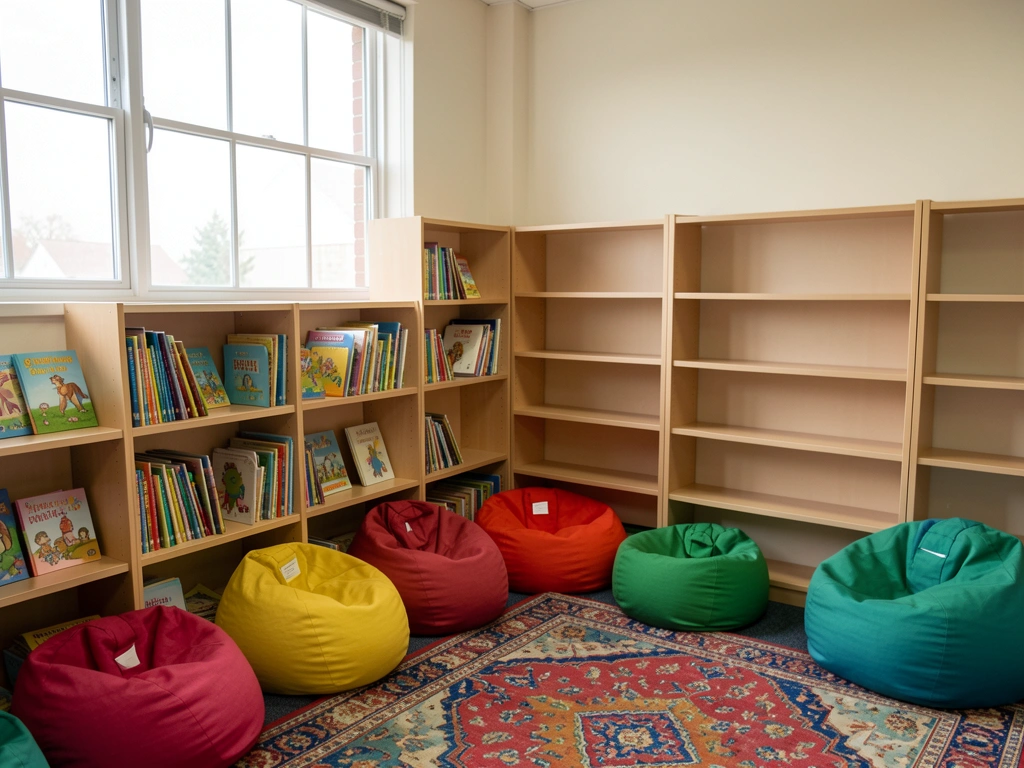
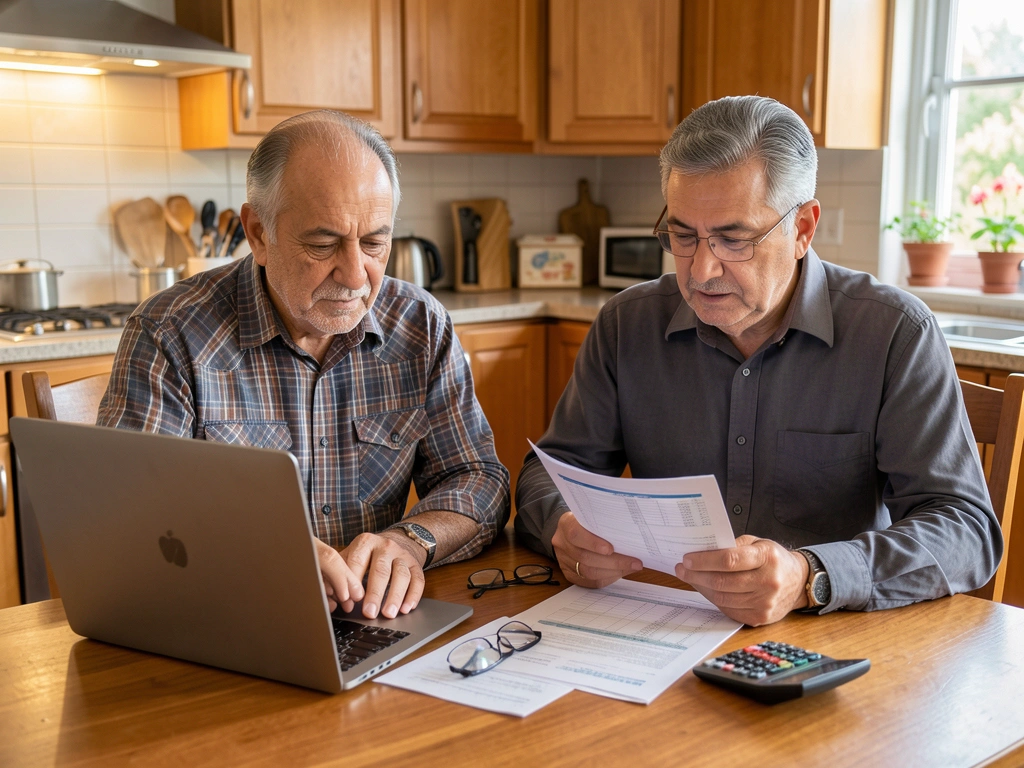
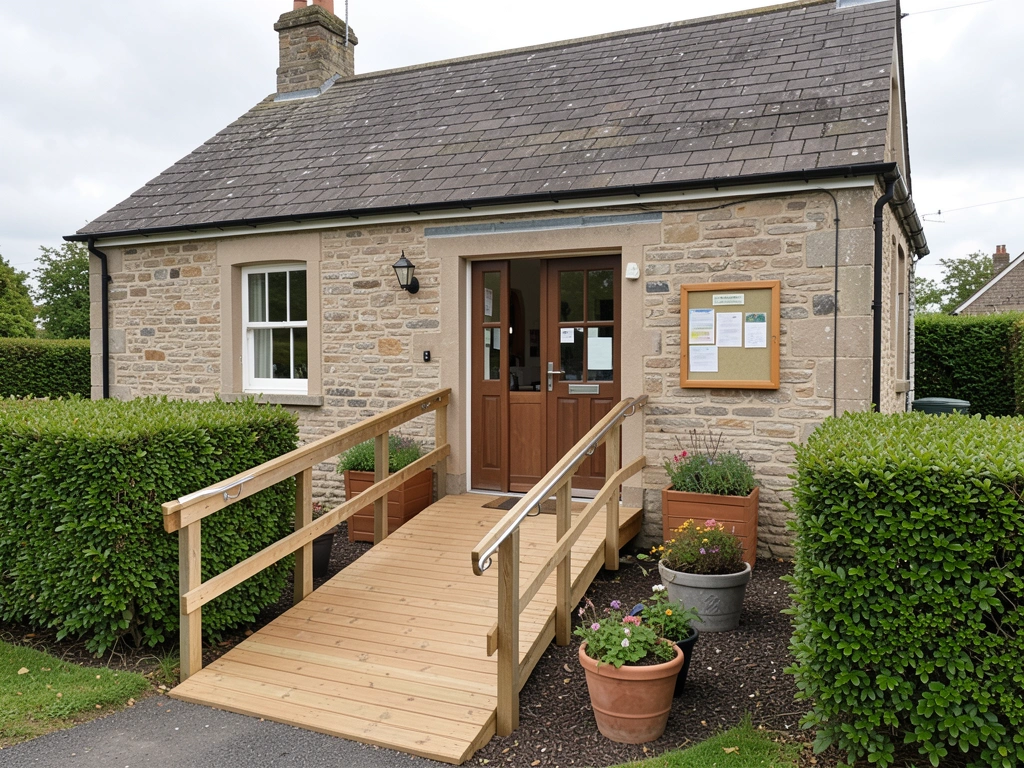
A few of the causes we have written for, photographed with each group’s permission.



A few lines are enough to start. We reply within two working days with the funds we would look at first, or with an honest note if the project needs more groundwork.
Please describe the project in words. There is no need to send accounts or policies at this stage.
No. A writer who promises an award is guessing, because funders decide, often with far more good bids than money. What we promise is a bid that answers every question, meets every rule and arrives early.
Never. Our fees are fixed before work starts and are due whatever the decision. Many funders will not accept bids written on commission, and professional codes for grant writers in many countries advise against it.
Whichever fit your project: charitable trusts, foundations, public schemes and company giving programmes. We hold no arrangement with any funder, so the research starts from your project rather than from a list we prefer.
Your organisation does, from its own account, because the agreement is between you and the funder. We send the final version, the attachments and a checklist so the submission takes minutes.
Four weeks for a single application is comfortable. Two weeks can work for a short form if your accounts and policies are ready. Large public funds with several stages need two to three months.
We ask the funder for feedback where it is offered, note what the panel wanted, and decide with you whether to revise and resubmit or move to the next fund on the list.
Working remotely nationwide, with meetings in person around the city
| Monday to Thursday | 09:00 to 17:30 |
| Friday | 09:00 to 13:00 |
| Deadline weeks | Evening calls by arrangement |
Call before you send the form. If the deadline is under two weeks away, we will tell you honestly whether a strong bid is still possible.
Call +44 20 7946 0245This grant writer website was built by AI from two sentences. Tell us about your business and yours is built the same way, with its pages, photos and booking in place, ready to preview in minutes.
About this sample page
Fundline Grant Writing is a made up practice, and its single page sketches how a bid writer could present itself on AI Web Maker. A corner ribbon on the opening photo says the bids go in early, beside a promise to answer each funder’s own questions. Directly below, a readiness table lists six documents funders tend to ask for and what to do when one is missing. Services, fixed fees and a week by week plan for a single application follow in that order. The sequence mirrors the worries of a volunteer treasurer, so each section settles one before the next appears.
Any bid writer can give AI Web Maker a short account of its clients, fees and lead times, then reshape the draft page and enquiry form that come back. Hosting the finished page is $119 a year or $19 a month, the domain is paid for on top, and no draft or preview is ever billed. Further down this sample page, notes explain why the fees rule out commission and why no award is ever promised. They also cover the readiness table, the calendar of a bid and the short enquiry form. A real writer could keep this order and replace the fees, projects and reviews with their own.