30 minute trial lesson
from$195
- Briefing and walk round before the flight
- Hands on the controls once clear of the circuit
- A logbook entry for the flight
- A short debrief on the ground
Trial lessons and training towards a private pilot licence in two seat and four seat training aircraft, flown from a quiet airfield outside town. Send an enquiry and the chief instructor writes back within two working days.
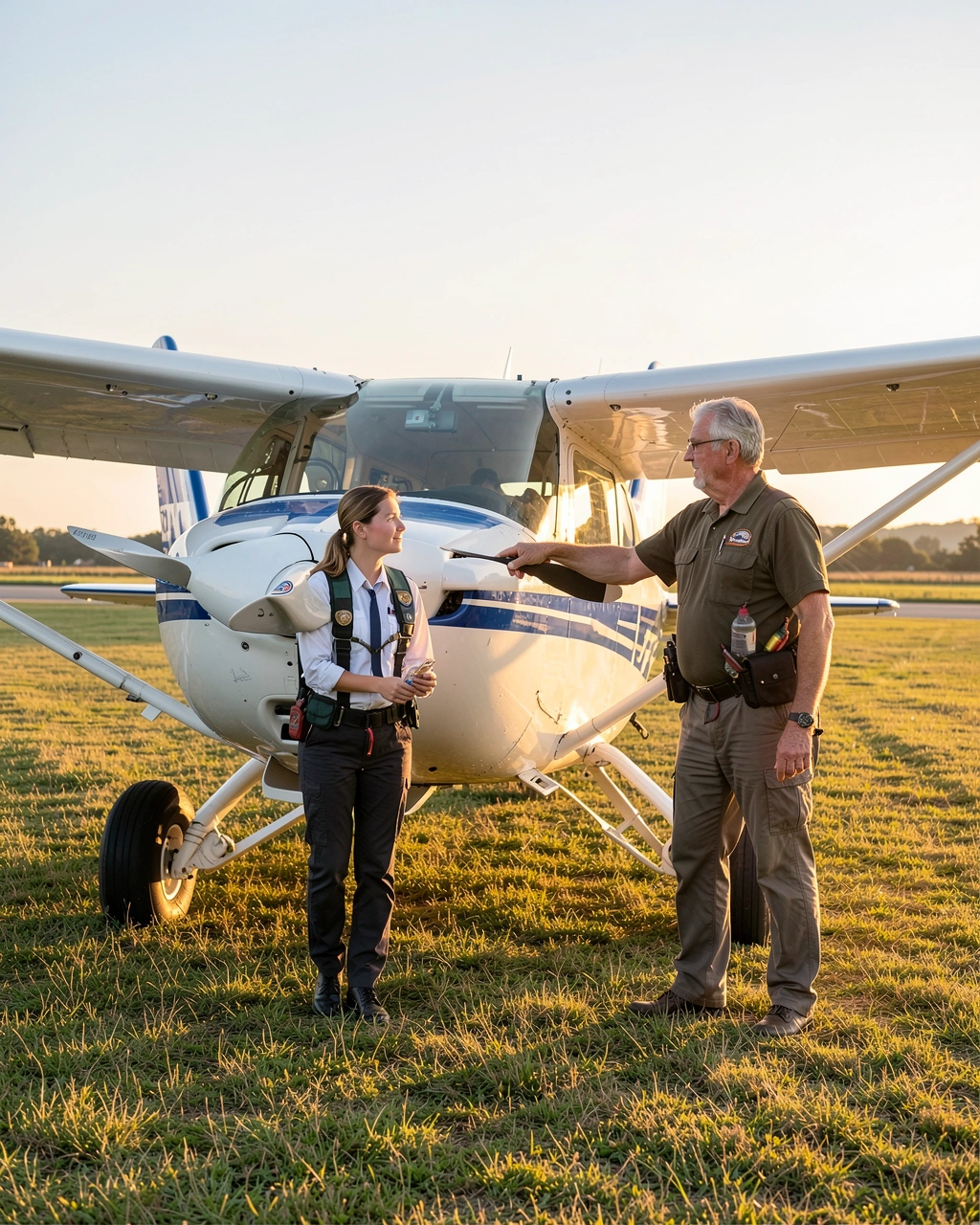
Every trial starts with a briefing on the ground and a walk round the aircraft. Once clear of the airfield, the instructor hands over the controls and talks you through each move.
from$195
from$345
from$560
Trial flights depend on the weather. When the cloud, wind or visibility is wrong we rebook the flight at no charge. A passenger can join some trials in the four seat aircraft for an added fee.
Training is priced per hour rather than as a fixed package, because no two students need the same number of hours. The legal minimum is set by the aviation authority of the country issuing the licence, and many students fly beyond it before the skill test.
| Item | How it is charged | From |
|---|---|---|
| Two seat training aircraft | Per hour flown, fuel included | $210 |
| Four seat aircraft | Per hour flown, fuel included | $265 |
| Flight instructor | Per hour of flight and briefing | $65 |
| Ground school course | Two evenings a week for one season | $650 |
| Landing and approach fees | Set by each airfield visited | Varies |
| Medical and exam fees | Paid to the examiner and the authority | Varies |
After a first conversation we send a written estimate based on how often you can fly. Lessons are paid for after each flight, and nothing is taken in advance for hours not yet flown.
This order is typical, but the exact rules, minimum ages, medical class and exams are set by the aviation authority where your licence is issued. We confirm them with every student at the start.
A first flight to find out whether flying is for you, before spending anything on training.
An aviation medical with an approved examiner and student pilot registration, as your authority requires.
Regular flying lessons alongside the evening theory course, ideally once or twice a week.
When your instructor judges you ready, a first solo circuit, then cross country flights.
Theory exams, then a skill test flown with an independent examiner.
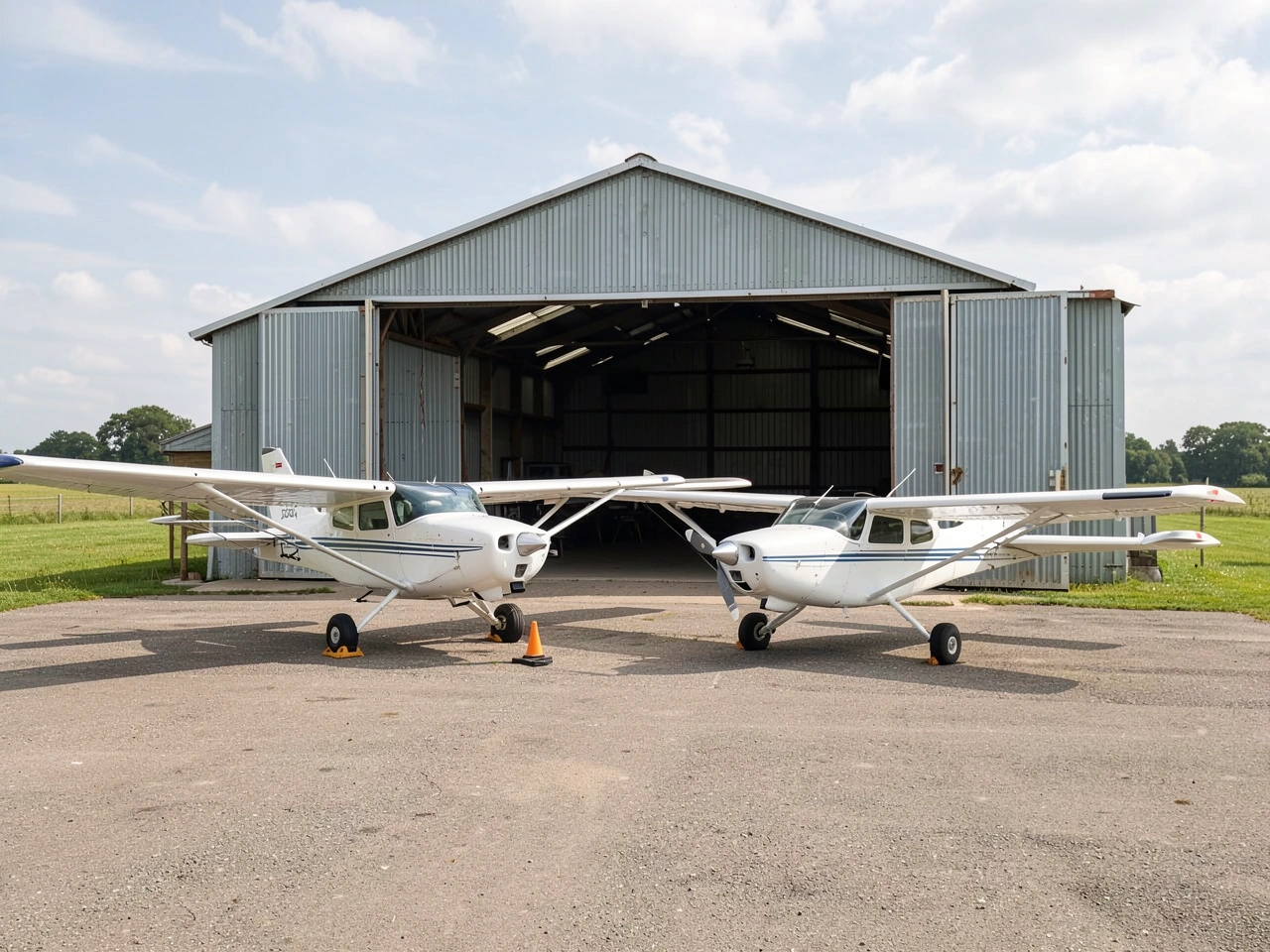
Most lessons are flown in two seat, high wing training aircraft that are stable, forgiving and easy to see out of. Students who later want to carry passengers move on to a four seat aircraft with a little more power.
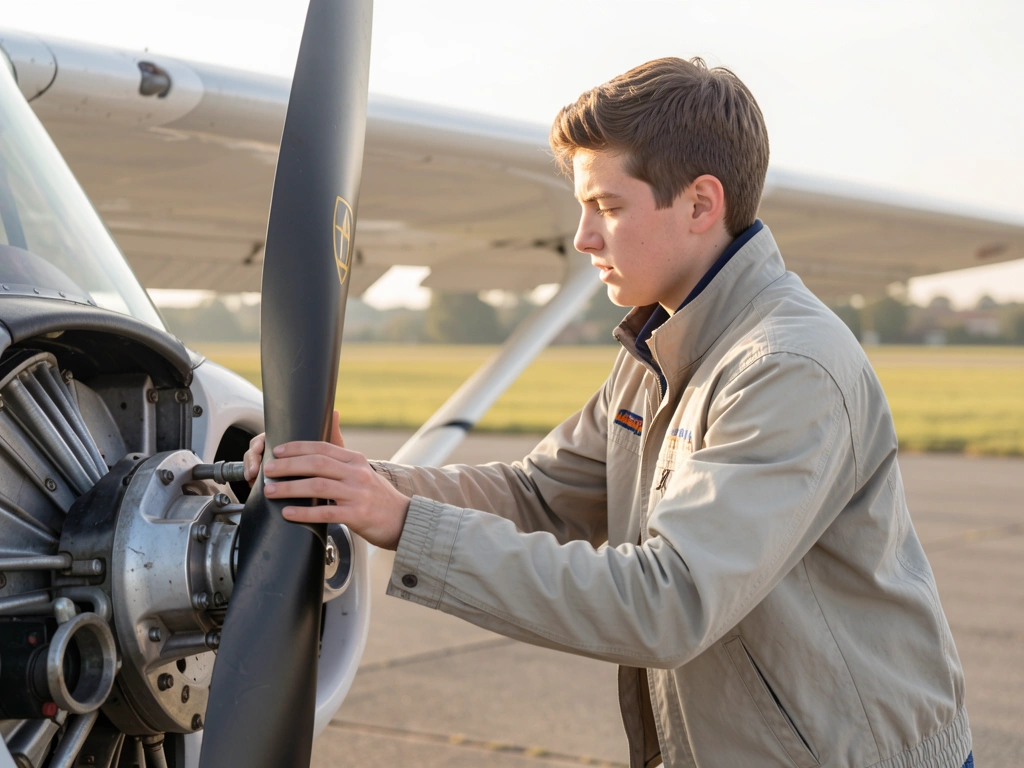
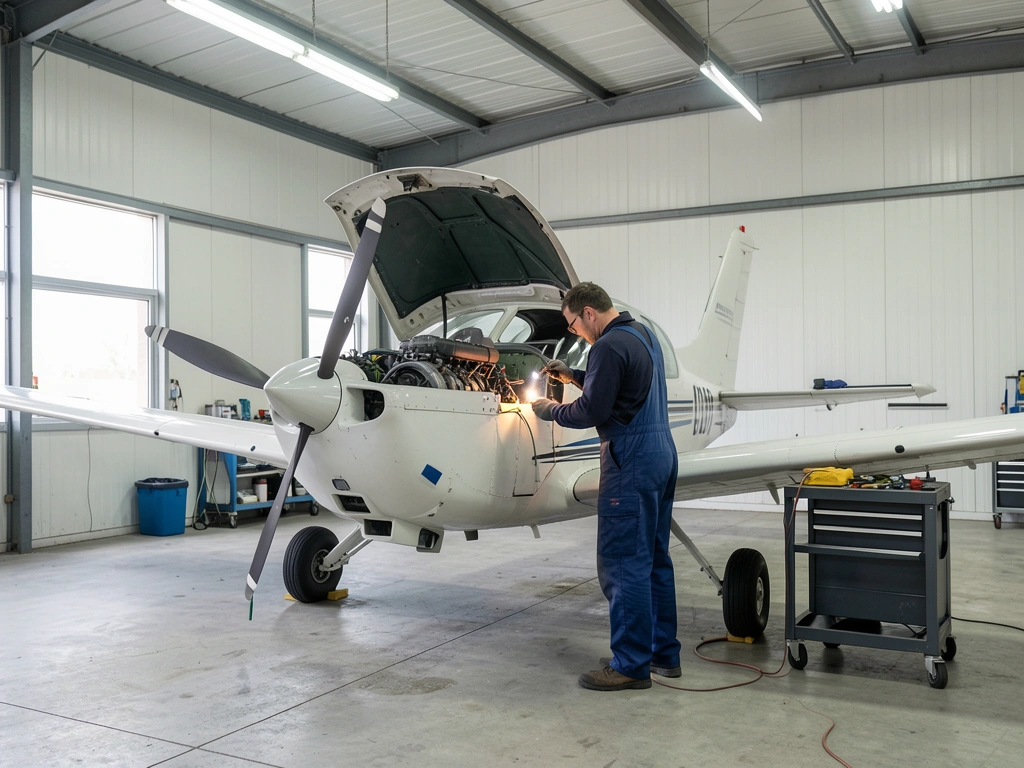
A licensed engineer maintains every aircraft on the schedule the authority sets, and the maintenance records are open to any student who asks. Before each flight the student and instructor check the aircraft together, so the walk round becomes part of the training.
Theory is taught in small evening classes, with one to one sessions for anyone who falls behind. The list follows a common syllabus, and the subjects and exams can differ where your licence is issued.
Classes meet on Tuesday and Thursday evenings from 19:00 to 21:00 in the briefing room, with practice papers before each exam.
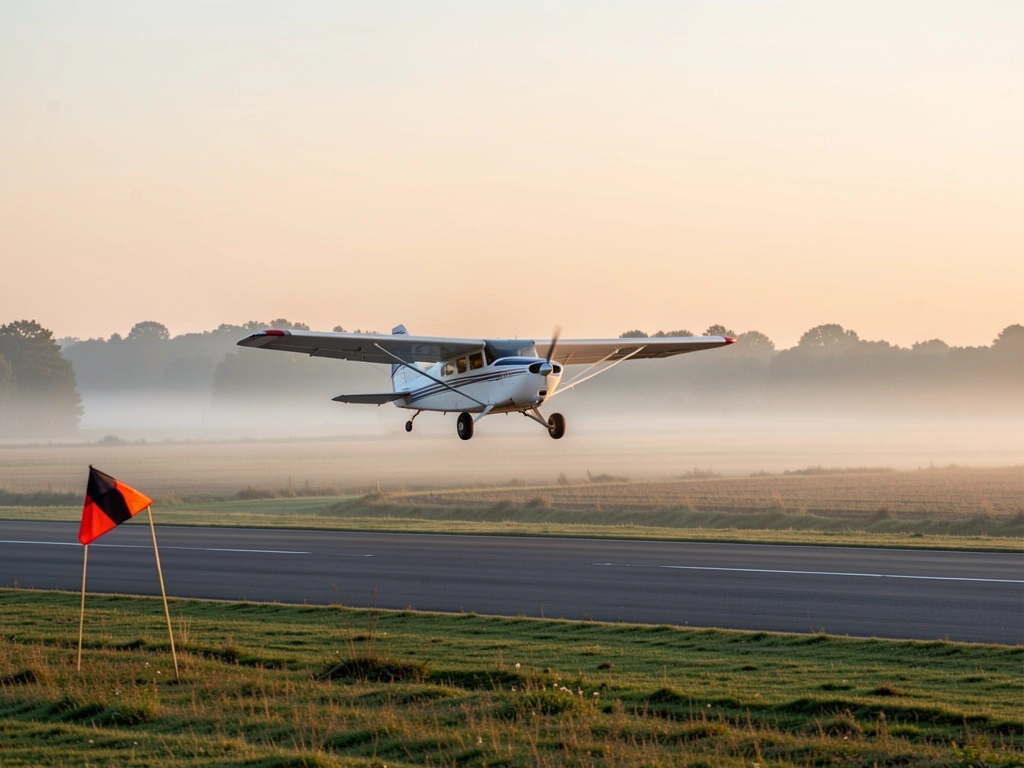
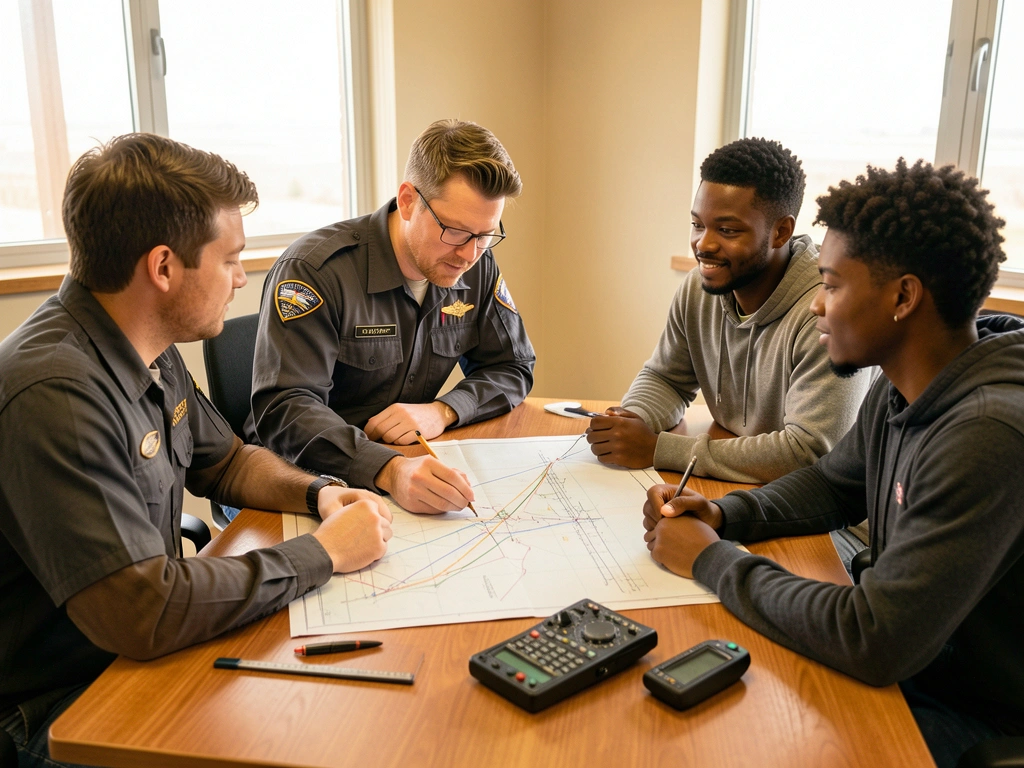
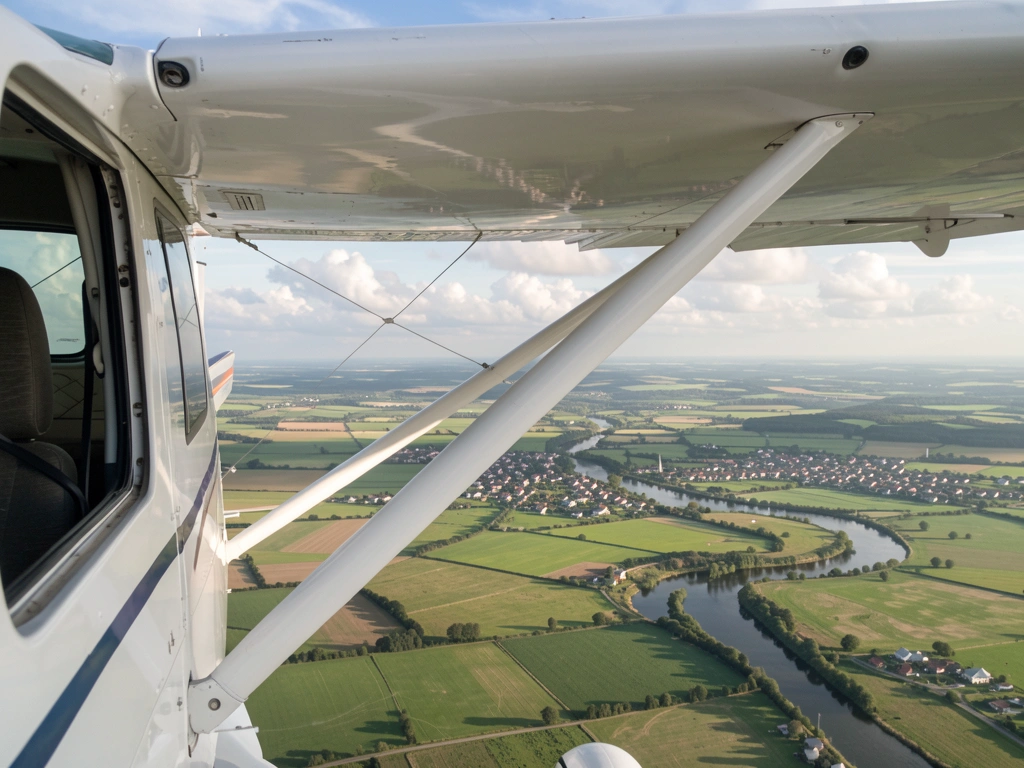
Briefings, walk rounds and the views that keep students coming back for the next lesson.
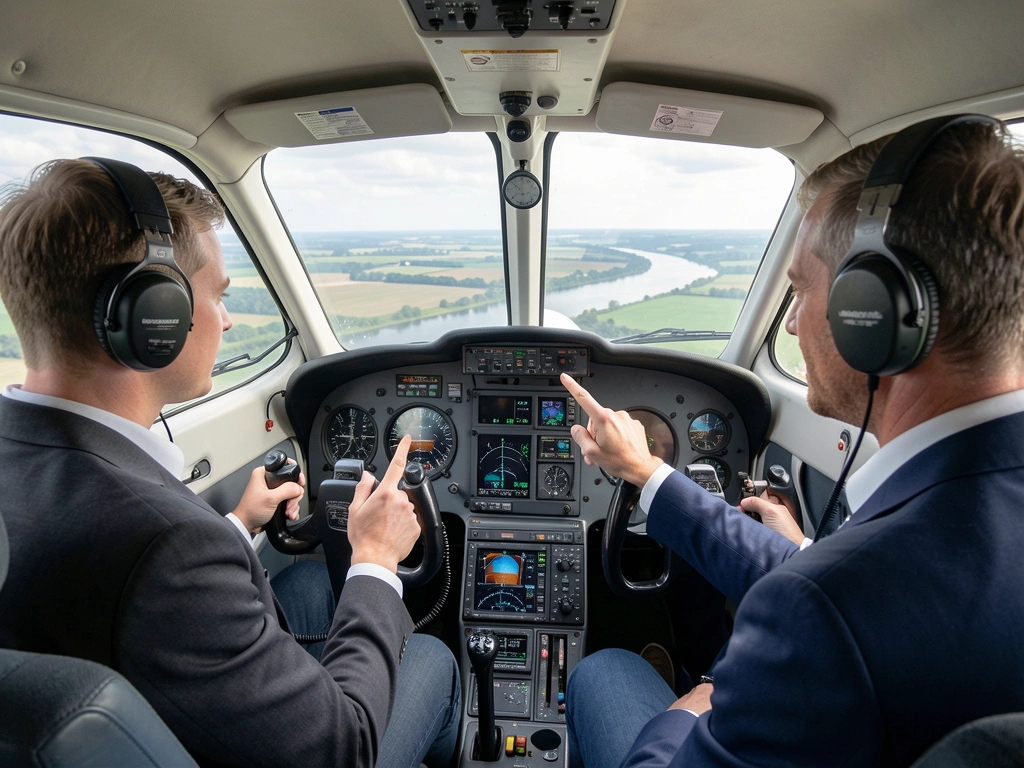
The 60 minute trial was the best birthday present our dad has had. The instructor explained everything before take off and let him fly most of the way back.
Training around shift work was never going to be quick, and the school was honest from day one that weather and rest days would stretch the timeline. Every lesson still had a clear plan.
Ground school finally made meteorology make sense. Small classes, patient teaching and plenty of practice papers before the exams.
Not for a trial lesson flown with an instructor. To fly solo and train for a licence, most countries require an aviation medical from an approved examiner, and the class needed depends on where the licence is issued. Anyone with a health condition should talk to an aviation medical examiner before committing to training.
The minimum is set by the aviation authority issuing the licence, and many students fly more than that before they are ready for the skill test. We never promise a number of hours or a finish date, but we review progress with each student every ten hours.
Trial lessons are open from age 12 with the written consent of a parent or guardian, who waits at the airfield. The minimum ages for flying solo and holding a licence are set by each country's authority.
Safety decides, not the booking. If the cloud, wind or visibility is unsuitable, the lesson moves to another day and nothing is charged for it.
Small aircraft have weight and balance limits, so we ask for height and weight in confidence when you enquire. If an aircraft cannot take you safely, we say so before anything is booked.
Yes, and most of our students train around work. Flying once or twice a week keeps skills fresh, while long gaps usually mean repeating exercises.
Tell us what you would like to fly and a little about your experience. The chief instructor replies within two working days with dates for a trial or an estimate for training.
Phone the office while it is open, or write in and an instructor answers between flights.
Flight school building beside the main hangar at a small airfield outside town
| Tuesday to Sunday | 08:00 to sunset |
| Monday | Office only, 09:00 to 17:00 |
| Ground school | Tuesday and Thursday, 19:00 |
Visitors are welcome at the flight school building to see the aircraft and meet an instructor. The apron and runway are entered only with a member of staff.
Arrange a visitThis flight school website was built by AI from two sentences. Tell us about your business and yours is built the same way, with its pages, photos and booking in place, ready to preview in minutes.
About this sample page
Skyward Flight Training is fictional, written to show how a flight school could present trial lessons, training costs and the licence path on AI Web Maker. Three trial flights come first, each with its time in the air and a price, because most visitors begin with a single flight. An hourly cost table and a five step path follow for anyone thinking about a licence. Aircraft, ground school subjects and plain answers about medicals and weather complete the picture, always noting that rules differ by country. The page closes with an enquiry form that gives the chief instructor everything needed for a useful first reply.
Owners of a real school describe their airfield and lessons in a few lines, and the builder returns a draft to edit. Visitors use that form to ask about flights and training, and the school replies to them directly. Once the site is live it costs $119 a year to host, and the domain is paid for on top. Follow the link to the sample page for a section by section tour with the purpose of each part. Any school can rearrange these sections to lead with its strongest offer.