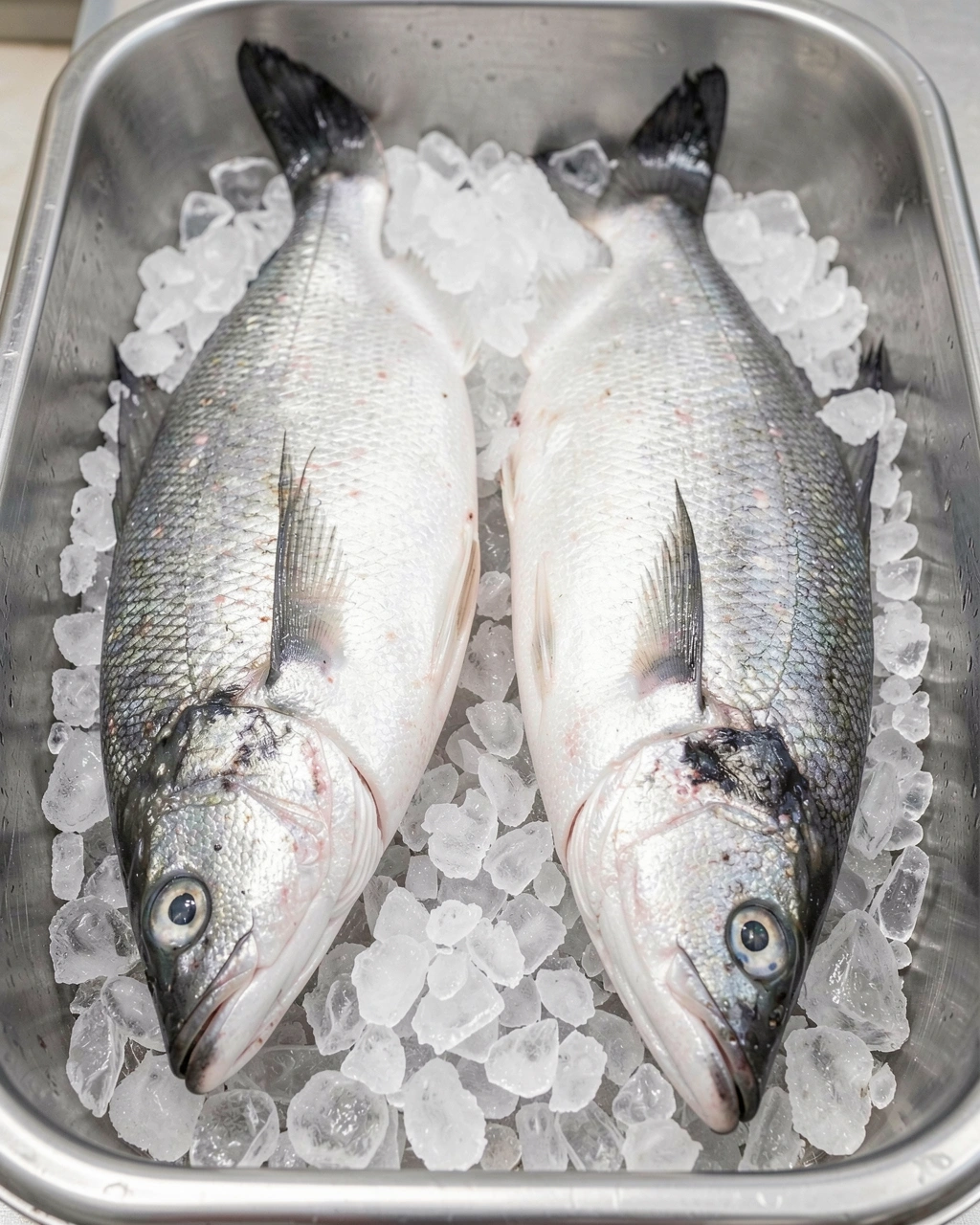
 Harvested to order
Fresh tilapia
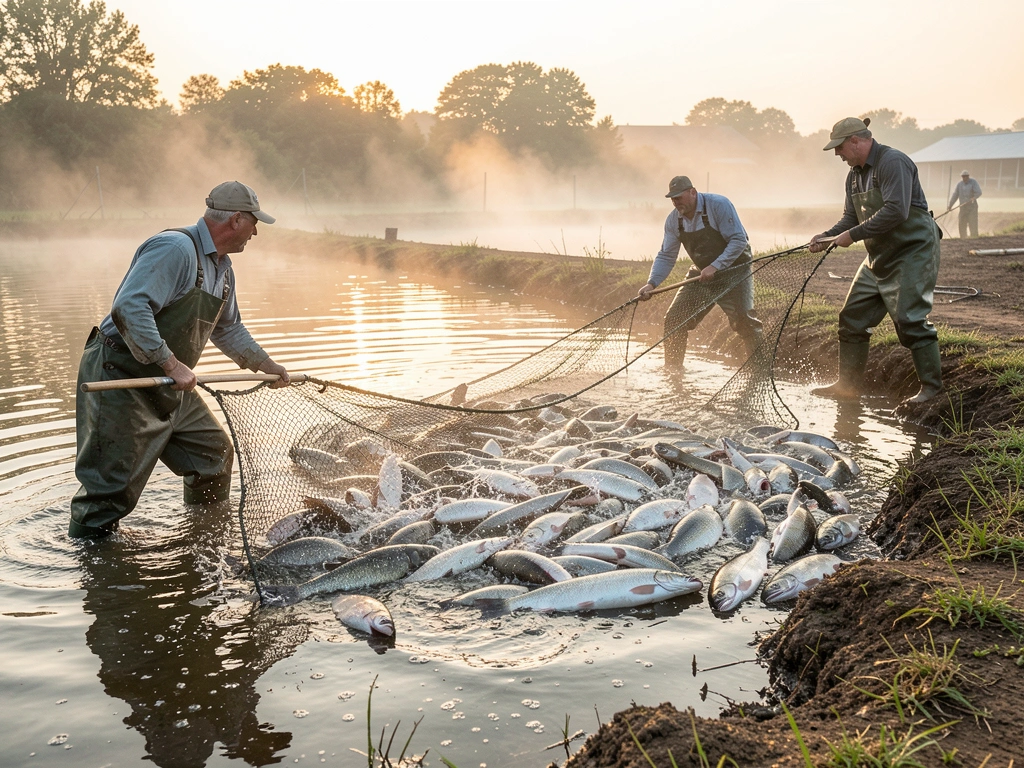
Netted to order, about 500 g a fish
$6.20 a kg
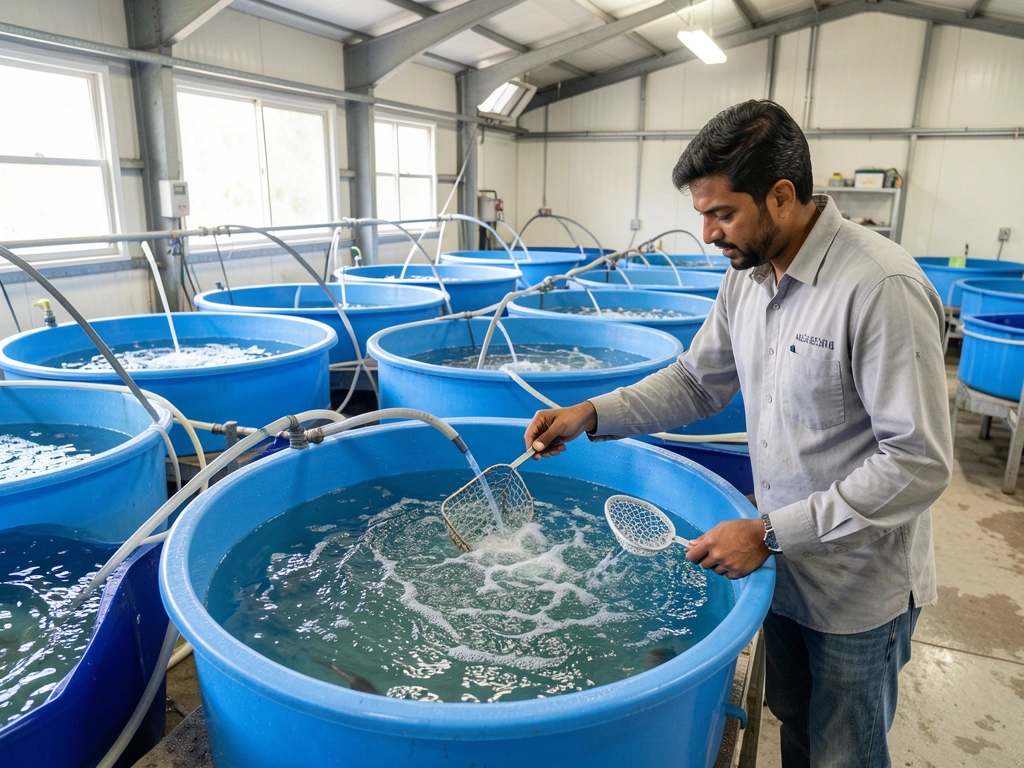
Clearwater Fish Farm raises tilapia and catfish in twelve earth ponds fed by a spring, and breeds its own fingerlings in the hatchery beside them. Buy fresh or smoked fish for the table, order fingerlings for your own pond, or bring your questions to a Saturday farm walk.
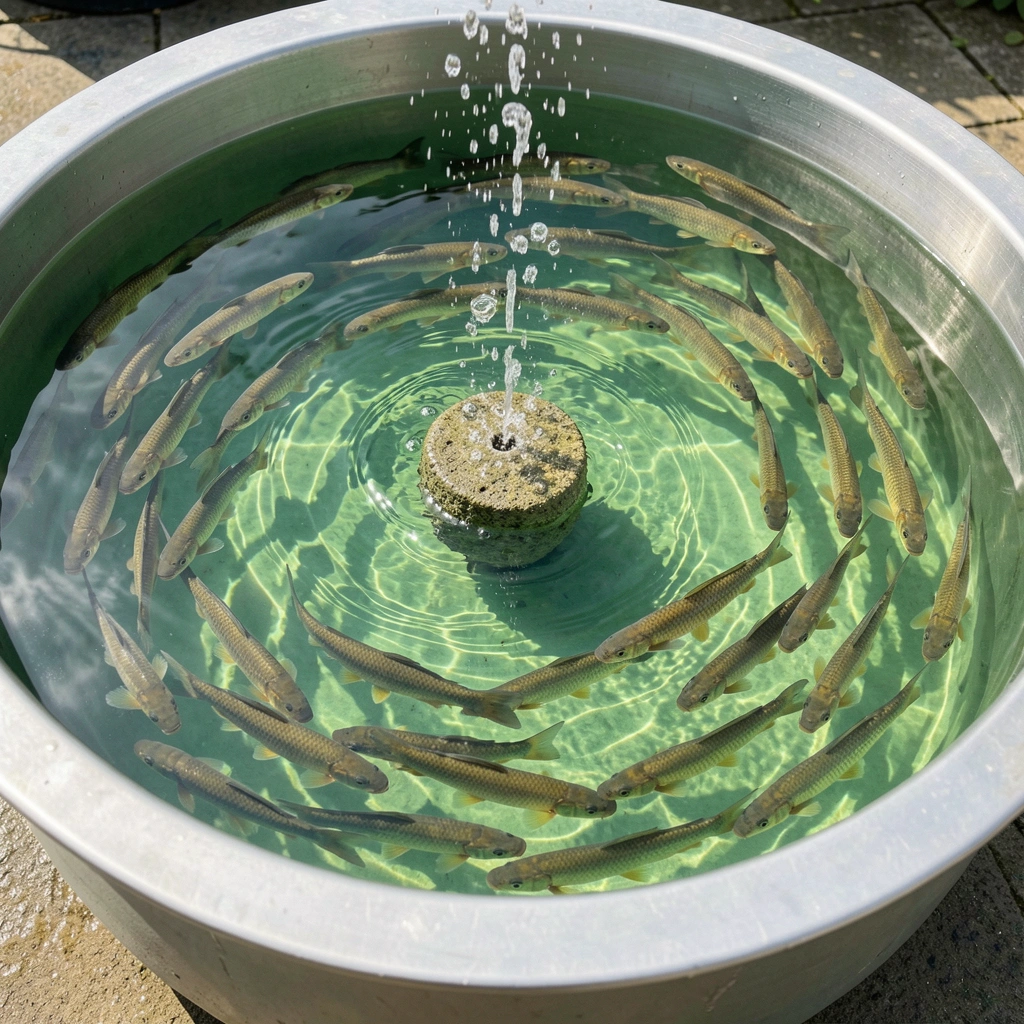
Table fish are netted on Tuesday and Friday mornings and go straight onto ice. Order by 18:00 the day before a harvest.
Harvested to orderNetted to order, about 500 g a fish
$6.20 a kg
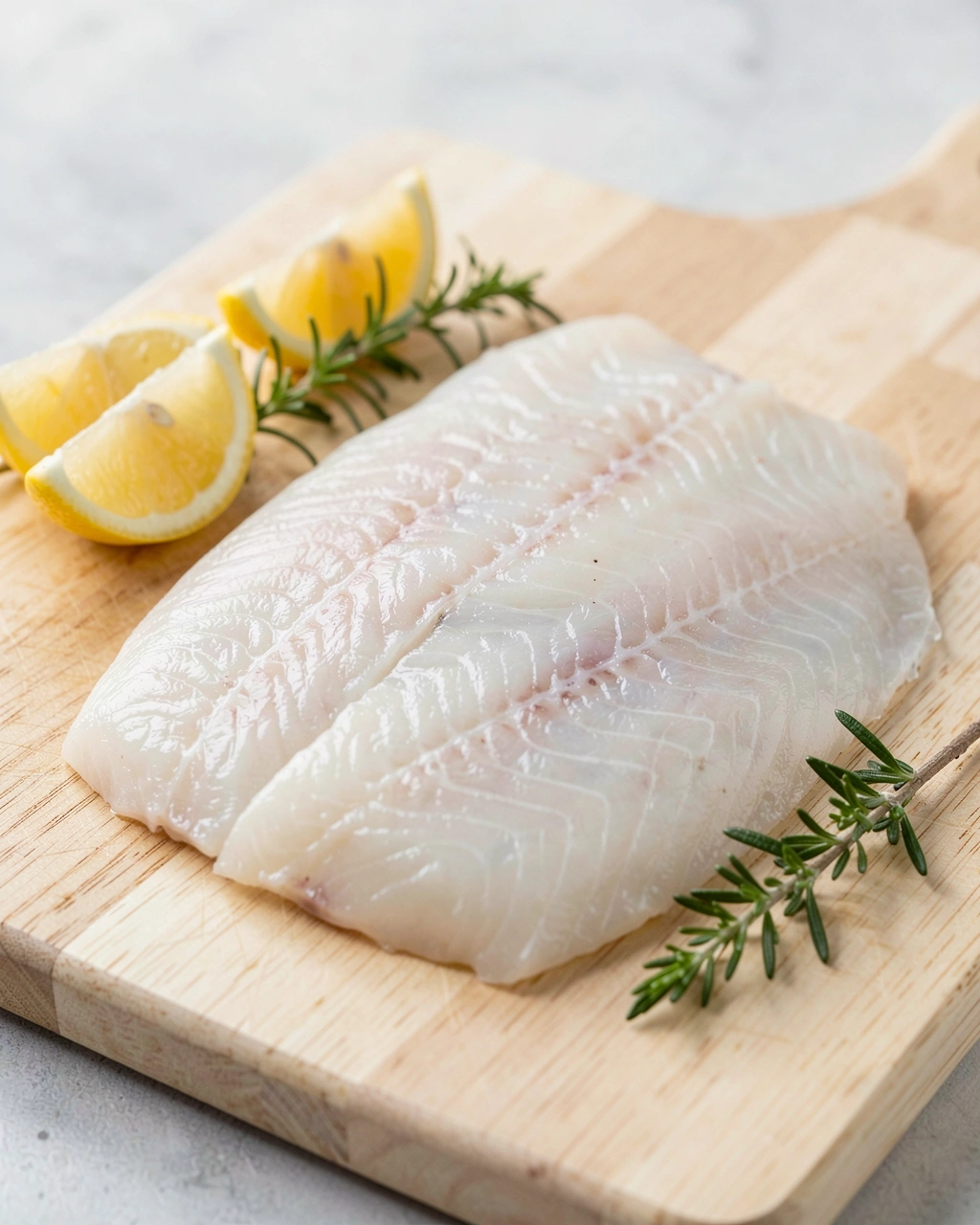
Skinned and boned by hand, then vacuum packed
$12.50 a kg
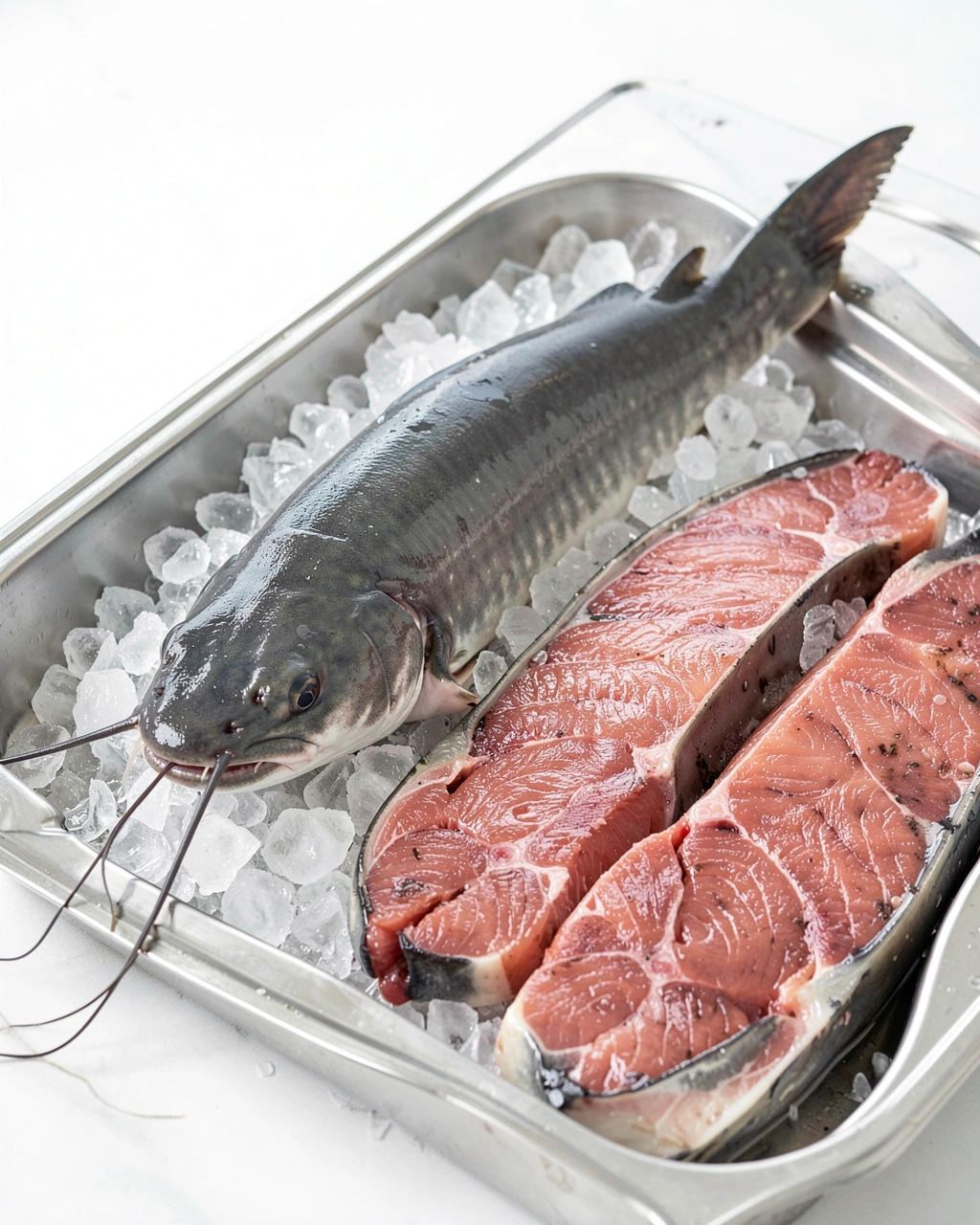
Firm white flesh, about 1 kg a fish
$5.40 a kg
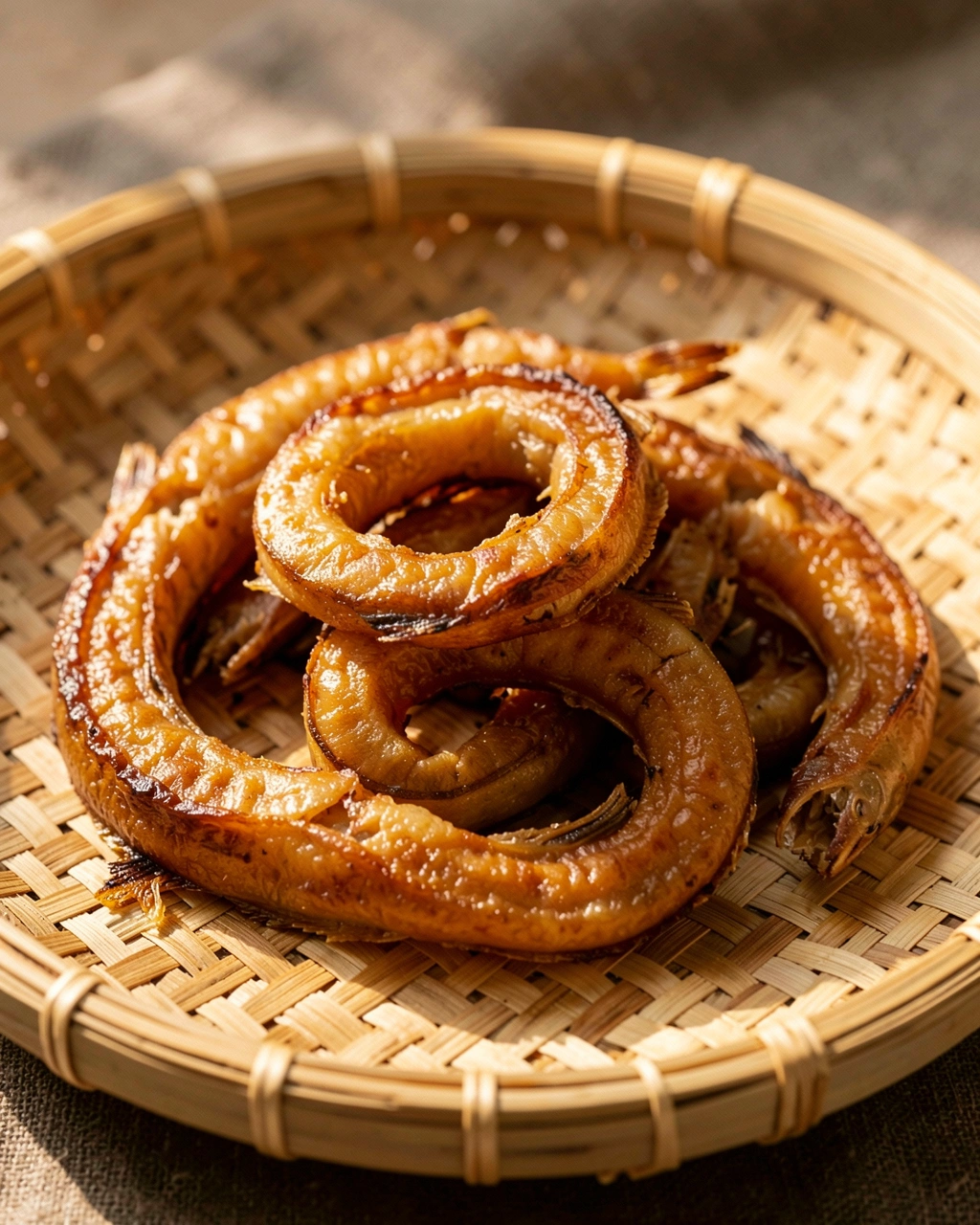
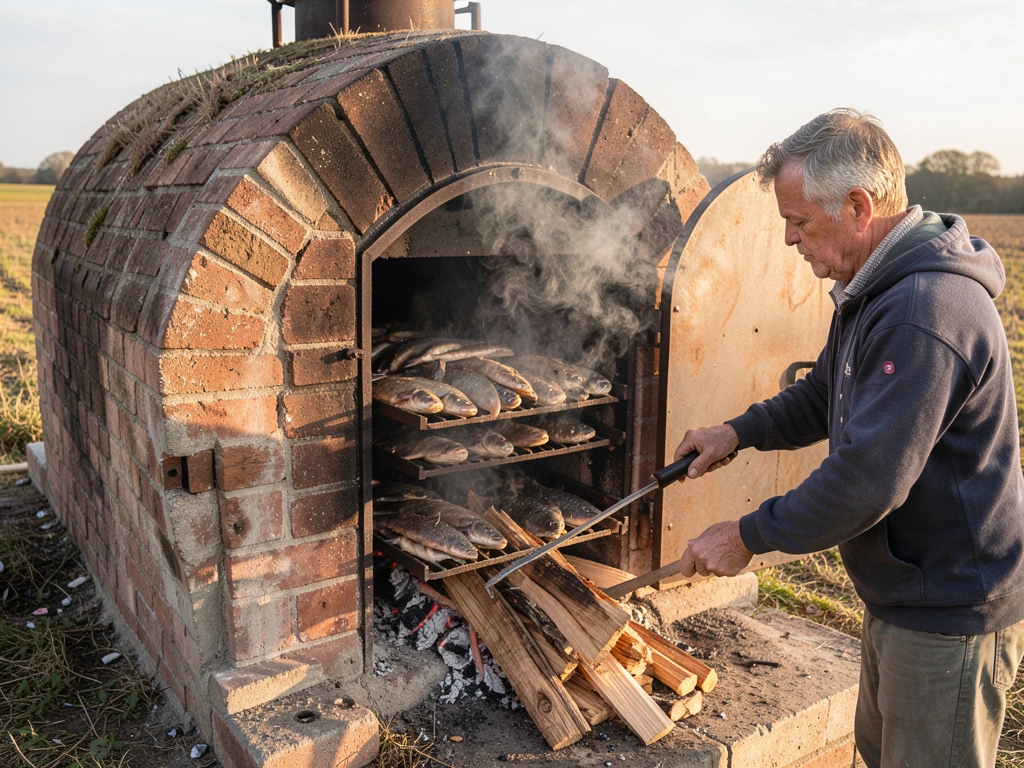
Hot smoked over hardwood in our own kiln, about 500 g
$9.80
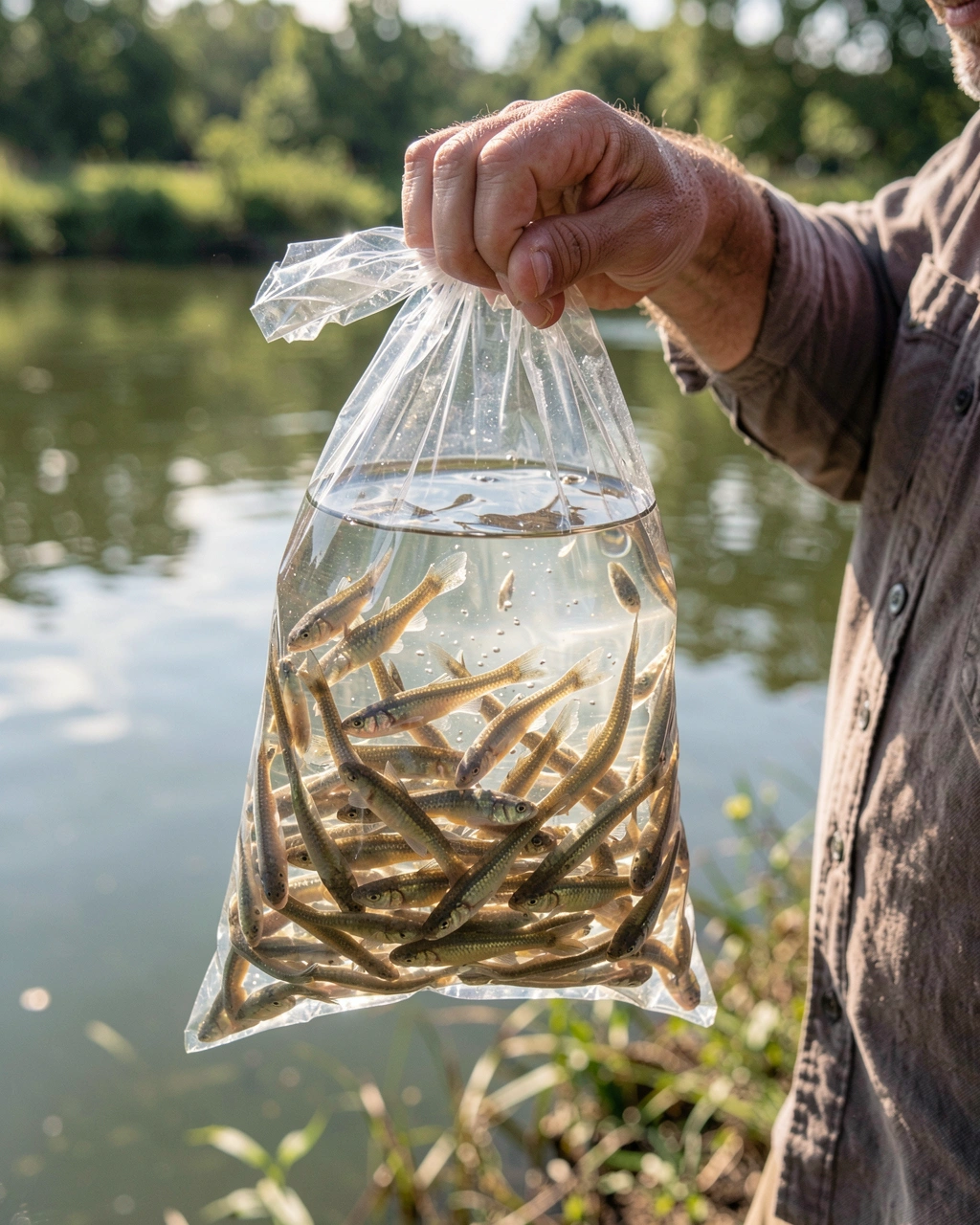 For your pond
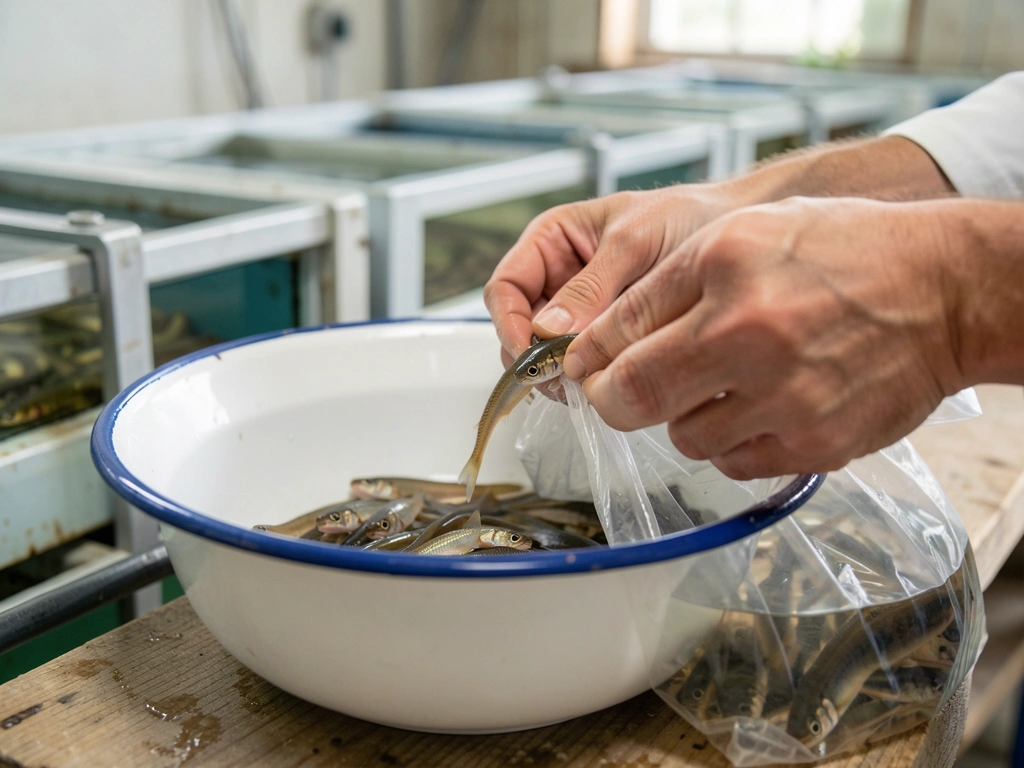
Feeding well, 3 to 5 cm long and counted out by hand
from $14 per 100
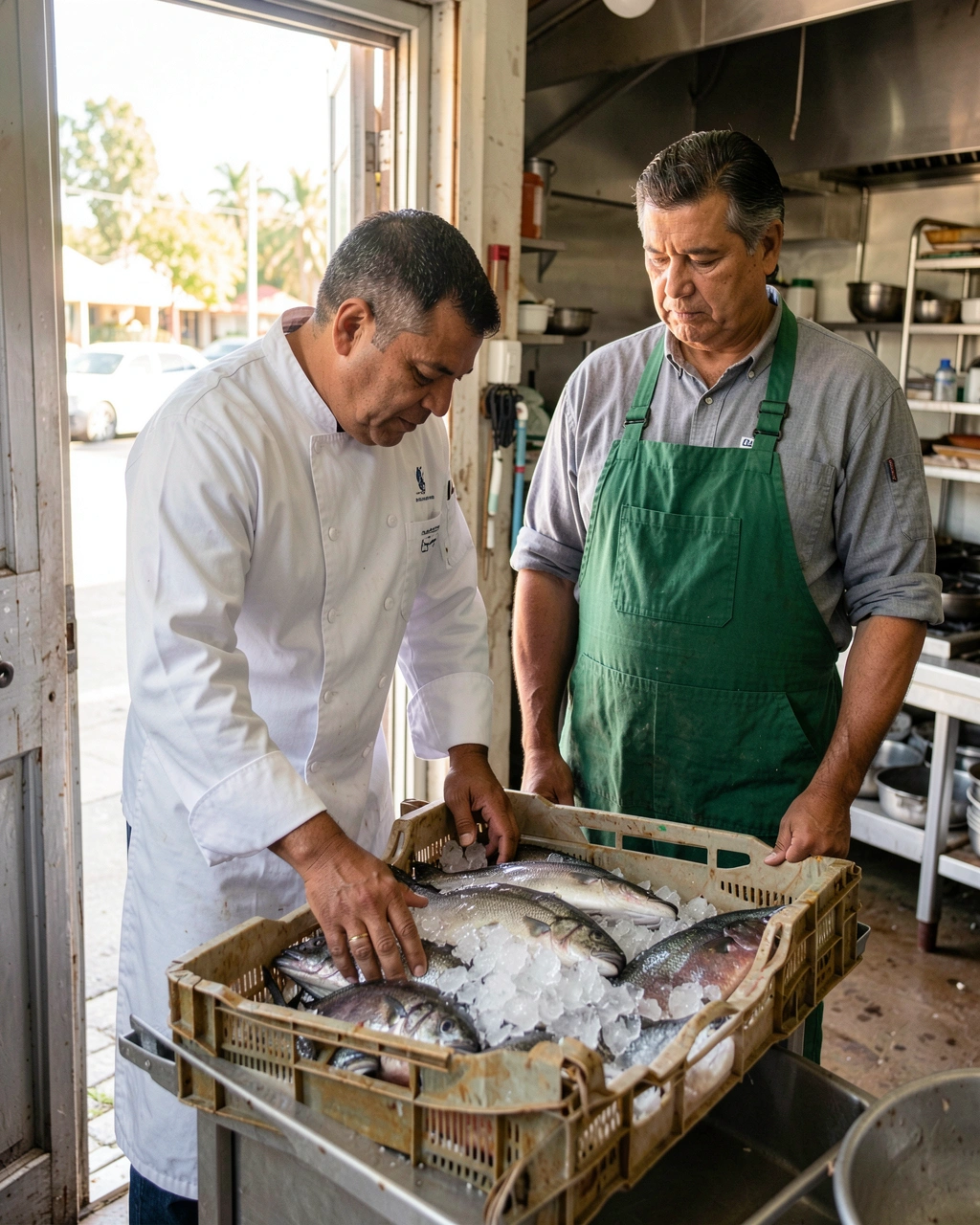
Weekly fish for kitchens and market stalls, netted to the sizes you sell
Price on enquiry
EnquireCheckout adds the delivery fee for your address. Fingerlings travel in sealed oxygen bags to ponds within 60 km, or can be collected from the hatchery.
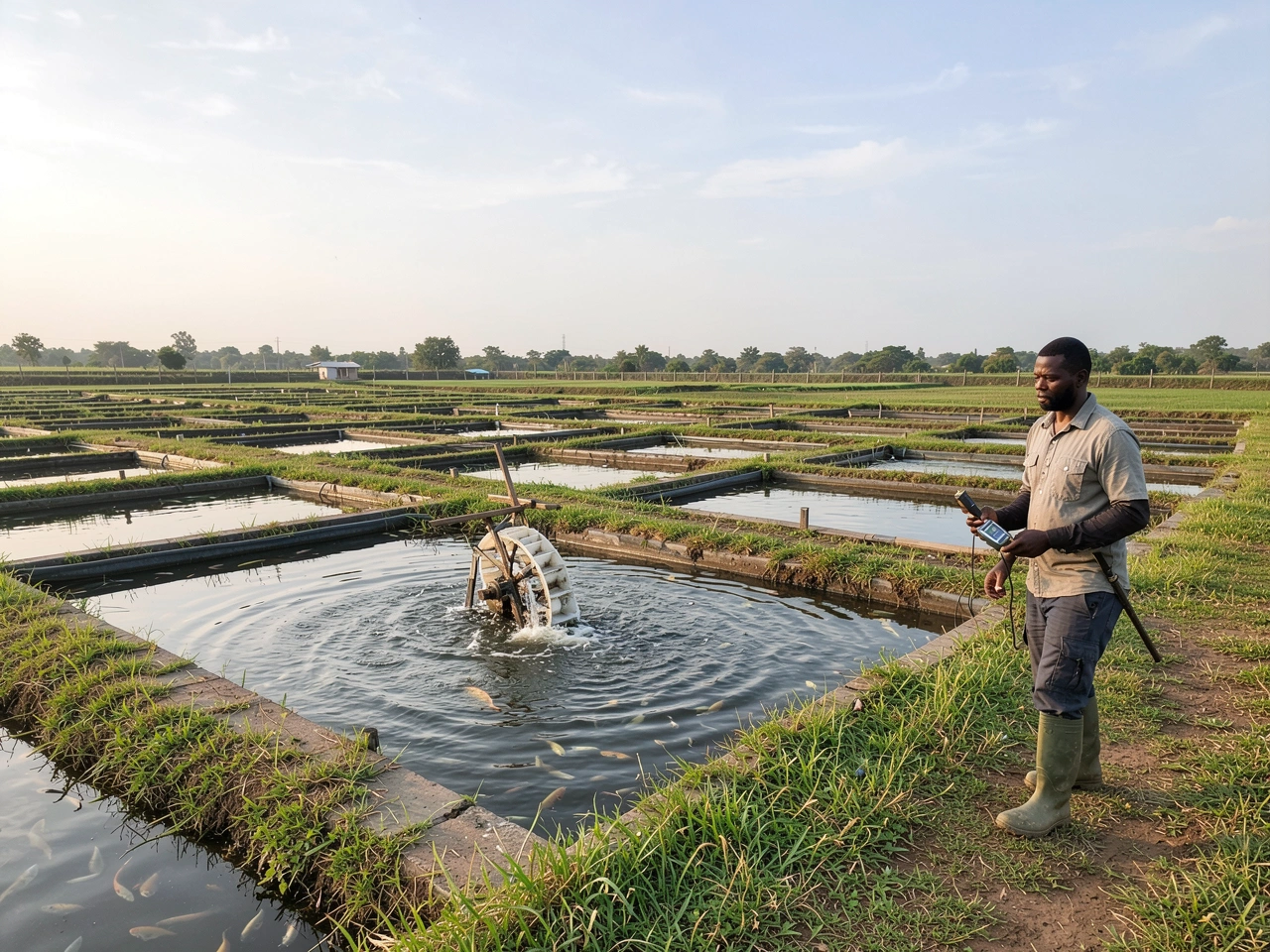
The ponds are dug into clay that holds water, and a spring keeps a slow flow running through them all year. Every morning someone walks the banks with a meter to check oxygen and temperature, and the aerators run on warm nights when oxygen falls.
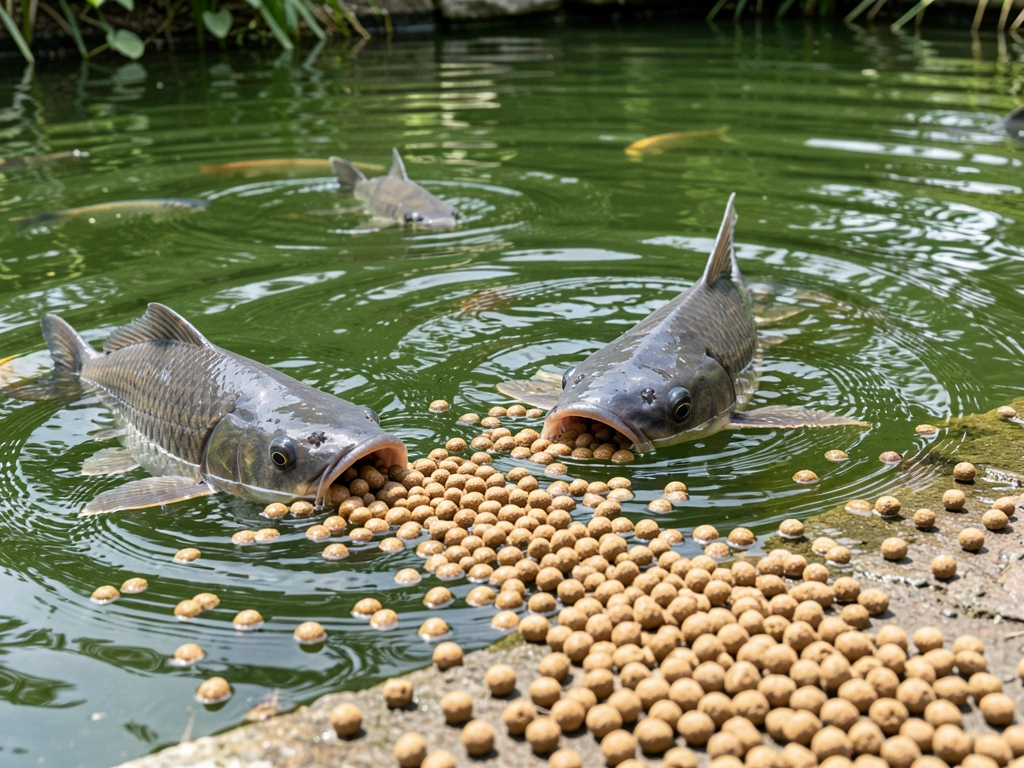
Each pond holds only as many fish as its water can carry. They eat floating pellets, so the feeder can see how hungry they are and stop before any feed sinks to waste, and any fish that looks wrong at feeding time is lifted out and checked that day.
New farmers ask this first. Both grow well in warm water, and the better choice depends on your water, your feed and the people who will buy the fish.
| What to weigh | Tilapia | Catfish |
|---|---|---|
| Water | Warm and well oxygenated, happiest around 25 to 30 °C | Warm water too, and it copes with less oxygen because it can gulp air |
| Feed | Takes plant based pellets and grazes on natural food in the pond | Needs a feed richer in protein, which usually costs more |
| Time to harvest | Often six to eight months to plate size | Often five to seven months to about 1 kg |
| Breeding | Breeds readily in ponds, which can crowd them with small fish | Seldom breeds in a pond, so stock comes from a hatchery |
| Selling | Whole and fresh, or as fillets | Fresh, in steaks, and smoked |
These are general patterns rather than promises. Growth depends on the warmth of your water, the feed and the care the fish receive.
Practical steps drawn from the questions new farmers bring to our walks. None of them is a promise of income: fish prices, feed costs and losses change from season to season, so work out your own numbers before you spend.
Water that lasts through the dry season, soil that holds it and ground that does not flood.
Permits for ponds, water use and fish sales vary by country and region, so ask your local authority first.
Fill it, let it settle for a week or two and test the water before any fish go in.
Start with fewer fish than you think you can manage. We help you set a number.
Weigh the feed, note every loss and line up buyers well before harvest day.
Everything we teach comes from our own ponds, including the seasons that went badly. Book through the form below and we confirm the date.
from$15
from$60
from$120
We share what works here, honestly. We cannot promise what a pond will earn, because prices, feed costs and losses change from season to season.
Netting, hatching, counting, smoking and feeding, and the walks that end the week.
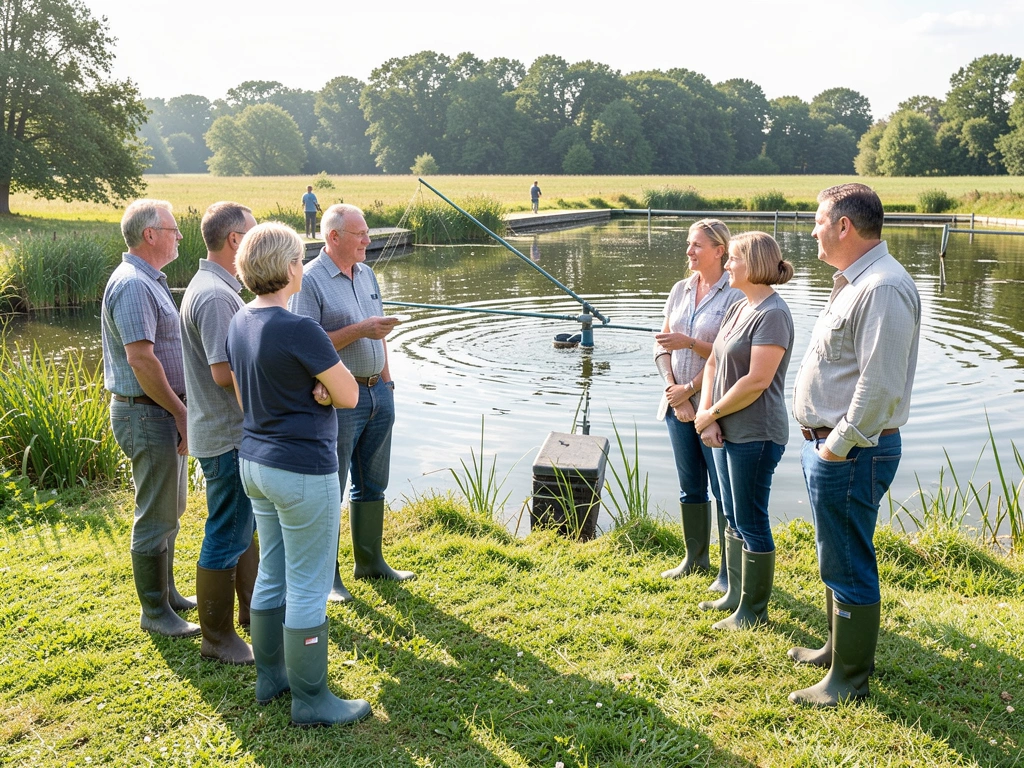
Two crates of tilapia every Friday, all the size we asked for and still cold from the ice when they reach the kitchen door. Not one short delivery since spring.
The site visit stopped us digging in the wrong corner, where the field floods every wet season. The note listed what to fix first, and the pond went in a month later.
Five hundred fingerlings in two oxygen bags, floated and released the way they showed us. Plain advice on feeding, and no big promises about money, which we appreciated.
It is netted on Tuesday or Friday morning, chilled on ice at once and delivered or collected the same day. Keep it in the fridge and cook it within two days, or freeze it.
They travel in sealed bags of pond water filled with oxygen, which keeps them comfortable for several hours. Float the closed bag in your pond for about 20 minutes so the temperatures match, then let them swim out.
That depends on its size, how fresh the water stays and whether you can add air. Tell us those three things and we suggest a starting number, which is rarely the largest one possible.
No one honestly can. Fish prices, feed costs and losses change with the season and the market, so we help you draw up a budget with your own numbers and start small.
Boots or sturdy closed shoes, because the banks get muddy. Everyone steps through the boot dip at the gate and washes their hands after touching fish or pond water, which protects you and keeps disease out of the ponds.
Yes, with an adult beside them the whole time. The ponds are deep and their banks are steep, so children hold a hand near the water and stay behind the rope in the hatchery.
Choose what you need and tell us a little about your land and water. Each booking is confirmed by phone or email within two working days, and large fish or fingerling orders are priced the same way.
The farm shop and office sit by the hatchery, at the top of the track.
On the river road, half an hour from town, with deliveries up to 60 km away
| Monday to Friday | 07:00 to 16:00 |
| Saturday | 07:00 to 13:00 |
| Sunday | Closed |
Half an hour from town on the river road, signed from the last bridge. Follow the track to the yard, park by the hatchery and keep to the paths between the ponds.
This fish farm website was built by AI from two sentences. Tell us about your business and yours is built the same way, with its pages, photos and booking in place, ready to preview in minutes.
About this sample page
Clearwater Fish Farm is an invented tilapia and catfish farm, and its one page site is a model for selling food and stock together on AI Web Maker. Fresh fish, fillets, smoked catfish and fingerling batches sit in one shop with options and a bag. A section on the ponds explains the water checks and the hatchery, and a table compares the two species without overselling either. Five practical steps guide beginners toward a first pond, and the walks and courses follow with their prices. The page ends with safety rules for visits, questions and a request form.
Owners of a pond farm describe their species, ponds and courses in a few lines, and the builder turns that into draft pages they can rework. Product options, a bag, discount codes and a checkout that charges delivery cover the table fish and the fingerlings, while trade orders show Enquire in place of a price. Walk and course requests reach the farm through the form, each one is confirmed, rescheduled or turned down by the owners, and payment is settled with the visitor directly. Drafts and previews carry no charge; a live pond farm site is hosted for $119 over twelve months or $19 for each single month, and its domain is paid for apart. The owners keep their mornings for the ponds rather than the website.