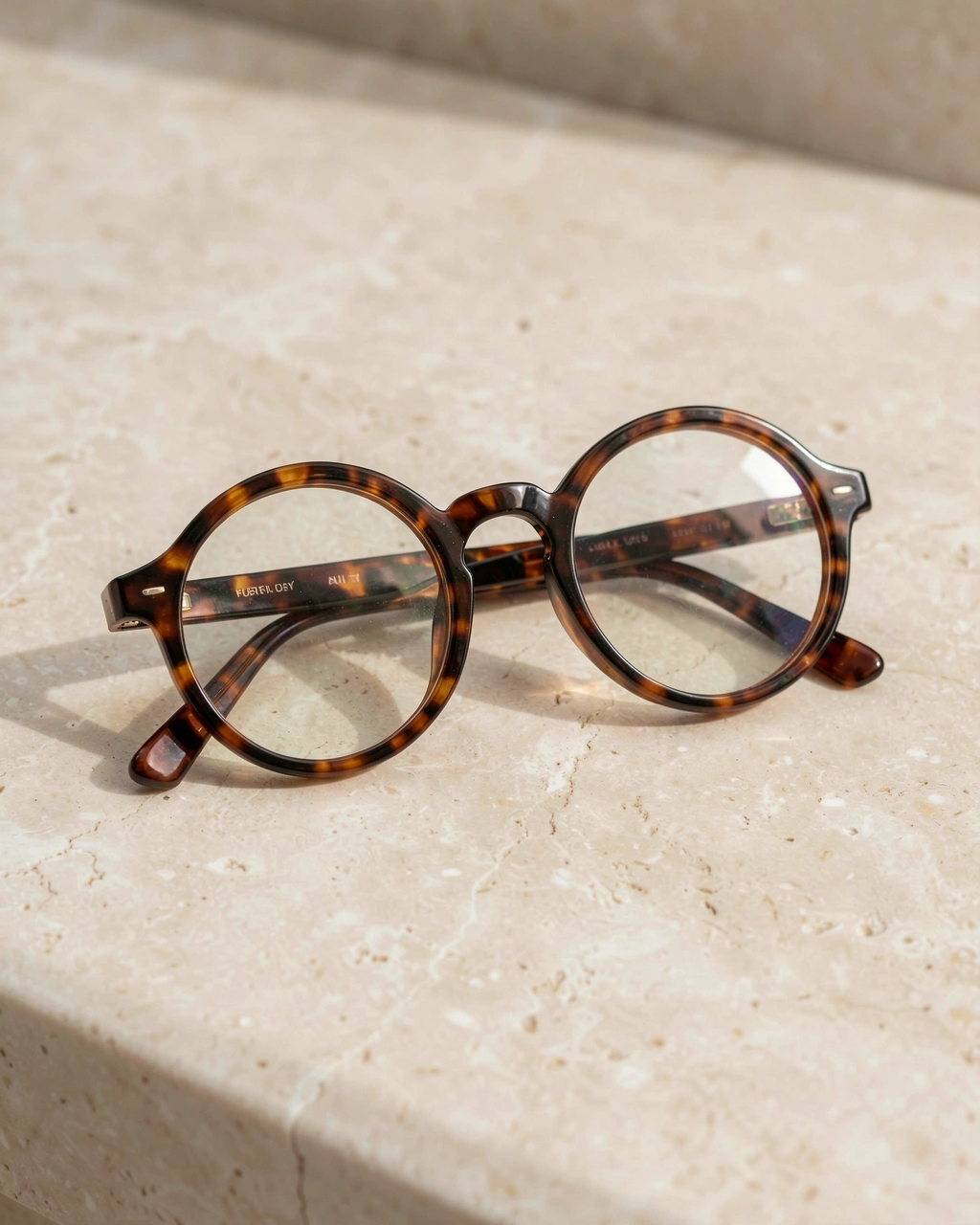
 Try on in the shop
Round acetate frame
Keyhole bridge, 48 20 145
$95
Frame and Lens Eyewear sells prescription glasses, sunglasses and contact lenses. A qualified optometrist tests your eyes, or you bring a current prescription, and then you try frames at the mirror while a dispensing optician explains each lens option in plain words.
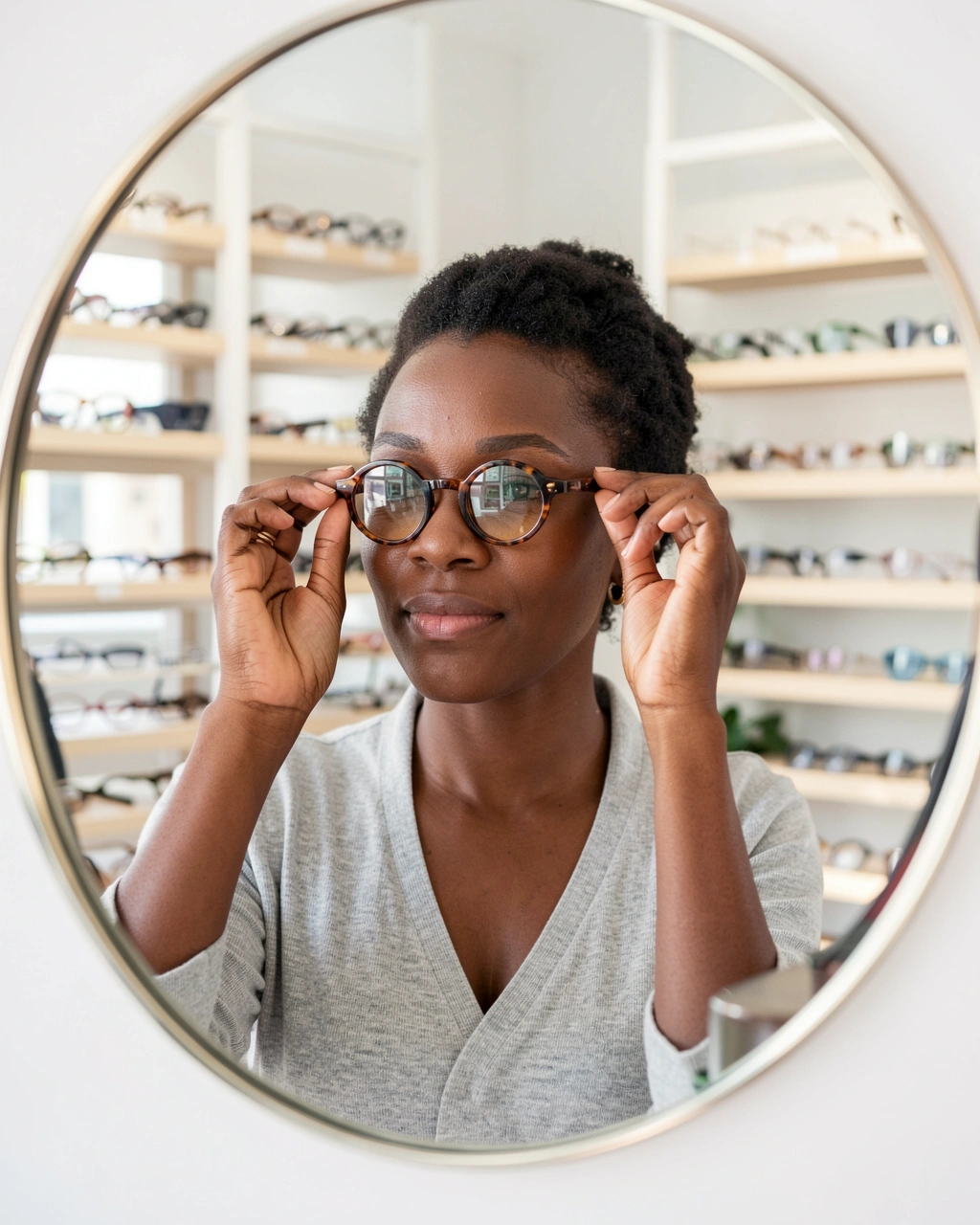
Frame prices include fitting, and lenses are added once we hold your prescription. The three numbers inside an arm, such as 50 20 145, give the lens width, the bridge and the arm length in millimetres, which is the quickest way to compare a frame with the pair you wear now.
Try on in the shopKeyhole bridge, 48 20 145
$95
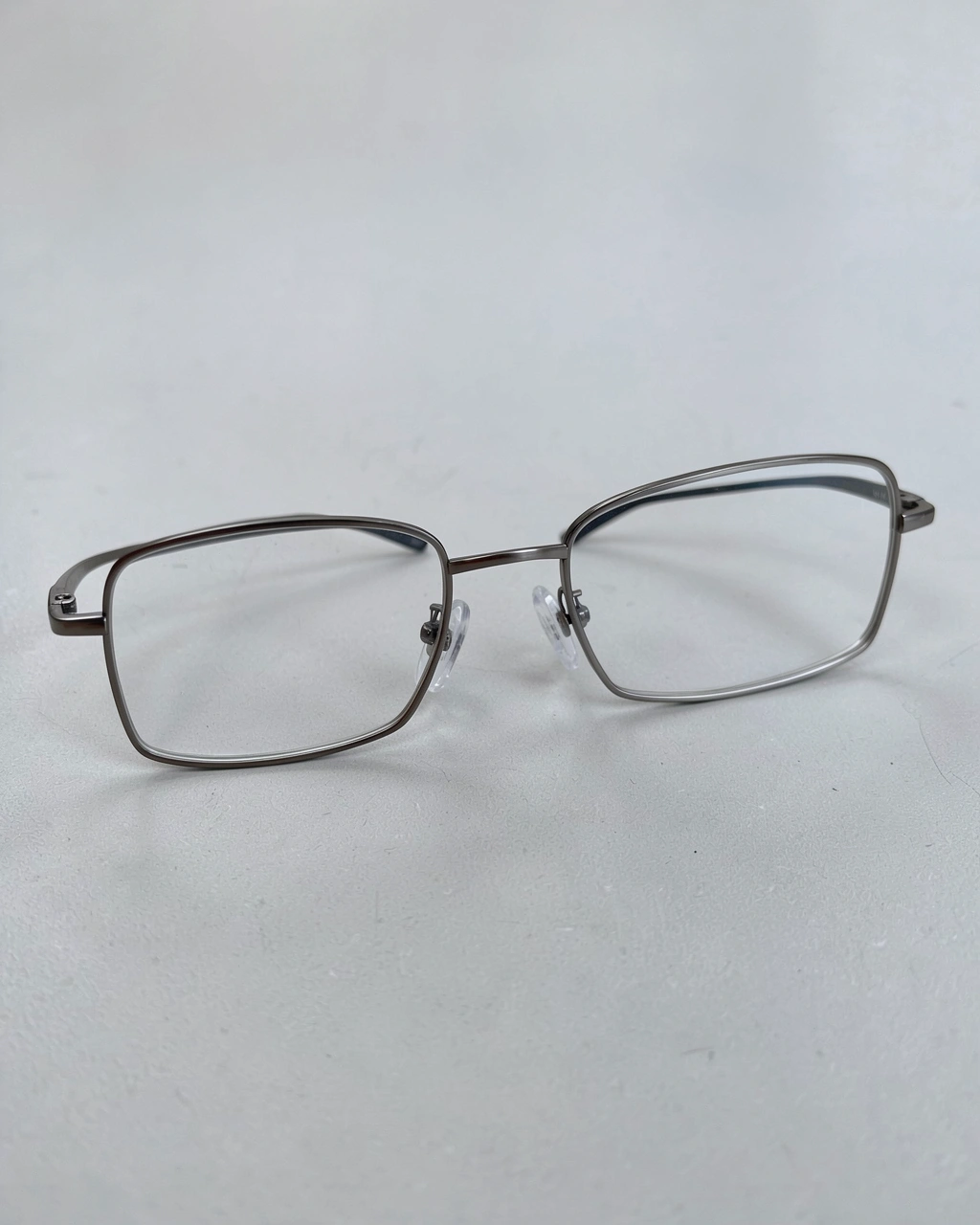
Adjustable nose pads, 53 17 145
$120
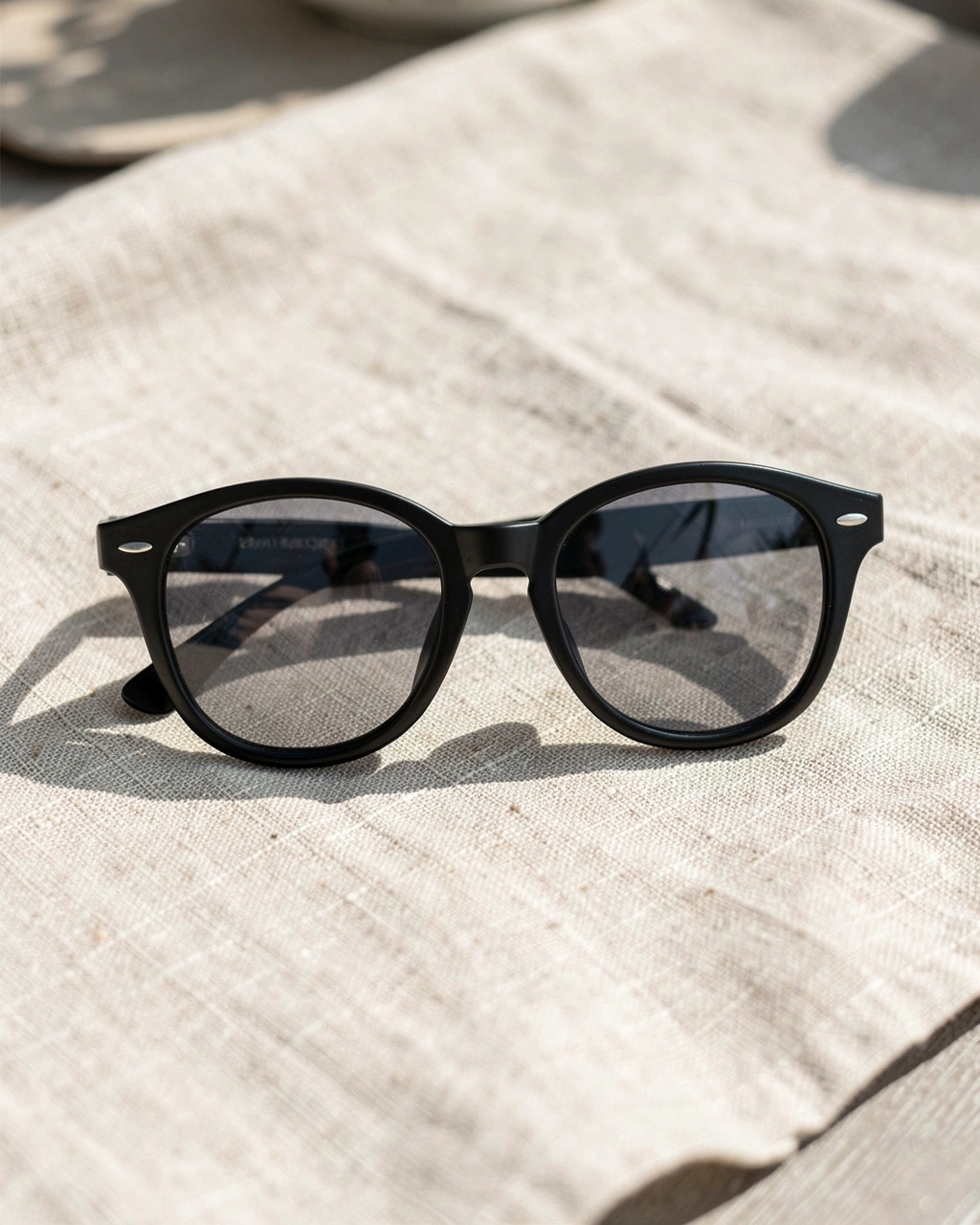
Non prescription, UV400 lenses, 52 19 145
$85
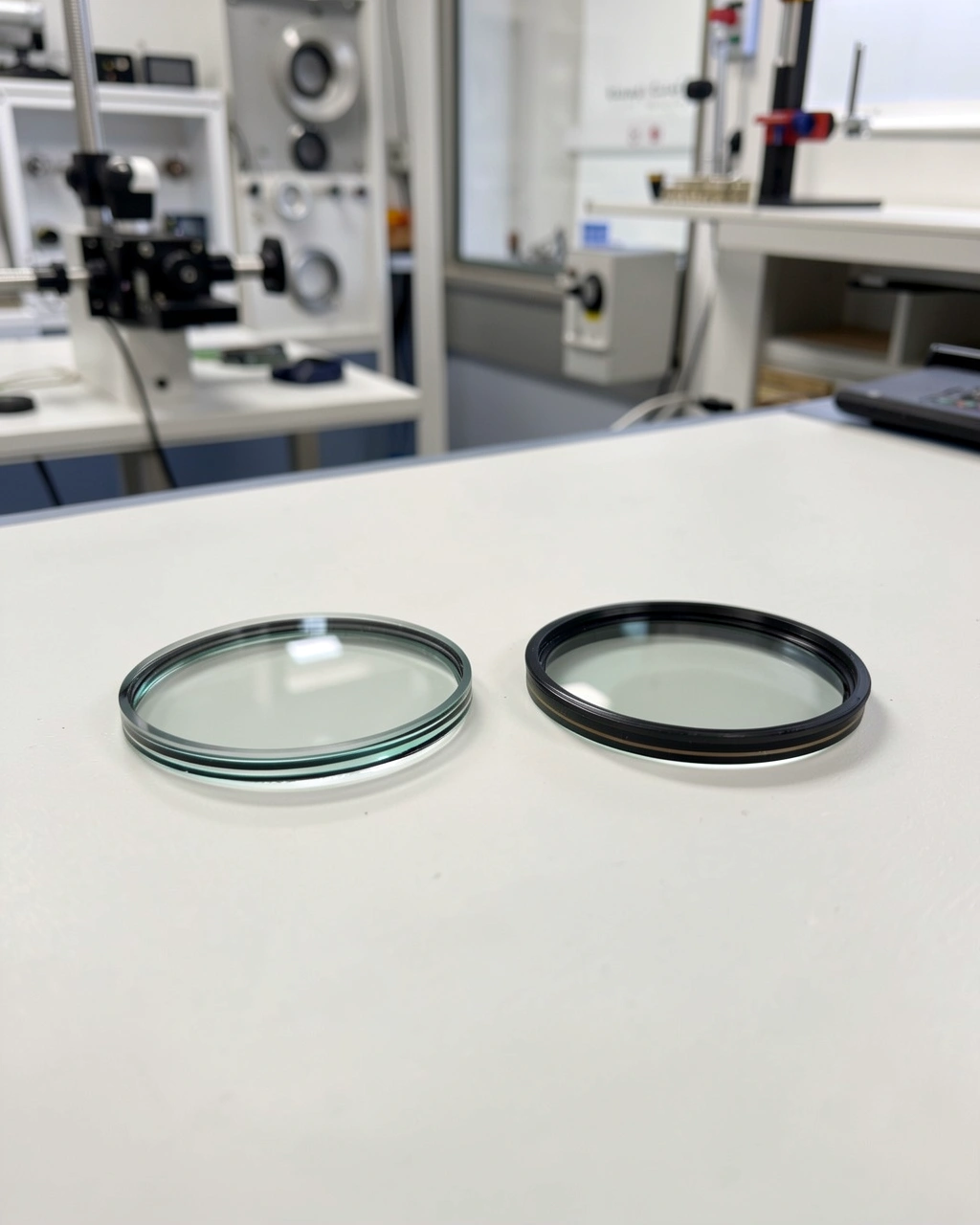
A pair, glazed into your chosen frame
$60
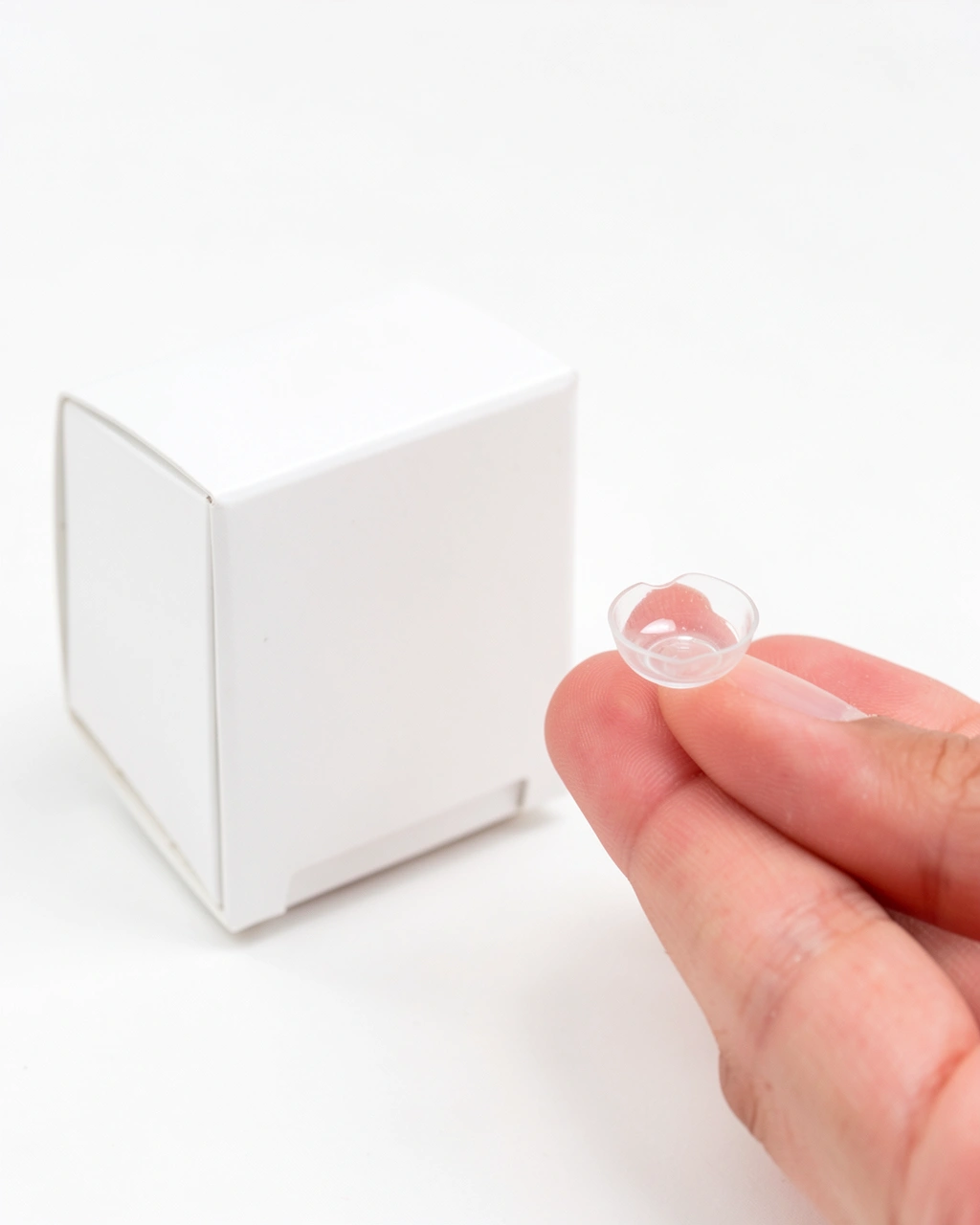
For wearers with a current contact lens fitting
$32

Glasses are glazed only to a valid, in date prescription, and contact lenses go only to wearers with a current fitting; the rules on both vary by country. Delivery goes on at checkout, and unworn frames come back within 30 days, though lenses cut to a prescription cannot.
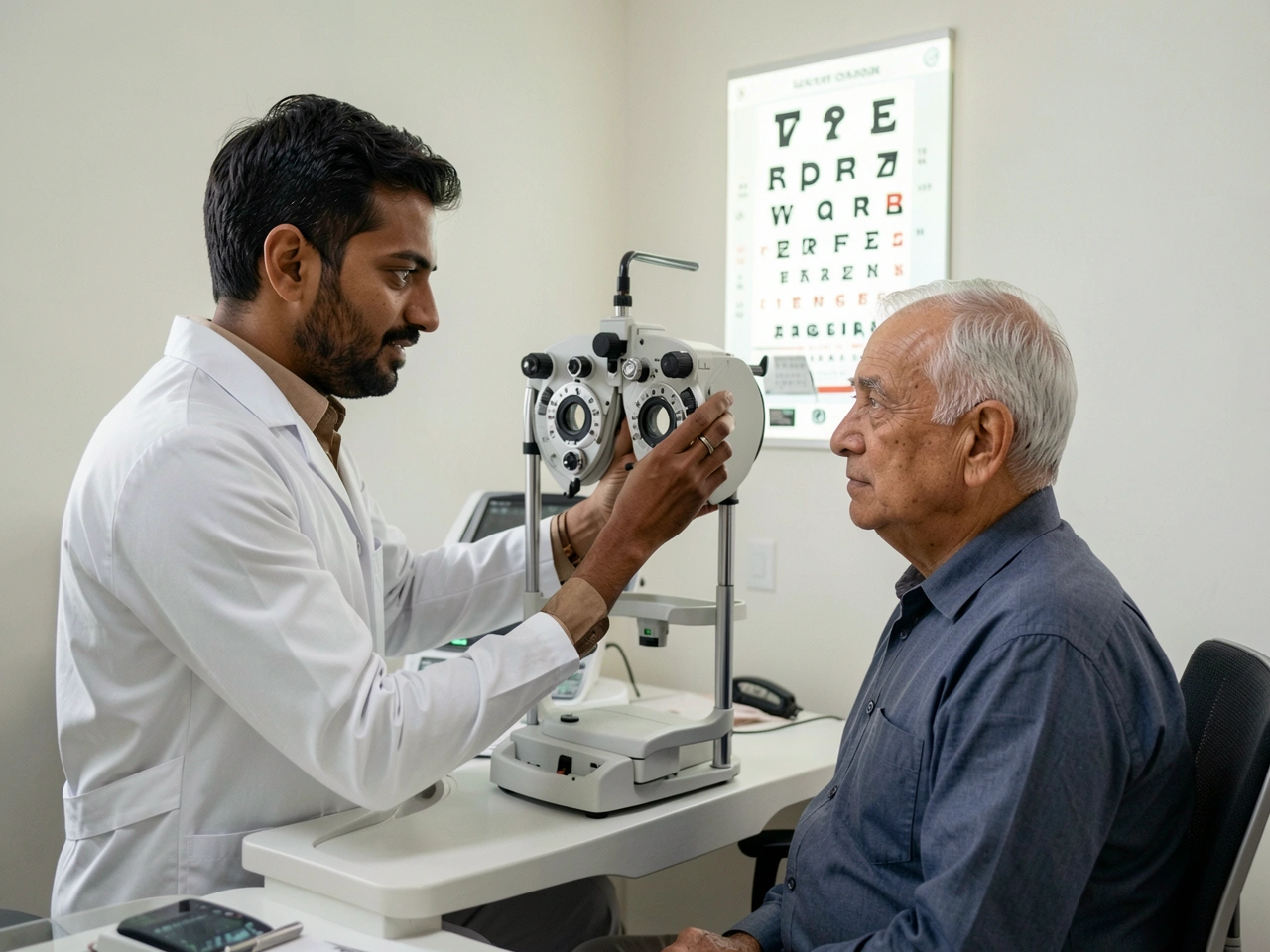
An eye test with a qualified optometrist measures your prescription and checks the health of your eyes, which no mirror can do. Tests take about 30 minutes in our testing room and start at $35, and where a local health scheme covers tests, ask and we will tell you how it works here.
Prescriptions follow the rules of the country you live in: some set an expiry date, some require a separate fitting for contact lenses, and some limit who may dispense. If an eye is painful or red, your sight changes suddenly, or you see flashes or a shadow, do not wait for a shop appointment: call your local emergency number or go to an urgent eye service.
Your optometrist and dispensing optician recommend lenses for your prescription and your day. Prices are a starting point for a pair, on top of the frame.
| Lens | Who it suits | From |
|---|---|---|
| Single vision | One distance: reading, or far, or the screen | $60 |
| Varifocal | Near, middle and far in one lens, after a few days of getting used to it | $220 |
| Office lenses | Desk and screen distances for long days at a computer | $150 |
| Thinner index | Stronger prescriptions that would otherwise look thick | add $40 |
| Anti reflection coating | Glare from screens and headlights, and clearer looking lenses | add $35 |
| Light reactive | Lenses that darken outdoors and clear again indoors | add $70 |
| Prescription sun lenses | Tinted or polarised lenses made to your prescription | add $60 |
Most single vision glasses are ready in 7 to 10 working days, and varifocals take a little longer.
Frames are tried at the mirror with a dispensing optician, who checks the width, the bridge and where the arms rest.
Your pupil distance and the height of each pupil in the frame are measured, so the centre of each lens sits right in front of your eye.
Lenses are made to your prescription and fitted to the frame, then checked against the prescription before we call you.
The frame is shaped to your face at collection, and later adjustments are made at the counter on the spot.
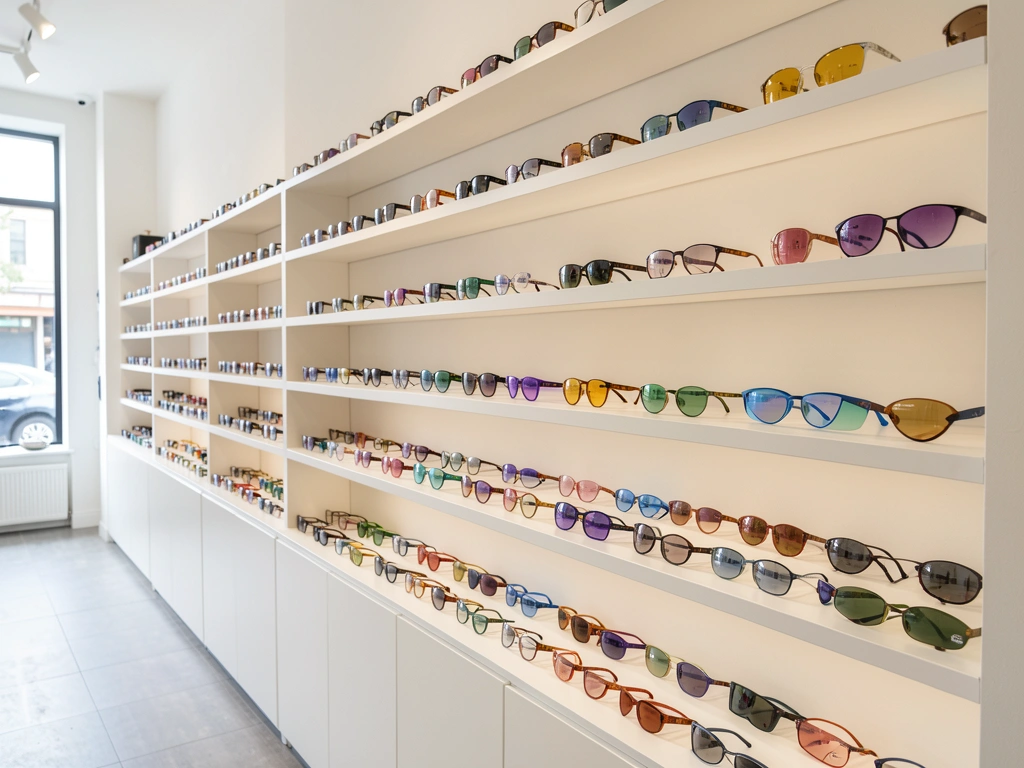
Frames on open shelves, and a mirror at every turn.
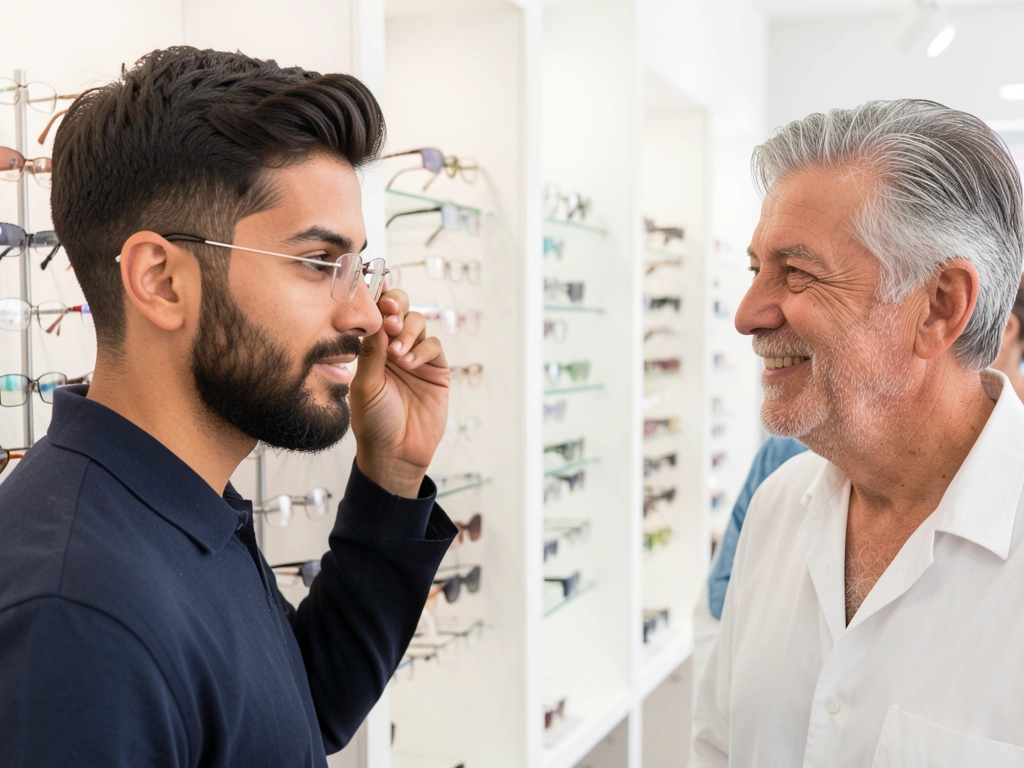
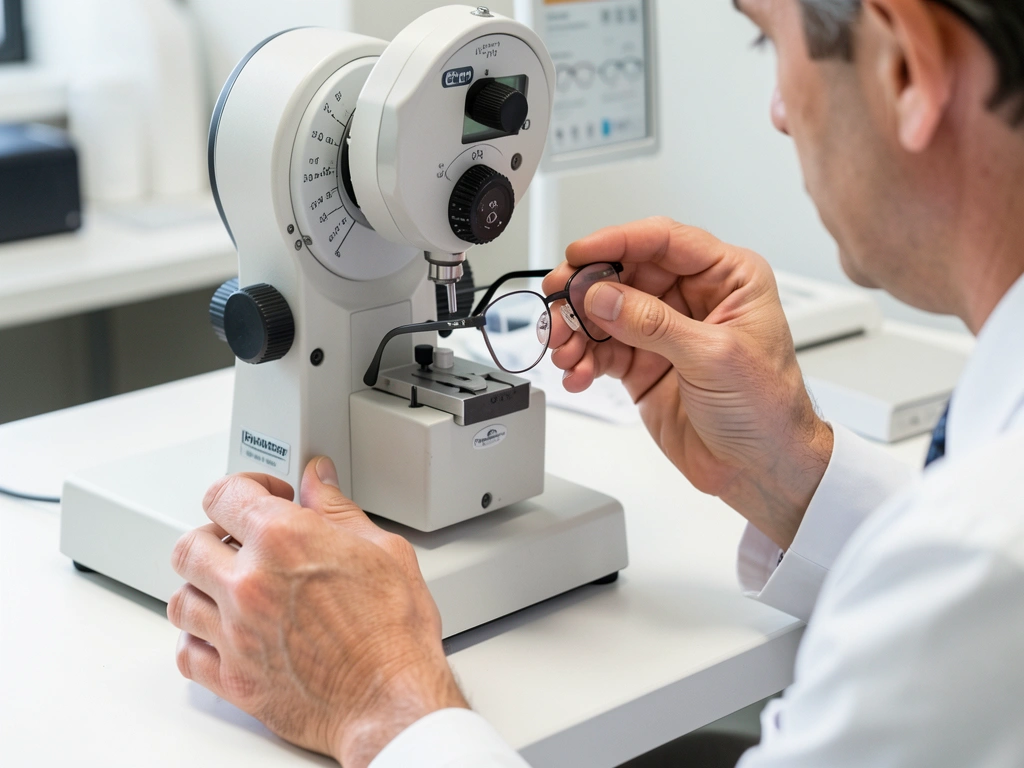
The optometrist took time to explain why the reading prescription had changed, and the dispensing optician talked through three lens options with no pressure at all.
First varifocals, and the fitting height was measured twice. One small adjustment after a week, and they have been comfortable ever since.
Brought a recent prescription from a test elsewhere and had polarised prescription sunglasses made up inside two weeks.
Yes, with a current written prescription from a qualified eye care professional, as long as it is still valid under the rules where you live. We read it through with you, take your measurements in the shop and glaze the lenses to it exactly.
As often as your optometrist advises. That depends on your age, your health and your prescription; adults are commonly seen every two years, while children and anyone with certain health conditions are usually seen sooner.
Not from us. Contact lenses sit on the eye, so we sell them only to wearers who have had a contact lens fitting and hold a current specification, which many countries require by law.
A few days of settling in is normal, especially with a stronger prescription or a first pair of varifocals. If they still feel wrong after two weeks, come back: we recheck the measurements and the lenses and put right anything that is out.
Often, if the frame is sound and its shape suits the lens. We inspect it first, and we say plainly when an old frame might not survive glazing.
Loose screws, nose pads and bent arms are usually sorted at the counter on the spot. Snapped acetate and broken hinges can sometimes be repaired, with a price agreed before any work starts.
Say what you need and which day suits you best. We confirm a time for an eye test, or call back about lenses, within one working day, and tests with a qualified optometrist start at $35.
Trying frames needs no appointment. Eye tests run by request, so ask ahead for a time.
Shop on the high street side of the arcade, with a level entrance and no steps
| Monday to Friday | 09:00 to 18:00 |
| Saturday | 09:00 to 17:00 |
| Sunday | Closed |
Your current glasses or contact lenses, any written prescription you hold and the names of the medicines you take. Each of them helps the optometrist compare and decide what to check.
This eyewear store website was built by AI from two sentences. Tell us about your business and yours is built the same way, with its pages, photos and booking in place, ready to preview in minutes.
About this sample page
Frame and Lens Eyewear is a made up optician, and its one page shop shows how an eyewear business can sell online while keeping the eye test first. Frames and sunglasses sit near the top with prices, colour choices and an Add to bag button, while varifocals carry an Enquire button. A section on eye tests names the qualified optometrist and says that prescription rules vary by country. A lens table and four fitting steps explain what happens between the mirror and the case. Three example reviews and six questions about fittings and repairs close the page with what buyers check before ordering.
To start, an optician gives AI Web Maker a few lines about the practice. The first draft comes back as a store with frame cards, a bag and a request form for eye tests. Shoppers pick a colour or lens thickness, delivery is costed at checkout, and a second pair offer can run on a discount code. Each eye test request comes through that form, to be accepted, moved or declined by the practice. From launch the practice pays $119 a year for hosting, plus its chosen domain. The sample page goes through every section of the shop in more detail.