Cataracts
Clouding of the lens inside the eye that makes sight dim, hazy or dazzled by lights. We assess whether surgery is worth it for you now.
first visit$240
Kestrel Eye Clinic is a team of ophthalmologists, doctors who specialise in eyes, assessing cataracts, glaucoma, macular conditions and other vision problems. We explain every test and option in plain words, write to your optometrist and doctor, and carry out cataract surgery when it is the right choice for you.
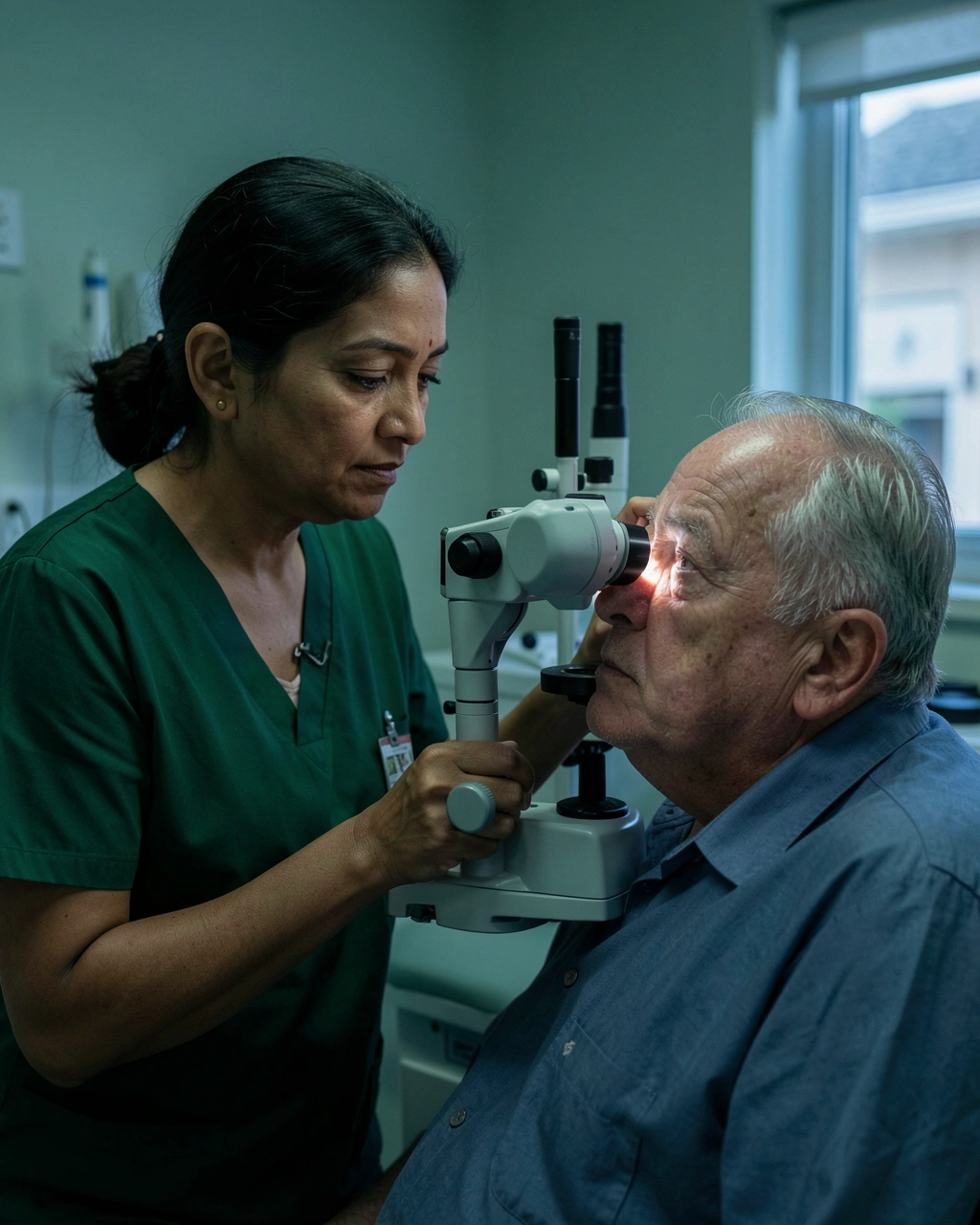
Sudden loss or blurring of vision, a curtain across your sight, a burst of new flashes or floaters, or a painful red eye need urgent care today. Skip the booking form: phone the clinic, or call your local emergency number.
Phone Kestrel nowEvery first visit is with a consultant ophthalmologist. Prices are for that first consultation, including the tests needed on the day.
Clouding of the lens inside the eye that makes sight dim, hazy or dazzled by lights. We assess whether surgery is worth it for you now.
Raised pressure or damage to the optic nerve that can slowly narrow the field of vision. Tests track it over time, and drops, laser or surgery may be offered.
Changes at the centre of the retina, such as age related macular degeneration, looked at closely with a detailed scan called OCT.
Follow up when screening has found changes in the retina linked to diabetes, working alongside the care from your own doctor.
Lasting grittiness, watering or burning, with a look at the eyelids and tear film and a plan you can follow at home.
Lumps, drooping lids and lashes that turn inwards, assessed for minor surgery where it is likely to be worthwhile.
Kestrel does not offer routine sight tests for glasses; an optometrist is the right place for those. Most patients come with a referral letter, and in some countries insurers or public schemes will only contribute when there is one.
Most patients are seen within three weeks of the referral reaching us, and sooner when the doctor reading it decides it cannot wait.
From your optometrist or doctor, or from you directly if you have no letter. A referral tells us what has already been found.
An ophthalmologist reads every referral within two working days and decides how soon you need to be seen.
Vision, eye pressure and scans, usually with drops to widen the pupils, then time with the consultant to go through the results.
You leave with the plan in plain words, and a letter goes to your optometrist and doctor the same day.
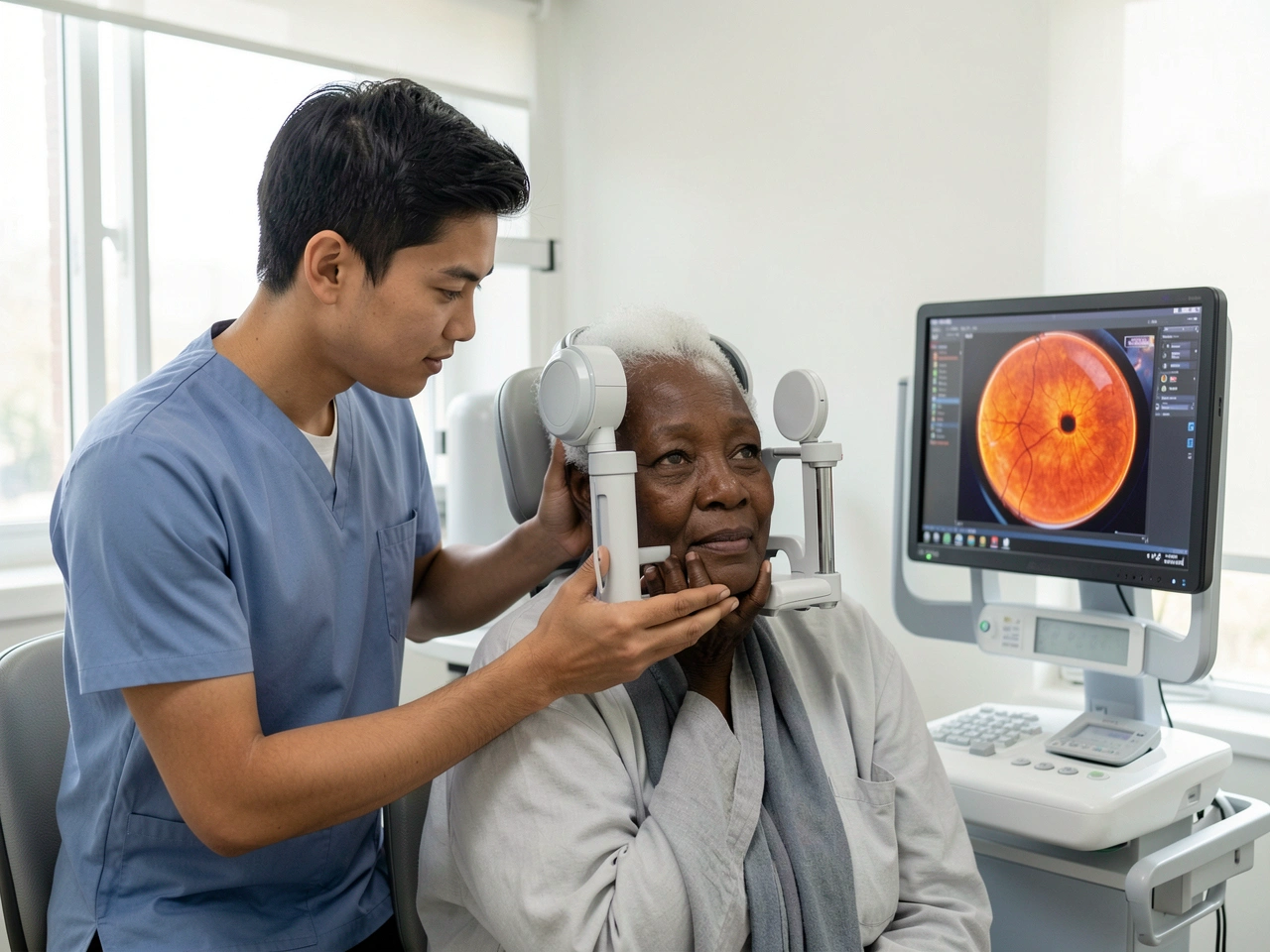
Most first visits involve drops that widen the pupils so the back of the eye can be seen clearly. They take about twenty minutes to work and leave sight blurred and sensitive to light for four to six hours, so please do not drive yourself home.
While the drops work, a technician photographs the retina and takes a scan called OCT, which shows the layers at the back of the eye in fine detail. Neither test touches the eye, and both are explained before they begin.
If surgery is recommended and you choose it, this is the usual path. Your surgeon explains the risks for your own eyes in writing before you decide.
| Stage | What happens | Usually |
|---|---|---|
| Pre assessment | Measurements of the eye to choose the strength of the new lens, and a check of your general health | About 90 minutes, a few weeks before |
| Surgery day | Numbing drops, the cloudy lens replaced through a tiny opening, and home the same day with a shield | 20 to 30 minutes in theatre |
| First weeks | Eye drops several times a day, the shield at night, no swimming and no eye makeup | About four weeks of drops |
| Review | A check of healing, then a new glasses test with your optometrist | Two to six weeks after |
No operation can promise a perfect result, and the surgeon talks through the risks, including the uncommon ones, before you sign anything. Most people have one eye done at a time, with the second, if needed, a few weeks later.
Examination rooms with dimmable lights, an imaging room for scans and a quiet bay for the hour after surgery.
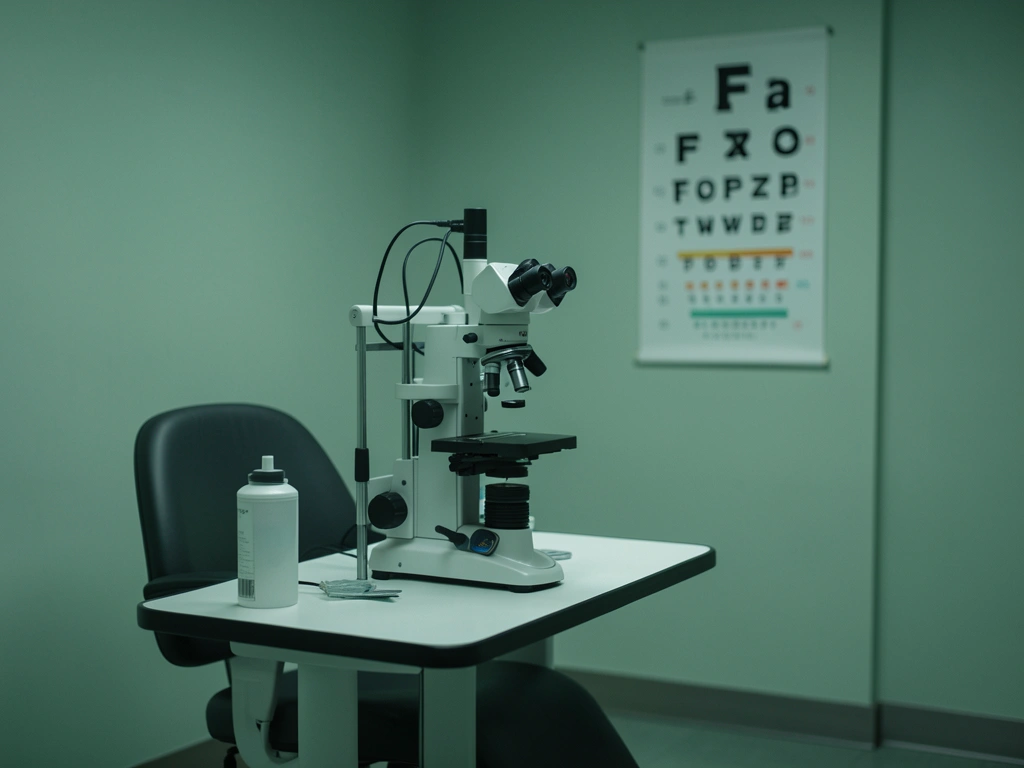
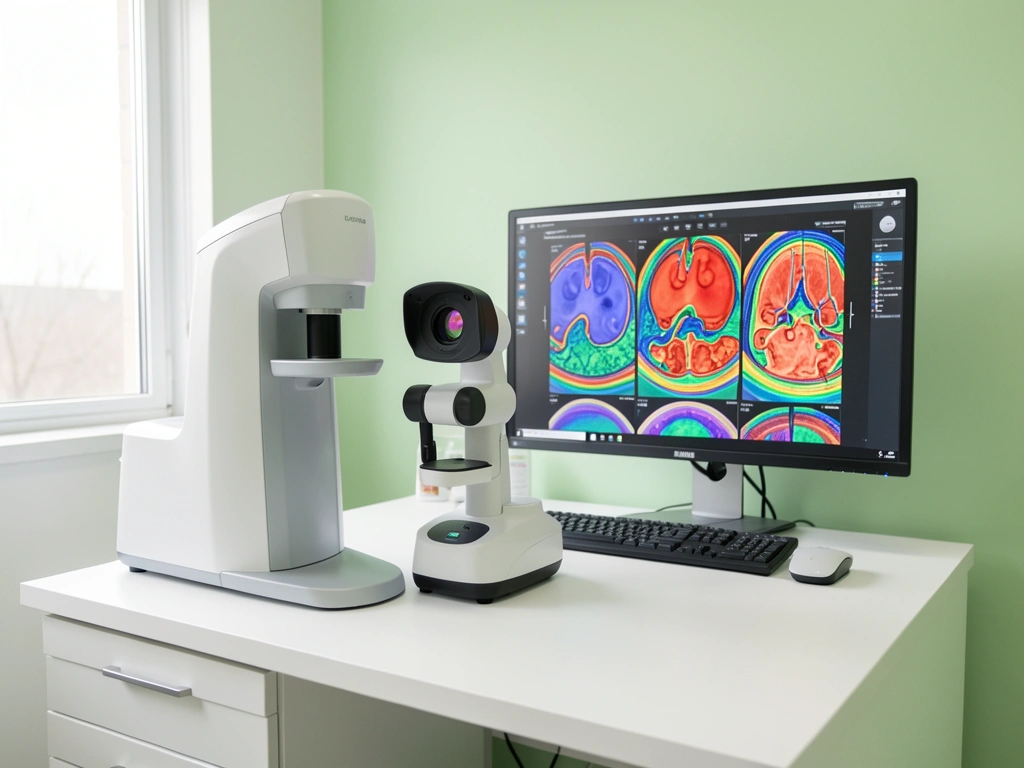
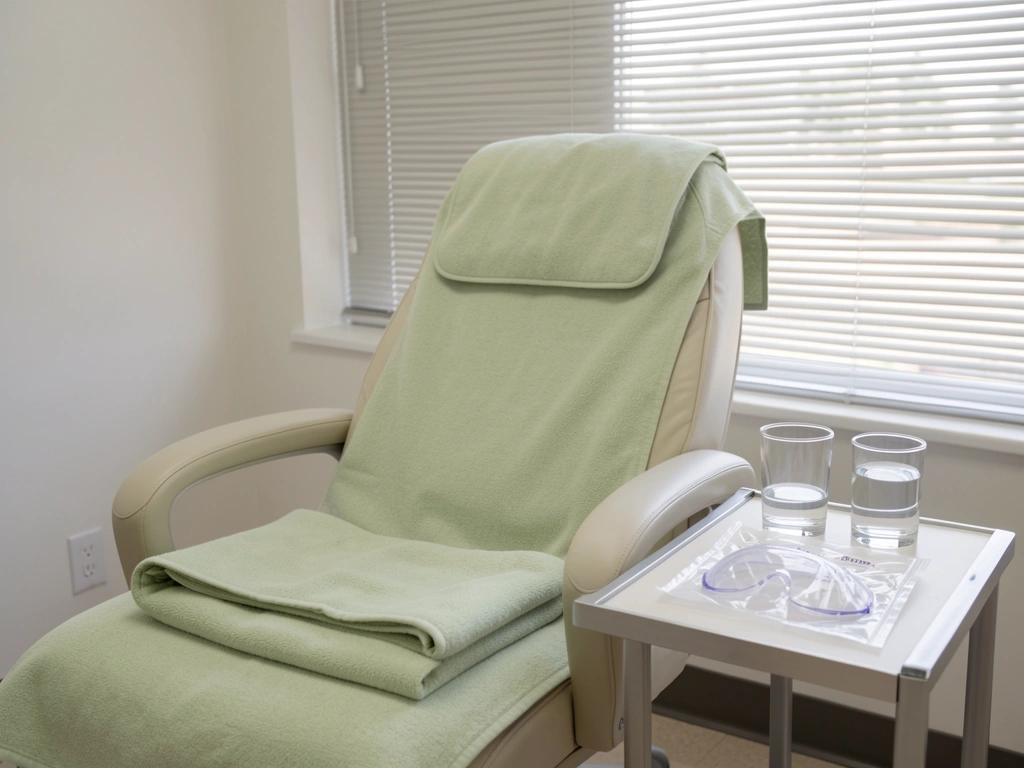
Fees cover the tests needed on the day. Any further treatment is quoted in writing before it is booked.
fixed fee$240
per visit$160
from$3,200
Insurance, public schemes and referral rules differ between countries and between plans, so check what applies before your visit. Consultations are paid on the day; surgery is paid in two parts, at booking and on the day of the operation.
Use this form for planned appointments only. Say who referred you, which eye is affected and what has changed, and a member of the team replies within two working days with a date.
If your vision changes suddenly, this form is the wrong route. Phone the clinic straight away, or call your local emergency number.
The scans were put up on a big screen and every layer was explained. Surgery was quicker than expected, and the drops chart on the fridge made the following weeks simple to keep track of.
Glaucoma sounded frightening until the consultant set the nerve scans side by side and showed why the drops matter. Visits every six months now feel routine.
Came without a referral and was still seen within the fortnight. The warning about not driving after the drops saved a lot of trouble.
An optometrist examines eyes, measures prescriptions and spots problems. An ophthalmologist is a medical doctor who specialises in eyes, diagnoses and treats eye disease and performs surgery. Exact titles and roles vary between countries.
Yes, a request can be sent without one. Many insurers and public schemes do want a referral before they pay, and the rules depend on your country and plan.
When cloudy sight gets in the way of things that matter to you, such as reading, driving or recognising faces. There is rarely a rush, and the consultant explains the likely benefit and the risks for your eyes before you decide.
No. Treatment aims to slow or stop further damage, so regular checks and using drops as prescribed matter even when nothing seems wrong.
Most people feel a brief sting for a few seconds. The blurring lasts longer, usually four to six hours, which is why driving afterwards is not safe.
No. Sudden loss or blurring of vision, a curtain or shadow across your sight, new flashes or floaters, or a painful red eye need urgent care the same day. Phone the clinic during opening hours, and at other times go to an emergency eye service or ring your local emergency number.
Drivers collecting patients after drops can wait in the bays by the entrance, and the waiting room keeps its lights low for dilated eyes.
Ground floor of a day surgery centre on the edge of town, with drop off bays at the entrance
| Monday to Thursday | 08:00 to 18:00 |
| Friday | 08:00 to 16:00 |
| Saturday | Surgery lists only |
| Sunday | Closed |
In the first weeks after surgery, call the clinic number during opening hours to speak to a nurse. Outside those hours, the number on your discharge letter reaches the eye doctor on call.
This eye clinic website was built by AI from two sentences. Tell us about your business and yours is built the same way, with its pages, photos and booking in place, ready to preview in minutes.
About this sample page
Kestrel Eye Clinic does not exist, and its page shows how an eye clinic on AI Web Maker can serve patients who arrive anxious and with a referral. Focus brackets close in on a slit lamp photograph in the opening view, and a red band below it lists the sudden changes in sight that need urgent care. Six condition cards follow, then the referral route in four steps and a section on dilating drops and scans. A dark table sets out cataract surgery, and photos, fees and a form for planned appointments come after it. Reviews, six answers and directions finish the page. Safety comes first, facts second and fees third, which is the order patients need.
A real clinic would start by describing its specialists, the conditions they treat and how referrals arrive, and the builder would draft a page along these lines. Its doctors should then rewrite every condition card and surgery stage in their own words and approve the urgent warning. Requests come in for the clinic to confirm, rearrange or decline, and patients pay the clinic directly. From publication onward, keeping a page like Kestrel's online costs $119 across a year, or $19 across a month, with the clinic's domain bought on its own. Keep the red band, the note about driving after drops and the honest line about surgery, because those are what protect patients.