Reptiles
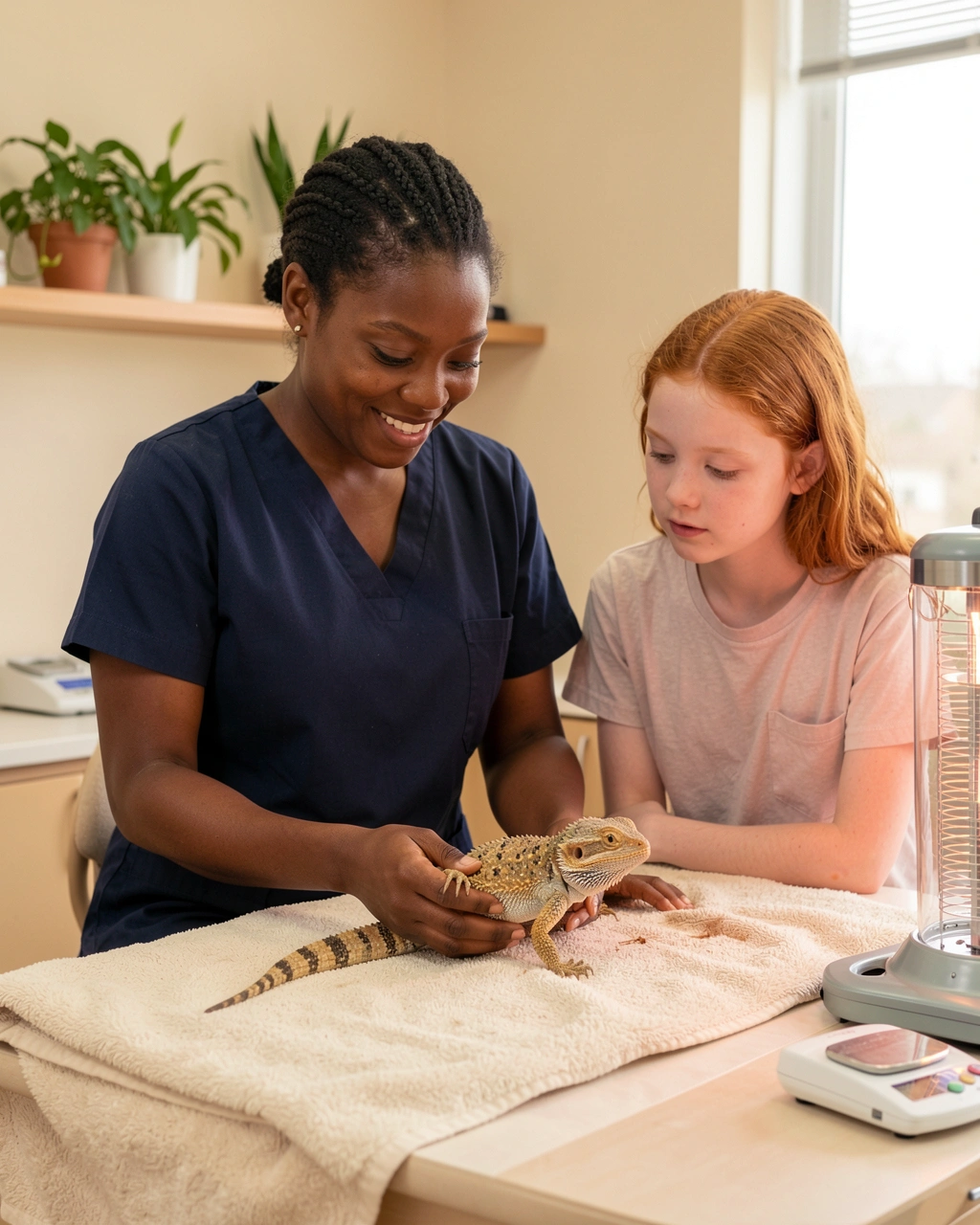
Lizards, snakes, tortoises and turtles, from bearded dragons and leopard geckos to corn snakes. Rooms are heated, and we go through temperatures, lighting and diet with you.
Scales and Feathers Exotic Vets sees only reptiles, birds and small mammals. Consulting rooms are kept warm and quiet, every patient is weighed to the gram, and most visits end with a look at how the animal is housed and fed, because that is where many problems begin.
Emergency? If your pet is bleeding, struggling to breathe, collapsed, fitting, has stopped eating or passing droppings, or has been caught by a cat or dog, phone us now during opening hours. Outside them, call your nearest emergency vet and say which species you have.
Call +44 20 7946 0236Three groups of animals with very different needs, and a clinic set up for all three.
Lizards, snakes, tortoises and turtles, from bearded dragons and leopard geckos to corn snakes. Rooms are heated, and we go through temperatures, lighting and diet with you.
Parrots, cockatiels, budgerigars, canaries, finches and backyard hens. Birds hide illness well, so we see them in a dim room and keep handling short.
Rabbits, guinea pigs, ferrets, rats, chinchillas, degus and hamsters. Teeth, diet and weight are checked at every visit, and bonded pairs come in together.
We do not see venomous species, primates or fish. If you cannot tell whether we treat your animal, ring before you travel.
Tests, X rays and medicines are priced separately, and every cost is explained before anything is done.
40 minutes$55
30 minutes$68
30 minutes, pet optional$45
15 minutes$28
A test is suggested only when its answer would change what we do next.
| Check | What it involves | From |
|---|---|---|
| Faecal parasite check | A fresh dropping looked at under the microscope, usually while you wait | $30 |
| Blood sample | A tiny sample, sized to the animal's weight, sent to a laboratory | $85 |
| X rays | Gentle restraint or a short anaesthetic, depending on the species | $120 |
| Dental check for rabbits and guinea pigs | The back teeth examined properly under anaesthetic, and trimmed if needed | $160 |
| Tortoise check before hibernation | Weight, body condition and a faecal check in late summer | $50 |
| DNA sexing for birds | A few feathers or a drop of blood sent away for testing | $35 |
Every price is confirmed before a sample is taken, and nothing is done without your agreement.
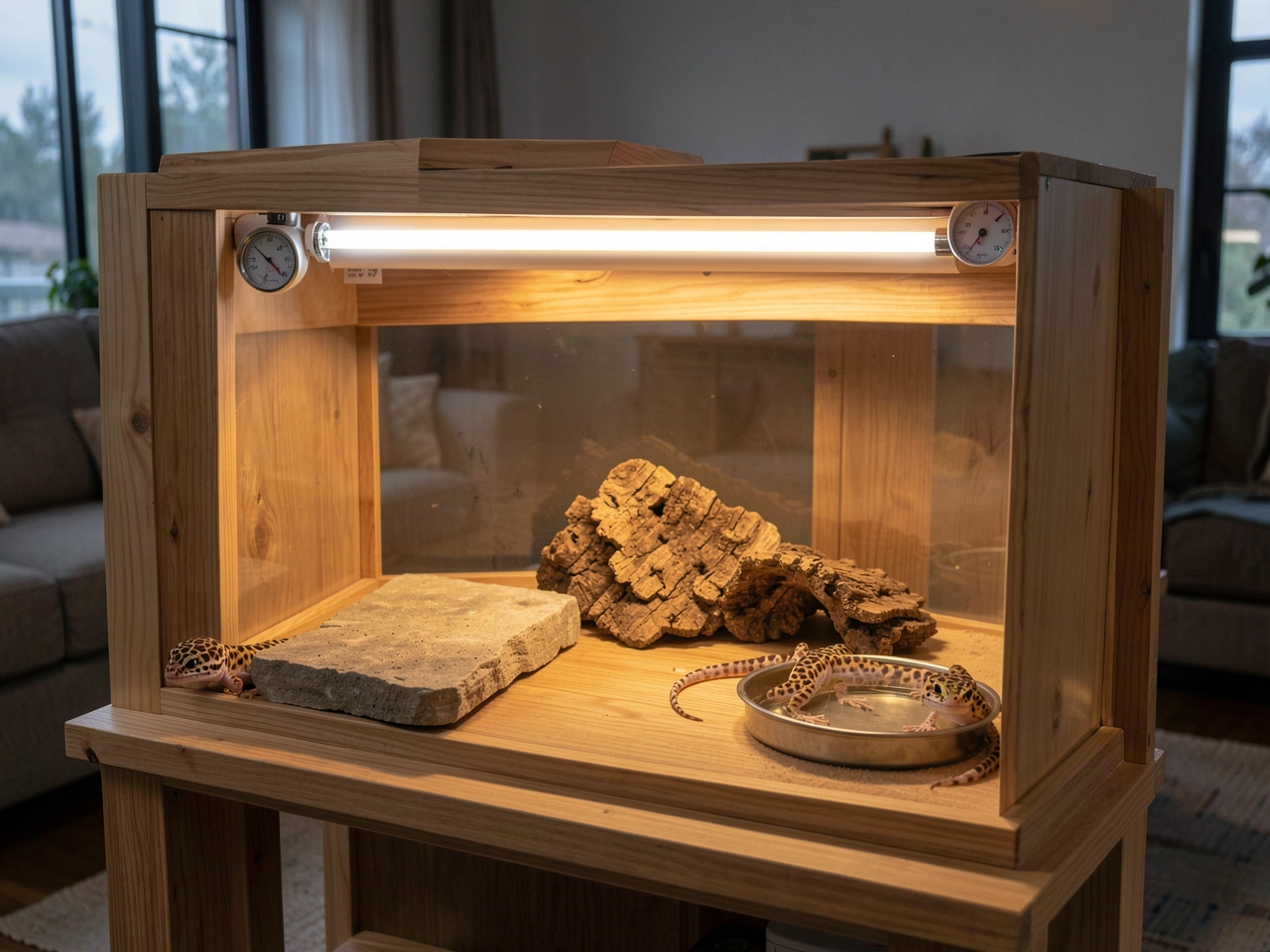
Many of the reptiles, birds and small mammals we see are unwell because something about their home is slightly off: a basking spot a few degrees too cool, an ultraviolet lamp that has quietly stopped working, a diet heavy in seed or light in hay. None of this shows in the animal on the table, so we ask about the setup at every visit.
Bring photos of the enclosure on your phone, the temperatures at the warm and cool ends, the age of any UV lamp and a list of what your pet ate this week. A husbandry review can be booked on its own, with or without the animal, and ends with a short written list of changes.
A calm journey makes for a calmer examination. These habits help every species we see.
Keep the car warm for reptiles, never hot, and take the shortest route. If the waiting room is busy, wait in the car and we will call you in, so a rabbit never sits beside a ferret or a budgerigar beside a python.
Patients photographed with their owners' agreement.
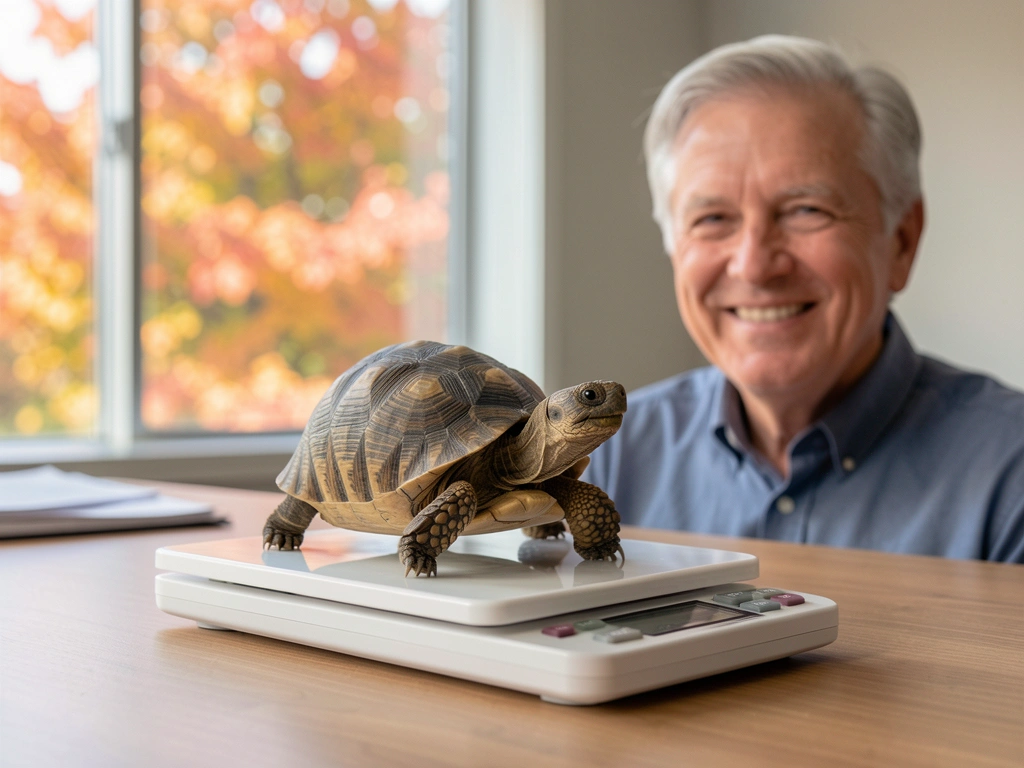
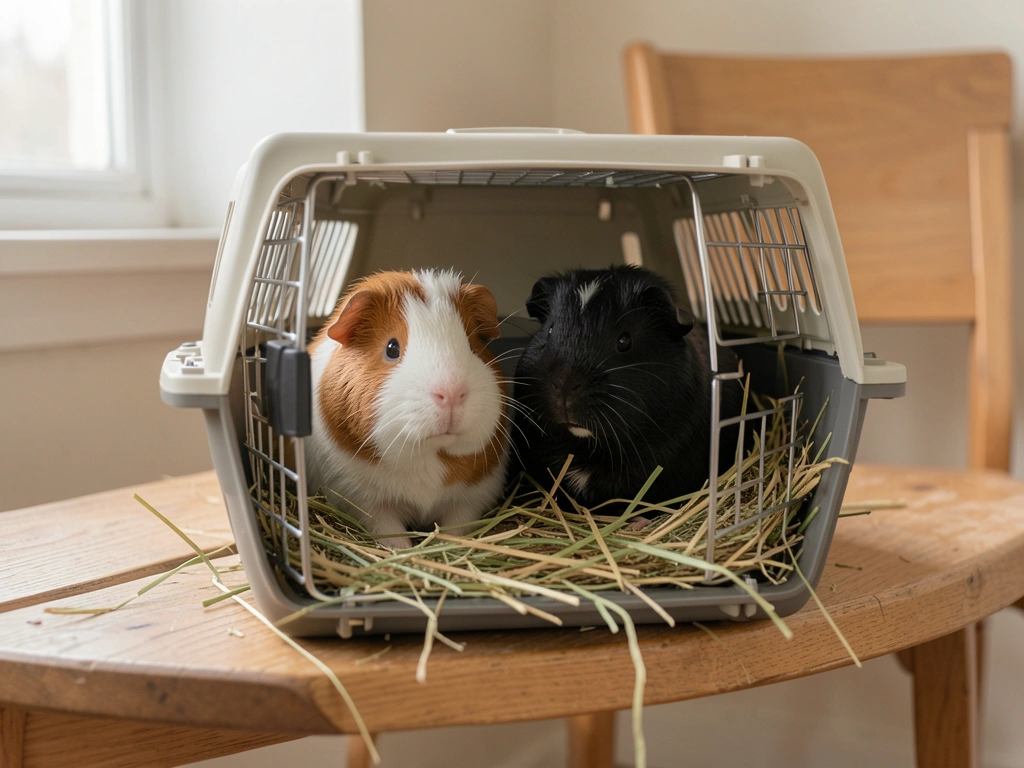
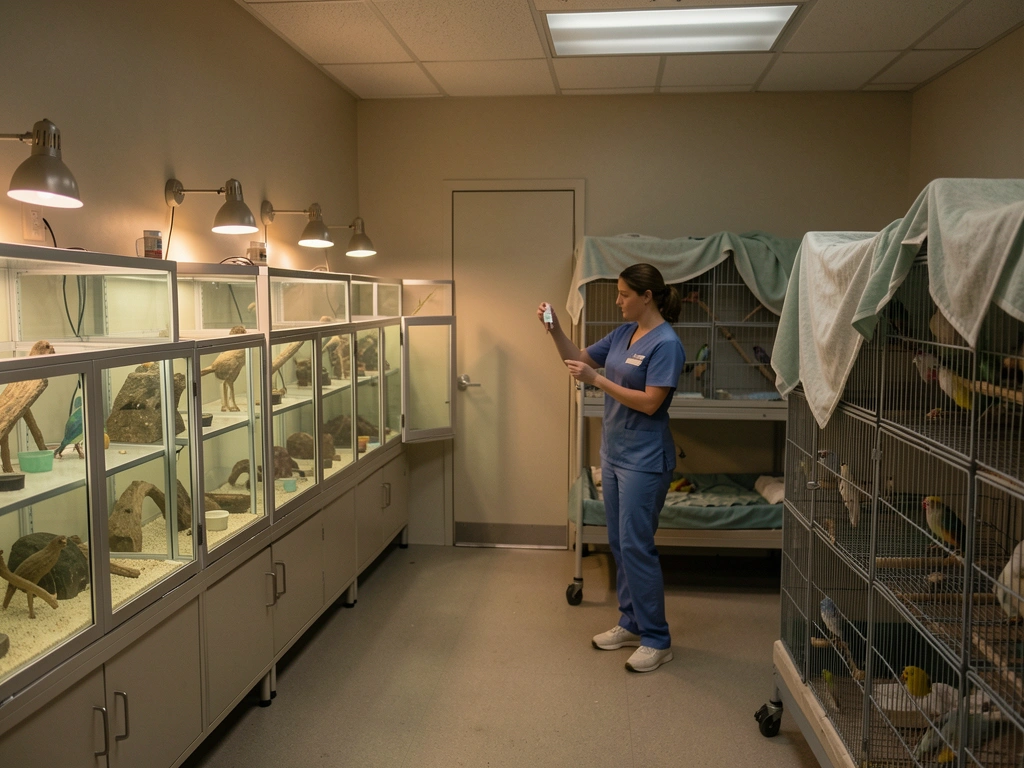
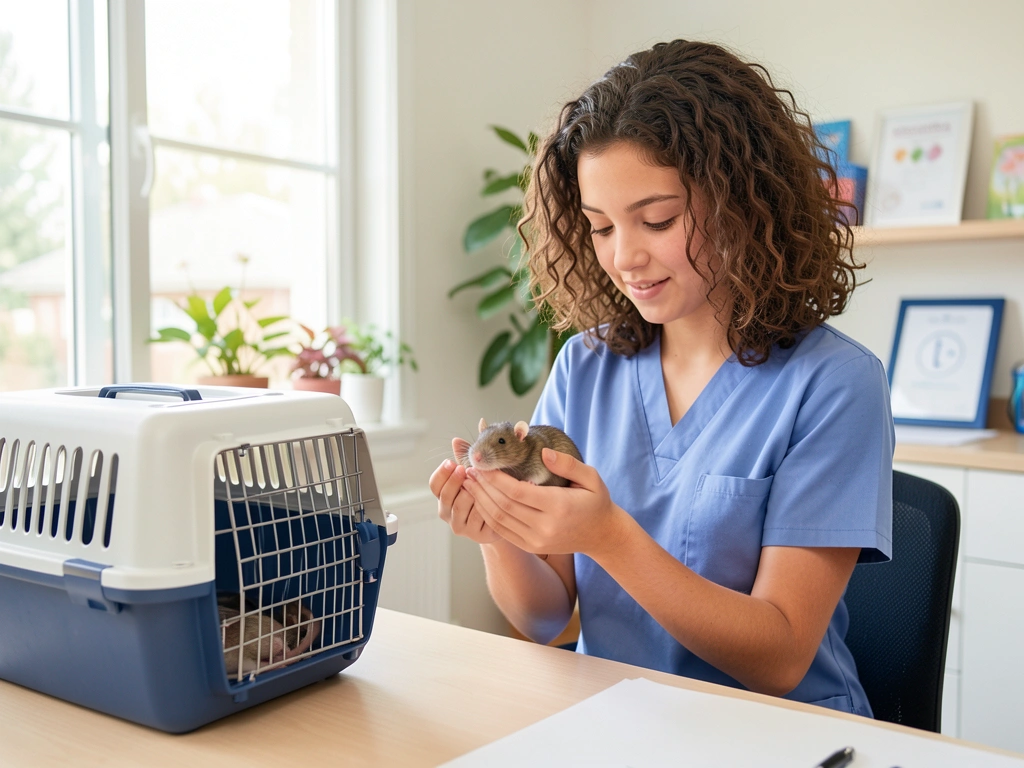
Our leopard gecko had stopped eating for weeks. The vet asked about the heat mat before anything else, found it was barely warming the tank, and a fortnight after a new thermostat she was hunting crickets again.
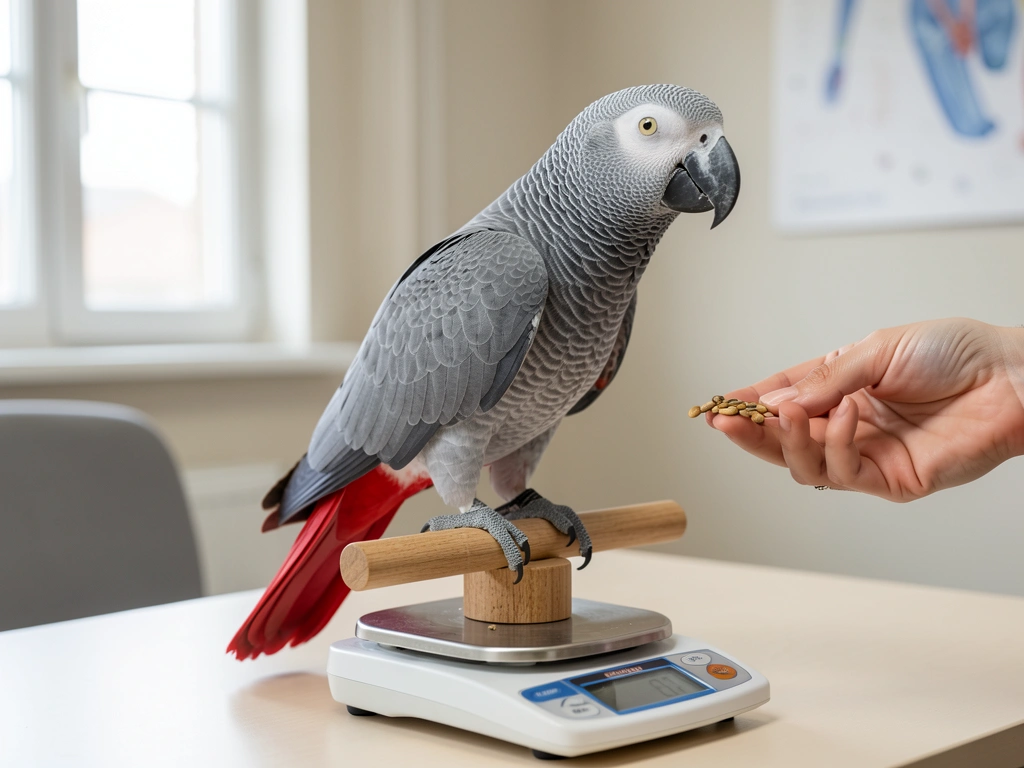
Our grey parrot hates being handled. The visit was short, the room was dim and quiet, and he was weighed standing on a perch rather than wrapped in a towel. He even took a seed on the way out.
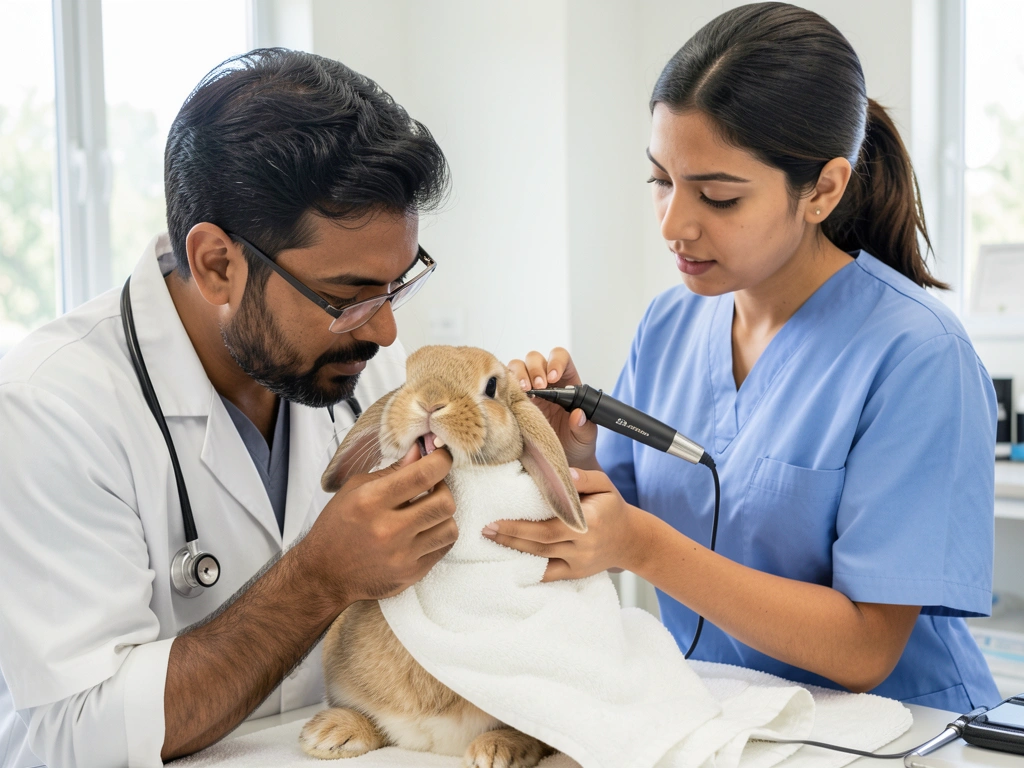
Two rabbits, a dental check each, and a clear quote before the anaesthetic. They came home together that afternoon and were eating hay by the evening.
Bleeding, struggling to breathe, collapse, fits, a bird sitting fluffed up on the cage floor, a rabbit or guinea pig that has stopped eating or passing droppings, or any animal caught by a cat or dog. Phone us at once during opening hours; outside them, call your nearest emergency vet. Please never wait for a reply to the online form.
No. Keeping the clinic to exotic species means quiet waiting areas, warm rooms and equipment sized for small patients. We are happy to suggest a nearby practice for your other pets.
Small animals lose weight before they look ill, and a drop of 3 g matters to a budgerigar that weighs 35 g. Weighing at every visit builds a trend we can compare, and each weight goes on your pet's record.
Yes, a husbandry review works before the animal arrives too. Bring photos or a sketch of the enclosure and a list of the equipment you plan to buy, and we will go through heat, light, space and diet for the species you have in mind.
We do not keep tortoises over winter, but we check them before and after and talk through the method that suits the species. Some tortoises should not hibernate at all, so the first step is knowing exactly which species you have.
We explain what each test would tell us and what it costs before doing it, and nothing happens without your agreement. Payment is taken at the end of each visit.
Use this form for routine visits, checks and husbandry reviews. Tell us the species, the reason and the day that suits, and a nurse will come back to you with a time, another day, or a suggestion of a clinic better placed to help.
There is a quiet side room for birds and a heated one for reptiles, so tell the front desk what is in your carrier when you arrive.
West side of the city, two streets from the botanical gardens, with level access from the pavement
| Monday to Friday | 08:30 to 18:30 |
| Thursday | 08:30 to 20:00 |
| Saturday | 09:00 to 13:00 |
| Outside these hours | Your nearest emergency vet |
Outside our hours, call your nearest emergency vet and name the species before you set off, so they can check someone on duty treats it. Keep the clinic's number saved for the morning follow up.
This exotic pet vet website was built by AI from two sentences. Tell us about your business and yours is built the same way, with its pages, photos and booking in place, ready to preview in minutes.
About this sample page
The page for Scales and Feathers is built around two kinds of visitor, the owner planning a routine check and the owner whose pet is unwell now. It opens with a bearded dragon on a warm table, a bar chart of weight in grams and three facts about the clinic. A red emergency band follows immediately, so the worried owner finds the phone number before anything else. Species, appointments, specialist checks and the husbandry section then serve the planner, followed by travel tips, photos, reviews and six questions. The request form and the clinic's hours close the page. Each visitor finds their own route without wading through the other's.
A practice using the AI Web Maker builder describes its species, services and emergency arrangements, and edits the draft until it matches the clinic. Its own photos of consulting rooms, scales and patients, used with owners' agreement, should replace the sample images. Prices, opening hours and the out of hours arrangement need checking against the practice's real policies, and rules on veterinary practice vary by country. Appointment requests are accepted, moved or declined by the clinic, and fees are paid to it directly. The rest of this page looks at each section in turn.