Micro excavator, 1.5 tonnes
a day with operator, from$420
Back gardens, drain runs and tight yards where a bigger machine cannot reach.
Groundbreak digs foundations, drainage trenches and whole sites with machines from 1.5 to 14 tonnes and our own operators. Every job starts with a scan for buried services, and every quote names the machine, the days and the rate.
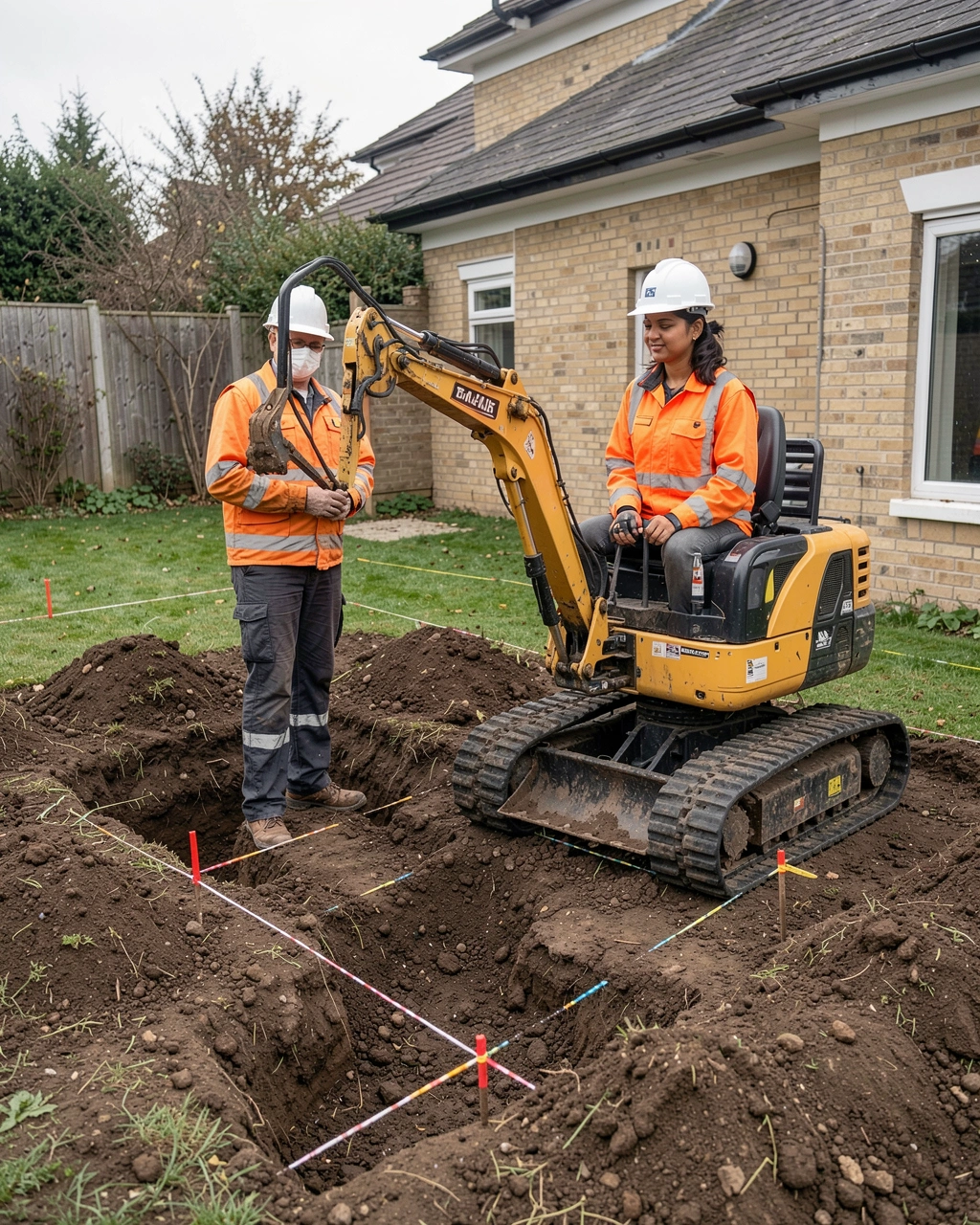
Every machine comes with one of our operators, fuel and a full set of buckets. Choose by access and by the size of the dig, or let us suggest one on the site visit.
a day with operator, from$420
Back gardens, drain runs and tight yards where a bigger machine cannot reach.
a day with operator, from$480
Extension footings, service trenches and patio dig outs, usually with a dumper alongside.
a day with operator, from$640
Driveway reductions, long drainage runs and bigger plots with room to work.
a day with operator, from$790
Site clearance, basements, pools and bulk digs on open sites.
Delivery to site is quoted separately. A dumper, a tipper lorry or a second operator is added only where the job needs one, and it is shown as its own line.
Fixed prices for the common jobs, worked out on the site visit. Larger or less predictable digs are quoted by the day.
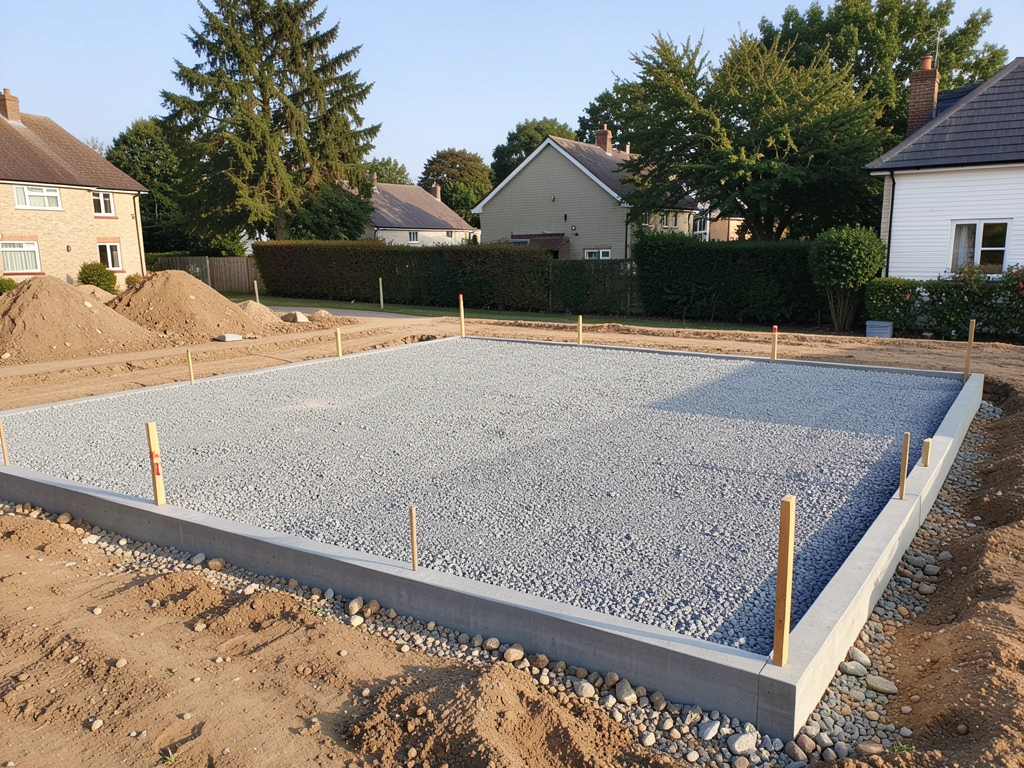
Strip or trench footings dug to the depth and width on your engineer's drawings, kept clean and ready for inspection.
Trenches for drains, water, power and ducts, bedded and backfilled once the pipes or cables are in and checked.
Scrub, old outbuildings, hardstanding and topsoil cleared, with topsoil kept on site for the garden if you want it.
Ground reduced to the depth your paving contractor needs, with the spoil loaded and taken away the same day.
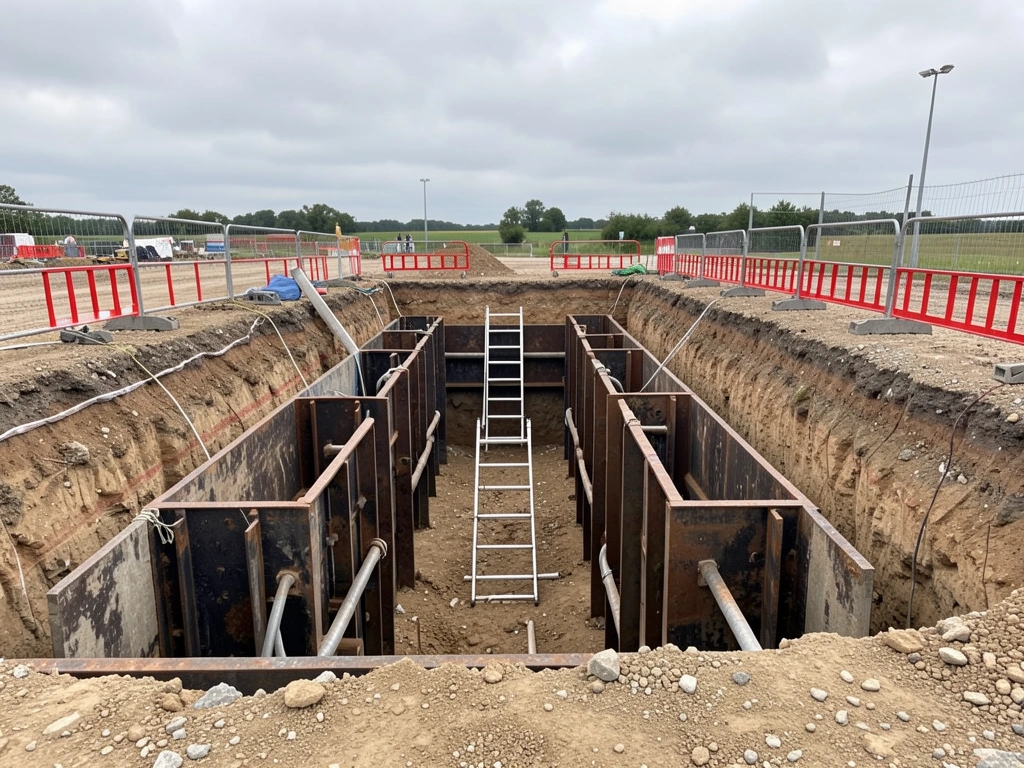
Bulk digs with the sides supported as we go and water pumped out, worked to the engineer's sequence.
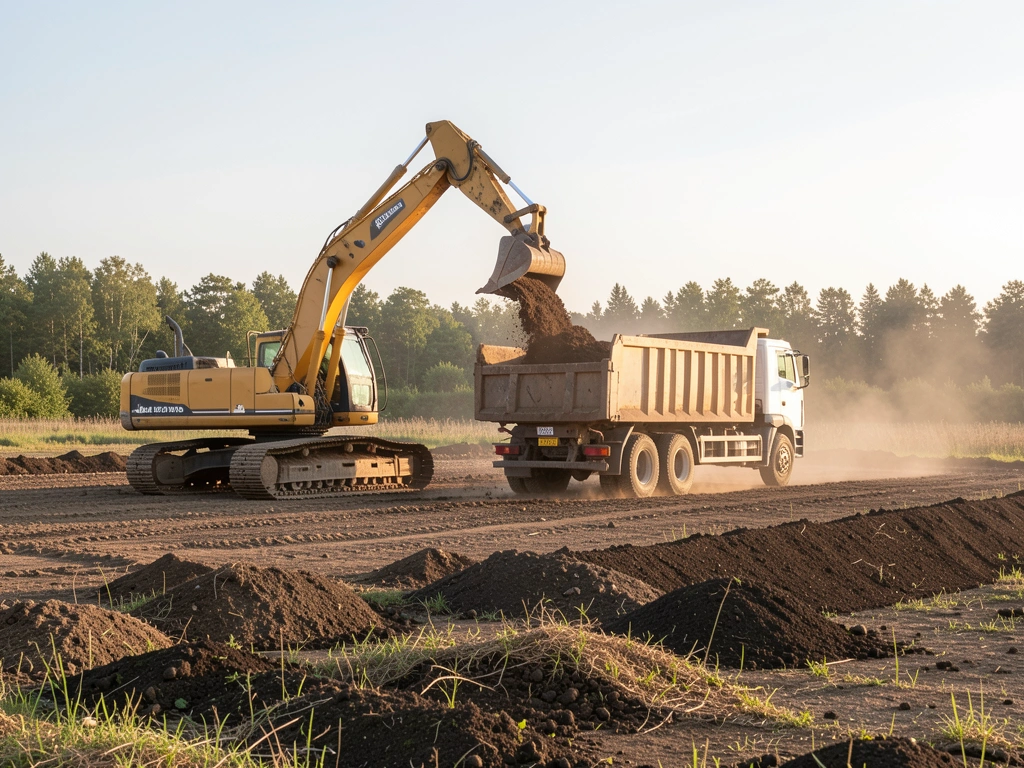
Spoil loaded into tipper lorries and taken to licensed tips, or moved around the site to build up levels.
Tip fees and the rules on where spoil can go vary by country and by city. The quote shows them as their own line.
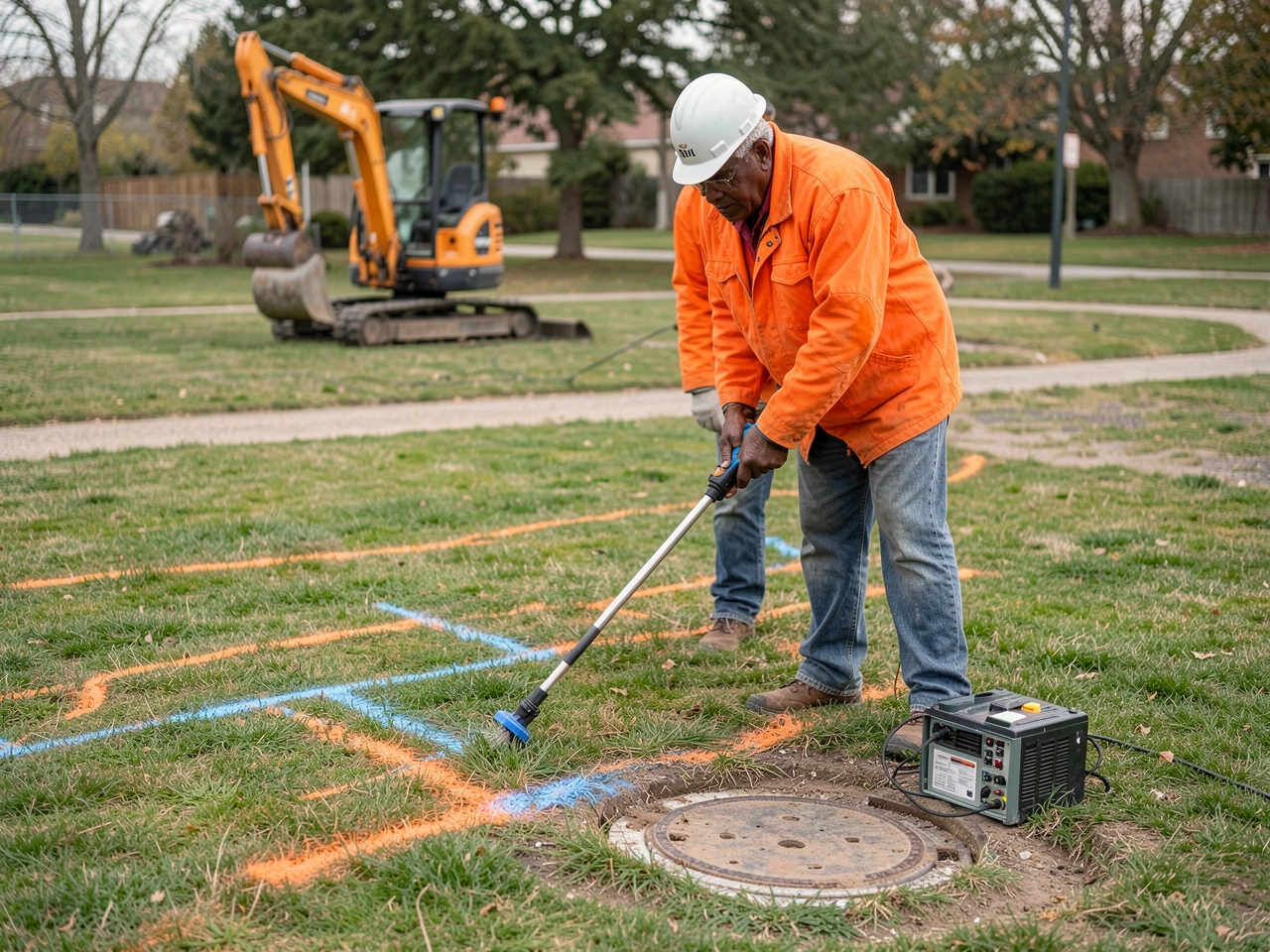
Cables, gas pipes and water mains are rarely where an old plan says they are. Before a bucket touches the ground, we gather the utility records for the site, sweep it with a cable locator and a signal generator, and mark every line we find in paint. Near any mark we dig by hand until the service is exposed, because locators can miss plastic pipes and dead cables. Many countries run a service that tells contractors what lies under a site before they dig, and we use it wherever it exists.
Typical pairings from recent jobs. Ground, access and weather change the time on site, and the site visit gives you the real figure.
| Job | What we usually send | Typical time on site |
|---|---|---|
| Footings for a single storey extension | 3 tonne excavator and a dumper | One to two days |
| A 20 metre drain run in a garden | 1.5 tonne excavator, hand digging near services | About a day |
| Reducing a 60 m² driveway | 8 tonne excavator and a tipper lorry | About two days |
| Clearing a 1,000 m² building plot | 14 tonne excavator and lorries | Two to three days |
| Digging out a garden pool | 14 tonne excavator, pump and trench supports | Three to five days |
Access measured, ground looked at and the drawings read through.
Machine, days, rate, spoil and delivery, each on its own line.
Records checked, ground scanned and every line marked.
Dug to the line and depth, sides supported, edges fenced.
Spoil taken away or spread, the site left level and swept.
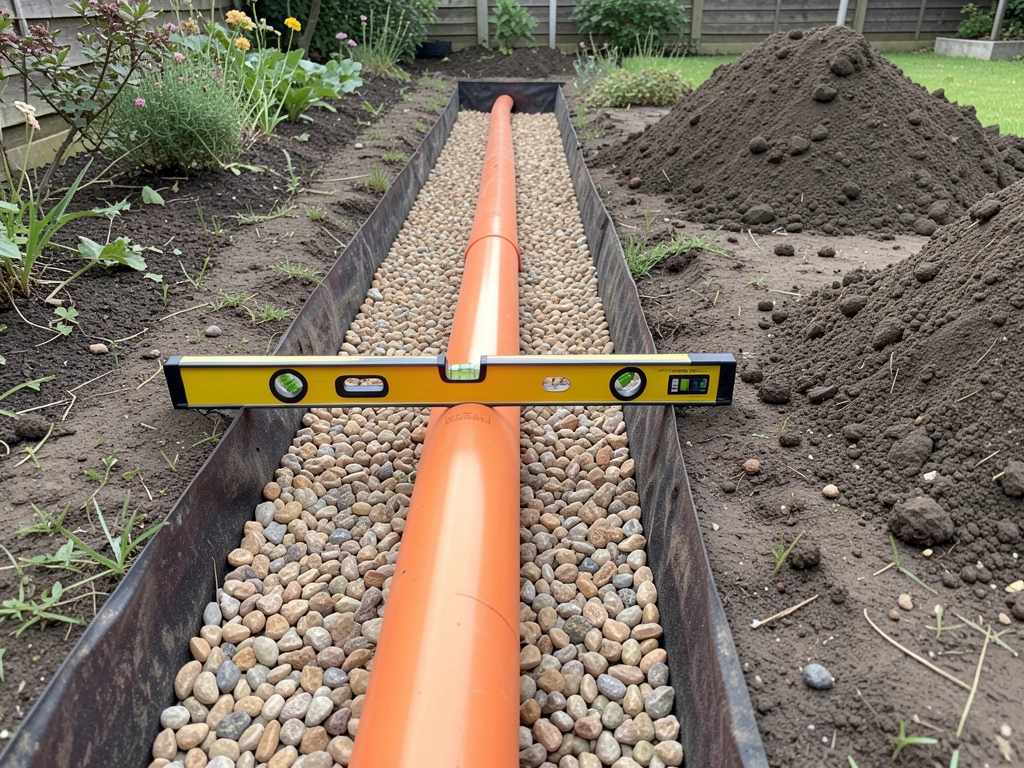
Photos taken by our operators, mostly on the last day before the concrete or the pipes went in.
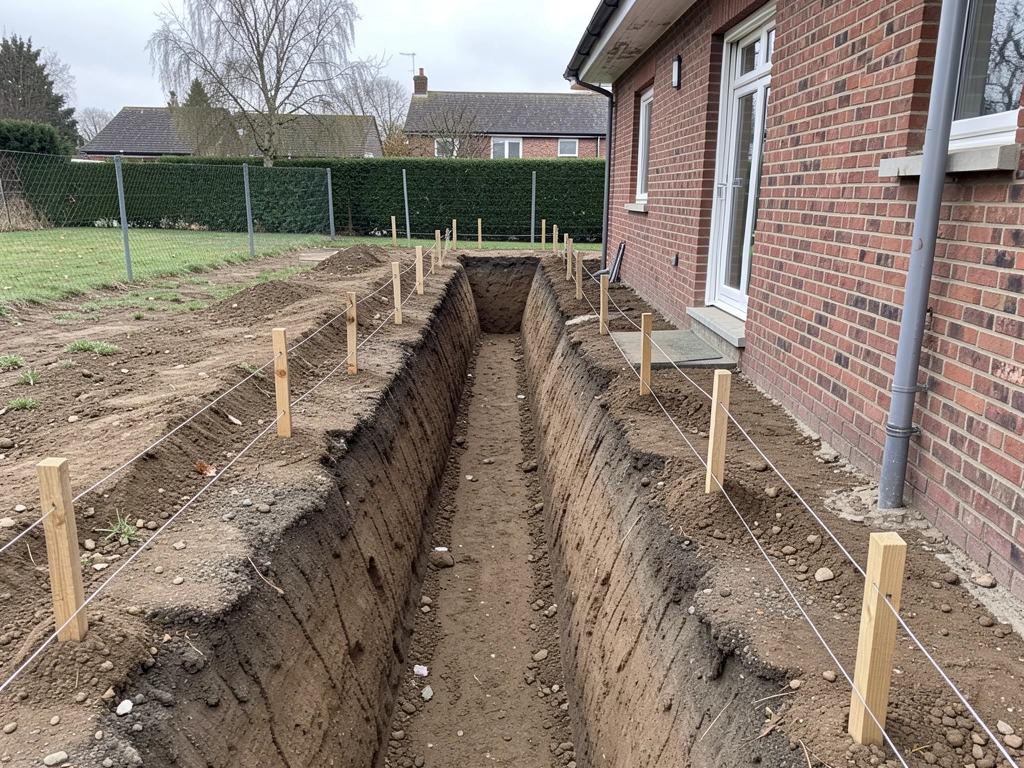
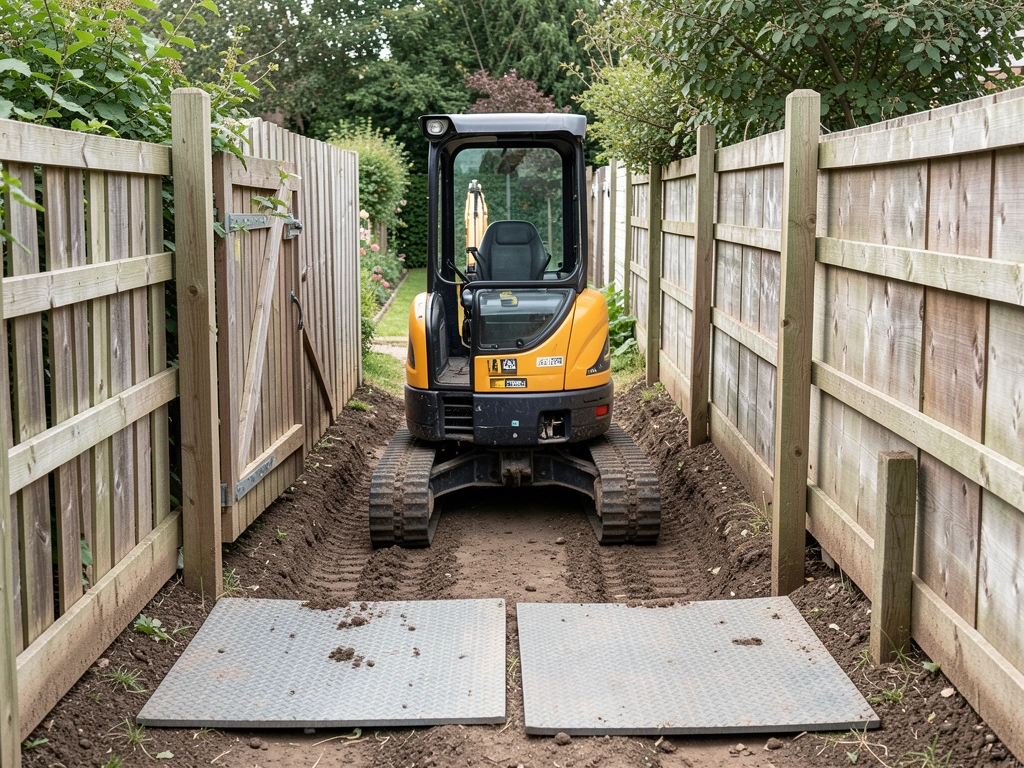
The scan found a live cable crossing the footings that nobody had on any drawing. They hand dug round it, called the network operator, and the extension stayed on programme.
The quote listed the machine, the days, the lorries and the tip fees separately, so there were no surprises on the invoice. The trench was dead straight.
They got a little machine through a gate that the other firm said was impossible, laid boards over the lawn, and took them up again the same evening.
Always. We gather the utility records, scan the ground with a locator and a signal generator, mark what we find and dig by hand near every mark. Where a national or local service lists what lies under a site, we use it before the job.
It depends on the country and the city. Foundations usually need building approval, which the owner or the main builder holds, while digging in a road or pavement needs a permit from the local authority. We tell you what similar jobs have needed and arrange the permits for work we carry out in the road.
Where it helps, it stays on site to build up levels or the garden. The rest is loaded into tipper lorries and taken to licensed tips, and the fees are shown in the quote.
Our smallest machine passes through a gap of about 1 metre. We measure the access on the site visit and suggest the biggest machine that fits, because it finishes the job sooner.
We stop, show you, and agree the next step before carrying on. The quote explains how breaking out rock or pumping water is charged, so the cost is never a surprise.
Jobs priced by the day are invoiced weekly. Fixed price jobs take a 20 percent deposit to book the machine, with the balance due when the site is handed back, settled with the Groundbreak office.
Tell us what needs digging and how a machine gets in. One of our estimators phones you before the following working day is out and books a site visit.
Machines leave the yard early, so calls before 07:30 may go to voicemail. Leave a message and the office calls back the same morning.
Building sites, farms and gardens within 80 km of the yard
| Monday to Friday | 07:00 to 17:00 |
| Saturday | 07:30 to 12:00, by arrangement |
| Sunday | Closed |
Building sites, farms and gardens within 80 km of the yard. Larger machines travel further for bigger jobs, with the delivery cost shown in the quote.
This excavation contractor website was built by AI from two sentences. Tell us about your business and yours is built the same way, with its pages, photos and booking in place, ready to preview in minutes.
About this sample page
Groundbreak Excavation is a made up contractor, but the way its single page lays out machines, rates and safety would suit any digging firm. The opening view pairs an operator beside a mini excavator with a cable scan readout, setting out the firm's priorities at a glance. Four machines with day rates follow, then fixed prices for the common digs and a note on spoil and tip fees. A section on buried services explains how lines are traced before work starts. A table of jobs and machines, steps, recent sites and example reviews complete the picture.
A digging firm joining AI Web Maker writes a short summary of its machines and travelling distance, which the builder turns into draft pages and an enquiry form. Builders and homeowners then make contact by form or phone, and day rates, deposits and payment are agreed with the firm itself. The drafts and previews are never billed, and the live site costs $119 a year of hosting on top of its domain. This sample page gives the thinking behind each Groundbreak section in turn. Another contractor could list its own fleet or move the buried services section higher without losing the order.
The whole sample website of an excavation contractor, explained ·