Home charger, supplied and fitted
from$1,290
- Charger with a tethered cable or a socket outlet
- Up to 10 metres of cable run
- Its own circuit and protection device
- Testing, a certificate and the charging schedule set with you
Plug Point installs electric vehicle chargers at homes and workplaces. A qualified electrician checks your supply and the cable route before we quote, so the price you agree is the price you pay.
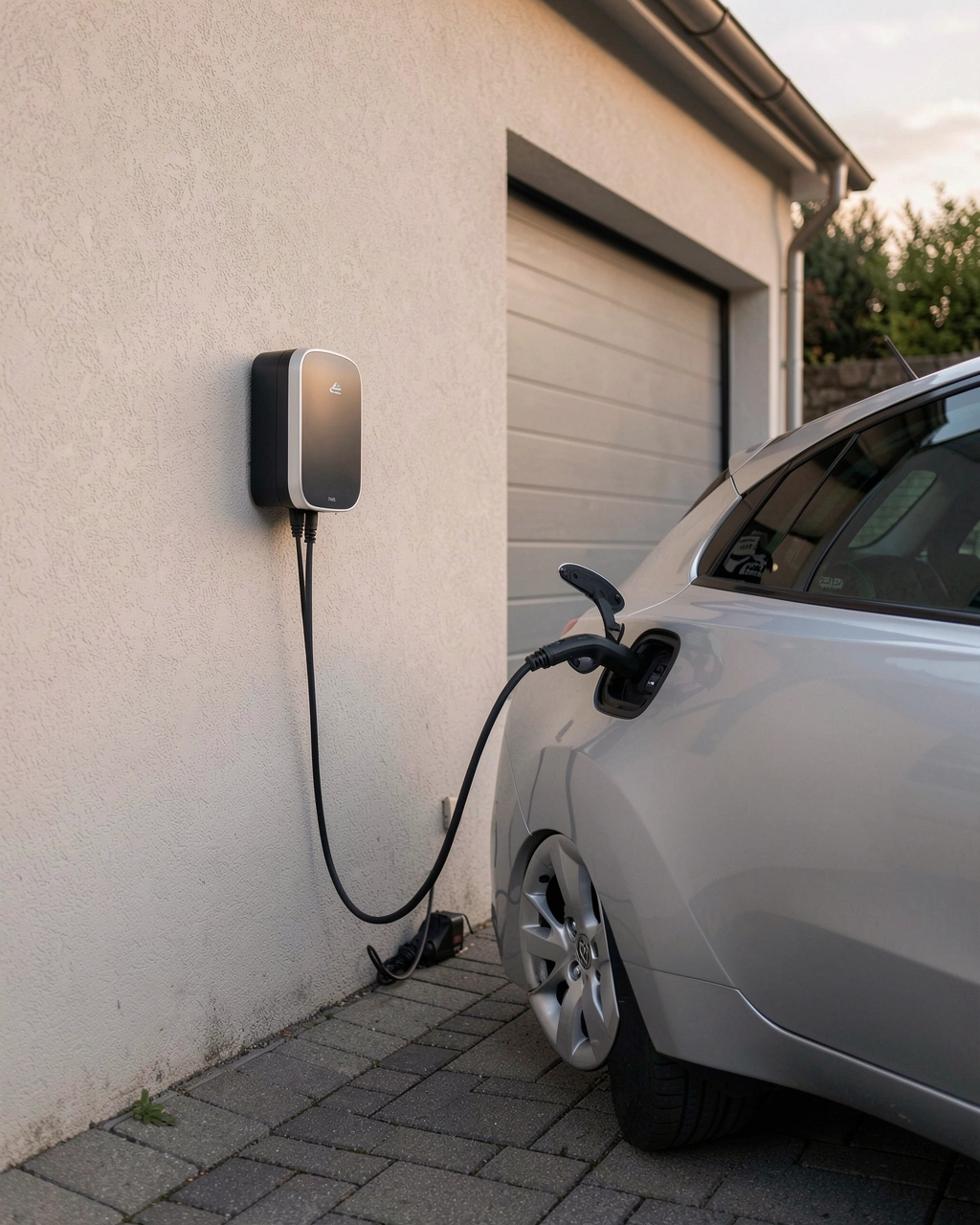
Prices cover a standard install, where the charger sits within 10 metres of the main panel and the supply has room for it. The survey confirms the price before anything is ordered.
from$1,290
from$690
per point, from$2,450
Longer cable runs, trenching and panel upgrades are priced on the survey. Work starts once you accept the quote, and payment is arranged directly with us when the charger is tested and handed over.
A survey takes about forty five minutes. These six things decide whether a home or a site can take a charger as it stands.
| We check | Why it matters | If it falls short |
|---|---|---|
| The main fuse or breaker rating | A charger draws a large current for hours at a time | Load management, or an upgrade requested from the network operator |
| The panel and its spare space | The charger needs its own circuit and protection | A small extra panel fitted beside the main one |
| The earthing arrangement | Local wiring rules set how a charger must be earthed | An earth rod or the protection those rules call for |
| The cable route | Distance and walls set the time and the price | A route through the garage or along the wall, agreed with you |
| Where the car parks | The cable has to reach the charging port without crossing a path | A wall position or a post at the right spot |
| Signal at the parking spot | Smart chargers need a connection for schedules | A signal booster, or a charger that works offline |
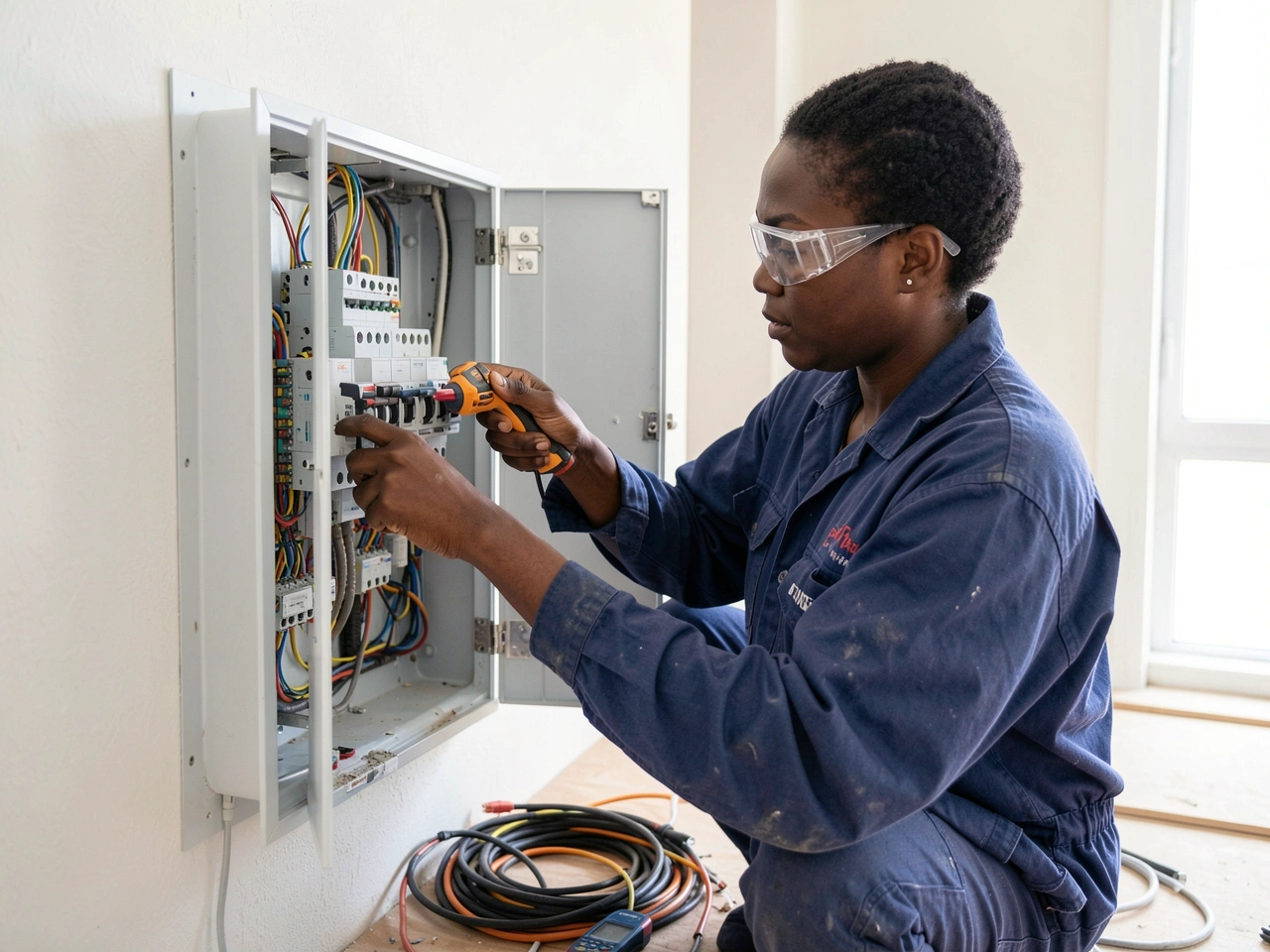
Every install is carried out by an electrician who holds the qualification required in the place where the work is done, and who follows the local wiring rules. Those rules differ between countries and sometimes between cities, so the survey notes which ones apply to your address.
Where the network operator has to be told about a new charger, or has to approve it first, we prepare and send that paperwork. You receive the test results on the day, and the charger is registered wherever local rules ask for it.
Most homes move from the survey to a working charger within two to three weeks.
Use the form to tell us where the car parks and where the main panel is.
An electrician checks the supply, the panel, the earthing and the cable route.
Sent within two working days, with any network paperwork explained.
The charger is mounted, wired, tested and set up with you.
Test results, a short demonstration and a number to call with any question later.
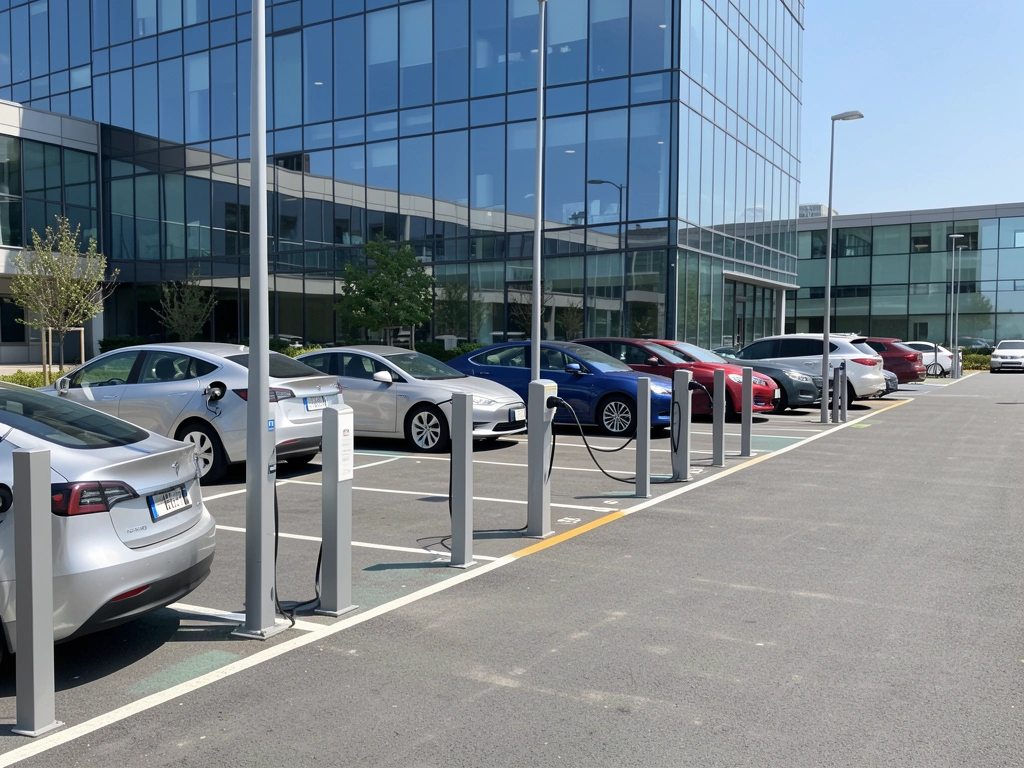
Shared sites need more planning than a driveway, because several cars draw on one supply. We design the layout with the building manager before the first post goes in.
Charge points laid out across a car park, with load management so every car gets a fair share of the supply.
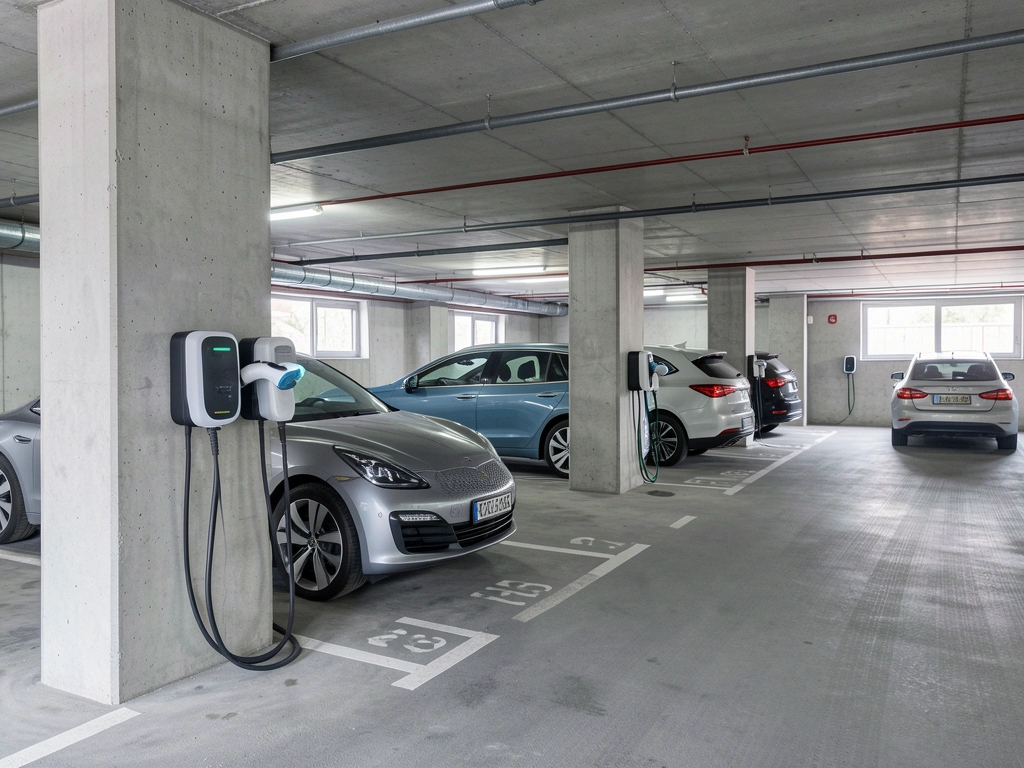
Chargers for residents in shared garages, wired to each flat's own supply or to a shared meter, as the building agrees.
A controller that shares the available capacity between chargers, so adding cars does not always mean a bigger supply.
A charger taken down at the old address and fitted at the new one, after a fresh survey, then tested again.
Chargers that trip, stop charging or lose their connection checked by an electrician and repaired where parts allow.
A safety test of each charger, its cable and its protection, with a written record for the site's files.
Shared sites usually need the building owner's agreement first, and the rules on shared parking vary by country.
Each charger goes where the car's charging port meets the parking spot, with the cable kept clear of the path.
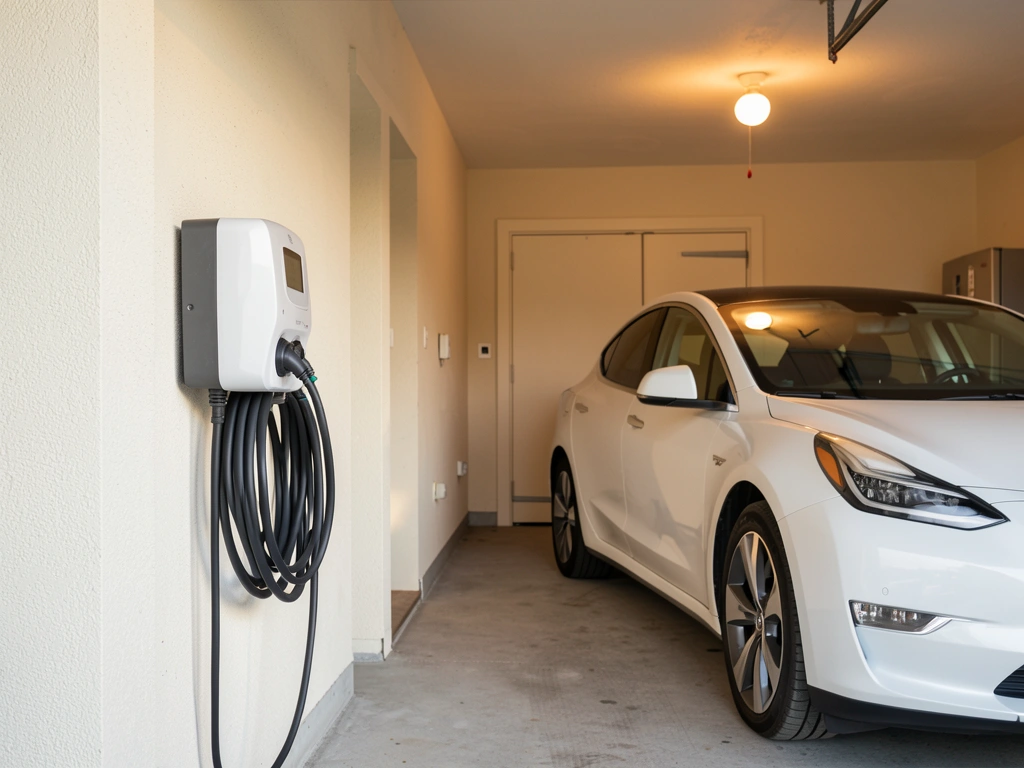
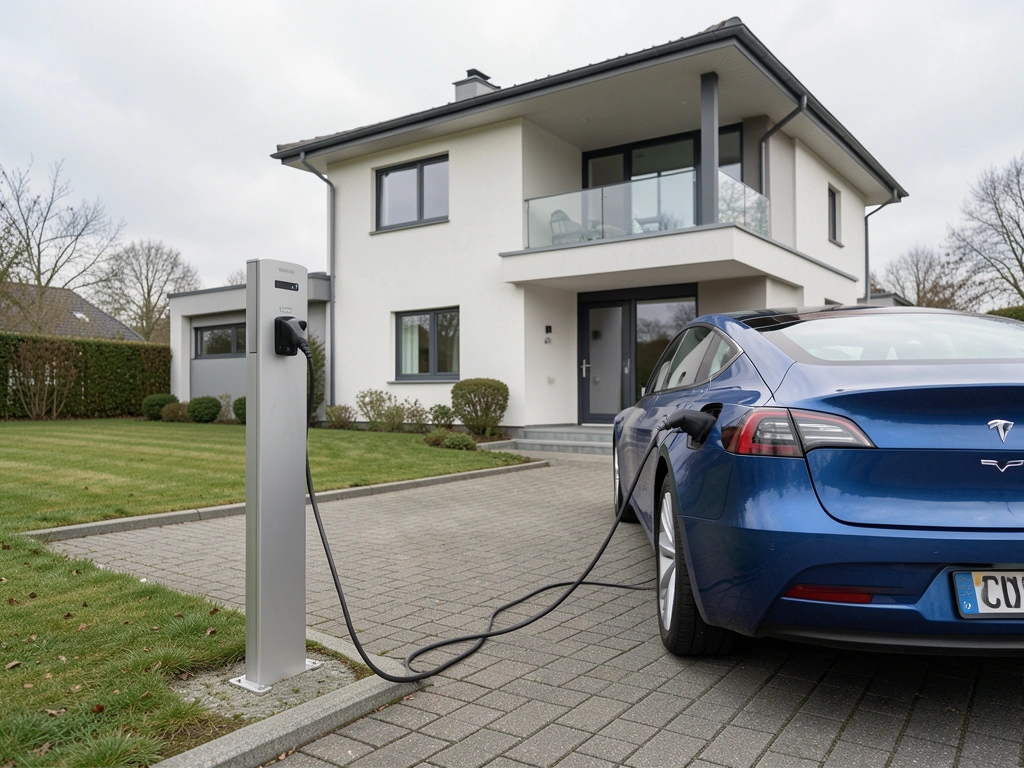
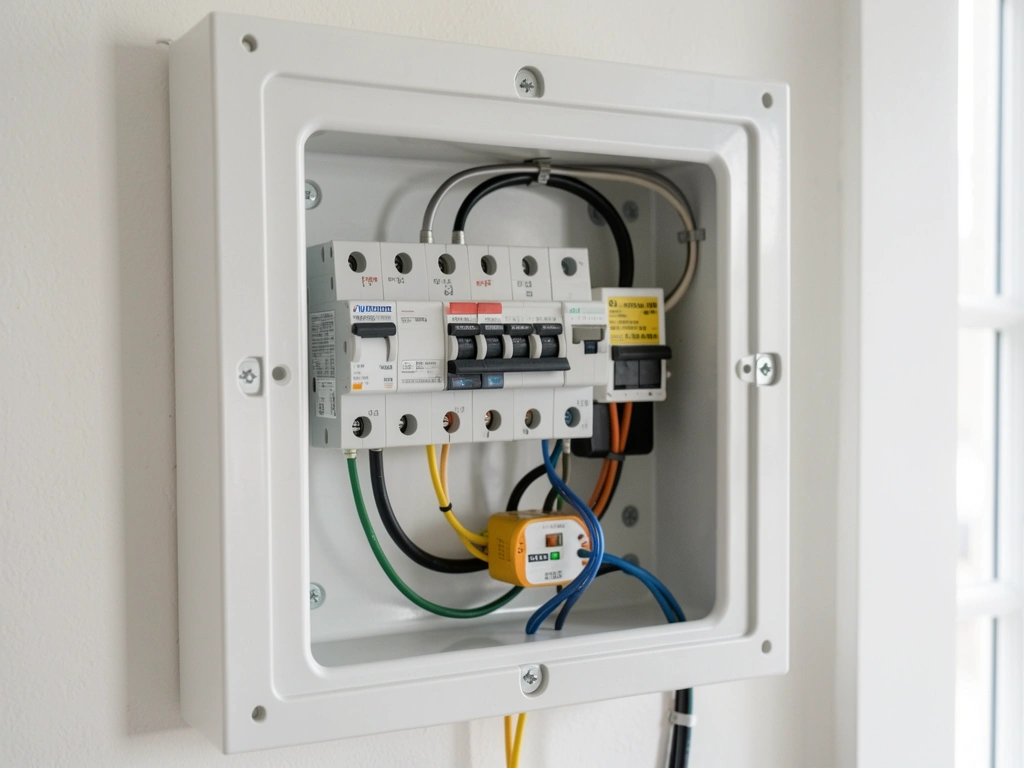
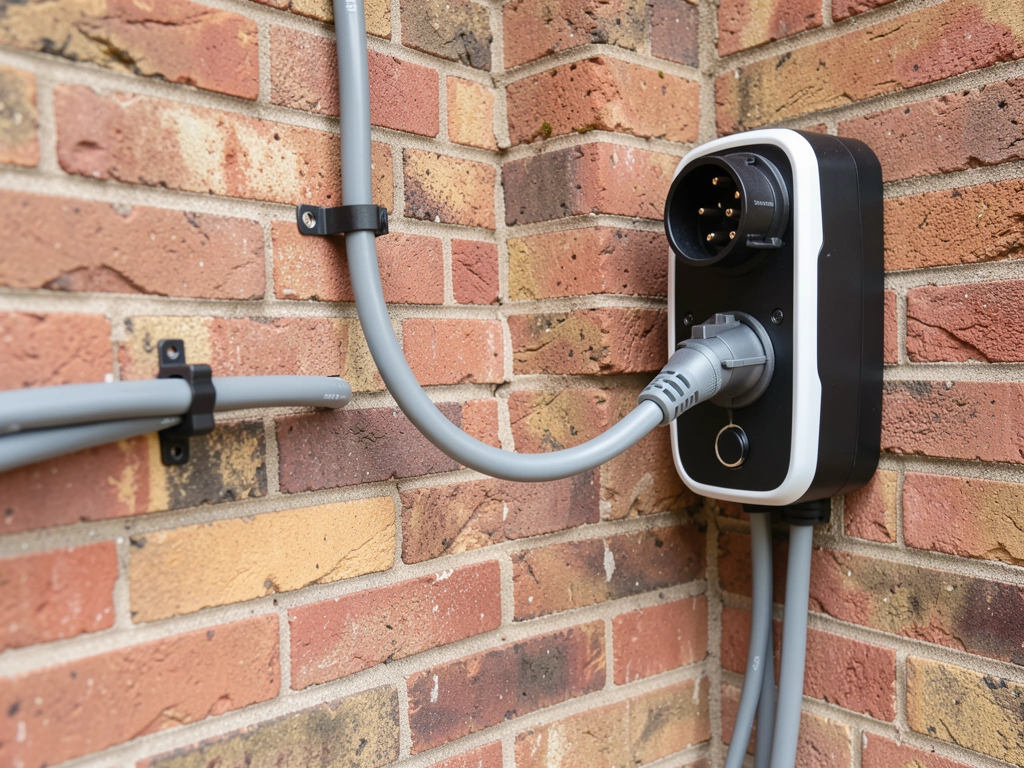
The survey found the panel had no spare space, so they fitted a small extra one and explained why on the quote. Charging every night since, and the cable stays tidy on its holder.
Eight bays at the office, done in two phases over two weekends, so nobody lost a parking space during the working week.
A clear quote, an electrician who arrived on time, and the network paperwork sent off without any effort on our side.
Almost certainly. Chargers use the connector standard of your region, and the survey confirms which one your car takes. A tethered cable or a socket outlet are both possible.
It can for occasional use, but ordinary sockets are not designed for many hours at a high current every night. A charger on its own circuit is the safer choice for daily charging.
It depends on where you live. Some places ask for the network operator to be told or to approve first, and landlords, building owners or residents' associations may need to agree. The survey sets out what applies at your address.
Some countries, regions and utilities offer grants or rebates, and they change often. We point you to any scheme we know of for your area, and you confirm the terms with whoever runs it.
Most home installs take about half a day. Long cable runs, trenching or an extra panel can make it a full day. Workplace sites are planned in phases.
For homes, the balance is due when the charger is tested and handed over. Workplace jobs take a deposit of 30 percent when the order is placed. Payment is arranged directly with our office.
Tell us where the car parks and what kind of building it is. An electrician calls back within one working day to set a survey time.
The office answers calls on weekdays, and surveys also run on Saturday mornings.
Homes and workplaces across the metro area and the towns within 50 km
| Monday to Friday | 08:00 to 18:00 |
| Saturday surveys | 09:00 to 13:00 |
| Sunday | Closed |
Homes and workplaces across the metro area and the towns within 50 km. Bigger sites beyond that line are still quoted, with the extra mileage shown as its own line.
This ev charger installer website was built by AI from two sentences. Tell us about your business and yours is built the same way, with its pages, photos and booking in place, ready to preview in minutes.
About this sample page
Plug Point EV Chargers is a made up firm, invented at AI Web Maker so that charger businesses could see prices, safety and surveys laid out on one page. At the top, a needle sweeps across a charging gauge beside the survey button, since almost every job begins with a visit. Three packages follow with starting prices and the assumptions behind them, then a table of the checks an electrician makes before quoting. A section on qualified electricians and network paperwork answers the safety questions careful buyers ask. This order moves a visitor from curiosity to a booked survey in a few minutes of reading.
To make a site like it, an installer types a few lines about the packages and the towns served, and the builder turns them into draft pages that include an enquiry form. Messages from that form, and calls, go straight to the installer, who settles every price and payment with the customer. Once the site is published, hosting runs to $119 a year plus the domain, while drafting and previewing stay unbilled. The sample page sets out the reason behind each section's position. Dropping the workplace part, adding a grants part or reordering the rest would not break that logic.
The whole sample website of an EV Charger Installer, explained ·