Desk study and site history
Old maps, previous uses, nearby watercourses and known ground issues reviewed to show what the site may be hiding before anyone digs.
Reportfrom $1,200
Site assessments, soil and water sampling, ecology surveys, noise monitoring and permit support for builders, councils and businesses. We tell you what the site holds, what the rules where you build are likely to ask for, and what answering them will cost.
Fees are for a typical site of up to one hectare. Larger or more complex sites receive a fixed fee proposal after a short call.
Old maps, previous uses, nearby watercourses and known ground issues reviewed to show what the site may be hiding before anyone digs.
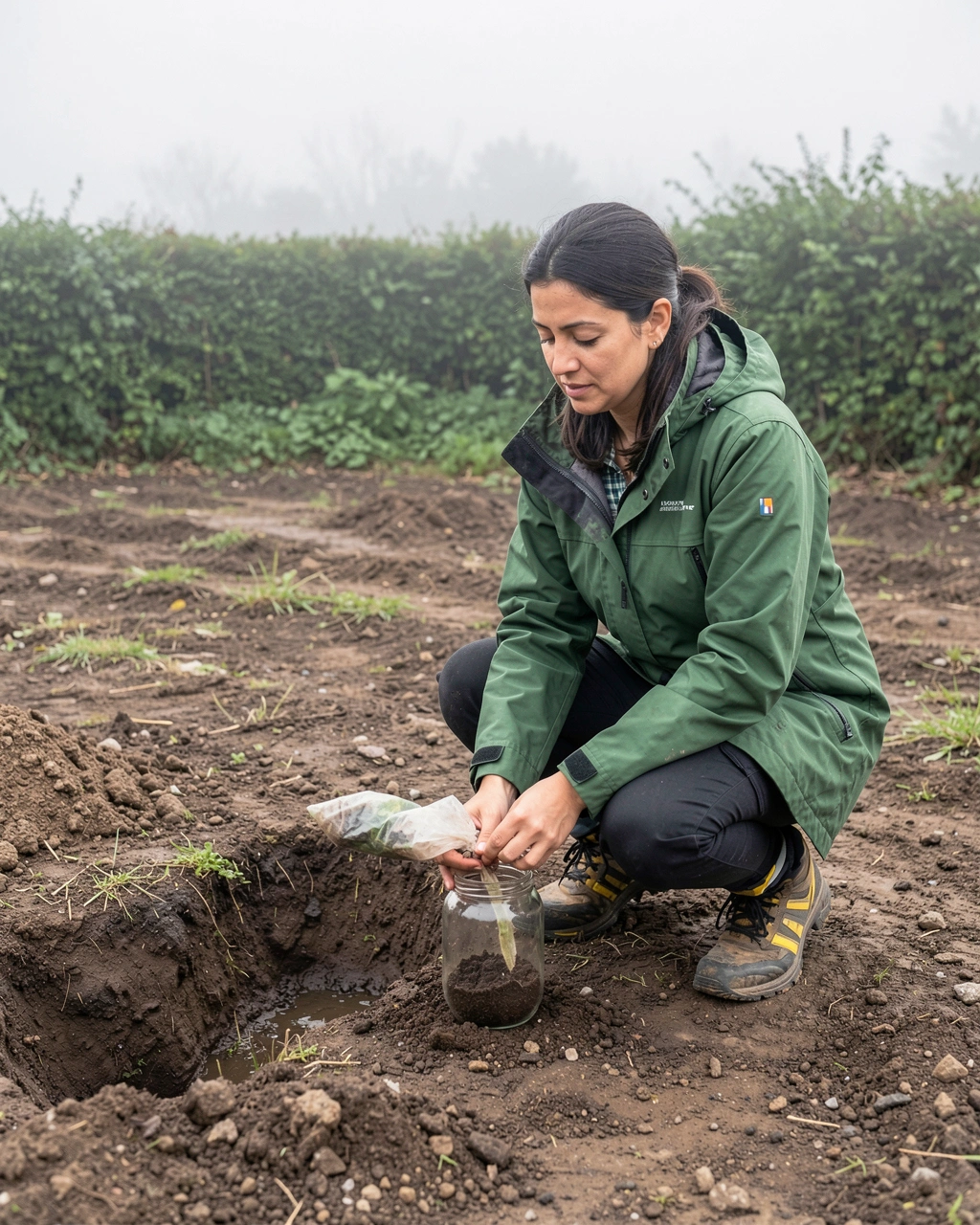
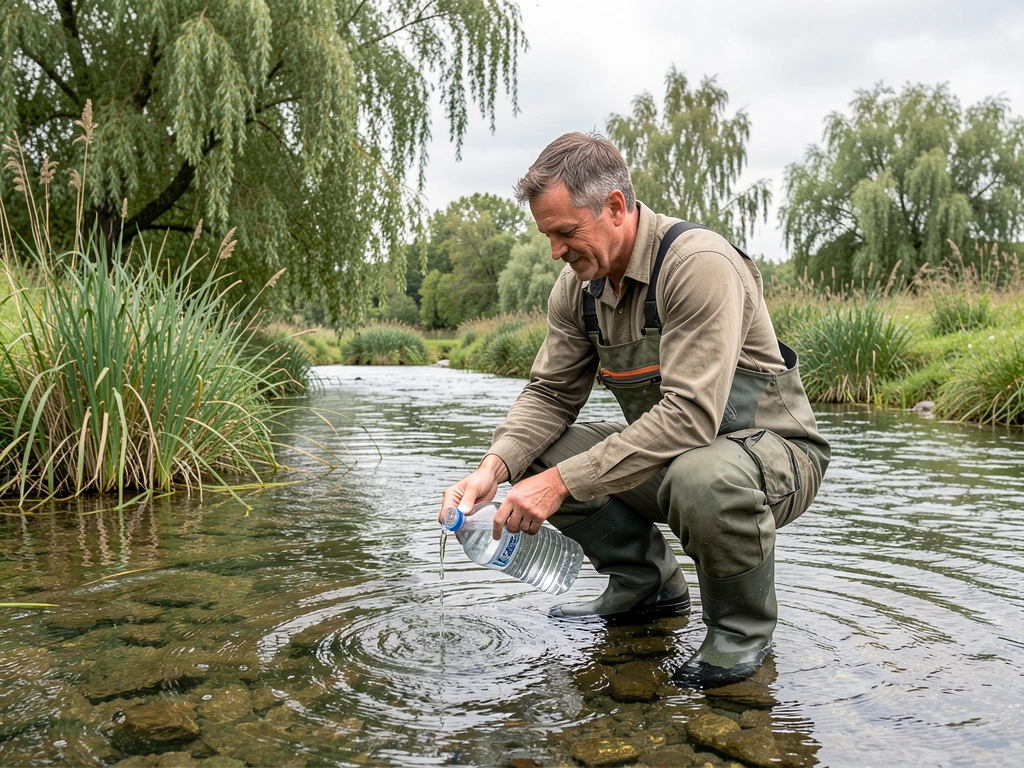
Trial pits and boreholes sampled for soil and groundwater contamination, tested by an accredited laboratory and explained in plain terms.
Habitat surveys and checks for protected species, timed to the months when they are active, with advice on keeping the work lawful and on programme.
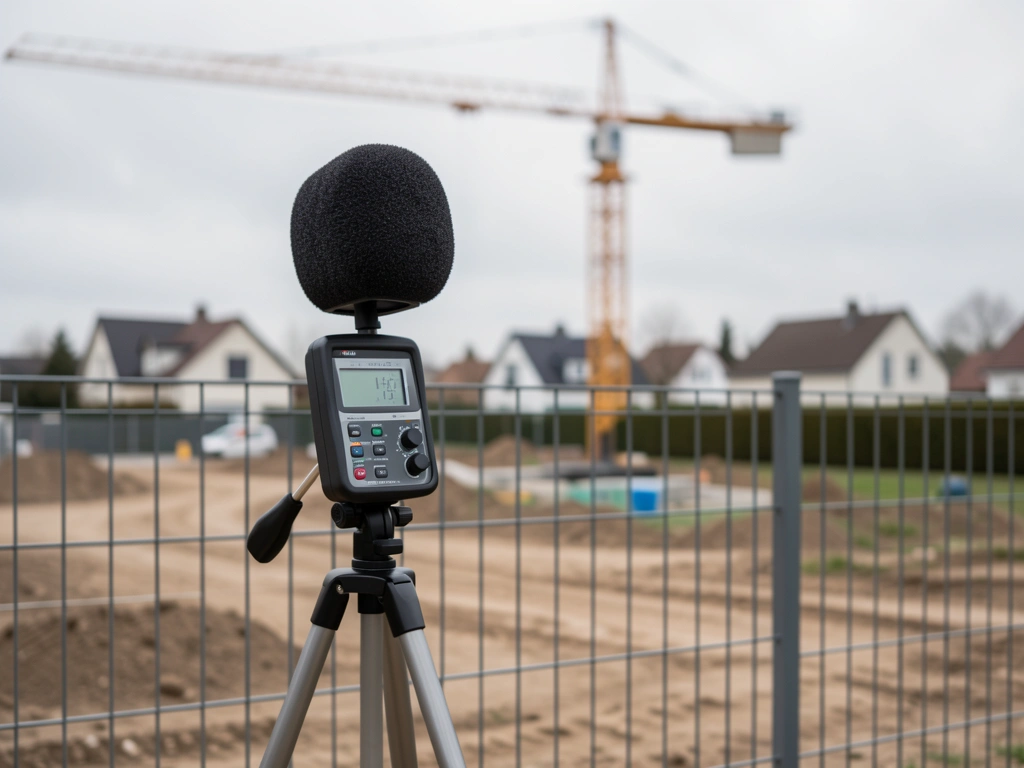
Baseline and construction monitoring at the site boundary, with readings logged and summarised for neighbours, councils and contractors.
Applications prepared and supporting reports written for the permits your project needs. The decision always rests with the authority that issues them.
Practical plans for dust, run off, waste and wildlife during construction, written so that site teams can actually follow them.
Laboratory testing is charged at cost and shown on its own line in every proposal.
Requirements differ between countries and between local authorities. This is the pattern we see most often, and the first call confirms what applies to your site.
| Project stage | What is usually asked for | What we provide |
|---|---|---|
| Buying land or a building | Evidence of past uses and possible contamination | A desk study, plus a site walkover if risks show up |
| Planning or zoning application | Reports on ground conditions, ecology and noise | The surveys the authority lists, coordinated as one package |
| Before groundworks | Proof that contamination is understood and managed | Ground investigation and a remediation strategy where needed |
| During construction | Controls on dust, noise, run off and wildlife | An environmental management plan and monitoring visits |
| Running a site | Permits for discharges, emissions or waste | Permit applications, monitoring and yearly reporting support |
Tell us about the site, the project and what has been asked for. We say which studies are needed and which are not.
Scope, programme and fee in writing, with laboratory costs listed apart.
Records and maps reviewed so that fieldwork targets the real risks instead of guessing.
Surveys, sampling and monitoring carried out safely, in the right season for any ecology.
A report with a plain summary on page one and a clear list of what happens next.
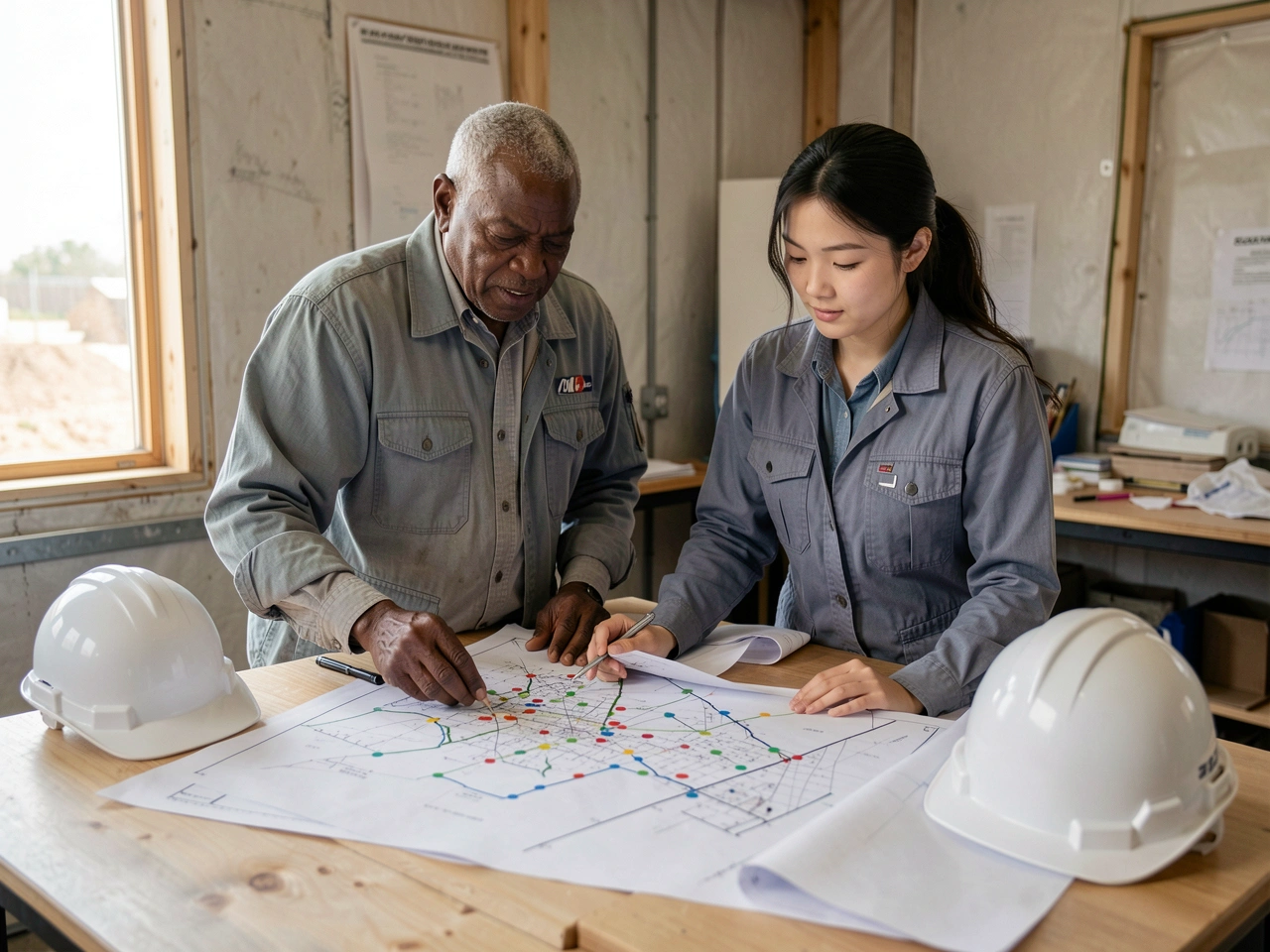
Planning officers, lenders and site managers rarely read a technical report end to end. Every Greenfield report opens with a single page summary of what we found, what it means for the project and what we recommend, with the evidence set out in the sections that follow.
Projects from a single house plot to a regional infrastructure scheme.
We say so straight away when a study is not needed, and we never promise the outcome of a permit or planning decision, because those decisions belong to the authorities.
Most commissions mean muddy boots at some point, whatever the weather.


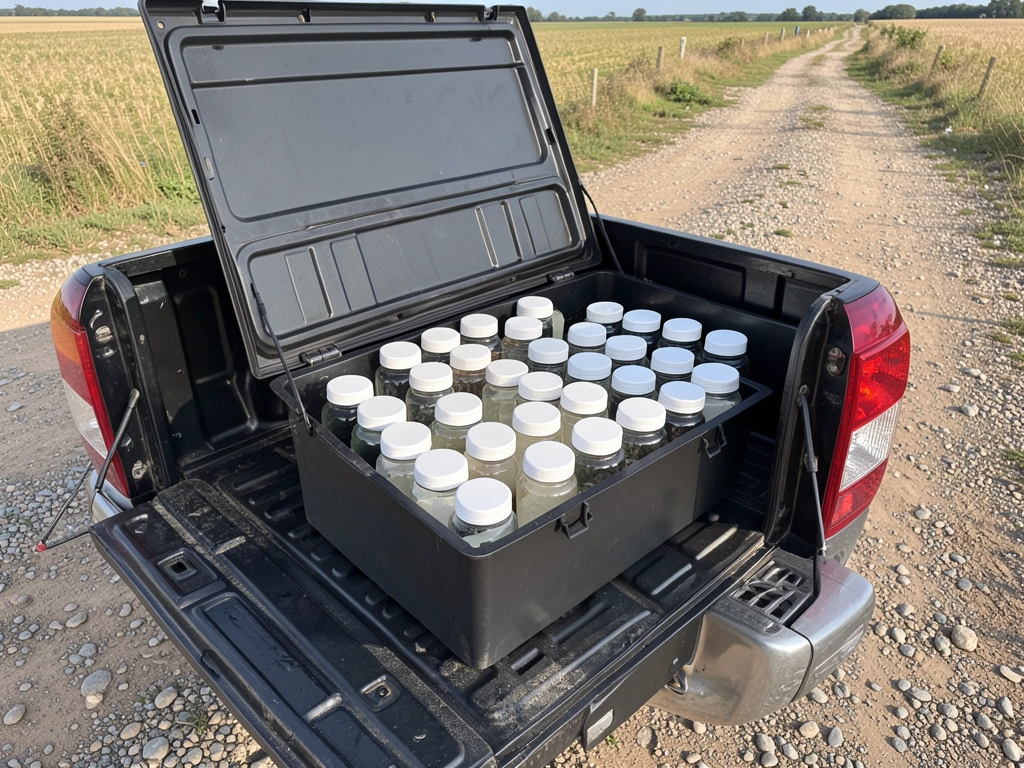
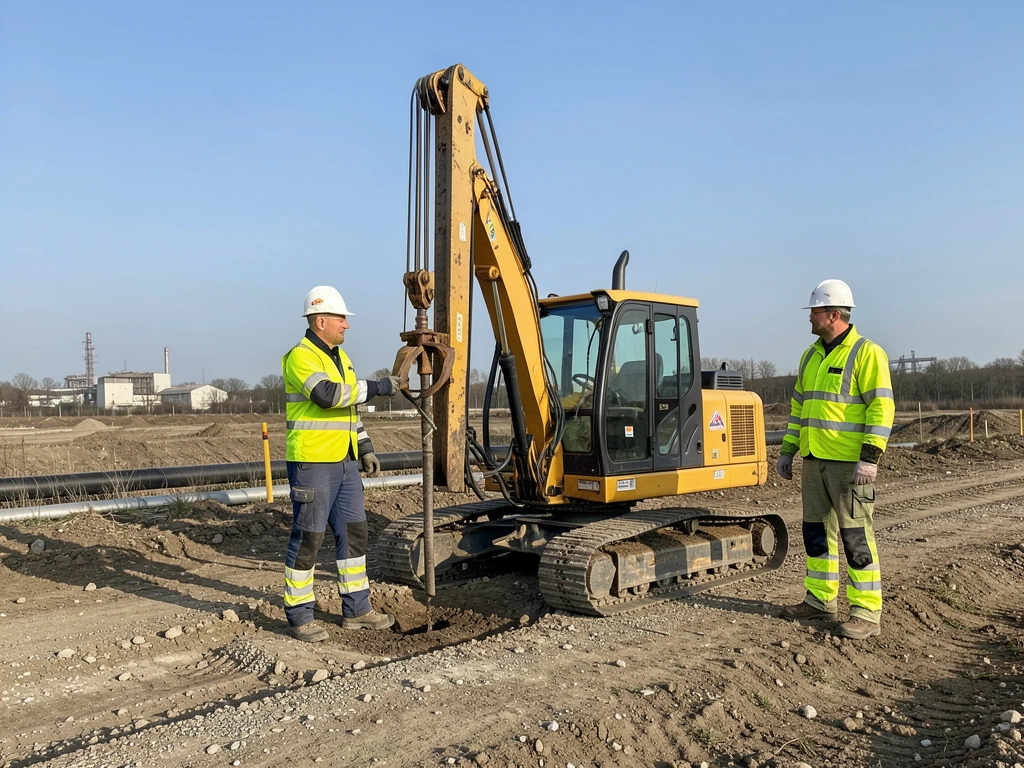
The desk study flagged an old fuel tank on the plot before contracts were exchanged. The price came down by more than the report had cost.
Bat surveys were booked for the right months, so the planning timetable never stalled while everyone waited for the season to come round again.
Weekly monitoring summaries went to the neighbours in a format anyone could read, and the complaints had stopped within a month.
It depends on the project, the location and the authority involved, and the rules differ between countries and regions. In the scoping call we review what has been asked for and tell you which studies are needed and which can be left out.
No. Decisions belong to the authority that issues the permit or the consent, and no consultant can promise the outcome. What we can do is make sure the evidence is complete, accurate and clearly presented.
Many species can only be recorded reliably while they are active, breeding or flowering. Booking surveys early keeps the programme moving, because a missed season can mean waiting until the following year.
Around ten working days from instruction for a typical site. Ground investigation adds fieldwork days and laboratory time, which the programme in each proposal sets out.
We explain the risk in plain terms and set out the options, from leaving material in place under a cover layer to removal or treatment. The approach is agreed with you and, where required, with the regulating authority.
Every commission has a fixed fee proposal, with laboratory costs passed on at cost. Invoices follow the stages of the programme, and payment for each stage is arranged directly between your organisation and ours.
Tell us about the site and the project. A consultant replies within two working days with the studies we think you need and a fixed fee.
Enquiries are answered by a qualified consultant, never by a sales team.
Office in the market town, fieldwork across the region
| Monday to Friday | 08:30 to 17:30 |
| Saturday | Fieldwork by arrangement |
| Sunday | Closed |
Sites across the region from our main office, with fieldwork further afield by arrangement. We work alongside your architect, engineer and planning consultant rather than around them.
This environmental consultant website was built by AI from two sentences. Tell us about your business and yours is built the same way, with its pages, photos and booking in place, ready to preview in minutes.
About this sample page
Greenfield Environmental is a fictional consultancy whose one page site shows how environmental advisers can present their work on AI Web Maker. The hero sets a monitoring card tracing boundary noise beside an arched field photo, over a background of contour lines. Starting fees then appear on six cards covering desk studies, ground investigation, ecology, monitoring, permit support and management plans. A table then matches each project stage to the study usually requested and the help on offer. That table is the part of the sample most worth adapting.
Below it, five steps describe how a commission runs and a reports section explains the one page summary at the front of every report. A client list, a field gallery, example reviews and six questions on scoping, permits, seasons, timing, contamination and fees prepare visitors for the proposal form. A consultancy on AI Web Maker sums up its studies and region in a few lines, and the builder turns that summary into a draft page with an enquiry form. Proposal requests come through the form or the phone line, and each fee is settled between the consultancy and its client. The studies, stages and photos can all be rewritten while the structure stays intact.
The whole sample website of an environmental consultant, explained ·